 AI
AIOpen ocean and cays
Seabirds of Puerto Rico
The coast is the viewpoint; the sea is the habitat. Learn to separate families at distance without turning a colony into a close approach.
Reviewed:First decide whether you are watching a seabird or a shoreline bird.
Seabirds depend on the ocean for food, and many spend much of their lives far from land even though they need beaches, cliffs, caves, or cays for resting and nesting. Not every bird beside salt water belongs to the same group: herons, shorebirds, and ducks use the coast differently and are better compared in their own guides.
Puerto Rico holds species visible from bays and headlands, breeders tied to islands and cays, pelagic visitors, and rare records. This selection does not promise all of them on one outing: it organizes 14 profiles by shape, flight, feeding, and context so a distant observation can retain useful evidence.
Open ocean and cays
The sea in four patterns
14focal profilesA verifiable sample of frigatebirds, pelicans, boobies, terns, shearwaters, and petrels.
4field signalsSilhouette, flight, feeding, and relationship to land.
6core sourcesLocal list, marine education, refuges, and colony studies.
01
Frigatebird, pelican, and boobies: large silhouettes
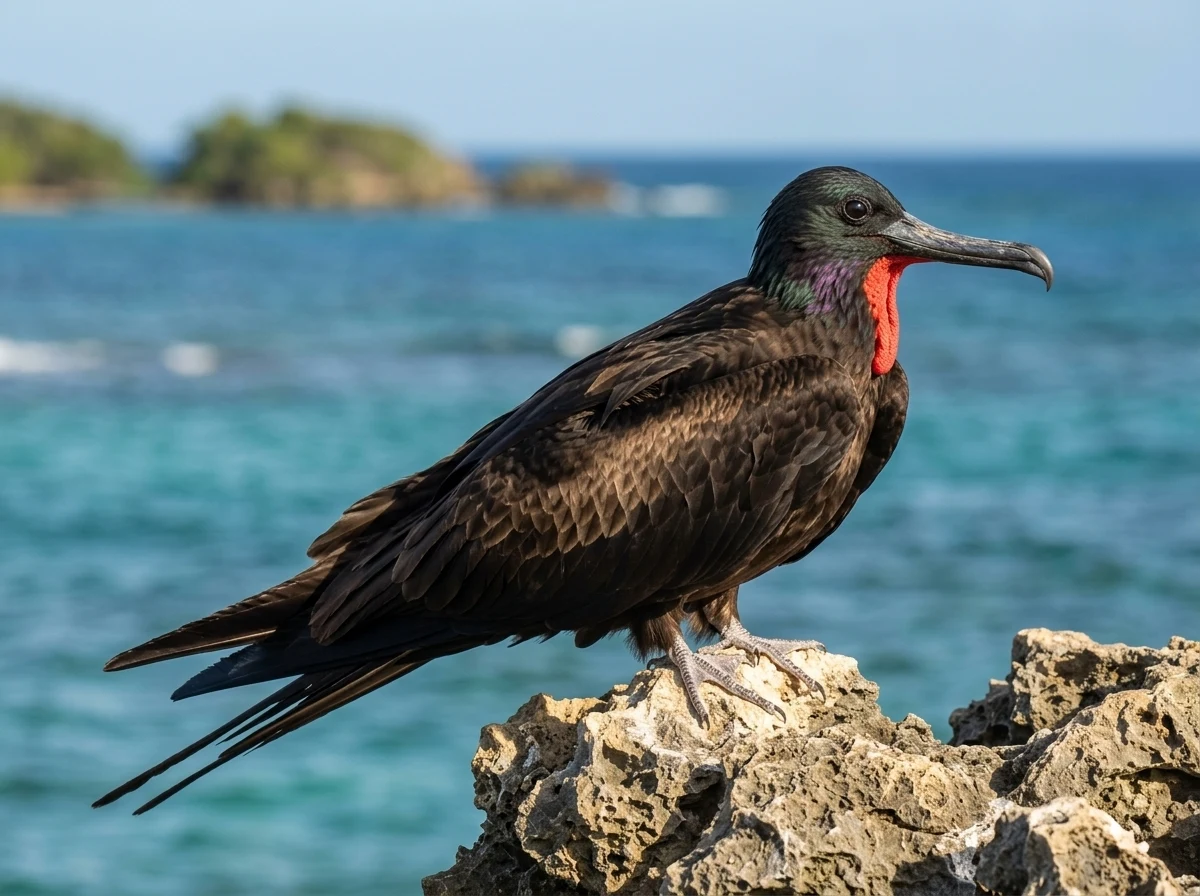
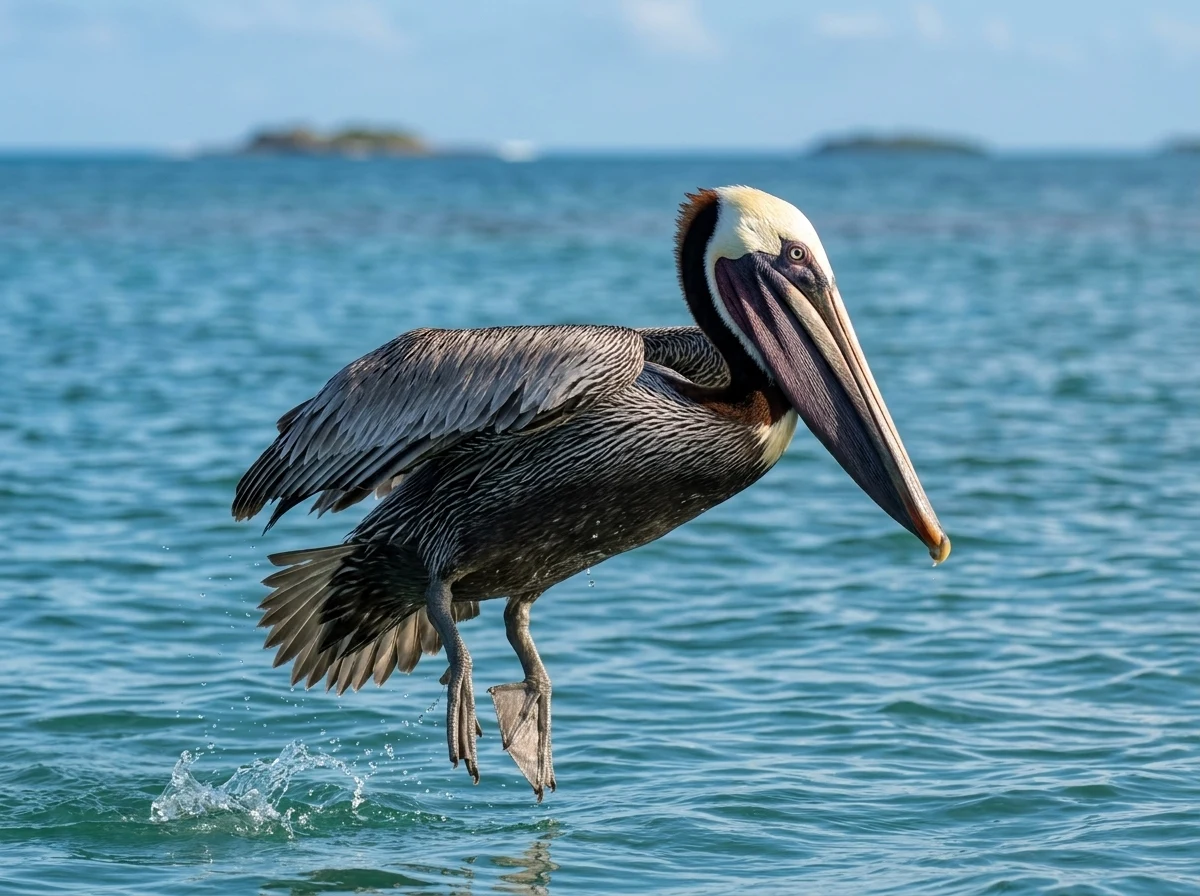
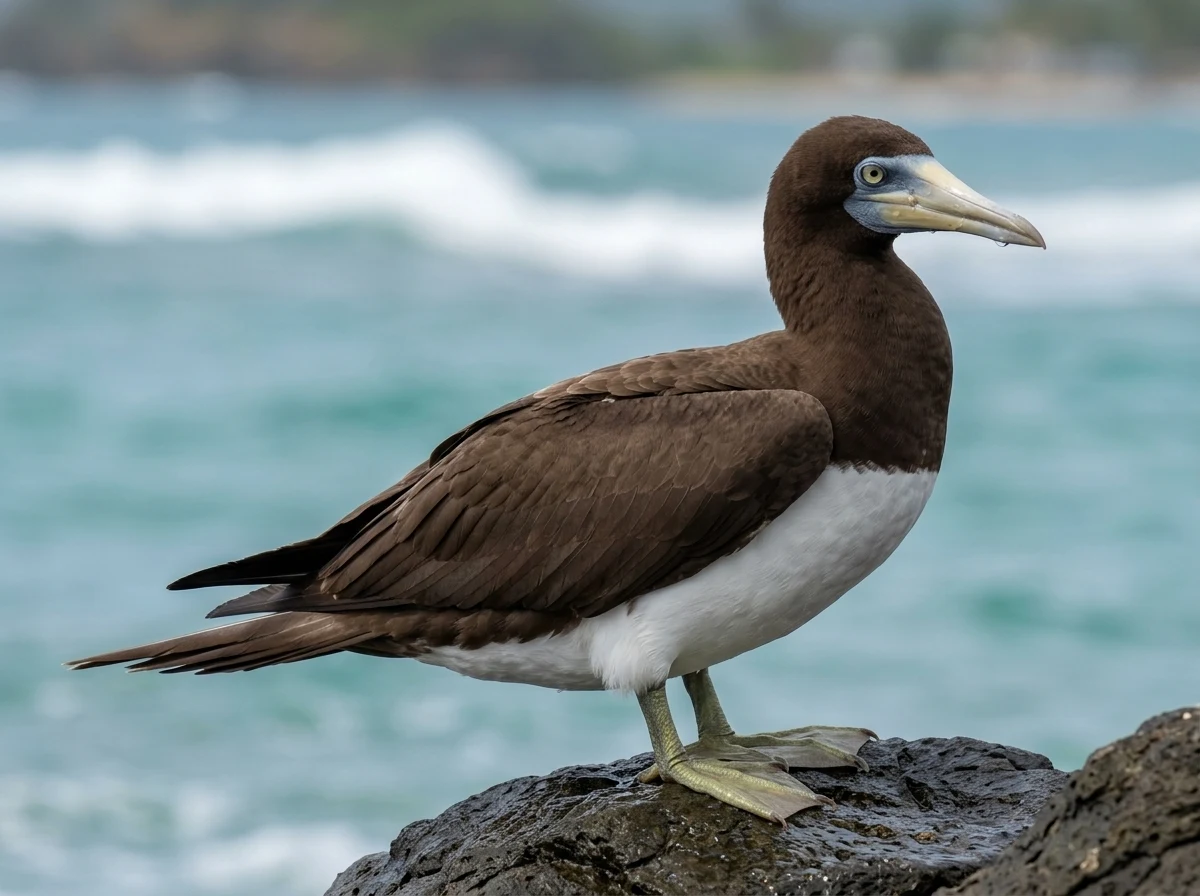
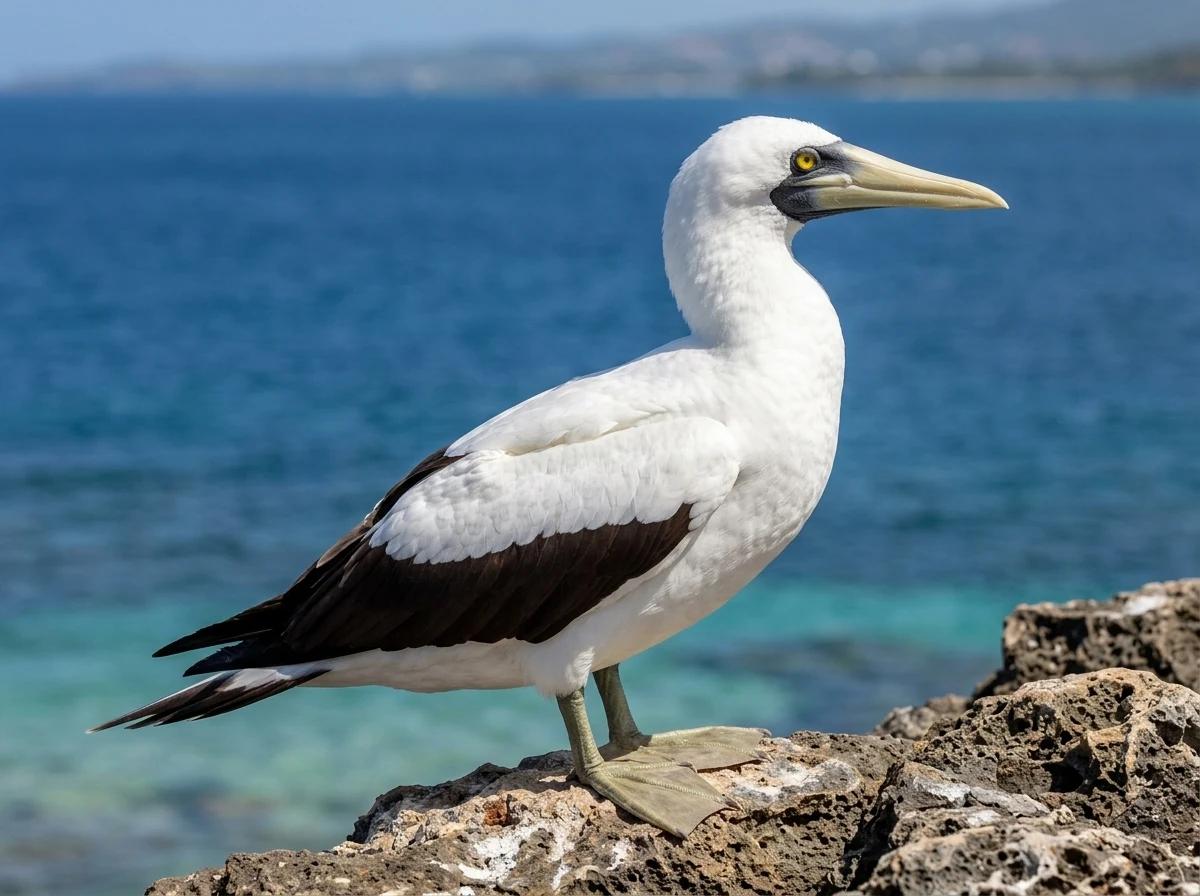
Magnificent Frigatebird combines long angular wings with a deeply forked tail; it often soars high and differs sharply from the heavy shape of Brown Pelican. Pelicans alternate low lines of gliding with plunge-dives, while boobies show a more compact body, long wings, and direct flight over the sea.
For Brown, Masked, and Red-footed Boobies, record head and body color, wing and tail contrast, apparent bill and foot color, and age. Distance can erase those colors: when only a booby shape remains, keep the identification at group level.
02
Terns, noddies, and gulls: watch tail and technique
Terns usually look light, with narrow wings, a forked tail, and active searching before a feeding plunge. Sooty and Bridled Terns share dark upperparts, but forehead and collar pattern, tail, and colony context help; Brown Noddy appears more uniformly dark and sturdier.
Laughing Gull has a gull's build, broader wings, and flexible behavior around both coast and sea. For any mixed group, photograph several birds in one frame: relative scale and flock shape often survive glare better than a perceived color.
03
Shearwaters and petrels: flight pattern leads
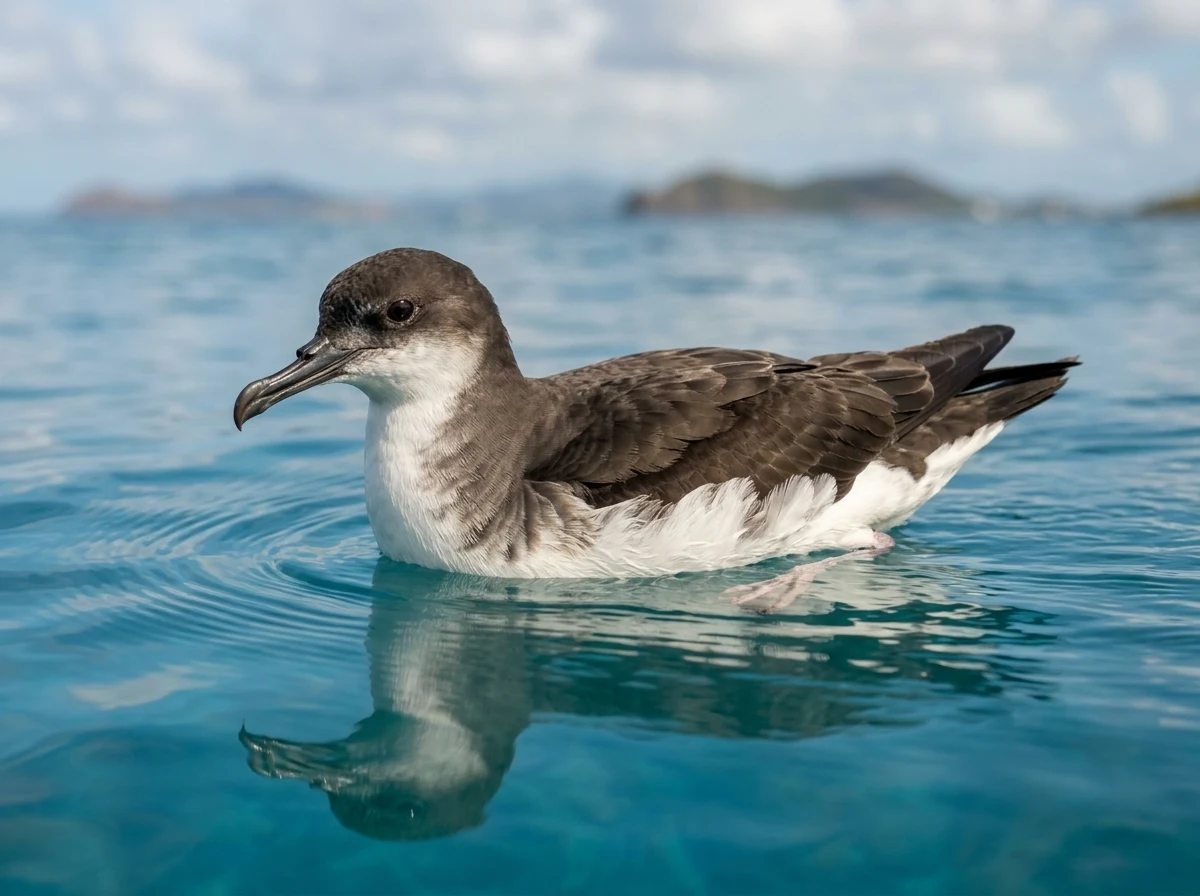
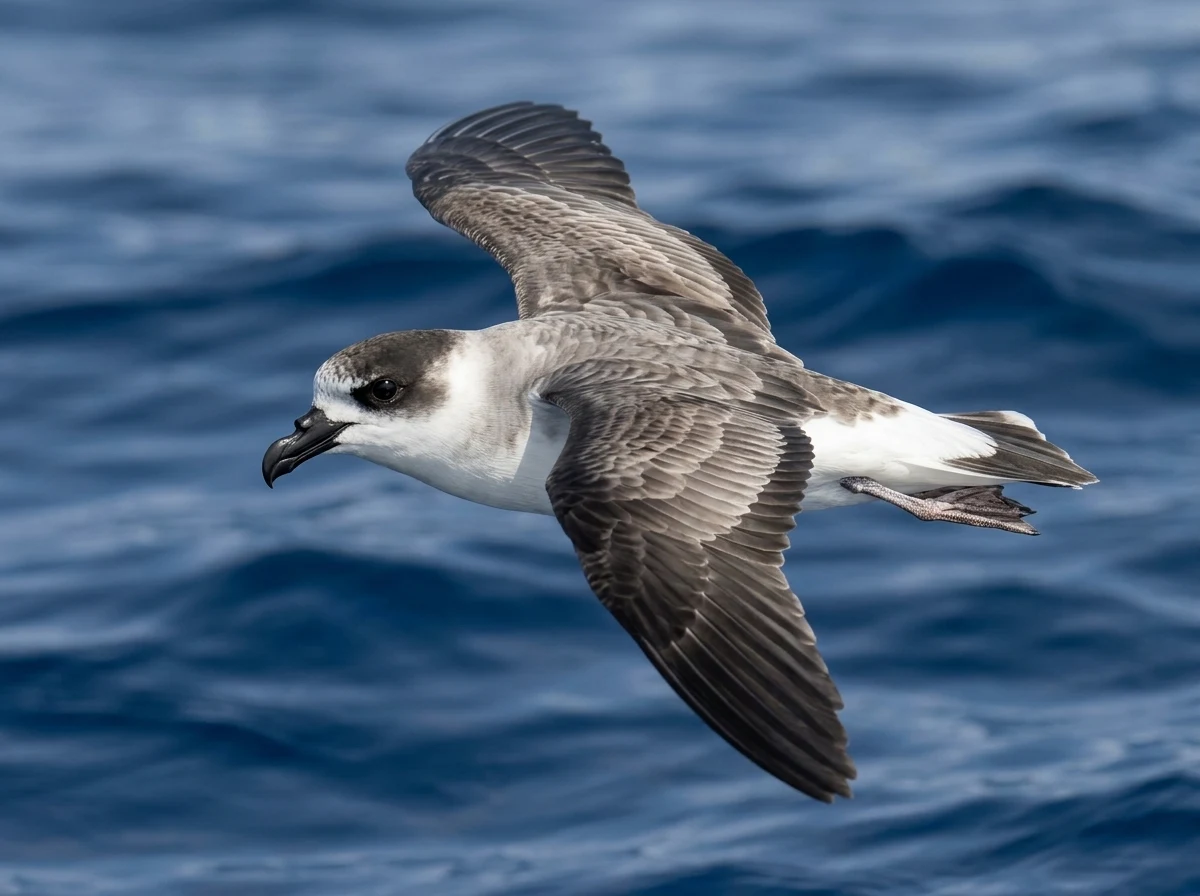
Shearwaters alternate low arcs, stiff wings, and glides that seem to cut the surface. Petrels may show more dynamic flight over swells. Angle, wind, and distance change the impression: note how many wingbeats precede each glide, height above water, and contrast across back, belly, and wings.
Sargasso Shearwater has documented cave breeding on Mona and, in 2023, the first documented nest on Desecheo within a restoration program. That finding does not turn protected places into access points or support an assumption of current abundance; it connects conservation evidence with a species difficult to see from shore.
04
Where and when to watch without disturbance
Begin from public shore with a broad horizon, bay, or headland, and record date, time, wind, rain, and flight direction. Culebra, Vieques, Mona, Desecheo, and other cays form breeding or roosting context for different species, but access, closures, permits, and sea conditions must be checked with the responsible authority.
Never land on a nesting cay without authorization, use drones near colonies, or ask a vessel to close distance until birds flush. If birds raise their heads, call, leave perches, or fly because of your presence, back away. A scope, patience, and a less precise identification protect more than a close photograph.
Linked profiles
Fourteen profiles to study before scanning the horizon
Compare families and flight patterns first; open each profile for names, habitat, occurrence, conservation, and available imagery.
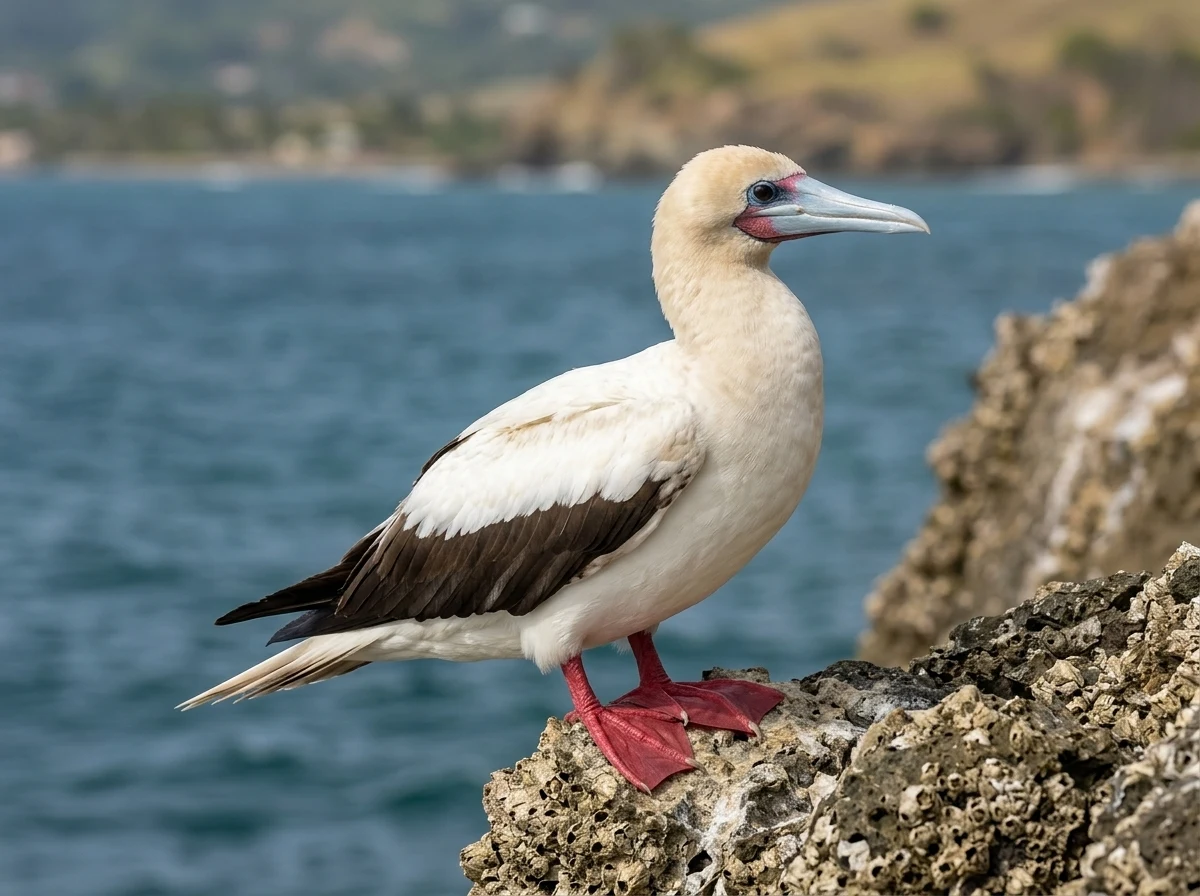
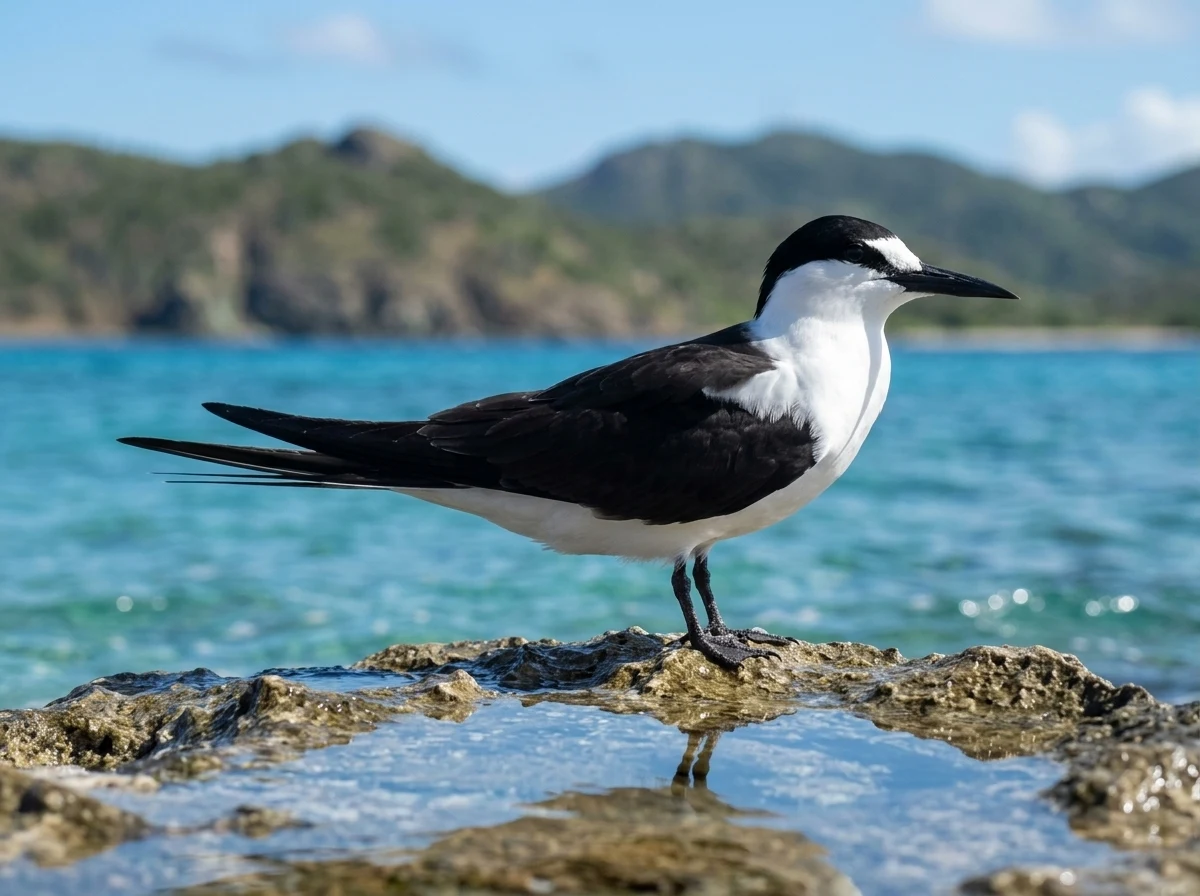
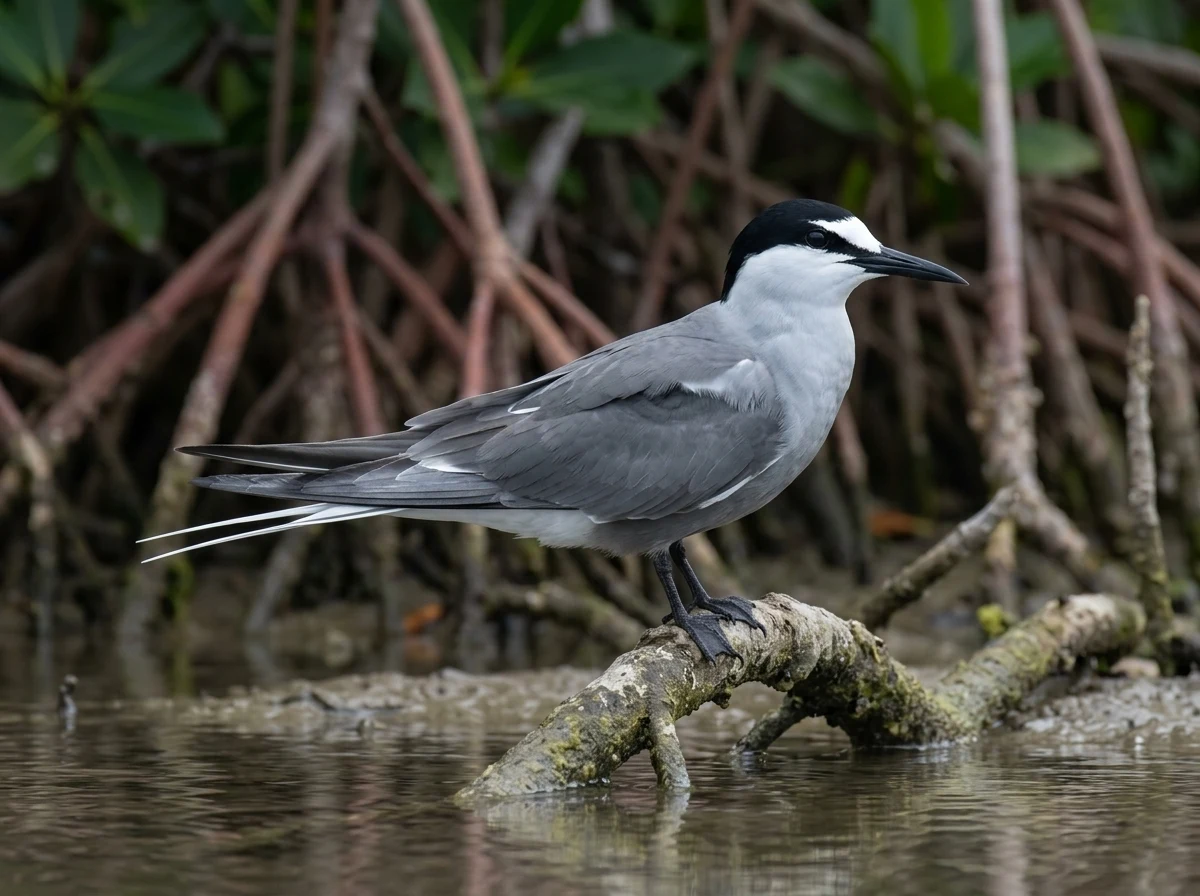
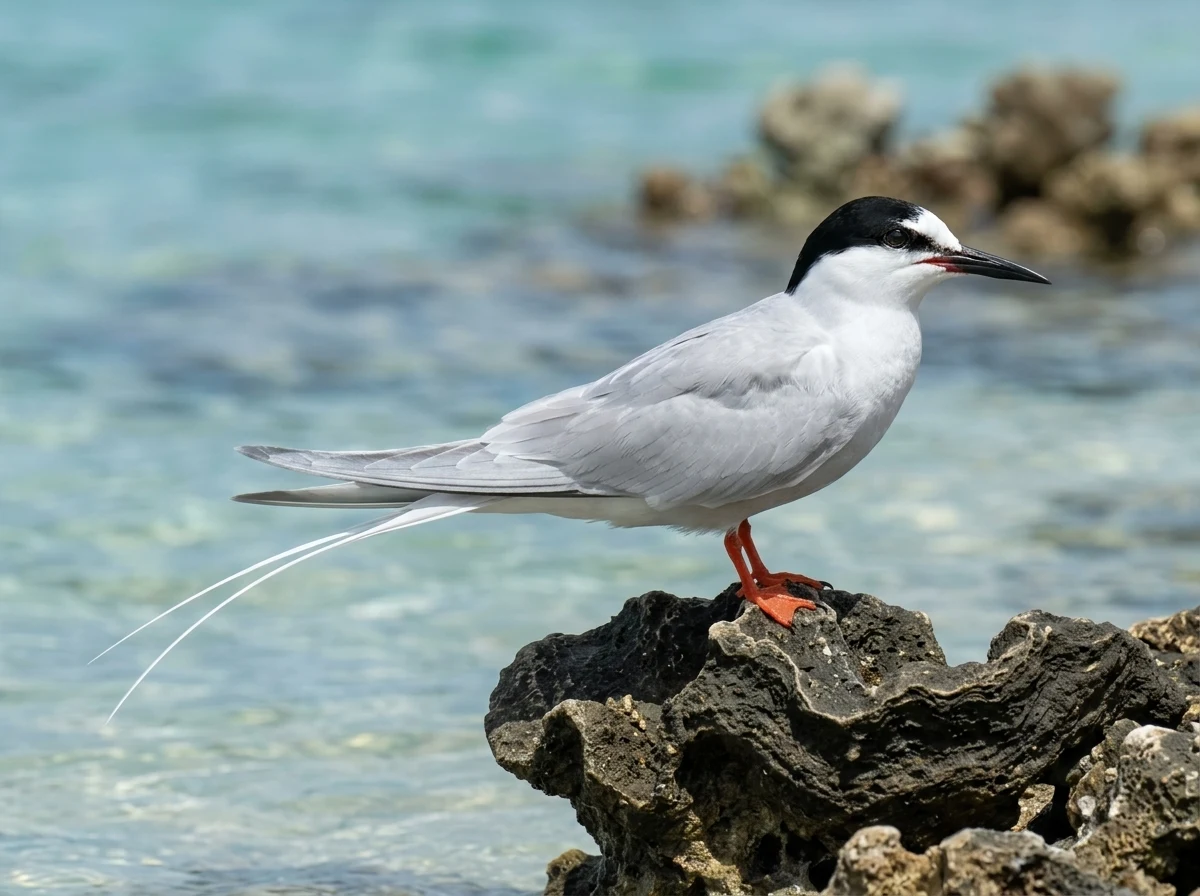
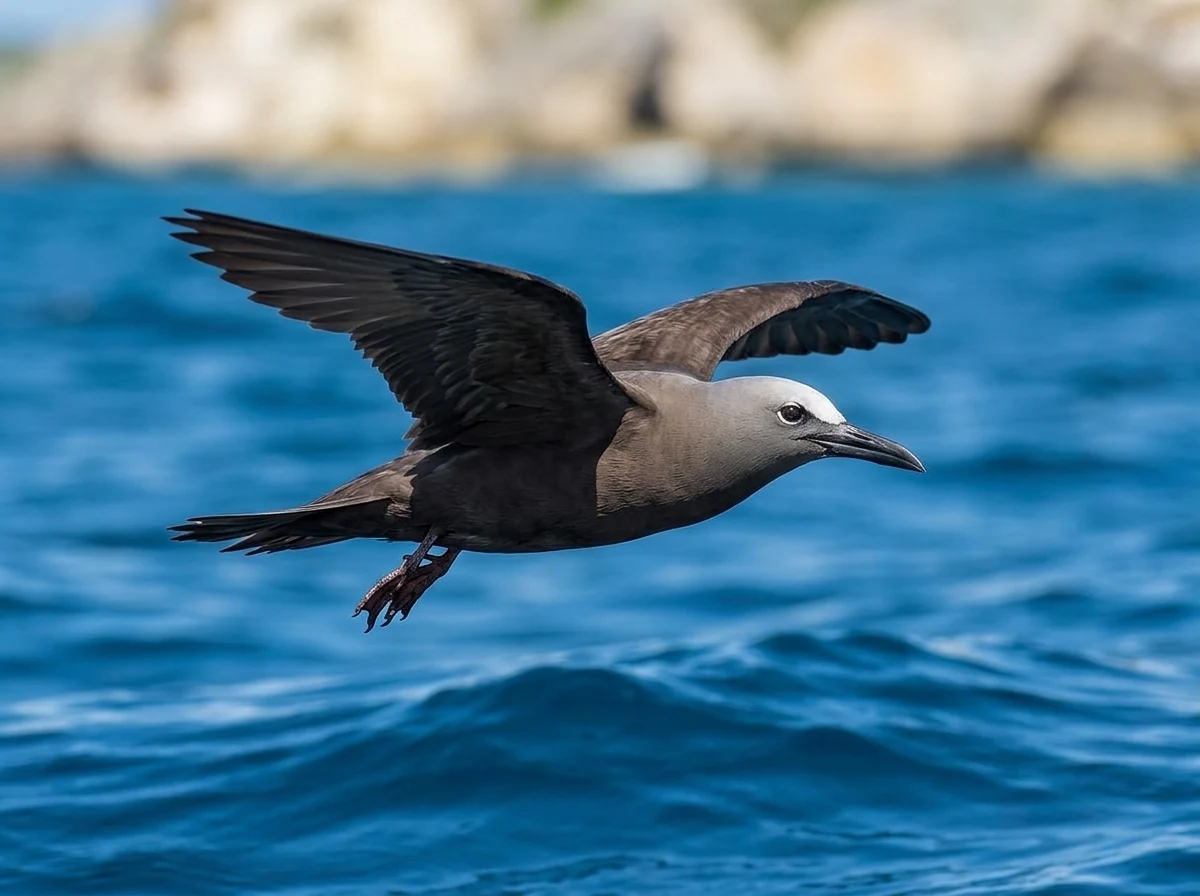
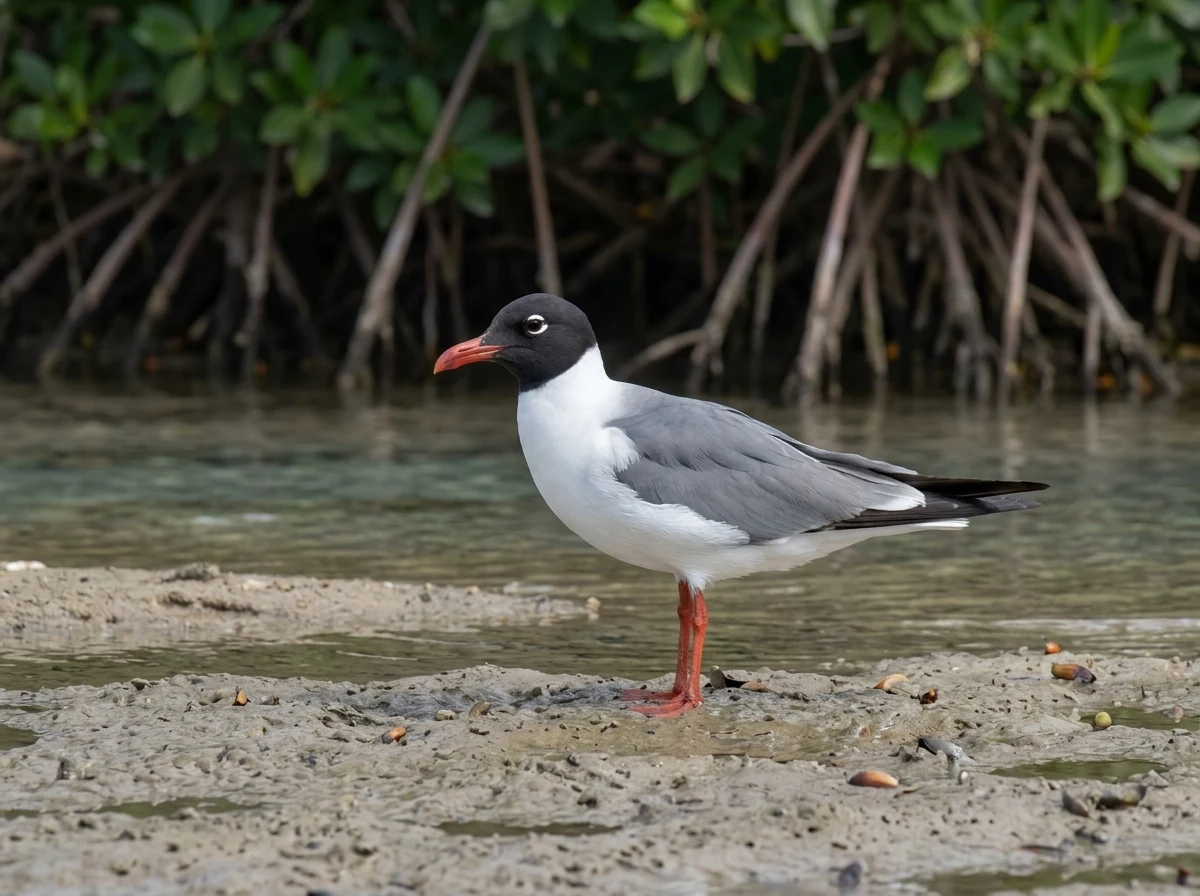
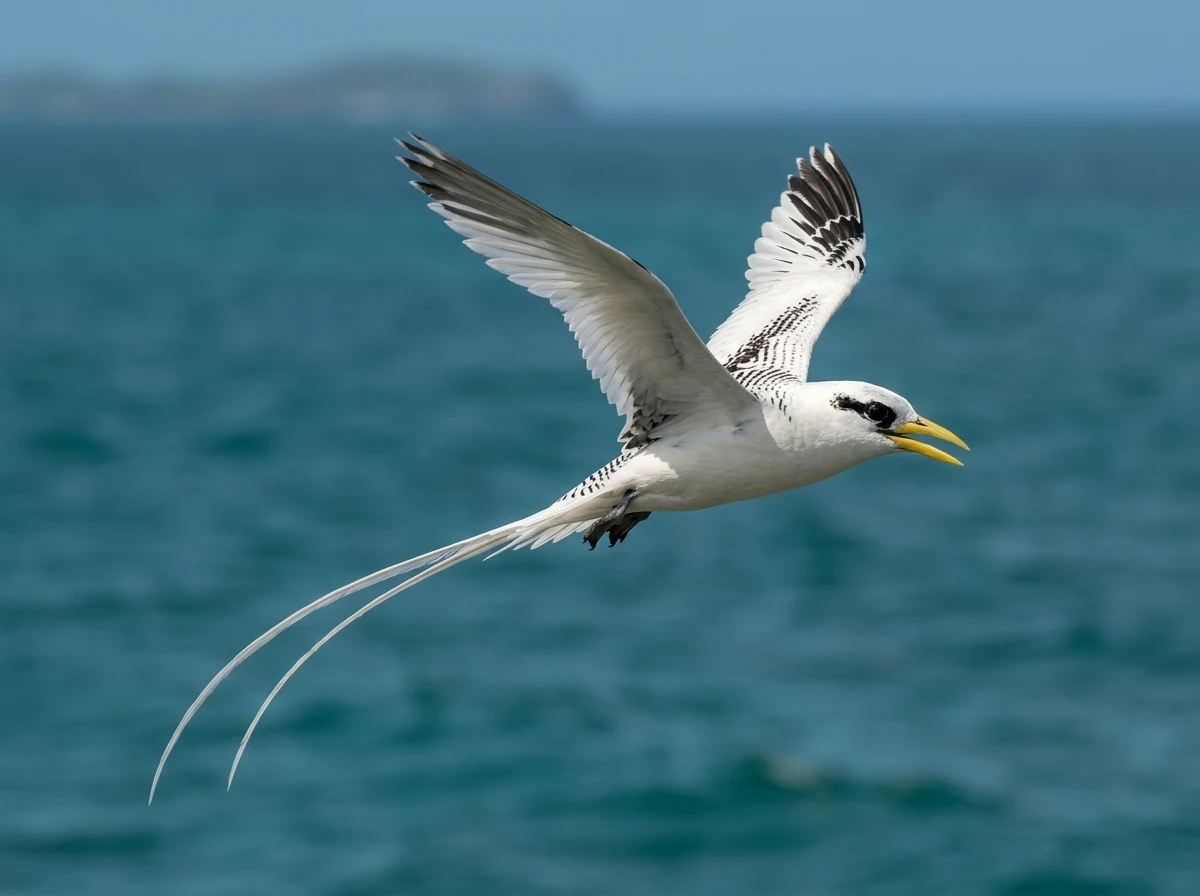
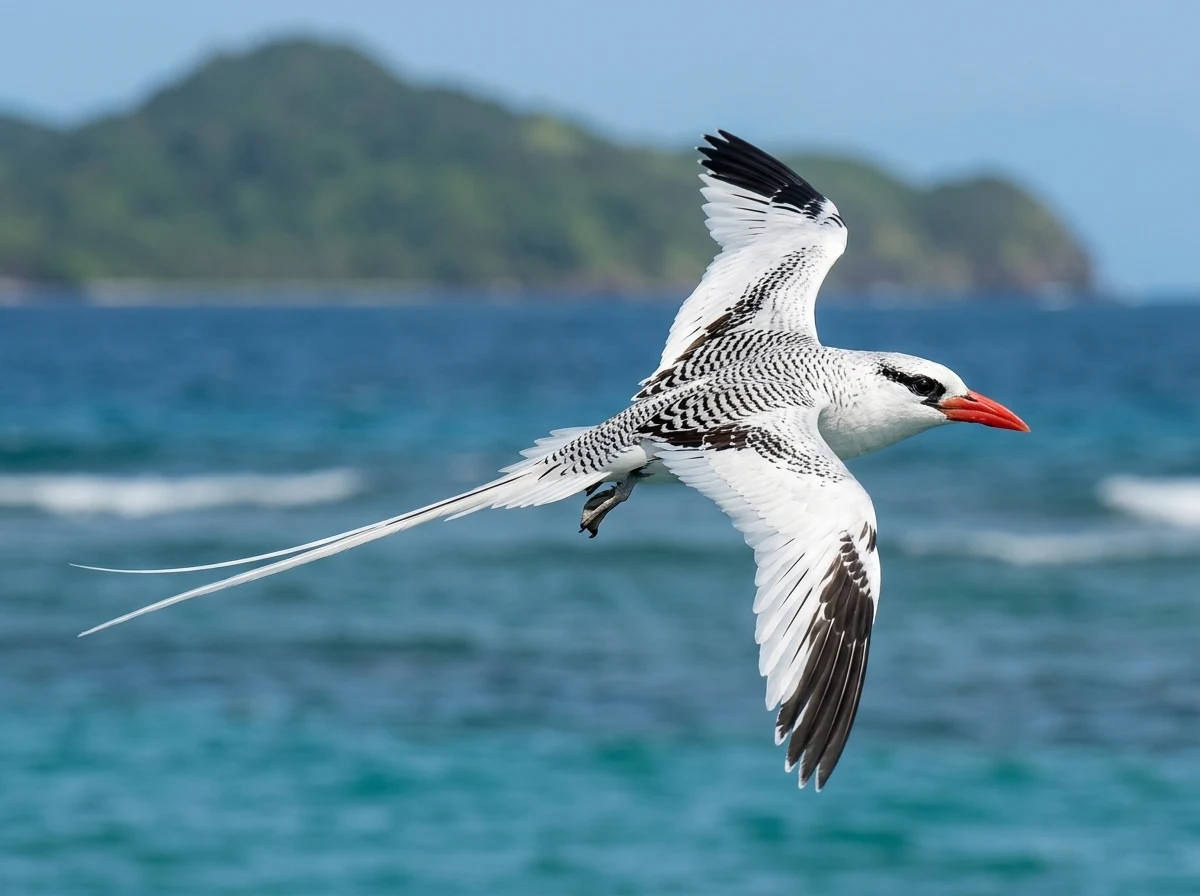
Sound archive
Hear its voice
Explore real songs and calls. The spectrogram turns each sound into a visual trace of time and frequency.
XC766526Recording 1 of 3alarm call

Play: alarm call by Craig Robertson
Choose another recording
Sound recorded by Craig Robertson · XC766526 · CC BY-NC-SA 4.0. Visualization by Stichting Xeno-canto voor Natuurgeluiden.
Every recording retains the creator, catalogue number, and license published by Xeno-canto. Metadata via GBIF ↗
01
Which seabirds are easiest to see in Puerto Rico?
Brown Pelican and Magnificent Frigatebird often provide visible starting points from shore, but place, wind, season, and time change every outing. A species documented in Puerto Rico is not necessarily common or predictable.
02
Are there seagulls in Puerto Rico?
Yes. Laughing Gull is documented, and other gulls may occur with varying regularity. To identify one, record size, wing pattern, head, age, date, and association with other birds.
03
Is every bird on a beach a seabird?
No. Shorebirds, plovers, herons, and ducks may use beaches, salt flats, and mangroves without depending on the ocean as seabirds do. Feeding behavior and flight pattern help place the bird in the right group.
Keep exploring
Connected routes
Sources and review
The evidence is one link away.
These sources support the editorial scope of this guide. Bird profiles also retain their own taxonomy, occurrence, and conservation references.
Reviewed:
01↗02↗03↗04↗05↗06↗
Sociedad Ornitológica Puertorriqueña
Official bird list
Local names, occurrence categories, and the public summary of 17 endemics.Programa Sea Grant de Puerto Rico
Seabirds of Puerto Rico
Puerto Rico educational publication devoted to the archipelago's seabirds.U.S. Fish and Wildlife Service
Culebra National Wildlife Refuge
Dry forest, mangroves, lagoons, cays, and seabird colonies.Journal of Caribbean Ornithology
Status of seabirds in the Cordillera Reef Nature Reserve
A 2018 survey, nesting habitat, and documented threats on northeastern cays.Journal of Caribbean Ornithology
Breeding seabirds in Mona cave refugia
Documents breeding persistence of Sargasso Shearwater and Bridled Tern on Mona.Journal of Caribbean Ornithology
First documented shearwater nest on Desecheo
A 2023 result from Desecheo's seabird restoration and biosecurity program.The atlas continues