 AI
AIGuides · Learning
Migration Math: How Far Do Warblers Fly?
Use documented migration distances to practice conversions, estimates, and flight-day calculations with five warblers that pass through Puerto Rico.
Reviewed: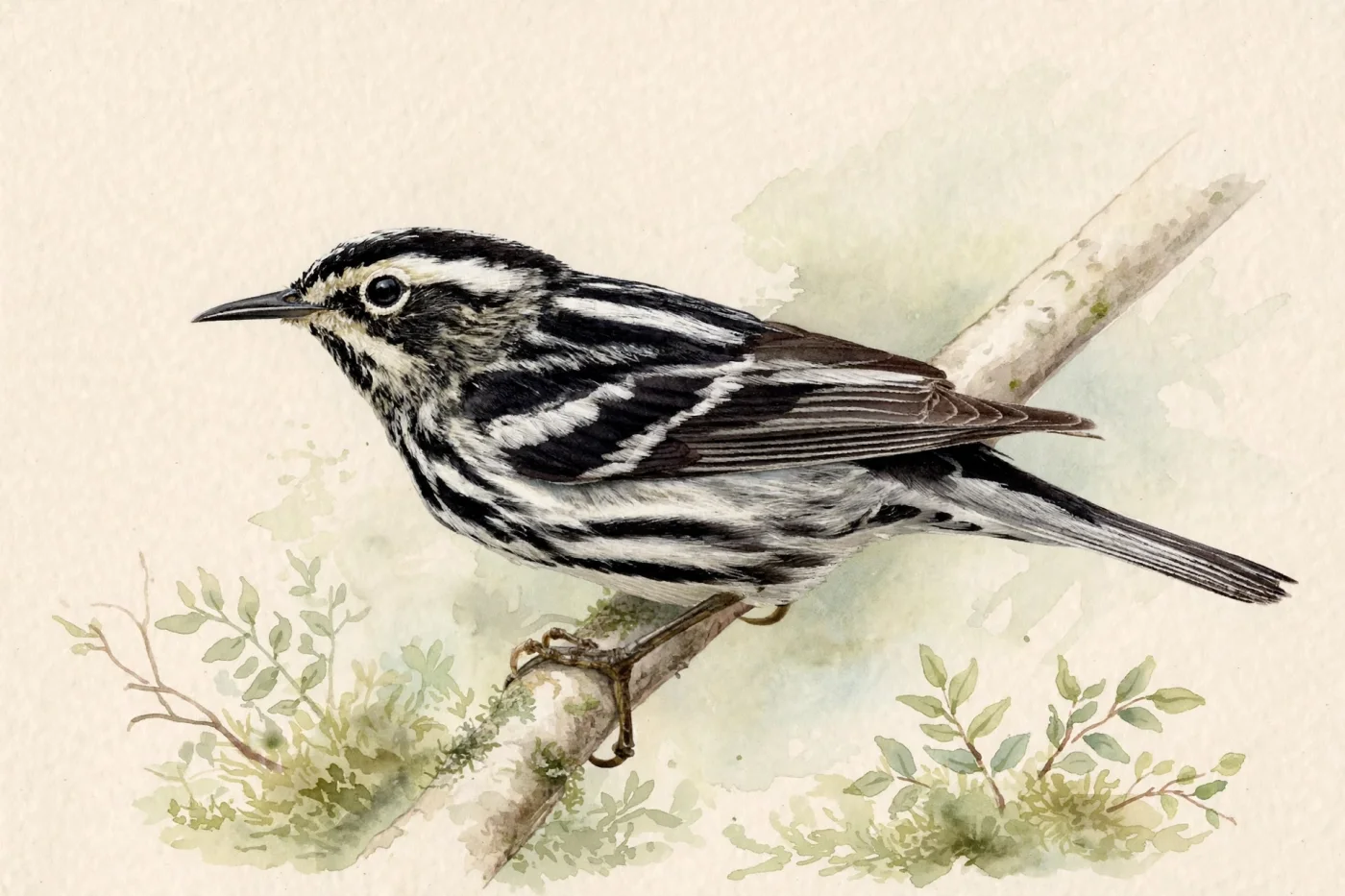
Prepared with AI assistance and linked sources. Illustrations are not field photographs.
Migration as a Math Problem
Every fall, millions of migratory birds move between their breeding grounds in North America and their wintering areas in the Caribbean, Central America, and South America. For warblers, those distances are not abstract data: they are real flights that demand energy, body fat, and suitable weather conditions. This guide turns documented distances into math exercises for students, families, and anyone curious.
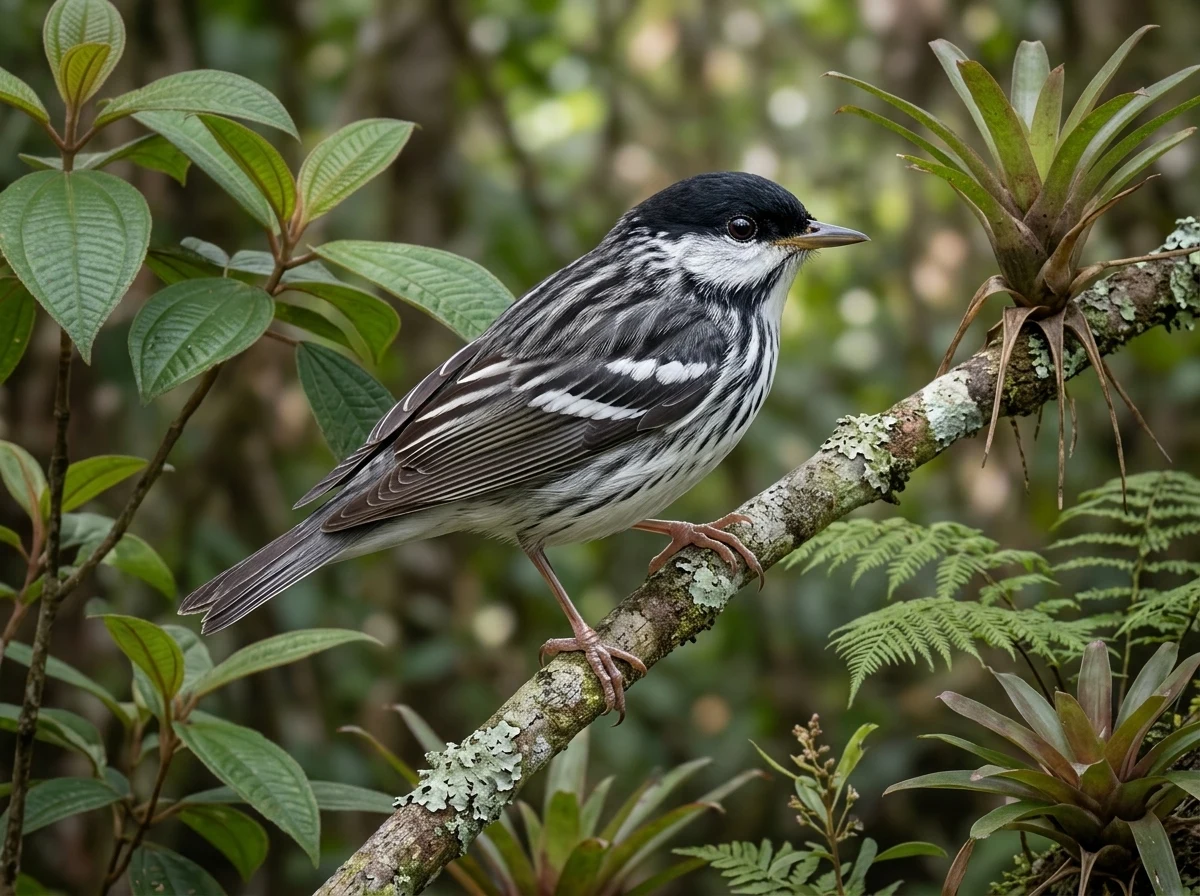
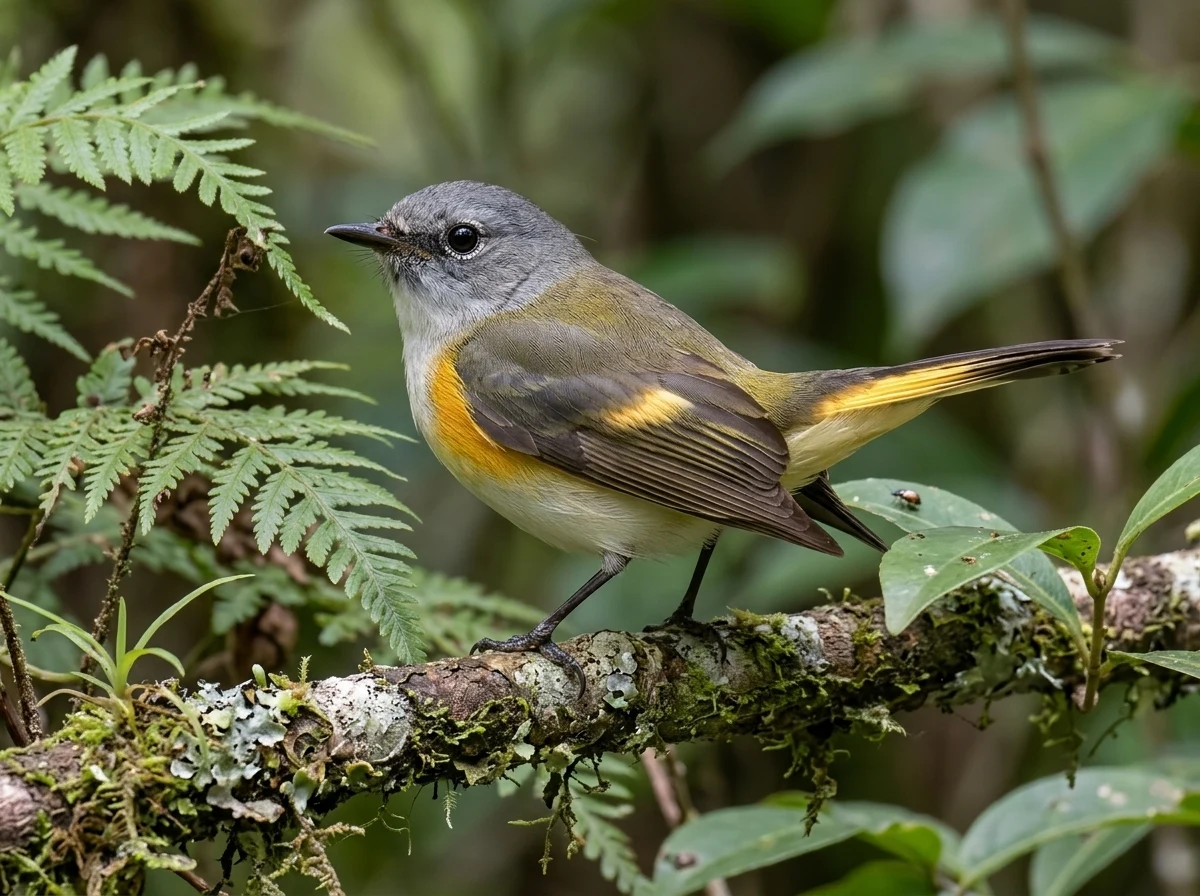
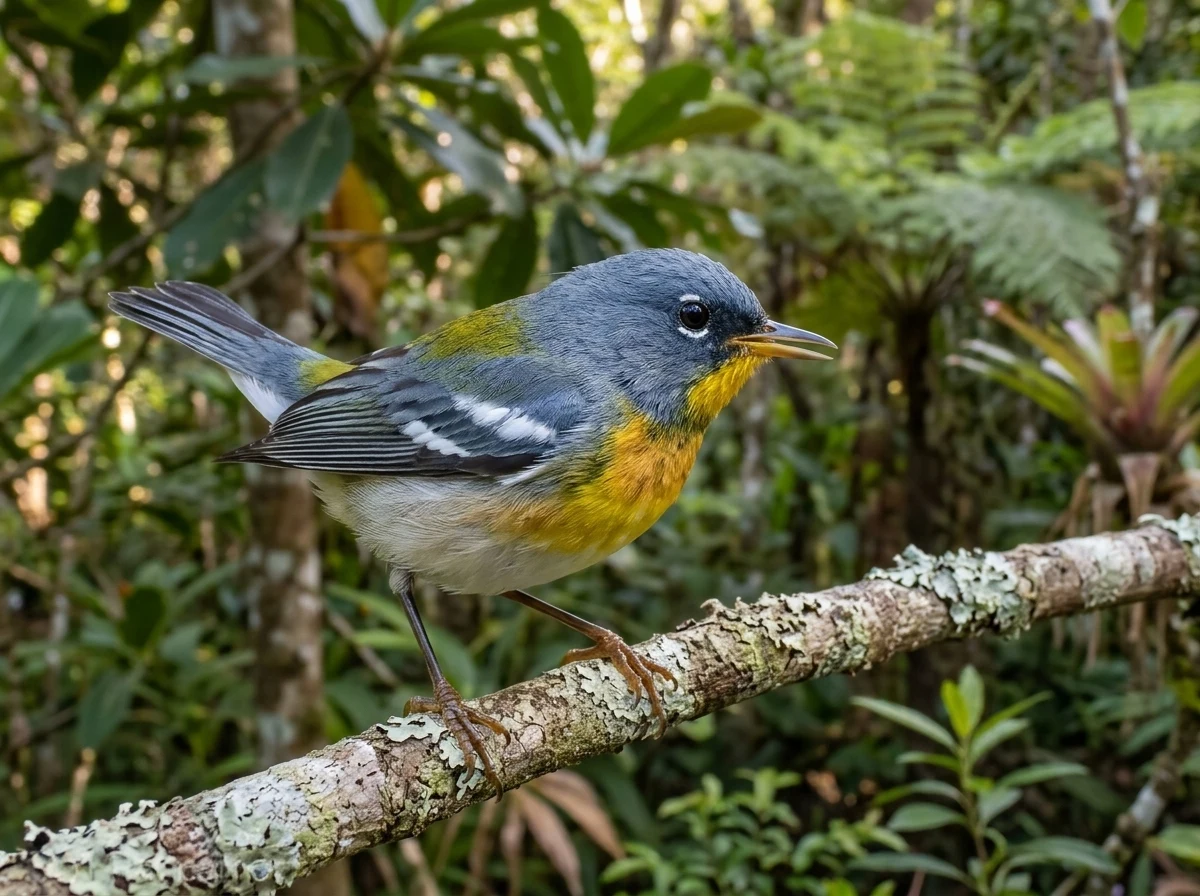
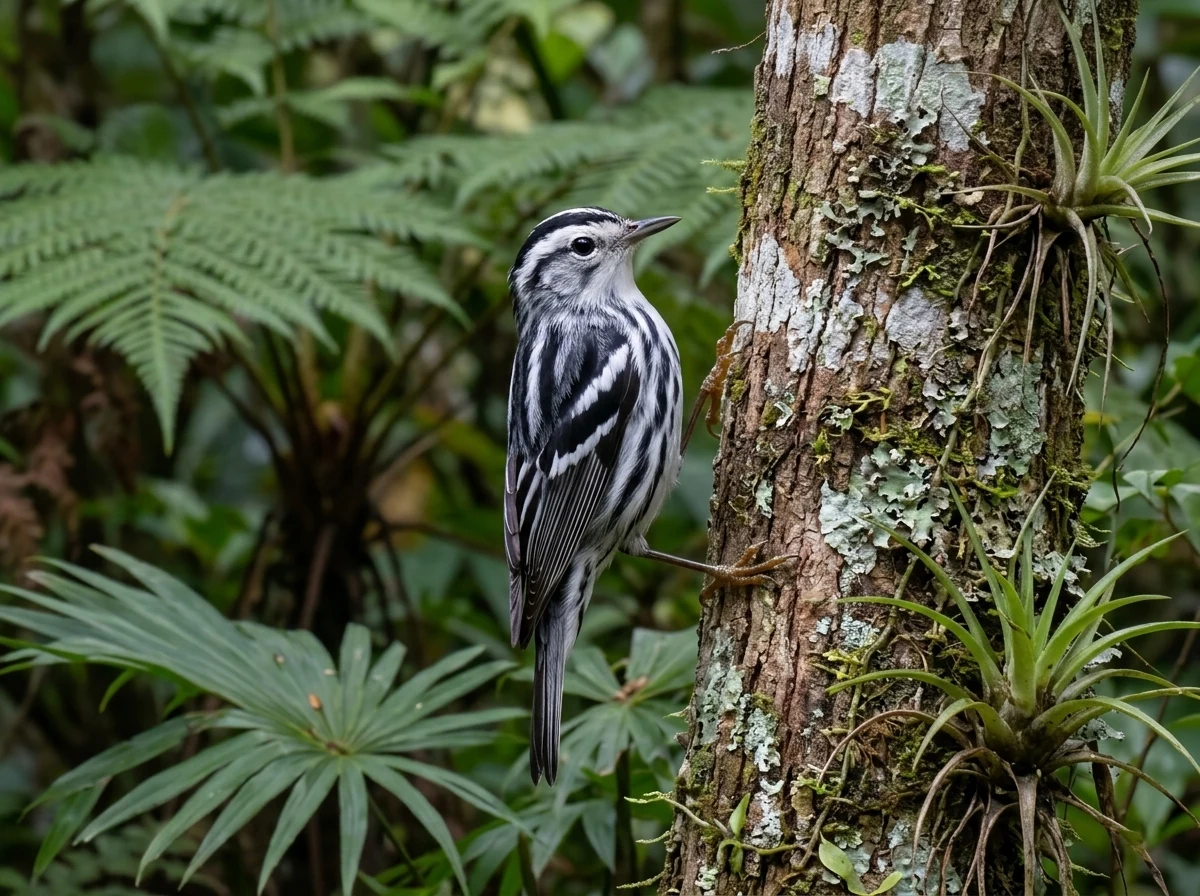
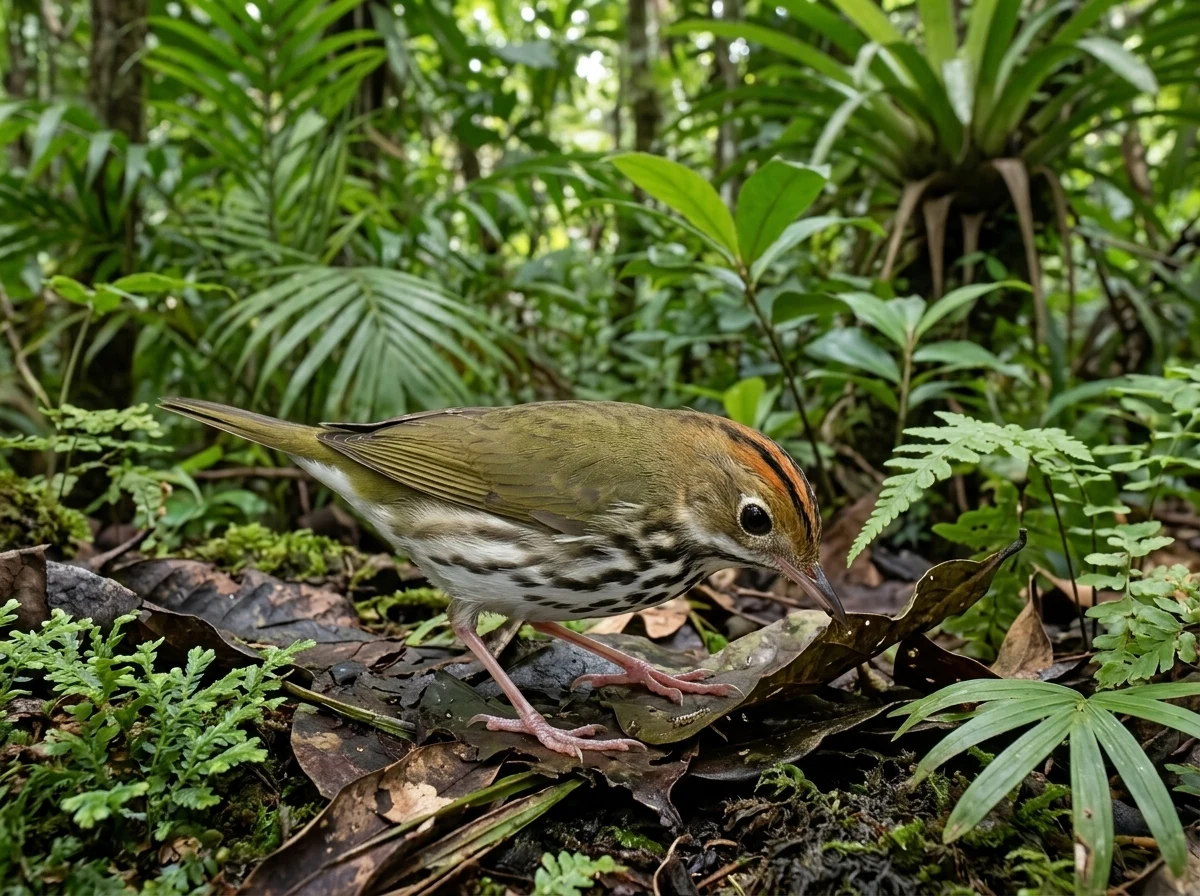
We will work with five species: the Blackpoll Warbler, the American Redstart, the Northern Parula, the Black-and-white Warbler, and the Ovenbird. All appear in the Puerto Rico bird catalog as native species of natural occurrence, neither resident nor breeding on the island. That means we see them during migration or in winter, not as birds that nest here. With those distances, we will practice mile-to-kilometer conversions, flight-day estimates, and comparisons between species.
Guides · Learning
Numbers for Your Calculations
2,770 kmNonstop transoceanic flightMaximum documented distance for the Blackpoll Warbler on a nonstop flight over the Atlantic, according to the geolocator tracking study by DeLuca et al. cited on the U.S. National Park Service page.
3 díasMaximum nonstop flight durationThe Blackpoll Warbler can fly nonstop for up to three days during its transoceanic migration, according to the DeLuca et al. study cited on the National Park Service page.
2,000+ kmFlight over the Atlantic to the CaribbeanDocumented distance the Blackpoll Warbler travels from the northeastern United States to Hispaniola and Puerto Rico, according to the National Audubon Society.
01
What Do We Know About Migration Distances?
The Blackpoll Warbler is the star of one of the most impressive migratory journeys among small birds. According to the U.S. National Park Service, this species can fly nonstop for more than 72 hours. Researchers documented, using geolocators, that birds from northeastern North America depart from the Atlantic coast and make a nonstop transoceanic flight of up to three days and 2,770 kilometers to their wintering grounds in South America. The National Audubon Society notes that the same northeastern United States populations travel more than 2,000 kilometers over the Atlantic to Hispaniola and Puerto Rico.
For the other four species—the American Redstart, Northern Parula, Black-and-white Warbler, and Ovenbird—the Puerto Rico bird catalog indicates they are long-distance migrants that pass through the island or winter in the Caribbean. Although we do not have exact distance figures for each one in the available documents, we do know they cross the Gulf of Mexico or the western Atlantic, and their routes bring them to the Caribbean. Those distances can be estimated using maps and scales, and then converted between miles and kilometers.
02
Conversions: From Miles to Kilometers
Science uses kilometers, but in daily life in Puerto Rico we also hear miles. To convert miles to kilometers, multiply by 1.60934. For example, if a bird flies 1,600 miles, that equals 1,600 × 1.60934 = 2,575 kilometers. To convert kilometers to miles, divide by 1.60934. These conversions are useful when you read English articles that use miles and want to compare with data in kilometers.
Practice with these estimates: if the Blackpoll Warbler flies 2,770 kilometers nonstop, how many miles is that? Divide 2,770 by 1.60934 and you get approximately 1,721 miles. For the other species, you can estimate distances using a map and its scale, then convert the result. Remember that these figures are estimates based on documented routes; actual distances vary depending on the starting point and flight conditions.
03
Calculating Days of Flight
If we know the total distance and how far a bird can fly in a day, we can calculate how many flight days it needs. The Blackpoll Warbler can fly nonstop for up to three days and 2,770 kilometers. That gives an average of approximately 923 kilometers per day during that transoceanic flight. For the other warblers, we do not have a documented daily distance in the available sources, so we can use a hypothetical value to practice the calculation, making clear that it is an assumption, not a real data point.
Let's do a hypothetical problem: if a warbler migrates 2,400 kilometers (a distance invented only for the exercise) and flies an average of 200 kilometers per night (also an assumption), it would need 12 nights of flight. If it flew 300 kilometers per night, it would need 8 nights. That difference shows how daily distance affects the total duration of the journey. For the Blackpoll Warbler, which can fly nonstop, the calculation is different: 2,770 kilometers in 3 days equals an average of 923 kilometers per day, a much more demanding pace.
04
Comparing Species: Who Flies Farther?
Not all migratory warblers travel the same distance. The Blackpoll Warbler is the champion: its nonstop transoceanic flights of up to 2,770 kilometers and more than 2,000 kilometers to the Caribbean place it among the small birds with the most extreme migrations. The American Redstart, Northern Parula, Black-and-white Warbler, and Ovenbird are also long-distance migrants, but their routes may include more stopovers and total distances that are shorter or similar, depending on where they breed and where they winter.
To compare, you can use a map of the Americas and a ruler. Measure the distance between each species' breeding area and Puerto Rico, and convert that measurement using the map scale. Then calculate how many flight days each would need at a hypothetical pace of 200 kilometers per night. This exercise helps you visualize why the Blackpoll Warbler is so special and why all these birds depend on resting and feeding habitats along their route.
05
Checklist: Your Migration Math Exercise
Use this list to complete your own migration analysis. First, choose one of the five species. Second, find its main breeding area on a map (for example, the northeastern United States for the Blackpoll Warbler). Third, measure the approximate distance between that area and Puerto Rico using the map scale. Fourth, convert that distance from miles to kilometers or vice versa. Fifth, calculate how many flight days that bird would need if it flew 200 kilometers per night (an assumption for the exercise). Sixth, compare your result with another species.
To observe migratory birds in Puerto Rico, follow this procedure: visit a forest or green area during migration season (fall and spring are the main periods). Bring binoculars, a notebook, and a field guide. Look for small birds moving actively among the branches. Record the date, time, location, and a description of what you see. If you can, take a photo or record the sound. Remember that these species do not nest in Puerto Rico; you will only see them passing through or during winter. You do not need to be an expert to contribute: every observation counts.
Linked profiles
The Five Warblers in This Exercise
All are long-distance migrants that pass through Puerto Rico or winter in the Caribbean.
01
How many kilometers does the Blackpoll Warbler fly nonstop?
According to the geolocator tracking study by DeLuca et al. cited on the U.S. National Park Service page, the Blackpoll Warbler can fly nonstop up to 2,770 kilometers during its transoceanic migration, a flight that can last up to three days. The National Park Service also states it can fly nonstop for more than 72 hours.
02
How do I convert miles to kilometers?
Multiply the number of miles by 1.60934. For example, 1,600 miles × 1.60934 = 2,575 kilometers. To convert kilometers to miles, divide by 1.60934.
03
How many days does a warbler take to migrate?
It depends on the species and distance. The Blackpoll Warbler can make a nonstop flight of up to three days. For the other warblers, we do not have a documented daily distance in the available sources, so any flight-day calculation should be presented as a hypothetical exercise with clear assumptions.
04
Do these warblers nest in Puerto Rico?
No. According to the Puerto Rico bird catalog, all five species are long-distance migrants that pass through the island or winter in the Caribbean, but they do not nest here. We see them during migration or in winter.
05
Can I use these distances for a school project?
Yes. The documented distances of the Blackpoll Warbler are an excellent starting point to practice conversions, estimates, and flight-day calculations. You can compare with other species and use maps to measure approximate routes.
Keep exploring
Connected routes
Sources and review
The evidence is one link away.
These sources support the editorial scope of this guide. Bird profiles also retain their own taxonomy, occurrence, and conservation references.
Reviewed:
The atlas continues