 AI
AIBehavior guide
Why Birds Bathe in Water or Dust
Bathing is not a whim: it is plumage maintenance. Here is the difference between bathing in water and rolling in dust, and how to watch it calmly.
Reviewed: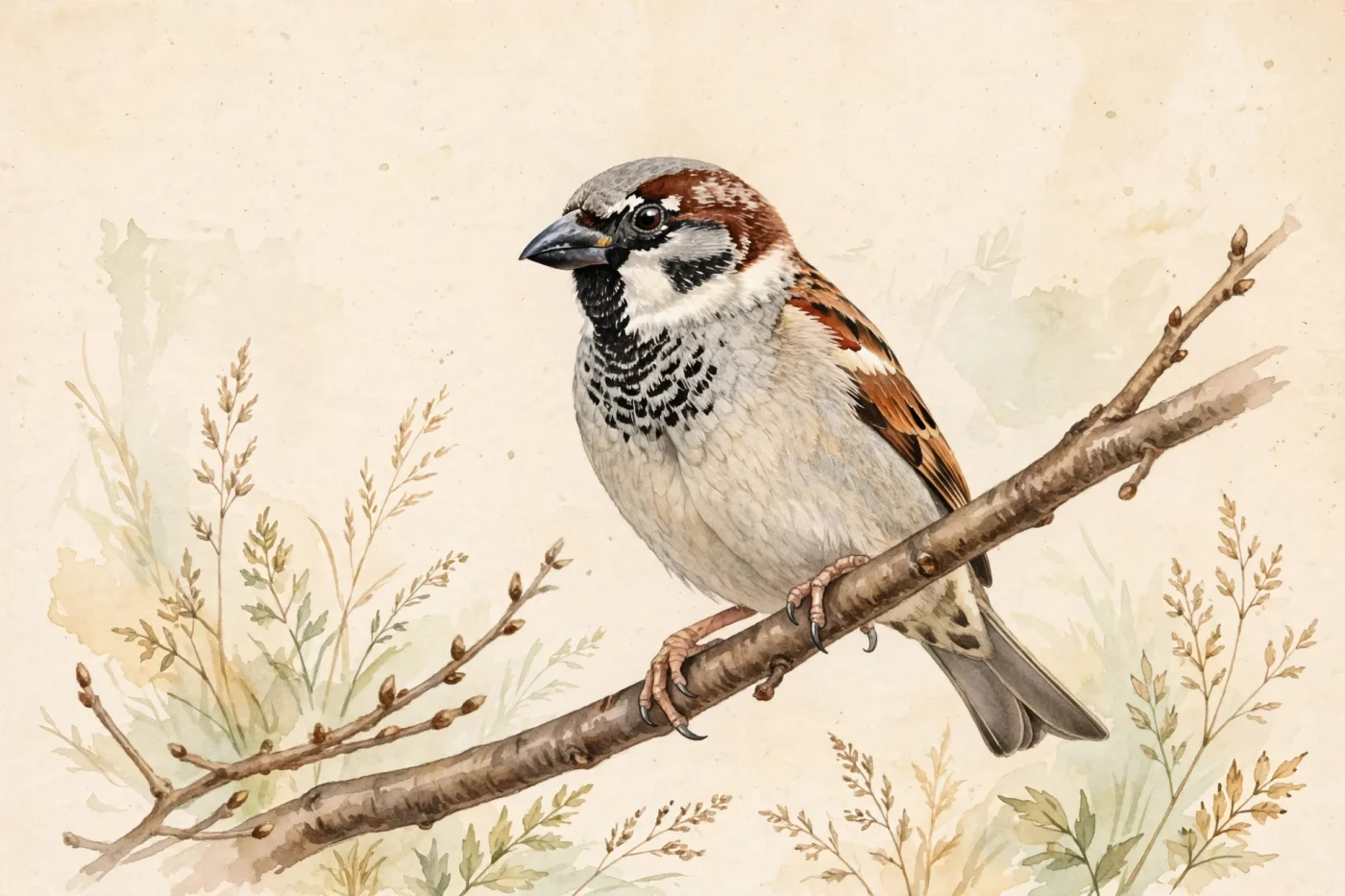
Prepared with AI assistance and linked sources. Illustrations are not field photographs.
The short answer
Birds bathe to keep their plumage in working condition. Feathers protect birds from the elements and make flight possible, but they require regular care. Most of the time birds spend preening: running feathers through their bills, from base to tip, as if combing their plumage. Sometimes this activity occupies more than ten percent of their waking hours. Preening smooths and aligns the feathers and helps clean them by removing some dirt, debris, and tiny parasites.
For enhanced cleaning, many birds take frequent baths, either in water or sometimes in dust. Water bathing soaks them and leaves them bedraggled for a while; afterward they perch and preen until the plumage is smooth and orderly again. Dust bathing looks like the opposite of getting clean, but it is not: the bird hollows out a slight depression in fine, dry soil, then wallows and flaps its wings in the dust in motions similar to those of water bathing. As the bird then preens the dust out of its plumage, it also removes grease, feather debris, and possibly small parasites. This guide compares both behaviors and suggests how to observe them in Puerto Rico.
Behavior guide
Three key ideas
Más del 10 %of the day preeningPreening can occupy more than ten percent of a bird's waking hours.
Dos métodoswater and dustBoth aim to clean plumage; dust bathing is common in birds such as doves, quail, and sparrows.
El sol también ayudasunbathingDirect sun exposure may kill feather lice or force them to move so the bird can preen them out.
01
Water bathing: soak, align, dry
Water bathing is a vigorous ritual for many birds. A robin or other midsize songbird stands in shallow water, fluffs out its feathers, and dips its head and chest under the surface in a quick motion while flapping its wings, splashing water up over its back. It may repeat this until its feathers are soaked and bedraggled; then it hops out to an open spot or flutters wetly up to a nearby perch, where it preens the liquid out until its plumage is smooth and orderly again.
There are many variations. A hawk may simply stand in the water for several minutes without much motion, while warblers, chickadees, and other small songbirds may dart in and out again repeatedly. Hummingbirds may bathe in rainwater that collects on top of leaves, or hover and dip to the surface of a secluded stream. Highly aerial birds like swallows and swifts usually bathe on the wing, gliding down to splash repeatedly on a pond or lake. Some swallows will also bathe in rain by perching in the open and pointing their bills straight up; Mourning Doves and some other birds will do the same thing.
02
Dust bathing: cleaning without getting wet
Although it might seem like the opposite of getting clean, birds also take dust baths. After hollowing out a slight depression in fine, dry soil, the bird wallows and flaps its wings in the dust, in motions similar to those of water bathing. As the bird then preens the dust out of its plumage, it also removes grease, feather debris, and possibly small parasites.
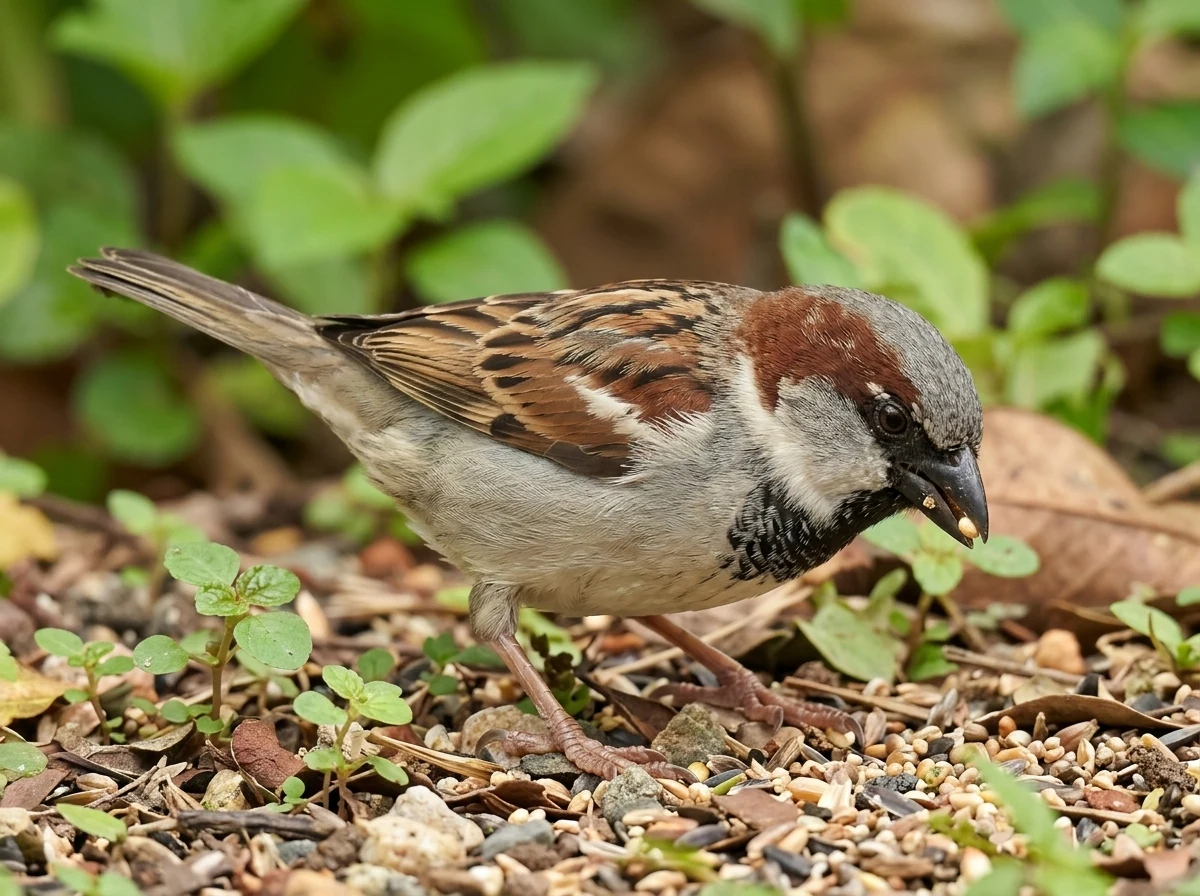
Dust bathing is common among many birds, including doves, quail, and especially House Sparrows, which regularly take dust baths even when water is available nearby. They will even follow a water bath with a dust bath. In Puerto Rico, the House Sparrow is an introduced species associated with towns and gardens, according to the island's bird catalog. The Bananaquit is native and resident, and it frequents nearly all wooded and human-modified habitats, including gardens. Neither is documented here as an exclusive specialist of one bathing type; the comparison serves to explain the general mechanism, not to assert an unverified local preference.
03
Sun, ants, and other cleaning routines
Many birds also sunbathe. On chilly mornings, spreading wings to the sun can simply be a way to warm up. But on hot days, they may adopt an extreme sunbathing posture, rolling to one side while spreading out one wing and lying motionless for a few minutes. They are not doing it to work on their tans. Research suggests that direct exposure to the sun may kill feather lice and other ectoparasites, or at least force them to move around so that they might be more easily preened out of the plumage.
A novel approach to cleanliness, especially in songbirds, is 'anting.' A bird on the ground spreads out one or both wings, then picks up an ant and rubs it along the feathers, repeating the action over and over with a series of ants. Sometimes other insects or millipedes are substituted for ants. Formic acid from the crushed ants may help to control mites, lice, fungi, or bacteria, but this has not been proven. Regardless, this odd behavior has been observed in hundreds of bird species worldwide, so it must serve some purpose.
04
How to observe it in Puerto Rico
To observe bird bathing, choose a quiet spot with shallow water or fine, dry soil. Keep your distance and avoid moving or making noise. A simple procedure: sit or stand still a few meters away, with the sun at your back if possible, and wait 10 to 20 minutes. Note the time, the substrate type (water or dust), the species if you recognize it, and what the bird did: enter and leave, dip, wallow, flap, preen afterward. You do not need a long list; one or two well-described observations are enough to compare.
A useful checklist: 1) Did the bird get wet or cover itself in dust? 2) Did it dip or just splash? 3) How long did the activity last? 4) What did it do immediately after: perch, preen, leave? 5) Were other birds waiting their turn? 6) Was the substrate clean water, muddy water, loose soil, sand, or ash? 7) Was the light direct or shaded? 8) Did you note the date and place? These notes will help you distinguish water bathing from dust bathing and avoid confusing them with feeding or resting.
In Puerto Rico, the House Sparrow is introduced and lives in towns and gardens; the Bananaquit is native, resident, and common in nearly all wooded and human-modified habitats, including gardens. You can look for dust baths on dirt roads, in parks, in yards with dry soil, and in dusty areas near buildings. For water baths, watch shallow birdbaths, temporary puddles, pond edges, and rainwater collected on large leaves. Do not claim that a species prefers one bathing type on the island without repeated, documented observation; the available evidence describes the general behavior, not a verified local preference.
Linked profiles
Birds mentioned
Two species you can use as references when watching baths: one introduced in towns and gardens, and one native to wooded and human-modified habitats.
AI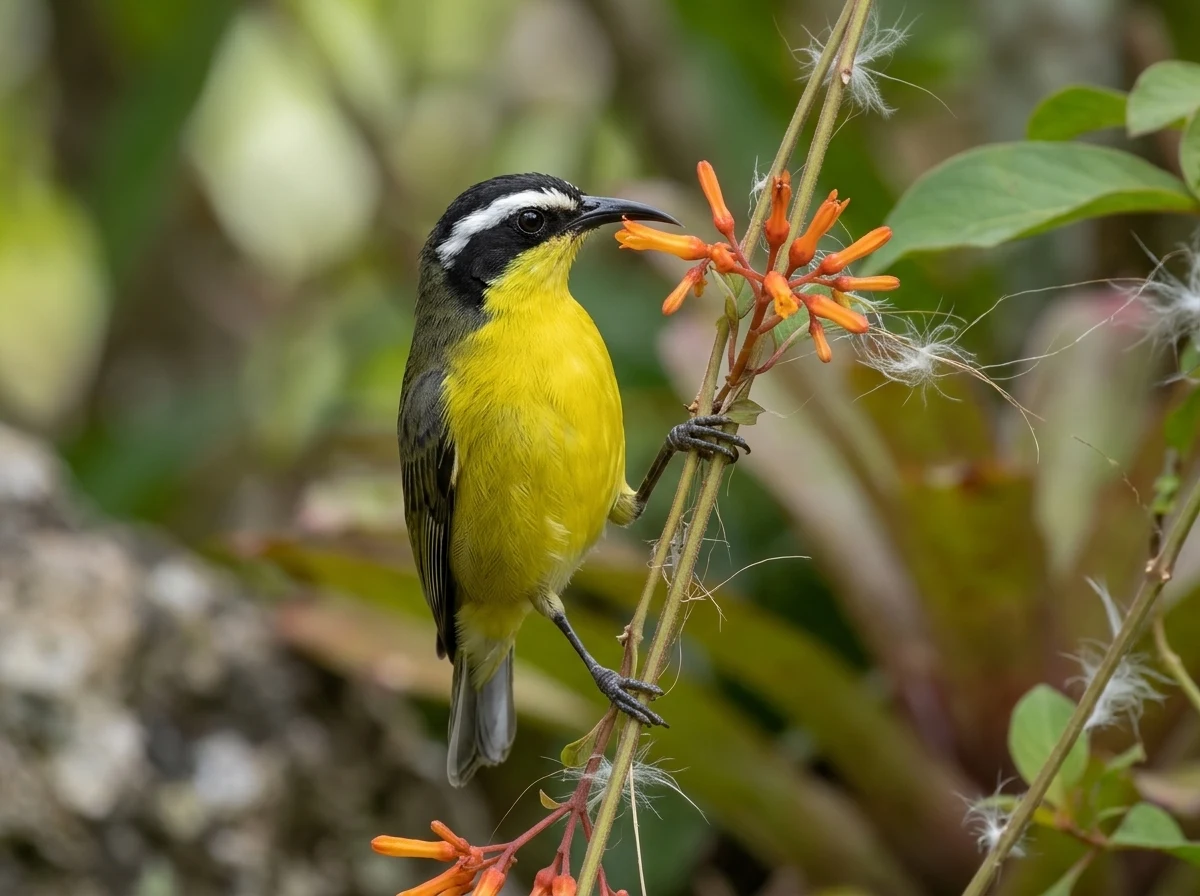 AI
AI01
Why do birds bathe in dust if it seems to make them dirty?
Dust bathing does not permanently soil them. The bird wallows in fine, dry soil and then preens the dust out of its plumage. In doing so, it also removes grease, feather debris, and possibly small parasites. It is common in doves, quail, and House Sparrows, even when water is nearby.
02
Do all birds bathe in water?
Not all do it the same way or as often. There are variations: a hawk may simply stand in the water, warblers and chickadees dart in and out repeatedly, hummingbirds use rainwater on leaves or streams, and swallows and swifts bathe on the wing. Some swallows and Mourning Doves also bathe in rain by perching with their bills pointed up.
03
Is sunbathing the same as bathing in water or dust?
No. Sunbathing is another maintenance routine. On chilly mornings it may serve to warm up; on hot days, the extreme posture of rolling to one side with one wing spread may help kill feather lice or force them to move so the bird can preen them out.
04
Can I encourage birds in my yard to dust bathe?
You can leave an area of fine, dry soil, free of pesticides or chemicals, in a quiet, sunny spot. It does not guarantee birds will use it, but it provides the substrate. For water baths, a shallow birdbath with clean water and safe edges is an option. Watch from a distance and do not interfere while they bathe.
05
Does dust bathing mean a bird is sick or has parasites?
Not necessarily. Dust bathing is normal maintenance behavior in many species. It helps remove grease, feather debris, and possibly small parasites. If you see a bird dust bathing, do not conclude it is sick; it is part of its plumage care routine.
06
Which Puerto Rico birds can I use as references to compare both baths?
The House Sparrow is introduced and lives in towns and gardens; the Bananaquit is native, resident, and frequents nearly all wooded and human-modified habitats, including gardens. You can watch them in yards and parks, but do not claim they prefer one bathing type on the island without repeated, documented observations.
Keep exploring
Connected routes
Sources and review
The evidence is one link away.
These sources support the editorial scope of this guide. Bird profiles also retain their own taxonomy, occurrence, and conservation references.
Reviewed:
The atlas continues