 AI
AIFamily Learning
Backyard Bird Bingo: A Family Game
Turn bird identification into a tabletop game: a 16-square card, field-mark clues, and simple rules for the whole family.
Reviewed: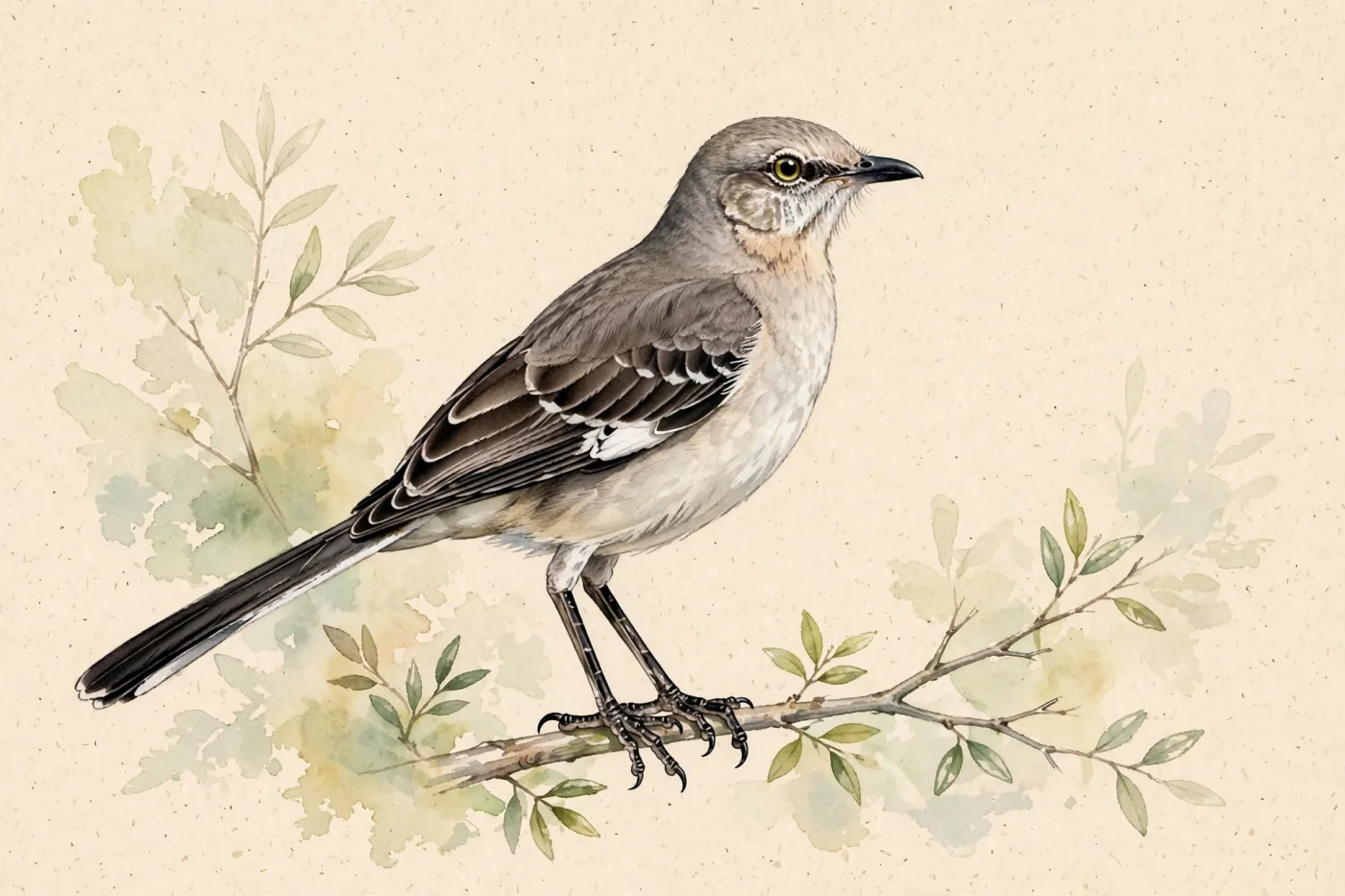
Prepared with AI assistance and linked sources. Illustrations are not field photographs.
Learning to Look at Birds from the Table
Bird identification does not start in the field; it starts with attention. This bingo uses sixteen squares with birds common in Puerto Rican yards and urban areas so the family can practice three basic questions: What size is it? What color is it? How does it move or what is it doing? The game does not replace a field trip, but it trains the eye before one.
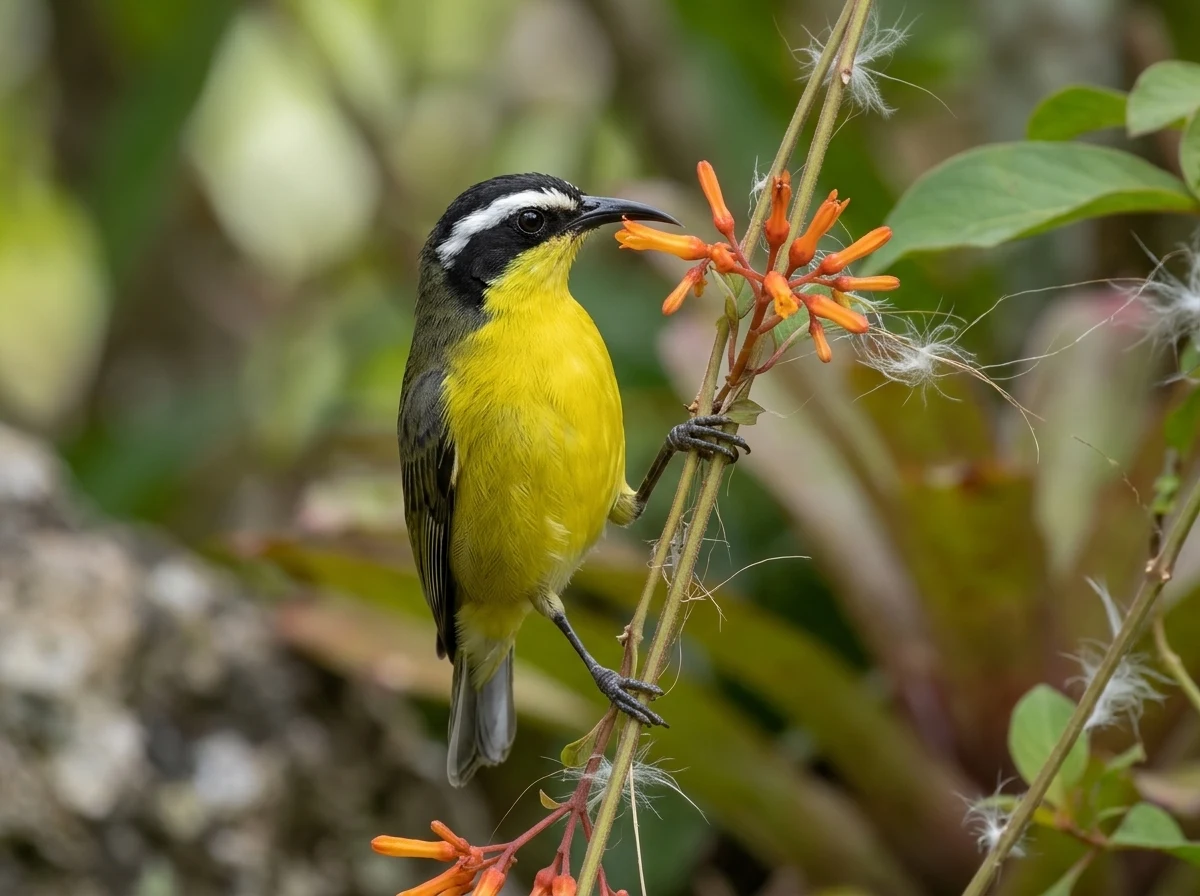
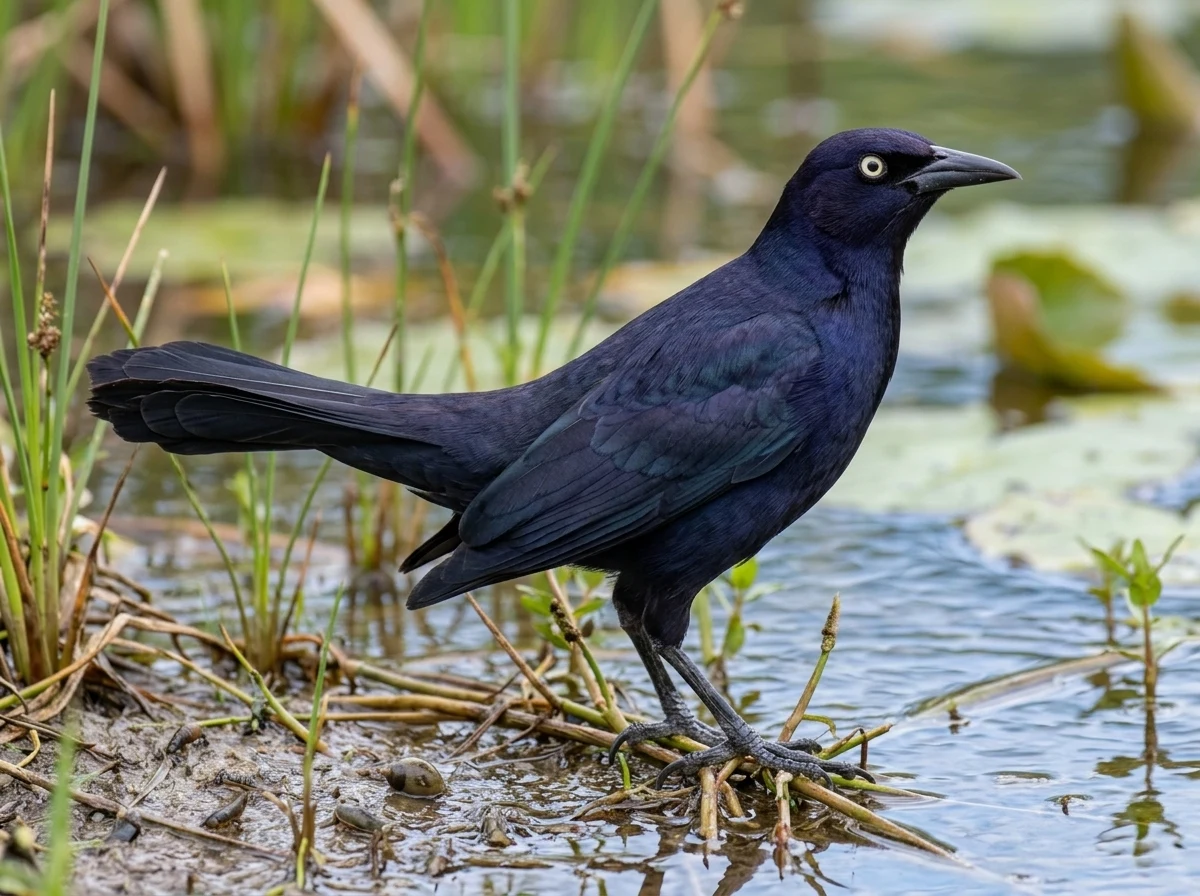
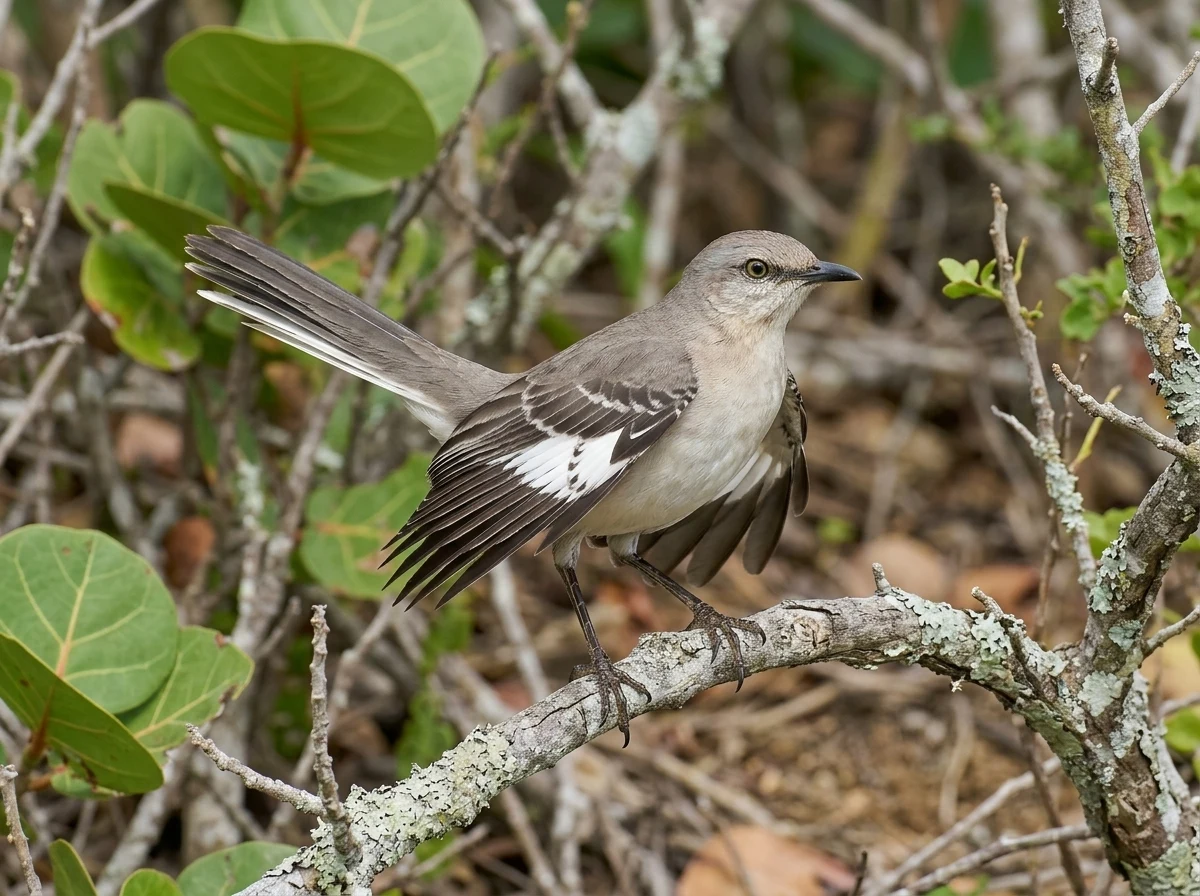
The five species highlighted on this card — Bananaquit, Greater Antillean Grackle, Northern Mockingbird, Puerto Rican Woodpecker, and Red-legged Thrush — appear in the avespuertorico.com bird catalog with descriptions and habitat traits. The full card can include other yard birds, but the identification clues focus on these five so learning stays concrete and verifiable.
Family Learning
The Card in Numbers
16squares per cardEnough for several rounds without repeating birds.
5birds with detailed cluesBananaquit, Grackle, Mockingbird, Woodpecker, and Red-legged Thrush.
3questions per turnSize, color, and behavior: the basis of all identification.
01
How to Play: Rules and Materials
Prepare a 4 × 4 card with sixteen yard birds. You can draw them, print photos, or write only the names. Each player gets a different card or the same one, depending on the number of participants. The caller — an adult or older child — reads an identification clue aloud without saying the bird's name. For example: "Small bird, dark back, bright yellow belly, and a bold white eyebrow." Players look for the matching bird on their card and place a token or mark the square.
The first person to complete a row, column, or diagonal says "Bingo!" and wins the round. To verify, they must explain aloud why they chose that bird: which clue matches the square. If they cannot justify it, the round continues. This rule turns the game into an observation exercise, not a memory test. At the end of each round, the caller shows an image or description of the correct bird so everyone can compare.
02
Identification Clues for the Five Key Birds
Bananaquit (Coereba flaveola): very small bird with a down-curved bill, black upperparts, bright yellow underparts, and a conspicuous white eyebrow. It feeds on nectar and fruit and frequents flowering trees and shrubs. In Puerto Rico it is called Reinita Común. Greater Antillean Grackle (Quiscalus niger): black bird with yellow eyes, a V-shaped tail, and a straight, pointed bill. It is gregarious, travels in flocks, and lives in heavily settled areas, fields, and gardens. Northern Mockingbird (Mimus polyglottos): gray above, paler below, slightly curved black bill, and white patches on wings and tail visible in flight. It mimics bird calls and other sounds.
Puerto Rican Woodpecker (Melanerpes portoricensis): endemic to Puerto Rico and Vieques, the only resident member of the woodpecker family in Puerto Rico. It is found in all treed habitats, including parks and gardens. It is fairly sociable; although territorial during the breeding season, pairs often join with other individuals to form larger groups during the nonbreeding season. It eats arthropods and fruits. Red-legged Thrush (Turdus ardosiaceus): a Turdidae bird native to the Caribbean; in Puerto Rico it is known as zorzal de patas coloradas. For each clue, the caller should read only two or three traits at a time; this way players learn to combine signals instead of relying on a single one.
03
When and How to Observe to Prepare the Game
Before playing, the family can do a "practice round" by watching from a window for ten minutes. The goal is not to identify every bird, but to note three things: relative size (like a sparrow, like a pigeon), main color, and behavior (perched, walking, pecking). That list becomes the card's clues. If no birds are seen, you can use the avespuertorico.com bird catalog to read descriptions and create clues from them.
The game does not require a specific hour: any time the family is together works for reading clues and comparing traits. What matters is that clues are based on visible, verifiable traits, not guesses. If you want to observe real birds for inspiration, you can do so whenever it is comfortable; the game works just as well with clues prepared in advance.
04
Caller's Checklist and Game Variations
Before each round, the caller should verify: (1) the clue mentions at least two visible traits; (2) it does not include the bird's name; (3) the correct answer is on every player's card; (4) there is a backup image or description for final verification. If the group is very young, use only three birds per round and increase gradually. If the group already knows the birds, read harder clues, such as flight style or the sound it makes.
Variations: "sound bingo," where the caller plays a recorded call instead of reading a clue; "silhouette bingo," where only the bird's shape is shown; and "habitat bingo," where the clue describes where the bird lives (mangrove, dry forest, garden). All variations use the same sixteen-square card and the same verification rules. The game ends when someone completes the card or when the prepared clues run out.
Linked profiles
The Birds on the Card
Five common yard birds with key traits for the bingo clues.
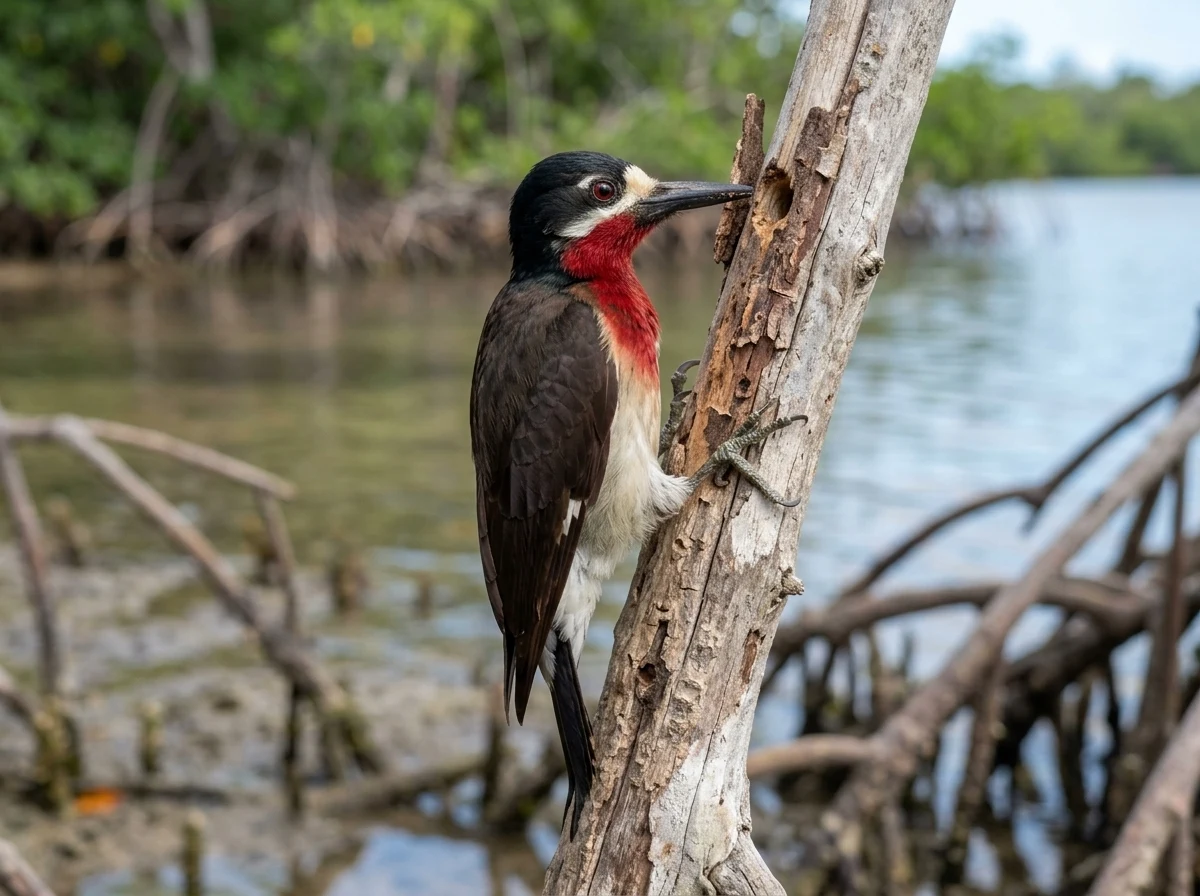
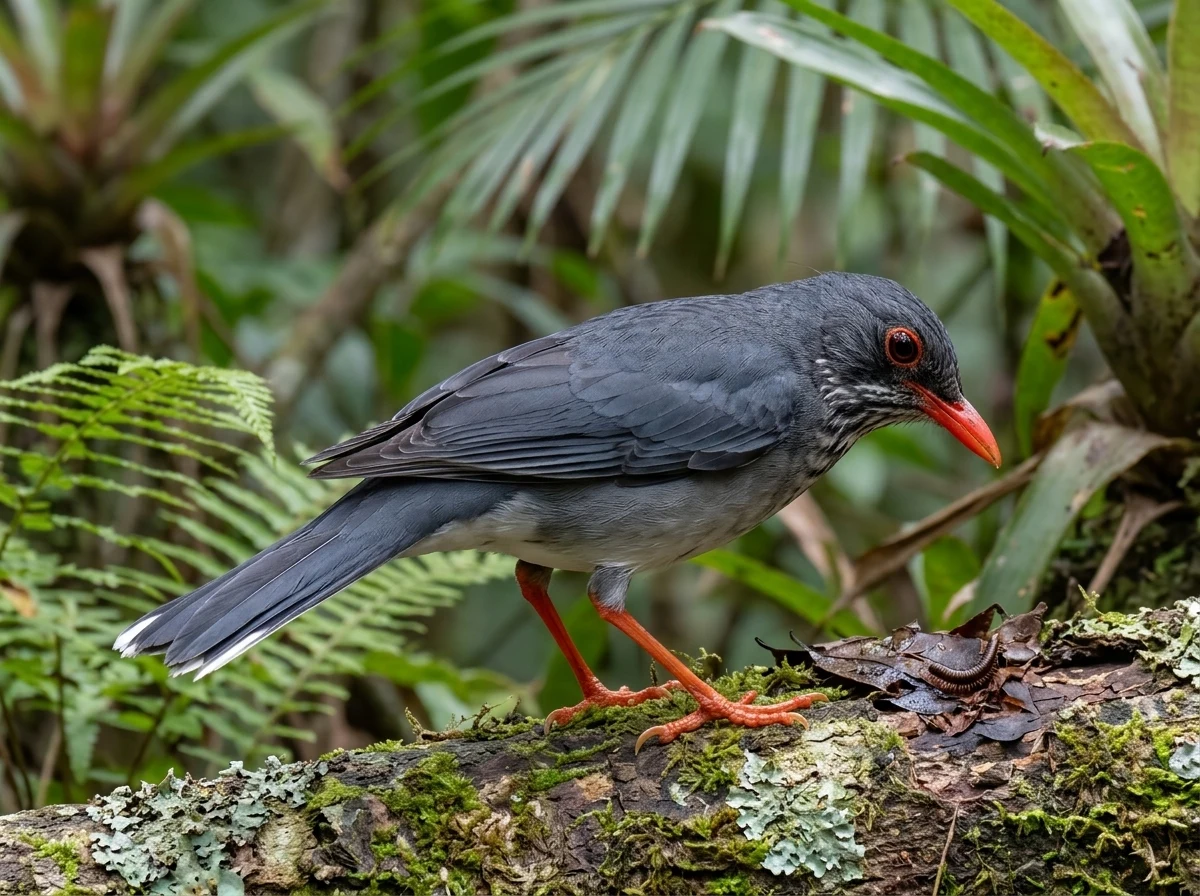
01
Do I need to go outside to play?
No. The game is designed to be played at a table with a card and written clues. If you want, you can watch through a window before playing to create your own clues, but it is not required.
02
Which birds should I include on the card?
You can start with the five highlighted birds: Bananaquit, Greater Antillean Grackle, Northern Mockingbird, Puerto Rican Woodpecker, and Red-legged Thrush. Then fill the sixteen squares with other yard birds from the avespuertorico.com catalog.
03
How do I know if a clue is correct?
A correct clue mentions at least two visible, verifiable traits, such as belly color, bill shape, or tail pattern. It should not include the bird's name or rely on a single characteristic.
04
Is this game suitable for young children?
Yes. For young children, use only three birds per round and clues with highly contrasting colors. They can mark squares with drawings or stickers instead of writing.
05
Can I use the game to prepare for a field trip?
Yes. Bingo trains attention to traits like size, color, and behavior, which are the basis of any field identification. After playing, you can review the bird descriptions on avespuertorico.com before heading out.
Keep exploring
Connected routes
Sources and review
The evidence is one link away.
These sources support the editorial scope of this guide. Bird profiles also retain their own taxonomy, occurrence, and conservation references.
Reviewed:
01↗02↗
Cornell Lab of Ornithology / Birds of the World
Bananaquit Coereba flaveola — Birds of the World species account
Evidence for cited sections; consult the original document.Cornell Lab of Ornithology / Birds of the World
Puerto Rican Woodpecker — Field Identification
Evidence for cited sections; consult the original document.The atlas continues