 AI
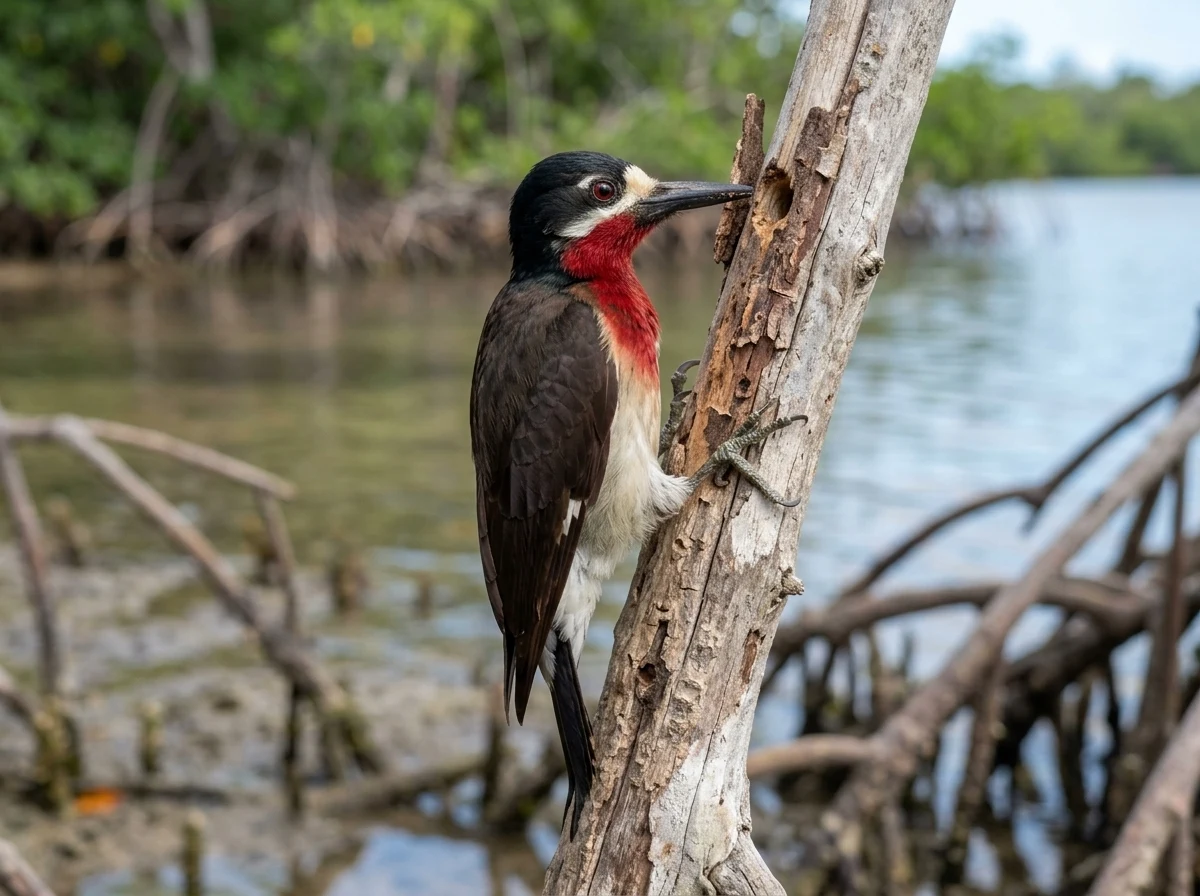
AIAI reconstruction created with Nano Banana 2 · 1K, grounded in the profile’s documented taxonomy, habitat, natural-history sources, and an open-license visual reference when available. It is an interpretive image, not documentary evidence. Image policy →
Puerto Rican Woodpecker
Carpintero de Puerto Rico
Melanerpes portoricensis
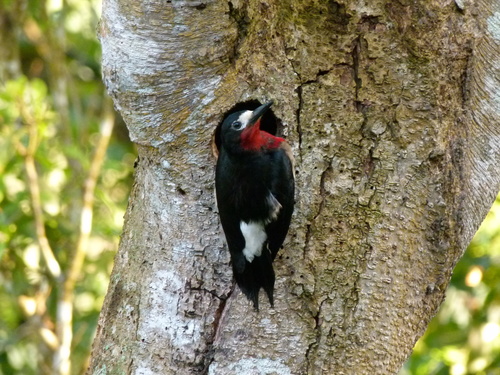
The Puerto Rican woodpecker (Melanerpes portoricensis) is the only woodpecker endemic to the archipelago of Puerto Rico and is one of the five species of the genus Melanerpes that occur in the Antilles. Furthermore, it is the only resident species of the family Picidae in Puerto Rico. The species is common on the main island of Puerto Rico and rare on the island of Vieques.
Sound archive
Hear its voice
Explore real songs and calls. The spectrogram turns each sound into a visual trace of time and frequency.

Play: call by David Vander Pluym
Choose another recording
Sound recorded by David Vander Pluym · XC737109 · CC BY-NC-SA 4.0. Visualization by Stichting Xeno-canto voor Natuurgeluiden.
Every recording retains the creator, catalogue number, and license published by Xeno-canto. Metadata via GBIF ↗
Island profile
About the Puerto Rican Woodpecker
This atlas includes Puerto Rican Woodpecker (Melanerpes portoricensis) with atlas status “Puerto Rico endemic” within scope “Avibase inferred core 380.” Puerto Rico context sources associate it with Dry and moist forest; mangrove; plantations; parks and gardens.
Conservation
Least Concern
IUCN LC
- Global IUCN
- LC
- Puerto Rico DNER
- No current listing in source crosswalk
- Federal ESA
- No current listing in source crosswalk
- Critical habitat
- Not identified in source crosswalk
Natural history
How it lives
- Habitat
- Dry and moist forest; mangrove; plantations; parks and gardens
- Elevation
- 0–1000 m
- Nest
- Tree cavity · Stump; Pole; Tree
- Clutch
- 1–4 eggs
- Social behavior
- Pairs / family groups; Singly and pairs
For kids and families
Turn this bird into your own artwork
Download a clean, print-ready coloring page, learn one quick fact, and color this Puerto Rico bird.
Keep exploring
This bird belongs to 10 paths through the atlas.
Guides featuring this bird
Follow this record beyond the profile.
Identification, sound, place, and explanatory guides connecting this species to larger questions.
See all related guides (44)
- How Vegetation Corridors Help Birds
- Insect-eating Birds on Farms: Benefits and Limits
- Adaptation: Feet and Perching
- Recovery of Iguaca
- How to keep a field notebook for birds in Puerto Rico
- How to assign breeding codes in eBird for Puerto Rico
- How to observe Puerto Rican Woodpecker foraging
- Bird tracking: tracks, feathers, and signs
- Backyard Bird Bingo: A Family Game
- Endemic Bird Scavenger Hunt: Puerto Rico Map
- Family Bird Journal: 7-Day Challenge
- Nesting Materials Scavenger Hunt
- What is the national bird of Puerto Rico?
- Found an injured owl or bird in Puerto Rico? What to do
- Are there woodpeckers in Puerto Rico?
- Birds of Guánica
- Are there toucans in Puerto Rico?
- Songs and calls
- Call vs. song
- Birds of El Yunque
- Birds of the karst
- When to watch birds
- Nesting calendar
- Hurricanes and birds
- Birds of Guajataca State Forest
- Birds of Río Abajo
- Puerto Rico in three days
- Birds of Carite State Forest
- How to Help Puerto Rico Birds Through Citizen Science
- Backyard and urban birds
- Birds of shade coffee
- Birds of Maricao
- School project on Puerto Rico birds
- How to Attract Birds to Your Yard in Puerto Rico
- Lesson plan on Puerto Rico birds
- Red birds
- Birds of Cambalache State Forest
- Birds of Bosque del Pueblo, Adjuntas
- Birds of Susúa State Forest
- Puerto Rico birds: pictures and names
- Birds of the UPR Botanical Garden
- Fun facts about Puerto Rico birds for kids
- Endemic birds
- Birds of Old San Juan
Related in the atlas
Where to fly next
Connected by taxonomy, habitat, occurrence, and conservation.
 AI
AI AI
AI AI
AI AI
AI AI
AI AI
AI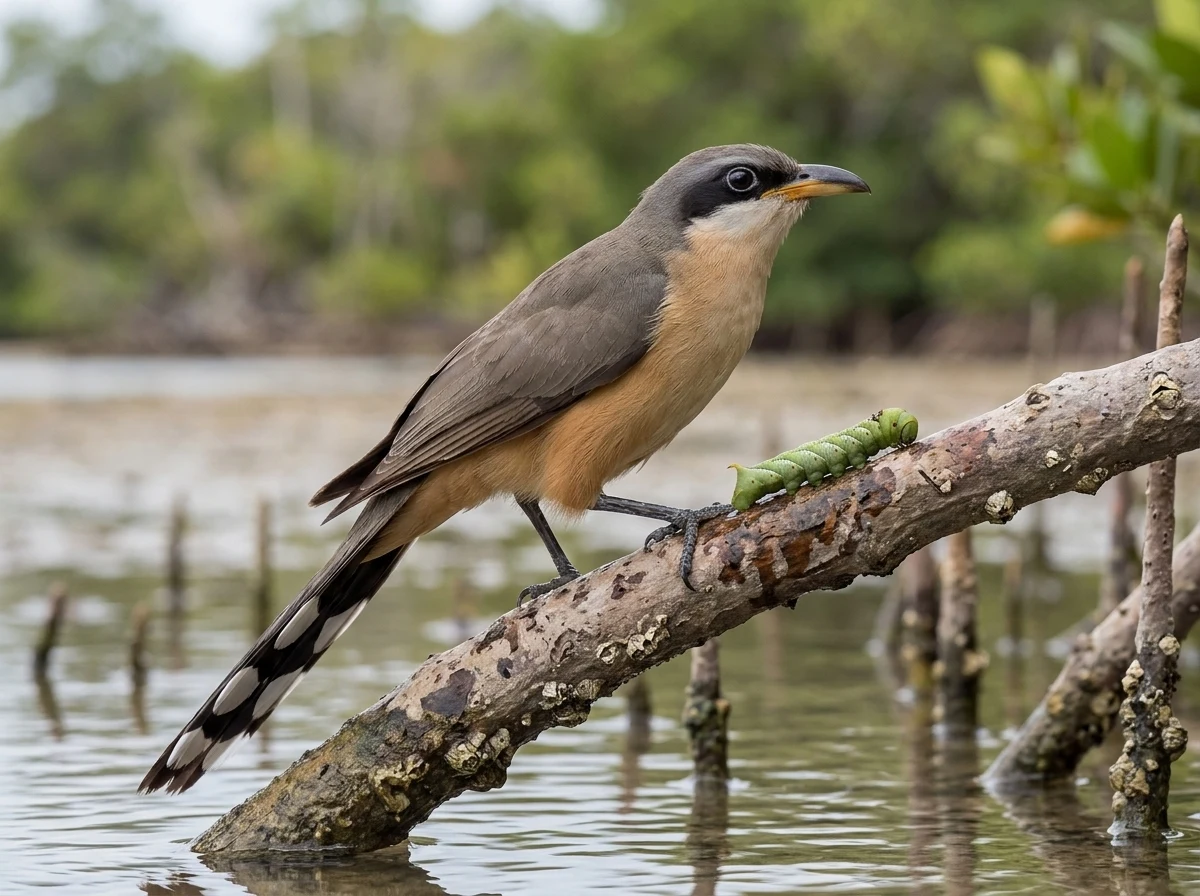
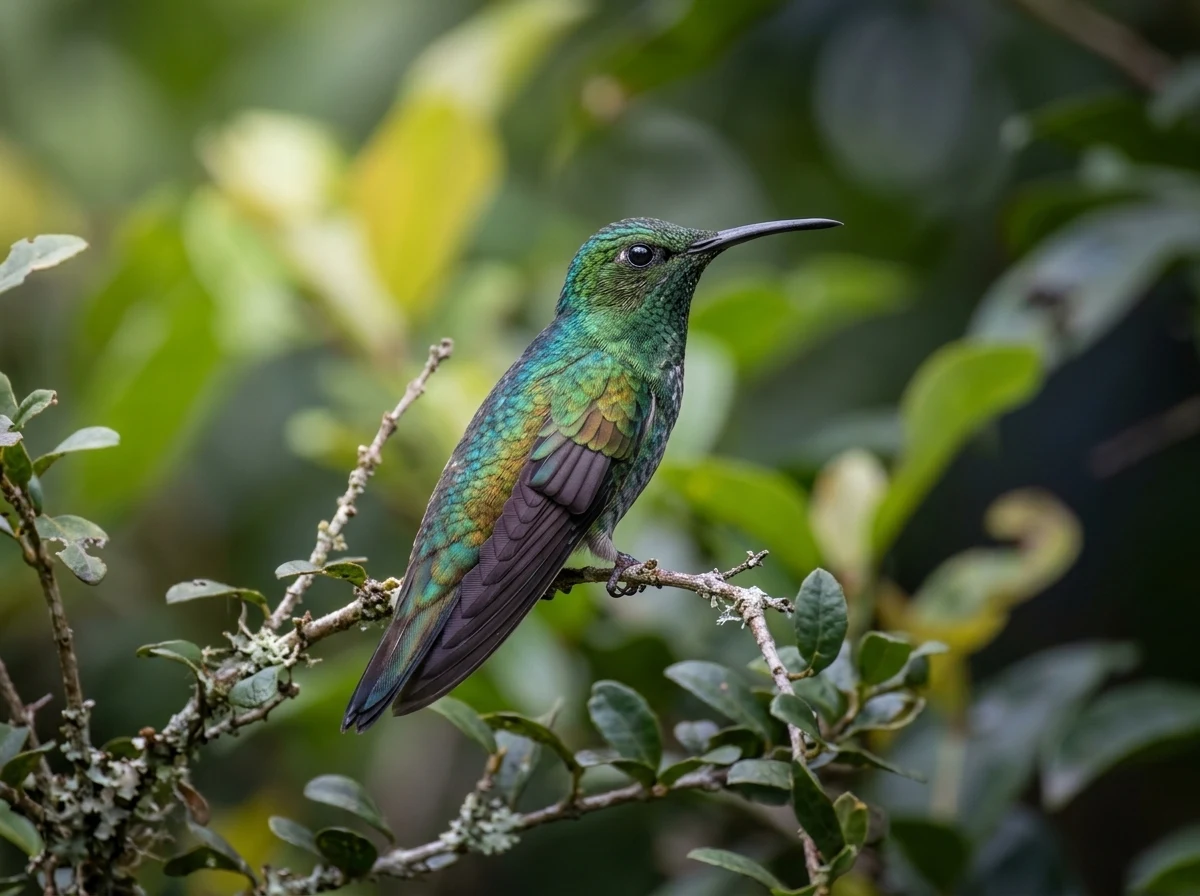
Evidence trail
Sources, media & further reading
Research note: Traditional endemic