 AI
AILearning · Identification
Dichotomous Key for Common Birds
A step-by-step tool for students and beginning birders, with five common birds as examples.
Reviewed: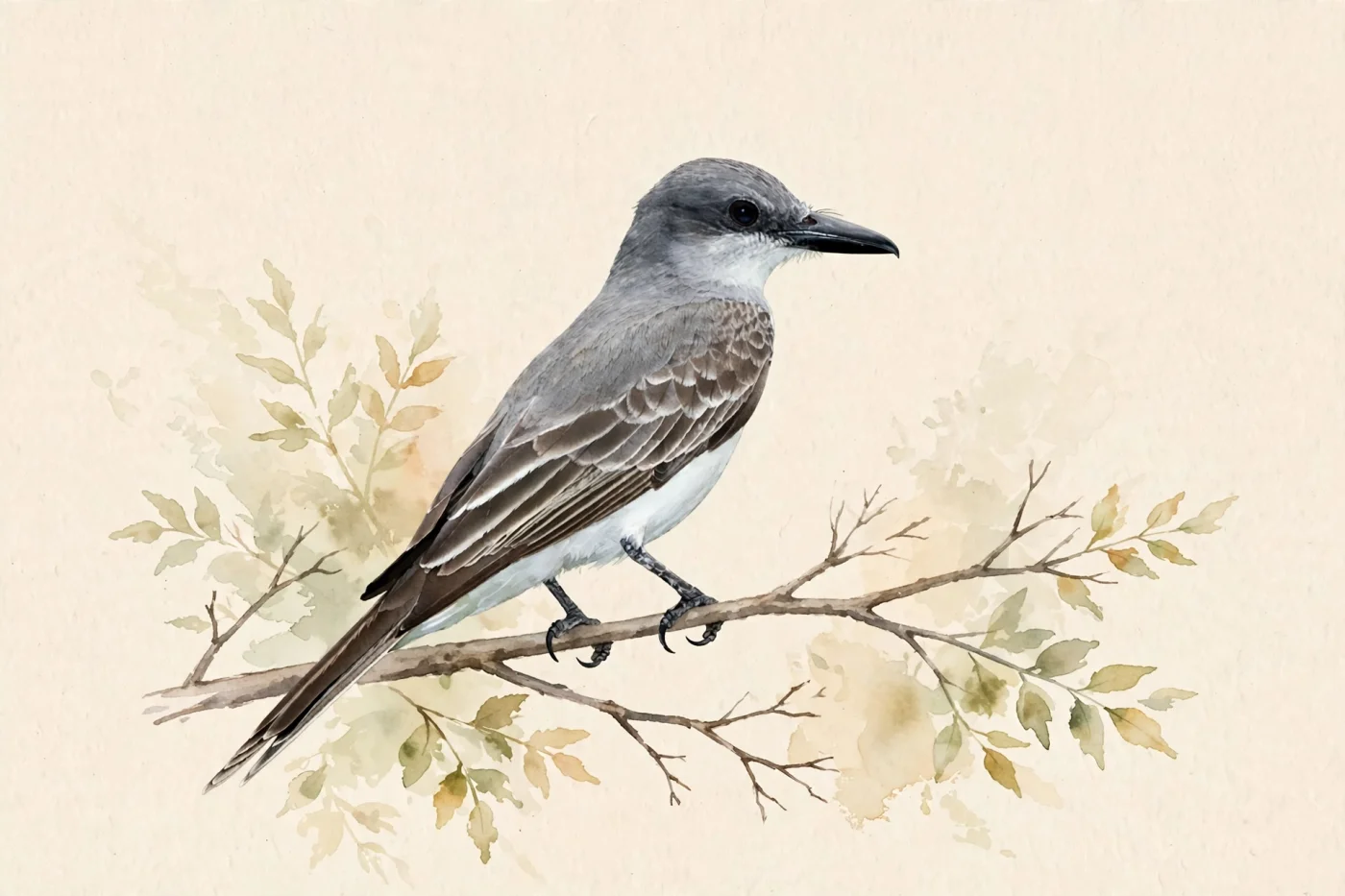
Prepared with AI assistance and linked sources. Illustrations are not field photographs.
What Is a Dichotomous Key and Why Use It for Birds?
A dichotomous key is a scientific tool that gives you two choices at each step to describe an organism. The word “dichotomous” means “divided into two parts,” and a “key” is a series of questions that help you identify something. At each step you choose yes or no, or one of two alternatives, and you only read the questions that match your path. This makes it ideal for identifying common Puerto Rico birds without having to memorize every species at once.
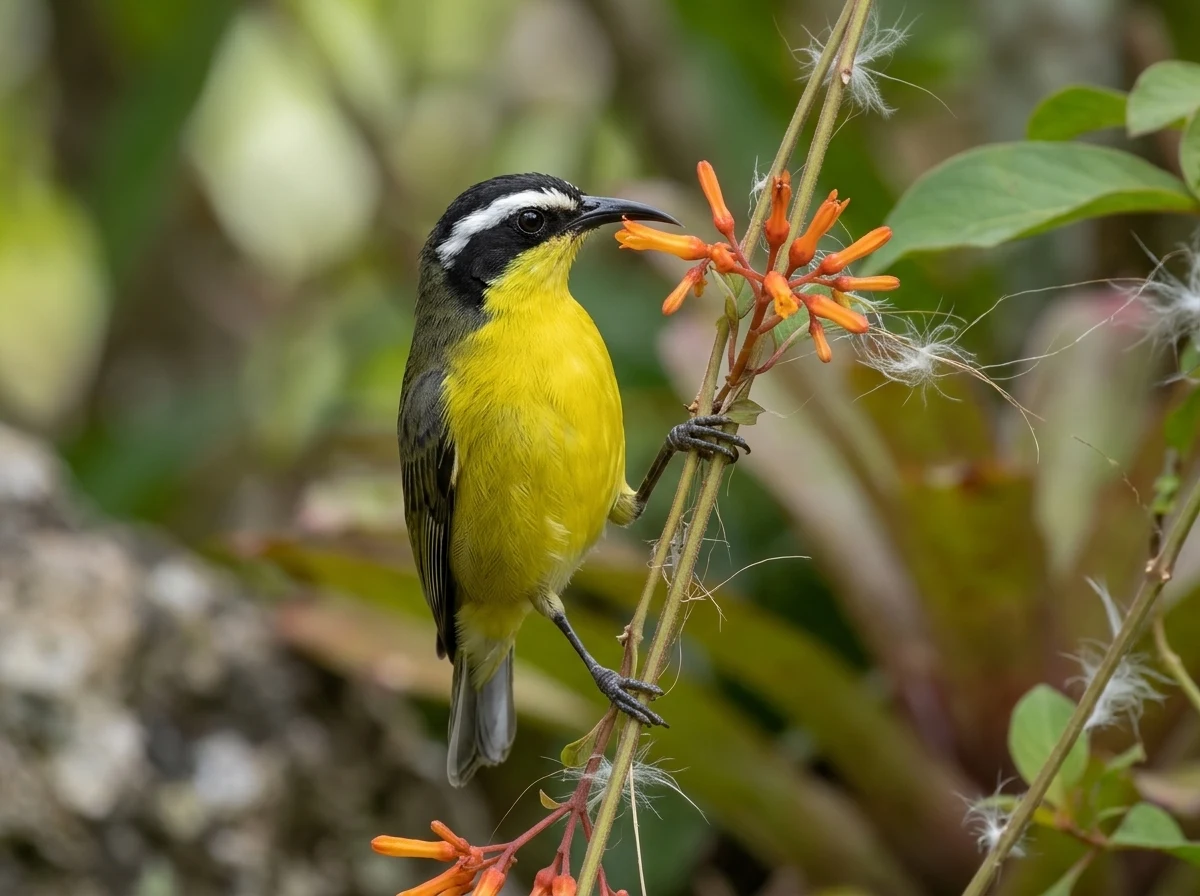
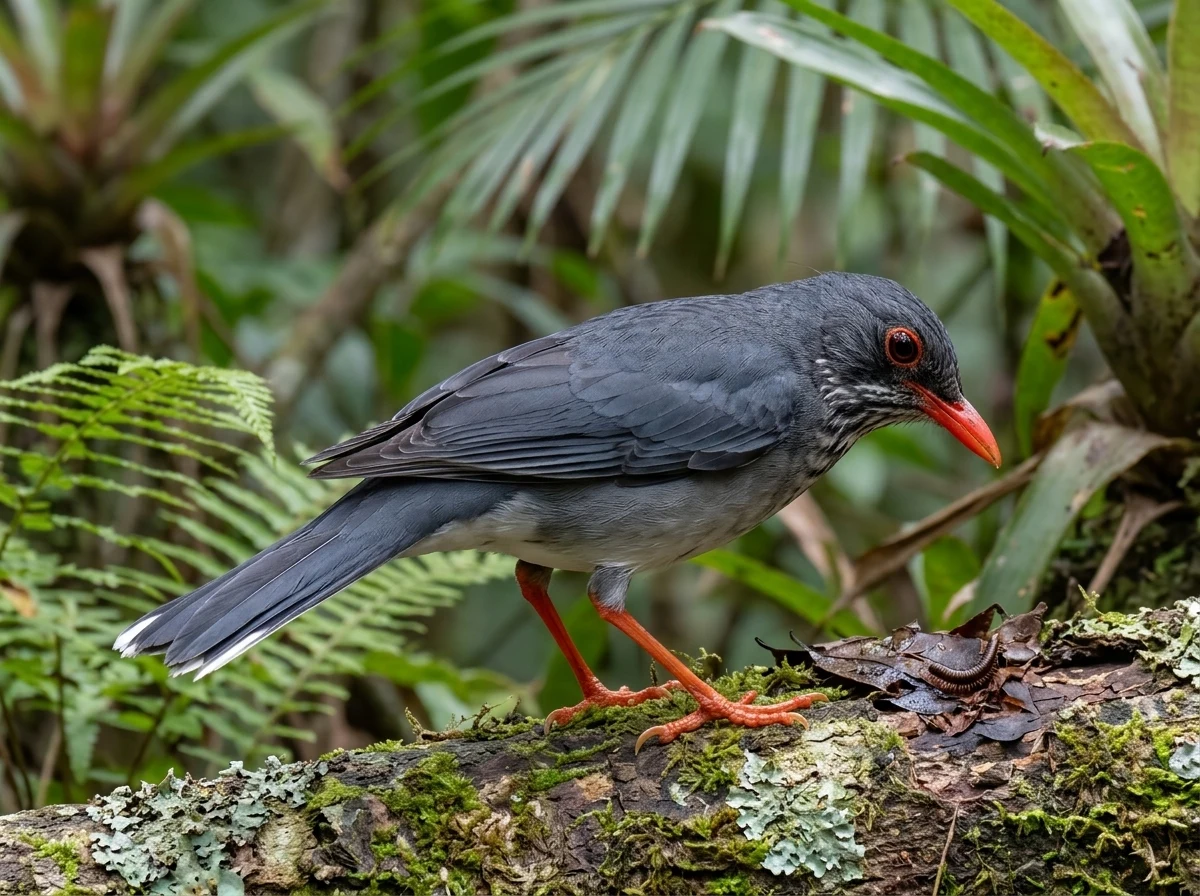
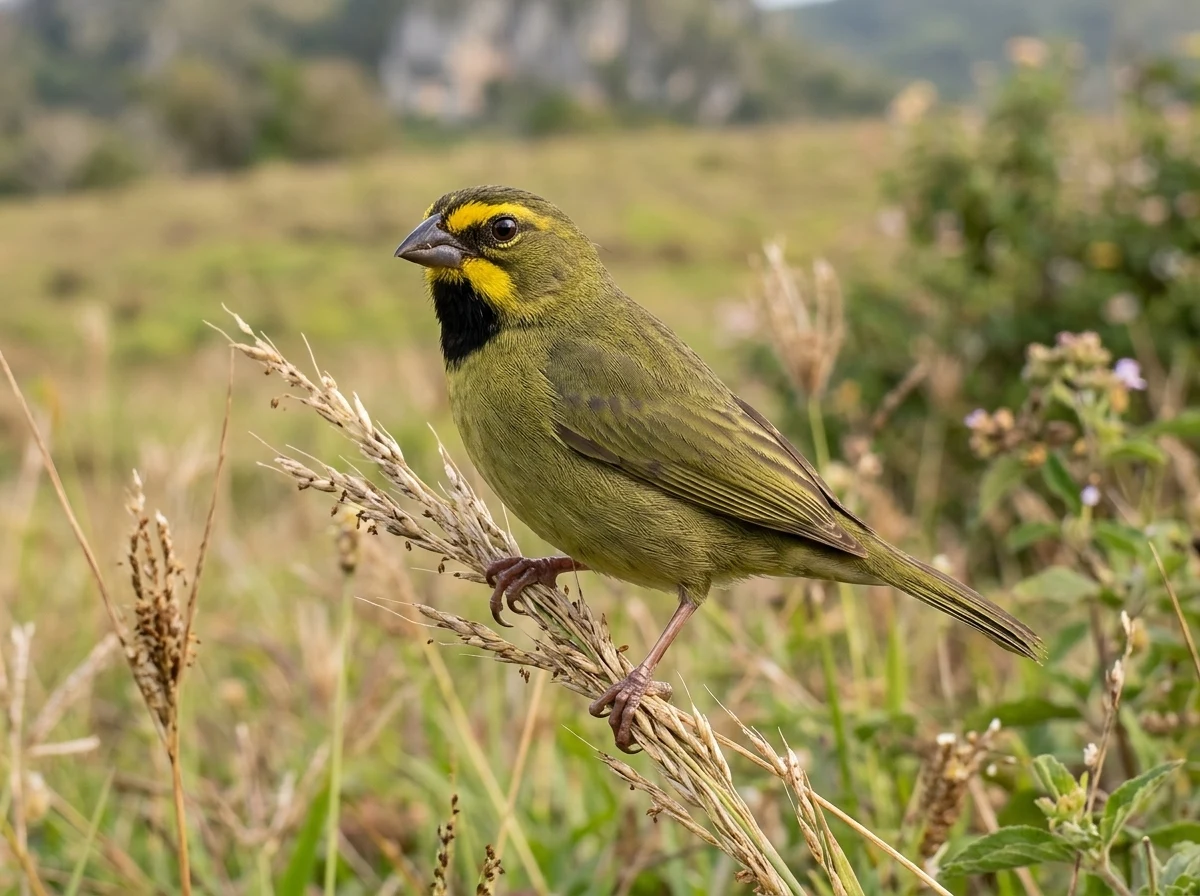
In this guide you will learn to use a dichotomous key with five common birds: the Bananaquit, the Gray Kingbird, the Greater Antillean Grackle, the Eastern Red-legged Thrush, and the Yellow-faced Grassquit. You will also practice building your own key using color, size, bill shape, and habitat. The goal is not just to name a species, but to learn to observe carefully and describe what you see in clear words.
Learning · Identification
Key facts
2choices per stepEach question splits the possibilities in two.
5example birdsBananaquit, Gray Kingbird, Greater Antillean Grackle, Eastern Red-legged Thrush, and Yellow-faced Grassquit.
4main cluesColor, size, bill, and habitat.
01
How a Dichotomous Key Works
A dichotomous key works like a path with forks. You start with the first question, which splits the birds into two groups based on a visible characteristic. For example: “Does the bird have a short, conical bill?” If the answer is yes, you follow the “yes” branch; if no, you follow the “no” branch. At each step, the key reduces the number of possibilities until you reach a single species. You do not need to read every question, only the ones that match your path.
The key in the University of Guelph Arboretum document shows this principle with backyard birds: to identify a Blue Jay, you only answer two questions: “Does it have a crest? Yes” and “Is it blue? Yes.” The other questions do not apply. The same principle works for Puerto Rico birds. The key does not require you to be an expert; it requires you to observe carefully and answer honestly. If a characteristic is not clear, it is better to go back and look for another clue.
02
Example Dichotomous Key for Five Common Birds
Use this key as practice. Start at question 1 and follow the branch that matches your bird. The characteristics are based on general traits from the catalog and the Birds of the World source for the Gray Kingbird. Remember that this key is for common birds and does not cover every species in Puerto Rico.
1. Is the bird mostly black? Yes → 2. No → 3.
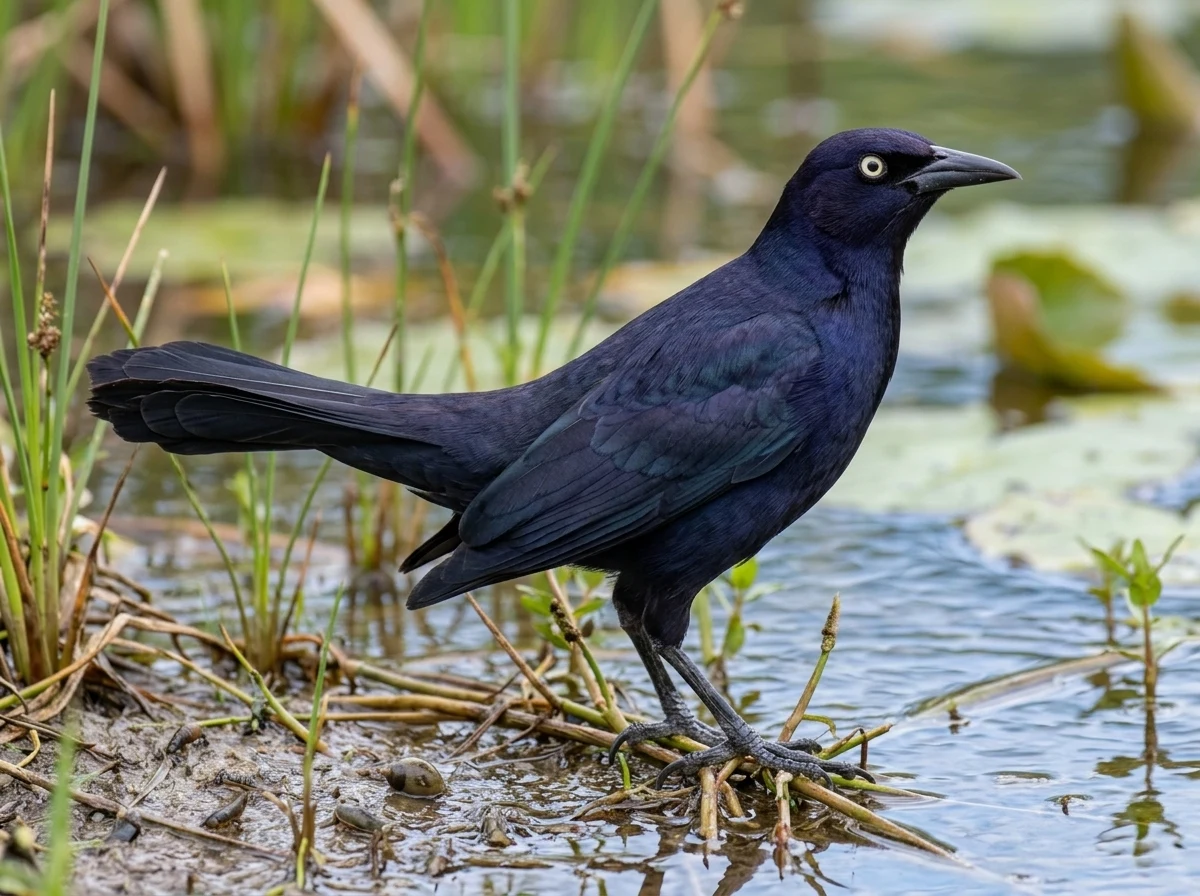
2. Does it have yellow eyes and a V-shaped tail? Yes → Greater Antillean Grackle. No → another black bird (not in this key).
3. Is the bird small (under 15 cm) with a short, conical bill? Yes → 4. No → 5.
4. Does it have yellow on the face and breast? Yes → Yellow-faced Grassquit. No → Bananaquit if it has a curved bill and yellow on the breast; if not, another small bird.
5. Is the bird medium-sized (20–25 cm) with red legs? Yes → Eastern Red-legged Thrush. No → 6.
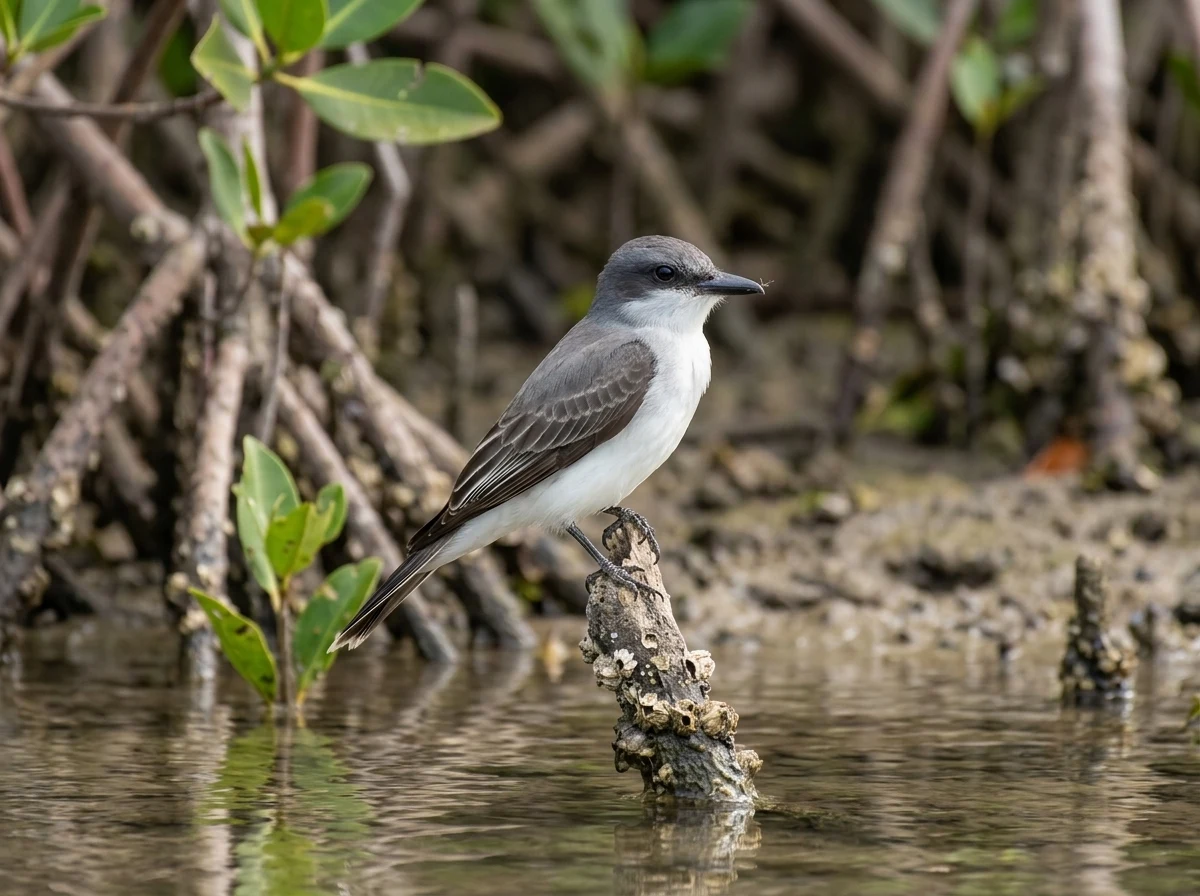
6. Is the bird gray above and white below, with a stout black bill, often perching on wires or high branches? Yes → Gray Kingbird. No → another bird.
This simplified key helps you practice. For the Gray Kingbird, the Birds of the World source describes it as a large, conspicuous tyrannid that perches in the open in dry, open habitats, often near water. That combination of behavior and habitat is an additional clue.
03
How to Build Your Own Dichotomous Key
Building your own key is an excellent way to learn. First, choose 5 to 10 birds you see often in your yard, school, or park. Then, list their characteristics: main color, size, bill shape, leg color, and habitat where you usually see them. The Arboretum document suggests starting with a list of characteristics and then writing yes-or-no questions that separate the species. It does not have to be perfect the first time; you can adjust it after testing it.
To start, write your first question on a sheet of paper. Draw one line for “yes” and one for “no.” On each branch, write the next question until you reach a species name. For example: “Does it have a curved bill? Yes → Bananaquit. No → Does it have yellow eyes? Yes → Greater Antillean Grackle. No → ...” Test your key with a family member or classmate. If they get confused, review the questions and make them clearer. The Arboretum document recommends testing the key with another person to see if it works.
04
Frequently Confused Bird Pairs
Some common Puerto Rico birds look alike and can be confused. The Bananaquit and the Yellow-faced Grassquit are both small and have yellow, but the Bananaquit has a curved, thin bill, while the grassquit has a conical bill and eats seeds. The Greater Antillean Grackle is black with yellow eyes and a V-shaped tail; other black birds may not have both features together. The Eastern Red-legged Thrush has red legs, an uncommon trait among common Puerto Rico birds.
The Gray Kingbird is gray above and white below, with a large head and stout bill. It perches in open areas, often near water. It is not a dense-forest bird. If you see a gray-and-white bird on a wire, it is likely a Gray Kingbird. If you see it on the forest floor, it could be another species. Use the key to separate these pairs step by step.
Linked profiles
The Five Birds in This Key
These species appear in the example key. Use their traits to practice.
01
What is a dichotomous key?
It is a scientific tool with two choices at each step. It helps you identify organisms by answering yes-or-no questions until you reach the correct name.
02
Can I use a dichotomous key for any Puerto Rico bird?
This key is designed for common birds. Puerto Rico has many species, and a complete key would require more questions and characteristics. You can start with common ones and expand your key over time.
03
Which characteristics should I look at first?
Start with main color, size, bill shape, and habitat. These four clues separate many common birds. Then look at details like eye or leg color.
04
How do I know if my key works?
Test it with another person. If they can follow the questions and reach the correct species without help, your key works. If they get confused, review the questions and make them more specific.
05
Where can I practice with real birds?
You can practice in your yard, urban parks, or nearby natural areas. Watch the birds you see and note their characteristics. Then use your key to identify them.
Keep exploring
Connected routes
Sources and review
The evidence is one link away.
These sources support the editorial scope of this guide. Bird profiles also retain their own taxonomy, occurrence, and conservation references.
Reviewed:
The atlas continues