 AI
AIFieldcraft
How to photograph skulking birds in dense vegetation
The bird does not have to leave the thicket: you have to find the gap, focus on the eye and shoot before it closes.
Reviewed:Prepared with AI assistance and linked sources. Illustrations are not field photographs.
The problem is not the camera, it is the gap
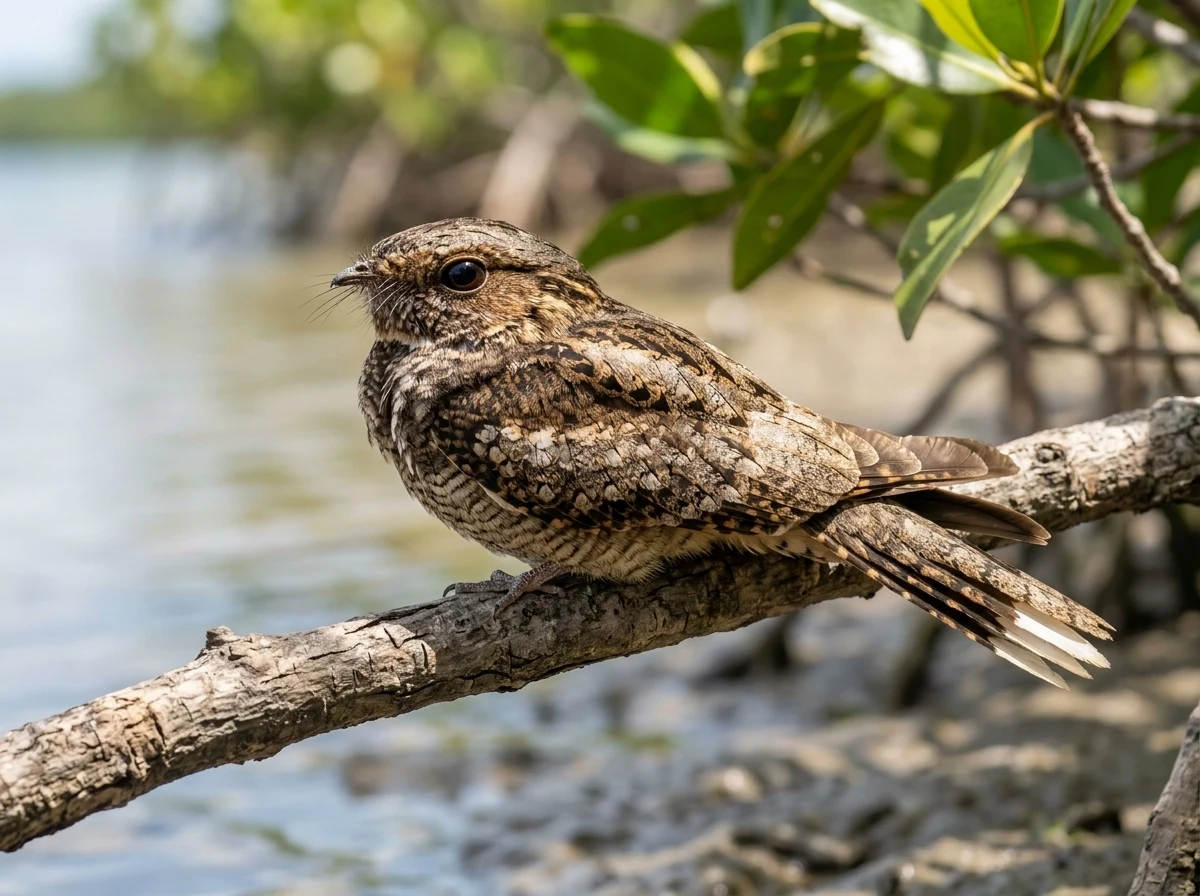
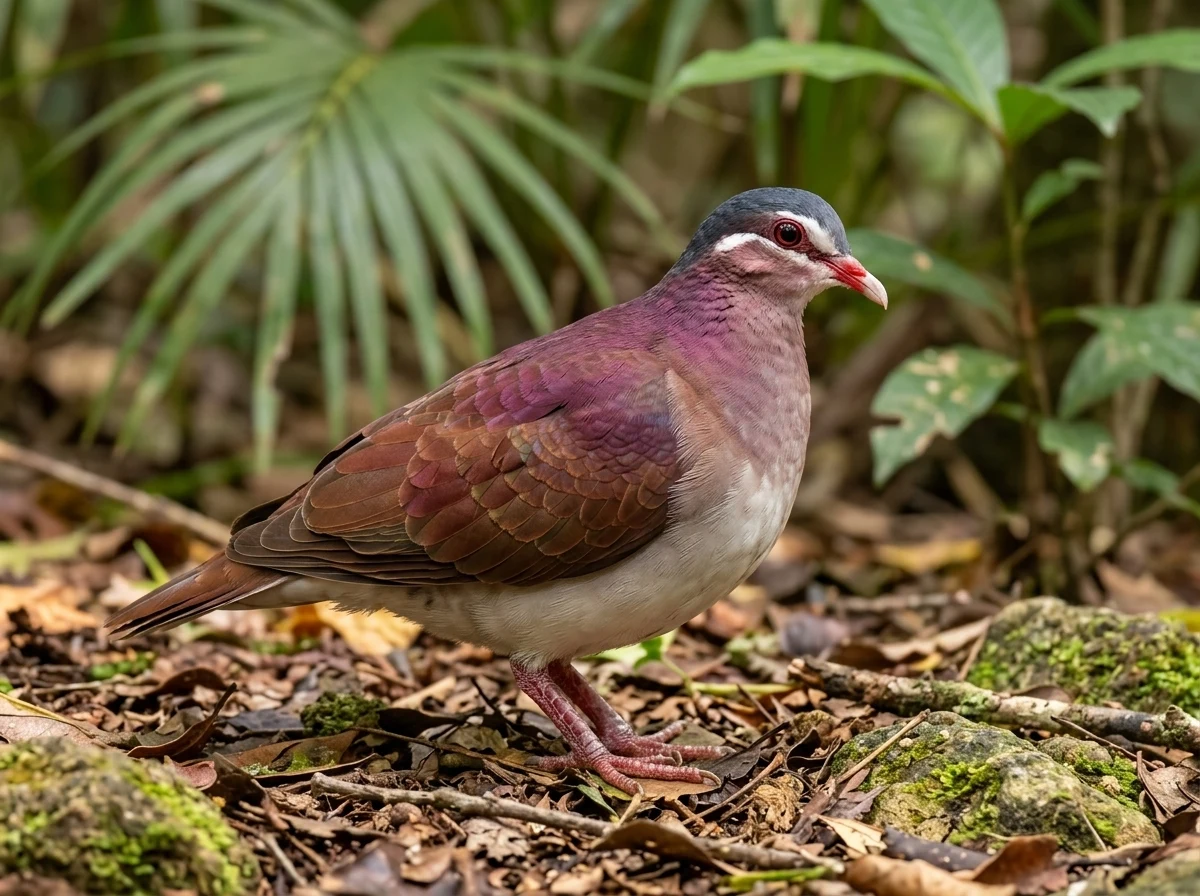
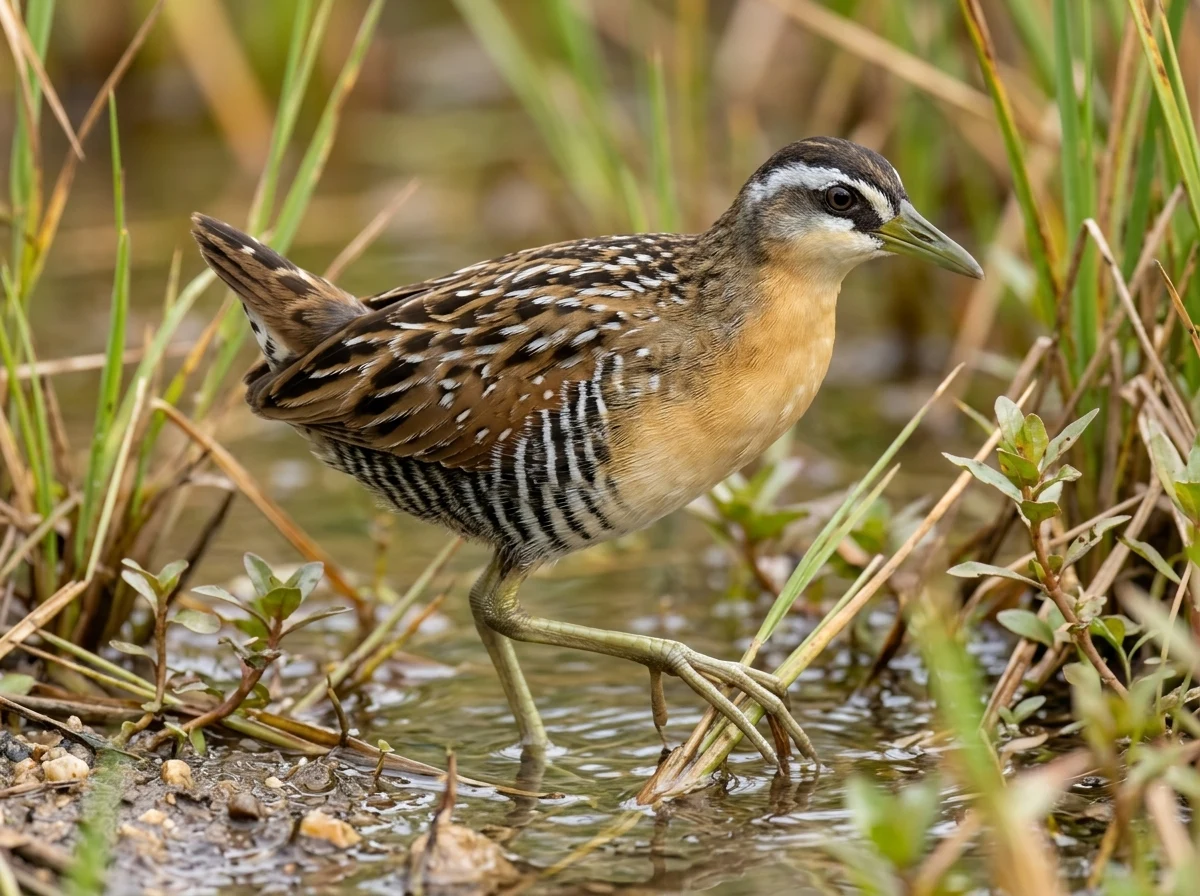
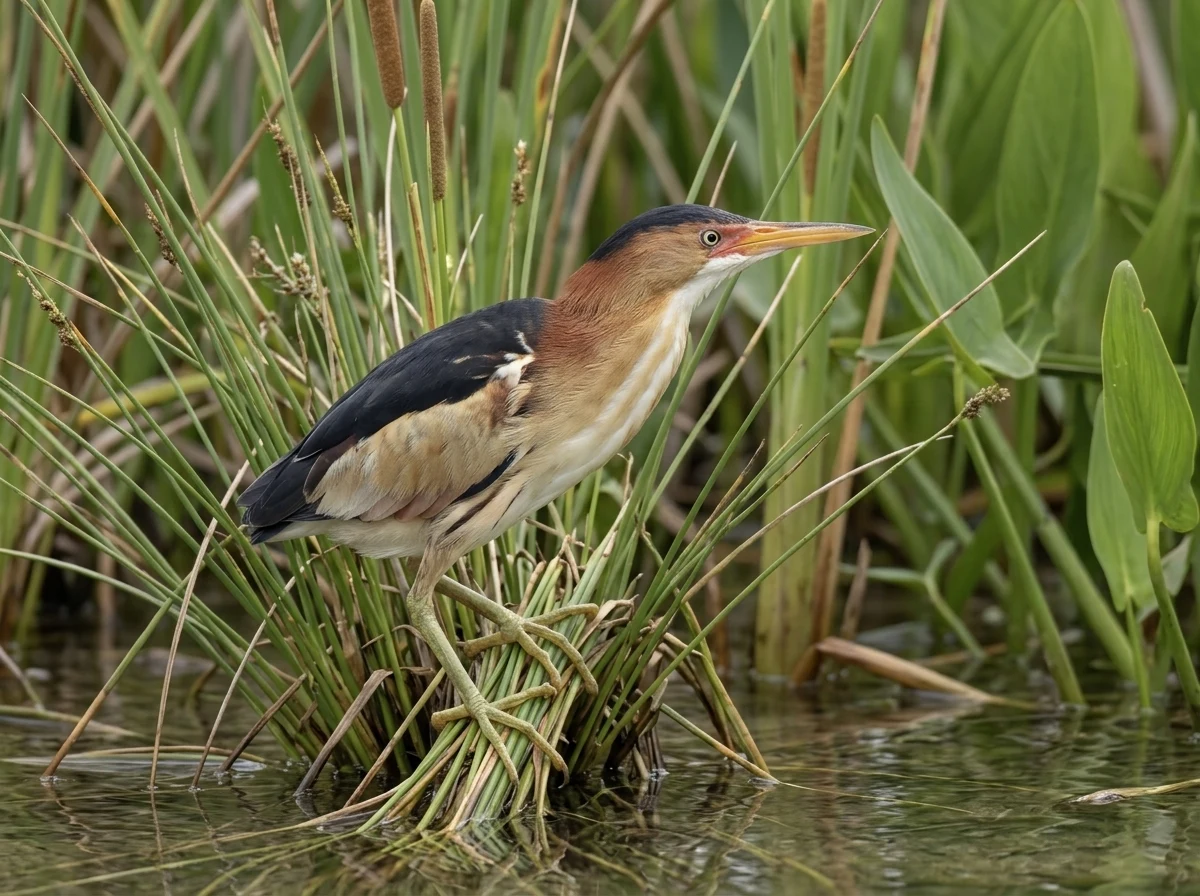
Photographing birds that hide in dense vegetation is an exercise in patience and reading the environment. The bird will not pose: the Puerto Rican Nightjar (Antrostomus noctitherus) is an endemic caprimulgid of the coastal and lower montane forests of southern and southwestern Puerto Rico that forages under the canopy by sallying from favored perches and is heard more often than seen; quail-doves walk on the forest floor; the Yellow-breasted Crake is very small and hides very well in a variety of freshwater marshes; the Least Bittern is a small member of the heron family. A clear photo does not come from chasing the bird, but from finding a natural gap, focusing on the eye and shooting the instant the bird is visible.
This guide proposes a field method: study behavior, choose your angle, use manual focus or back-button focus, and respect ethical limits. It is not a universal settings recipe or a list of locations. It is a way of working you can adapt to your gear and your patience.
Fieldcraft
Three ideas that change how you shoot
El ojo primeroFocus on the eye, not the leafIn dense vegetation autofocus often locks onto the front leaf; manual focus or back-button focus gives you back control. This is a general bird-photography practice, not a documented protocol for these species.
Anticipa, no persigasStudy behavior and position yourself firstWatching behavior and anticipating the next move lets you choose angle and background before the bird appears.
El ave primeroThe bird's well-being comes before the photoIf your approach makes the bird flush or change posture, you are too close; back away.
01
Focusing in the gap: manual focus and back-button focus
In dense vegetation, continuous autofocus often fails because the sensor finds a leaf, branch or stem closer than the bird. The practical solution is to separate focusing from shooting: use the rear button (back-button focus) to focus and the shutter only to expose. That way, when the bird appears in a gap, you do not wait for the camera to decide; you decide.
Manual focus is even more useful when the gap is small and the bird moves little. With the focus ring you can adjust slowly until the eye is sharp, even if a leaf crosses the plane. The key is to focus on the eye, not the body or the leaf. If your camera has live-view magnification (focus peaking or focus zoom), use it to confirm the eye is in focus before shooting. This technique is not documented as a species-specific protocol in the consulted sources, but it is a general bird-photography practice you can adapt.
A practical detail: in very tight gaps, contrast is low and autofocus may hunt. Switching to manual focus, or using a single small focus point, reduces the chance the camera focuses on vegetation. If you shoot in low light, such as at dawn or dusk, manual focus gives you more control than an autofocus that hesitates.
02
Anticipating movement: behavior before reaction
Skulking birds do not let themselves be followed. The strategy is to study their behavior and anticipate what they will do. The Puerto Rican Nightjar forages under the canopy by sallying from favored perches and sings throughout the year, with a peak in April and May; quail-doves walk on the forest floor and are often detected by movement or voice; the Yellow-breasted Crake is very small, hides very well in a variety of freshwater marshes and is seldom seen. Knowing this tells you where to look and when to be ready.
Instead of chasing the bird, position yourself where the background is cleaner and wait. A change of angle can replace a tangle of branches with a more even background. If the bird moves slowly on the ground, you can step back, lower the camera and look for a gap at the bird's eye level. Patience is not passivity: it is choosing the moment.
Light matters. The first hours after sunrise and the last before sunset usually give better color and fewer harsh shadows, and birds are more active. In dense vegetation, filtered light creates patches; look for the moment a beam lights the eye. If the bird is in shade, manual focus helps you keep the point.
03
Ethics: the limit that is not negotiable
The bird's well-being and its habitat come before the photo. If your approach makes the bird flush or change posture, you are too close. Some birds freeze or hunch into a protective stance; that also indicates stress and is a signal to back away. Use a telephoto lens and keep enough distance for the bird to behave naturally; a blind or hide helps you observe without disturbing.
Do not advance on a bird to make it fly. Drones are generally disruptive to birds and are illegal in many parks; avoid using them, especially at nests. Use flash sparingly and avoid it on nocturnal birds such as the nightjar, because it may temporarily limit their ability to hunt or avoid obstacles. Learn and follow location rules, including minimum distances. Think before sharing specific locations and remove GPS data from images of rare or sensitive species.
The ABA Code of Birding Ethics adds: avoid stressing birds, be especially cautious around active nests, colonies, roosts and feeding sites; limit the use of recordings and other audio methods of attracting birds, particularly in heavily birded areas, for species rare in the area, and for threatened or endangered species. Caution and restraint when photographing or approaching birds are part of the method, not an extra.
04
Field exercise: the five-minute protocol
Before raising the camera, spend five minutes observing without shooting. Listen: the Puerto Rican Nightjar is heard more often than seen, with a repeated song; quail-doves may be detected by voice. Locate the direction of the sound and look for a natural gap at the bird's level. Do not approach yet: first study the movement pattern and the background.
Then choose your angle. If the bird is on the ground, lower the camera to its level. If it is on a branch, look for a line of sight that avoids front leaves. Change position slowly, diagonally, without sudden movements. Avoid bright colors and silence your phone. If the bird changes posture or freezes, back away and wait.
When you have the gap, focus on the eye with manual focus or back-button focus, confirm with magnification if you have it, and shoot a short burst. Review the first image: if the eye is not sharp, adjust and try again. Do not chase the bird to repeat the shot. If it does not happen today, the gap will still be there tomorrow.
Linked profiles
The birds that will test you
Skulking species you may encounter or target in Puerto Rico, and what their behavior teaches you about where to place the gap and the focus.
01
Should I use manual focus or autofocus for birds in dense vegetation?
It depends on the gap. If the bird is partly hidden and leaves are in front, manual focus or back-button focus gives you more control because you avoid the camera focusing on the leaf. If the bird is in the open and moving, autofocus with a small point can work. The key is to focus on the eye and confirm before shooting.
02
Can I use flash with the nightjar or nocturnal birds?
Audubon's Guide to Ethical Bird Photography and Videography recommends avoiding flash on nocturnal birds such as owls and nightjars at night, because it may temporarily limit their ability to hunt or avoid obstacles. Use flash sparingly, if at all, as a supplement to natural light.
03
How do I know if I am too close to a skulking bird?
If your approach makes the bird flush or change its behavior, you are too close. Some birds freeze or hunch into a protective stance; that also indicates stress. Back away and wait. The bird's well-being comes before the photo.
04
Does playback work to make the bird come out?
The ABA Code of Birding Ethics advises limiting the use of recordings and other audio methods of attracting birds, particularly in heavily birded areas, for species rare in the area, and for threatened or endangered species. For skulking birds, patience and a natural gap are usually better than luring them with sound.
05
What do I do if the bird does not come out of the thicket?
Do not chase it. Change your angle slowly, look for another gap, check the light and wait. Many skulking birds are first detected by voice or by a minimal movement. If there is no photo today, note what you observed and return another day. Forcing the situation only stresses the bird and ruins the opportunity.
Keep exploring
Connected routes
Sources and review
The evidence is one link away.
These sources support the editorial scope of this guide. Bird profiles also retain their own taxonomy, occurrence, and conservation references.
Reviewed:
01↗02↗03↗04↗05↗06↗07↗
National Audubon Society
Audubon's Guide to Ethical Bird Photography and Videography
Evidence for cited sections; consult the original document.American Birding Association
ABA Code of Birding Ethics
Evidence for cited sections; consult the original document.Cornell Lab of Ornithology (Birds of the World), account by F. J. Vilella
Puerto Rican Nightjar (Antrostomus noctitherus), Birds of the World
Evidence for cited sections; consult the original document.Cornell Lab of Ornithology (Birds of the World)
Key West Quail-Dove Geotrygon chrysia, Birds of the World
Evidence for cited sections; consult the original document.Cornell Lab of Ornithology (Birds of the World), account by Barry Taylor and Eduardo de Juana
Yellow-breasted Crake Laterallus flaviventer, Birds of the World
Evidence for cited sections; consult the original document.National Audubon Society (Audubon Magazine), by Paul Bannick
10 Tips for Photographing Birds
Evidence for cited sections; consult the original document.British Trust for Ornithology (BTO), by Frank Gardner
Tips for photographing birds
Evidence for cited sections; consult the original document.The atlas continues