 AI
AICamera and field
Bird Photography Tips for Puerto Rico
Harsh light, humidity, and tiny subjects change the technique; the ethics stay the same.
Reviewed:A good photo starts before you raise the camera.
To photograph birds in Puerto Rico, go out in the first hours of light or late afternoon, use a long telephoto instead of moving closer, protect your gear from humidity, and skip bait, playback, and drones around nesting birds. Those four choices matter more than your camera brand.
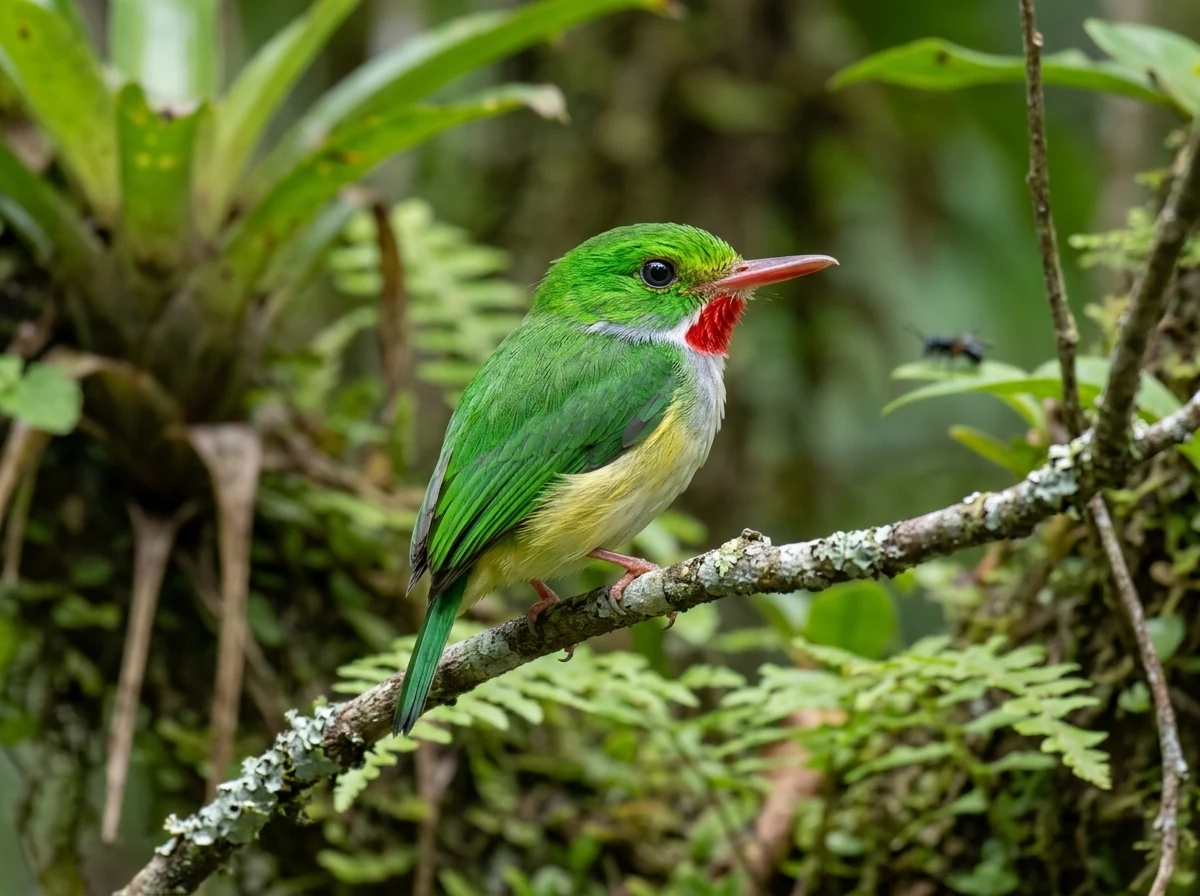
The island offers very different subjects: plunge-diving pelicans, hummingbirds weighing a few grams, the Puerto Rican Tody, at about 6 grams, in dim forest light, and endemics found nowhere else. This guide organizes technique by habitat, gathers the ethical rules from Audubon and the ABA, and explains how to turn your photos into useful scientific records.
Camera and field
Numbers for planning
~6 gPuerto Rican Tody weightA tiny subject that calls for long focal length and patience.
500 mm+for photographing nestsThe minimum focal length Audubon recommends near nests.
0clock changes per yearPuerto Rico stays on Atlantic Standard Time all year.
01
Tropical light: work the ends of the day
At about 18 degrees north latitude, the sun climbs fast, and by mid-morning the light is harsh, with black shadows and blown whites on pelicans and egrets. The first two hours after sunrise and the last before sunset give warm side light and coincide with peak activity for many birds. Because Puerto Rico does not change clocks in summer, check sunrise for your dates rather than assuming your home time.
The forest is the opposite: the canopy filters the light, and a Puerto Rican Tody or Spindalis sits in shade. Raise ISO without fear, open the aperture, and prefer shutter speeds of at least 1/500 for small, fast birds. On overcast days, the soft light of montane forest can be an advantage for greens and reds.
02
Humidity, rain, and salt: protect your gear
The most common visitor mistake is taking a camera from an air-conditioned car or room straight into humid air: the lens fogs inside and out, and you lose the first minutes of the outing. Let the gear acclimate in a sealed bag for a while before opening it, and keep silica gel packets in your bag.
In El Yunque and other wet forests, rain arrives without warning: carry a rain cover or plastic bag and a microfiber cloth. On the coast, salt spray settles on the lens; clean it at the end of the day. A light strap and pack help on hot trails, where carrying a heavy lens tires you faster than you expect.
03
Subjects by habitat: coast, city, and forest
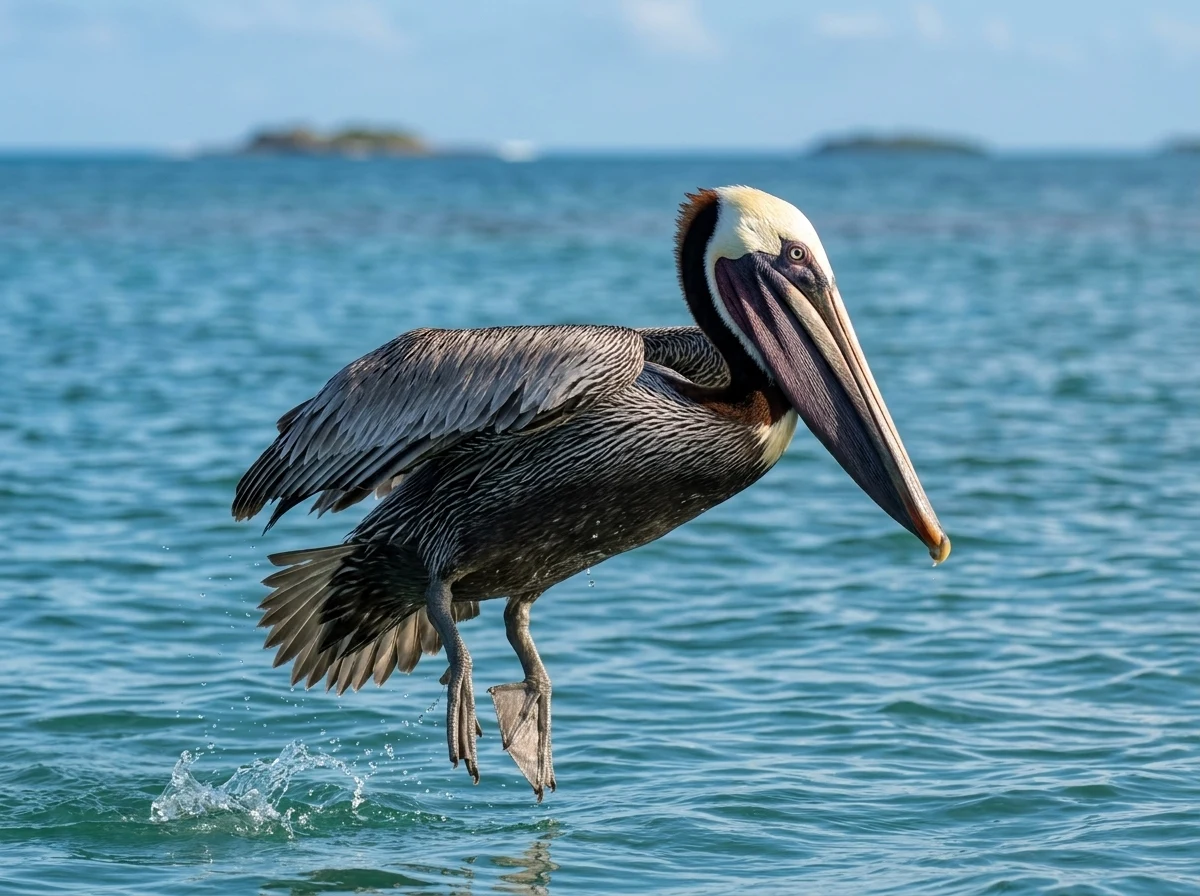
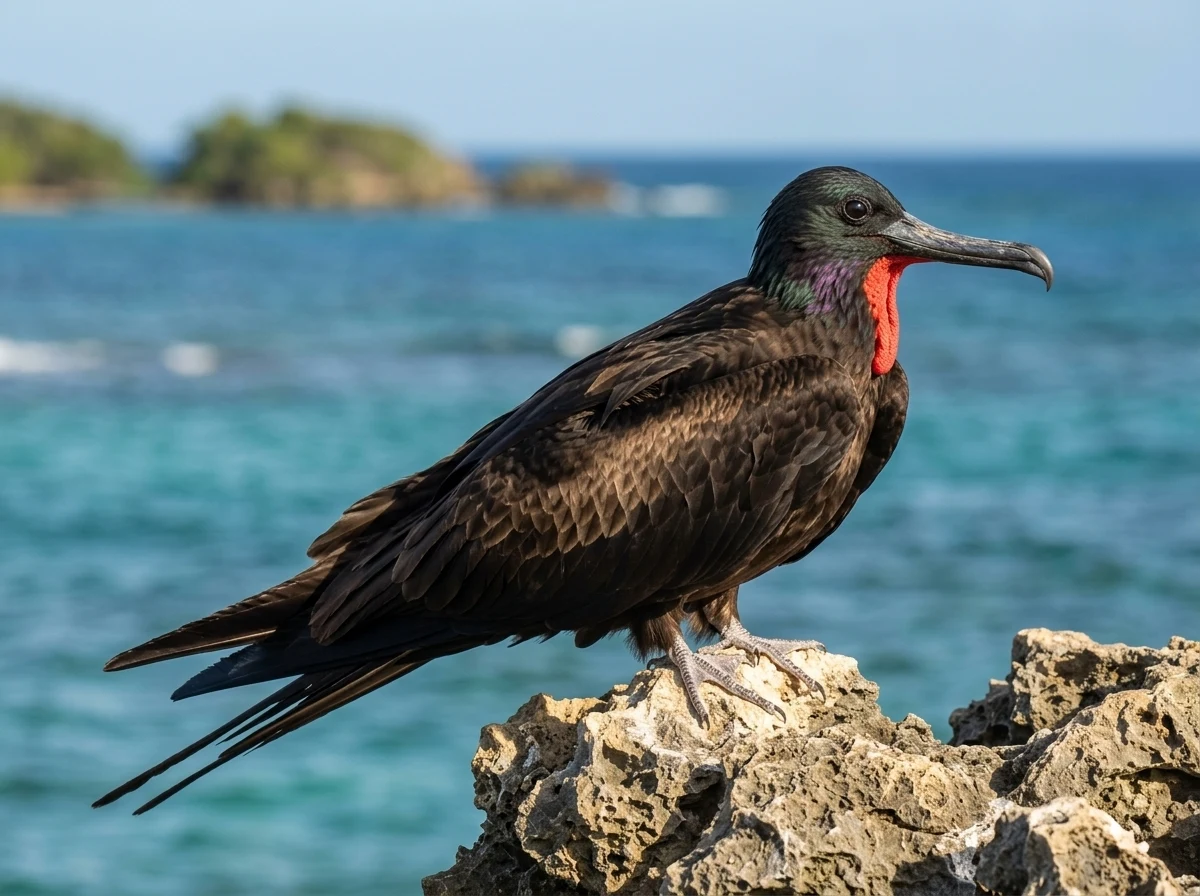
On the coast, Brown Pelicans plunge headfirst from as high as about 60 feet: use continuous focus, burst mode, and fast shutter speeds, and anticipate the entry point by tracking the bird in the air. Frigatebirds soar high against the sky; expose for the dark bird, not the bright background. Shorebirds look best at their eye level, crouched or seated at a distance.
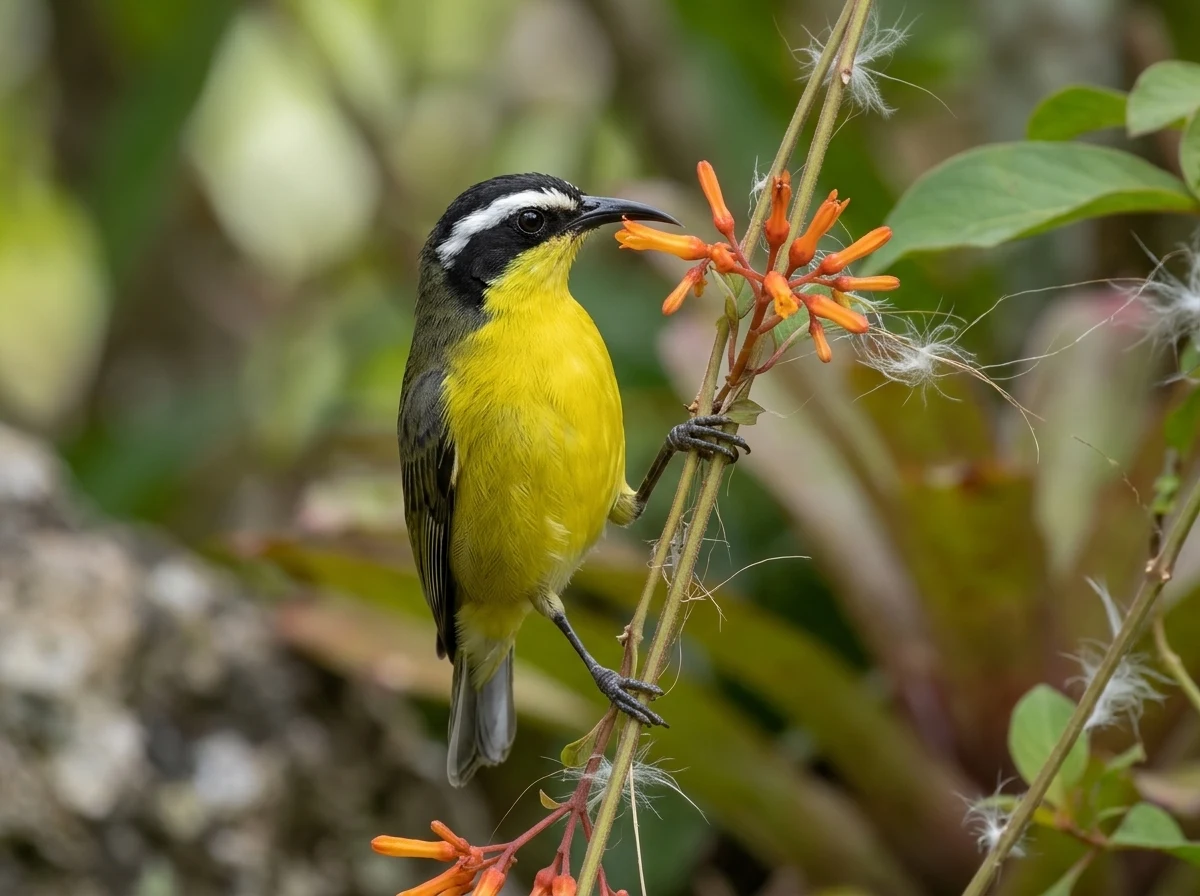
In the city, Bananaquits visit flowers and Gray Kingbirds perch on wires, but a clean leafy background improves the image a lot. In the forest, the Puerto Rican Tody often sits still on low branches before sallying for an insect; wait near a well-lit clearing. Green-throated Carib and other hummingbirds return to the same flowers, so pick one and wait rather than chasing them.
04
Ethics: bait, playback, nests, and drones
Audubon's guide starts from one principle: the well-being of the bird and its habitat comes before the photo. Don't bait raptors, avoid playing calls to attract birds, because it can make them abandon nests, and never flush a bird on purpose for a flight shot. The ABA code adds that you should limit recordings, especially in heavily birded places, and never enter private property without permission.
Near nests, Audubon recommends lenses of at least 500 mm, short visits, and no trimming of vegetation. Drones near nests are off the table and are illegal in many protected areas; check each refuge's or forest's rules. For sensitive species such as the Puerto Rican Owl, strip GPS data before posting to prevent harassment.
05
Turn your photos into data
A photo with a date and place is evidence. When you add it to an eBird checklist, it is archived in the Cornell Lab's Macaulay Library, where others can study it. On iNaturalist, the community reviews the identification, and confirmed observations feed research projects. For a rare bird, several photos from different angles are worth more than one perfect frame.
Be transparent in captions: Audubon asks you to disclose captive birds or baiting. And before posting, compare your photo with this site's profiles, which gather Spanish and English names, status, and photos; many searches for pictures and names of Puerto Rico birds start with exactly that kind of unidentified shot.
Linked profiles
Ten subjects to practice on
From the diving pelican to the tody in the shade: review habitat and behavior before heading out with the camera.
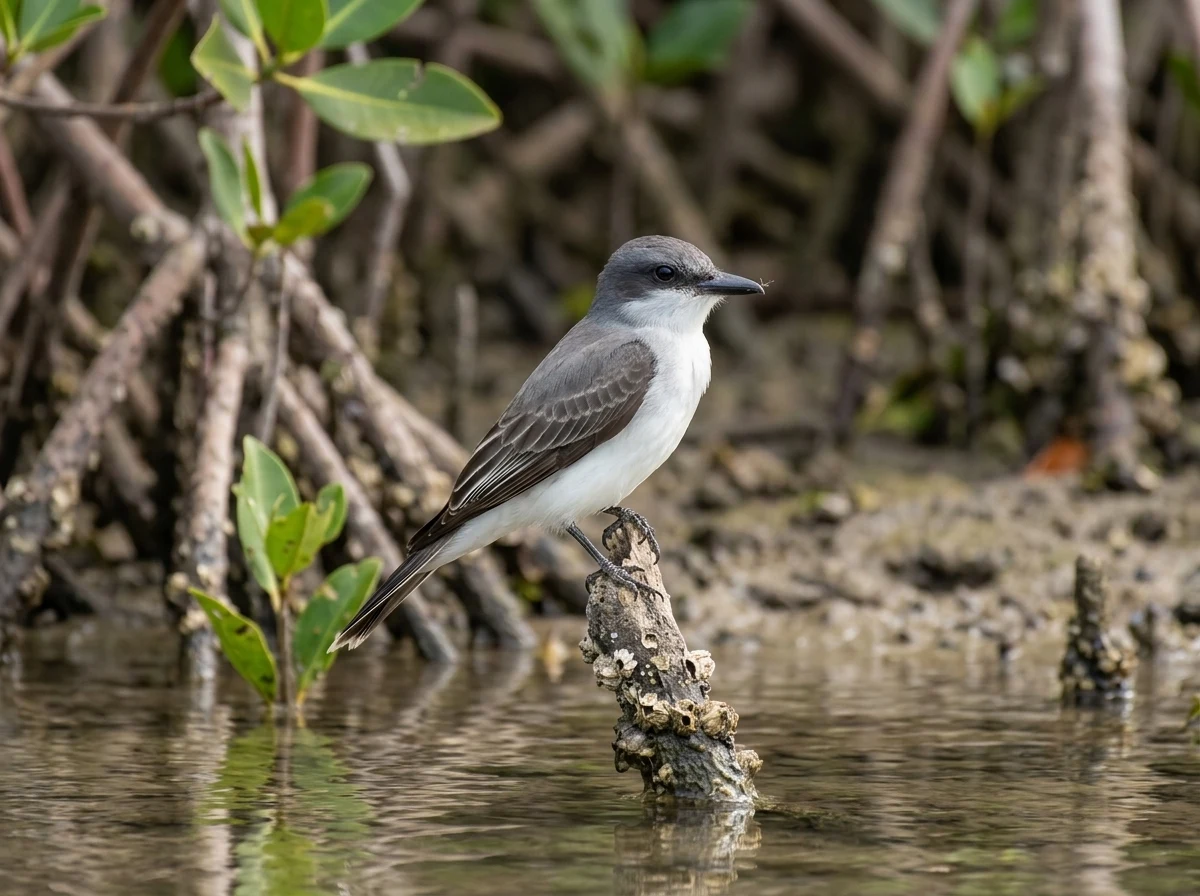
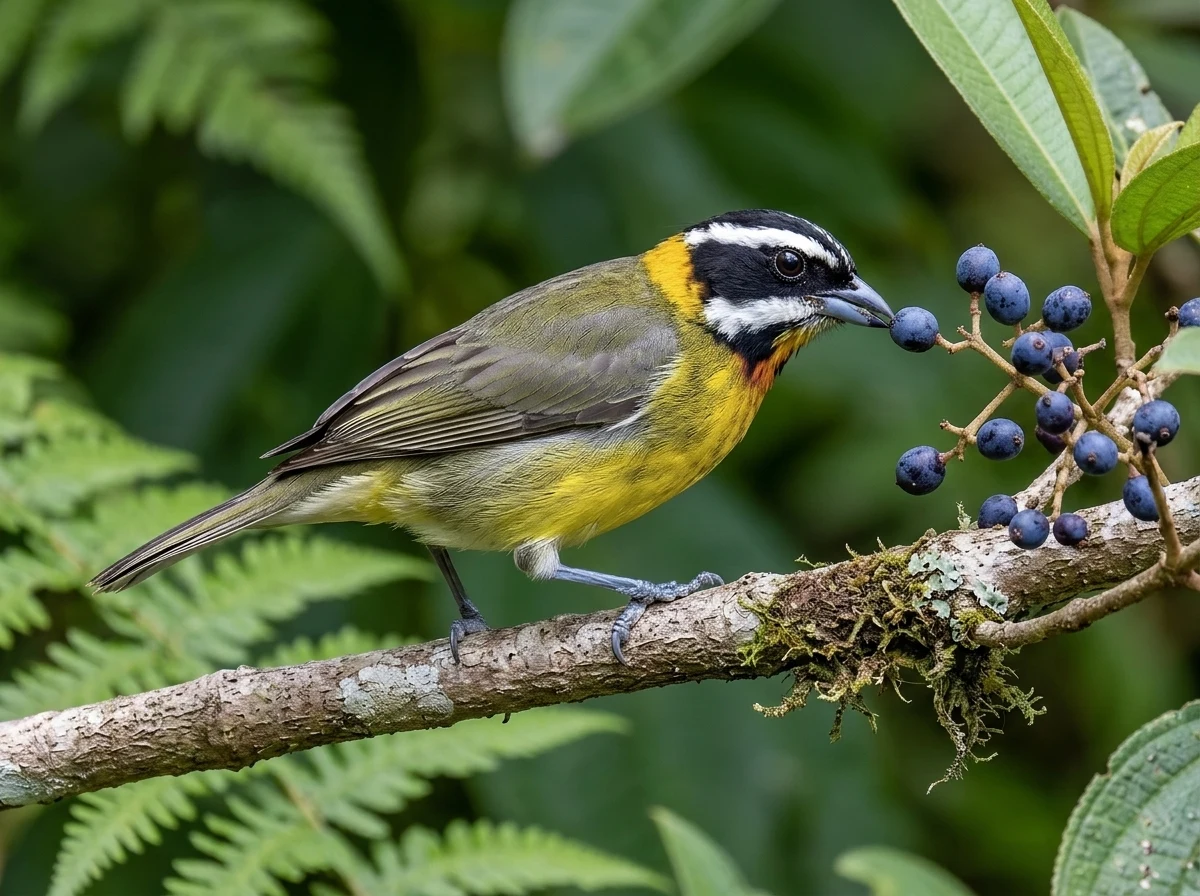
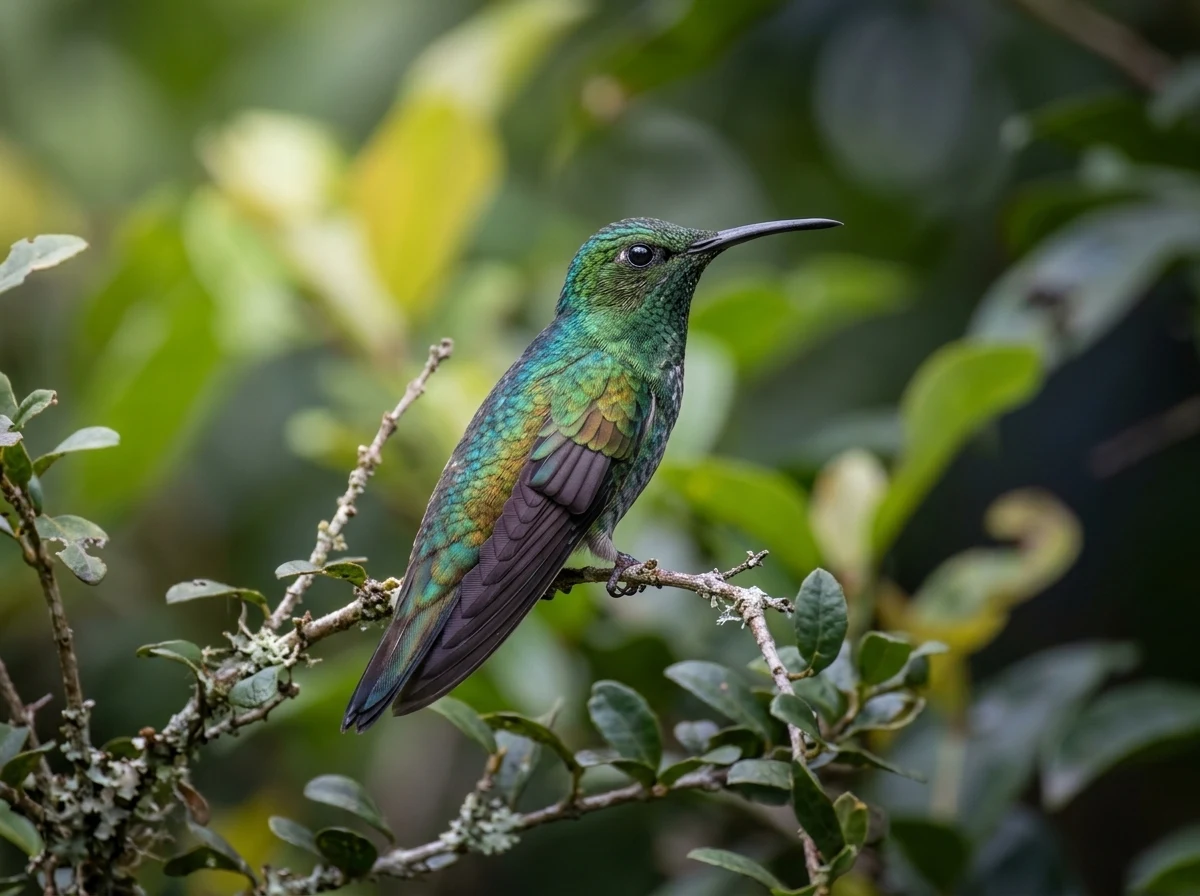
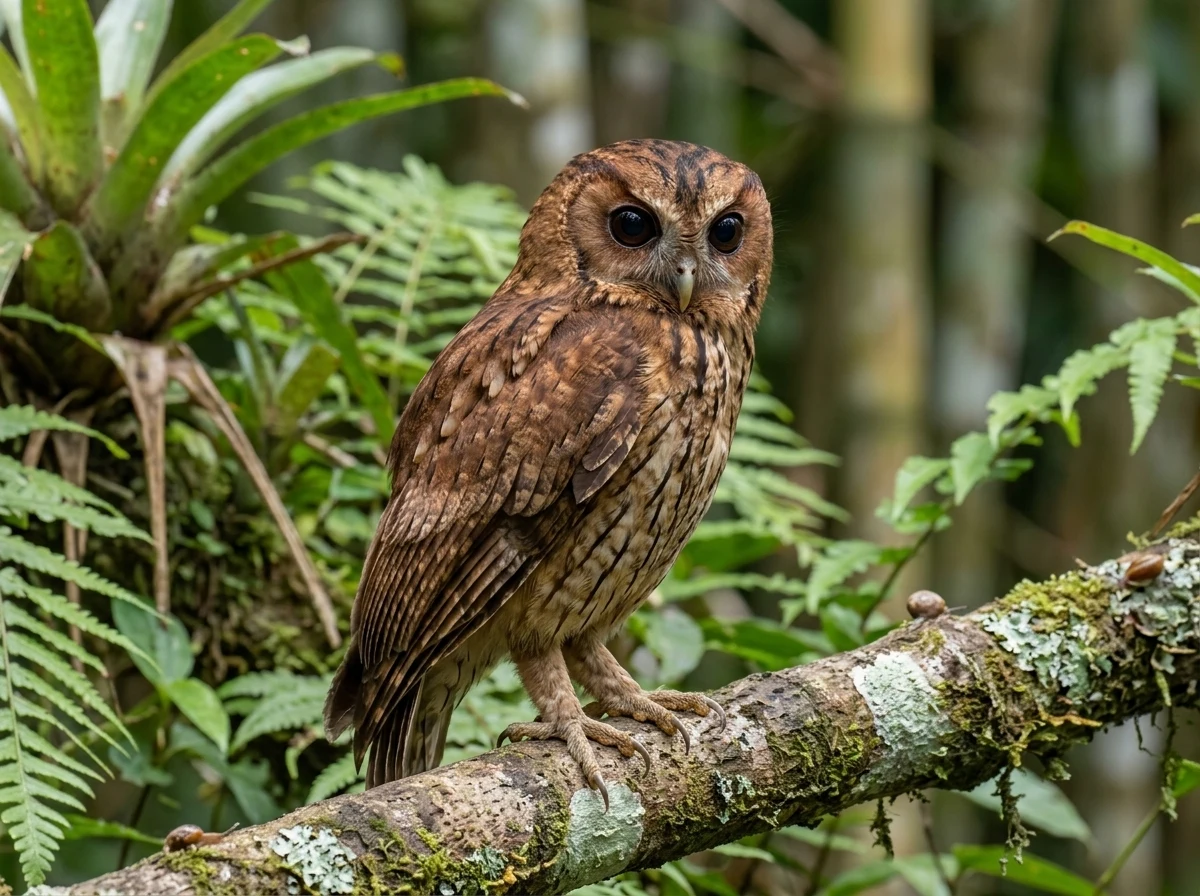
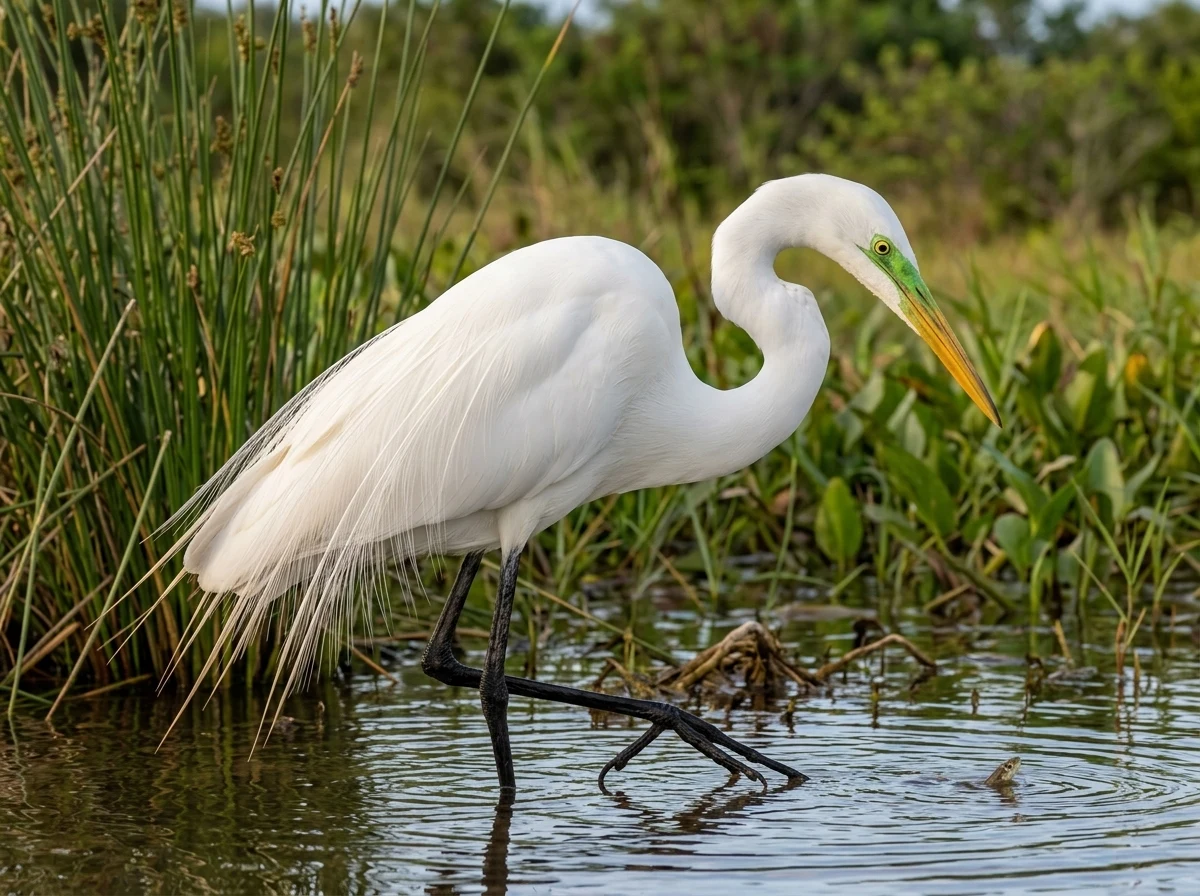
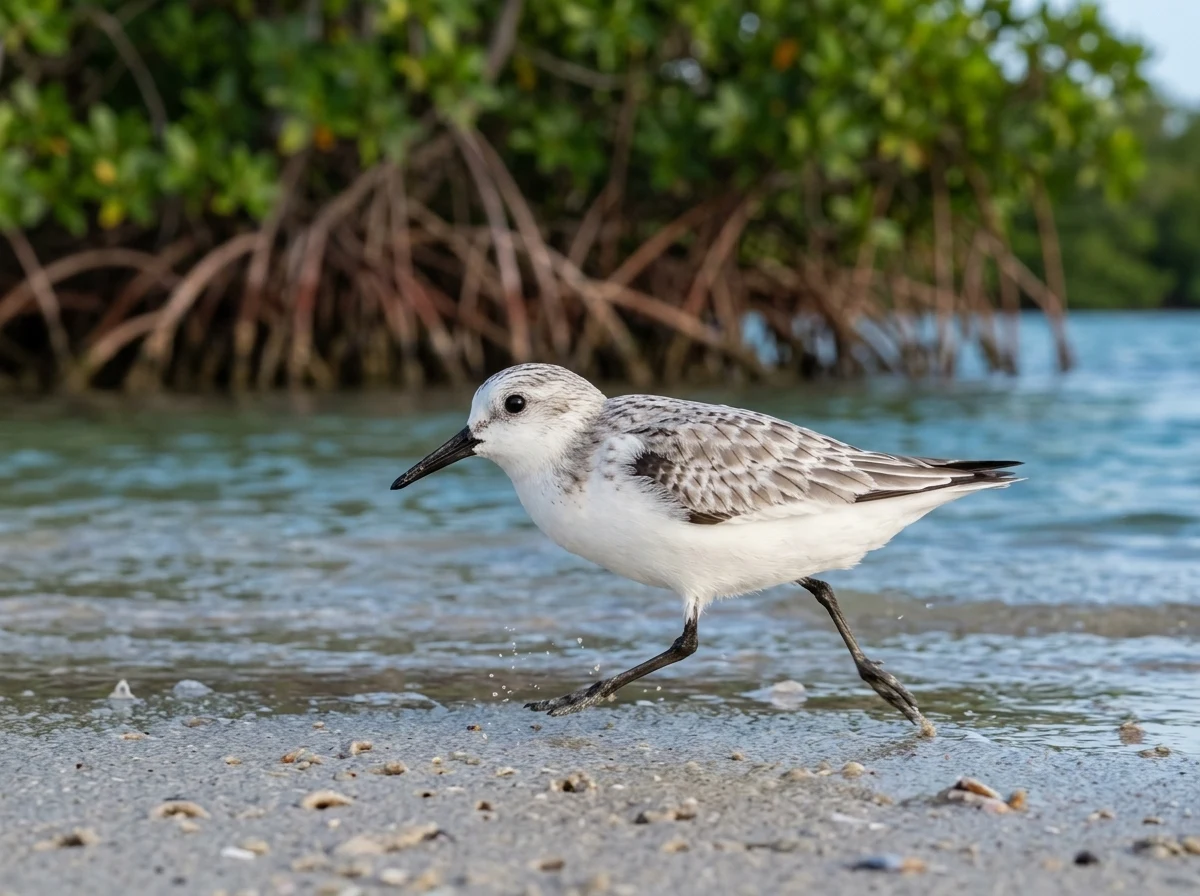
01
What is the best time of day to photograph birds in Puerto Rico?
The first two hours after sunrise and the last hour before sunset. The light is softer and many birds are more active; at midday the tropical light is harsh and heat lowers activity.
02
What lens do I need for bird photography?
A long telephoto lets you shoot without moving closer; near nests, Audubon recommends at least 500 mm. For large, confiding coastal birds such as pelicans, a shorter zoom may be enough.
03
Can I fly a drone to photograph birds in Puerto Rico?
It is not recommended. Audubon considers drones harmful near nests and notes they are illegal in many protected areas. Always check the refuge, forest, or reserve rules before flying.
04
Is it OK to use playback to attract birds for photos?
Avoid it. Audubon warns that birds responding to a perceived rival can abandon their nests, and the ABA code asks birders to limit recordings, especially in heavily birded places.
05
How do I stop my lens from fogging in Puerto Rico?
Let the camera acclimate inside a sealed bag before moving from air conditioning into humid air, and carry silica gel and a microfiber cloth. That way you don't lose the first minutes of the morning.
06
Where can I upload bird photos so they help science?
Add them to an eBird checklist, which archives them in the Macaulay Library, or post them to iNaturalist, where the community verifies the identification. Include the date, place, and several views of the bird.
Keep exploring
Connected routes
Sources and review
The evidence is one link away.
These sources support the editorial scope of this guide. Bird profiles also retain their own taxonomy, occurrence, and conservation references.
Reviewed:
01↗02↗03↗04↗05↗06↗07↗08↗09↗
National Audubon Society
Audubon's Guide to Ethical Bird Photography
Principles on distance, baiting, playback, nests, drones, sharing sensitive locations, and honest captions.American Birding Association
ABA Code of Birding Ethics
Guidance on limiting recordings, extra caution near nests and roosts, and not entering private property without permission.Cornell Lab of Ornithology
eBird Mobile
Features of the free app: checklists by place and date, rarity feedback, offline regional packs, and more than 20 languages.iNaturalist
iNaturalist on the App Store
Free app from a nonprofit that suggests species from photos and supports community identification.Macaulay Library / Cornell Lab of Ornithology
Puerto Rico sound archive
Complementary audio collection for comparing songs, calls, locations, and dates.Sociedad Ornitológica Puertorriqueña
Official bird list
Local names, occurrence categories, and the public summary of 17 endemics.U.S. Forest Service
El Portal de El Yunque
Official visitor information and context for the Puerto Rican Parrot recovery program.National Audubon Society
Brown Pelican
Plunge-dives from up to about 60 feet and plumage by age and season.Cornell Lab of Ornithology
Puerto Rico urban birds guide
Local names, behavior, and actions for living with urban birds.The atlas continues