 AI
AIBirdwatching
How to watch seabirds from shore
A practical guide to identifying seabirds from a coastal point, no boat required.
Reviewed:Prepared with AI assistance and linked sources. Illustrations are not field photographs.
Introduction
Watching seabirds from shore is an accessible and meditative way to learn about Puerto Rico's oceanic birdlife. It requires no boat and allows you to look for species like boobies, frigatebirds, and tropicbirds that frequent coastal and pelagic waters. The key is choosing a good observation point, understanding the limits imposed by distance, and developing patience and scanning techniques.
This guide focuses on watching from land or accessible cays. While it does not replace a pelagic trip, it offers a real chance to detect seabirds. Shore-based watching does not guarantee sightings; it is an activity of patience and opportunity.
Birdwatching
Key facts
5Target speciesBrown Booby, Magnificent Frigatebird, White-tailed Tropicbird, Red-billed Tropicbird, and Sargasso Shearwater.
PacienciaMain skillSightings can be brief and intermittent; steady watching is essential.
TelescopioRecommended gearA spotting scope with a tripod helps because birds are often far away; binoculars are useful for tracking moving birds.
01
Best conditions for seawatching from shore
Visibility is a practical factor you can control: avoid days with dense haze or heavy rain that reduce visual range. Time of day also affects comfort and available light; early morning and late afternoon often offer better light. However, some species can be seen throughout the day.
Season is another key factor. Seabird activity varies through the year, and peaks may be associated with breeding and migratory movements. Check local guides or eBird records to know what to expect each month. Seawatching is relaxing and meditative: there may be long periods without birds, and when one appears, it may disappear behind the waves or dive. Patience is essential.
02
How to scan the ocean: step-by-step technique
Choose an elevated point with a wide view of the sea, such as a headland, cliff, or pier. If possible, position yourself where land juts into the sea to get closer to the birds. Use binoculars or a spotting scope with a tripod; a scope is ideal for long distances, but binoculars are more versatile for tracking moving birds.
Scan the horizon in horizontal bands, stopping at any anomaly: a moving dot, a white flash, a silhouette breaking the sea line. Don't just look at the horizon; also check the water surface and lower sky. Seabirds can appear at various heights. As a practice suggested by this guide, note the time, wind direction, and species seen to learn from each outing.
03
Flight styles: how to tell boobies, frigatebirds, and tropicbirds apart
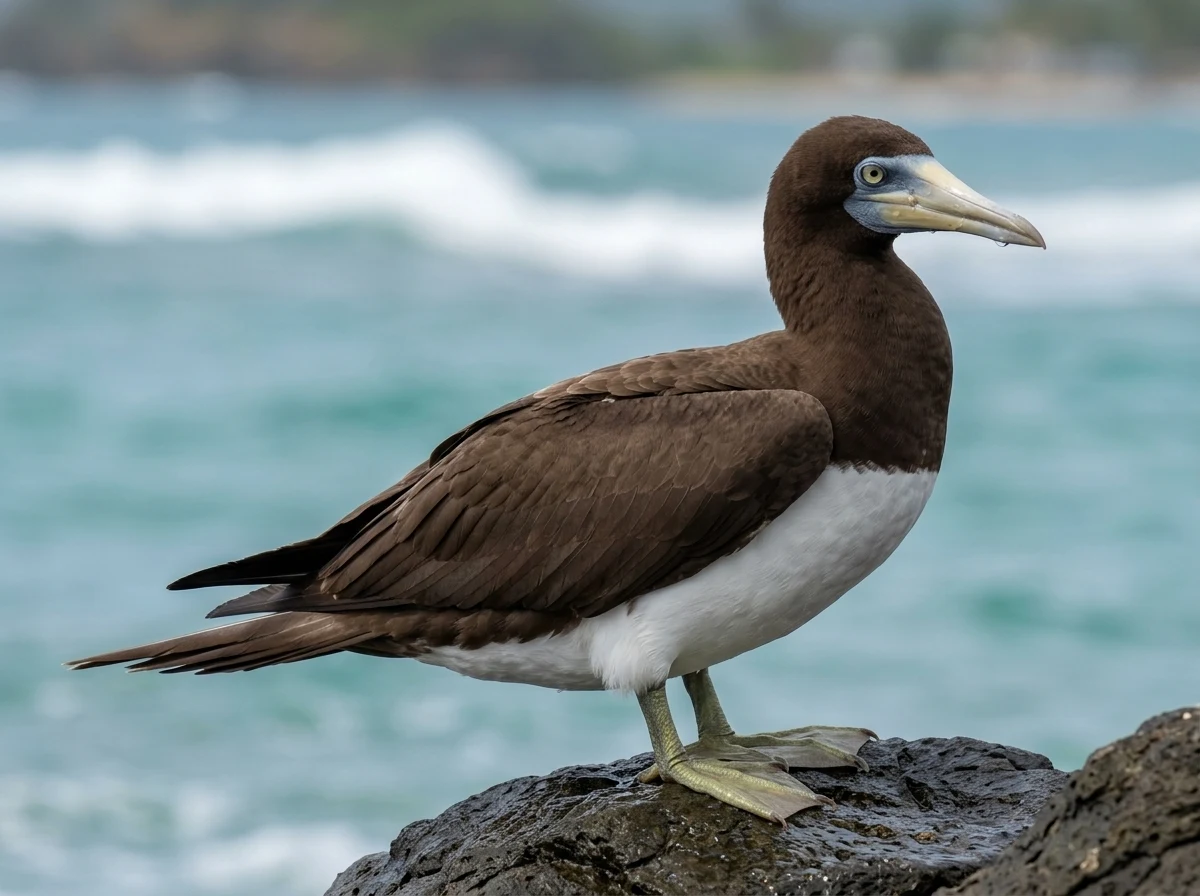
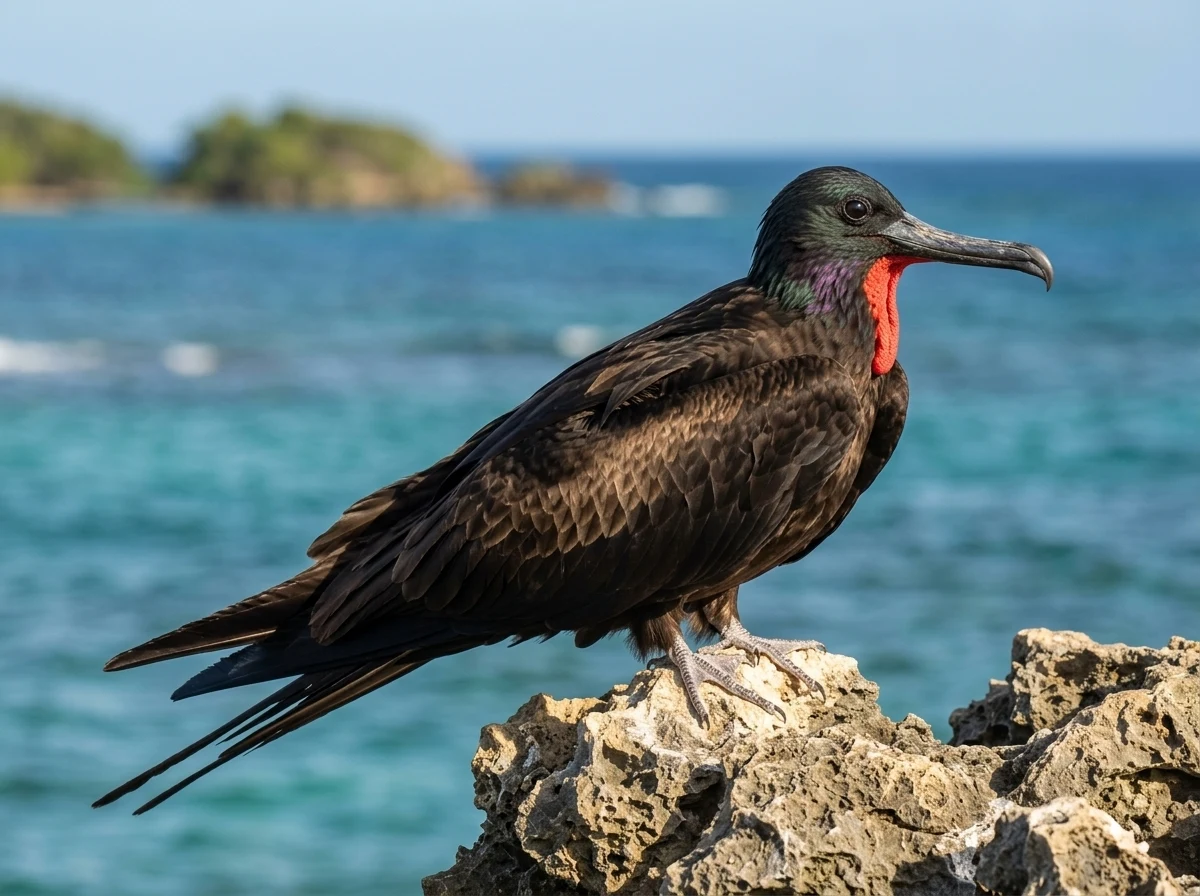
The Brown Booby (Sula leucogaster) is a large, gregarious seabird that commutes and forages at low height over inshore waters; in flight, its robust silhouette and group behavior are useful clues. The Magnificent Frigatebird (Fregata magnificens) is unmistakable with its high, gliding flight, long angular wings, and deeply forked tail. It often soars effortlessly and may harass other birds to steal food.
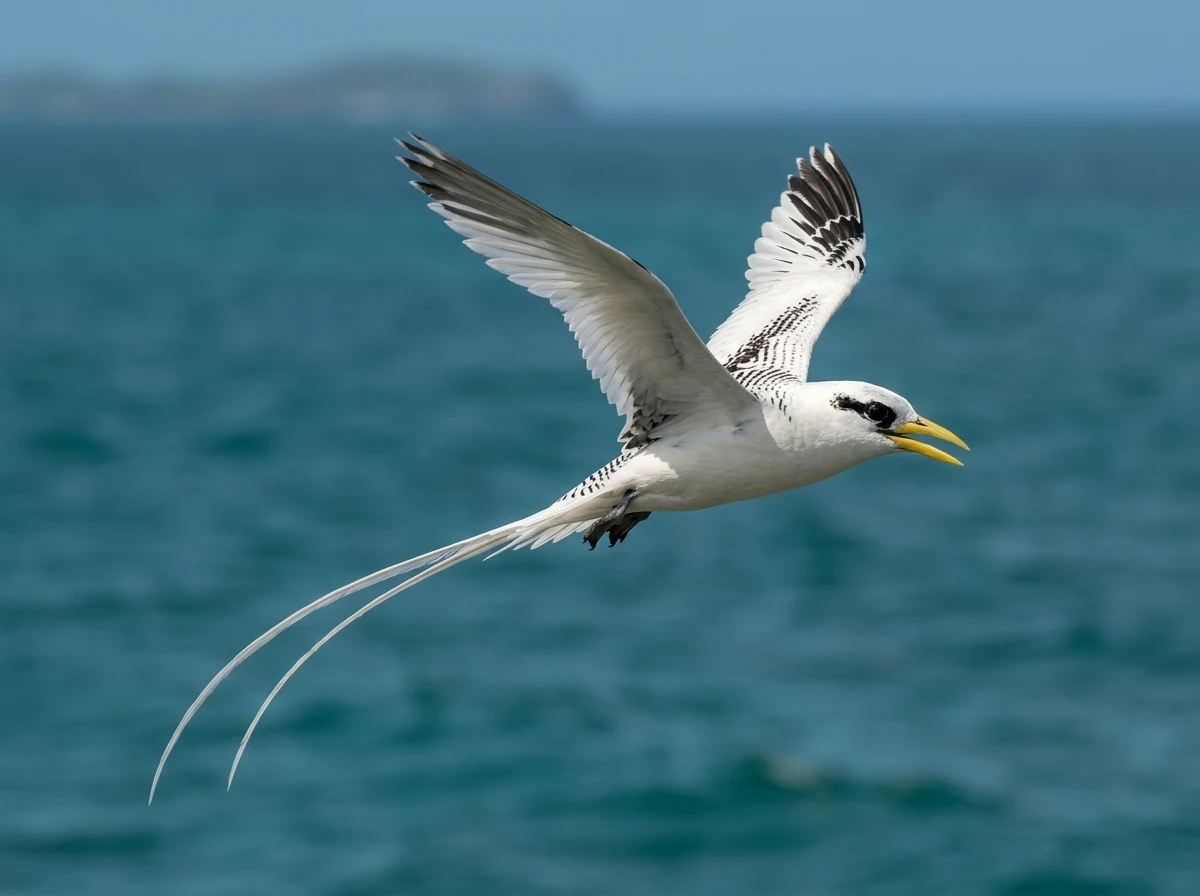
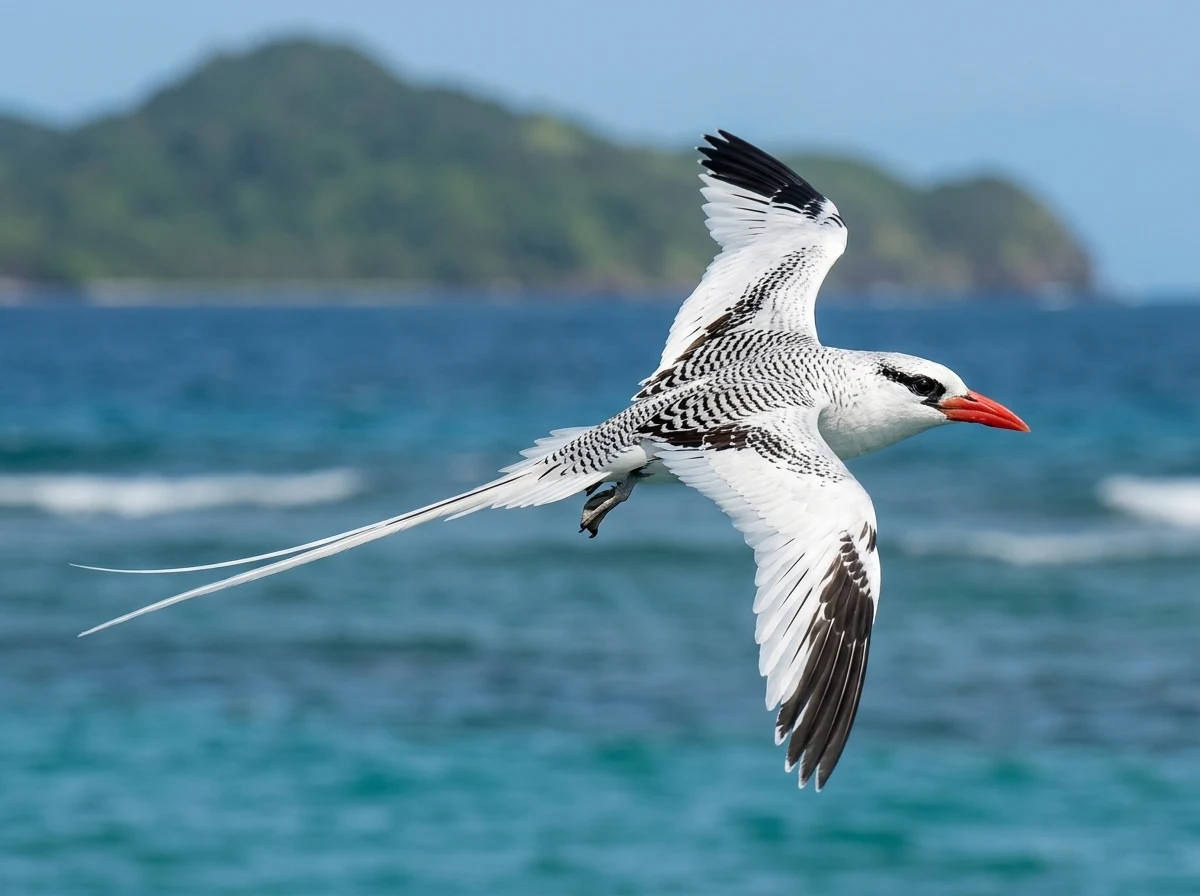
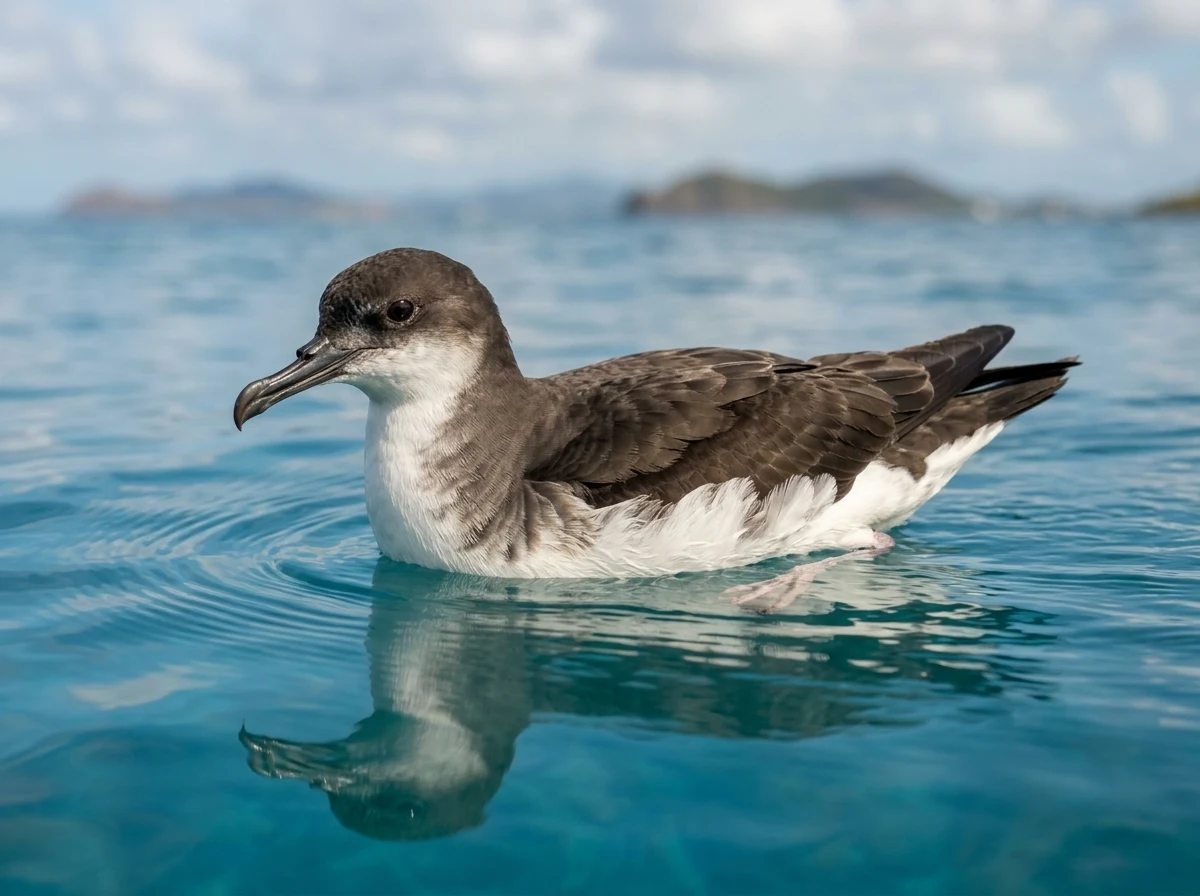
Tropicbirds (Phaethon spp.) have direct, fast flight with continuous wingbeats and a long white tail that can be overlooked at a distance. The White-tailed Tropicbird is a small tropicbird. The Red-billed Tropicbird is distinguished by its red bill and black mask. The Sargasso Shearwater (Puffinus lherminieri) is a small tropical shearwater that stays in pelagic waters and is hard to see from shore. Practice observing silhouettes and flight patterns to gain confidence.
04
Time of year and expected species
In Puerto Rico, seawatching from shore can be done year-round, but species composition changes. The Magnificent Frigatebird is resident and frequently seen near the coast, especially around mangroves and cays. Brown Boobies can be seen in coastal waters, sometimes perched on buoys or cliffs. Tropicbirds nest on sea cliffs and offshore cays and may be seen in those areas.
The Sargasso Shearwater is harder to see from shore, as it usually stays in pelagic waters. The best strategy is to check eBird lists or local guides for peak months. Remember that shore-based watching does not guarantee sightings; it is an activity of patience and opportunity.
Linked profiles
Target species
Five seabirds to look for from shore in Puerto Rico.
01
Do I need a spotting scope to watch seabirds from shore?
It's not essential, but a spotting scope with a tripod greatly improves the experience because birds are often far away. 8x42 or 10x42 binoculars are enough to start, though for longer distances a scope makes a difference.
02
What is the best time of year to see seabirds from shore in Puerto Rico?
Activity varies by species. Magnificent Frigatebirds are seen year-round; boobies and tropicbirds have peaks associated with breeding. Check local eBird records to plan your outing based on the species you want to see.
03
How do I tell a frigatebird from a tropicbird in flight?
The frigatebird soars high with long, angular wings and a forked tail; the tropicbird flaps continuously and fast, with a long white tail. Silhouette and flight pattern are key.
04
Can I see shearwaters from shore?
It's possible, but they are harder because they usually stay in pelagic waters. The Sargasso Shearwater is the species you might detect, flying low and fast over the water.
Keep exploring
Connected routes
Sources and review
The evidence is one link away.
These sources support the editorial scope of this guide. Bird profiles also retain their own taxonomy, occurrence, and conservation references.
Reviewed:
The atlas continues