 AI
AIFieldcraft
How to make a sound map of a birding site
A pencil-and-paper exercise that turns what you hear into a map: where each sound comes from, how far away, and when.
Reviewed: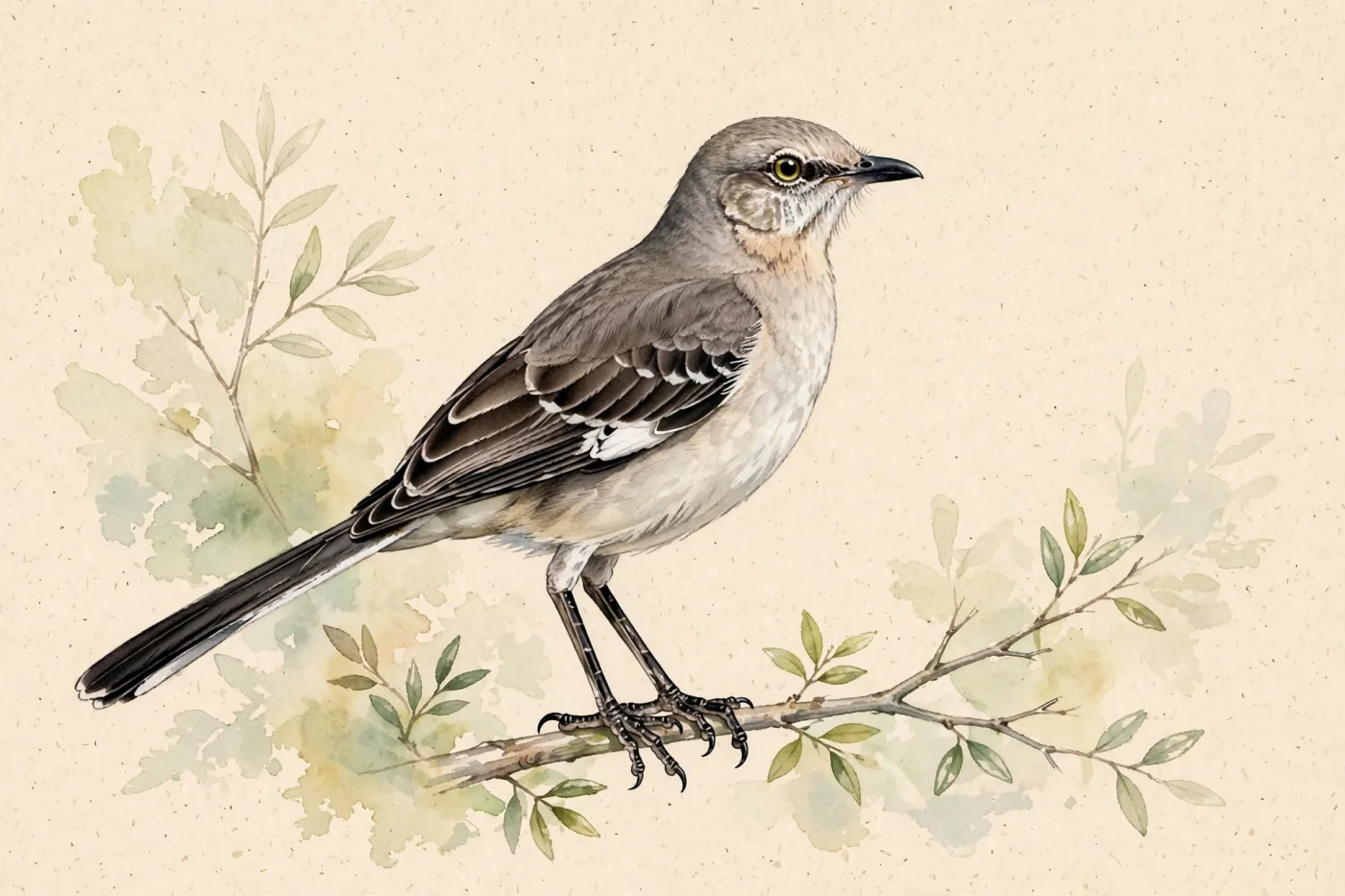
Prepared with AI assistance and linked sources. Illustrations are not field photographs.
Introduction
A sound map is a simple drawing of a place with symbols marking the bird sounds you hear, the direction they come from, and a distance estimate. It is not a formal inventory or count: it is a listening exercise that forces you to separate sounds, locate them, and note the time. It helps document activity and habitat use, and lets you compare what is heard at different points within the same site.
The idea rests on established field methods. The PROALAS manual recommends recording start and end times, using a field notebook and pencil, and paying attention to songs and calls, especially for shy, nocturnal, or camouflaged species. California State Parks avian protocols describe spot mapping: observing behavior and recording movements on a detailed map to produce territory maps. Your sound map is a simple, personal version of that logic: placing on paper what your ear detects.
Fieldcraft
Three key ideas
Dirección, distancia y horaThe three data points for every markWithout one of the three, the mark loses value for comparison.
10 a 15 minutosSuggested length of one roundA practical suggestion; adjust it to your site and goal.
Un símbolo por sonidoConsistent visual languageDefine your symbols before starting and do not change them midway.
01
What a sound map is and what it is for
A sound map is a sheet with a central point (you) and marks around it representing bird sounds. Each mark shows an approximate direction and an estimated distance, and carries the time. The result is a picture of sound activity at a specific moment and place. It does not replace a point count or a transect, but complements them: it helps you notice from which side of the trail birds sing and whether certain sounds cluster near water, a forest edge, or the canopy.
In field ecology, maps are used to document distribution and habitat use. The PROALAS manual notes that songs and calls are sometimes the only way to know a species is present, and that practicing with recordings helps tune your ear. California State Parks protocols describe spot mapping as a technique that records movements on a map to produce territory maps. Your sound map does not prove territories by itself, but it can show repeated patterns: the same spot on the map where you hear a song again across several rounds is a clue for closer observation.
02
Prepare your sheet and your symbols
Before heading out, draw a central point on a sheet or notebook and write your name, date, place, and start time. Draw an arrow indicating north if you know it; if not, mark a fixed reference (the trail, a lagoon, a tower) and write what it is. Leave space around the point for marks. Carry a pencil, not a pen, because pencil does not run in humidity and can be corrected. The PROALAS manual lists binoculars, a field guide, a notebook, pencils, and a watch among basic equipment; for this exercise the notebook and pencil are essential.
Define a small set of symbols and use them consistently. For example: a circle for a repeated song, an X for a brief call, a wavy line for a continuous sound, a triangle for an unidentified sound. You can add a letter or abbreviation for the species if you recognize it, and a question mark if you are unsure. Distance can be marked with concentric rings: near (a few steps away), middle (across the trail or clearing), and far (barely audible). You do not need exact numbers; you need consistency. If two observers use the same symbols, their maps can be compared.
03
Field procedure
Choose a fixed point and stay still. Note the start time. For 10 to 15 minutes, listen and mark every bird sound you can locate. Do not chase every sound: if you cannot assign a direction, note it in the margin as "no direction." For each mark record three things: direction (which way), distance (near, middle, far), and time (approximate minute). If the same individual sings several times, do not put one mark per song; put one mark and note how many times you heard it or whether it was continuous. When finished, note the end time and a brief note on weather and background noise.
The PROALAS manual recommends walking slowly and quietly, and not getting too close to birds or their nests. For a sound map, that behavior is part of the method: if you move or talk, you change what you hear. Avoid playback. If you want to repeat the exercise, do it from the same point at a similar time on another day, and compare the maps. Differences between one map and another may reflect different activity, but also wind, rain, or traffic; note those conditions so you do not confuse causes. If the site is a wetland, stay on the edge or on the boardwalk and do not enter the vegetation.
04
An example with Puerto Rico birds
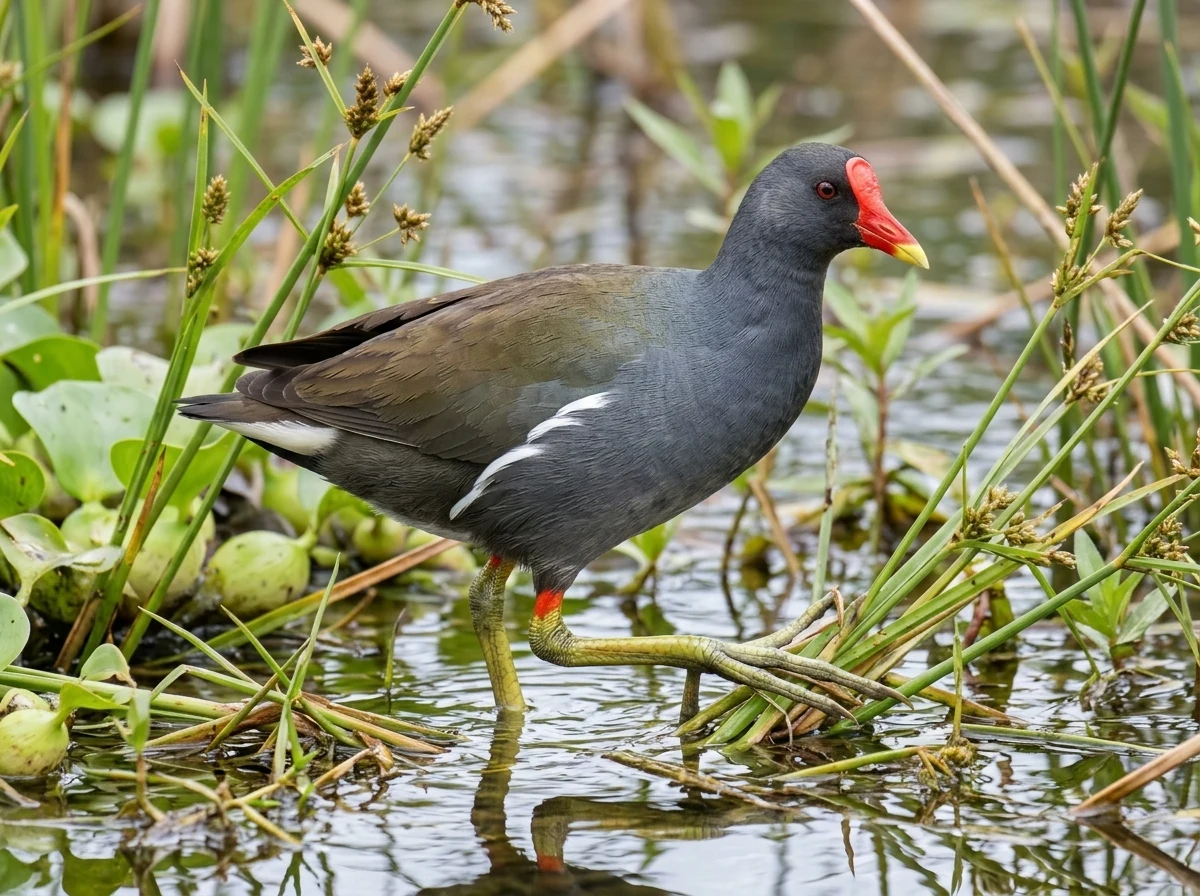
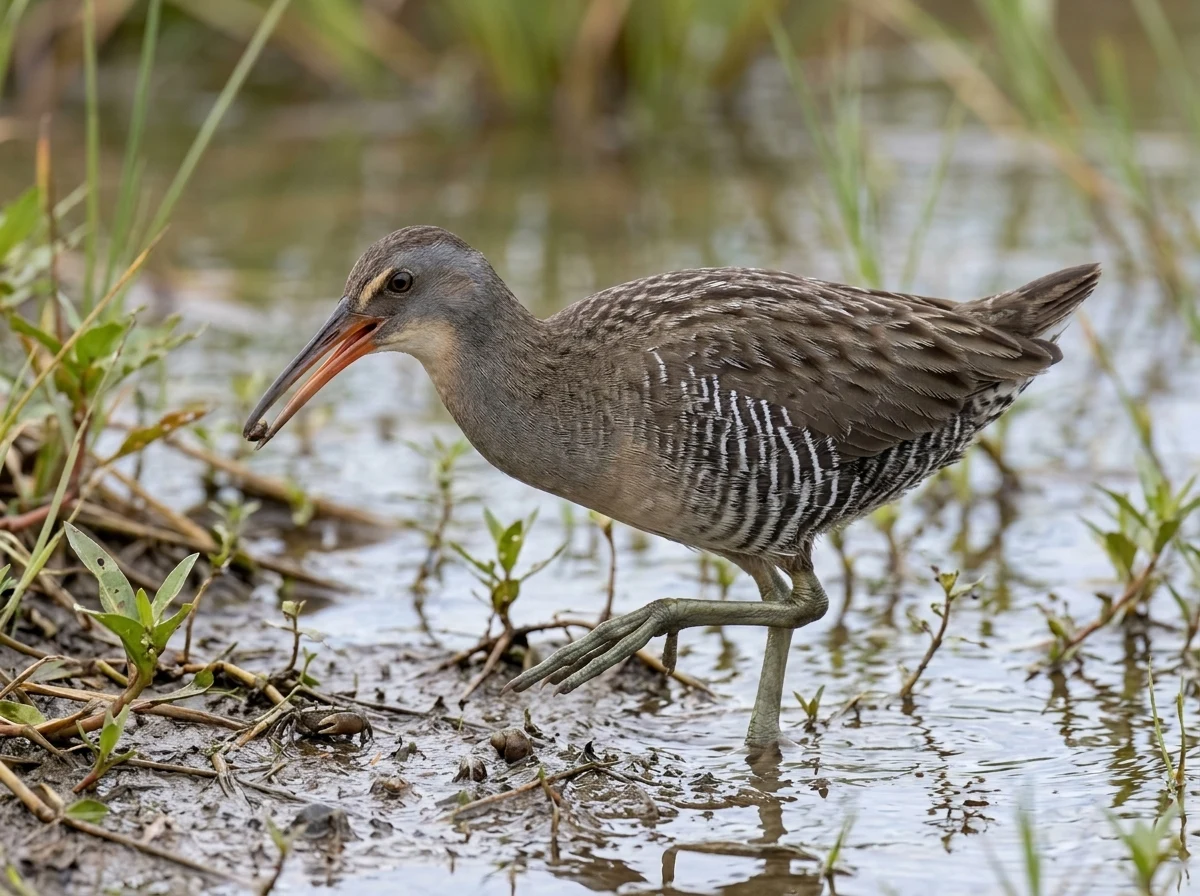
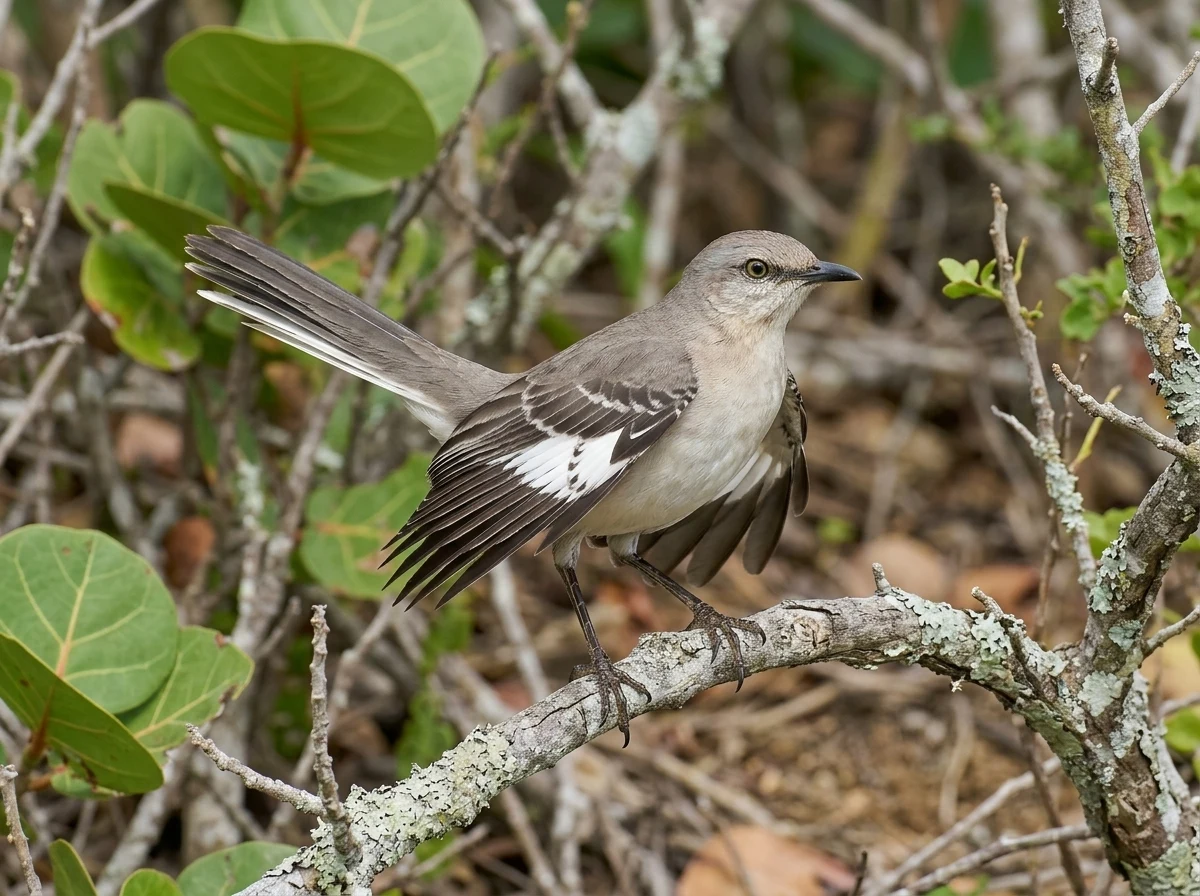
Imagine you sit at the edge of a wetland at dawn. To your left, nearby, you hear rustling vegetation and a harsh call: it could be a clapper rail or a common gallinule, both wetland birds. Mark an X near the left edge. Ahead, far away, a low repeated sound leaves you unsure; note it with a triangle and the time. Behind you, in a dry shrub, a northern mockingbird strings together phrases and imitations; mark a circle at middle distance. Higher up, a gray kingbird repeats its call from an exposed branch; mark another X. At dusk, in nearby forest, the Puerto Rican owl may be the only bird that reveals its presence by voice, as the PROALAS manual notes for nocturnal species.
This exercise does not prove that the owl holds a territory there, nor that the gallinule nests at that spot. What it does is leave a record of where and when you heard each sound. If you repeat the map over several mornings and the owl always appears in the same sector of the drawing, you will have a reasonable clue to observe it more carefully. If the mockingbird changes shrubs between rounds, you may be hearing a male on the move. Interpretation comes later; first, the map.
05
Checklist and common mistakes
Checklist before heading out: a sheet or notebook with the central point drawn; pencil and sharpener; watch or phone for the time; binoculars if you will try to see the bird; field guide or app for later reference; water; discreetly colored clothing. In the field: note the start time; stay still; mark direction, distance, and time; note weather and noise; note the end time. Back home: make a clean copy of the map if you wish, write the list of identified species, and file the sheet with date and place.
Common mistakes: putting one mark per song instead of one per individual; forgetting the time; using different symbols each time; moving while listening; confusing a distant sound with a near one; not noting wind or traffic. It is also a mistake to treat the map as proof of territory or nesting. The sound map is a tool for attention and recording; its value grows when you repeat it from the same point and compare. If you want to go deeper, combine it with a 5-minute point count or a linear transect, and save your recordings if the site allows it.
Linked profiles
Birds mentioned in the example
These species appear only as examples of sounds you might mark; they do not imply guaranteed presence at your site.

01
Do I need to record sounds to make a sound map?
No. A sound map can be made with just pencil and paper. Recording is useful for later verification, but it is not required. If you record, note the time of each recording so you can relate it to the marks on the map.
02
How long should one round last?
There is no single duration. A practical suggestion is 10 to 15 minutes at a fixed point, with start and end times noted. If the site is very noisy or very active, adjust the time and note it so the comparison remains valid.
03
Can a sound map document territories?
By itself, no. Spot mapping protocols require repeated visits and detailed maps to produce territory maps. Your sound map can show repeated patterns that suggest a territory, but it does not prove one. Use it as a clue for further observation.
04
What should I do if I do not recognize the sound?
Mark it with a symbol for unidentified sound and note time, direction, and distance. If you can, describe the sound in words in the margin. The PROALAS manual recommends noting characteristics and checking later with guides or more experienced people.
05
Can I use playback to confirm a sound?
It is best to avoid it. The PROALAS manual asks not to get too close to birds or their nests, and playback can alter the behavior you are trying to document. If you use it, do so sparingly and note it, but the sound map works better without it.
06
How do I compare two sound maps?
Use the same point, symbols, and duration. Compare sector by sector: which marks appear in both, which in only one, and whether the time matches. Also note weather and noise, because they can explain differences that are not about birds.
Keep exploring
Connected routes
Sources and review
The evidence is one link away.
These sources support the editorial scope of this guide. Bird profiles also retain their own taxonomy, occurrence, and conservation references.
Reviewed:
01↗02↗
BirdsCaribbean / Cornell Lab of Ornithology
PROALAS: Illustrated Manual for Monitoring Landbirds (Caribbean)
Evidence for cited sections; consult the original document.California State Parks — Inventory, Monitoring and Assessment Program
Avian Inventory & Monitoring Protocols – Passerines (point counts, spot mapping)
Evidence for cited sections; consult the original document.The atlas continues