 AI
AIFieldcraft guide
How to do a 5-minute point count
A repeatable method for comparing what you hear and see at different points in Puerto Rico, with clear rules for time, distance, and recording.
Reviewed: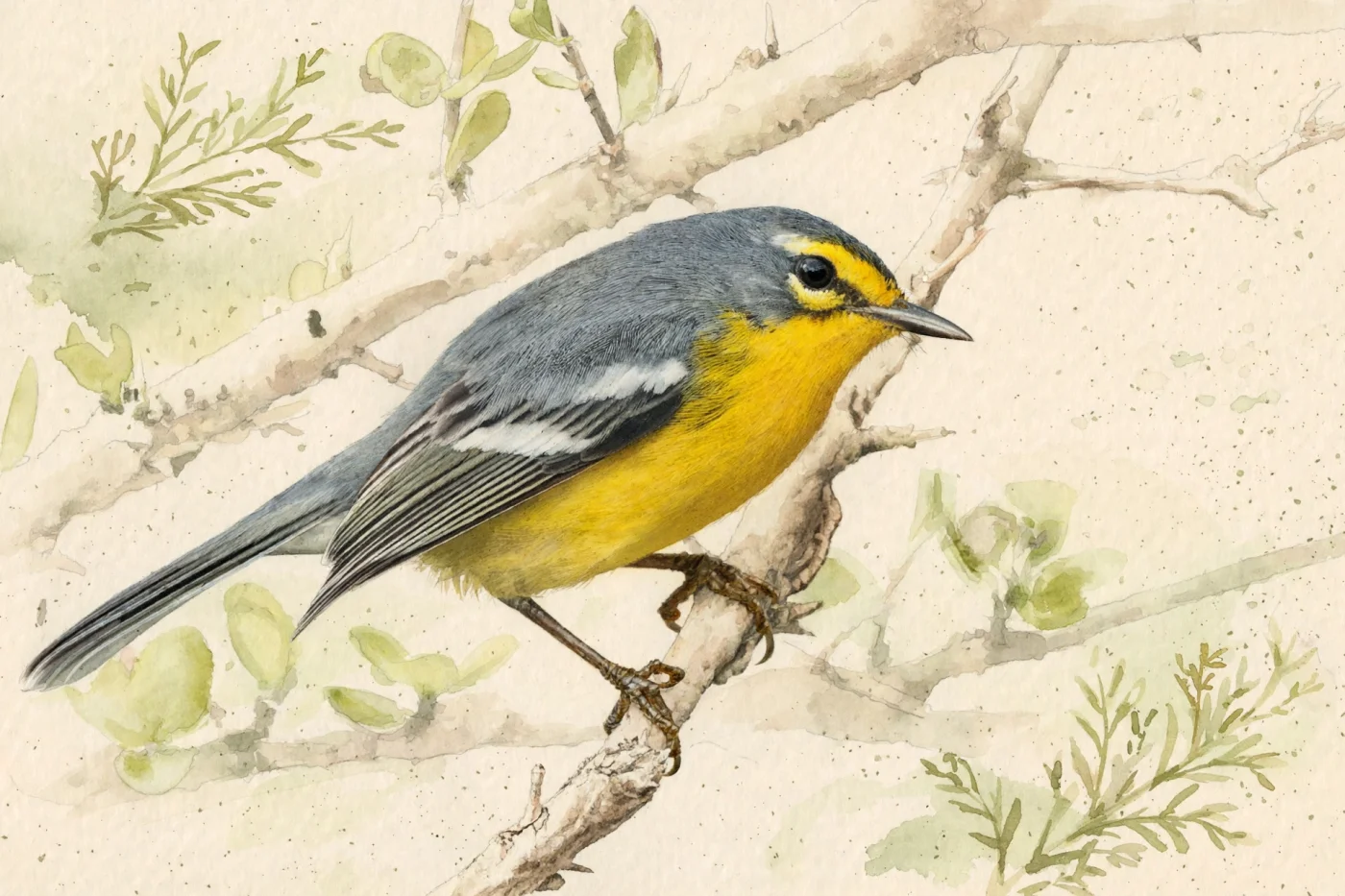
Prepared with AI assistance and linked sources. Illustrations are not field photographs.
Why standardize
A 5-minute point count is a simple way to turn casual observation into comparable data. The central idea is that every visit follows the same rules: same duration, same detection radius, same distance bands, and the same fields recorded. That way, differences between sites better reflect real differences in birds rather than changes in how you counted.
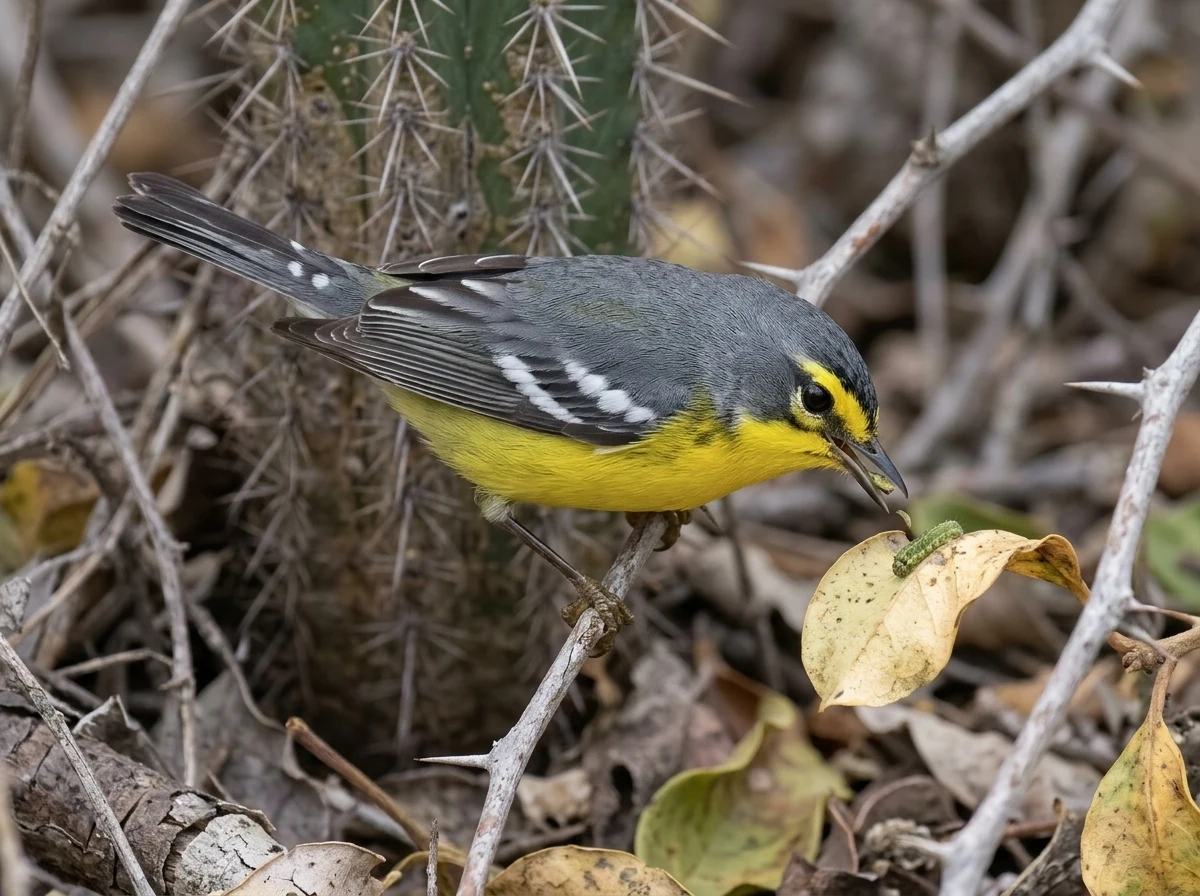
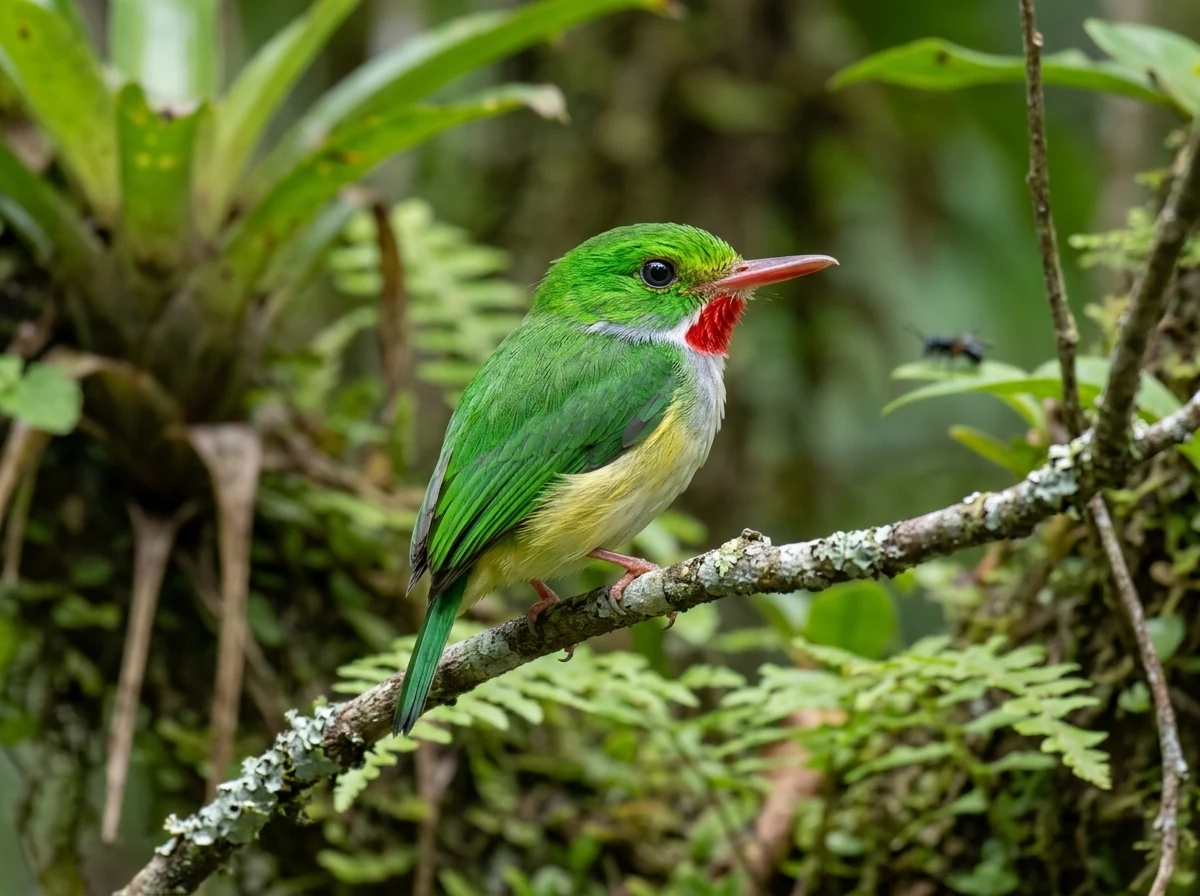
In Puerto Rico, where the Puerto Rican Tody and Adelaide's Warbler are endemic, standardization helps compare mangroves, shade coffee, karst forest, and urban yards without losing local context. This guide describes a practical protocol and clarifies which parts are documented standards and which are design decisions you must declare.
Fieldcraft guide
Three keys to the method
5 minFixed duration per pointA short, constant duration reduces variation between visits and sites.
Radio fijoDefine a radius and keep itThe sources consulted do not impose a single radius; choose one and declare it.
BandasRecord distance for each detectionDistance bands are a useful field convention, not an eBird requirement.
01
What a point count is and is not
A point count is a fixed-duration observation from a fixed location. In eBird, the Stationary protocol requires that birding be the primary purpose, that you know the exact start time and duration, that the entire activity occur at a single fixed location, and that you not move more than about 30 m (roughly 100 ft) from the starting point. That eBird definition is useful for submitting the count, but it does not by itself prescribe a fixed radius or distance bands.
A 5-minute fixed-radius point count adds two decisions eBird does not impose: a detection radius and distance bands. The sources consulted do not specify a single mandatory radius or a mandatory set of bands; using a fixed radius and distance bands is a field convention you should declare if you use it. So the practical rule is to choose a radius, declare it, and repeat it every time. If your goal is to compare sites, consistency matters more than the exact value you choose.
02
Preparation before you go
Before the first visit, define the protocol in writing: 5-minute duration, fixed radius, distance bands, start time, number of observers, and whether the count will be complete. eBird requires an exact date, start time, duration, and a single fixed location for the Stationary protocol; complete checklists with effort information are the gold standard for analysis. Carry a timer, binoculars, notebook or app, and a way to mark the point (flagging, GPS, or a clear landmark).
Choose points that represent the habitat you want to compare and avoid placing them where noise or visibility changes drastically between visits. The Caribbean Waterbird Census guidance recommends, for wetlands, stations at least 400 m apart to avoid double-counting; that spacing is a useful reference for avoiding overlap, although it was written for waterbird counts, not 5-minute landbird counts. In addition, the CWC point count allows you to move short distances (less than 30 m) from the station to improve visibility, something this fixed-radius protocol does not do: here you remain at the point. If you run several points, walk between them and allow a brief quiet period before starting so birds settle.
03
The 5-minute procedure, step by step
1) Arrive at the point and stand still. 2) Record date, start time, point, observers, and general conditions. 3) Start the timer. 4) For the first 5 minutes, record every bird seen or heard, with species, number of individuals, distance band, and whether it was seen or heard. 5) Do not chase birds outside your declared radius. If using eBird's Stationary protocol, also do not move more than about 30 m from the point. 6) When time is up, stop the timer and close the count. 7) Repeat the same procedure on every visit and at every point.
During the count, avoid counting the same bird twice. If an individual moves between bands, assign it to the band where you first detected it. If you cannot identify a species, record it as “unidentified bird” or “sp.” and do not include it as a confirmed species. For birds detected by song, distance band can be estimated by sound intensity, but note that it was heard. If you use eBird, select the Stationary protocol and mark the checklist complete only if you reported all the birds you were able to identify.
04
Data fields and checklist
For data to be useful, always record: exact date, start time, duration (5 minutes), point or coordinates, protocol (Stationary), radius used, distance bands (optional but recommended), number of observers, conditions (wind, rain, noise), and whether the checklist is complete. eBird structures checklists with protocol, duration in minutes, effort distance, number of observers, and an all-species-reported flag; for a point count, effort distance is usually zero because you do not travel.
Quick checklist: timer ready; radius and bands defined; point marked; start time recorded; every detection with species, number, band, and seen/heard; no bird counted twice; checklist closed at 5 minutes; data transferred to eBird or notebook the same day. If you compare sites, use the same time of day and season as much as possible, because detectability changes with time of day and effort duration.
05
Comparing sites without fooling yourself
Comparing sites is only valid if effort is comparable. eBird recommends restricting checklists to less than 5 hours and 5 km and to 10 or fewer observers to reduce variation in detectability; for a 5-minute point count, those restrictions are met almost by definition, but the lesson is the same: control duration, number of observers, and time of day. If one site has more observers or more time, do not compare it directly with one that does not.
A useful exercise is to repeat the same point on three different mornings and record how many species and individuals you detected in each band. Then compare those results with a second point in a different habitat. Do not expect identical lists: the goal is to see whether differences hold when the method is constant. Species may appear differently by habitat, but any claim about local abundance requires repeated, recent data, not a single visit.
Linked profiles
Species in the catalog
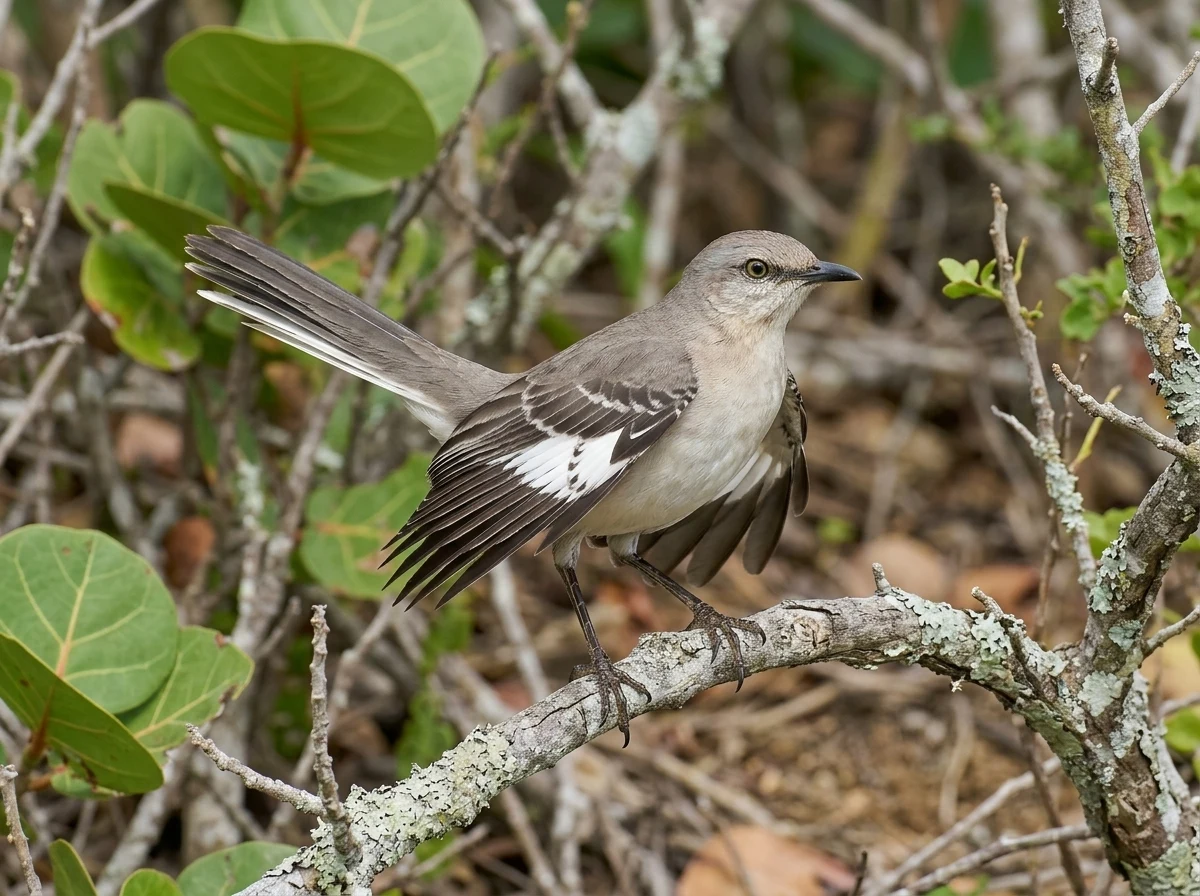
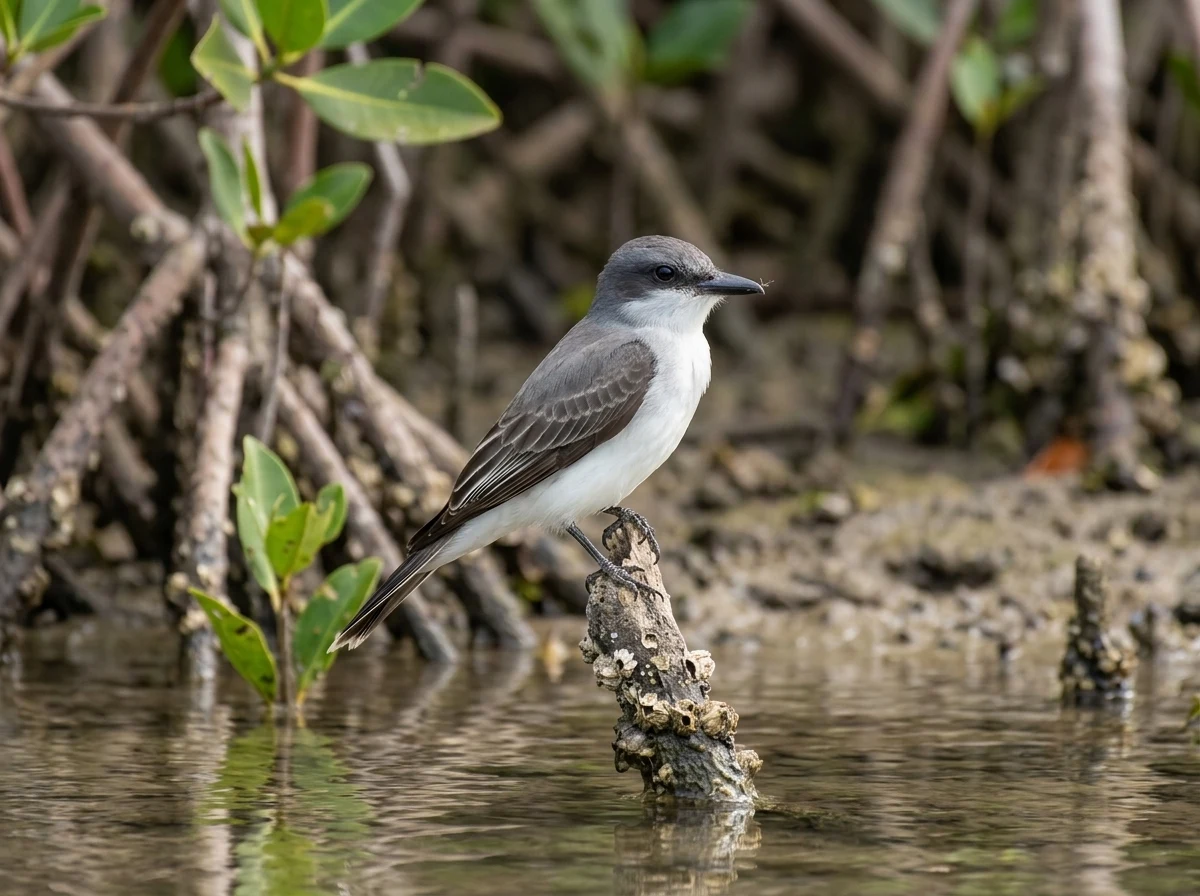
These species appear in the avespuertorico.com catalog; their inclusion reflects catalog coverage, not documented presence at any count site. Recent local data are required to claim presence or abundance.
01
How long should a point count last?
This guide uses 5 minutes because it is short and easy to repeat. The sources consulted do not impose 5 minutes as a universal rule: eBird requires that you know the exact duration, and the Caribbean Waterbird Census guidance uses 6–12 minutes for waterbirds. If you choose 5 minutes, declare it and keep it on every visit.
02
What radius should I use?
There is no single mandatory radius in the sources consulted. Choose a radius, record it, and do not change it between sites you want to compare. Distance bands are an optional field convention that preserves distance information even if the main radius is fixed.
03
How do I record it in eBird?
Use the Stationary protocol if you do not move more than about 30 m from the point and you know the start time and duration. eBird requires an exact date, start time, duration, and a single fixed location. Mark the checklist complete only if you reported all the birds you were able to identify. eBird does not require distance bands or a fixed radius; those are additional fields you can note in comments or in your notebook.
04
Can I compare a 5-minute count with a 10-minute count?
Not directly. Duration affects detectability: longer checklists tend to detect more species. To compare sites, use the same duration everywhere. If you already have data of different durations, treat them as separate sets or analyze them with methods that adjust for effort.
05
Does it work for waterbirds?
The 5-minute fixed-radius point count is intended for landbirds. For wetlands, the Caribbean Waterbird Census guidance recommends counting for 6–12 minutes, extending to 20 if needed, spacing stations at least 400 m apart, and it allows short movement (less than 30 m) from the station. A strictly fixed 5-minute count is not equivalent to the CWC point count; if your goal is waterbirds, follow the CWC-specific recommendations.
Keep exploring
Connected routes
Sources and review
The evidence is one link away.
These sources support the editorial scope of this guide. Bird profiles also retain their own taxonomy, occurrence, and conservation references.
Reviewed:
01↗02↗03↗04↗
eBird / Cornell Lab of Ornithology
eBird Protocols : Help Center
Evidence for cited sections; consult the original document.Cornell Lab of Ornithology
Best Practices for Using eBird Data — Chapter 2: eBird Data
Evidence for cited sections; consult the original document.BirdsCaribbean (Caribbean Waterbird Census)
Count Waterbirds in the Caribbean – Join our Region-wide CWC Count!
Evidence for cited sections; consult the original document.USDA Forest Service, International Institute of Tropical Forestry (Castro-Prieto, Wunderle, Salguero-Faria, Soto-Bayo, Crespo-Zapata, Gould)
The Puerto Rico breeding bird atlas
Evidence for cited sections; consult the original document.The atlas continues