 AI
AISounds
How to estimate distance and direction of a bird sound
Volume alone is not enough: clarity, echo, and the difference between your two ears give more reliable clues for locating a singing bird.
Reviewed: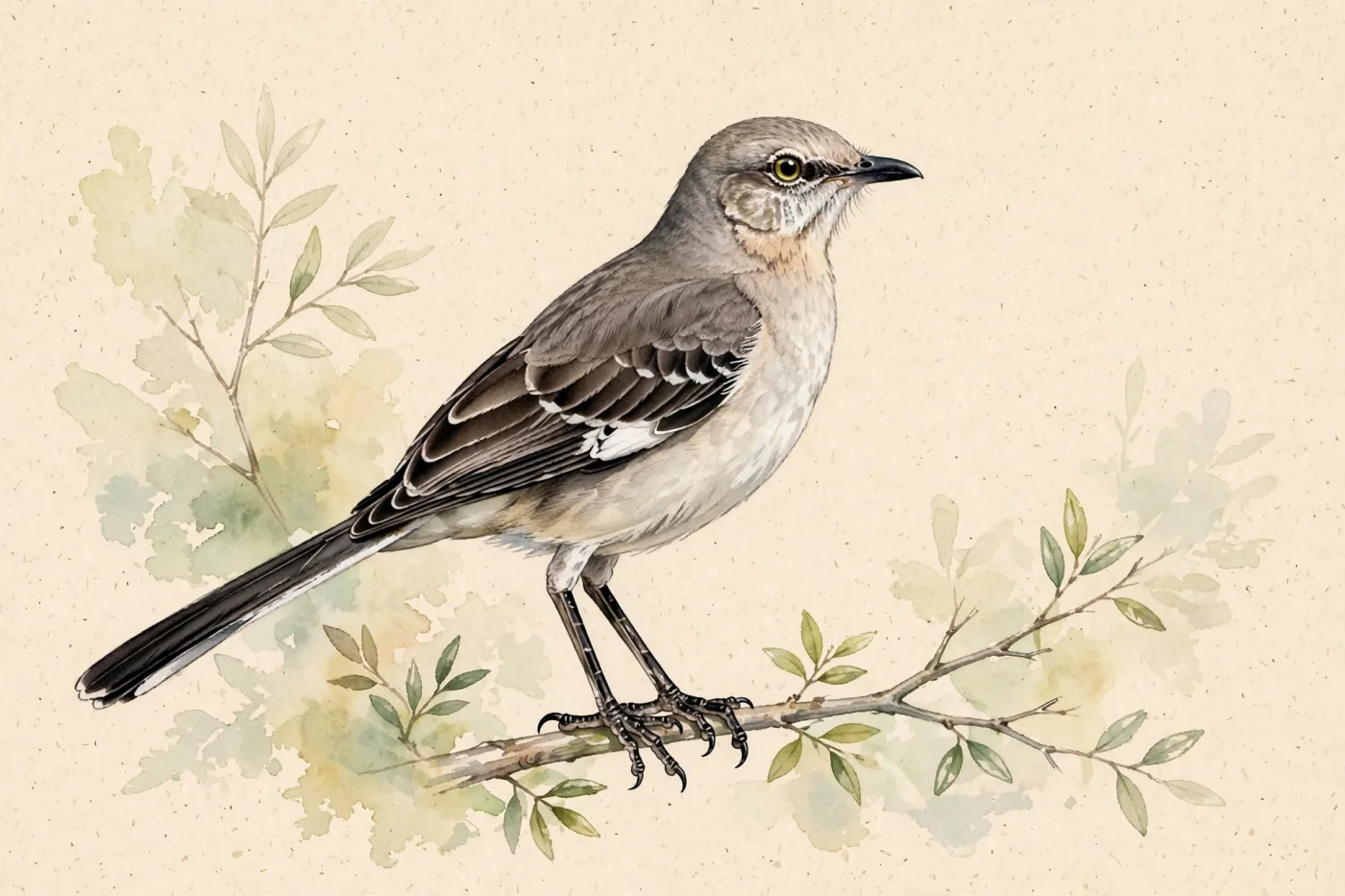
Prepared with AI assistance and linked sources. Illustrations are not field photographs.
Listening is measuring
When a bird sings, your brain does not receive just a sound: it receives a volume, a degree of clarity, possible echoes, and two slightly different versions of the same event, one in each ear. Those differences are the raw material for estimating distance and direction.
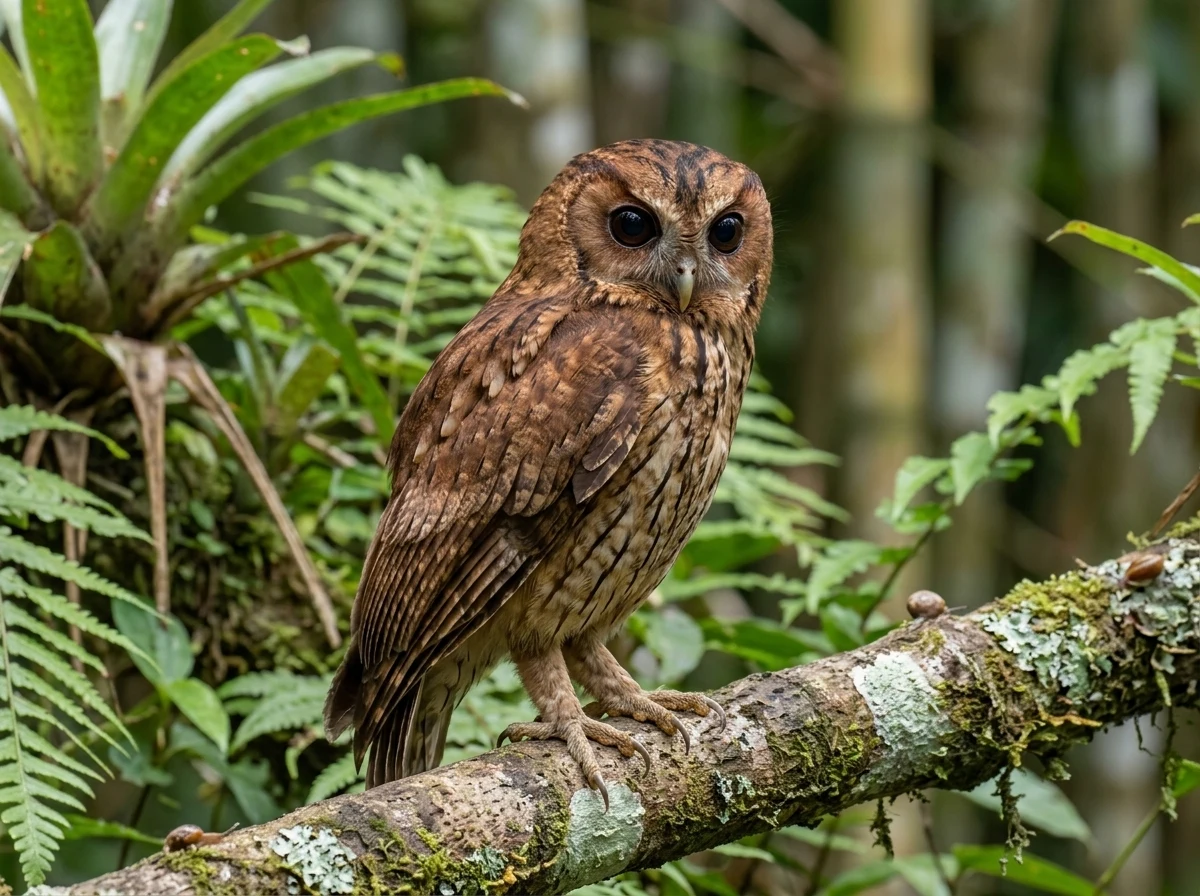
This guide does not replace practice, but it gives you a framework to practice with purpose. We will use examples of birds you can find in Puerto Rico, such as the Puerto Rican Owl, Common Gallinule, Clapper Rail, Northern Mockingbird, and Gray Kingbird, to turn listening into a measurable skill.
Sounds
Three key ideas
Dos oídos, dos tiemposDirection relies on differencesYour brain compares the time and pressure with which sound reaches each ear.
Volumen no es distanciaClarity and echo matterA loud but muffled song may be farther away than a soft but crisp one.
Práctica con referenciasCalibrate with known soundsUse songs you already recognize to train your ear before judging new species.
01
How sound loses strength and detail
Sound attenuates with distance: it loses energy and also loses detail. High frequencies often fade before low ones, so a distant song may sound duller or more 'rounded' than the same song up close. That is why volume alone is not enough: a large, powerful bird may sound loud from far away, while a small, close bird may sound soft.
Vegetation, humidity, and topography add their own filter. In dense forest, leaves and trunks absorb and scatter sound; in an open wetland, sound travels with fewer obstacles but may bounce off water and vegetation. Learning to notice those changes helps you separate 'far' from 'muffled'.
02
Direction: the advantage of having two ears
To locate direction, your brain mainly uses time lag: a sound coming from the left reaches the left ear first and the right ear an instant later. That tiny difference is the main localization clue, and many animals use it. In small birds and insects, whose ears are very close together, detection of pressure differences on the eardrum is added.
In practice, this means that slowly turning your head while listening can help you notice when the sound becomes 'centered.' If the song seems equally loud in both ears, you are probably facing the source. If it predominates in one ear, turn toward that side. Direction is refined with movement, not just fixed attention.
03
Echo, reverberation, and the 'space' of sound
Echo and reverberation are clues to distance and environment. A song that bounces clearly off a rock wall or water may seem farther away than it is, because the echo adds a second arrival. In closed forest, reverberation can make a nearby song sound 'wrapped' and diffuse.
Comparing the same song at two moments helps you calibrate. If the bird moves or you change position, the relationship between direct sound and echo changes. That relationship is more informative than absolute volume, because echo depends on distance to reflective surfaces, not only on distance to the bird.
04
Practical exercise: calibrate your ear in forest and wetland
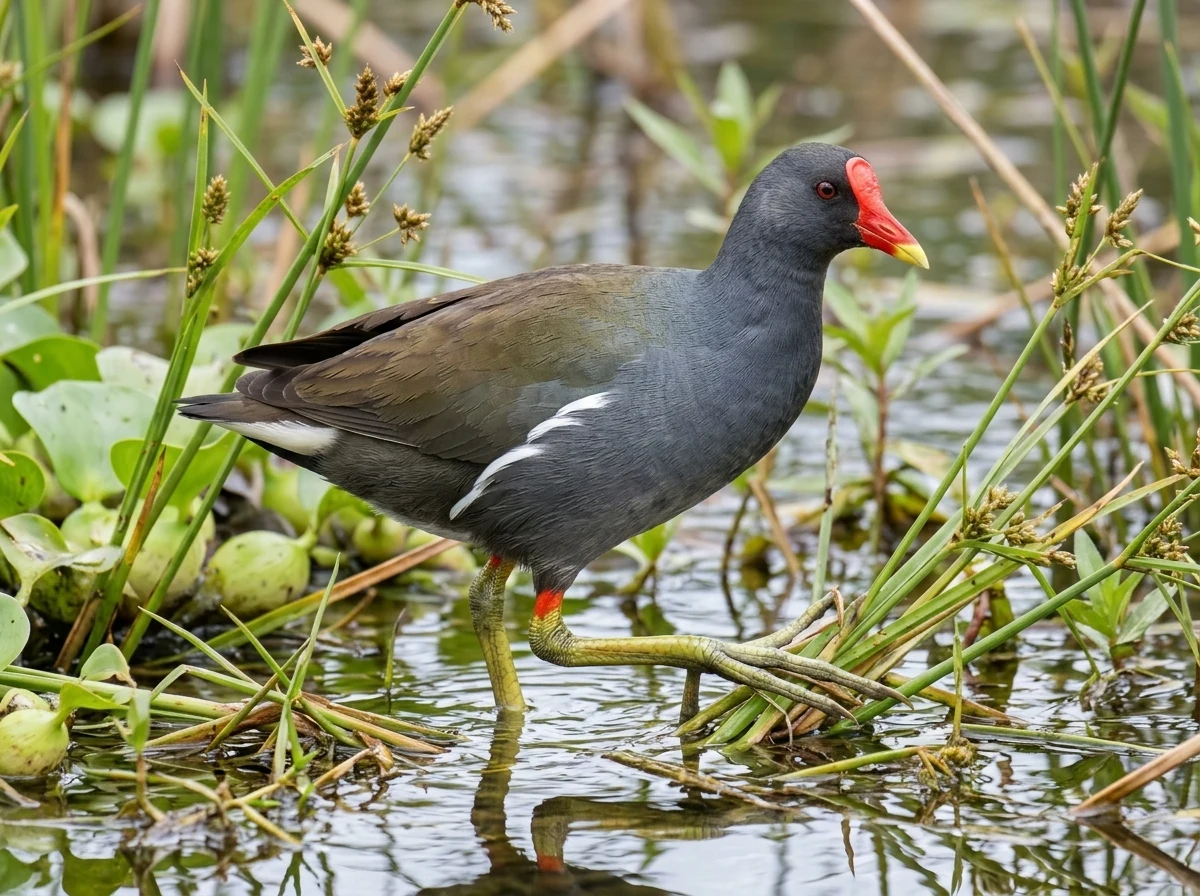
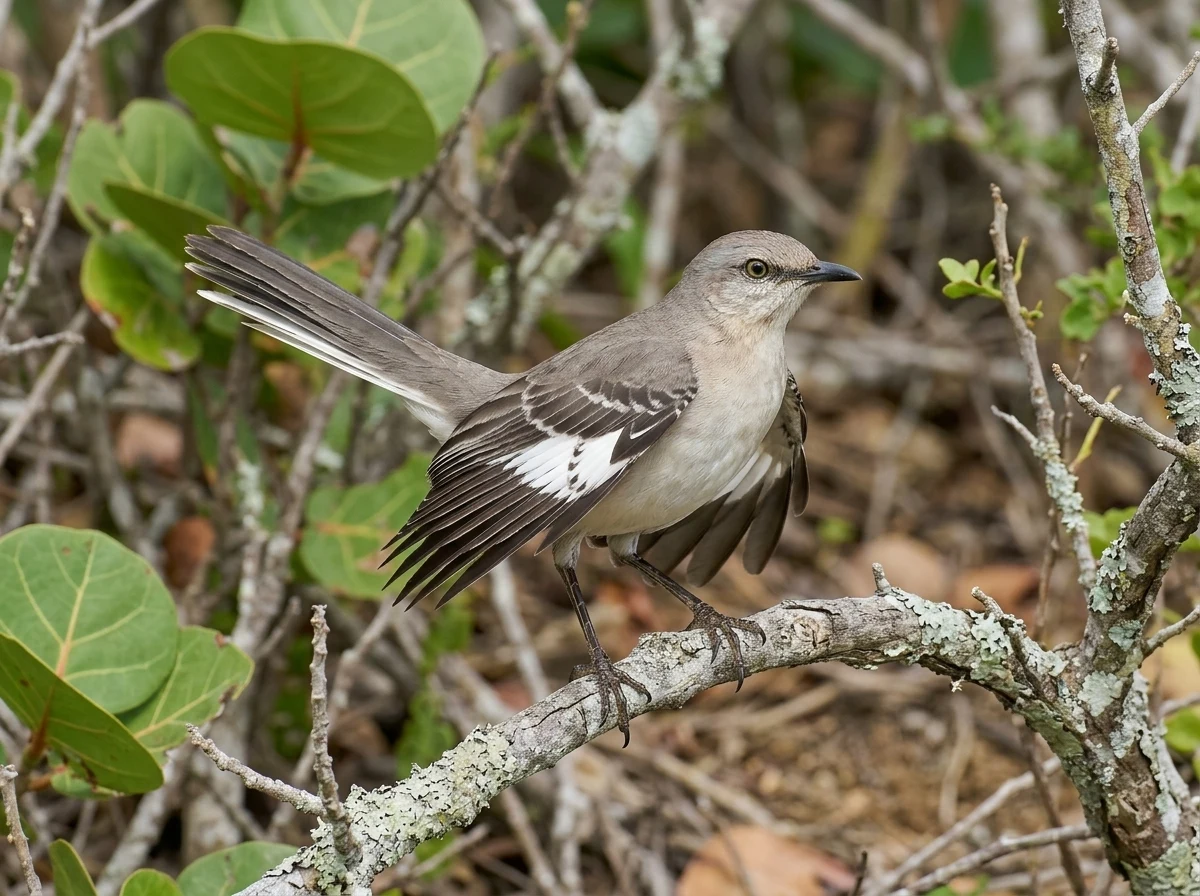
Choose a song you already recognize, such as the Northern Mockingbird or Gray Kingbird, and practice with a known reference. If you can see the bird, listen to its song at different distances as you slowly move away. Note how volume, clarity, and echo change. Repeat the exercise in a wetland with the Common Gallinule or Clapper Rail, where water and vegetation change the acoustics.
For direction, use the head-turning technique: close your eyes, turn slowly until the sound centers, then open your eyes to verify. If the bird is not visible, mentally mark the point and move toward it in a straight line, correcting with each new series of songs. With the Puerto Rican Owl, which calls at night, this exercise especially trains listening in forest and karst.
05
Field checklist
Before estimating distance and direction, check these points: (1) Does the song sound crisp or muffled? (2) Is there echo or reverberation? (3) Does the sound center when you turn your head? (4) Does the volume change when you move a few steps? (5) Is the environment open or closed? (6) Does the bird move between songs?
Use this list as a routine. If two clues point to the same thing, your estimate gains confidence. If they contradict each other, the environment is probably distorting the sound. In that case, move a few meters closer and repeat the observation before concluding.
Linked profiles
Birds to practice with
These species offer songs and calls useful for training distance and direction in forest, wetland, and coast.


01
Why can a loud song be farther away than a soft one?
Because volume depends on the bird's power and on attenuation. A large bird may sound loud from far away, while a small, close bird sounds soft. Clarity and echo help correct that impression.
02
How do I use my two ears to know direction?
Slowly turn your head until the sound centers between both ears. Your brain uses the time lag between ears as the main localization clue.
03
Does echo always mean the bird is far away?
No. Echo depends on nearby reflective surfaces, such as rock or water. A nearby bird can sound echoed if it is in front of a wall or over calm water.
04
Which nocturnal bird can I use to practice in Puerto Rico?
The Puerto Rican Owl is a practical option because it calls at night in forest, karst, and plantations. Its call forces you to use direction and distance without visual support.
05
Can I estimate distance without seeing the bird?
Yes, but with less certainty. Use clarity, echo, and volume changes as you move. If you can, move closer and repeat the observation to confirm.
Keep exploring
Connected routes
Sources and review
The evidence is one link away.
These sources support the editorial scope of this guide. Bird profiles also retain their own taxonomy, occurrence, and conservation references.
Reviewed:
01↗02↗
BirdNote (with Macaulay Library recordings, Cornell Lab of Ornithology)
Locating a Bird by Sound
Evidence for cited sections; consult the original document.Macaulay Library, Cornell Lab of Ornithology
About the Cornell Guide to Bird Sounds
Evidence for cited sections; consult the original document.The atlas continues