 AI
AISounds
How to describe a bird sound in words for your notes
A practical guide to turning what you hear into useful notes: five dimensions of sound, a listening procedure, and a vocabulary with examples from Puerto Rico birds, including one endemic.
Reviewed: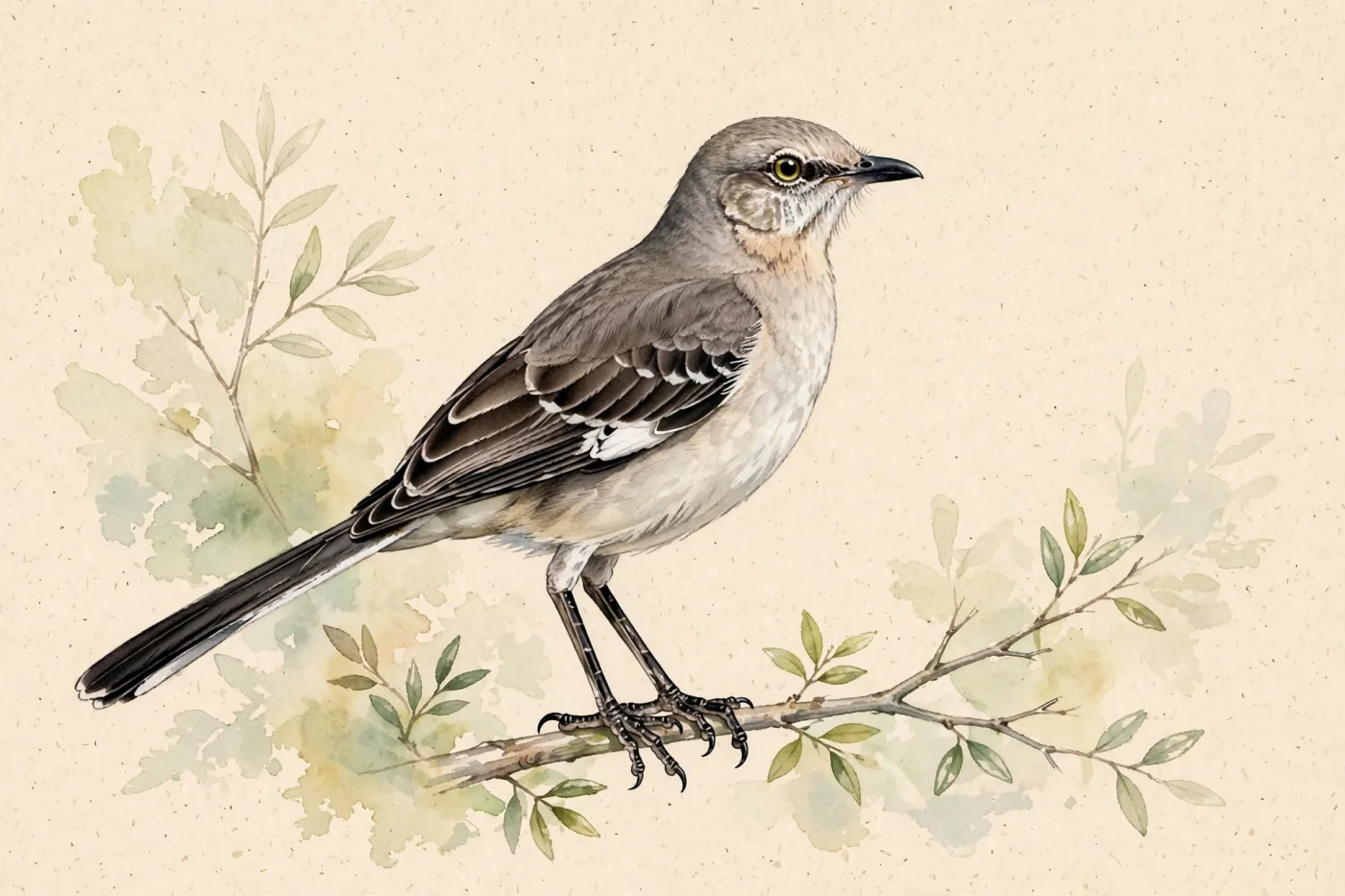
Prepared with AI assistance and linked sources. Illustrations are not field photographs.
Why describe a bird sound in words
A recording is valuable, but you cannot always record. Many birds are heard only once, from dense mangroves or before dawn, and all that remains is what you wrote down. If your notes say only "it sounded pretty" or "it made a noise", they cannot be compared with a recording or used to identify the species later. If they say "rising whistle, three slow notes, clear timbre", you have something you can review and discuss.
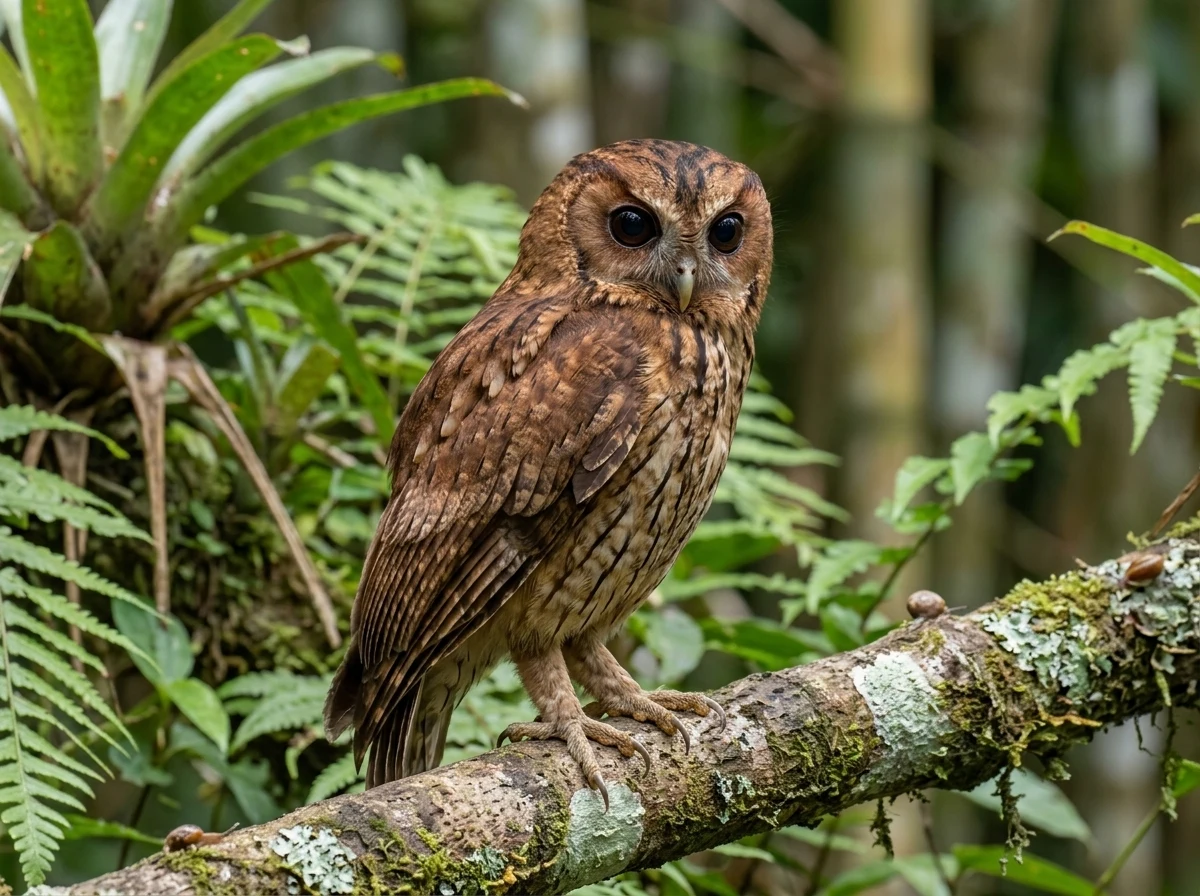
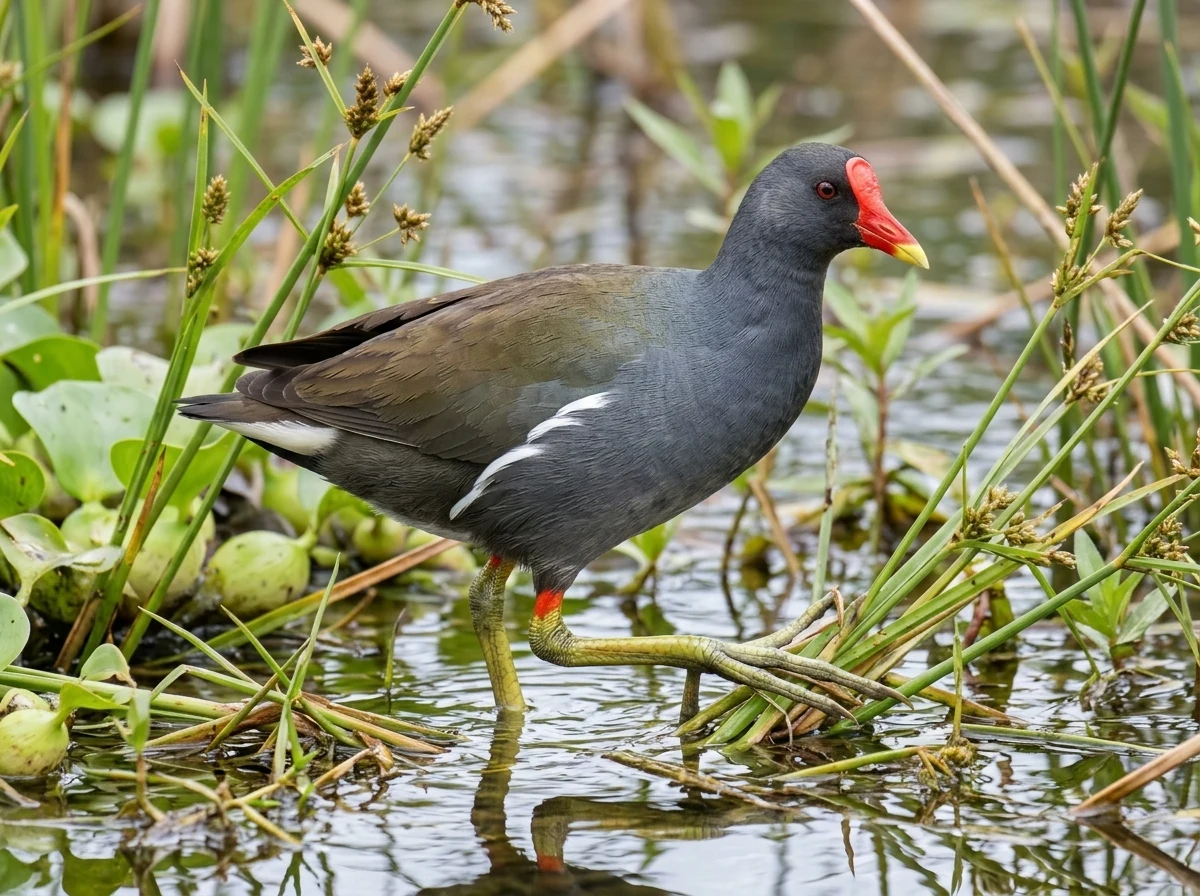
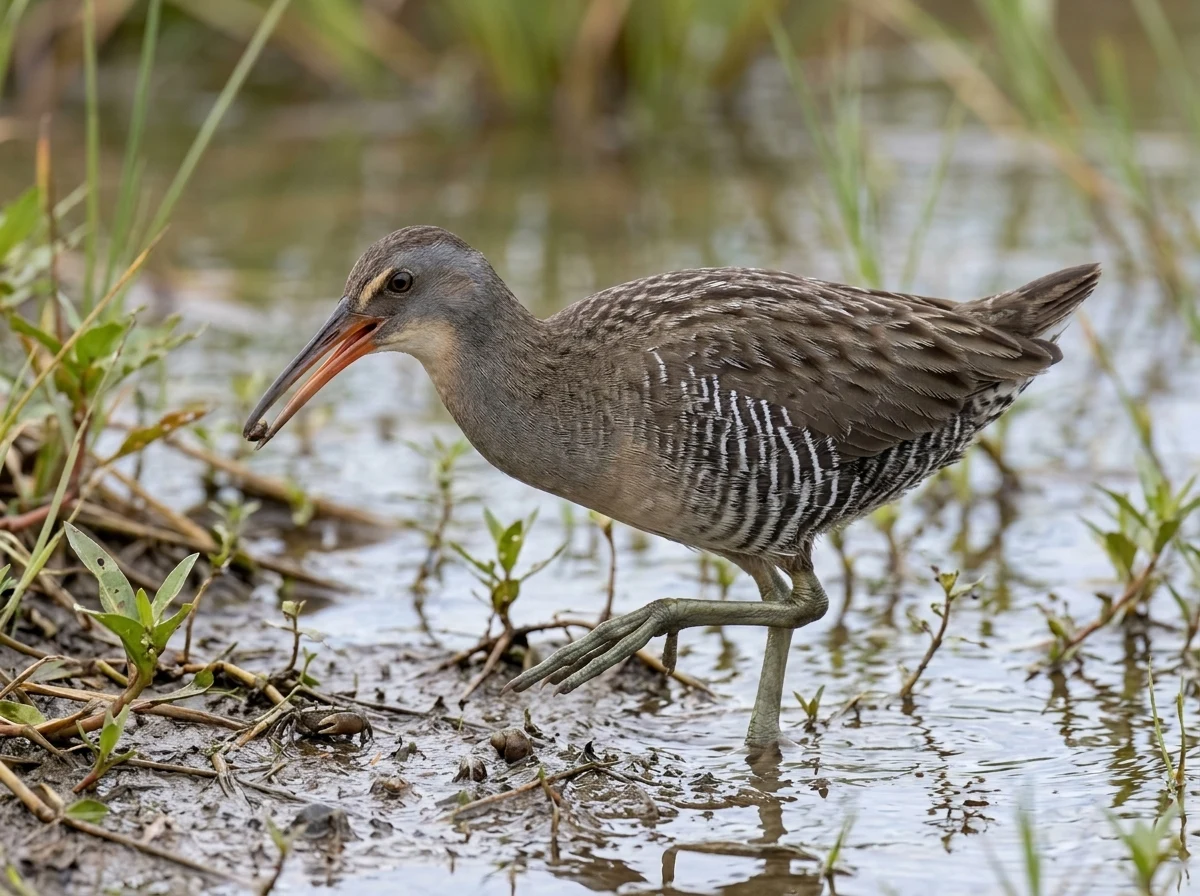
Describing a sound in words is not poetry: it is structured observation. Ornithologists use a controlled vocabulary for pitch, rhythm, tempo, timbre and phrasing, and published descriptions of birds such as the Puerto Rican Owl, Common Gallinule, Clapper Rail, Northern Mockingbird and Gray Kingbird show that kind of language in action. This guide gives you that vocabulary, a listening procedure, and an exercise to practice before your next outing.
Sounds
Three key ideas
Cinco dimensionesPitch, rhythm, tempo, timbre and phrasingNote all five separately; together they describe a sound better than a single adjective.
3–5 segundosDuration of the múcaro's trillThe published account of the Puerto Rican Owl describes it as a short, deep trill lasting 3–5 seconds, higher pitched in the female.
Nombres locales del llamadoOnomatopoeia in the Gray KingbirdLocal names derived onomatopoeically from the Gray Kingbird's call differ from island to island, but convey the same vehemence.
01
The five dimensions of a sound
Before writing, split what you hear into five questions. Pitch: is it high or low, rising, falling or steady? Rhythm: are the notes regular or irregular, grouped or spaced? Tempo: is it fast or slow, and does it change mid-song? Timbre: is the sound clear, nasal, metallic, harsh, whistled or squeaky? Phrasing: how is the whole sequence organized: a repeated note, a continuous trill, a series that rises and then falls?
These categories are not arbitrary. Published accounts of Puerto Rico birds use them naturally. The Puerto Rican Owl is described as a short, deep trill lasting 3–5 seconds, higher pitched in the female. The English name Clapper Rail derives from its characteristic loud advertising and territorial vocalizations, which are often heard even though the bird is difficult to see. The Gray Kingbird has a petulant voice, and onomatopoeic local names derive from its call on different islands.
When you take notes, write the five dimensions in the same order every time. Consistency makes your notes comparable to each other, even if you take them in different places or years.
02
A controlled vocabulary for your notes
A controlled vocabulary means always using the same words for the same qualities. For pitch: high, low, rising, falling, steady, wavering. For rhythm: regular, irregular, accelerating, decelerating, grouped in pairs or threes. For tempo: fast, medium, slow, with pauses. For timbre: clear, nasal, metallic, harsh, whistled, squeaky, guttural, liquid. For phrasing: single note, series, trill, repetition, rising-and-falling phrase, call and response.
Puerto Rico examples help fix the vocabulary. The múcaro: short, deep trill of 3–5 seconds, higher pitched in the female. The Common Gallinule: loud and unusual calls. The Clapper Rail: loud advertising and territorial vocalizations, often heard even though the bird is difficult to see. The Northern Mockingbird: known for its ability to mimic bird calls and other types of sound. The Gray Kingbird: petulant voice, with onomatopoeic local names.
You do not need to memorize everything at once. Start with pitch and tempo, which are the easiest to distinguish. Add timbre and phrasing when you feel comfortable. The goal is not to sound technical, but to be consistent and specific.
03
A listening procedure in the field
When you hear a sound you want to note, follow these steps. First, stand still and listen to the complete phrase at least once without writing. Second, count or hum the rhythm in your head. Third, identify whether the pitch rises, falls or stays steady. Fourth, describe the timbre with one word from your list. Fifth, note the time, habitat and whether the bird was moving or perched. Sixth, if you can, record with your phone and write the file name on the same page.
Repetition is your best tool. If the bird repeats the sound, listen two or three times before writing. If it does not repeat, write what you remember immediately, even if incomplete. A partial note taken in the moment is worth more than a perfect note written hours later.
Do not invent what you did not hear. If you are unsure about the timbre, write "timbre uncertain" or leave the space blank. Honesty in notes is more useful than false confidence.
04
Puerto Rico examples to practice with
Use these descriptions as models, not absolute rules. The Puerto Rican Owl (múcaro): short, deep trill of 3–5 seconds, higher pitched in the female; continuous phrasing, without marked pauses. The Common Gallinule: loud and unusual calls, with a variety of timbres. The Clapper Rail: loud advertising and territorial vocalizations, often heard even though the bird is difficult to see in its marsh habitat.
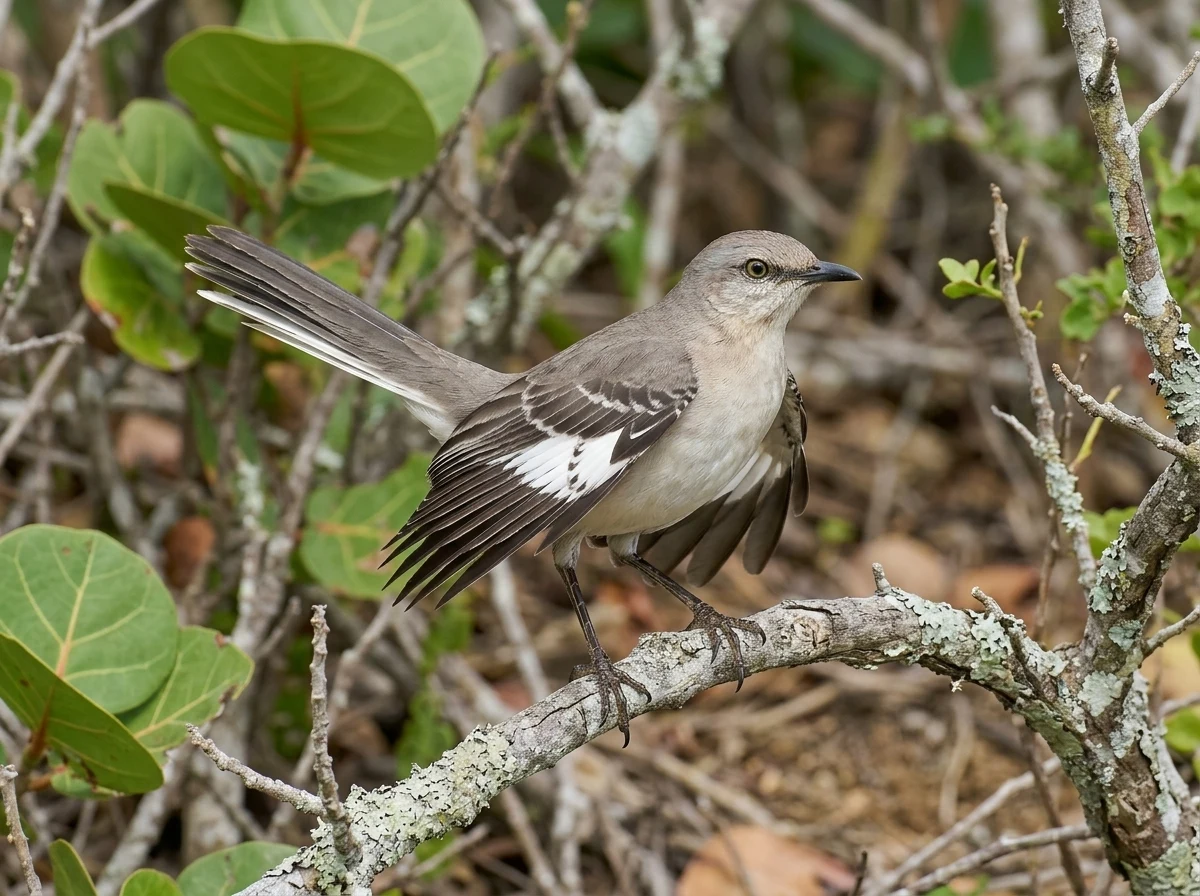
The Northern Mockingbird (ruiseñor): known for its ability to mimic bird calls and other types of sound, including artificial and electronic noises. The Gray Kingbird (pitirre): petulant voice, with onomatopoeic local names that vary from island to island. In Puerto Rico it is known as pitirre, and its voice is part of its familiar presence in the countryside.
Practice with these species in your yard or a nearby wetland. You do not need to identify the bird to practice description: you can describe any sound you hear and then compare with recordings or guides.
05
Checklist and exercise
Before you go out, prepare your notebook with a five-line template for each sound: pitch, rhythm, tempo, timbre, phrasing. Add space for time, habitat, behavior and recording file name. Carry a pencil and, if you can, your phone to record. You do not need specialized equipment to start.
Exercise: choose a sound you hear often, such as the pitirre or the mockingbird in your yard. Listen to it three times on different days and note the five dimensions each time. At the end of the week, compare your notes. Did you use the same words? Did the tempo or phrasing change? This exercise trains your ear and your vocabulary at the same time.
Remember that notes are for you. They do not have to be perfect or publishable. They have to be useful: specific, consistent and honest about what you could not determine.
Linked profiles
Birds mentioned in this guide
Five Puerto Rico species whose sounds are described in the sources and serve as vocabulary examples; only the múcaro is endemic.

01
Do I need to record to describe a sound?
No. Recording helps, but written description is useful when you cannot record or when the bird is heard only once. The important thing is to note pitch, rhythm, tempo, timbre and phrasing consistently.
02
What if I cannot identify the bird?
Describe the sound anyway. The description can later be compared with recordings or guides. You do not need the species name for your notes to be useful.
03
How many words should I use per sound?
There is no fixed number. One or two words per dimension are usually enough: for example, "high, regular, fast, clear, trill". What matters is that the words are specific and that you use them consistently.
04
Are these notes useful alongside a recording?
Yes. A written description can accompany a recording and help document what you heard. It is always better to include as much detail as possible.
05
Can I use these descriptions to identify birds in other countries?
The vocabulary is general, but the examples are from Puerto Rico. The species mentioned may have different songs elsewhere in their range. Use local descriptions as a starting point, not as a universal rule.
Keep exploring
Connected routes
Sources and review
The evidence is one link away.
These sources support the editorial scope of this guide. Bird profiles also retain their own taxonomy, occurrence, and conservation references.
Reviewed:
01↗02↗03↗04↗
birdsoftheworld.org
sounds
Evidence for cited sections; consult the original document.birdsoftheworld.org
sounds
Evidence for cited sections; consult the original document.birdsoftheworld.org
sounds
Evidence for cited sections; consult the original document.birdsoftheworld.org
sounds
Evidence for cited sections; consult the original document.The atlas continues