 AI
AIRecord and share
How to Record Bird Songs With Your Phone (and Share Them to eBird and Xeno-canto)
Your phone already records birds well enough for science. These settings, techniques, and steps turn a casual clip into a record others can verify.
Reviewed:A good recording starts before you press the button.
To record a bird song with your phone, use an app that saves uncompressed WAV files, turn off automatic gain control and any noise reduction, aim the microphone at the bird, stay still, and record at least 30 seconds. Then trim the ends, add the species, and upload it to an eBird checklist or to Xeno-canto.
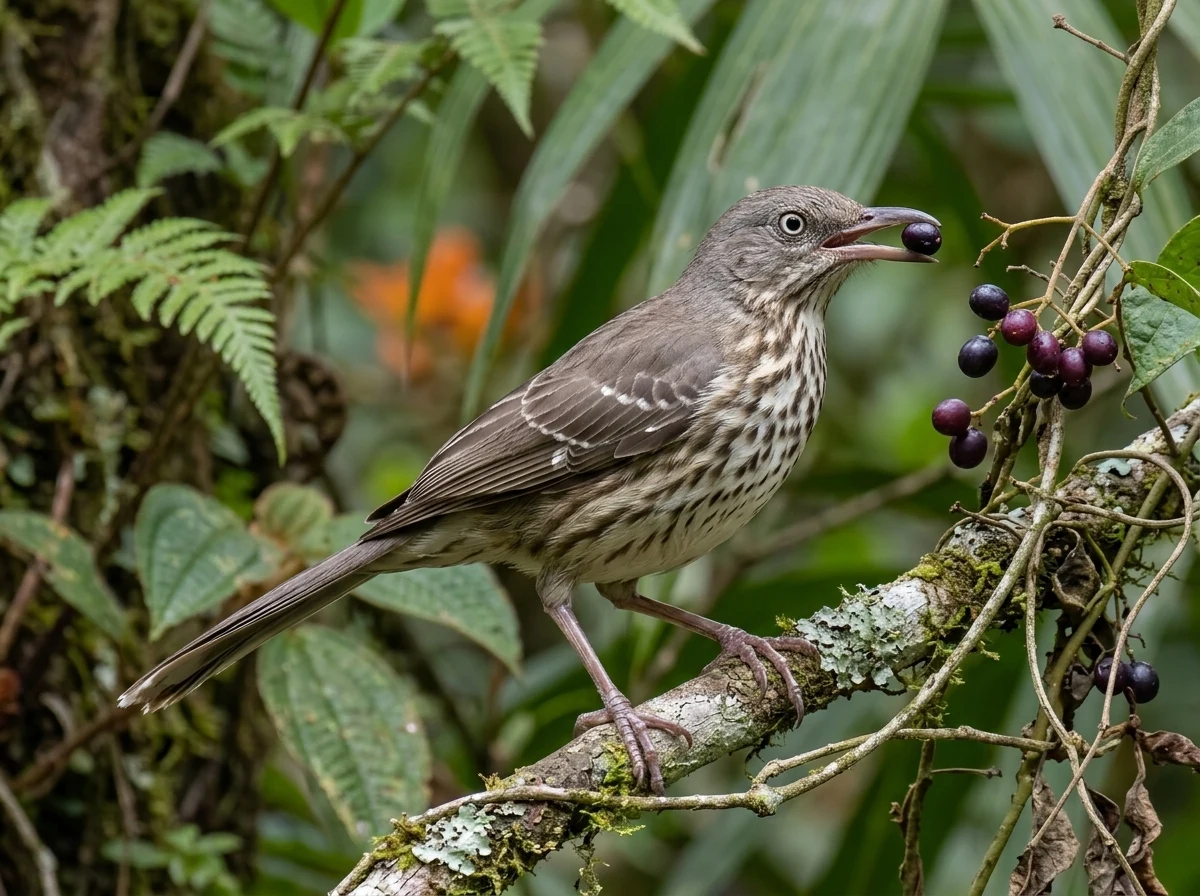
You do not need expensive gear: among Puerto Rico's public recordings there are at least 26 made on phones, from a Pearly-eyed Thrasher recorded at 5:00 a.m. in Carolina with an iPhone's voice memo app to a Broad-winged Hawk at Tanamá with a Pixel. And since September 1, 2026, eBird Mobile lets you upload sounds straight from the phone.
Record and share
The numbers that matter
48 kHzminimum sample rate44.1 kHz is acceptable; 24-bit depth or higher.
30 ssuggested minimum lengthIdeally with 5 to 10 vocalizations from the bird.
-3 dBpeak when normalizingVoice announcements at -10 dB, separated by 1 second of silence.
26Puerto Rico recordings made on phonesIn the Xeno-canto subset published on GBIF, September 2026.
01
Phone settings: WAV, no filters, no auto gain
eBird recommends recording in .WAV, an uncompressed format that gives better results than compressed files, at 48 kHz minimum (44.1 kHz is acceptable) and 24-bit or higher. Turn off automatic gain control so you set the level yourself, and disable any noise suppression, audio 'enhancement,' or AI features on the phone.
Merlin Bird ID records WAV and is integrated with eBird. Other options eBird mentions are Voice Record Pro on iOS and RecForge II or Hi-Res Audio Recorder on Android. Built-in voice memo apps work, but they save compressed audio; the 2022 Carolina recordings show they are usable, though a WAV keeps more detail for the spectrogram.
02
In the field: get closer, aim, and hold still
eBird's rule number one is to get closer: the closer you are to the bird, the better the recording. Aim the microphone at it and keep traffic behind you. Find where your model's microphone is, keep your fingers off it, and hold the phone gently or rest it on something steady: any rubbing gets recorded.
Focus on one bird at a time, do not talk while recording, and aim for 30 seconds or longer. At the end, say the species, place, and any detail out loud, such as 'Gray Kingbird singing from a pole in Mayagüez.' If you can, a shotgun microphone or parabolic reflector connected by cable improves results a lot.
03
Edit without ruining the evidence
The Macaulay Library asks you to trim handling noise and long silences from the start and end, while leaving a few seconds of background before the first song. You may normalize so the bird peaks at -3 dB and append your voice note at -10 dB, separated by one second of silence. If you recorded the same individual in several files, join them with one second of silence between.
What not to do: apply noise reduction, remove other species, insects, or wind, add artificial background, or upload files that contain only your voice. Only a gentle low-cut filter at 250 Hz or below is acceptable when needed. Edit and upload in the same format you recorded.
04
Uploading to eBird from your phone (new in 2026)
Since September 1, 2026 you can add sounds to your checklists directly in eBird Mobile, no computer needed. Record with Merlin or another app, open your checklist in eBird Mobile, and share the file to eBird; in Merlin, open a Sound ID session, tap the share icon, and choose eBird. Then pick the species, trim what you do not need, and add notes if you like.
When you submit or save the checklist, recordings upload automatically and go into the Macaulay Library. The advice is to upload only the best one or two recordings per species per checklist: clear, properly identified, and representative, ideally with 5 to 10 vocalizations.
05
Sharing on Xeno-canto: why the license matters
Xeno-canto is a community collection of wildlife sounds launched in 2005 and run by a foundation in the Netherlands with support from Naturalis Biodiversity Center. Thousands of recordists, amateur and professional, share audio there with date, place, and vocalization type, and each file carries a Creative Commons license.
If you allow your data to be shared with GBIF, your recording also enters a global scientific database, the same one this site draws on for the recordings on each profile, with credit, catalogue number, and license. Logging the time and song type properly makes analyses like the one in our dawn chorus guide possible.
06
Record without disturbing: ethics and sensitive species
The best recording is of a bird that does not know you are there. The American Birding Association's code of ethics asks birders to limit recordings used to attract birds, especially in heavily birded places, for species rare in the area, and for threatened or endangered species. Do not use playback to 'get' the Puerto Rican Nightjar, Yellow-shouldered Blackbird, or Puerto Rican Parrot.
Be especially careful near nests, roosts, and colonies, and learn the forest or refuge rules before entering. Recording from a trail, quietly and patiently, usually gives more natural audio: the bird sings its normal repertoire rather than an alarm response.
Linked profiles
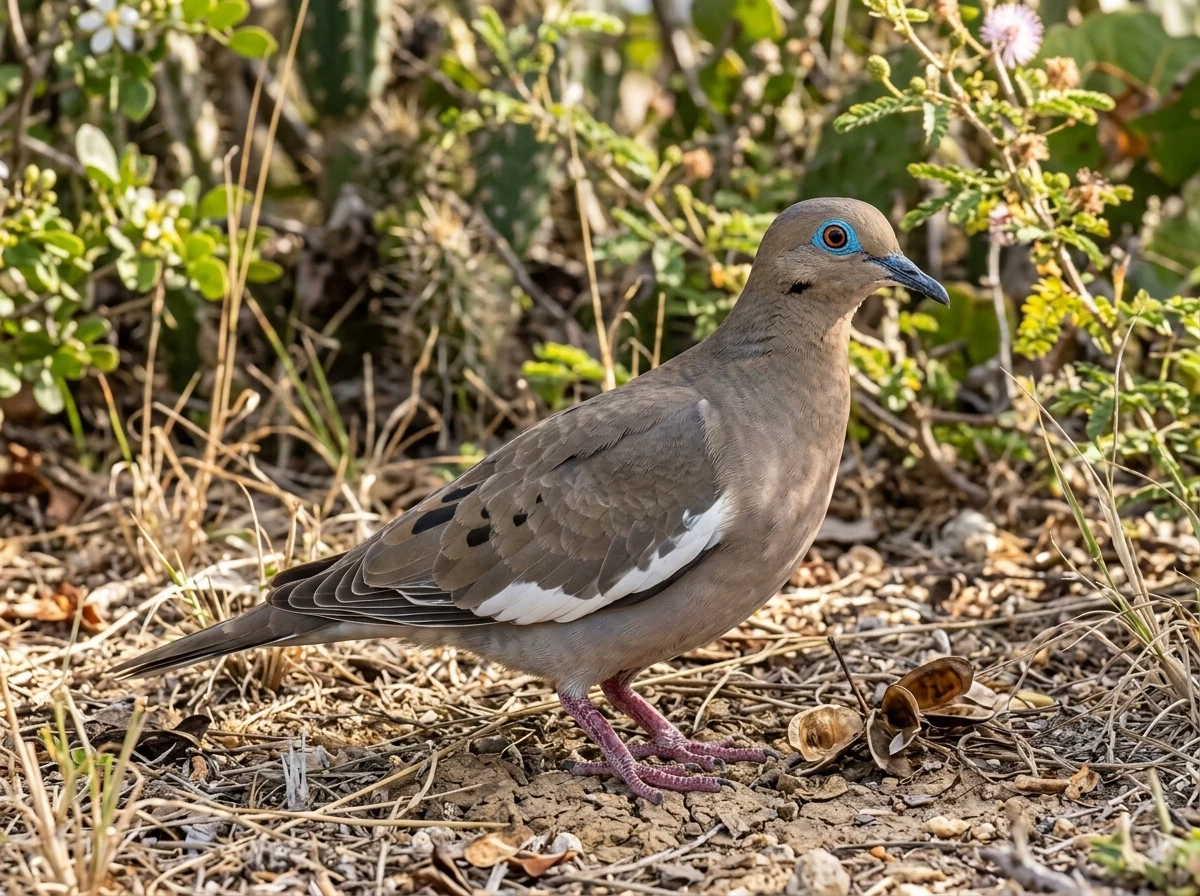
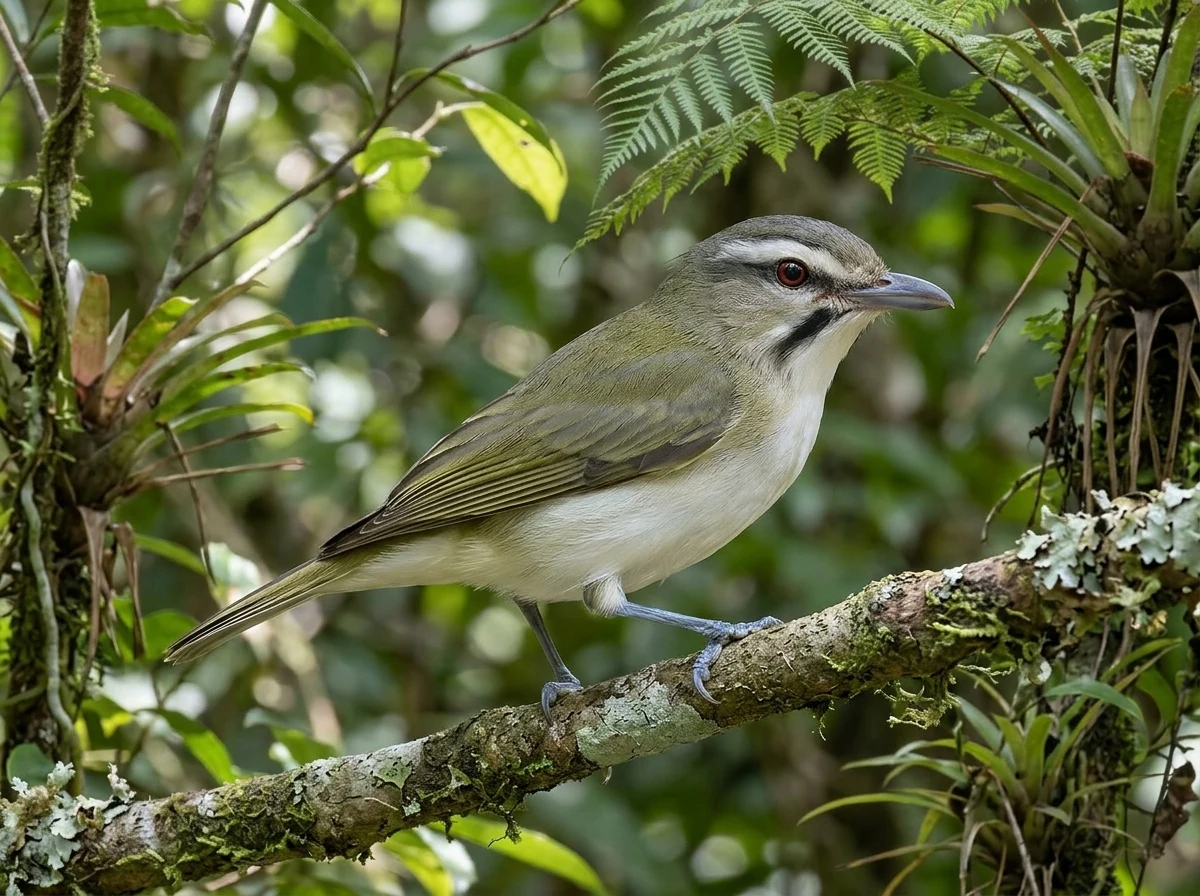
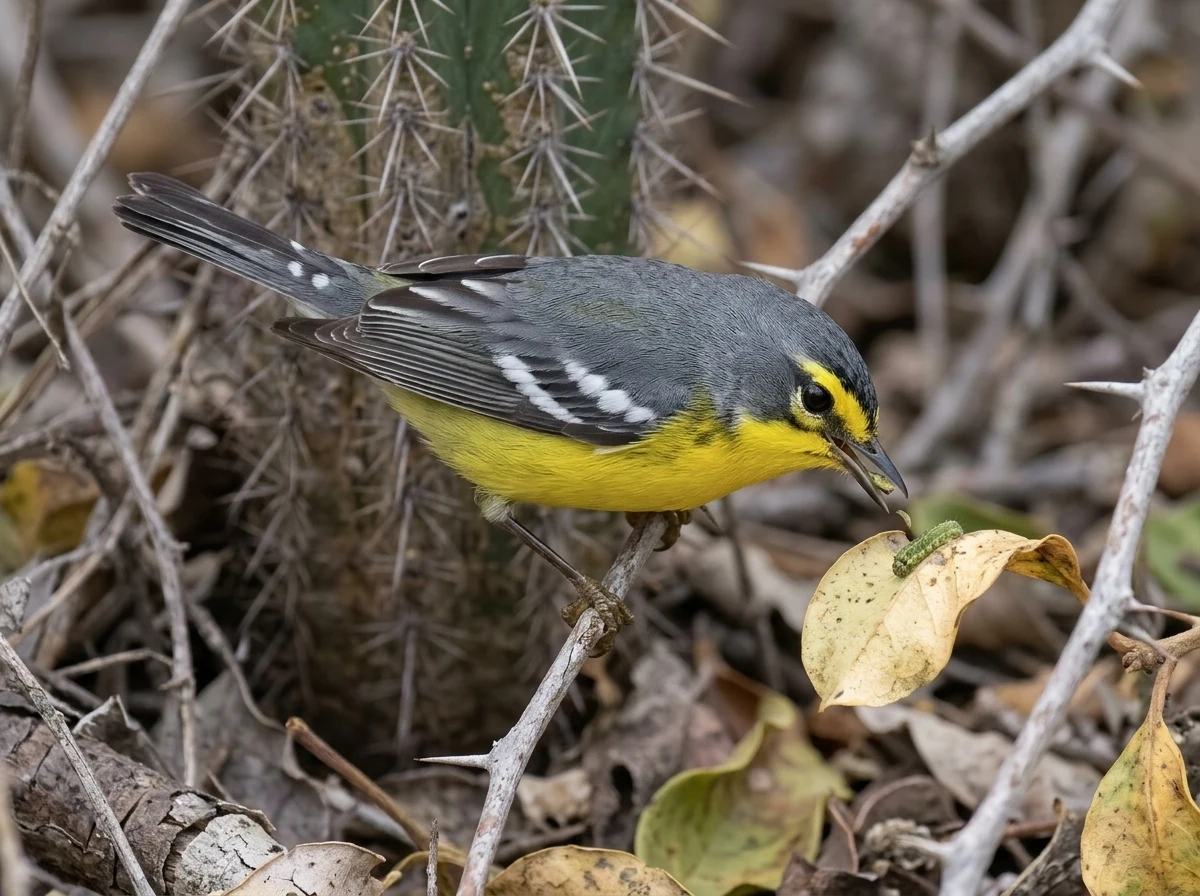
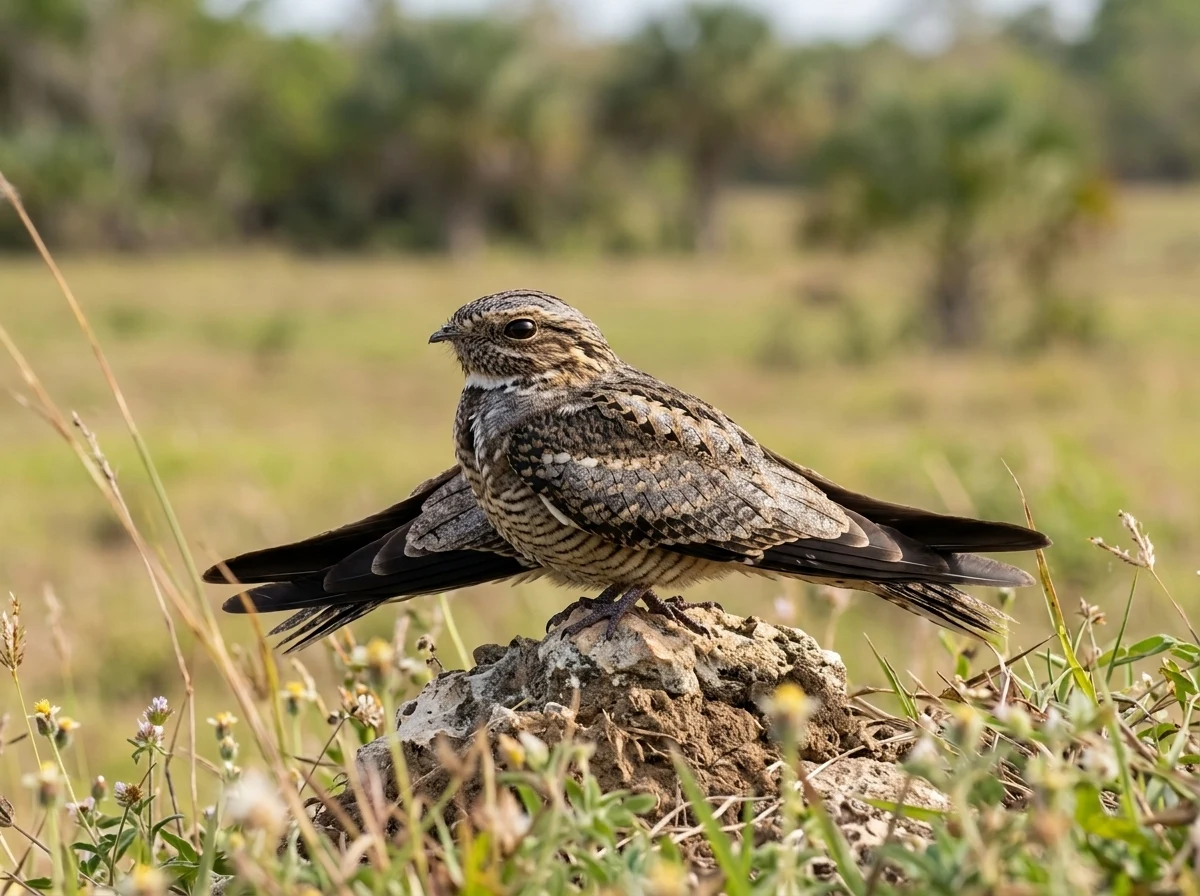
Easy birds to practice on
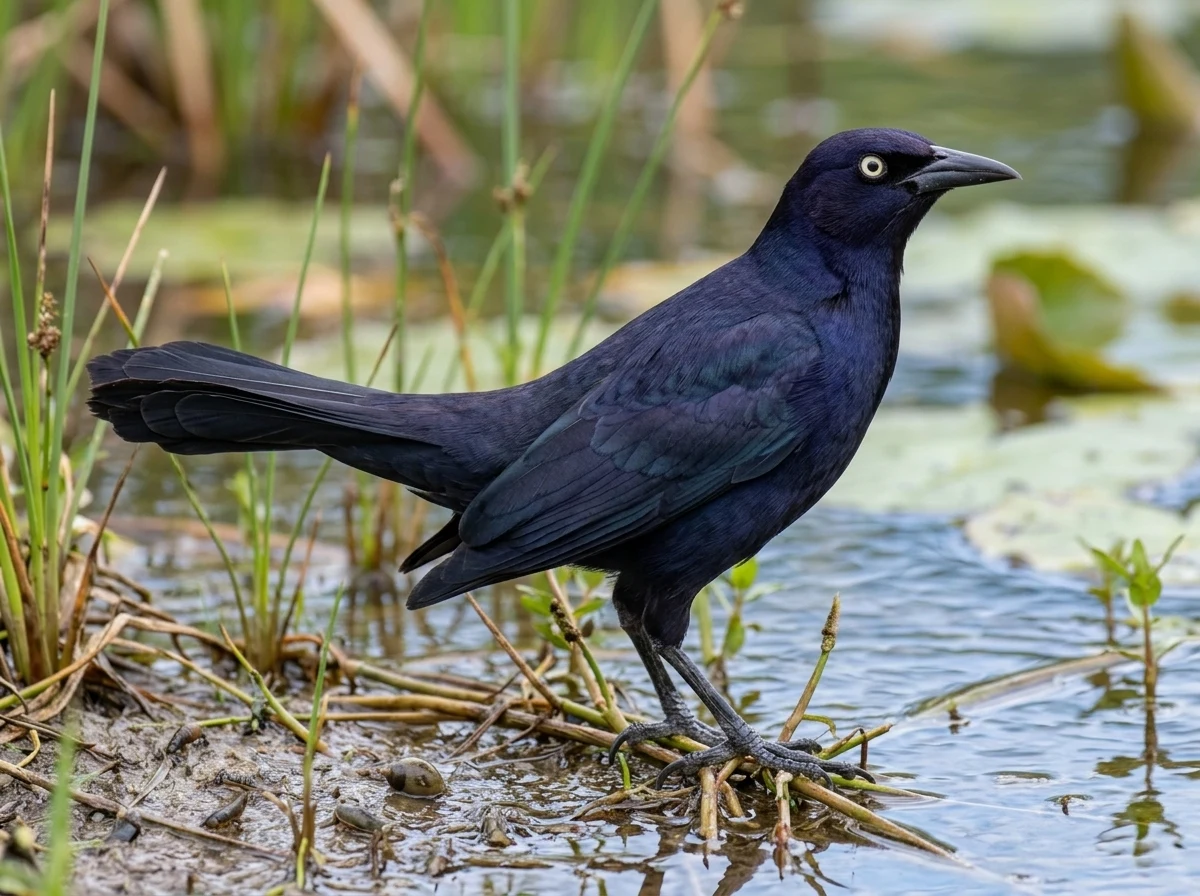
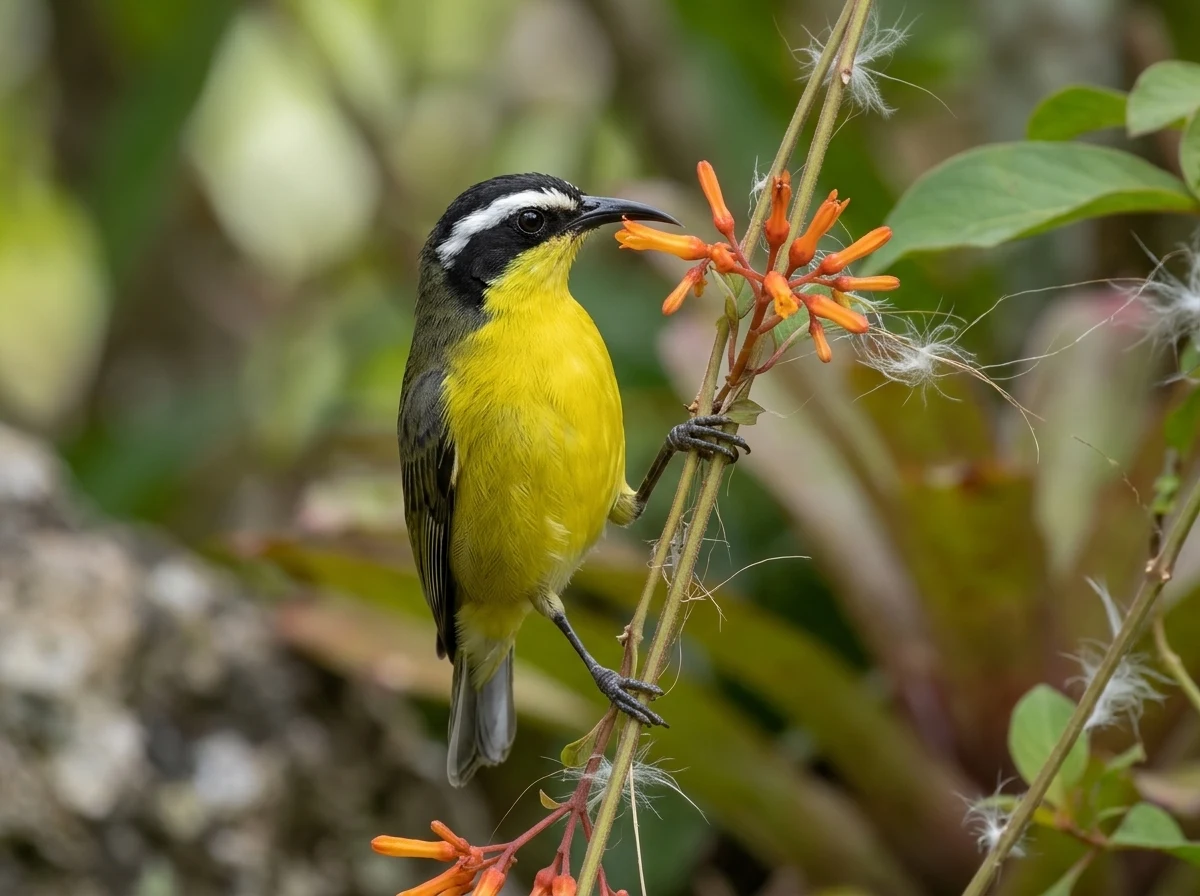
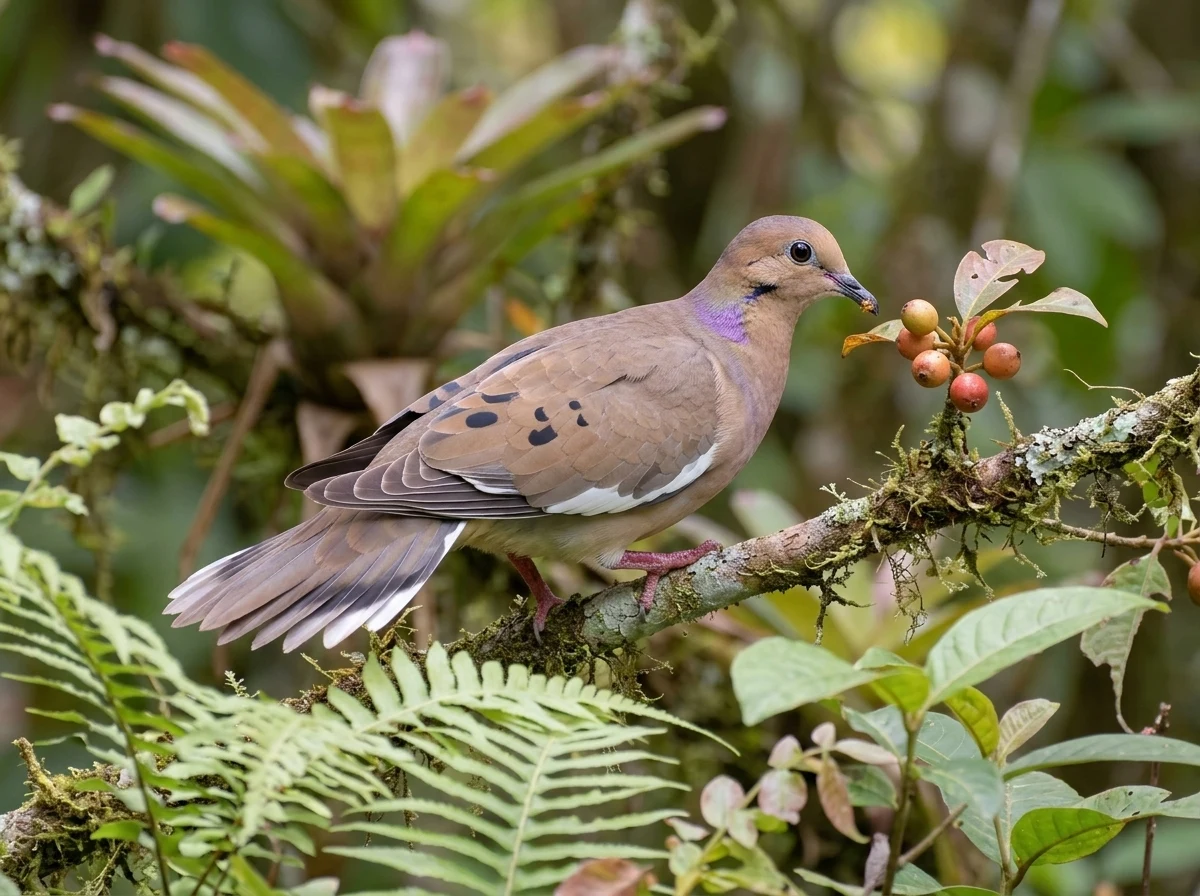
Common species already recorded on phones in Puerto Rico; compare your audio with the recordings on their profiles.


Sound archive
Hear its voice
Explore real songs and calls. The spectrogram turns each sound into a visual trace of time and frequency.
XC877751Recording 1 of 3song

Play: song by Bobby Wilcox
Choose another recording
Sound recorded by Bobby Wilcox · XC877751 · CC BY-NC-SA 4.0. Visualization by Stichting Xeno-canto voor Natuurgeluiden.
Every recording retains the creator, catalogue number, and license published by Xeno-canto. Metadata via GBIF ↗
01
What app should I use to record bird songs?
eBird recommends Merlin Bird ID because it records WAV and integrates with eBird. It also mentions Voice Record Pro on iOS and RecForge II or Hi-Res Audio Recorder on Android. Voice memo apps work, but they save compressed audio.
02
Can I upload a bird recording to eBird from my phone?
Yes. Since September 1, 2026, eBird Mobile lets you add recordings to a checklist directly. You share the file from your recording app to eBird, choose the species, trim, and submit the checklist; the audio uploads automatically.
03
How long should a bird recording be?
eBird suggests 30 seconds or longer, and the Macaulay Library recommends including 5 to 10 vocalizations. For species that call infrequently, keep the long recording intact without cutting the silences in between.
04
Should I remove background noise from my recording?
No. The Macaulay Library asks you not to use noise reduction or remove other species, insects, or wind. Only a gentle low-cut filter at 250 Hz or below, plus trimming handling noise at the start and end, is acceptable.
05
What is the difference between eBird and Xeno-canto?
eBird ties each recording to a bird checklist with date and place, and the audio is archived in Cornell's Macaulay Library. Xeno-canto is a community wildlife-sound collection where each file carries a Creative Commons license; part of it is shared with GBIF.
06
Can I use playback to attract a bird and record it better?
Avoid it. The ABA code of ethics asks birders to limit playback, especially with rare or threatened species or in heavily birded places. Besides, a bird responding to playback often gives alarm calls rather than its natural song.
Keep exploring
Connected routes
Sources and review
The evidence is one link away.
These sources support the editorial scope of this guide. Bird profiles also retain their own taxonomy, occurrence, and conservation references.
Reviewed:
01↗02↗03↗04↗05↗06↗07↗
eBird / Cornell Lab of Ornithology
Smartphone recording tips
WAV format, 48 kHz, automatic gain control and noise reduction off, 30 seconds or longer.eBird / Macaulay Library, Cornell Lab of Ornithology
Audio preparation and upload guidelines
Trimming, normalizing to -3 dB, allowed filters, and what not to edit.eBird / Cornell Lab of Ornithology
Upload sound recordings directly in eBird Mobile
Feature launched September 1, 2026; steps from Merlin; best 1–2 recordings per species.Xeno-canto Foundation / GBIF
Xeno-canto recordings published through GBIF
Metadata, authorship, licenses, and catalogue records for field recordings used by the atlas.American Birding Association
Code of Birding Ethics
Limit playback to attract birds, especially for rare or threatened species.Global Biodiversity Information Facility / Xeno-canto
Xeno-canto recordings from Puerto Rico (GBIF)
Time, date, place, equipment, and vocalization type for the 554 Puerto Rico recordings shared with GBIF (queried September 2026).Macaulay Library / Cornell Lab of Ornithology
Puerto Rico sound archive
Complementary audio collection for comparing songs, calls, locations, and dates.The atlas continues