 AI
AIFieldcraft
Nocturnal listening without playback: how to do it right
A practical guide to listening for Puerto Rican Owls, nightjars, nighthawks, Short-eared Owls, and Clapper Rails without playing recordings, emphasizing passive observation.
Reviewed:Prepared with AI assistance and linked sources. Illustrations are not field photographs.
Why listen without playback
Nocturnal listening is one of the most rewarding ways to experience Puerto Rico's birds. However, using playback—playing recordings to provoke responses—can have negative effects on birds, especially during the breeding season when they defend territories and care for mates or young. Playback can cause birds to expend energy responding to a phantom intruder, potentially affecting their health and breeding productivity. This guide therefore focuses on passive listening techniques: letting birds reveal themselves.
Listening without playback is not a limitation but a discipline. It forces you to learn sounds, choose the right time and place, and develop patience. With practice, you can detect Puerto Rican Owls, nightjars, nighthawks, Short-eared Owls, and Clapper Rails without interfering with their natural behavior. Passive listening is also the foundation of passive acoustic monitoring, a scientific tool that uses automated recorders to study nocturnal birds.
Fieldcraft
Key facts
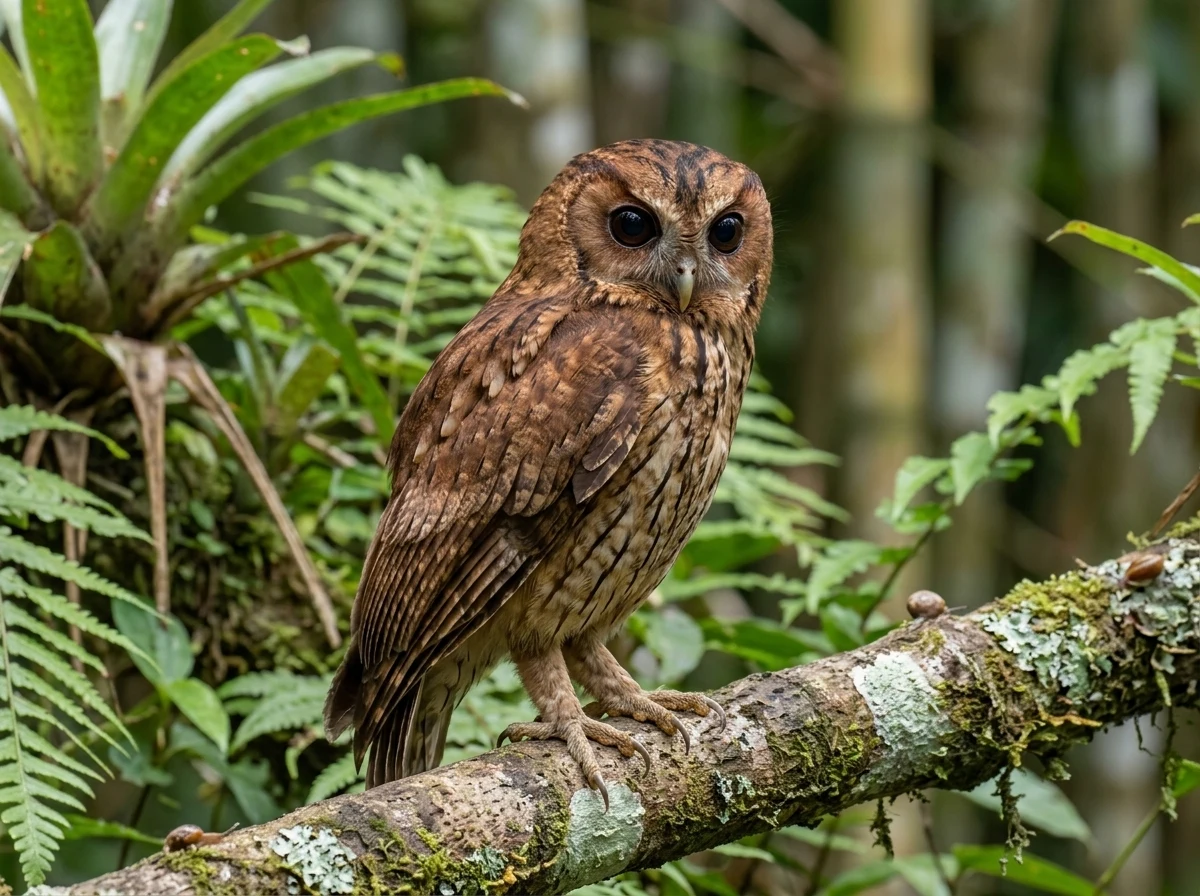
3–5 segundosDuration of Puerto Rican Owl trillThe Puerto Rican Owl is most easily located by its voice: a short, deep trill lasting 3–5 seconds, higher pitched in the female.
Abril–mayoPeak singing of Puerto Rican NightjarMale Puerto Rican Nightjars sing throughout the year, but peak singing is in April and May. Nesting occurs between late February and early July.
5–10 minutosListening time per stationA common technique is to listen for 5–10 minutes at a safe, quiet location, then move half a mile and repeat.
01
Ideal conditions for nocturnal listening
The best nights for listening are calm, with no precipitation and sustained winds under 10 mph. The calmer the better. It is not worth going out on a windy night; if you can wait for a calm night, it will be more productive and enjoyable. Also avoid fog for safety reasons. Temperature and humidity can affect sound transmission, but calm wind is the most critical factor.
Timing also matters. There are three main windows: the dusk visit, starting just before dark and continuing into darkness; the morning visit, using one or two hours before dawn and often offering less traffic and a spectacular sunrise; and the all-nighter, for those who do not mind staying up. Nocturnal birds are detectable throughout the night, though some species peak at dusk and dawn.
02
How to set up a listening station
The simplest and most common way to listen for nocturnal birds is to drive a route, stopping at safe, quiet locations to listen. Listen in one place for 5–10 minutes, then drive half a mile and repeat. You can also walk a segment of road or trail, stopping periodically. If you walk, carry a flashlight and familiarize yourself with the route; walking off-trail at night is not recommended.
Before heading out, scout during the day to identify secondary or dirt roads with little traffic, wide shoulders, and good visibility for parking. Avoid parking directly in front of a house. Avoid major roads or factories, as even a little noise can be surprisingly disruptive at night. Going in a group or with a companion is safer and more fun. Carry a flyer or sign explaining that you are birding, in case someone asks.
03
Distinguishing bird sounds from frogs and insects
In Puerto Rico, the night is full of frog and insect sounds. The coquí is ubiquitous and its call can be confused with some birds. To distinguish, pay attention to pattern: insects often produce continuous, mechanical, or rhythmic sounds, while birds emit more complex phrases with variations in pitch and duration. The Puerto Rican Owl's trill lasts 3–5 seconds and is deep; the Puerto Rican Nightjar's song is a repetitive, plaintive whistle. Crickets and cicadas produce regular pulses that can mask bird sounds, so it helps to listen when insect activity is lower, such as on cooler nights.
Practice is key. Record sounds with your phone and compare them to reference recordings in the Macaulay Library or xeno-canto. Learn the target species' sounds before going out. Passive acoustic monitoring uses software to detect bird vocalizations in recordings, but even algorithms need human review. A documented example from the United Kingdom—not Puerto Rico—is a Song Thrush mimicking a European Nightjar call, showing the importance of verifying automatically detected sounds.
04
Passive acoustic monitoring: what it is and how to apply it
Passive acoustic monitoring (PAM) uses programmable automated recorders deployed during the day that record for extended periods. Software like the BTO Acoustic Pipeline then scans hours of audio for bird vocalizations. This is especially useful in areas of low density or at the edge of a species' range, where unpaired birds may wander widely and be difficult for human surveyors to detect. For the casual observer, PAM can be as simple as leaving a recorder at a safe point overnight and reviewing the audio the next day.
PAM complements traditional observation techniques. For example, in the case of the European Nightjar, classifiers have been developed that distinguish between churring, purring, flight calls, and agitation calls, allowing inference of whether a pair or nest is present. However, machine learning tools are not infallible and require human review. For birders in Puerto Rico, PAM offers a way to document nocturnal sounds without playback and without disturbing birds.
05
Practical exercise: your first night of passive listening
Before heading out, study the sounds of the target species: Puerto Rican Owl, Puerto Rican Nightjar, Antillean Nighthawk, Short-eared Owl, and Clapper Rail. Keep in mind that the Antillean Nighthawk and Clapper Rail are less reliably encountered and may be seasonal or localized in Puerto Rico. Listen to reference recordings and learn their patterns. Then choose a calm night, with no rain and winds under 10 mph. Select a safe route with wide parking areas. Bring a notebook, a watch, water, insect repellent, and a flashlight with a red filter to preserve your night vision.
At each station, stay still and silent for 5–10 minutes. Note the time, location, weather conditions, and all sounds you hear, even those you cannot identify. The next day, compare your notes with reference recordings. Repeat the exercise on different nights and seasons to become familiar with natural variation. Over time, you will develop a trained ear and can contribute to citizen science projects like eBird, documenting nocturnal birds without needing playback.
Linked profiles
Nocturnal species to listen for
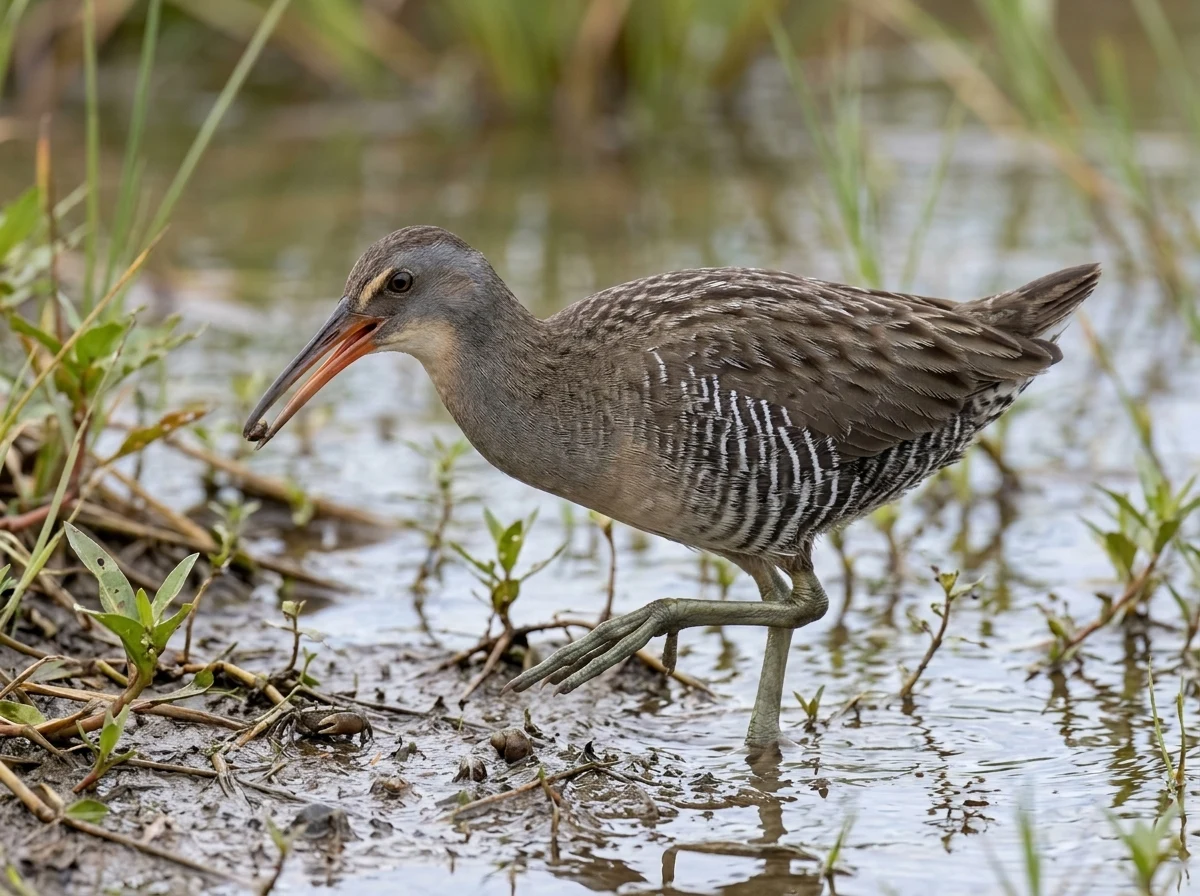
These are the birds you can detect with passive listening in Puerto Rico, with notes on their sounds and habitats.
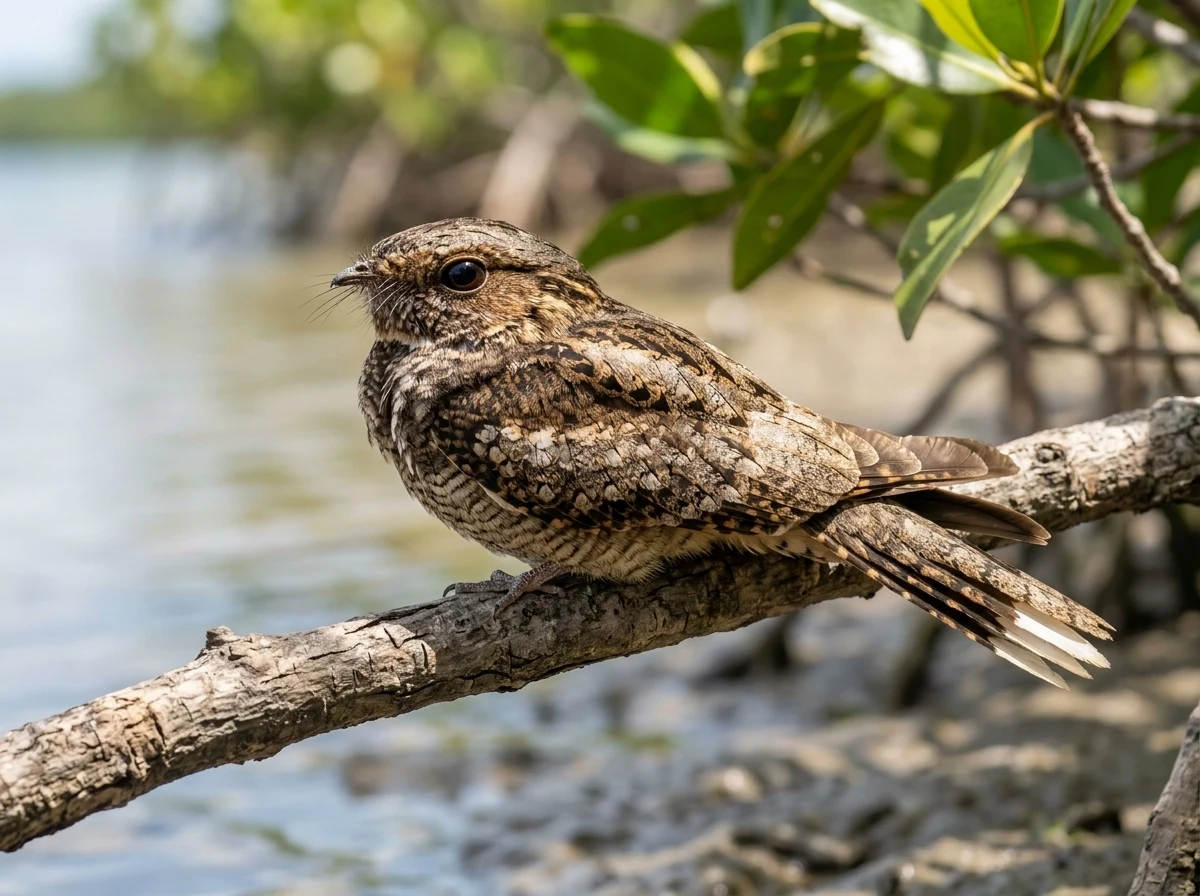
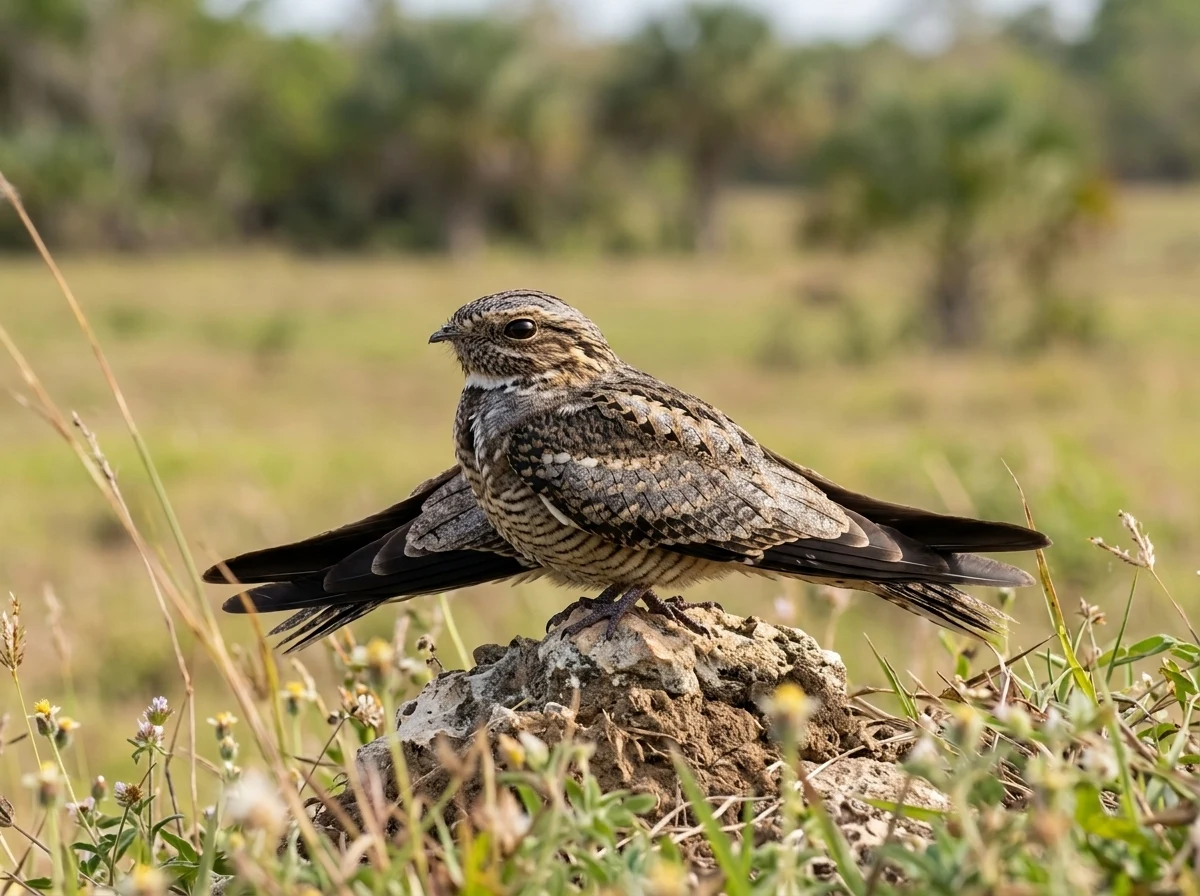
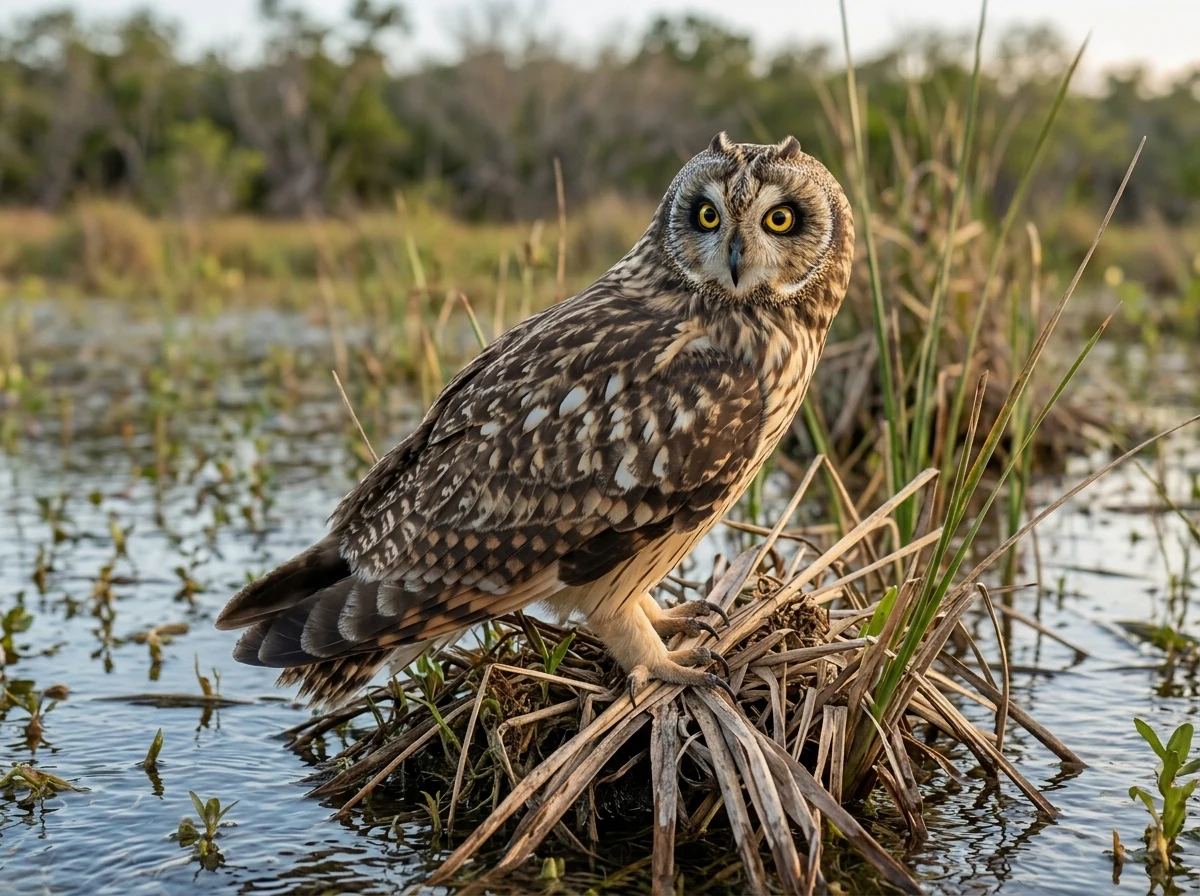
01
What is the best time to listen for nocturnal birds?
The best windows are just before dawn and after dusk. One or two hours after sunset or before sunrise are usually sufficient. Some species, like the Puerto Rican Nightjar, sing throughout the night, but peak activity varies.
02
How can I distinguish a bird call from a coquí?
The coquí produces a repetitive two-note sound, while nocturnal birds like the Puerto Rican Owl emit more complex trills or whistles. Insects often produce continuous, mechanical sounds. Practice with reference recordings is the best way to learn.
03
Is playback necessary to see nocturnal birds?
No. Playback can be harmful, especially during the breeding season. Passive listening, combined with knowledge of sounds and habitats, is enough to detect many species. Additionally, playback is prohibited in some national wildlife refuges.
04
What is passive acoustic monitoring and how can I use it?
It is the use of automated recorders to capture sounds over extended periods. You can use a simple recorder or even your phone to record overnight and then analyze the audio. Software like the BTO Acoustic Pipeline can help identify species, but always requires human review.
05
What should I bring on a nocturnal listening outing?
Bring a flashlight (preferably with a red filter), water, insect repellent, appropriate clothing, a notebook, and a watch. If you plan to walk, wear comfortable shoes and familiarize yourself with the route during the day. Consider bringing a companion for safety.
Keep exploring
Connected routes
Sources and review
The evidence is one link away.
These sources support the editorial scope of this guide. Bird profiles also retain their own taxonomy, occurrence, and conservation references.
Reviewed:
01↗02↗03↗04↗05↗06↗07↗
ebird.org
guide to nocturnal atlasing part ii a detailed how to
Evidence for cited sections; consult the original document.birdsoftheworld.org
introduction
Evidence for cited sections; consult the original document.birdsoftheworld.org
introduction
Evidence for cited sections; consult the original document.www.audubon.org
short eared owl
Evidence for cited sections; consult the original document.www.bto.org
nightjar acoustic monitoring
Evidence for cited sections; consult the original document.www.audubon.org
listening migrating birds night may help ensure their safety
Evidence for cited sections; consult the original document.www.macaulaylibrary.org
www.macaulaylibrary.org
Evidence for cited sections; consult the original document.The atlas continues