 AI
AIOwls, múcaros, and barn owls
Owls of Puerto Rico: the complete identification guide
The Puerto Rican Owl is the owl almost everyone hears on the island, but it is not the only one. Learn to separate it from the Short-eared Owl and the Barn Owl, and to recognize the names that belong to the past.
Reviewed:How many owls live in Puerto Rico?
Puerto Rico has three living owl species documented by the DRNA: the Puerto Rican Owl (Gymnasio nudipes), known locally as Múcaro Común and endemic to the archipelago; the resident Short-eared Owl (Asio flammeus), or Múcaro Real; and the Barn Owl (Tyto), whose first confirmed nest was documented in 2015. The Puerto Rican Owl is by far the owl people hear and find in yards, coffee farms, and forests.
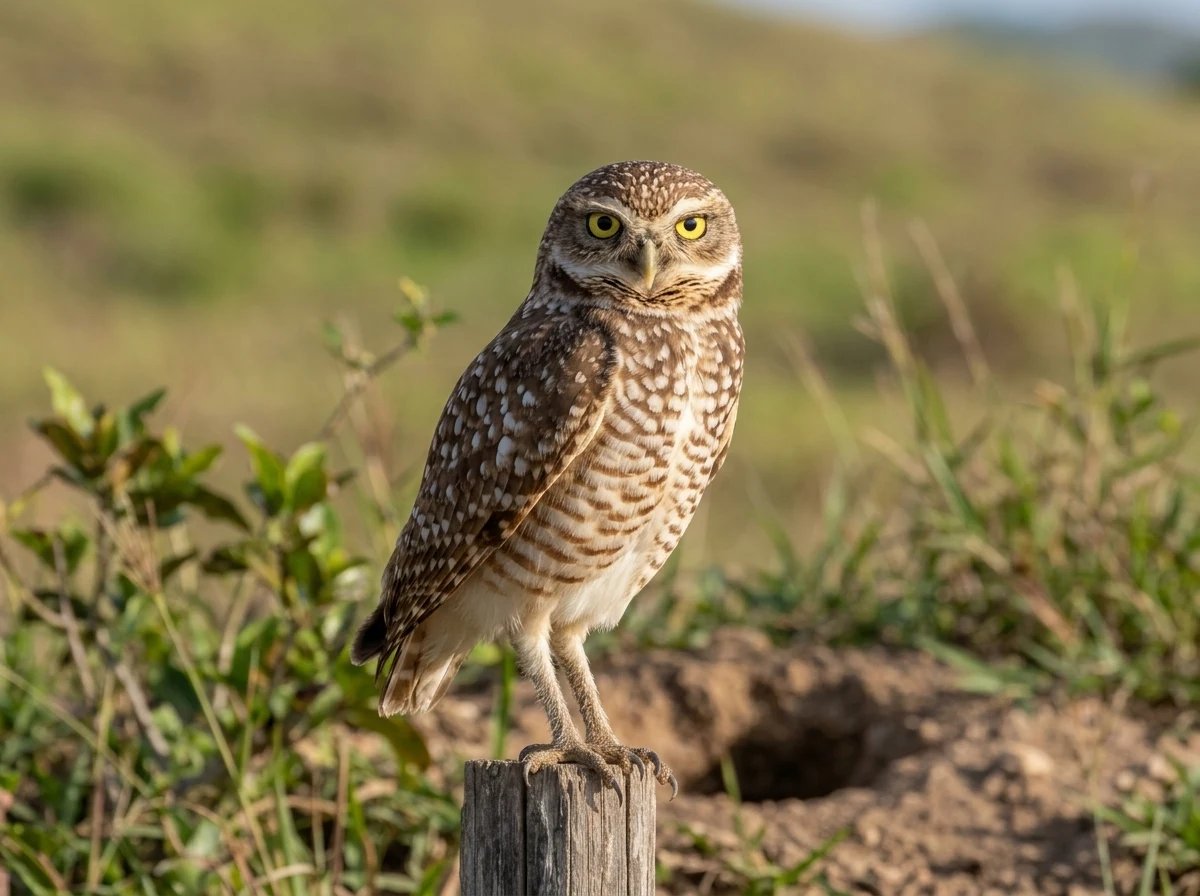
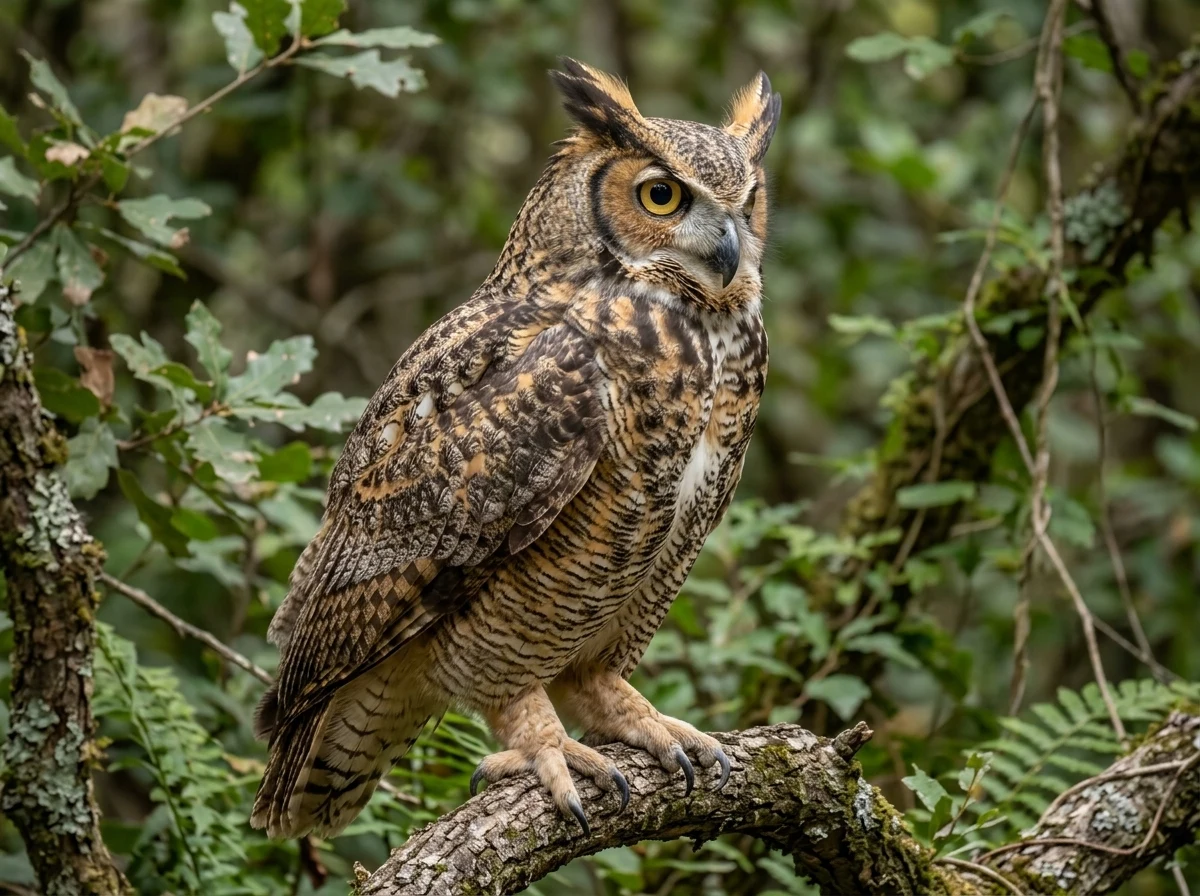
Other names show up in searches but do not describe birds you can see today: the Puerto Rican Barn Owl (Tyto cavatica), known only from cave bones, and the Burrowing Owl, known on the island from fossils. Our catalog also lists the Great Horned Owl with uncertain origin; it is not among the three species the DRNA recognizes. This guide separates the living from the historical and gives you the field marks to keep them apart.
Owls, múcaros, and barn owls
Puerto Rico's owls by the numbers
3documented living owlsPuerto Rican Owl, Short-eared Owl, and Barn Owl, per the DRNA (2015).
1endemic owlThe Puerto Rican Owl (Gymnasio nudipes) lives nowhere else.
20–25 cmPuerto Rican Owl lengthAbout 103–169 g; the Barn and Short-eared Owls are much larger.
Abr–junPuerto Rican Owl breedingNesting season described by Birds of the World.
01
Puerto Rican Owl: the endemic owl that lives everywhere
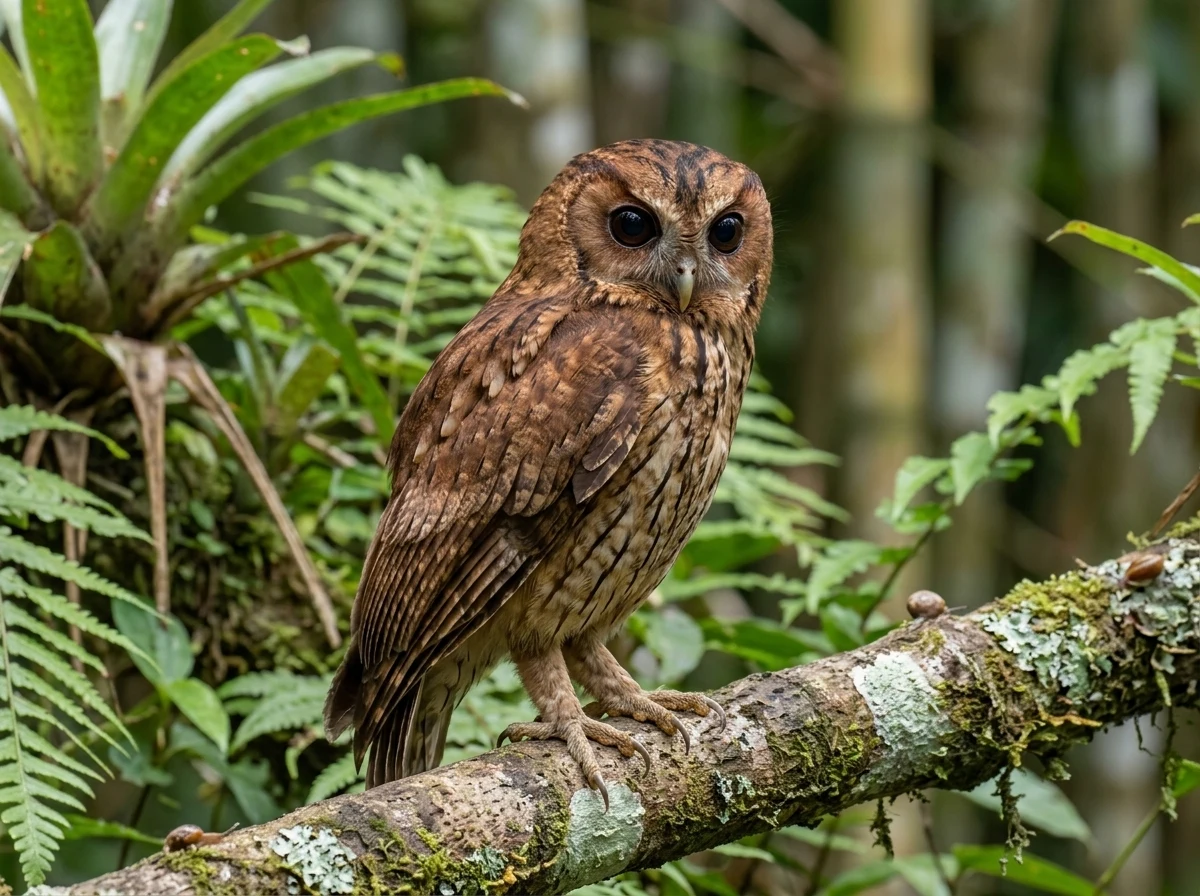
The Puerto Rican Owl, called Múcaro Común or Mucarito in Spanish, is a small owl, 20–25 cm long and 103–169 g, with females slightly larger. It has a rounded head with no ear tufts, unfeathered legs (hence nudipes, “bare feet”), and two color morphs, brown and rufous, both with white patches at the base of the facial disc. It does not look like the cartoon “eared” owl: it is compact, big-headed, and earth-toned.
It lives in forests and woodlands of every type, including urban ones, from the coast to about 900 meters. It nests in tree cavities from April to June and lays one to three white eggs. It eats mostly large insects such as roaches, crickets, and May beetles, plus anoles, coquí frogs, mice, and small birds. It once lived in the Virgin Islands too, but there are no recent confirmed records outside Puerto Rico.
02
Short-eared Owl: the savanna owl that flies by day
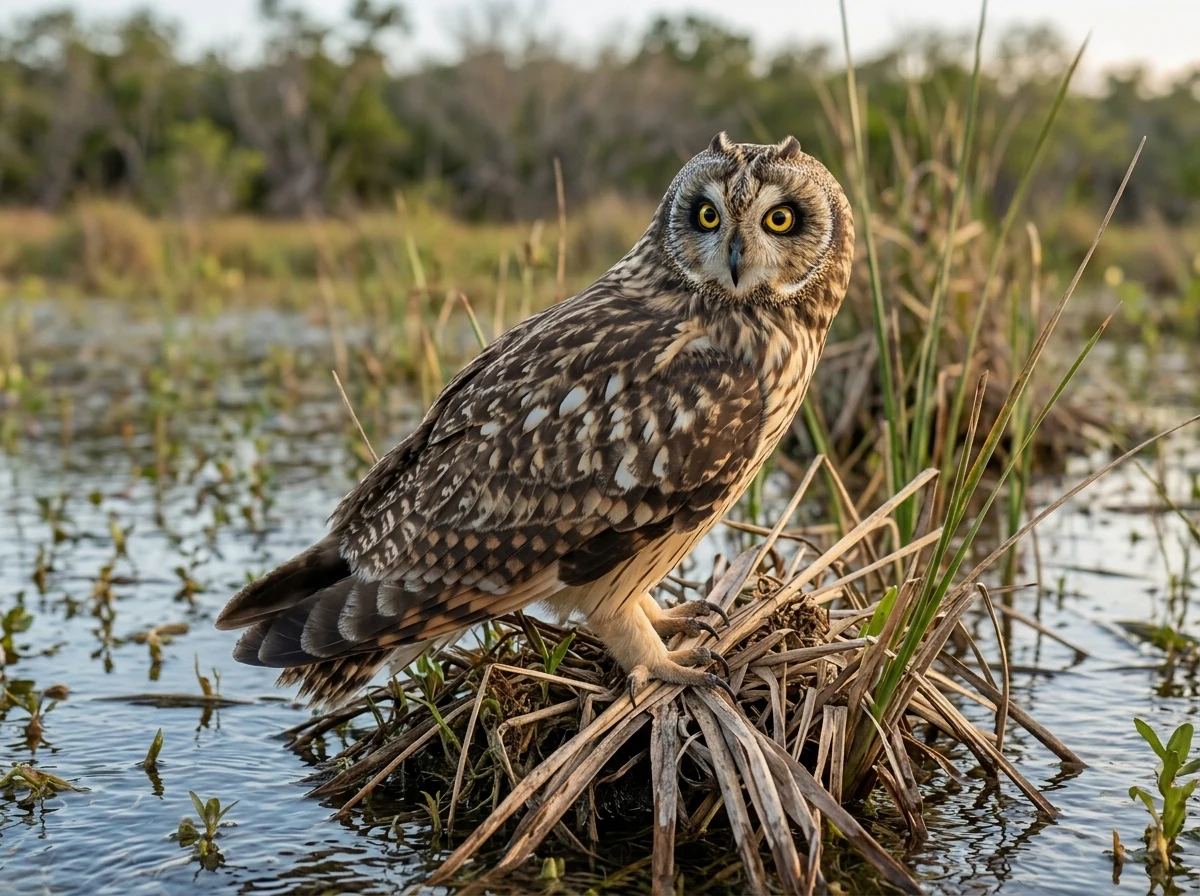
The Short-eared Owl (Asio flammeus), Múcaro Real in Puerto Rico, is about 41 cm long: nearly twice the length of the Puerto Rican Owl. It looks pale buffy, with a streaked chest, black around the eyes, and ear tufts so short they are seldom visible. In flight it shows a black wrist mark and a buff patch in the outer wing; it flies low over grasslands and marshes with loose wingbeats, “like a giant moth,” mostly at dawn and dusk.
In 1911–1912 Alexander Wetmore recorded the local names Múcaro Real, Múcaro de Sabana, Múcaro de Melón, Coruja, and Llorona for this owl, and described it as nearly extinct on the island; he blamed the mongoose, since the owl nests on the ground. Today the DRNA treats it as a resident, but its current population is not well quantified. If you see a large owl hunting over open grassland in daylight, this is the species to consider first.
03
Barn Owl: the white, heart-shaped face
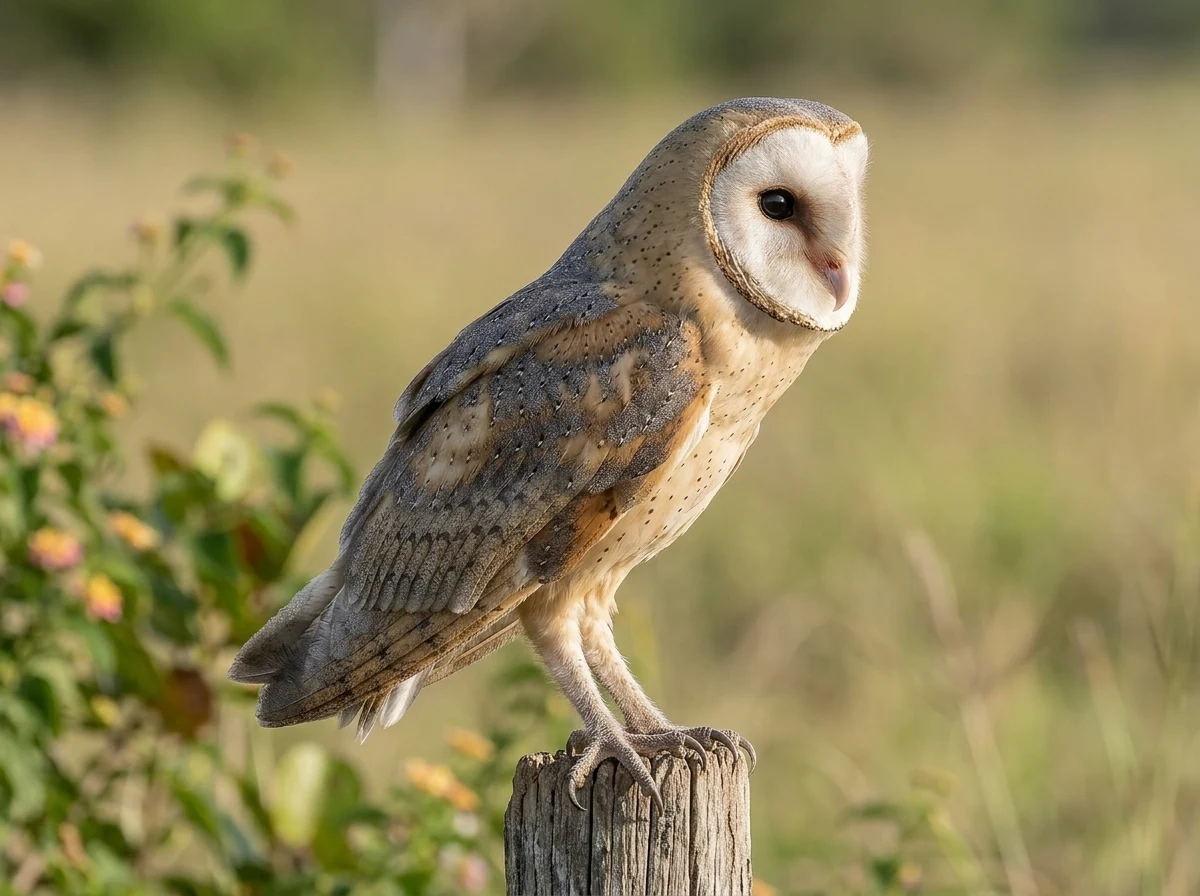
The Barn Owl, called lechuza, lechuza blanca, or lechuza de los campanarios in Spanish, is a pale owl 33–41 cm long with a white, heart-shaped face and dark eyes. It does not hoot: it gives screams, hisses, grunts, and bill snaps. It hunts at night by flying low over open ground and nests in tree cavities, cliffs, caves, and buildings.
In Puerto Rico it is a recent arrival. Primera Hora reported at least six sightings since 1947, but breeding was not confirmed until August 2015, when a citizen brought an injured chick with a broken leg to the Ranger Corps and rangers found a nest with more chicks and adults. The DRNA announced it as the island's third owl species. That release used the name Tyto alba; our catalog treats it as the American Barn Owl (Tyto furcata), following the taxonomy that separates the American populations.
04
Owls of the past: what the caves tell us
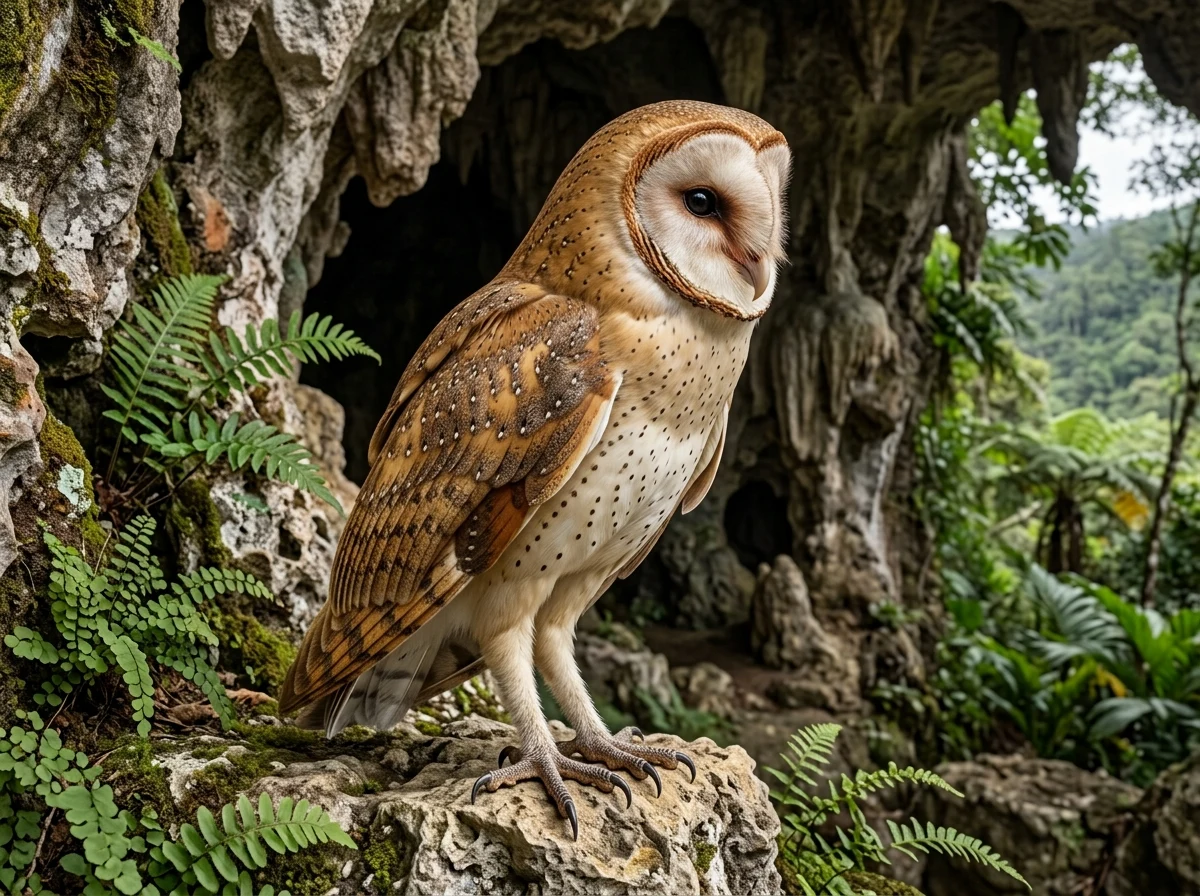
The Puerto Rican Barn Owl (Tyto cavatica) is an extinct endemic barn owl. Alexander Wetmore described it from leg bones found in a cave on the property of Gervacio Toraño, near Utuado, collected in 1916. It was a small barn owl, related to other West Indian barn owls such as the one on Hispaniola. The same caves held huge numbers of Puerto Rican Owl bones, a sign that the múcaro has been on the island for a long time and that both owls piled up the remains of their prey there.
The Burrowing Owl (Athene cunicularia) appears in fossils from Puerto Rico and Mona. According to Pregill and Olson (1981), the Puerto Rican bones are quite distinct from other populations and may represent a different species; its disappearance is explained by the loss of dry, open habitat since the end of the Pleistocene. Our catalog lists it as accidental, but we found no published modern record to cite. Any sighting would be exceptional and deserves photos and a report.
05
How to identify an owl at night in Puerto Rico
Start with place and time. A small owl calling from trees in a yard, coffee farm, or forest is almost always a Puerto Rican Owl. A large, pale owl over grassland, an abandoned structure, or an open field at night points to the Barn Owl. A large, buffy owl hunting low over savanna at dawn or dusk points to the Short-eared Owl. Apparent size is unreliable at night, so compare with something known, such as a post or a branch.
Then listen. The Puerto Rican Owl gives a deep, quavering trill of three to five seconds; the Barn Owl screams and hisses; the Short-eared Owl is usually silent. Not everything calling at night is an owl: the Puerto Rican Nightjar and the nighthawks are nightjars, and coquí frogs and insects dominate the soundscape. If you can, record with your phone and note time, place, and habitat before you decide.
06
Legal protection: why you cannot keep a múcaro at home
A century ago people commonly kept múcaros in their houses to eat roaches; Wetmore documented the practice in 1912. Today it is illegal. Puerto Rico's Wildlife Act (Law 241-1999) prohibits keeping native or migratory wildlife in captivity without written authorization from the DRNA Secretary, and prohibits taking nests, eggs, or young.
In addition, the Puerto Rican Owl, Short-eared Owl, Burrowing Owl, and Barn Owl are on the federal list of birds protected by the Migratory Bird Treaty Act, which applies in Puerto Rico. If you find an injured owl or a chick on the ground, the right path is to call the DRNA; our injured-bird guide explains the steps.
Linked profiles
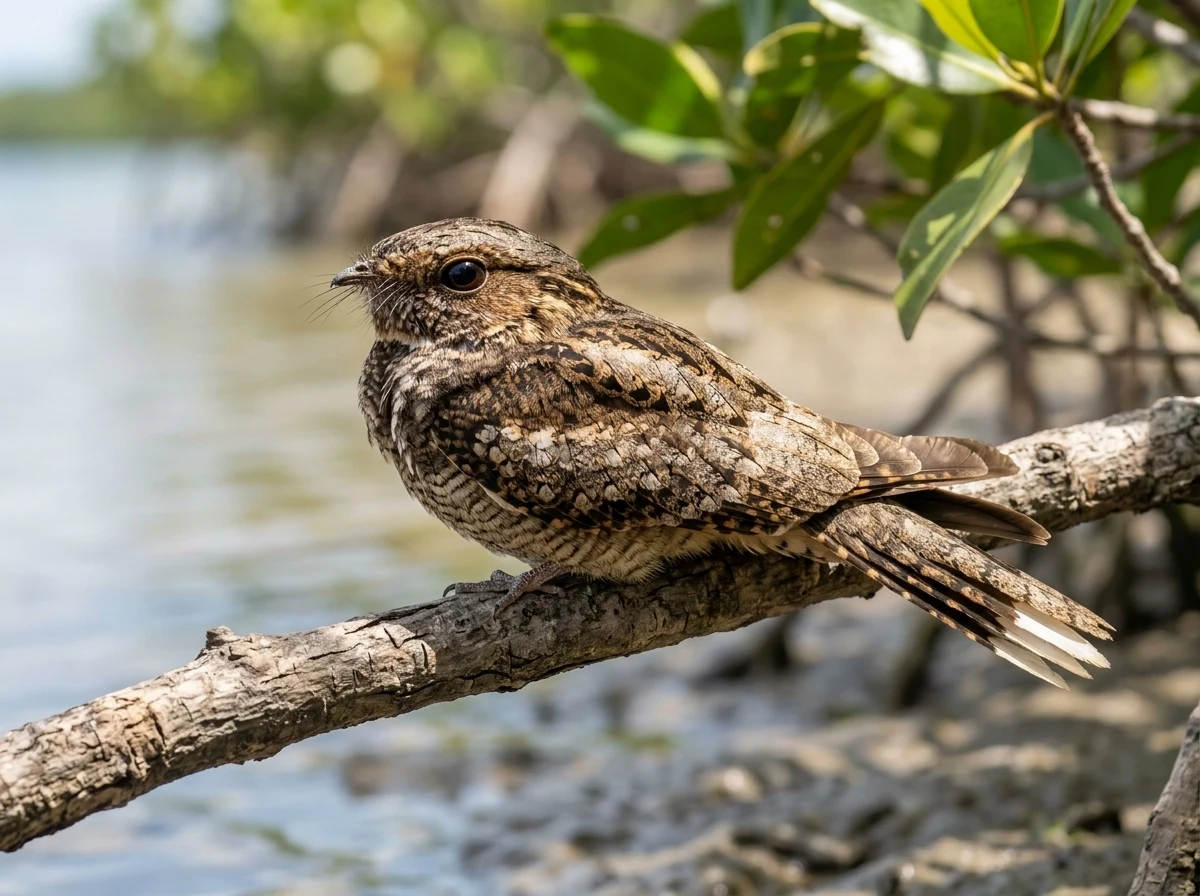
The catalog's owls, living and historical
Open each profile for occurrence, conservation, photos, and recordings. The Puerto Rican Nightjar is included because it is mistaken for an owl at night, though it is not one.
Sound archive
Hear its voice
Explore real songs and calls. The spectrogram turns each sound into a visual trace of time and frequency.
XC793992Recording 1 of 3call

Play: call by Barry Edmonston
Choose another recording
Sound recorded by Barry Edmonston · XC793992 · CC BY-NC-SA 4.0. Visualization by Stichting Xeno-canto voor Natuurgeluiden.
Every recording retains the creator, catalogue number, and license published by Xeno-canto. Metadata via GBIF ↗
01
What is a múcaro?
Múcaro is the Puerto Rican word for owl. On its own it almost always means the Puerto Rican Owl (Gymnasio nudipes), a small 20–25 cm owl, brown or rufous, with no ear tufts and bare legs, found only in Puerto Rico. The Múcaro Real is a different species, the Short-eared Owl (Asio flammeus).
02
Are there owls in Puerto Rico?
Yes. The DRNA recognizes three living species: the endemic Puerto Rican Owl, the resident Short-eared Owl, and the Barn Owl, whose first nest was confirmed in 2015. There was also an endemic barn owl, Tyto cavatica, now extinct and known only from cave bones.
03
Is the Puerto Rican Owl endangered?
No. The IUCN lists it as Least Concern and it occurs across the island, even in urban areas. It still faces deforestation, vehicle strikes, and cat attacks, and it is protected by Puerto Rico's wildlife law and the Migratory Bird Treaty Act.
04
Is there a Barn Owl in Puerto Rico?
Yes, but it is rare. There were scattered sightings from 1947 on, and in August 2015 the DRNA documented the first nest with chicks. The endemic “Puerto Rican Barn Owl,” Tyto cavatica, is a different species that went extinct and is known only from fossils.
05
Is there a Great Horned Owl in Puerto Rico?
Our catalog lists the Great Horned Owl (Bubo virginianus) with uncertain origin, but it is not among the three species the DRNA recognizes. A large “eared” owl seen in Puerto Rico should be photographed and reported before the identification is assumed.
06
Is the Puerto Rican Nightjar an owl?
No. The Puerto Rican Nightjar is a nightjar, with a wide mouth and cryptic plumage, and it is also endemic and nocturnal. People mistake it for an owl because it calls at night, but its shape and voice are different.
Keep exploring
Connected routes
Sources and review
The evidence is one link away.
These sources support the editorial scope of this guide. Bird profiles also retain their own taxonomy, occurrence, and conservation references.
Reviewed:
01↗02↗03↗04↗05↗06↗07↗08↗09↗10↗11↗12↗
Departamento de Recursos Naturales y Ambientales
DRNA documents a third owl species in Puerto Rico
August 20, 2015 release on the Barn Owl (Tyto alba) nest found after an injured chick was rescued; names the Puerto Rican Owl and Short-eared Owl.Birds of the World / Cornell Lab of Ornithology
Puerto Rican Owl (Gymnasio nudipes): introduction
Brown and rufous morphs, round head without ear tufts, 3–5 second deep trill, habitat up to about 900 m, and an April–June breeding season.The Peregrine Fund
Puerto Rican Screech-owl species profile
Size (20–25 cm), weight (103–169 g), pair duets, diet, cavity nests, and egg predation by the Pearly-eyed Thrasher.Alexander Wetmore / U.S. Department of Agriculture (Internet Archive)
Birds of Porto Rico (USDA Bulletin 326, 1916)
Historical description of the Puerto Rican Owl's call, diet, and habits, and local names for the Short-eared Owl in 1911–1912.Alexander Wetmore / Bulletin of the American Museum of Natural History (Internet Archive)
Bird remains from the caves of Porto Rico (1922)
Remains of the extinct Tyto cavatica from Toraño cave near Utuado and Puerto Rican Owl bones from several caves.National Audubon Society
Field guide: Short-eared Owl
16 in, pale buffy look, streaked chest, black around the eyes, black wrist mark, and low flight at dawn and dusk.National Audubon Society
Field guide: American Barn Owl
Heart-shaped face, dark eyes, pale plumage, 13–16 in, screams and hisses, nocturnal hunting over open ground.Electronic Code of Federal Regulations / U.S. Fish and Wildlife Service
List of protected migratory birds (50 CFR 10.13)
Lists Puerto Rican Owl (Gymnasio nudipes), Short-eared, Burrowing, and Barn Owls under the Migratory Bird Treaty Act, which applies in Puerto Rico.Ciencia Puerto Rico (publicado originalmente en El Nuevo Día)
Meet the Puerto Rican owl
Current threats (deforestation, vehicle strikes, cats), transfer of rescued juveniles to Cambalache, and DRNA extension 2911.Primera Hora
Barn Owl nest reported in Puerto Rico (news, 2015)
Reports at least six Barn Owl sightings since 1947 and that breeding had not been confirmed before 2015.Pregill & Olson, Annual Review of Ecology and Systematics (Zenodo)
Zoogeography of West Indian Vertebrates in Relation to Pleistocene Climatic Cycles (1981)
Burrowing Owl fossils from Puerto Rico and Mona, its historical West Indian distribution, and the loss of dry habitat.Oficina de Gerencia y Presupuesto de Puerto Rico
Puerto Rico Wildlife Act (Law 241-1999, as amended)
Article 6: prohibits keeping wildlife in captivity and taking nests, eggs, or young without authorization from the DRNA Secretary.The atlas continues