 AI
AIEvidence before excitement
How to document a rare bird
A good record allows independent review; a fast post only creates noise.
Reviewed:First eliminate the common.
Rarity depends on species, date, place, and evidence. A common North American bird may be accidental here; a regular migrant is not rare because it is new to the observer.
Describe size, shape, plumage, voice, behavior, habitat, duration, and direct comparison before consulting a guide. Prior notes reduce hindsight bias.
Evidence before excitement
The guide at a glance
8linked profilesA focused selection connects the guide with verifiable species.
3reading lensesContext, identification, and practical decisions organized by topic.
4primary sourcesAgencies, research, and ornithological organizations support the content.
01
Build a reviewable package
Keep original files, metadata, several views, unfiltered audio, time, private coordinates, effort, and observers. Never replace originals with screenshots.
Explain alternatives considered and why they were rejected. An incomplete but honest identification is worth more than manufactured certainty.
02
Share without causing harm
Submit evidence to appropriate reviewers or platforms and hide location for nests, private land, or sensitive species. Ask permission before directing groups.
Do not use playback, bait, drones, or photographer rings. If the bird changes behavior, increase distance; documentation never justifies pressure.
Linked profiles
Birds to compare
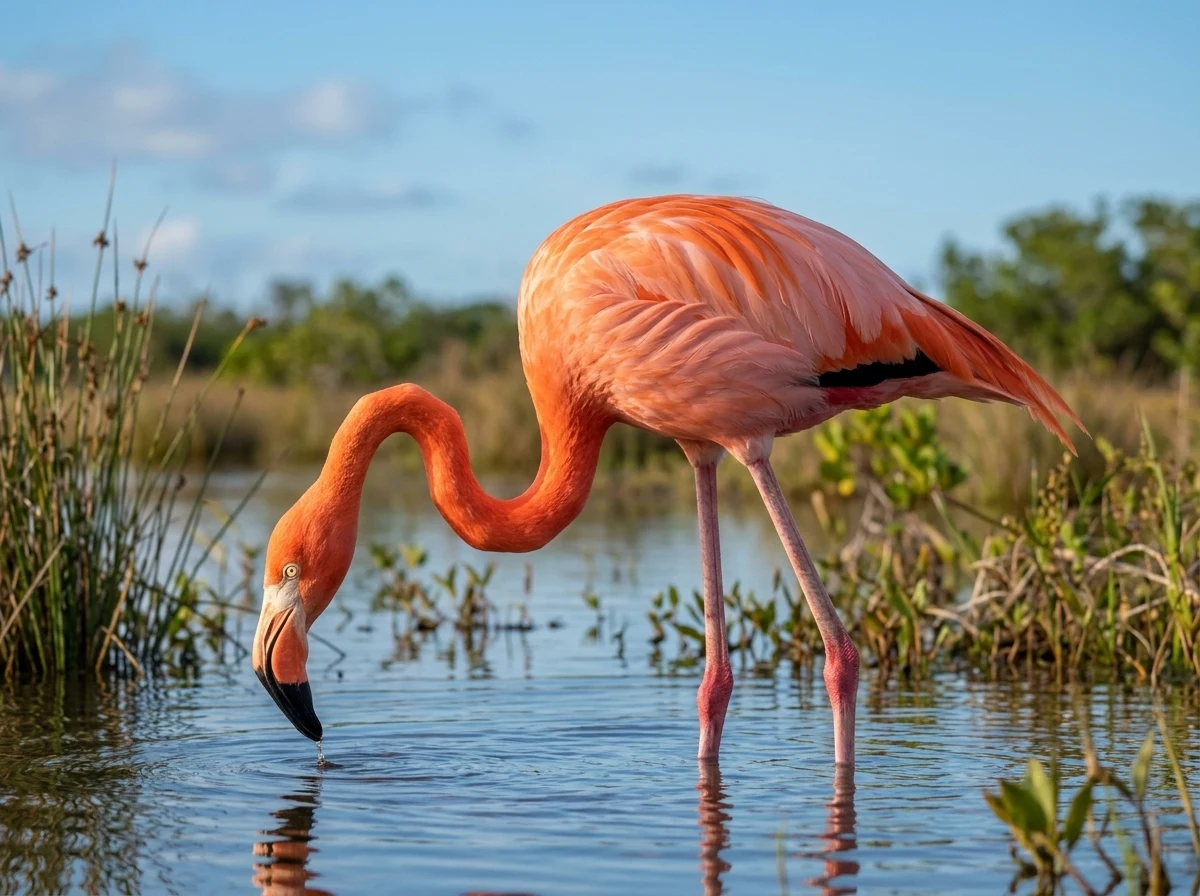
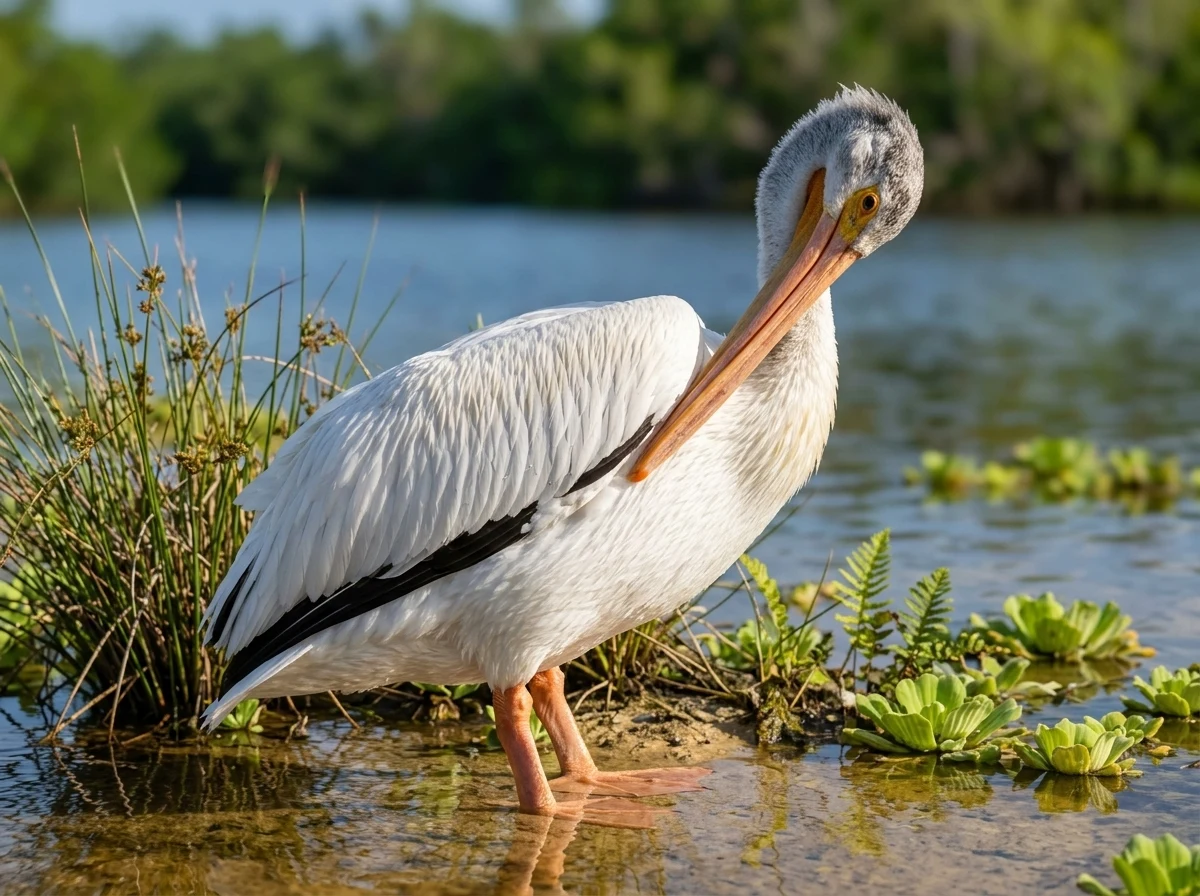
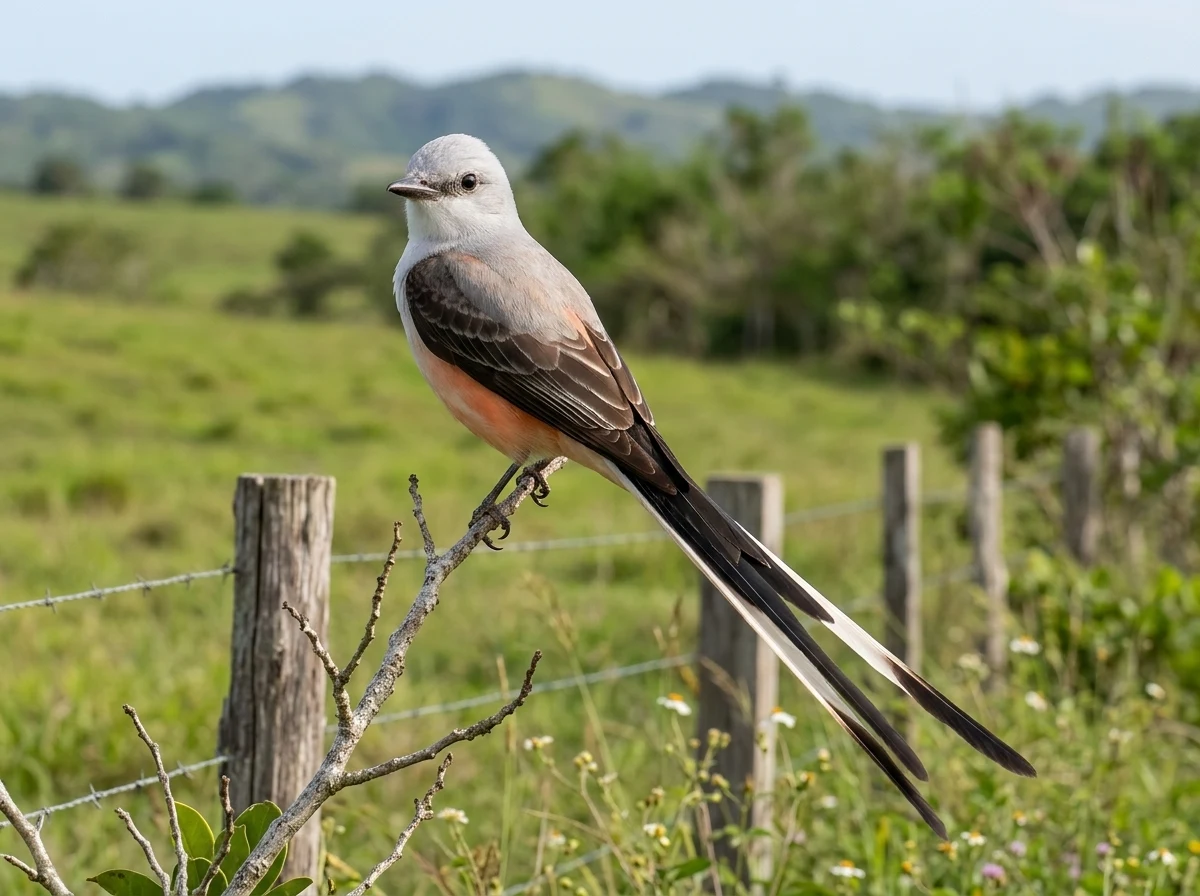
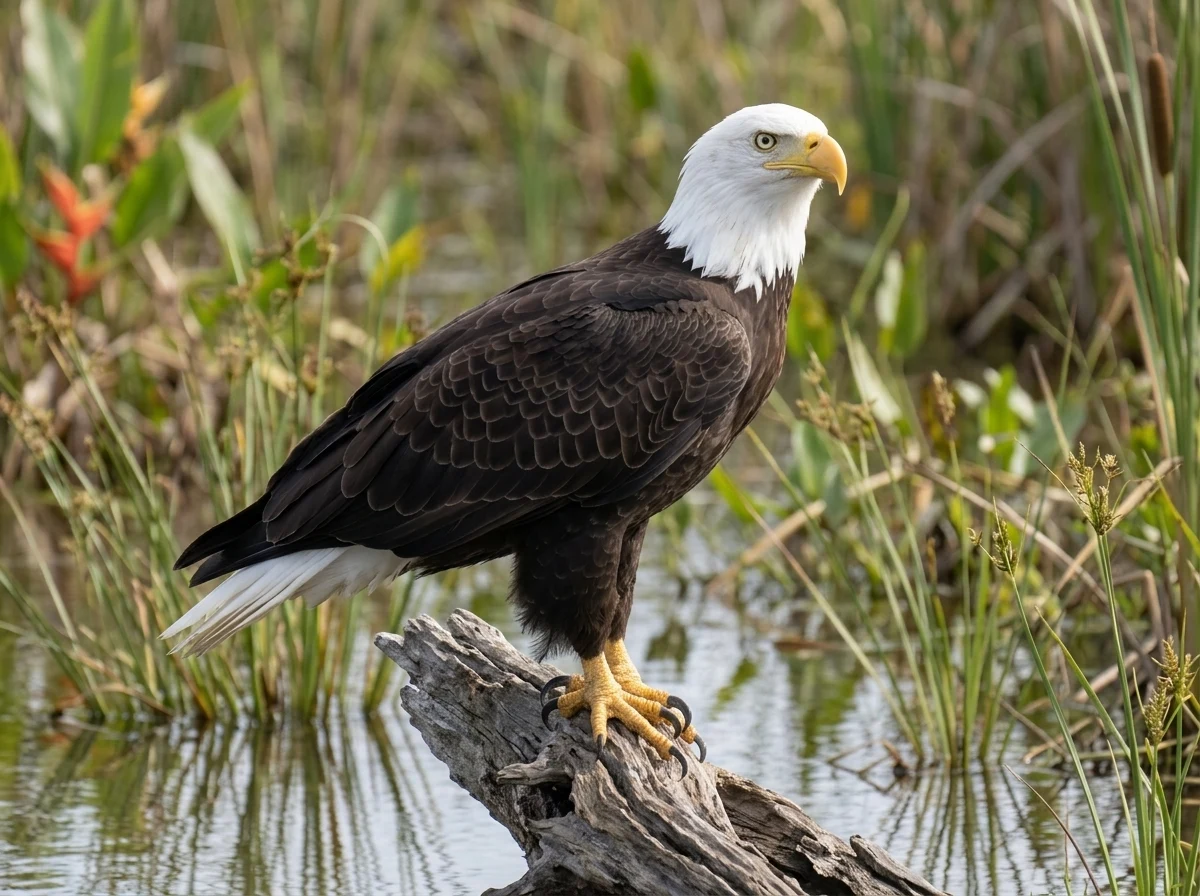
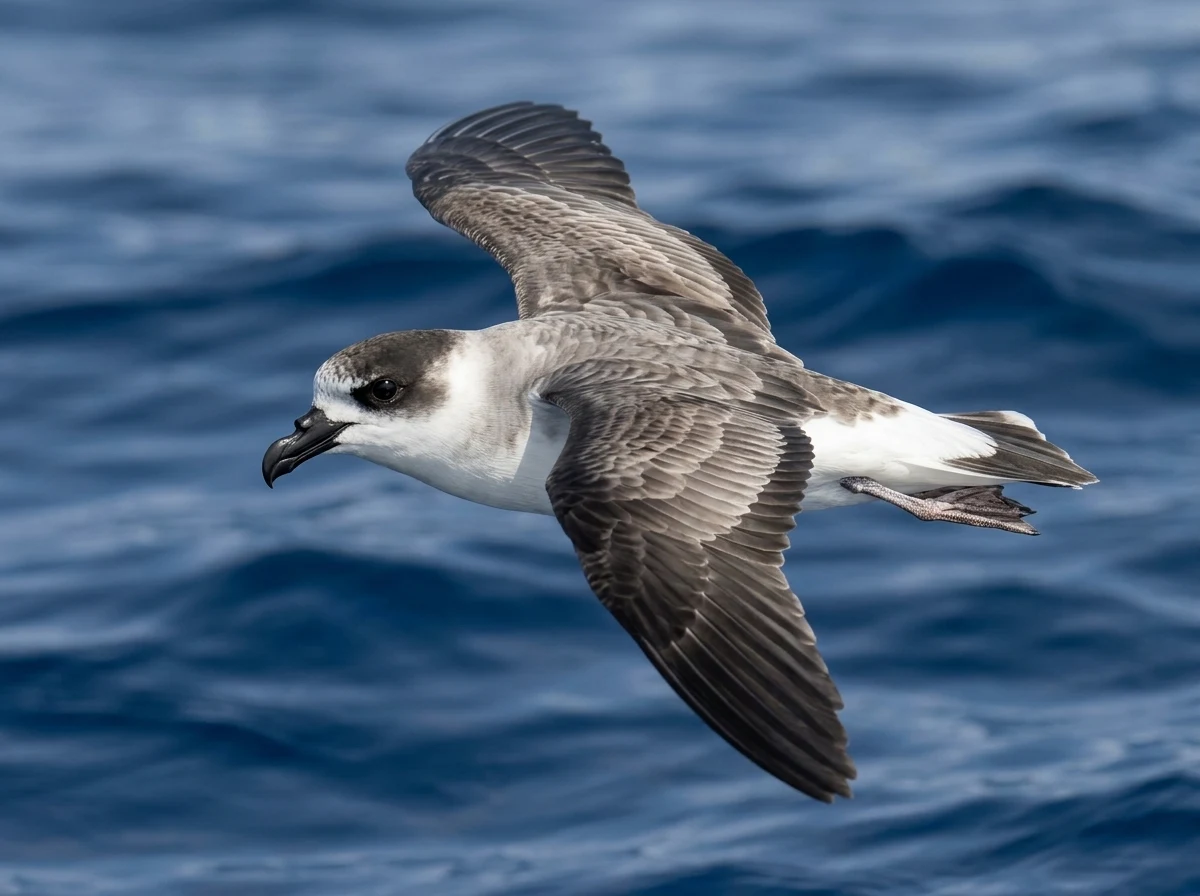
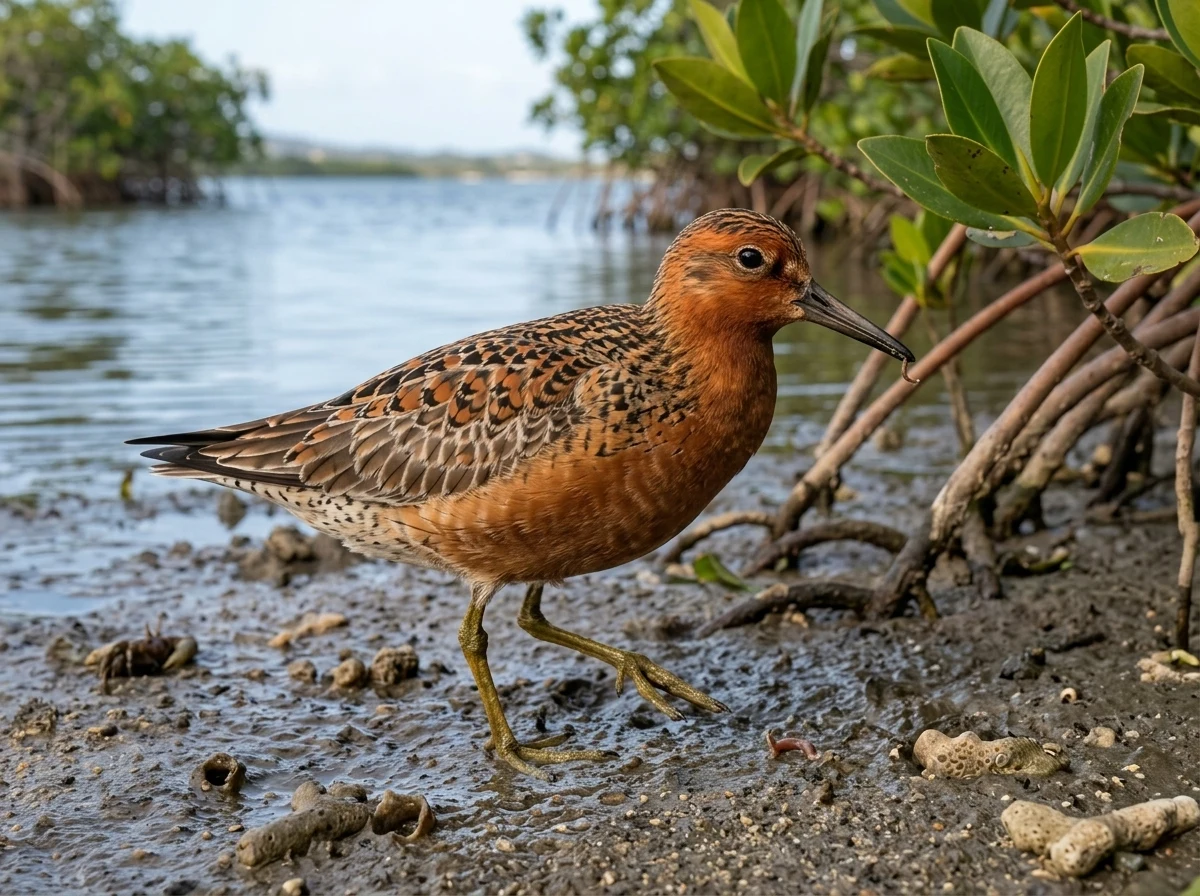
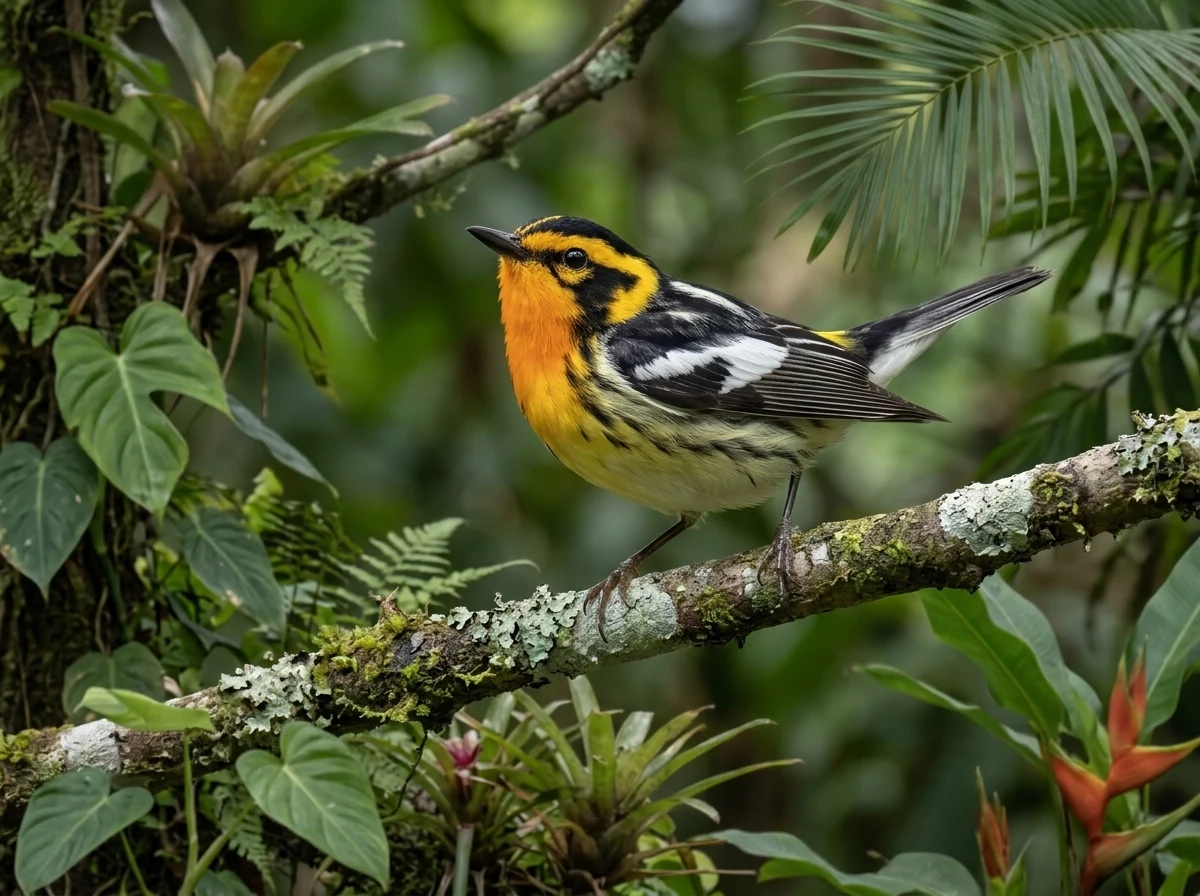
Open each profile to review names, marks, audio, habitat, status, and sources.

01
Should I post the location immediately?
Not when sensitivity, private property, or crowding risk exists. Share first with appropriate reviewers.
02
Can a blurry photo help?
Yes as part of a package with notes, audio, behavior, and several views, but it may not support identification alone.
03
How do I verify an identification or claim?
Compare more than one mark, check date and place, open the linked profile, and consult the sources published at the end of the guide.
Keep exploring
Connected routes
Sources and review
The evidence is one link away.
These sources support the editorial scope of this guide. Bird profiles also retain their own taxonomy, occurrence, and conservation references.
Reviewed:
01↗02↗03↗04↗
Sociedad Ornitológica Puertorriqueña
Official bird list
Local names, occurrence categories, and the public summary of 17 endemics.Macaulay Library / Cornell Lab of Ornithology
Puerto Rico sound archive
Complementary audio collection for comparing songs, calls, locations, and dates.Xeno-canto Foundation / GBIF
Xeno-canto recordings published through GBIF
Metadata, authorship, licenses, and catalogue records for field recordings used by the atlas.U.S. Forest Service Research and Development
Puerto Rico Breeding Bird Atlas
Distribution and breeding timing for 130 species breeding in Puerto Rico and its satellite islands.The atlas continues