 AI
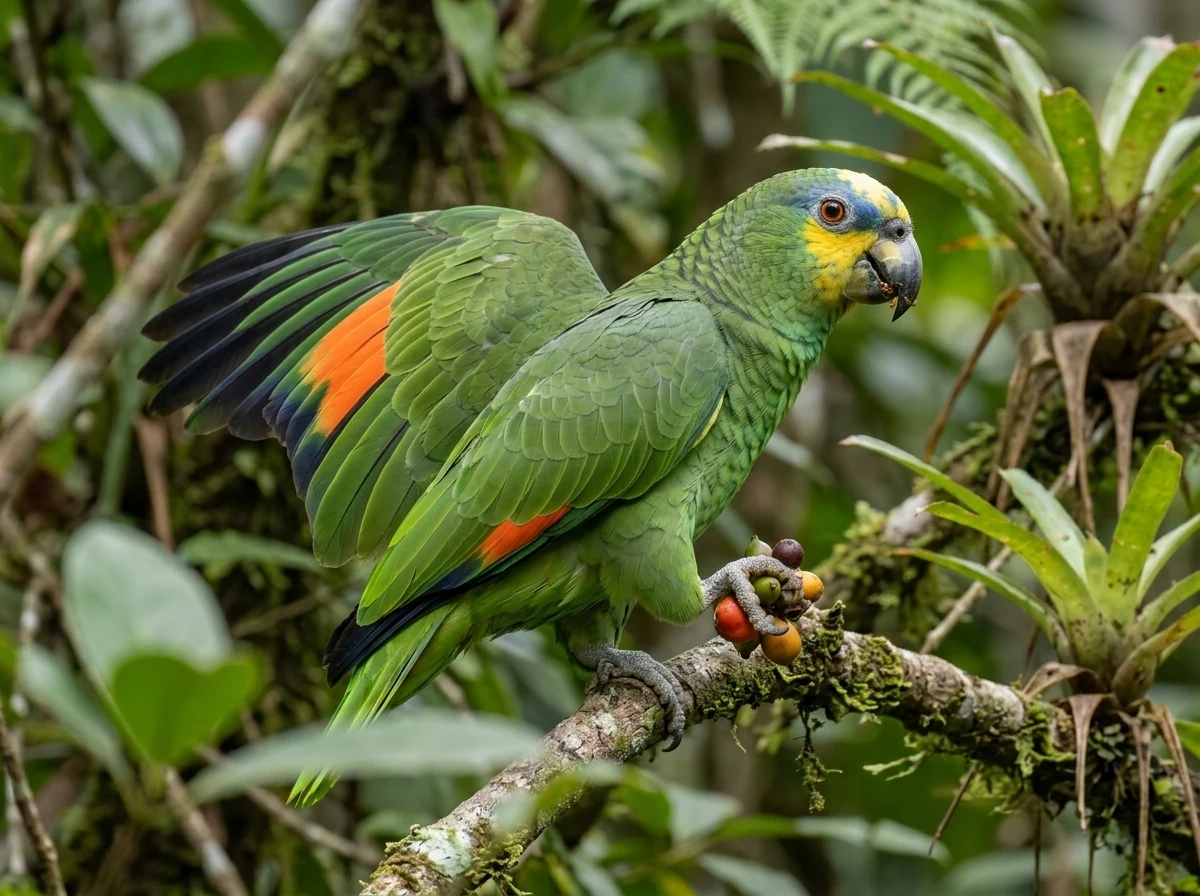
AIAI reconstruction created with Nano Banana 2 · 1K, grounded in the profile’s documented taxonomy, habitat, natural-history sources, and an open-license visual reference when available. It is an interpretive image, not documentary evidence. Image policy →
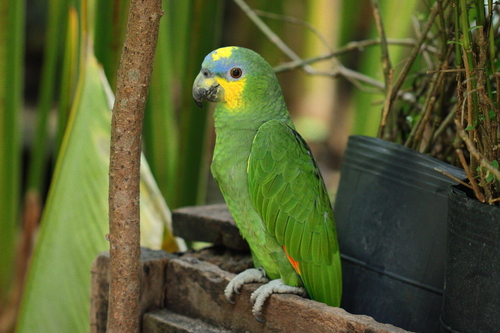
Orange-winged Amazon
Cotorra Alianaranjada
Amazona amazonica
The orange-winged amazon (Amazona amazonica), also known as orange-winged parrot and loro guaro, is a large amazon parrot. It is a resident breeding bird in tropical South America, from Colombia, Trinidad and Tobago south to Peru, Bolivia and central Brazil. Its habitat is forest and semi-open country. Although common, it is persecuted as an agricultural pest and by capture for the pet trade (over 66,000 captured from 1981 to 1985). It is also hunted as a food source. Introduced breeding populations have been reported in Puerto Rico and Tenerife in the Canary Islands.
Sound archive
Hear its voice
Explore real songs and calls. The spectrogram turns each sound into a visual trace of time and frequency.

Play: flight call by JAYRSON ARAUJO DE OLIVEIRA
Choose another recording
Sound recorded by JAYRSON ARAUJO DE OLIVEIRA · XC974647 · CC BY-NC-SA 4.0. Visualization by Stichting Xeno-canto voor Natuurgeluiden.
Every recording retains the creator, catalogue number, and license published by Xeno-canto. Metadata via GBIF ↗
Island profile
About the Orange-winged Amazon
This atlas includes Orange-winged Amazon (Amazona amazonica) with atlas status “Introduced” within scope “Avibase inferred core 380.” Global trait data associate it primarily with forest; consult the linked records to resolve its Puerto Rico habitat use.
Conservation
Least Concern
IUCN LC
- Global IUCN
- LC
- Puerto Rico DNER
- No current listing in source crosswalk
- Federal ESA
- No current listing in source crosswalk
- Critical habitat
- Not identified in source crosswalk
Natural history
How it lives
- Habitat
- forests
- Elevation
- 0–600 m
- Nest
- Tree cavity · Tree
- Clutch
- 2–5 eggs
- Social behavior
- Social / flocking
Keep exploring
This bird belongs to 5 paths through the atlas.
Guides featuring this bird
Follow this record beyond the profile.
Identification, sound, place, and explanatory guides connecting this species to larger questions.
Related in the atlas
Where to fly next
Connected by taxonomy, habitat, occurrence, and conservation.
 AI
AI AI
AI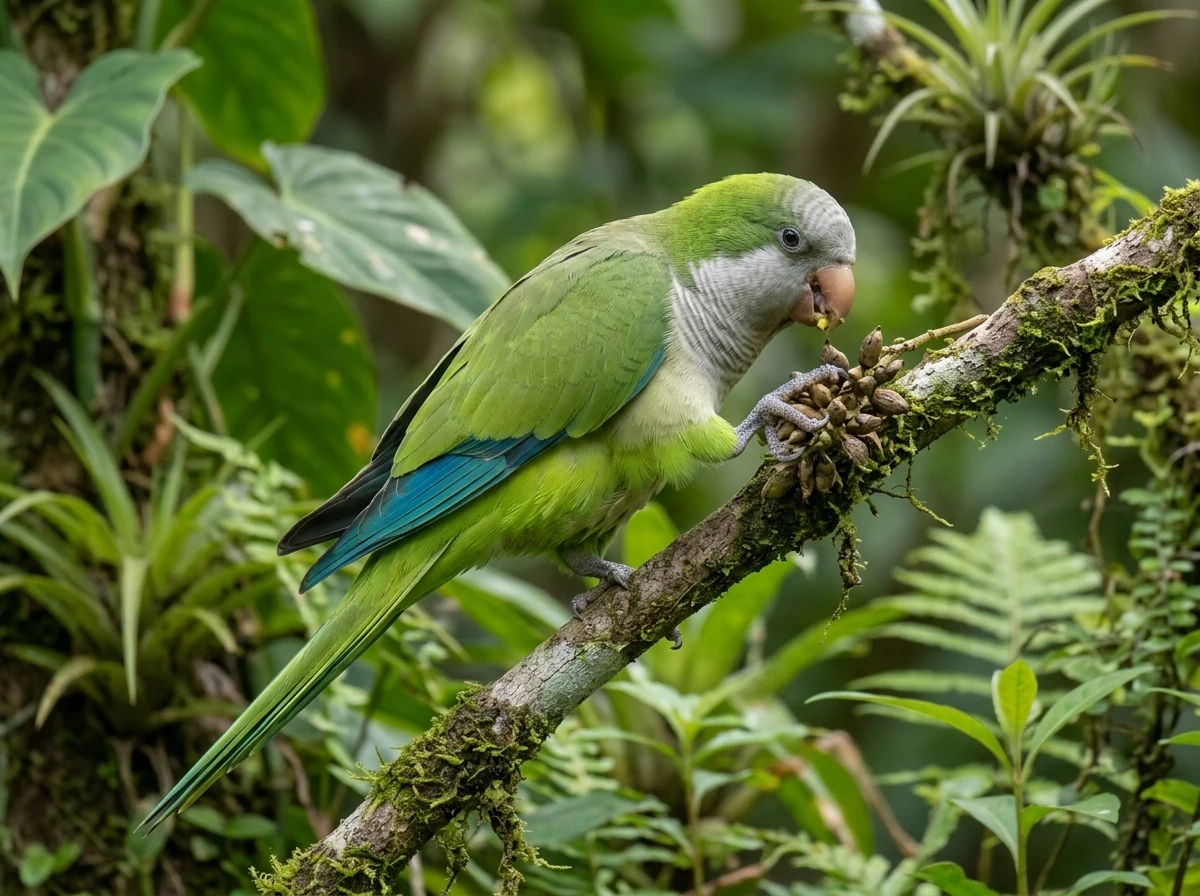 AI
AI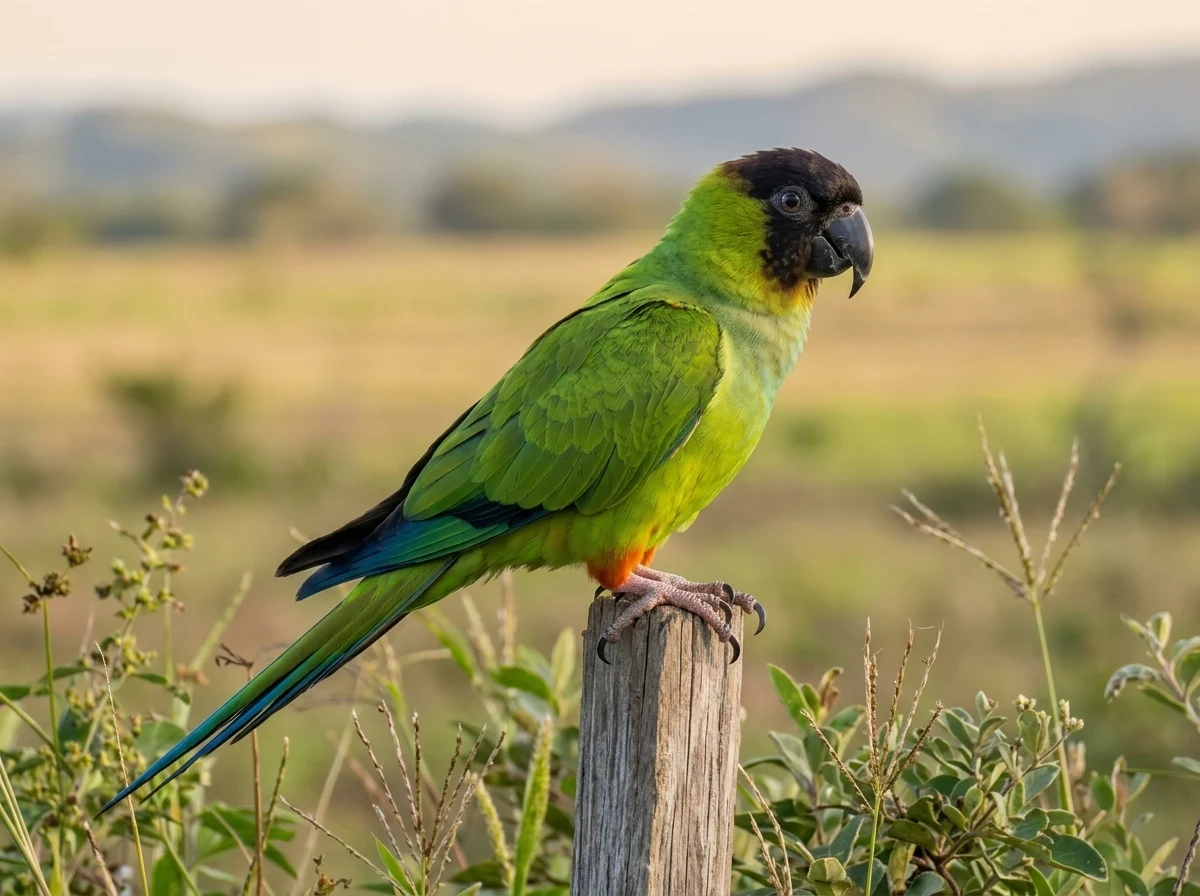 AI
AI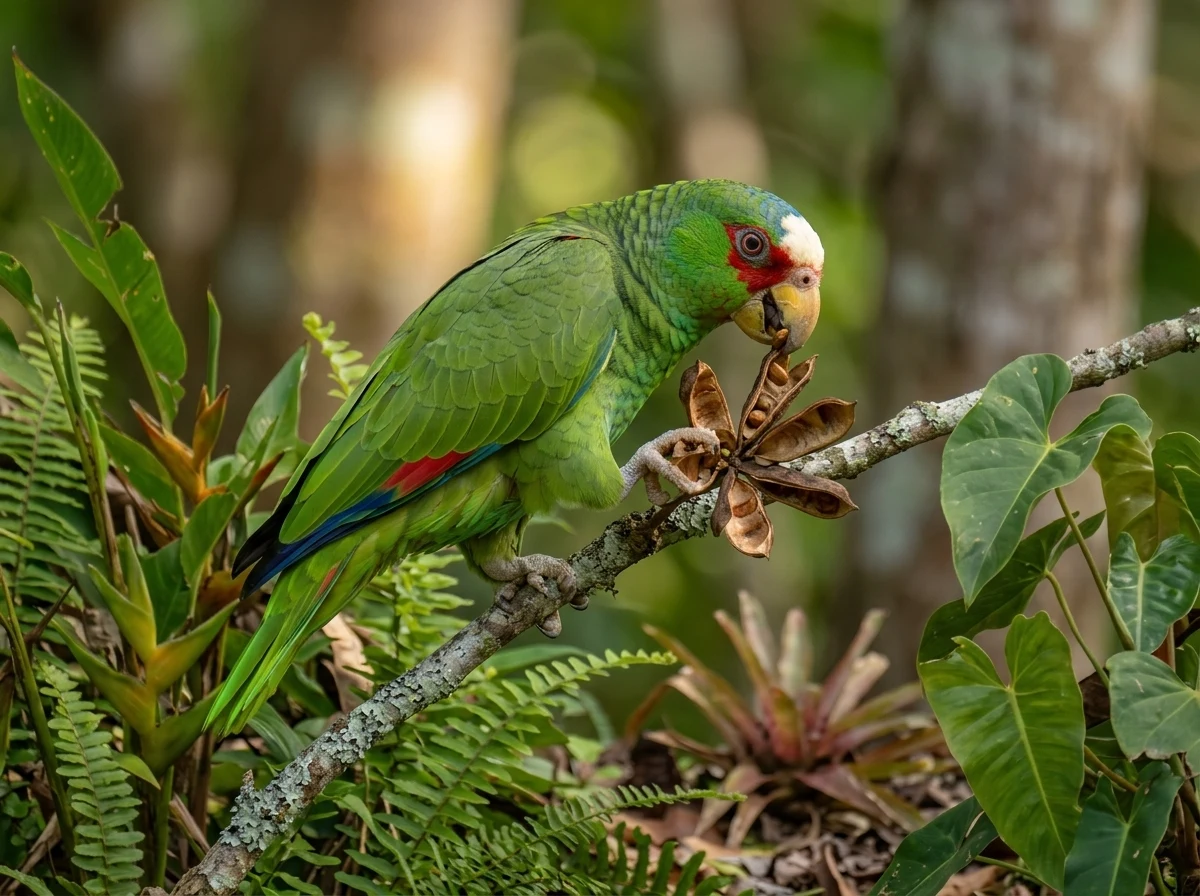 AI
AI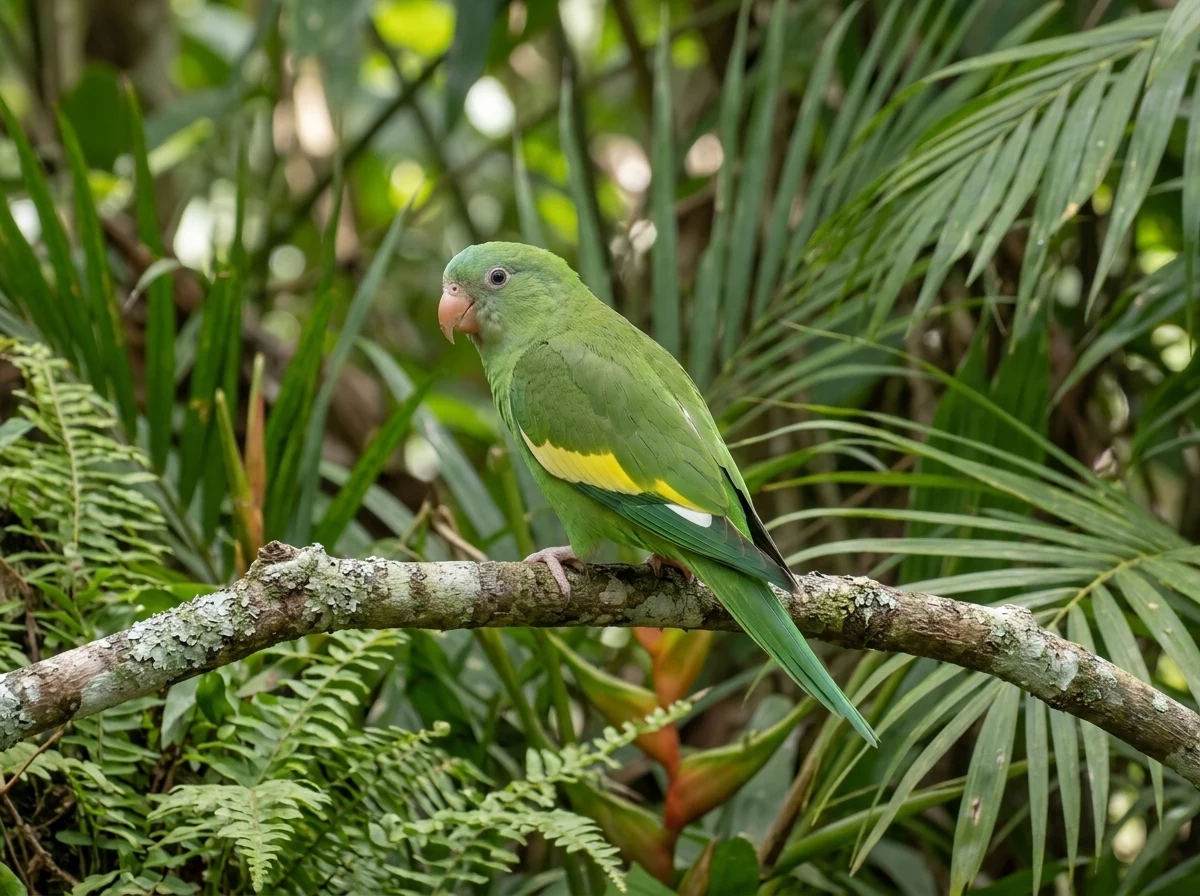 AI
AI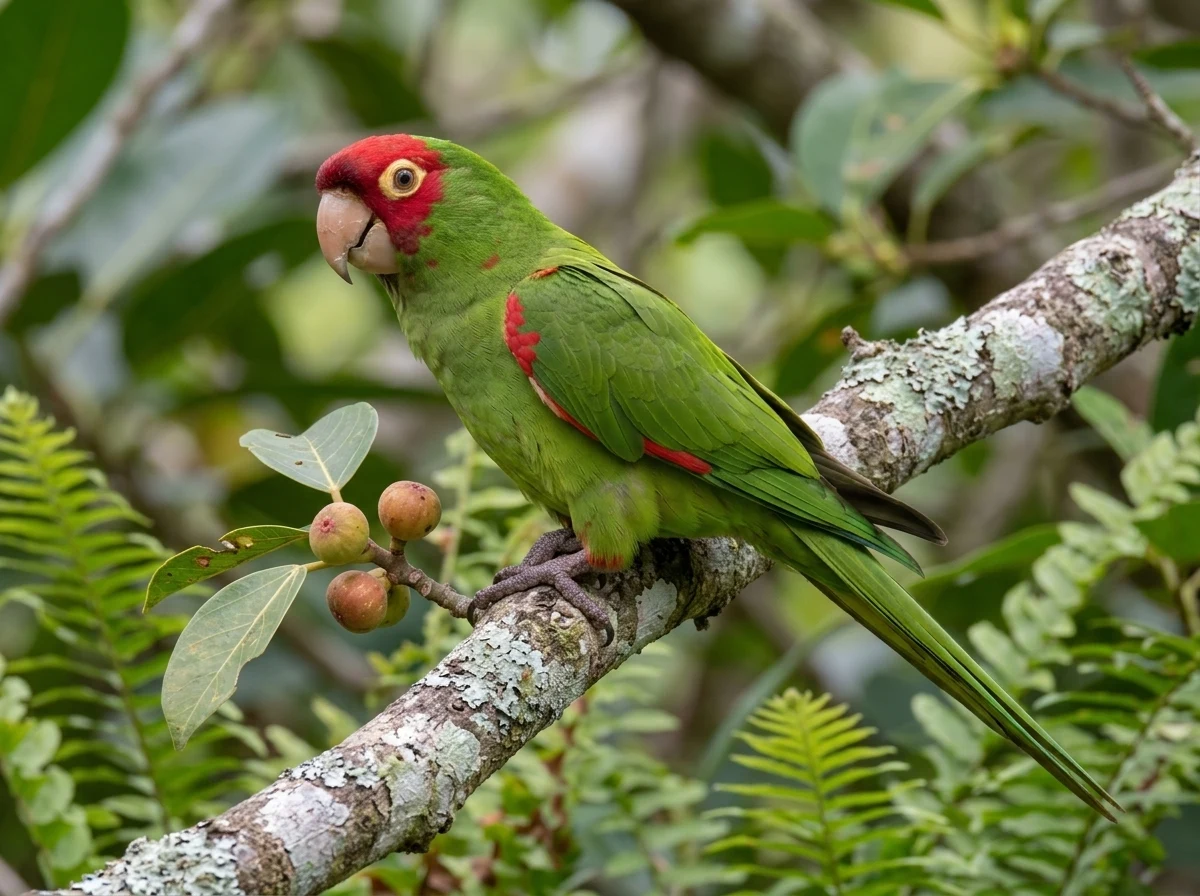

Evidence trail