 AI
AIGreen is not enough
Parrots and parakeets
A green urban flock is not automatically Iguaca; identity, origin, and status are different questions.
Reviewed:Identify first; interpret origin second.
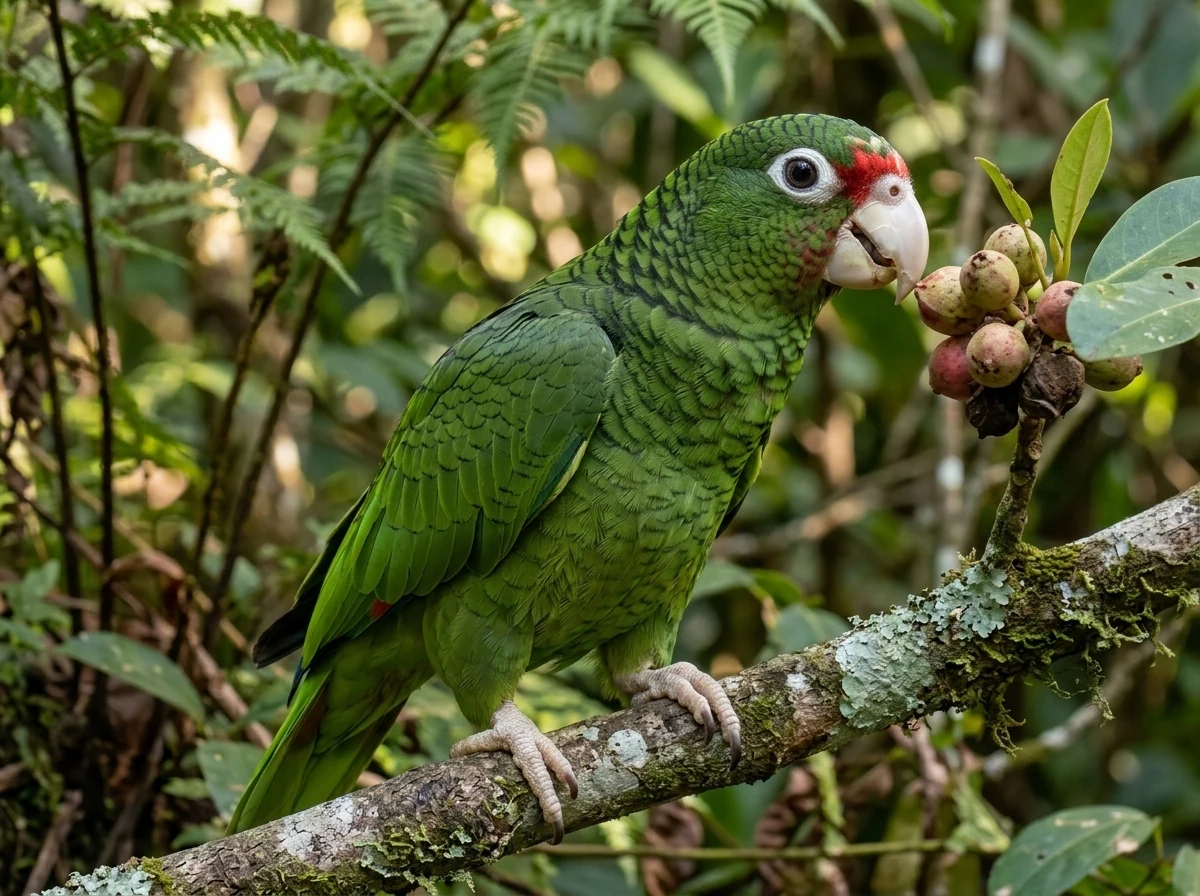
Puerto Rican Parrot is the only native and endemic parrot, but pet species have escaped or formed local populations.
Inspect tail, head proportion, forehead, wings, underparts, and flight; record municipality, time, flock, and direction without replacing field marks with range.
Green is not enough
The guide at a glance
8linked profilesA focused selection connects the guide with verifiable species.
3reading lensesContext, identification, and practical decisions organized by topic.
4primary sourcesAgencies, research, and ornithological organizations support the content.
01
Iguaca: a precise identity
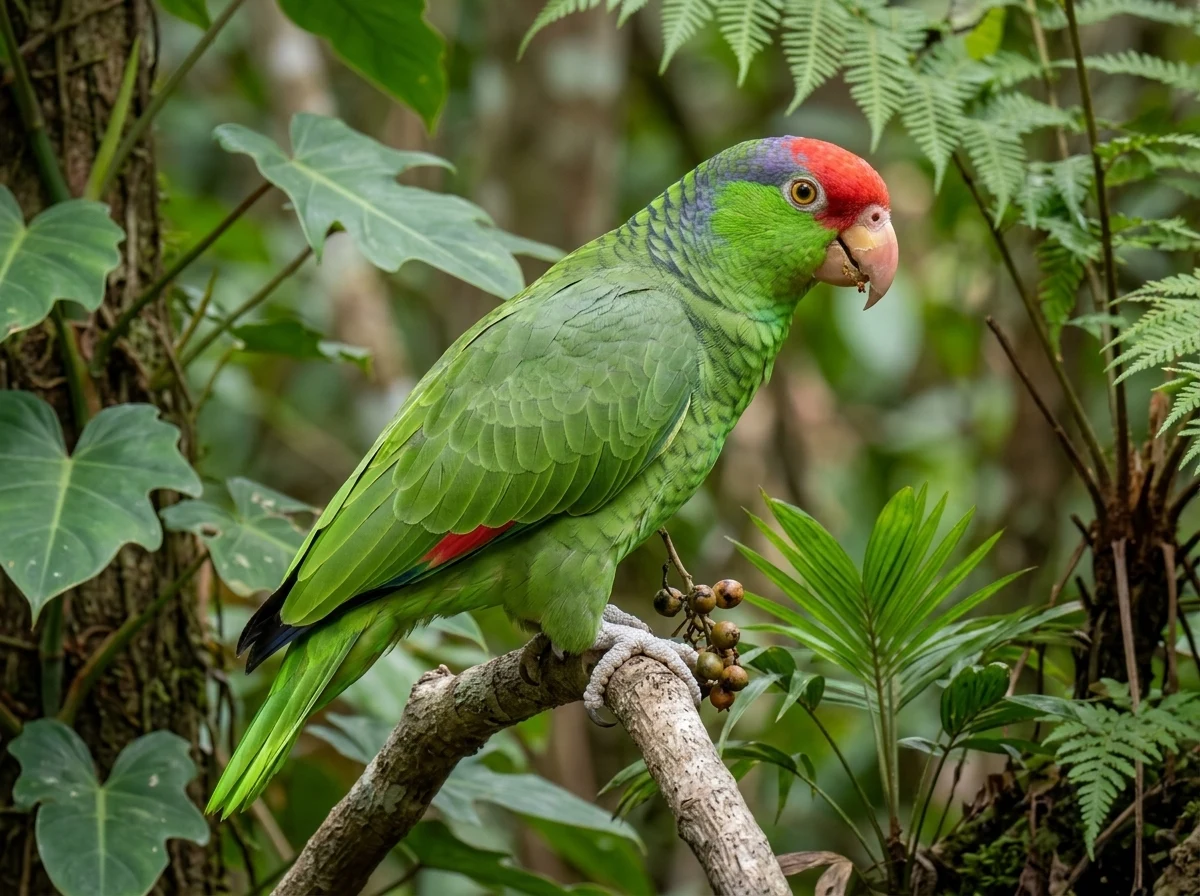
Green body, red forehead, blue in the wing, and short tail distinguish Amazona vittata. Wild populations are managed at El Yunque, Río Abajo, and Maricao.
Antennas or marks belong to monitoring. Record number, direction, and mark without attracting, feeding, touching, or following birds toward nests.
02
Urban parakeets and escapes
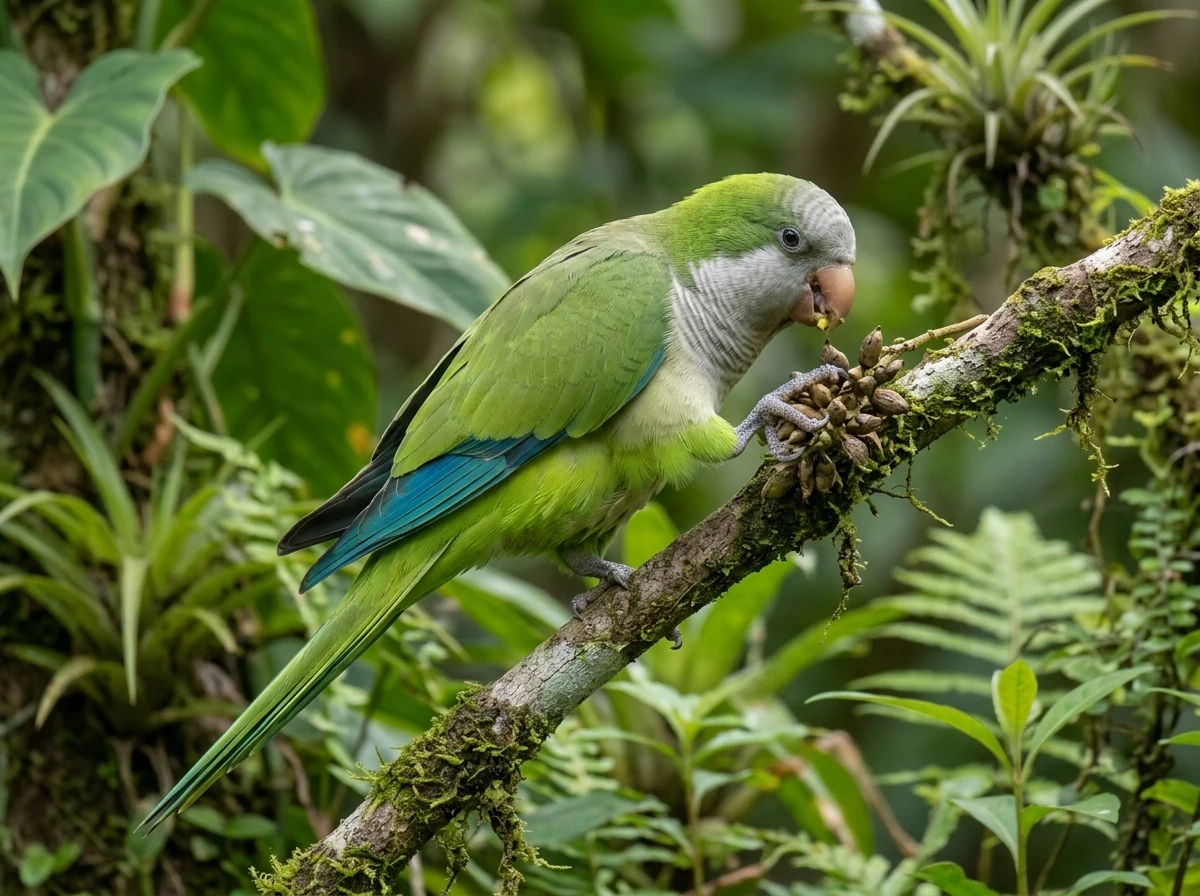
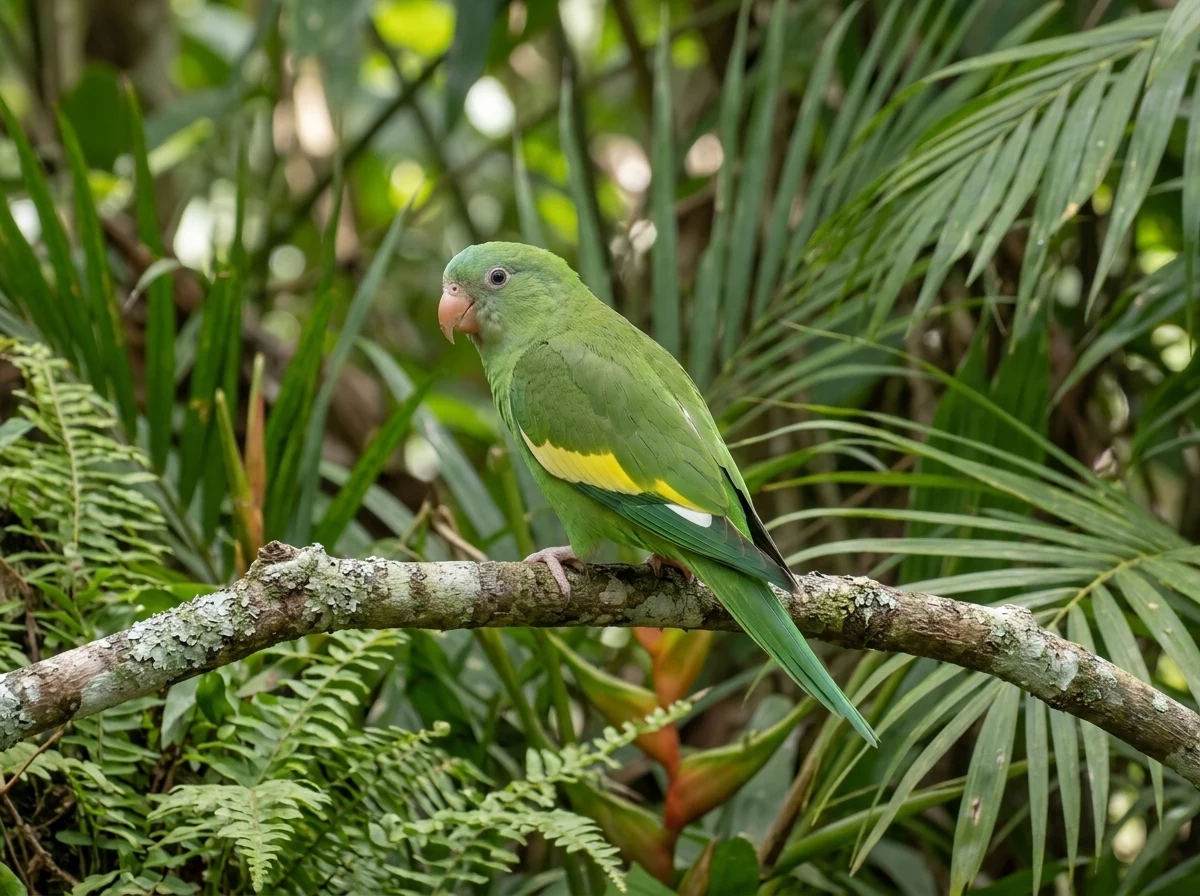
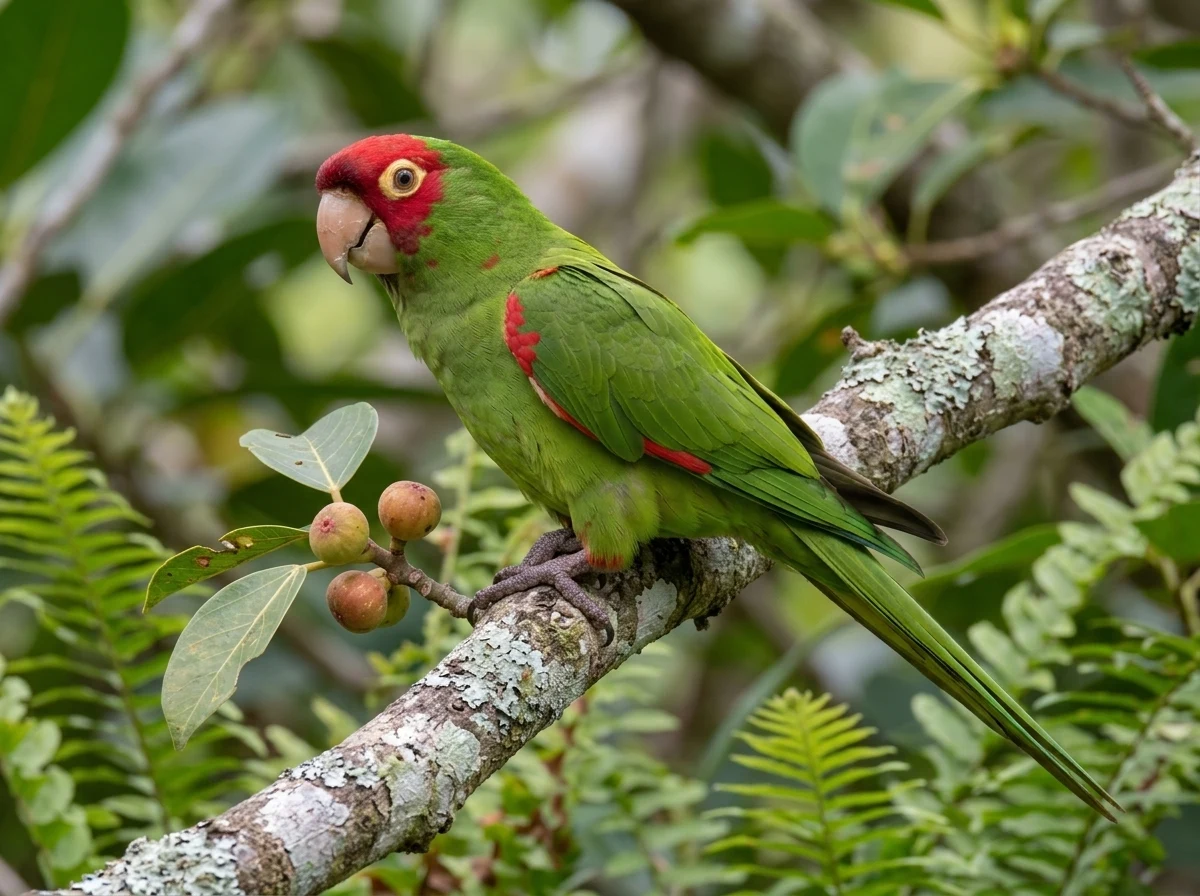
Monk Parakeet builds communal stick nests; other parakeets show long tails and different faces. “Reported” does not mean frequent, breeding, or established.
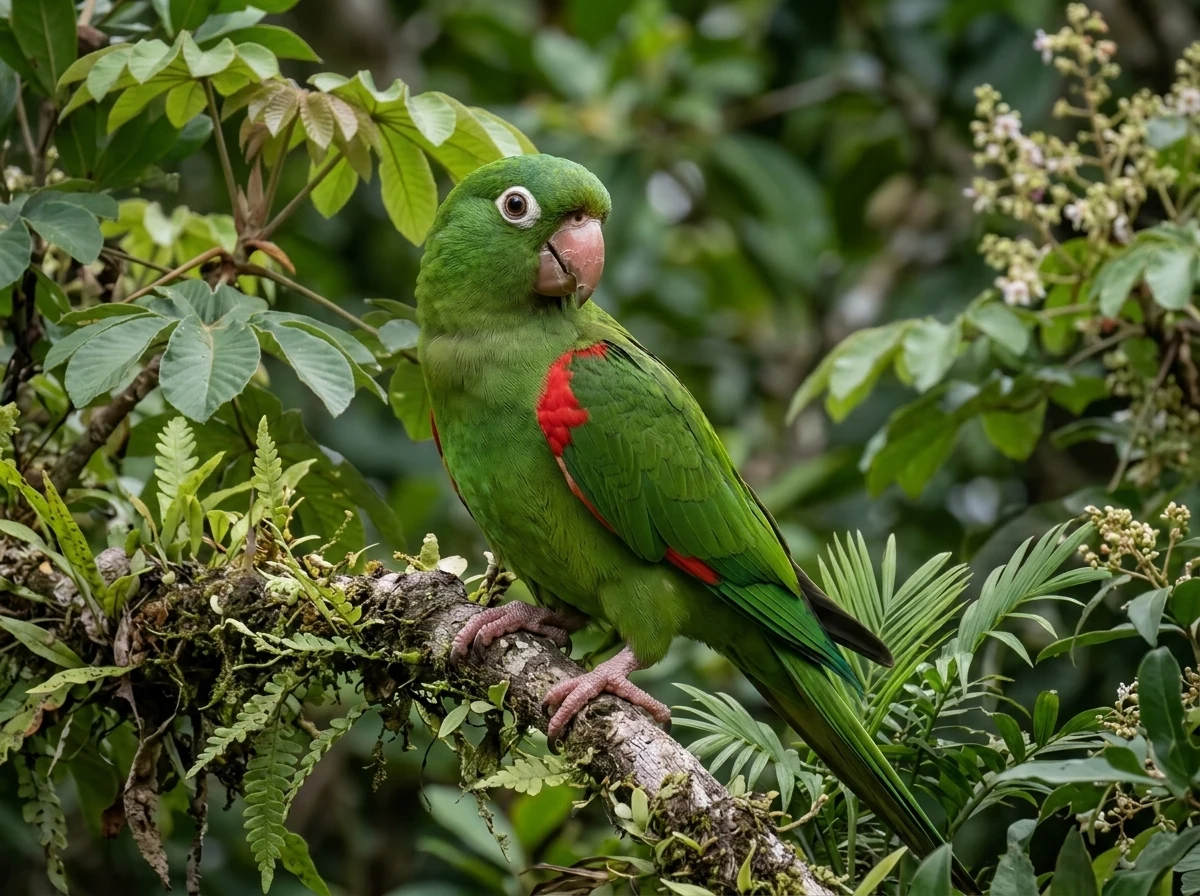
Photograph head, tail, and underwing and preserve audio. One escape does not prove a population: documentation, breeding, and persistence are different evidence.
Linked profiles
Birds to compare
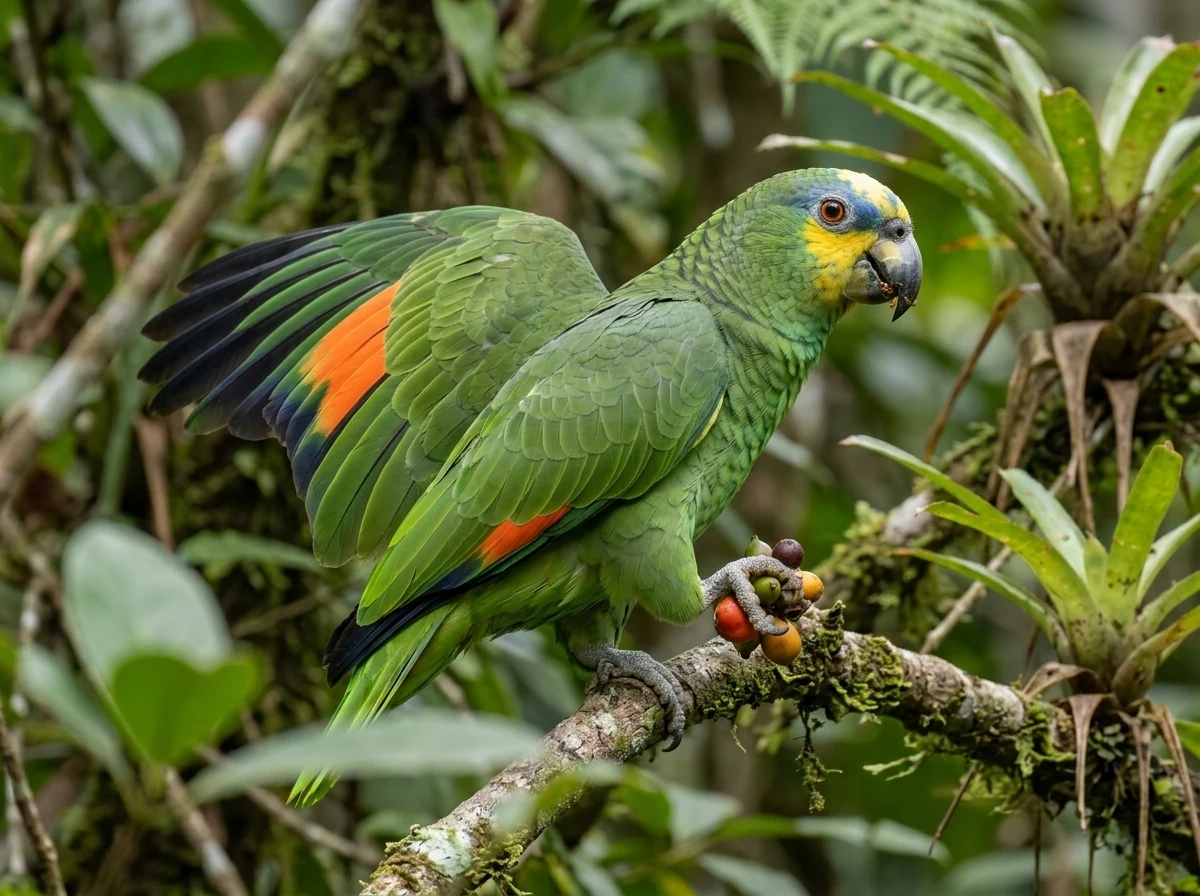
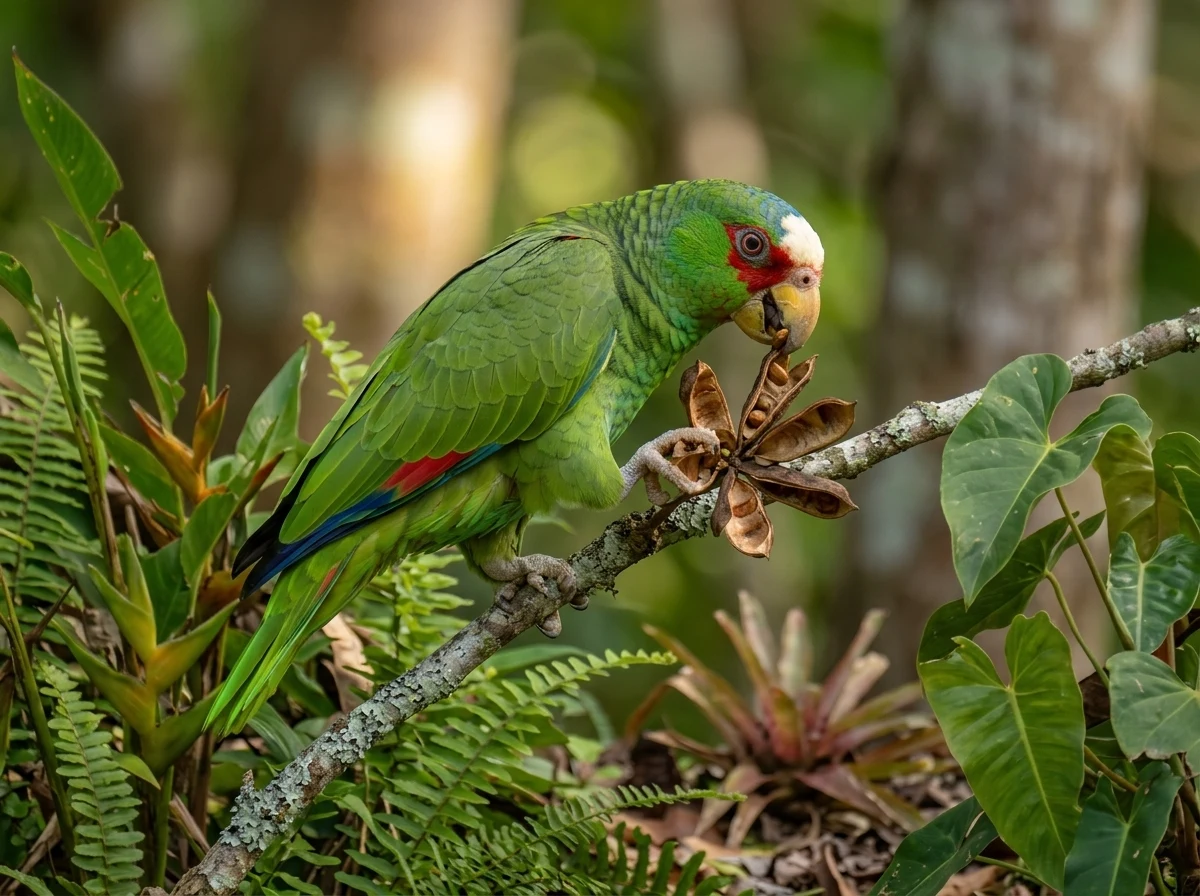
Open each profile to review names, marks, audio, habitat, status, and sources.
01
Is every green parrot Puerto Rican?
No. Confirm tail, face, wings, voice, place, and documented status.
02
Where does Puerto Rican Parrot live?
The program manages populations at El Yunque, Río Abajo, and Maricao; access and viewing change with management.
03
How do I verify an identification or claim?
Compare more than one mark, check date and place, open the linked profile, and consult the sources published at the end of the guide.
Keep exploring
Connected routes
Sources and review
The evidence is one link away.
These sources support the editorial scope of this guide. Bird profiles also retain their own taxonomy, occurrence, and conservation references.
Reviewed:
01↗02↗03↗04↗
U.S. Fish and Wildlife Service
Puerto Rican Parrot recovery
Populations, management, and goals of the interagency program.U.S. Fish and Wildlife Service
Puerto Rican Parrot recovery information
Current recovery context and the populations at Río Abajo and El Yunque.Sociedad Ornitológica Puertorriqueña
Official bird list
Local names, occurrence categories, and the public summary of 17 endemics.U.S. Forest Service Research and Development
Puerto Rico Breeding Bird Atlas
Distribution and breeding timing for 130 species breeding in Puerto Rico and its satellite islands.The atlas continues