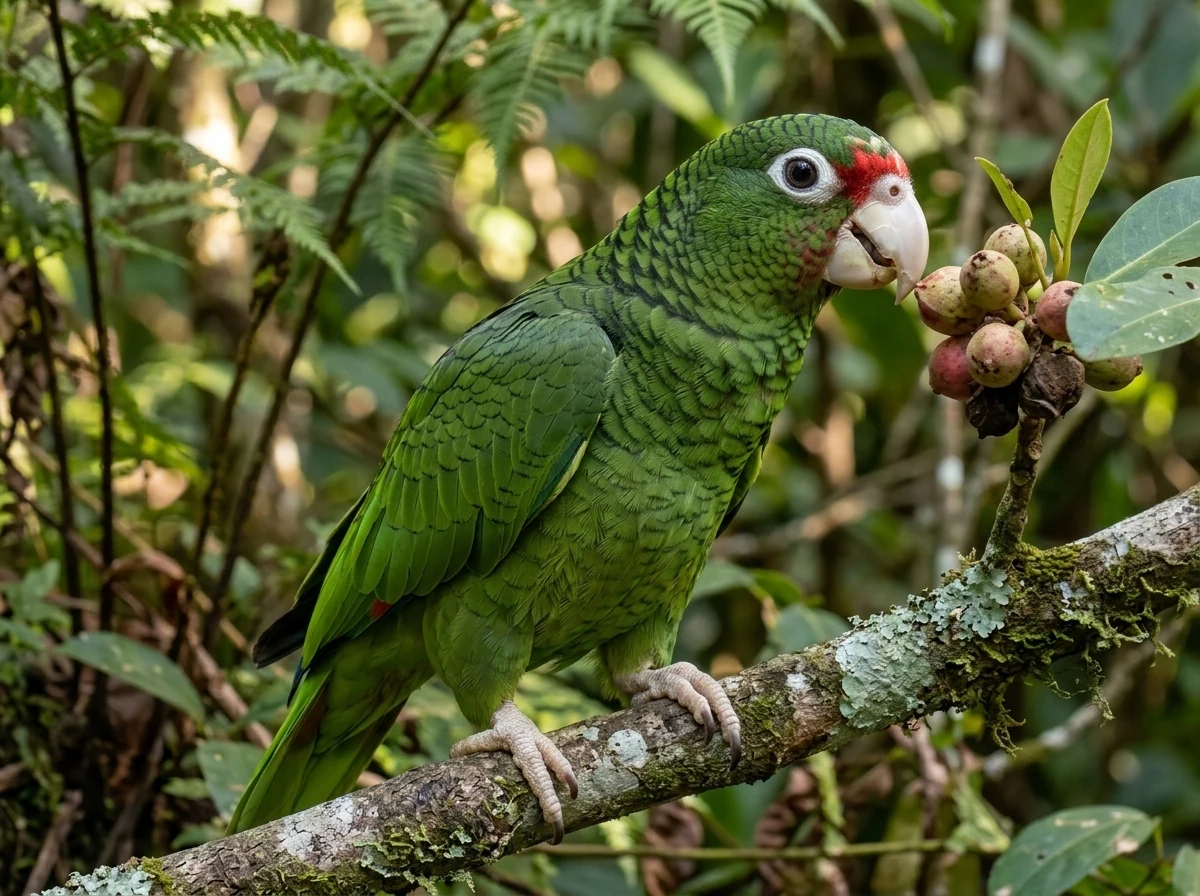
 AI
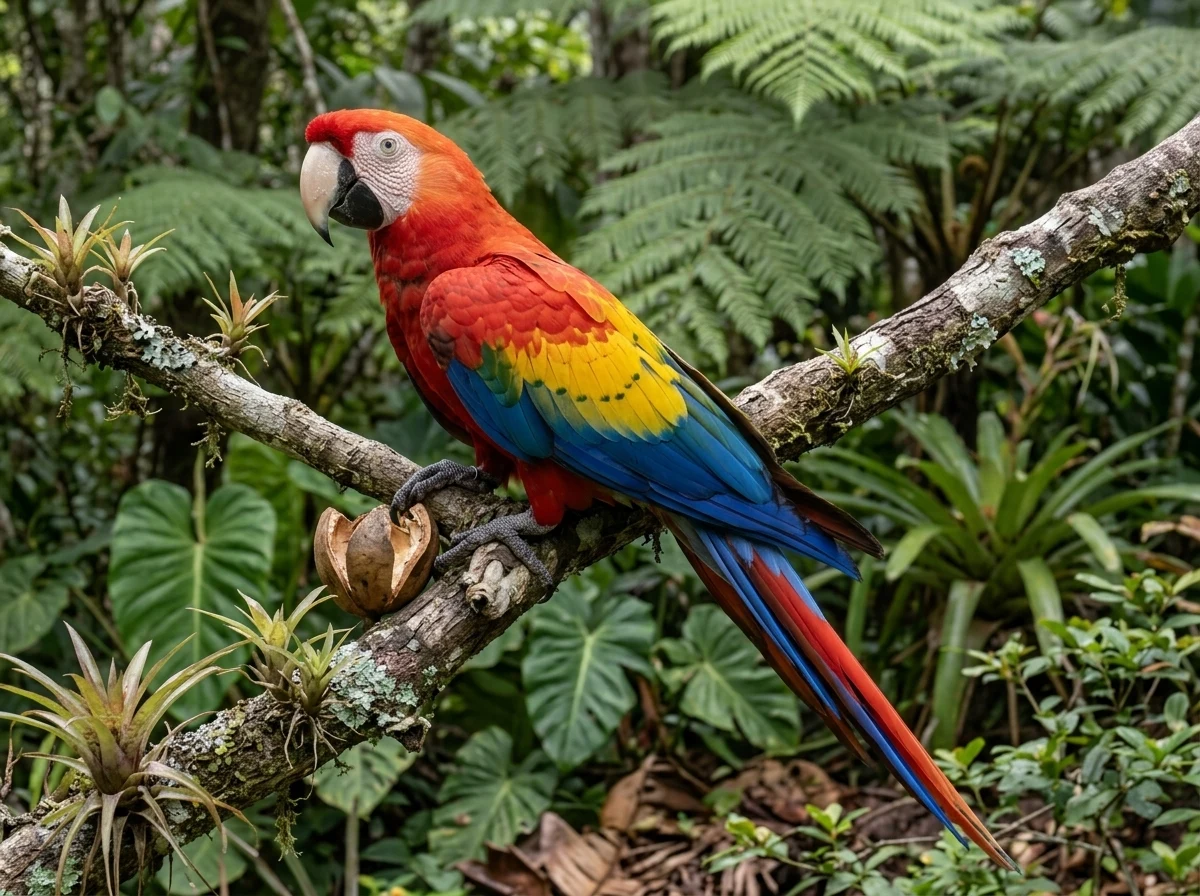
AIAI reconstruction created with Nano Banana 2 · 1K, grounded in the profile’s documented taxonomy, habitat, natural-history sources, and an open-license visual reference when available. It is an interpretive image, not documentary evidence. Image policy →

Puerto Rican Amazon
Cotorra Puertorriqueña
Amazona vittata
The Puerto Rican amazon (Amazona vittata), also known as the Puerto Rican parrot (Spanish: cotorra puertorriqueña) or iguaca (Taíno), is the only extant parrot endemic to the archipelago and island of Puerto Rico. Measuring 28–30 cm (11.0–11.8 in), the bird is a predominantly green parrot with a red forehead and white rings around the eyes. Belonging to the Neotropical genus Amazona, its closest relatives are believed to be the Cuban amazon (Amazona leucocephala) and the Hispaniolan amazon (Amazona ventralis). The Puerto Rican amazon reaches sexual maturity at between three and four years of age. It reproduces once a year and is a cavity nester. Once the female lays eggs she will remain in the nest and continuously incubate them until hatching. The chicks are fed by both parents and will fledge 60 to 65 days after hatching. This parrot's diet is varied and consists of flowers, fruits, leaves, bark and nectar obtained from the forest canopy. The species is the only remaining native parrot to Puerto Rico and has been listed as critically endangered by the World Conservation Union since 1994. Once widespread and abundant, the population declined drastically in the 19th and early 20th centuries with the removal of most of its native habitat; the species has completely vanished from Vieques and Mona Island. Conservation efforts commenced in 1968 to save the bird from extinction.
Island profile
About the Puerto Rican Amazon
This atlas includes Puerto Rican Amazon (Amazona vittata) with atlas status “Puerto Rico endemic” within scope “Avibase inferred core 380.” Puerto Rico context sources associate it with Montane wet forest; karst forest; recovery aviary and reintroduction landscapes; Historical dry forest/woodland on Culebra.
Conservation
Critically Endangered
IUCN CR; DNER CR; ESA Endangered
- Global IUCN
- CR
- Puerto Rico DNER
- CR
- Federal ESA
- Endangered
- Critical habitat
- No in cited 2026 table
Natural history
How it lives
- Habitat
- Montane wet forest; karst forest; recovery aviary and reintroduction landscapes; Historical dry forest/woodland on Culebra
- Elevation
- 200–600 m
- Nest
- Tree cavity · Rock; Tree
- Clutch
- 2–4 eggs
- Social behavior
- Not resolved
For kids and families
Turn this bird into your own artwork
Download a clean, print-ready coloring page, learn one quick fact, and color this Puerto Rico bird.
Keep exploring
This bird belongs to 12 paths through the atlas.
Guides featuring this bird
Follow this record beyond the profile.
Identification, sound, place, and explanatory guides connecting this species to larger questions.
See all related guides (35)
- Family Tree: Endemic vs. Introduced
- Conservation Debate: Cats and Birds
- Birding Etiquette and Ethics: Role Play
- Timeline: Extinct and Endangered Birds
- What is the national bird of Puerto Rico?
- Are there macaws in Puerto Rico?
- Where to see the Puerto Rican Parrot today
- 17, 18, or 19?
- The Hispaniolan Parrot in Puerto Rico
- Pearly-eyed Thrasher vs. Red-legged Thrush: Puerto Rico's two 'zorzales'
- Birds of El Yunque
- Parrots and parakeets
- Birds of the karst
- Nesting calendar
- Birds in Puerto Rican culture
- Hurricanes and birds
- Plan your birding trip
- Parrot vs. parakeet: the difference
- Red-tailed Hawk in Puerto Rico
- Cats and Birds in Puerto Rico: Impact and Solutions
- Birds of Río Abajo
- Puerto Rican names
- Puerto Rico in three days
- How to Help Puerto Rico Birds Through Citizen Science
- Birds of Maricao
- Puerto Rico in seven days
- Laws That Protect Birds in Puerto Rico
- Blue birds
- School project on Puerto Rico birds
- Lesson plan on Puerto Rico birds
- Green birds
- Puerto Rico birds: pictures and names
- Fun facts about Puerto Rico birds for kids
- Endangered Birds of Puerto Rico: The Complete List
- Endemic birds
Related in the atlas
Where to fly next
Connected by taxonomy, habitat, occurrence, and conservation.
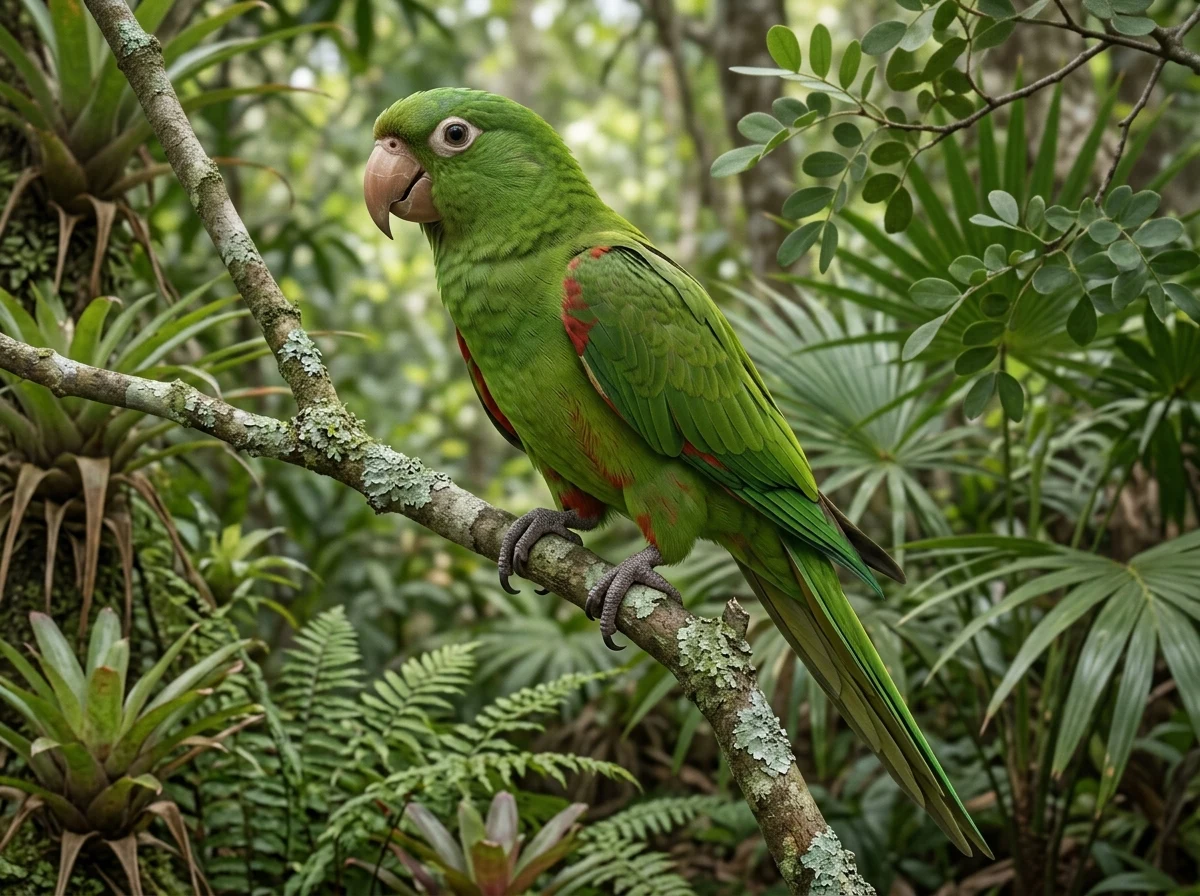 AI
AI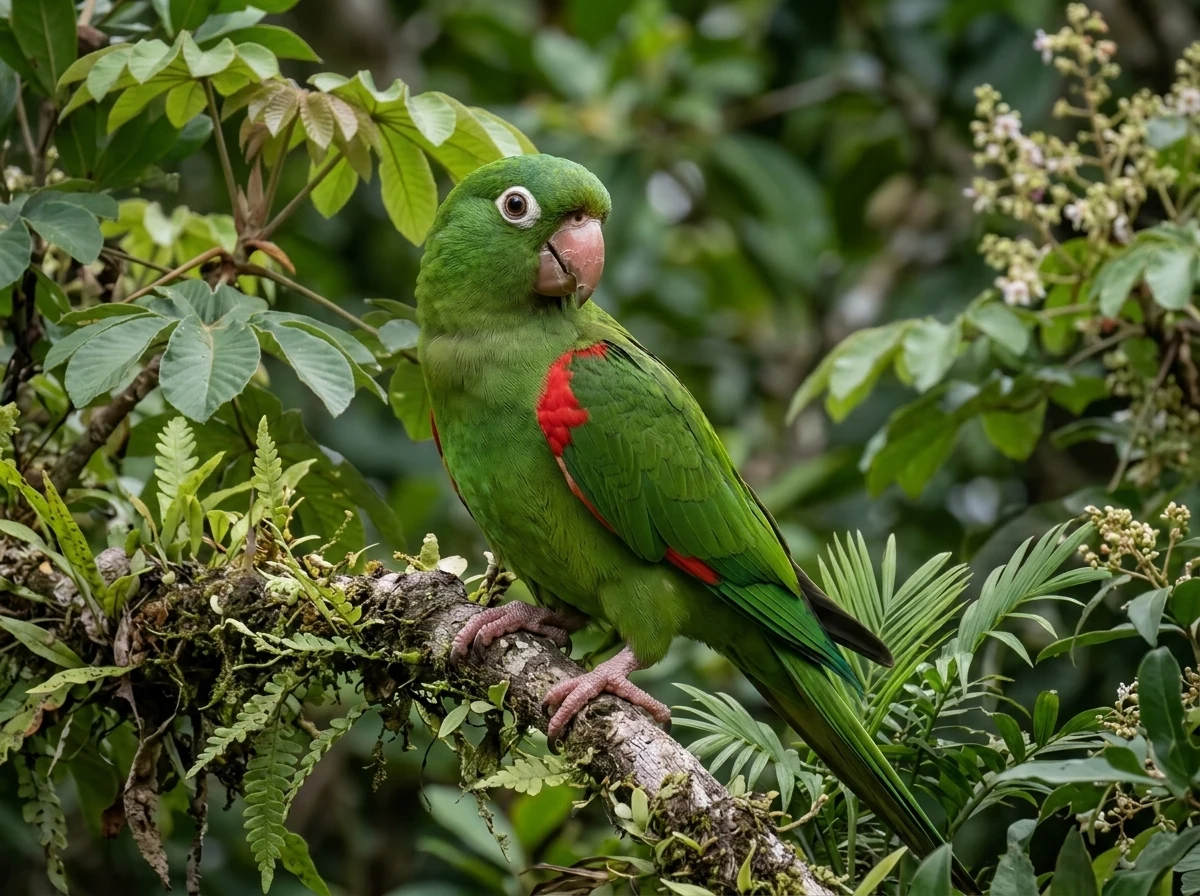 AI
AI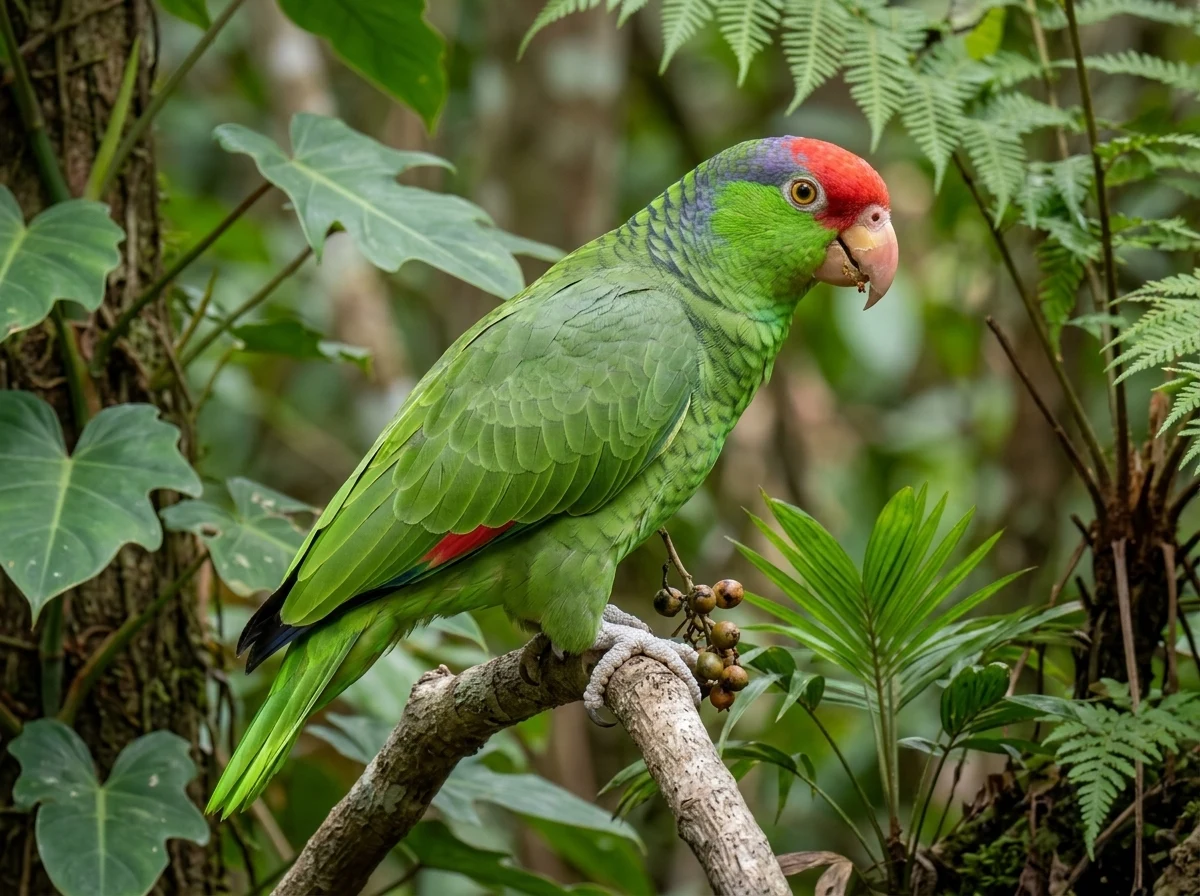 AI
AI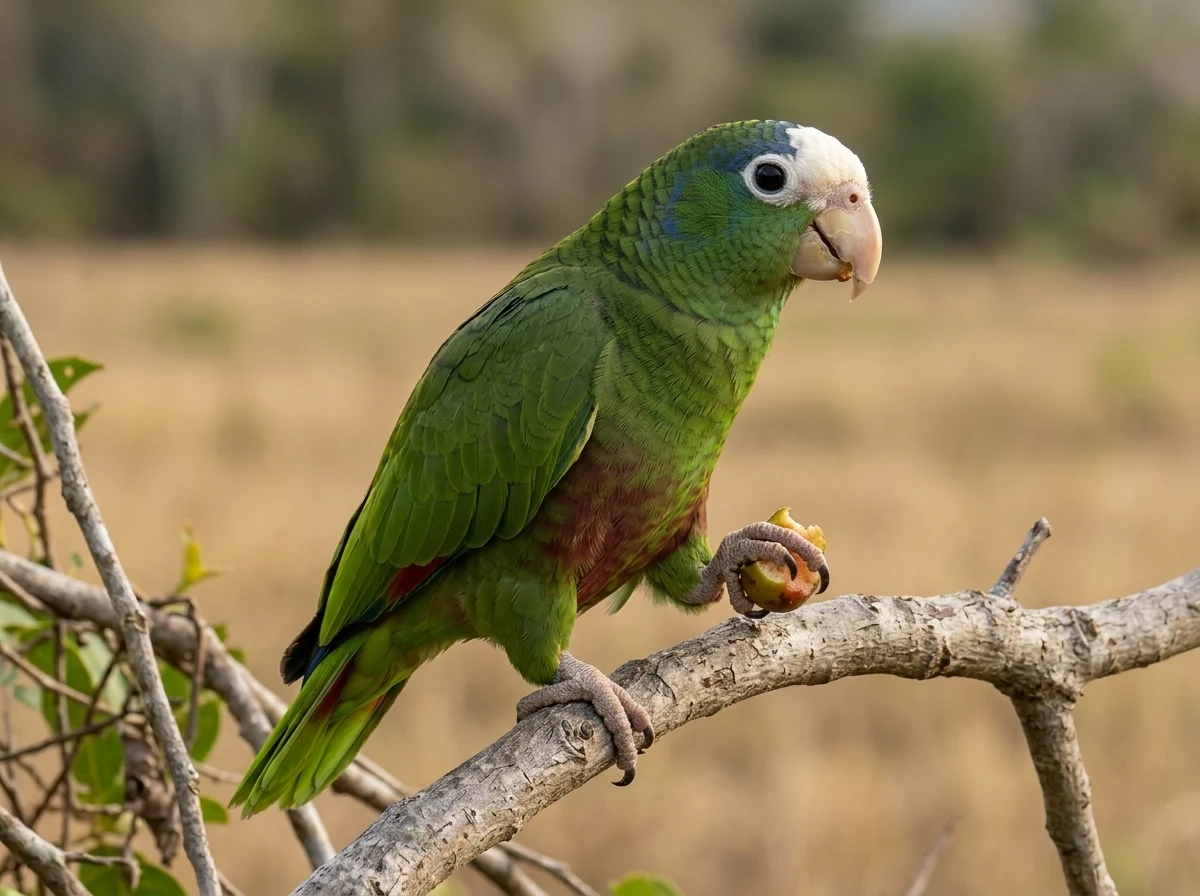 AI
AI AI
AI AI
AI
Evidence trail
Sources, media & further reading
Research note: The extinct Culebra Island subspecies A. v. gracilipes is not a separate species row.