 AI
AILearning guides
Beaks and Diets: A Matching Game
Cut-out cards of beaks and diets with examples of Puerto Rico birds.
Reviewed: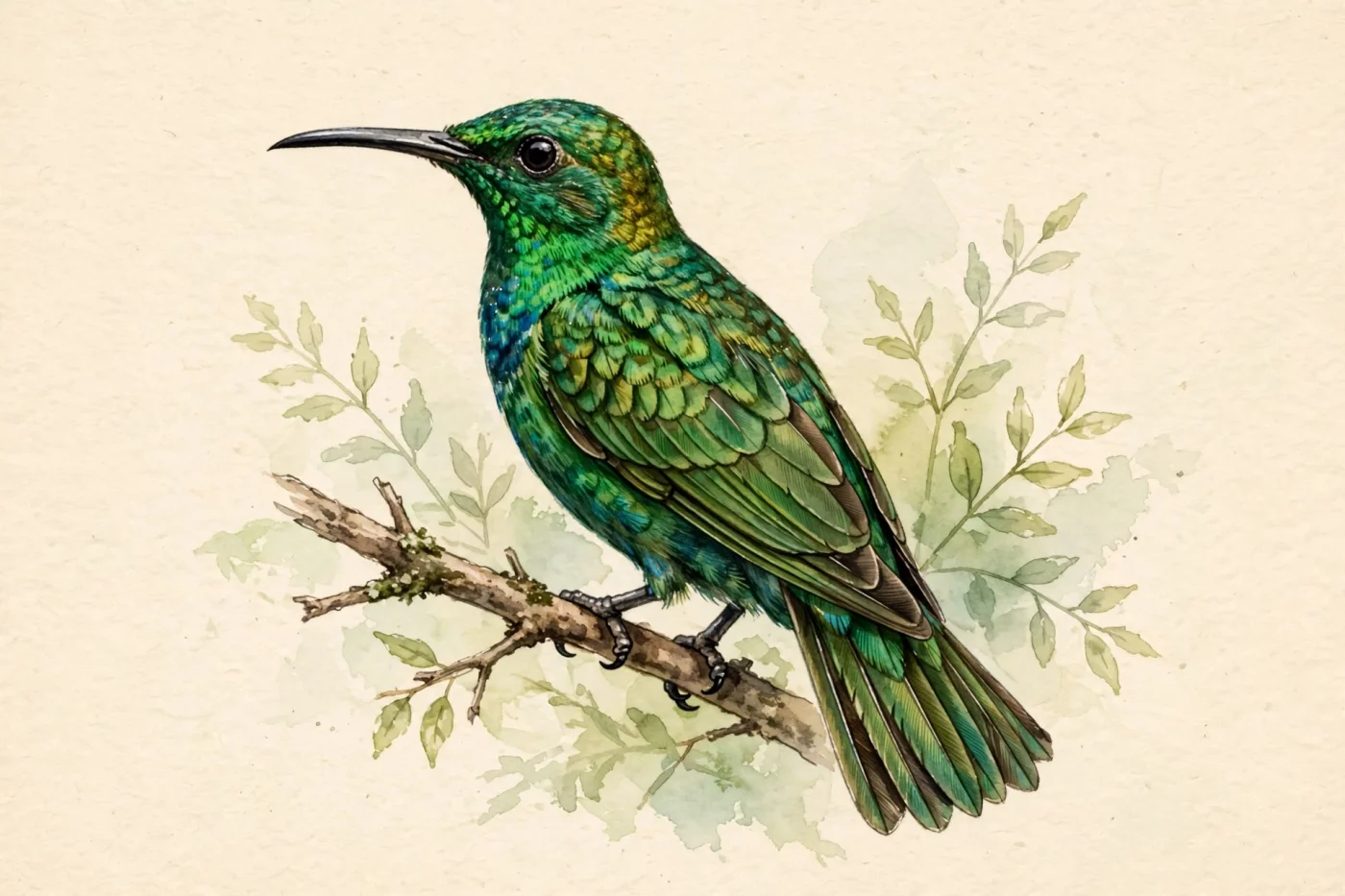
Prepared with AI assistance and linked sources. Illustrations are not field photographs.
Why beak shape tells a story
A bird's beak is a tool. Its shape, length and curvature reflect how the bird captures and processes food. In Puerto Rico, this relationship is seen in birds as different as the Green Mango, the Puerto Rican Tody, the Brown Pelican, the Yellow-faced Grassquit and the Osprey.
This guide proposes a matching game: cards for beaks (curved, straight, hooked, conical) and cards for diets (nectar, insects, fruits, fish). The goal is to match each beak with the diet that best explains its shape, using published evidence about these species.
Learning guides
Three key takeaways
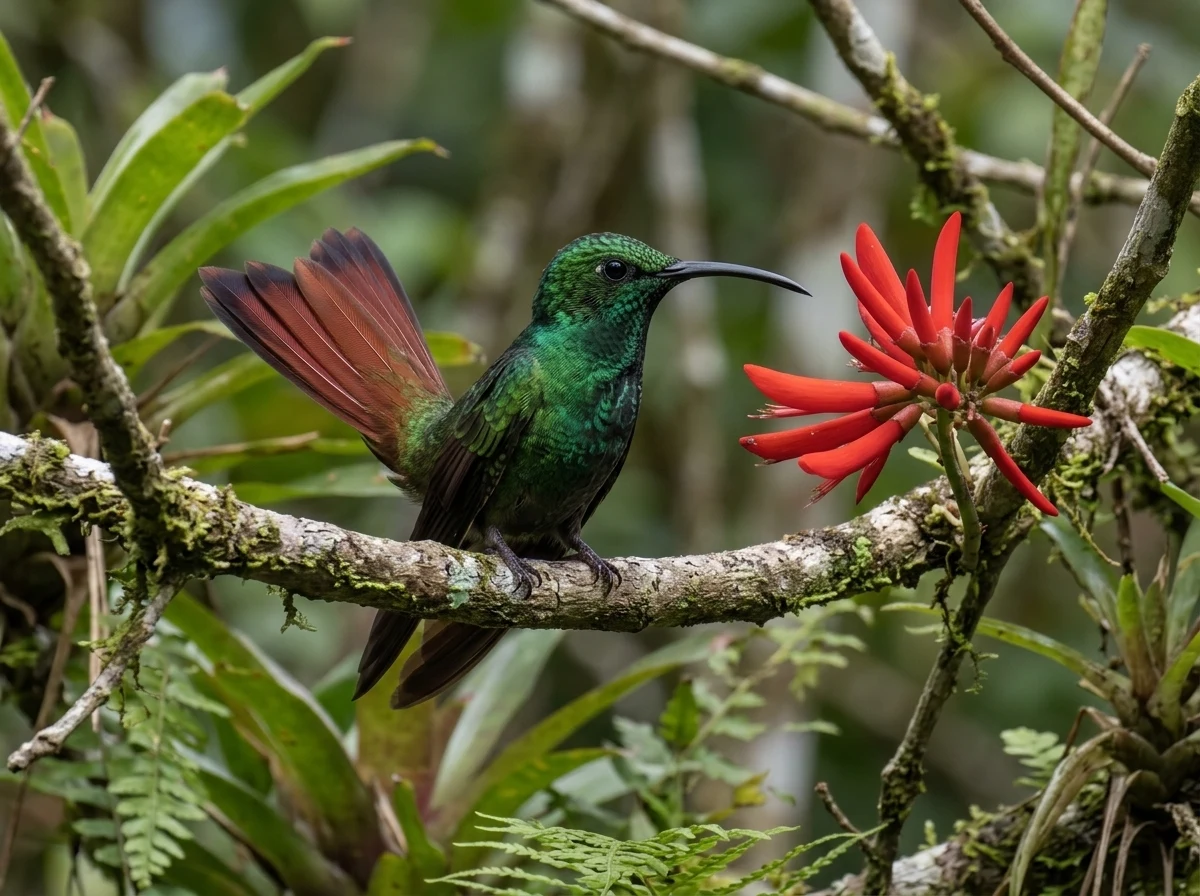
CurvoGreen Mango beakMangos have stout, slightly decurved bills suited to nectar.
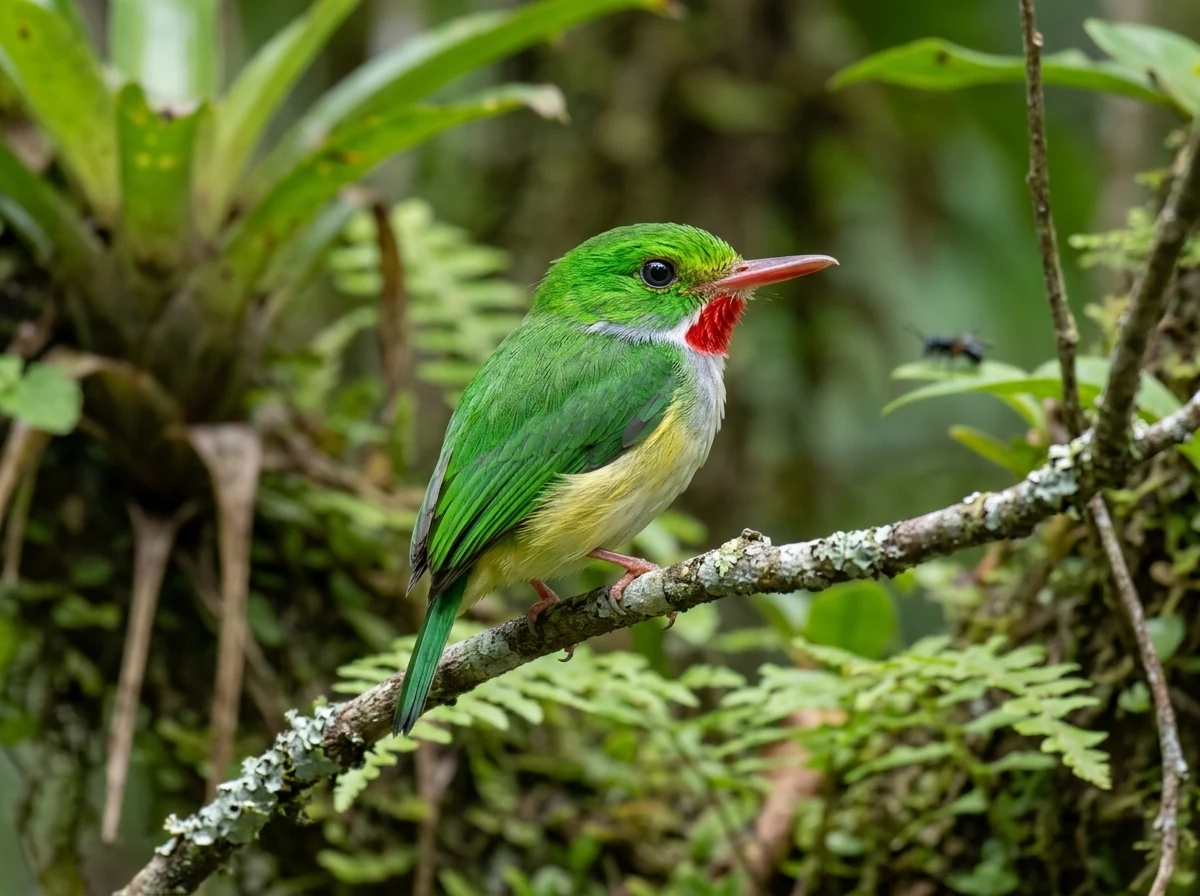
Largo y rectoPuerto Rican Tody beakThe Tody uses its long bill to pluck insects and spiders from leaf undersides.
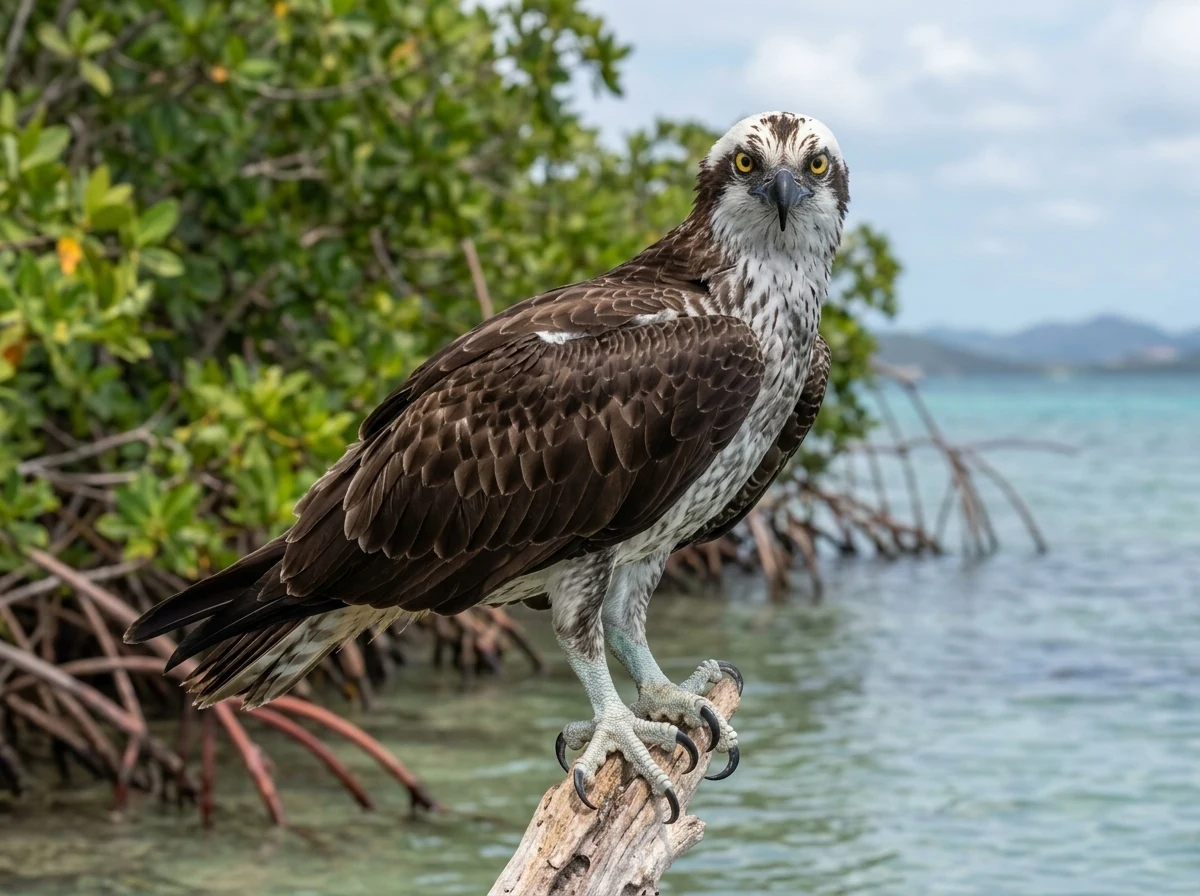
GanchudoOsprey beakThe Osprey feeds almost exclusively on fish, which it captures with its talons.
01
The beak as a tool: four shapes, four diets
Curved, slender beaks, like that of the Green Mango, allow insertion into flowers to extract nectar. Birds of the World describes mangos (Anthracothorax) as medium-sized hummingbirds with stout, slightly decurved bills. The Green Mango is endemic to Puerto Rico and feeds primarily on nectar.
Long, straight beaks, like that of the Puerto Rican Tody (Todus mexicanus), are used to pluck insects and spiders from the undersides of leaves. The Birds of the World account states that the Tody primarily eats insects and spiders, and also small Anolis lizards. Adults have been observed feeding fruits to nestlings.
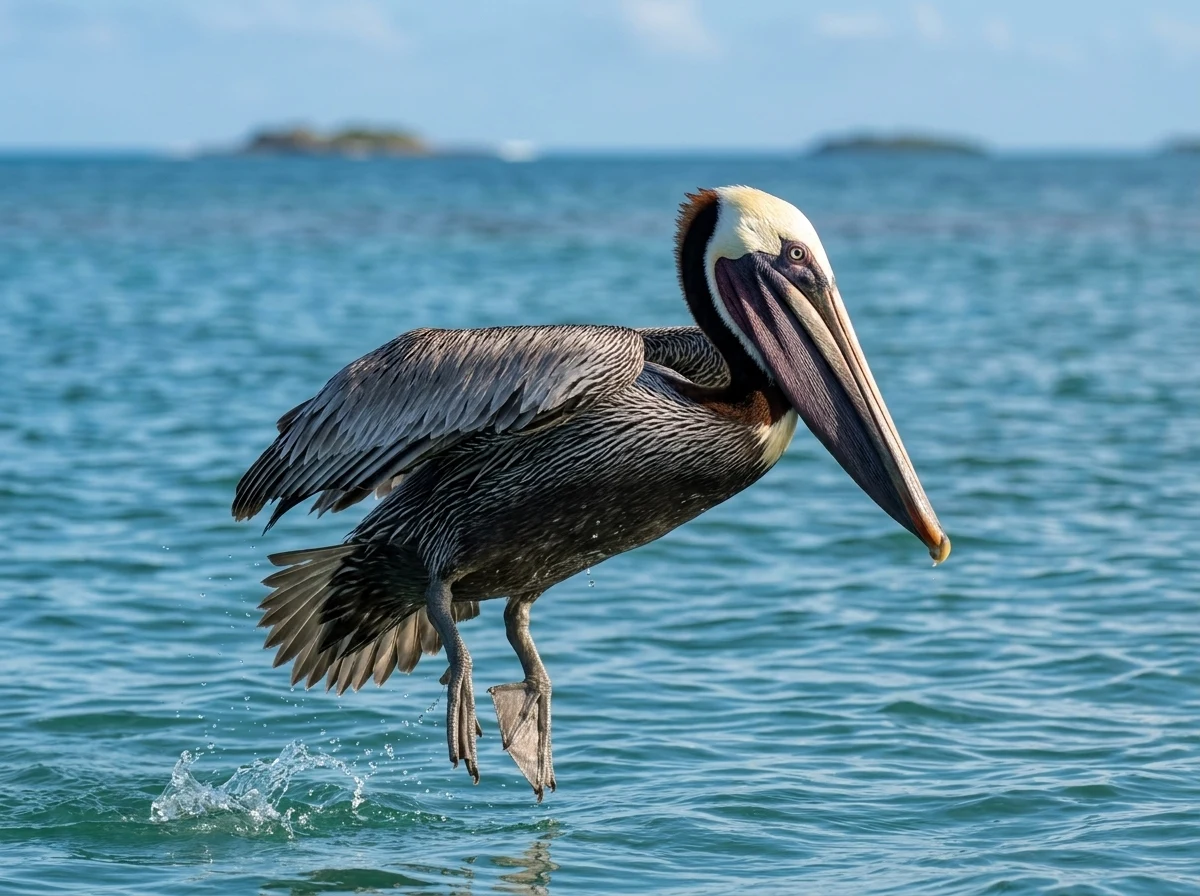
Hooked, strong beaks, like that of the Osprey (Pandion haliaetus), are associated with fish diets. The species account notes that its diet consists almost exclusively of fish and that it possesses specialised physical characteristics for hunting. The Brown Pelican (Pelecanus occidentalis) also eats fish, but its beak is long with an expandable gular pouch used to trap fish during plunge-dives.
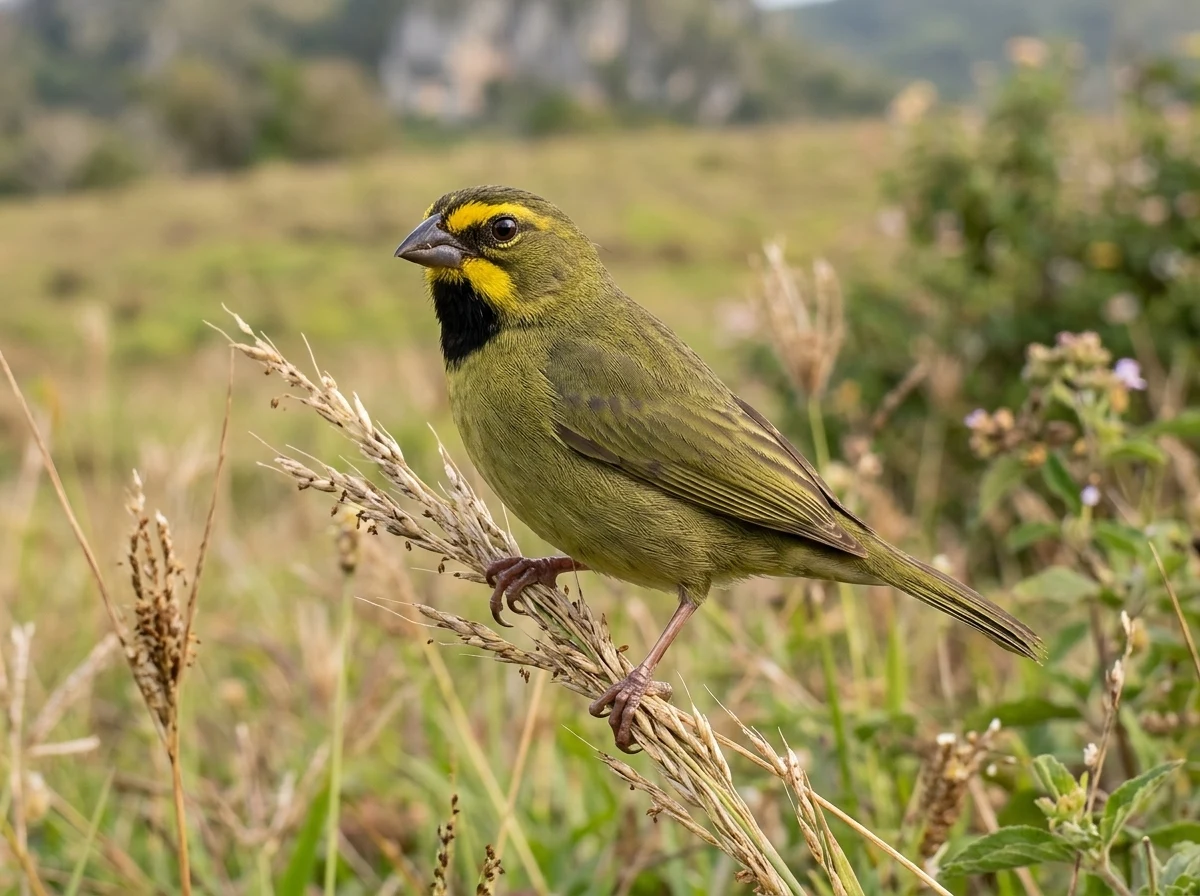
Short, conical beaks, like that of the Yellow-faced Grassquit (Tiaris olivaceus), are efficient for cracking seeds. This species is a granivore that inhabits grasslands, scrub and forest edges.
02
How to play: cut-out cards and rules
Prepare two decks. The beak deck includes four cards: curved beak (Green Mango), long straight beak (Puerto Rican Tody), hooked beak (Osprey) and conical beak (Yellow-faced Grassquit). Add an extra card for the Brown Pelican, whose beak is long with a gular pouch. The diet deck includes five cards: nectar, insects, fruits, fish and seeds.
Basic rules: shuffle the beak cards and place them face up. Shuffle the diet cards and place them face down. Players take turns drawing a diet card and matching it to a beak. If the pair is correct according to the evidence, the player keeps both cards. If not, they return them. The player with the most pairs at the end wins.
To verify, use the species descriptions: the Green Mango eats nectar; the Puerto Rican Tody eats insects, spiders and occasionally fruits; the Brown Pelican eats fish; the Yellow-faced Grassquit eats seeds; the Osprey eats fish. The Brown Pelican's beak and the Osprey's beak both match with fish, but their shapes differ: one is long with a pouch, the other is hooked and strong.
03
Observation and comparison checklist
Before going out to observe, review this list: 1) What shape is the beak? (curved, straight, hooked, conical). 2) Is it long or short relative to the head? 3) What is the bird doing? (visiting flowers, catching insects, plunge-diving, eating seeds). 4) Where is it? (canopy, scrub, coast, grassland). 5) What food does it appear to be eating?
Observation procedure: choose a quiet spot, keep your distance and use binoculars if you have them. Watch the bird for several minutes without disturbing it. Note the beak shape and feeding behaviour. If you cannot identify the species, describe the beak and the food; that is already valuable information.
Comparison exercise: compare the Green Mango's beak with the Yellow-faced Grassquit's. Both are small, but one is curved and slender, the other conical and robust. Which diet best explains each shape? Then compare the Brown Pelican's beak with the Osprey's. Both eat fish, but their beaks are very different. Why? The answer lies in capture method: plunge-diving with a pouch vs. catching with talons.
04
What the evidence says (and what it does not)
Birds of the World accounts provide descriptions of diet and foraging behaviour. For the Green Mango, the introduction mentions stout, slightly decurved bills, and the species feeds primarily on nectar. For the Puerto Rican Tody, the diet and foraging account states that it eats insects and spiders, and occasionally fruits. For the Brown Pelican, the introduction describes its plunge-diving method to catch fish. For the Yellow-faced Grassquit, the catalogue classifies it as a granivore. For the Osprey, the account notes a diet almost exclusively of fish.
Published beak measurements for these species are not included in the available documents. Nor is it claimed that generated illustrations prove field marks. The cards are an educational tool based on general descriptions, not morphometric measurements.
Linked profiles
Birds in this game
Five Puerto Rico species with different beaks and diets.
01
What does the Green Mango eat?
Primarily nectar. Birds of the World describes mangos as hummingbirds with stout, slightly decurved bills, suited for feeding on flowers.
02
Does the Puerto Rican Tody eat fruits?
Its main diet is insects and spiders, but adults have been observed feeding fruits to nestlings. It is also known to eat small Anolis lizards.
03
Why do the Brown Pelican and Osprey have different beaks if both eat fish?
Because they catch fish differently. The Brown Pelican plunge-dives and uses its gular pouch to trap fish; the Osprey catches fish with its talons and has a hooked, strong beak for tearing.
04
What does the Yellow-faced Grassquit eat?
Seeds. The catalogue classifies it as a granivore, with a conical beak efficient for cracking seeds.
05
Can I use these cards to identify birds in the field?
The cards are an educational tool to relate beak shape and diet. They do not replace a field guide or prove identification marks. Use them as support for observing and comparing.
Keep exploring
Connected routes
Sources and review
The evidence is one link away.
These sources support the editorial scope of this guide. Bird profiles also retain their own taxonomy, occurrence, and conservation references.
Reviewed:
01↗02↗03↗
Cornell Lab of Ornithology, Birds of the World
Green Mango (Anthracothorax viridis) — Introduction
Evidence for cited sections; consult the original document.Cornell Lab of Ornithology, Birds of the World
Puerto Rican Tody (Todus mexicanus) — Diet and Foraging
Evidence for cited sections; consult the original document.Cornell Lab of Ornithology, Birds of the World
Brown Pelican (Pelecanus occidentalis) — Introduction
Evidence for cited sections; consult the original document.The atlas continues