 AI
AILearning guides
Bird Poetry and Puerto Rican Names
Local bird names are poetic material: they sound, they mean, and they tell history. Here you will learn where they come from and how to use them in a poem or calligram.
Reviewed: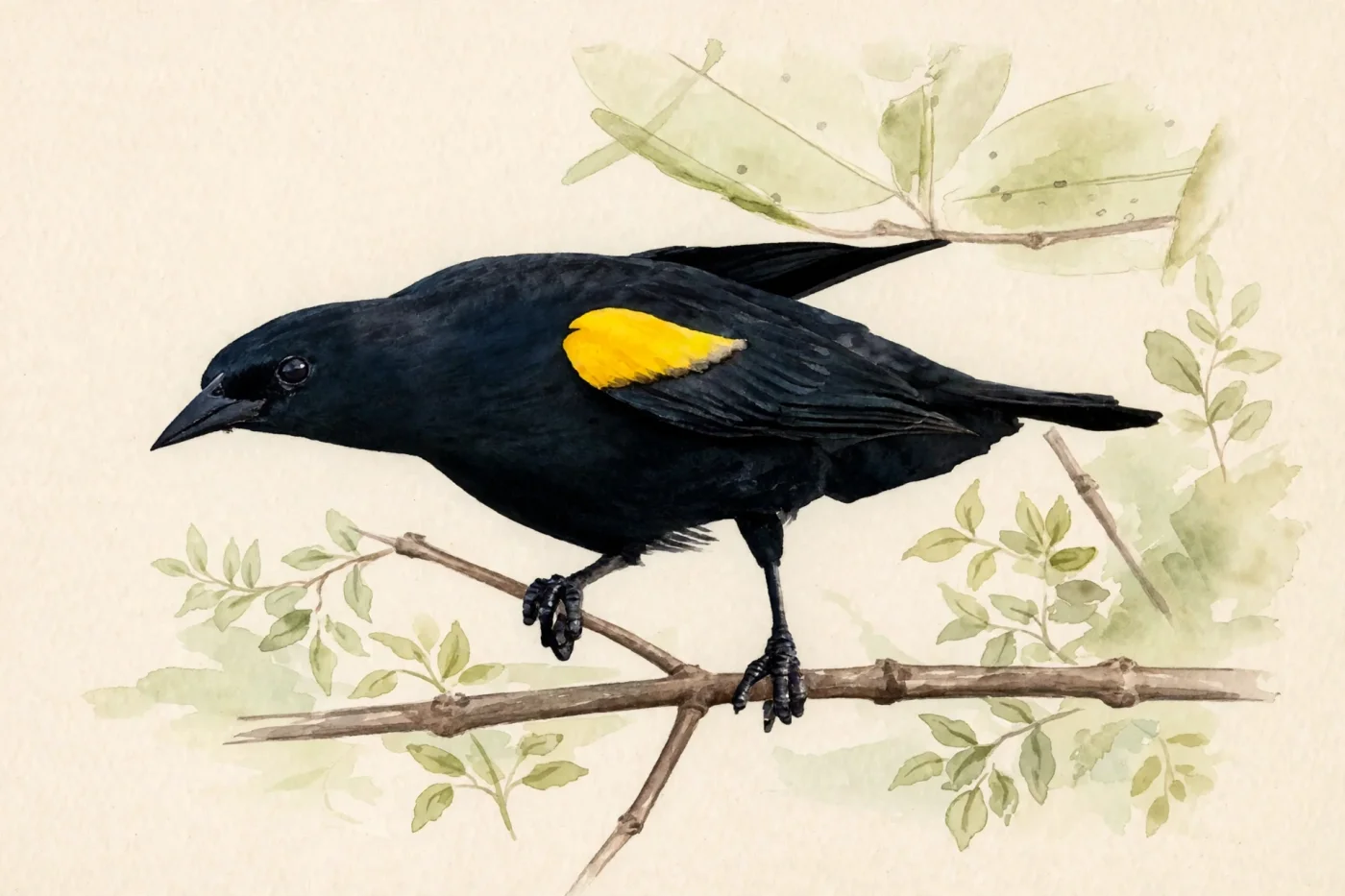
Prepared with AI assistance and linked sources. Illustrations are not field photographs.
From name to poem
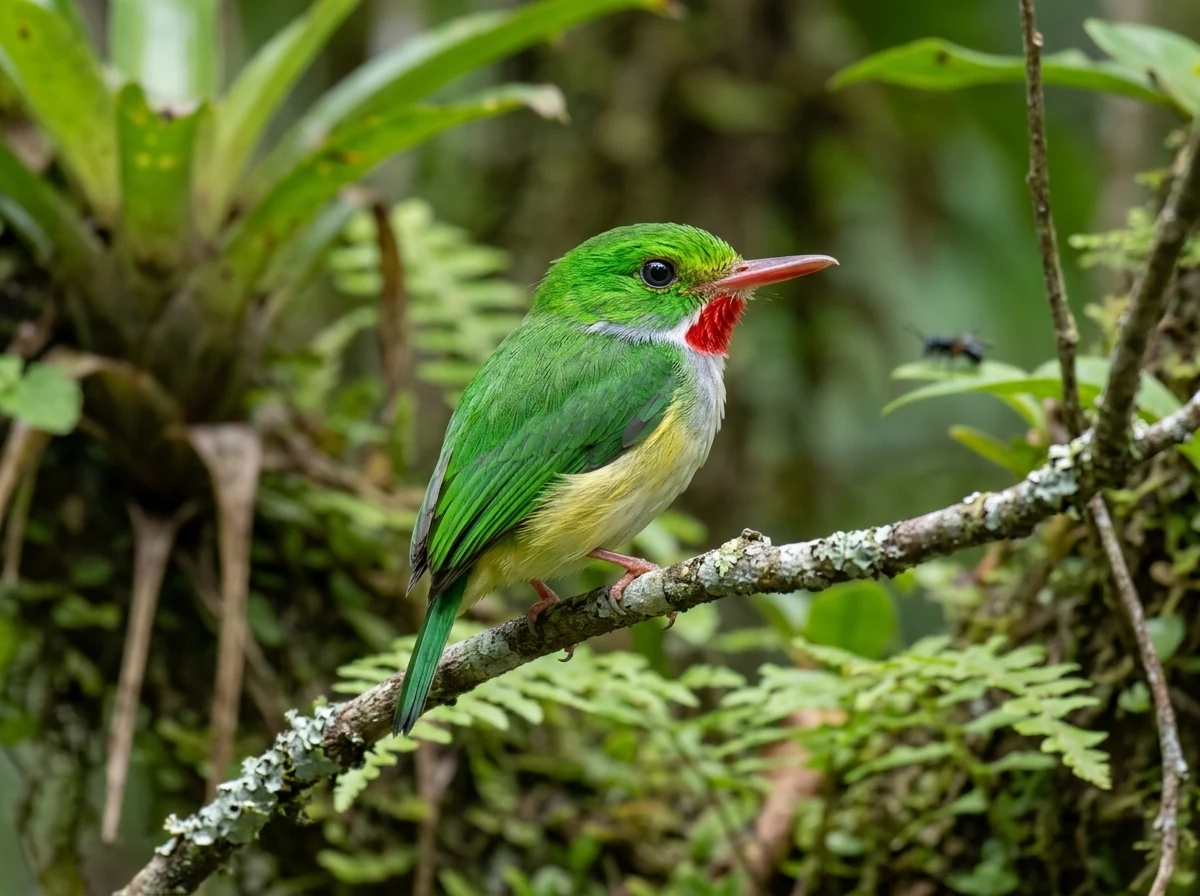
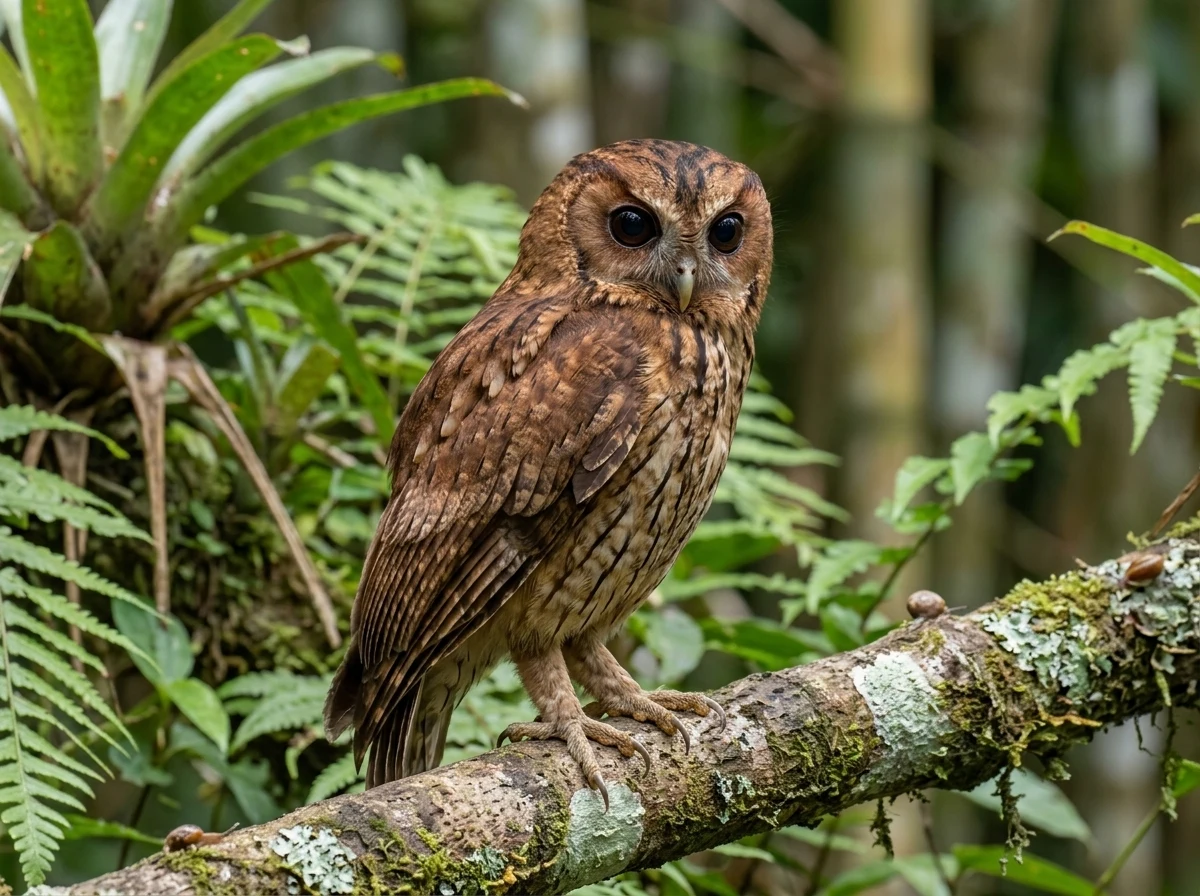
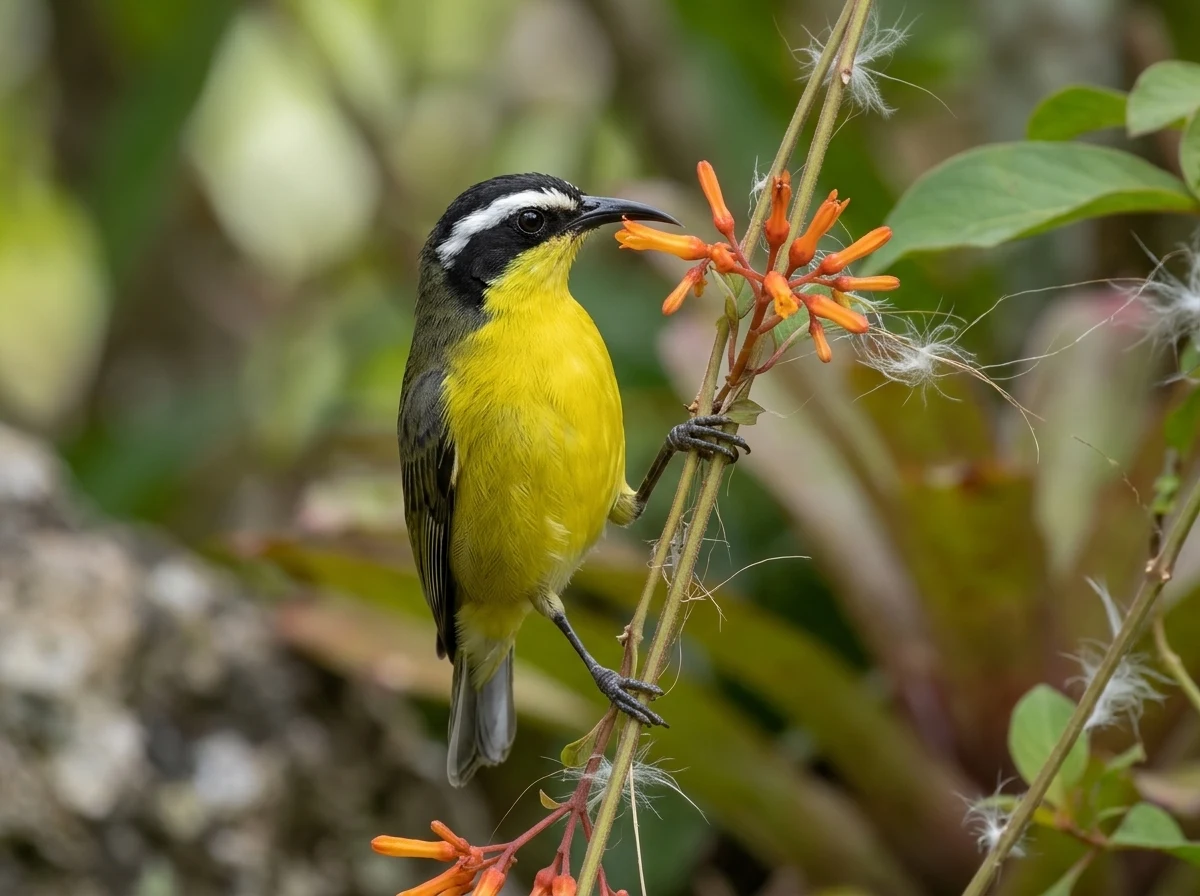
In Puerto Rico, many birds have more than one name. The San Pedrito is also called Medio Peso, Cheto and Papagayo; the Comeñame is also capacho or carpacho; the Mariquita is also capitán; the Múcaro Común is also mucarito; and the Reinita Común is also Bananaquit. These names are not simple labels: they are small capsules of history, sound and culture that you can use to write poetry.
This guide is a creative writing activity. First you will see where the Taíno, Spanish and scientific names of five birds come from. Then you will find a glossary, a procedure for observing and taking notes, and poem and calligram exercises. The goal is not to memorize lists, but to listen to the name as if it were a verse and let the bird enter the poem.
Learning guides
Three keys for your poem
5birds with names to exploreSan Pedrito, Comeñame, Mariquita, Múcaro Común and Reinita Común.
3name layers per birdTaíno or local, Spanish and scientific.
1calligram as the final exerciseDraw the bird's silhouette and write inside it.
01
Names from Taíno and Puerto Rican speech
The clearest Taíno name among these birds is múcaro, used for the Múcaro Común (Gymnasio nudipes). The Birds of the World account lists it as "Mucarito" in Puerto Rican Spanish and "Autillo puertorriqueño" in Spain Spanish, and the catalog description states that the name comes "via Taino". It is a short, round-sounding name, ideal for repeating in a poem like a heartbeat.
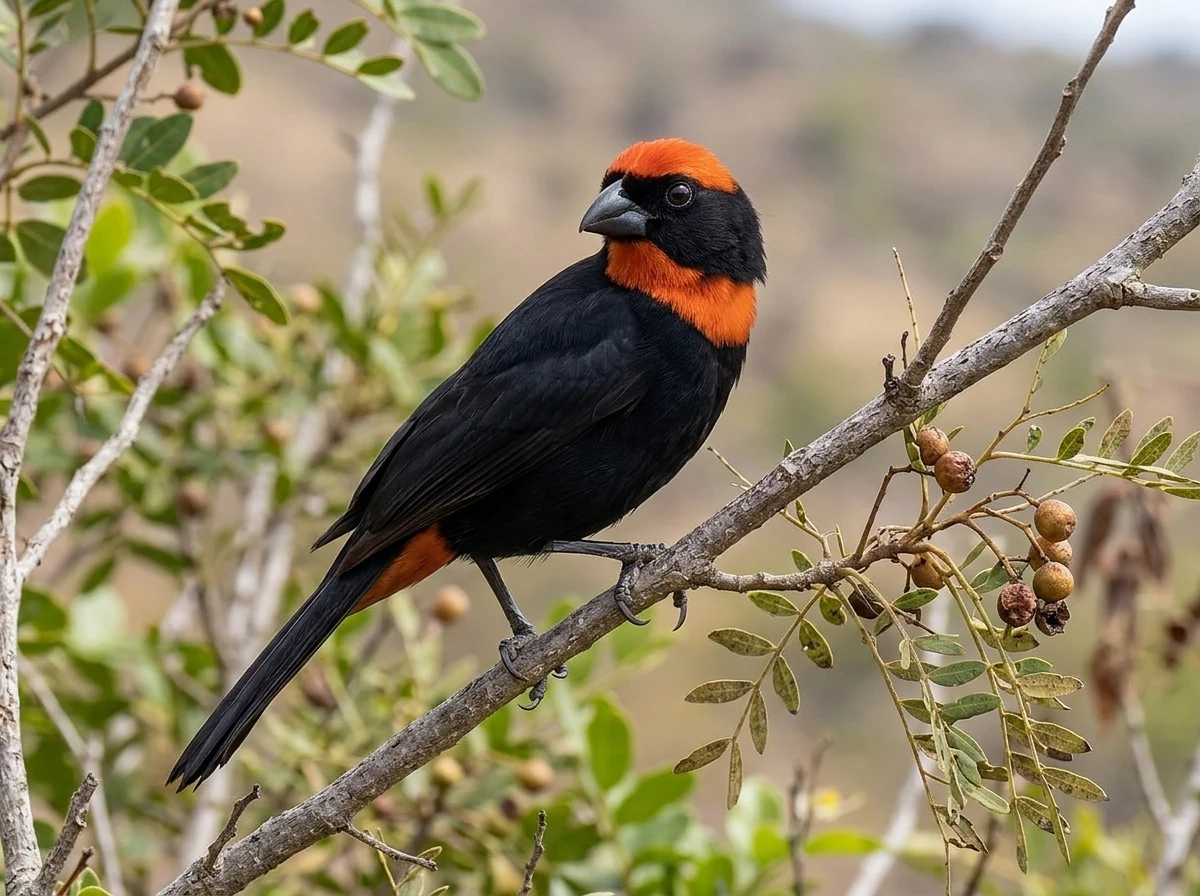
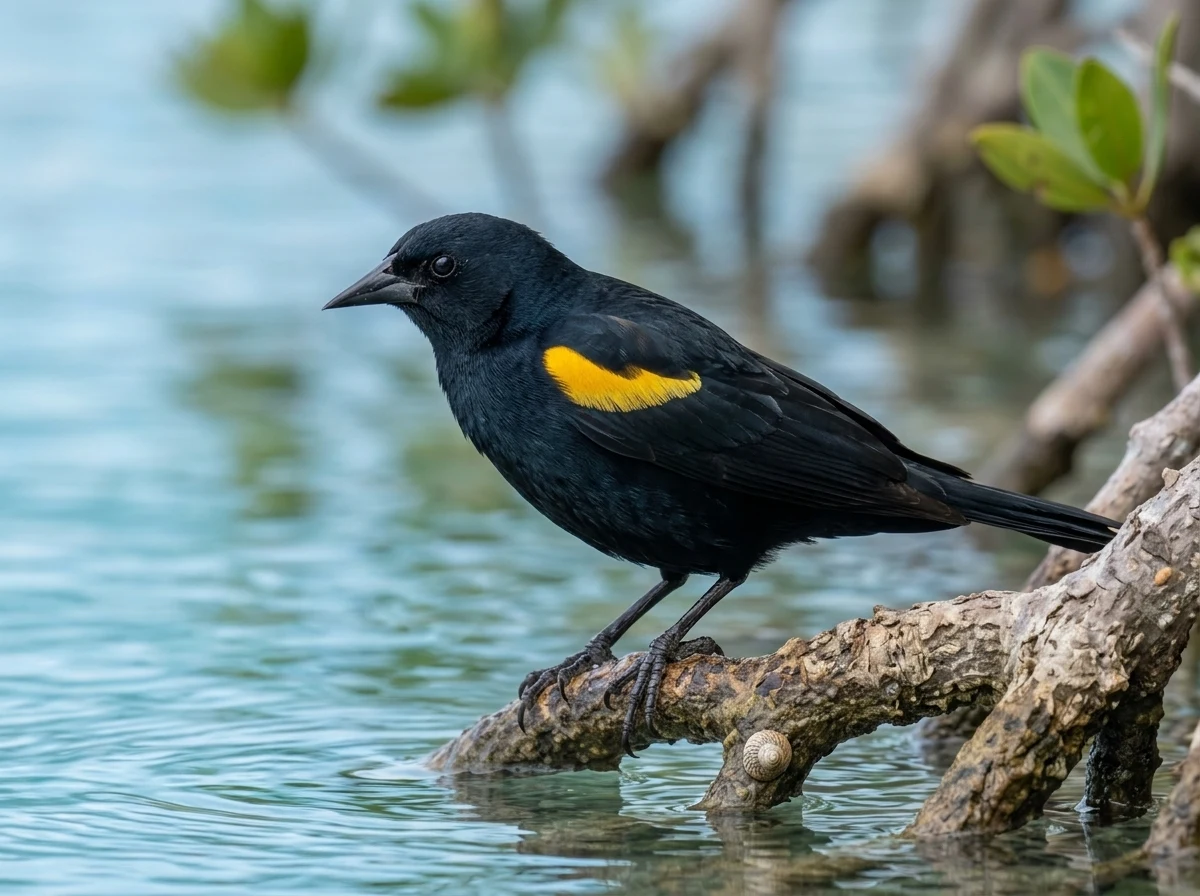
Other names are local creations in Spanish. The San Pedrito (Todus mexicanus) receives that name, plus Medio Peso, Cheto and Papagayo, according to the Birds of the World account. The Comeñame (Melopyrrha portoricensis) is also known as capacho or carpacho, and the Mariquita (Agelaius xanthomus) is also called capitán. The Reinita Común (Coereba flaveola) appears in the catalog with the Spanish name "Reinita Común; Bananaquit". These names describe, compare, or simply sound good, which is why they work so well in poetry.
02
Scientific names: small stories of error and origin
The scientific name is also poetic material. Todus mexicanus, the San Pedrito's name, was born from an error: the Birds of the World account explains that the name comes from a miscommunication between two early 19th-century naturalists, and that the type locality was Mexico, particularly Tampico, "error = Puerto Rico". That is, the bird is endemic to Puerto Rico, but bears the name of Mexico. That contradiction is a poem in itself.
The Múcaro Común has the scientific name Gymnasio nudipes. The Birds of the World account states that it was described by Daudin in 1800 as Strix nudipes, with type locality Puerto Rico. The catalog notes that the current genus is Gymnasio, although older sources used Megascops. The Mariquita is Agelaius xanthomus; the Comeñame is Melopyrrha portoricensis, formerly placed in Loxigilla; and the Reinita Común is Coereba flaveola. These names can be used in the poem as an educated counterpoint, almost like a secret that only some readers recognize.
03
Glossary for the writing workshop
San Pedrito: local name for Todus mexicanus, a bird endemic to Puerto Rico. It is also called Medio Peso, Cheto and Papagayo. Comeñame: local name for Melopyrrha portoricensis, also called capacho or carpacho. Mariquita: local name for Agelaius xanthomus, also called capitán; it is endemic to Puerto Rico and adjacent smaller islands. Múcaro Común: local name for Gymnasio nudipes, also called mucarito; múcaro is of Taíno origin. Reinita Común: local name for Coereba flaveola, also called Bananaquit; it is not endemic to Puerto Rico.
Calligram: a poem whose text is arranged to form a figure, in this case the bird's silhouette. Endemic: living naturally only in a certain place; the San Pedrito, Comeñame, Mariquita and Múcaro Común are endemic to Puerto Rico, while the Reinita Común is not. Scientific name: a Latin or latinized name formed by genus and species, such as Todus mexicanus. Common name: a popular name in a language, such as San Pedrito or Múcaro Común.
04
How to observe and take notes before writing
Before writing, go out to observe with a notebook. Find a place with trees, shrubs or a garden and stay still for a few minutes. Write down the time, place and weather. You do not need to identify every bird: focus on one. Listen to its song or call and write how it sounds in your own words: "a short whistle", "a trill that rises", "a repeated click". Then look at its color, size and movement. If you do not know which bird it is, write down what you see and look it up later; identification is optional.
When you have a bird identified or just noted, write its local name if you know it, its other names and its scientific name if you confirm it. Make a three-column list: local name, scientific name and a word the name suggests to you. For example: San Pedrito / Todus mexicanus / "small"; Múcaro Común / Gymnasio nudipes / "round"; Mariquita / Agelaius xanthomus / "captain". That list will be the draft of your poem. Remember that you are not describing the bird for a scientific report, but listening to the name to turn it into an image.
05
Poem and calligram exercises
Exercise 1: three-name poem. Choose one of the five birds. Write a three-stanza poem. The first stanza begins with the local name; the second, with the scientific name; the third, with an image you observed. For example, for the Múcaro Común: "Múcaro, / round as the night, / ... / Gymnasio nudipes, / a name that does not fit in the beak, / ... / and the deep trill / that lasts three seconds". You do not have to rhyme; let the rhythm come from the name.
Exercise 2: calligram. Draw the silhouette of one of the birds on a sheet of paper: the round body of the Múcaro, the long tail of the San Pedrito, the short beak of the Comeñame, the yellow shoulder of the Mariquita or the small curve of the Reinita Común. Then write your poem following the outline, so that the words form the bird. You can use the local names in large letters and the scientific names in small letters, as if they were feathers. At the end, read the poem aloud and adjust what sounds wrong.
Linked profiles
The five birds of this workshop
Each one brings a local name, a scientific name and a story you can turn into a poem.
01
What are the local names for the San Pedrito?
San Pedrito, Medio Peso, Cheto and Papagayo, according to the Birds of the World account. Its scientific name is Todus mexicanus.
02
Where does the name múcaro come from?
The catalog states that múcaro comes "via Taino". It is used for the Múcaro Común, whose scientific name is Gymnasio nudipes.
03
Why is the San Pedrito called Todus mexicanus if it is from Puerto Rico?
Because of a miscommunication between two early 19th-century naturalists. The type locality was Mexico, particularly Tampico, but the account states "error = Puerto Rico". The bird is endemic to Puerto Rico.
04
Can I use scientific names in a poem?
Yes. Scientific names such as Todus mexicanus, Gymnasio nudipes, Agelaius xanthomus, Melopyrrha portoricensis and Coereba flaveola can work as an educated counterpoint or as a strange sound within the poem.
05
Do I need to know how to identify birds to do this workshop?
No. You can start with a single bird you see or hear, write down what you perceive, and then look up its local and scientific name in a guide or in Birds of the World.
Keep exploring
Connected routes
Sources and review
The evidence is one link away.
These sources support the editorial scope of this guide. Bird profiles also retain their own taxonomy, occurrence, and conservation references.
Reviewed:
01↗02↗03↗
Cornell Lab of Ornithology, Birds of the World
Puerto Rican Tody Todus mexicanus — Systematics
Evidence for cited sections; consult the original document.Cornell Lab of Ornithology, Birds of the World
Puerto Rican Owl Gymnasio nudipes — Introduction
Evidence for cited sections; consult the original document.Audubon
¿Cómo se llama? How Birds Get Their Spanish Names
Evidence for cited sections; consult the original document.The atlas continues