 AI
AILearning guides
Create a Bird Field Guide Page
A template with clear sections to research and present an assigned species.
Reviewed: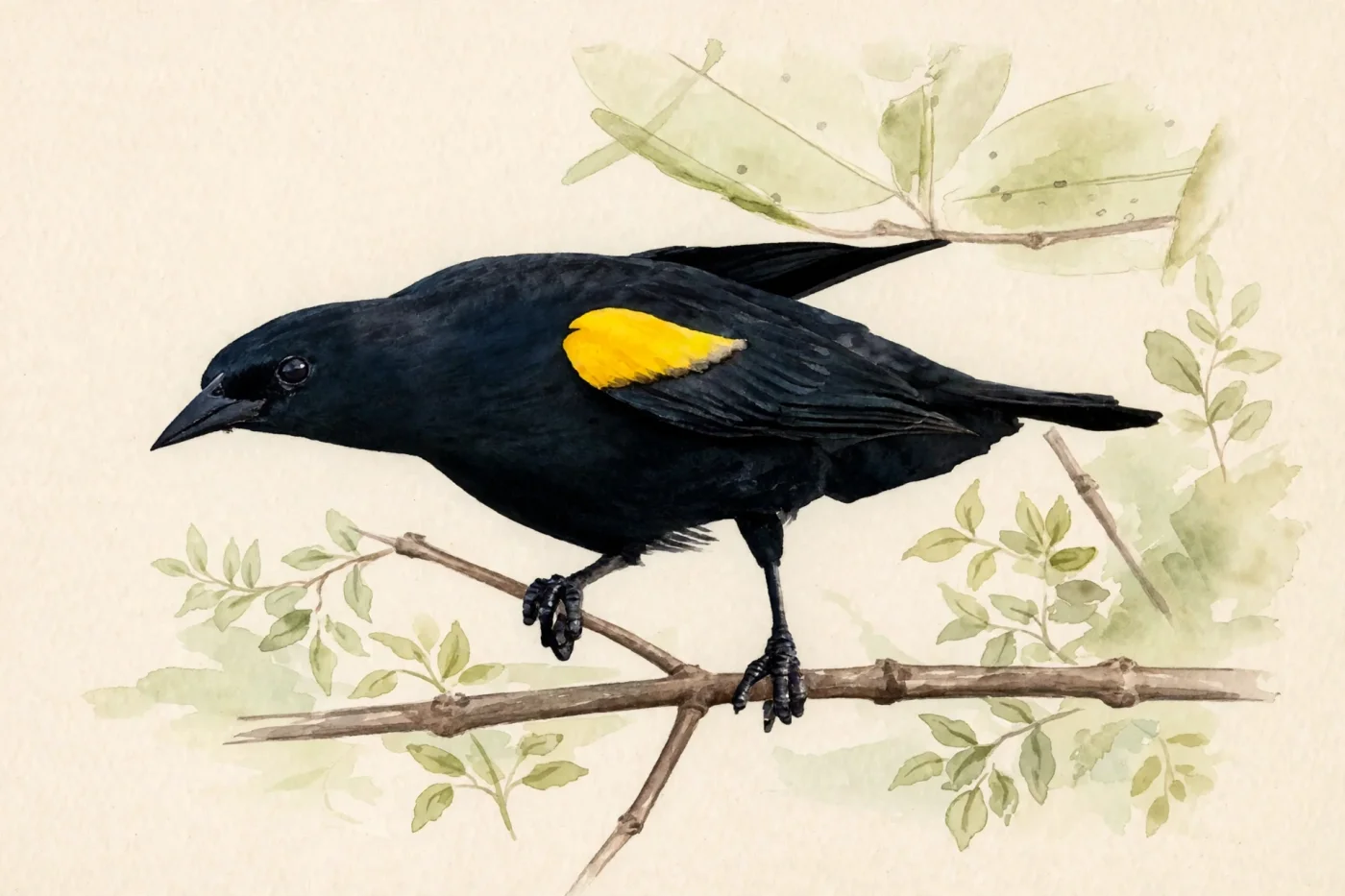
Prepared with AI assistance and linked sources. Illustrations are not field photographs.
What should a field guide page include?
A field guide page gathers the essentials for recognizing a bird in the field and understanding its context. It is not a loose fact sheet: it should allow comparison, verification, and communication. Standard sections include common name, scientific name, field marks, habitat, voice, status, and distribution map. Each section answers a different question: What is it called? How does it look? Where does it live? How does it sound? What is its situation?
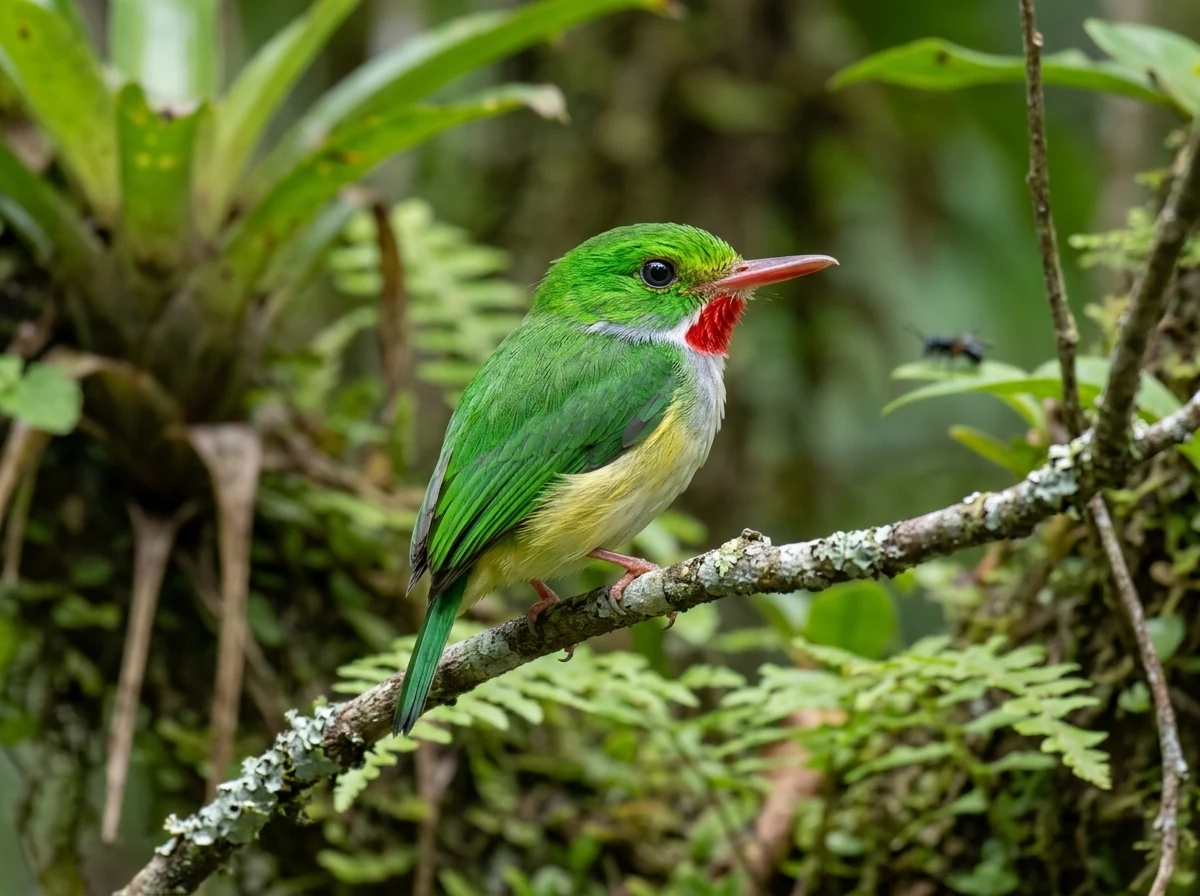
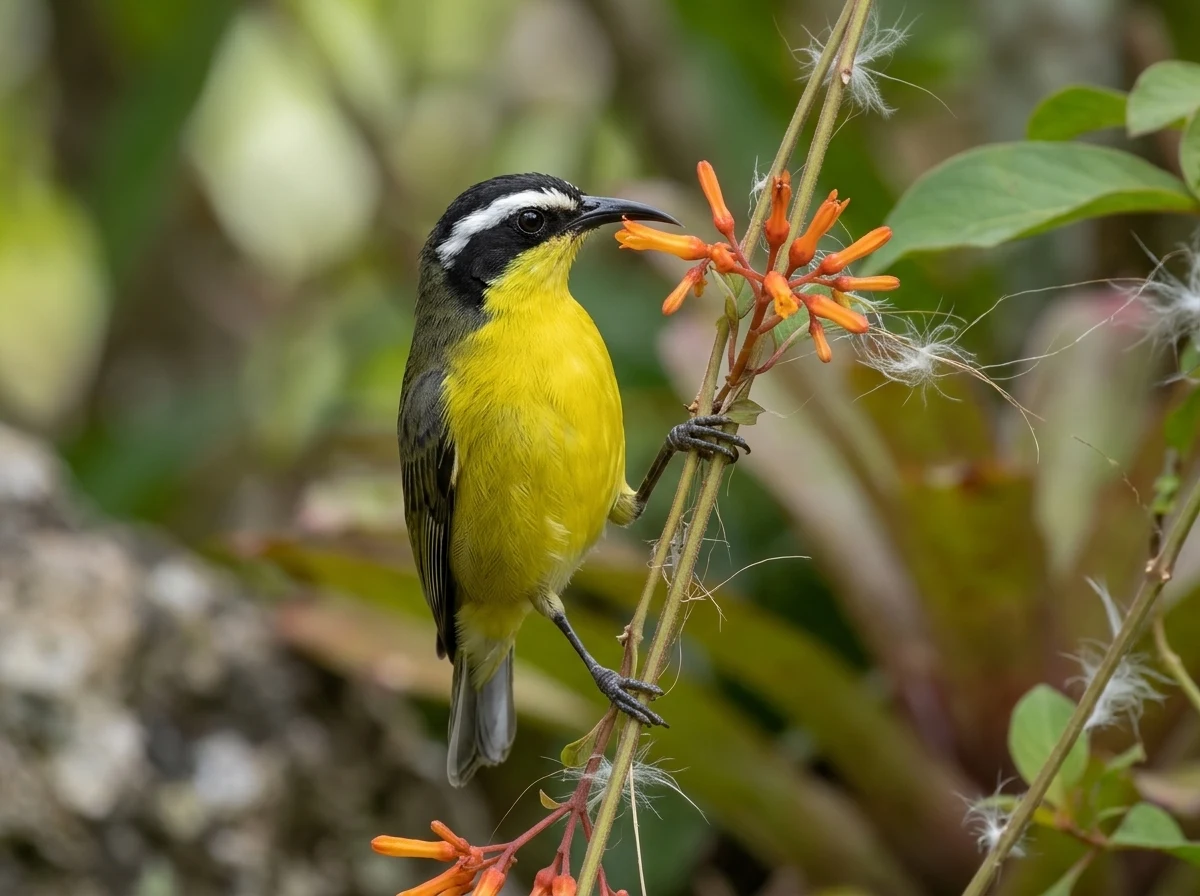
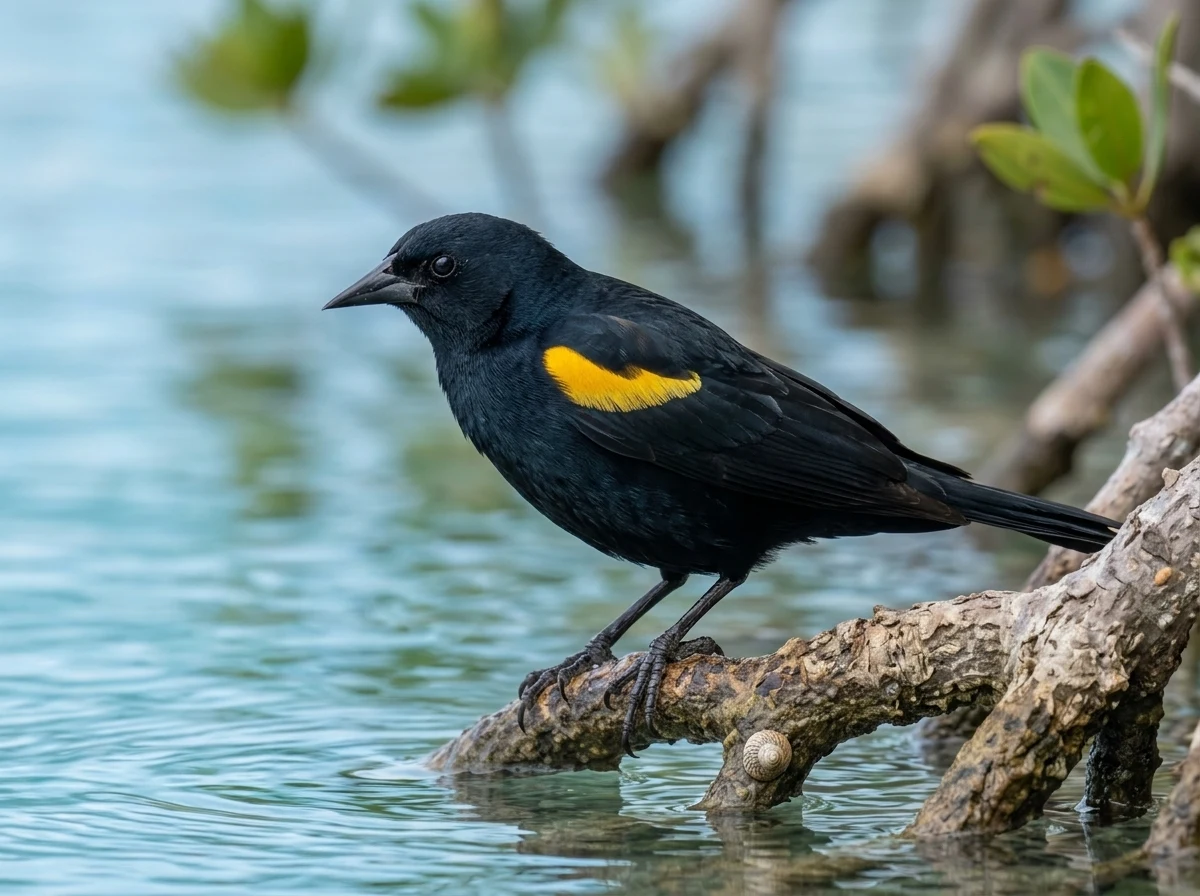
This guide provides a template for students to research an assigned species and complete each section with verifiable sources. The goal is not memorization, but practicing observation, evidence gathering, and clear communication. Five example species are included with catalog data and available sources: Puerto Rican Tody, Bananaquit, Yellow-shouldered Blackbird, Scaly-naped Pigeon, and Green Heron.
Learning guides
Three keys for your page
7core sectionsCommon name, scientific name, field marks, habitat, voice, status, and map.
5example speciesPuerto Rican Tody, Bananaquit, Yellow-shouldered Blackbird, Scaly-naped Pigeon, and Green Heron.
2minimum sources per factVerify each fact with at least two reliable sources when possible.
01
Template sections
Each page should begin with the common name and scientific name. Common names can vary locally: for example, the Puerto Rican Tody is also known as San Pedrito or Medio Peso, and the Yellow-shouldered Blackbird as Mariquita or Capitán. The scientific name is written in italics and follows nomenclature rules. For the Puerto Rican Tody, the catalog indicates Todus mexicanus; for the Bananaquit, Coereba flaveola; for the Yellow-shouldered Blackbird, Agelaius xanthomus; for the Scaly-naped Pigeon, Patagioenas squamosa; and for the Green Heron, Butorides virescens.
Field marks describe size, shape, color, and distinctive features. It is not enough to say 'it is green': you must note bill, legs, tail, wings, and patterns. Habitat indicates where to look: forest, mangrove, coast, urban areas. Voice describes songs and calls, with a text description or a note on their function. Status summarizes whether it is endemic, native, migratory, or introduced, and its conservation situation. The map shows distribution, but it must be based on verifiable sources, not assumptions.
02
How to research each section
For scientific name and taxonomy, use official lists and databases such as Avibase or eBird. For field marks, consult detailed descriptions and, if possible, verified photographs. For habitat, look for descriptions of the species in Puerto Rico, not other regions. For voice, listen to recordings and describe the pattern: repetition, pitch, duration. For status, check conservation sources such as the IUCN Red List or the U.S. Fish and Wildlife Service. For the map, use distribution maps from reliable sources and cite the date accessed.
A useful procedure is: 1) choose an assigned species; 2) find its scientific name in an official list; 3) note at least three field marks; 4) describe its habitat in Puerto Rico; 5) find a recording of its voice and describe the sound; 6) research its status; 7) locate a distribution map; 8) write a source list with URL and date. This procedure can be repeated for any species.
03
Examples with verifiable data
The Puerto Rican Tody (Todus mexicanus) is endemic to the main island of Puerto Rico. Its habitat includes forests, karst areas, and shade coffee plantations. It is a small bird, about 6 grams, that feeds on invertebrates and nests in burrows in the ground. The Bananaquit (Coereba flaveola) is native and common in nearly all wooded and human-modified habitats, including gardens. It feeds on nectar and builds spherical nests in trees. The Yellow-shouldered Blackbird (Agelaius xanthomus) is endemic to Puerto Rico and its nearby islands; the catalog marks it as endemic. The Birds of the World source describes that the species is primarily concentrated in southwestern Puerto Rico on the main island, where it inhabits mangroves, scrublands, coastal forests, and urban areas; additionally, two small populations persist around Jobos Bay (Salinas and Guayama) and the former Roosevelt Roads Naval Base (Ceiba). A separate stable population of approximately 400 birds inhabits xeric scrubland on Mona Island. Its diet is varied: arthropods, nectar, fruit, and seeds, and also grains and human foods taken at ground level. It was listed as Endangered under the U.S. Endangered Species Act in 1976, and targeted cowbird control and habitat-management measures implemented since 1980 have enabled a gradual recovery in southwestern Puerto Rico.
The Scaly-naped Pigeon (Patagioenas squamosa) is native. The catalog lists its movement as sedentary/resident and irregular/nomadic, but its occurrence record does not mark it as resident or breeder in Puerto Rico. It is frugivorous. The catalog lists nest substrate categories (shrub, tree, rock), but does not confirm that it nests on all of them. The Green Heron (Butorides virescens) is a small native heron associated with wetlands and forests. The catalog classifies its migration as sedentary, but its movement includes migratory and nomadic movements; its occurrence record does not mark it as resident or breeding in Puerto Rico. It feeds on fish and nests in trees. For each species, the student should complete the sections with data like the above, citing the sources consulted. Do not invent local observations or breeding dates if they are not supported by the sources.
04
Checklist and comparison exercise
Checklist for your page: 1) common name and local variants; 2) scientific name in italics; 3) three visible field marks; 4) primary habitat in Puerto Rico; 5) voice description; 6) status (endemic, native, migratory, introduced) and conservation; 7) map with source; 8) source list with URL and date. Check that each fact has a source and that there is no copying without citation.
Comparison exercise: choose two species from the list and complete a table with their differences. For example, compare the Puerto Rican Tody and the Bananaquit: size, color, habitat, diet, and voice. Then compare the Yellow-shouldered Blackbird and the Green Heron: one is a black bird with yellow, the other is a small heron. This exercise helps practice observation and avoid confusion. Do not use generated images to claim field marks; use descriptions and verified photographs.
Linked profiles
Example species
Five Puerto Rico birds to practice the template.
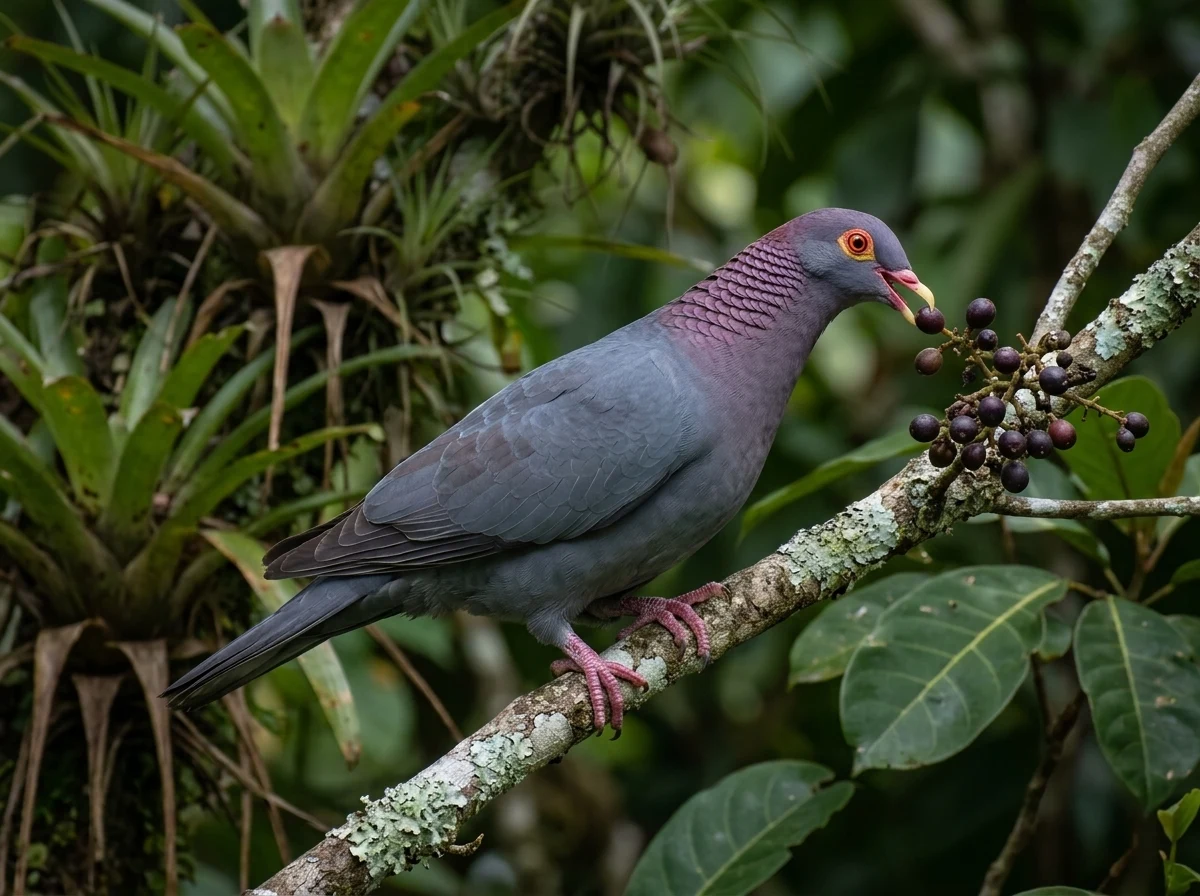
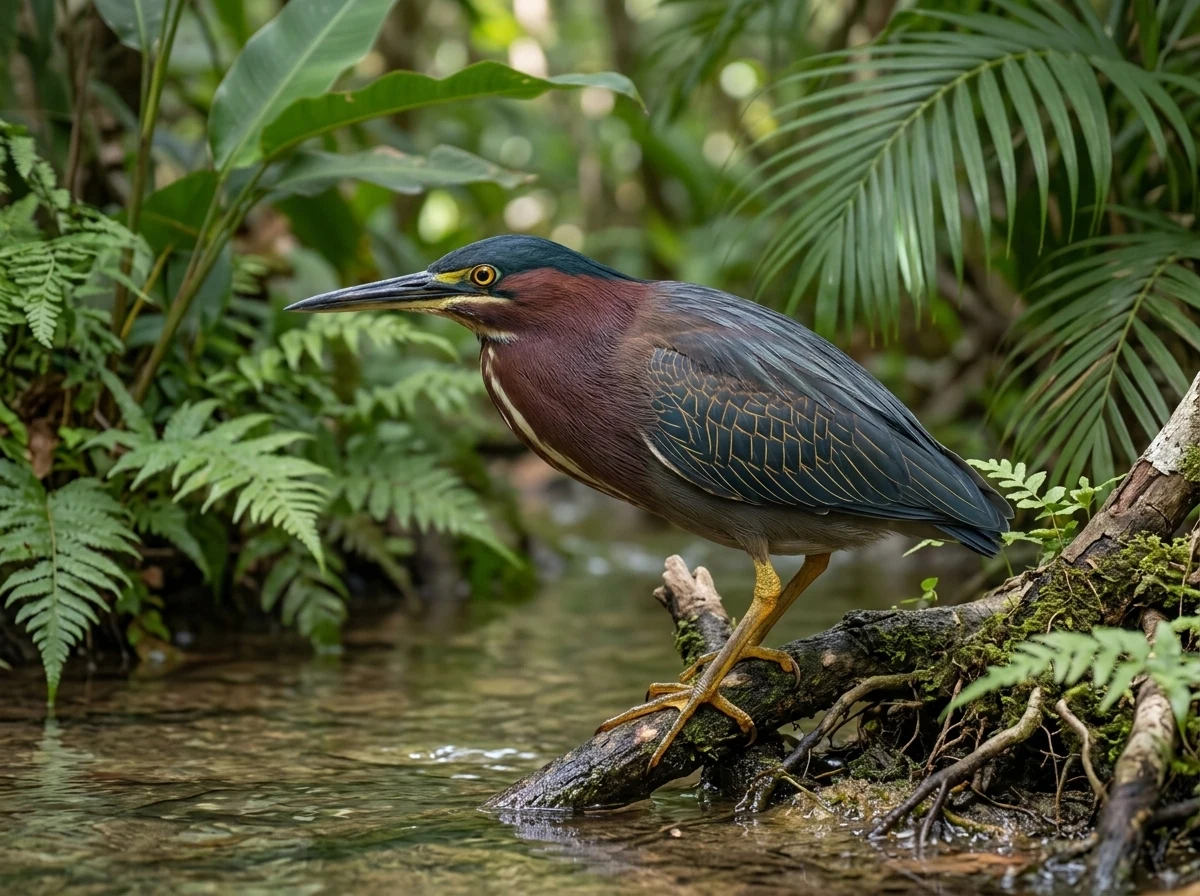
01
What sections should a field guide page have?
Common name, scientific name, field marks, habitat, voice, status, and distribution map. Each section should have a verifiable source.
02
Where do I find the correct scientific name?
In official lists and taxonomic databases such as Avibase or eBird. Verify that the species is recorded for Puerto Rico.
03
How do I describe the voice if I don't have a recording?
Use text descriptions from reliable sources and note the pattern: repetition, pitch, duration. Do not invent sounds you have not heard or verified.
04
Can I use generated images for field marks?
No. Generated images do not prove field marks. Use descriptions and verified photographs from reliable sources.
05
What if I can't find the conservation status?
State that it is not available in the sources consulted. Do not assume a status. Cite the source and date accessed.
Keep exploring
Connected routes
Sources and review
The evidence is one link away.
These sources support the editorial scope of this guide. Bird profiles also retain their own taxonomy, occurrence, and conservation references.
Reviewed:
The atlas continues