 AI
AIFor students
School project on Puerto Rico birds
A good project does not copy facts: it asks a question, looks for evidence, and explains what it found. Here is the full path.
Reviewed:Start with one bird and one question.
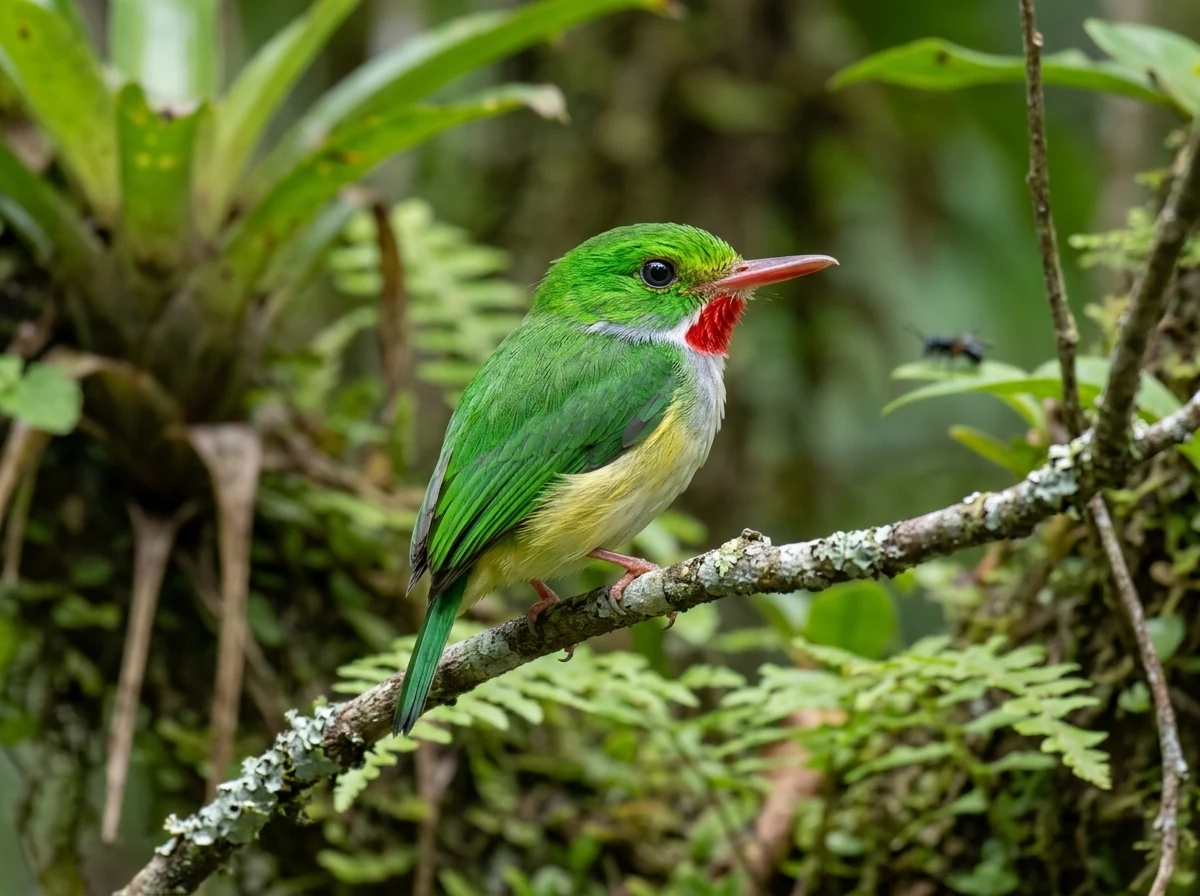
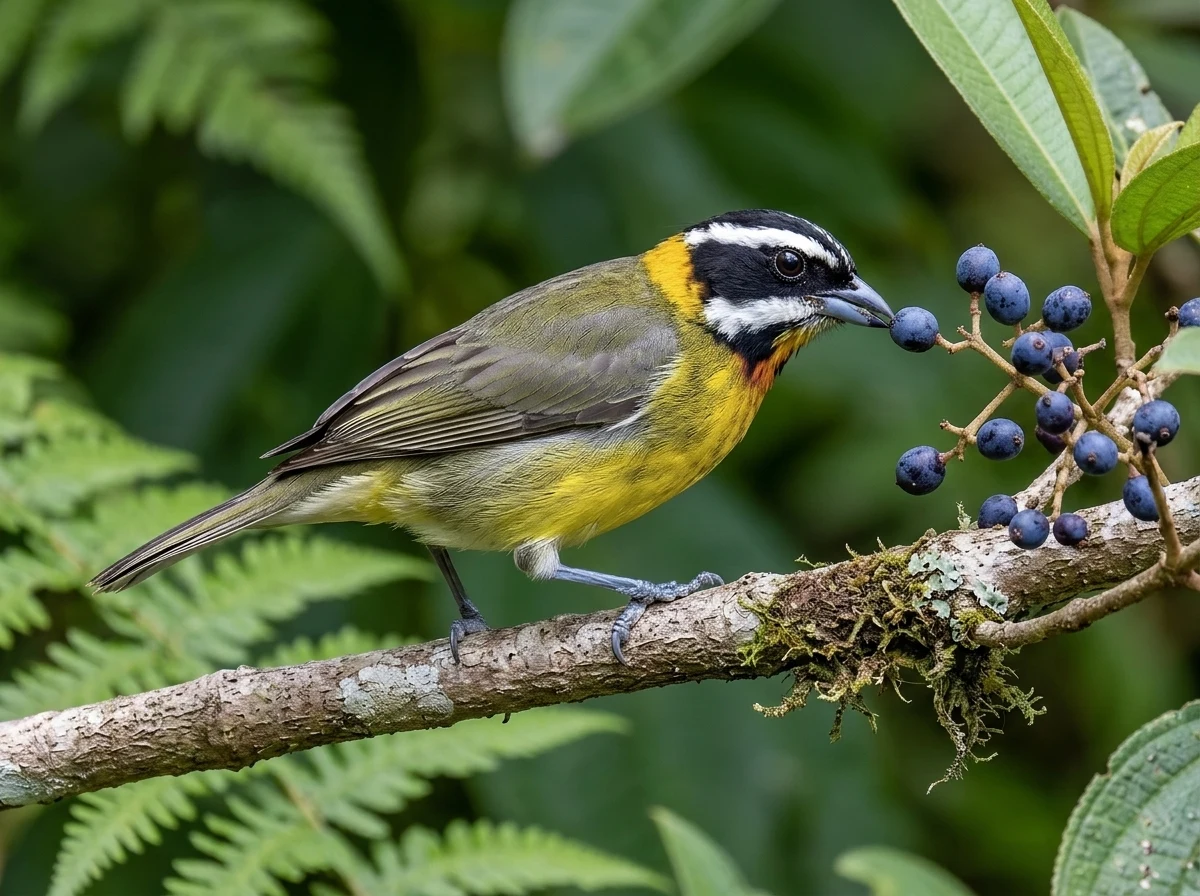
To do a school project on Puerto Rico birds, choose one species (ideally an endemic one, like the Puerto Rican Tody or the Puerto Rican Spindalis), ask one clear question about it, and answer with facts from reliable sources: common and scientific name, appearance, habitat, food, nest, conservation status, and a source for every fact.
This guide walks you through it: how to pick the bird, where to research, how to take notes without copying, what to include on a poster or report, and how to present it. It also has ideas by grade and common mistakes teachers often correct. Every bird profile on this site has photos, sounds, habitat, and conservation details to get you started.
For students
The project in numbers
1bird, one questionA focused topic makes a clearer project than 'all the birds.'
7core factsName, appearance, habitat, food, nest, sound, and conservation.
3+sources citedCombine a profile, an official source, and your own observation.
01
Step 1: choose the right bird
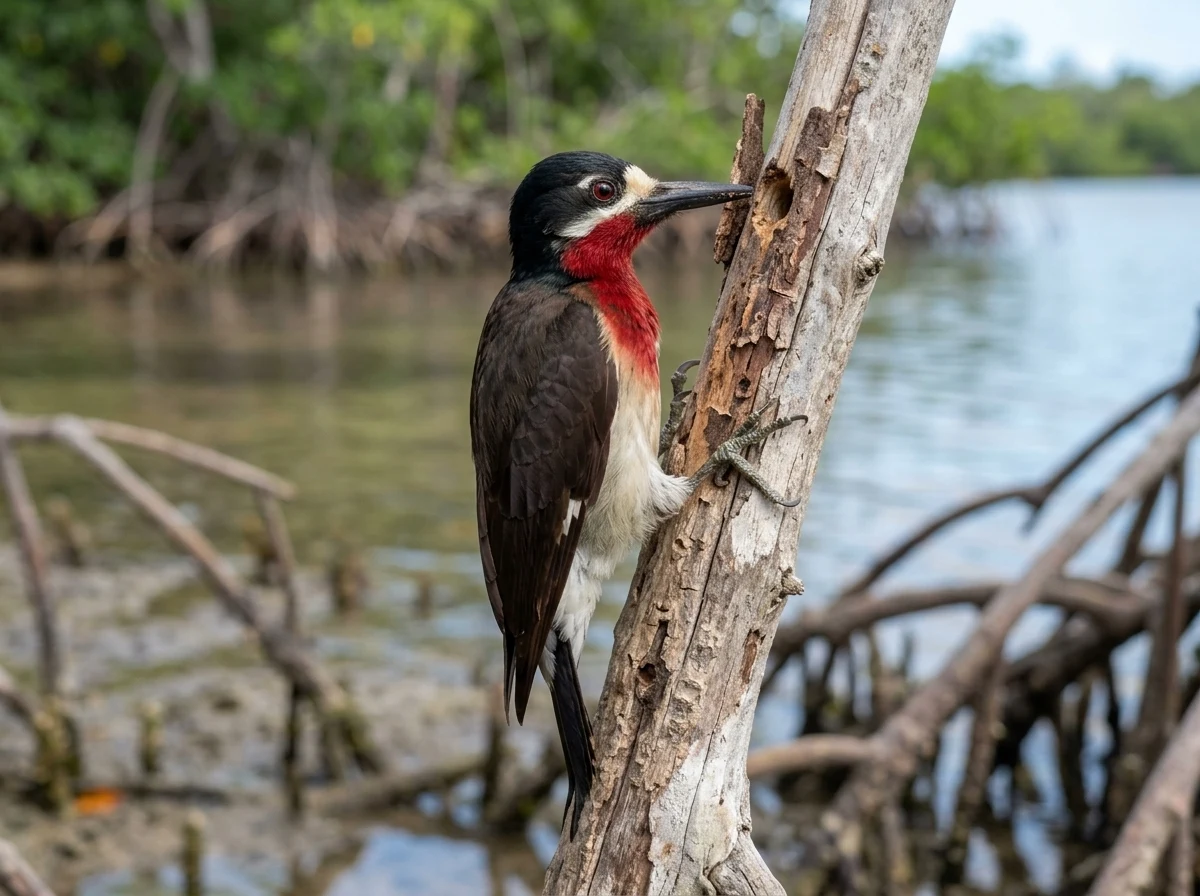
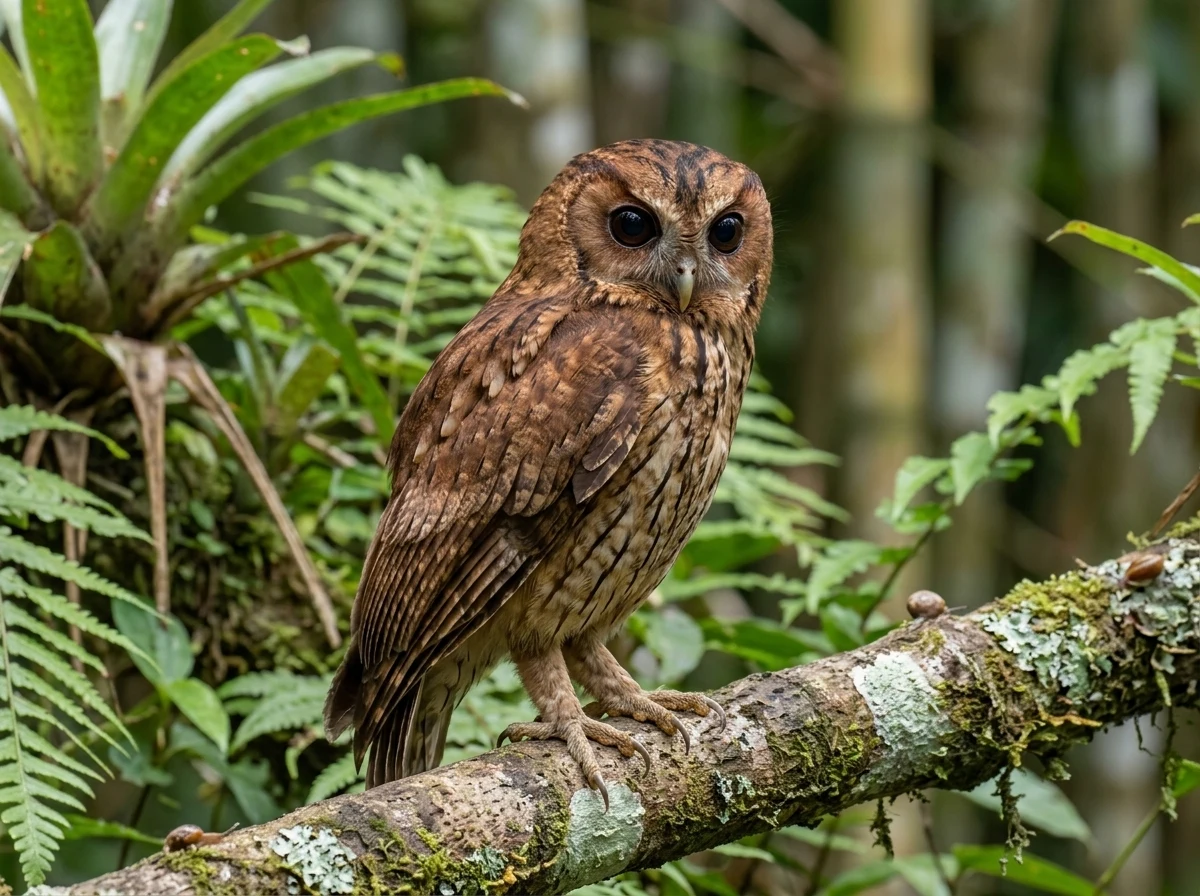
Pick a bird you are curious about and that has enough information available. Endemic birds are great choices because your project will be about something found only in Puerto Rico: the tody (San Pedrito), spindalis (Reina Mora), Puerto Rican Woodpecker, Puerto Rican Owl (Múcaro), Puerto Rican Bullfinch (Comeñame), Puerto Rican Parrot, or Yellow-shouldered Blackbird (Mariquita). If you want to see it yourself, the tody, spindalis, and woodpecker appear in many forests, parks, and shade-coffee farms.
If you prefer a backyard bird, the Gray Kingbird (Pitirre), Bananaquit (Reinita Común), or Common Ground Dove (Rolita) are easy to watch from home. For a conservation project, the parrot and the Yellow-shouldered Blackbird have recent official figures from the U.S. Fish and Wildlife Service. Avoid choosing a rare or passing bird, because local information will be hard to find.
02
Step 2: turn the topic into a question
A guiding question gives your project a purpose. Instead of 'The Puerto Rican Parrot,' try 'How did the Puerto Rican Parrot recover after Hurricane Maria?' Instead of 'The Tody,' try 'Why does the Puerto Rican Tody nest in a tunnel in the ground?' or 'Why does its scientific name say mexicanus if it lives only in Puerto Rico?'
Other questions that work well: 'What does the Reina Mora eat, and how does it help the forest?' (it eats fruit and spreads seeds), 'Why is the Yellow-shouldered Blackbird endangered?' or 'How do herons hunt?' A good question can be answered with evidence, not just opinions, and fits on a poster.
03
Step 3: research in reliable sources
Start with the bird's profile on this site, which shows the Spanish and English names, scientific name, family, habitat, whether it is endemic or migratory, its IUCN and DNER status, and recordings of its song when available. Then confirm facts with official or scientific sources such as the Puerto Rican Ornithological Society (SOPI), the U.S. Fish and Wildlife Service, the DNER, or BirdsCaribbean.
Take notes in your own words and write next to each fact where it came from, with the page name and date. If two sources disagree, note it: for example, some lists say Puerto Rico has 17 endemic birds and others say 19, because scientists reclassified some species. Explaining that difference makes your project look more serious.
04
Step 4: what to put on the poster or report
A clear poster includes: a title with your question; common name, scientific name, and other local names; a drawing or photo with labeled parts (bill, wings, tail, legs); a map of Puerto Rico showing where it lives; what it eats and how it gets food; what its nest is like; its conservation status; your answer to the question; and a source list at the end.
If you use photos from the internet, credit the photographer or use your own drawings. The Bird Coloring Pages on the Kids hub make a good base for a labeled diagram. If your project is digital, you can add the bird's song: many profiles have real recordings with a spectrogram, a picture of the sound.
05
Step 5: add your own observation
What sets a project apart is your own evidence. Go out with an adult to a yard, park, or forest for 15 to 20 minutes in the morning, when birds are most active, and write down the date, time, place, which birds you saw or heard, and what they were doing. A quick sketch is worth more than a blurry photo.
Watch without getting close to nests or chasing birds; if a bird changes its behavior because of you, back away. If you cannot go out, listen to recordings on the profiles and describe the song in words: is it long or short, high or low, does it repeat? That description counts as an observation, and you can compare it with what your sources say.
06
Ideas by grade and common mistakes
Kindergarten to 2nd grade: draw the bird, label three body parts, and write one sentence about what it eats. Grades 3 to 5: explain how one body part helps it survive, like the tody's flat bill for catching insects or the Great Egret's long legs for wading. Grades 6 to 8: present a claim with evidence about a threat and a conservation action, such as the Shiny Cowbird and the Yellow-shouldered Blackbird.
Common mistakes: saying the Reina Mora is the official national bird (no law establishes that), confusing the Puerto Rican Parrot with introduced parrots and parakeets, copying whole paragraphs from the internet, and not citing sources. Also avoid saying a bird 'lives all over Puerto Rico' if it lives only in certain forests: check the habitat on its profile.
Linked profiles
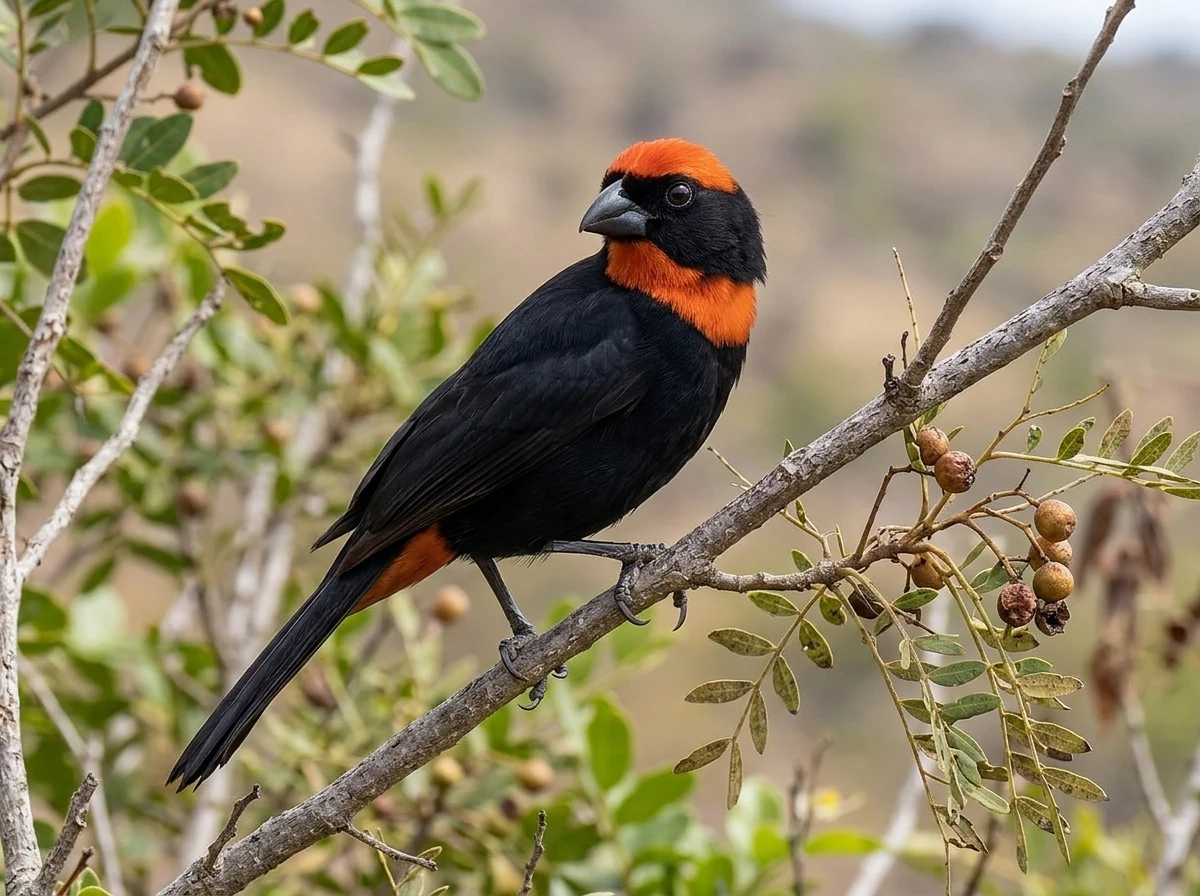
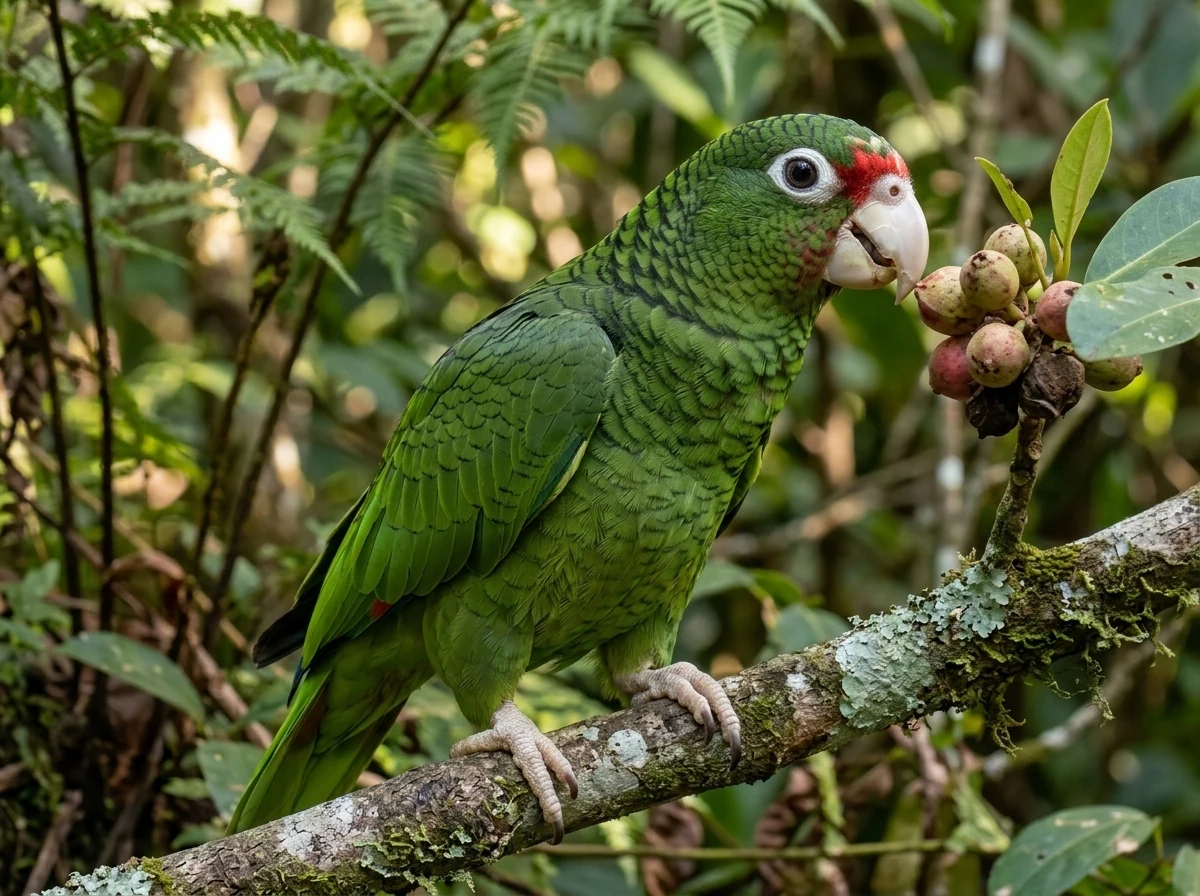
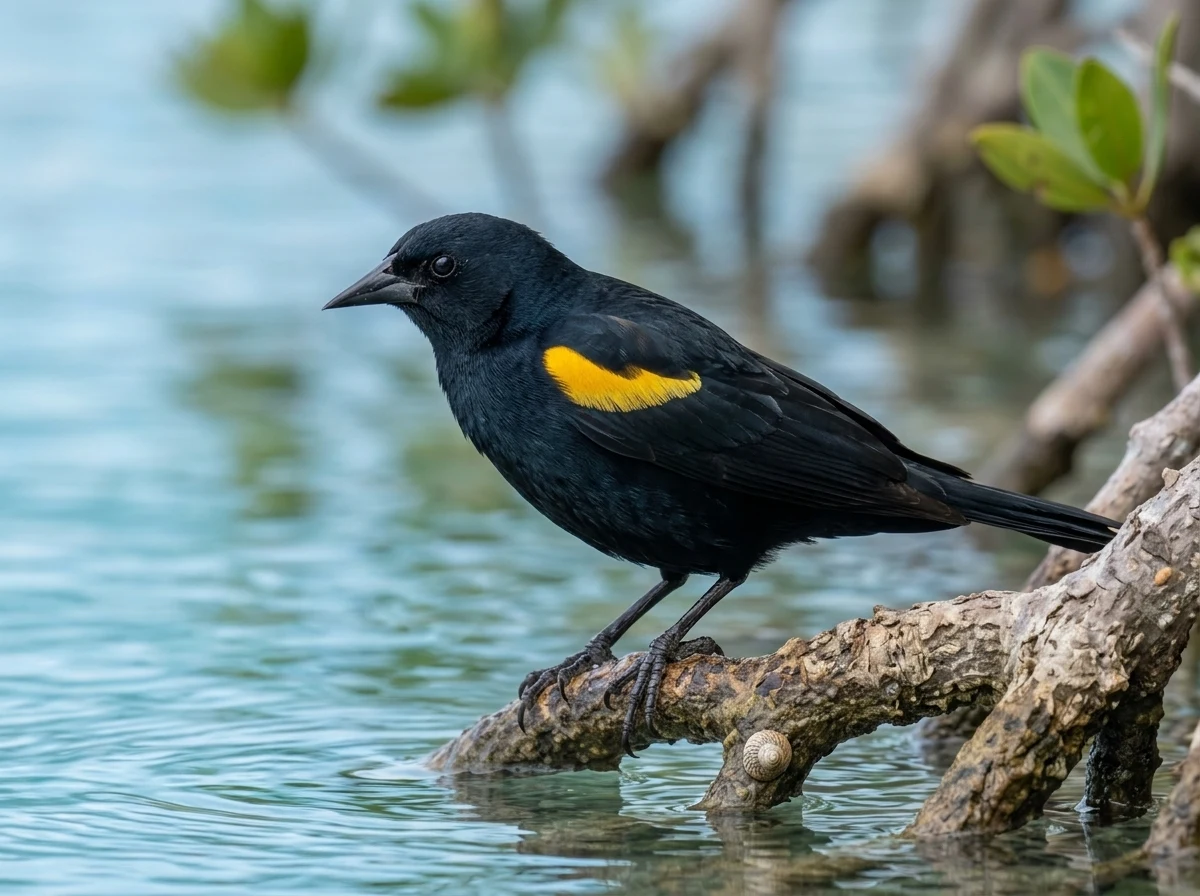
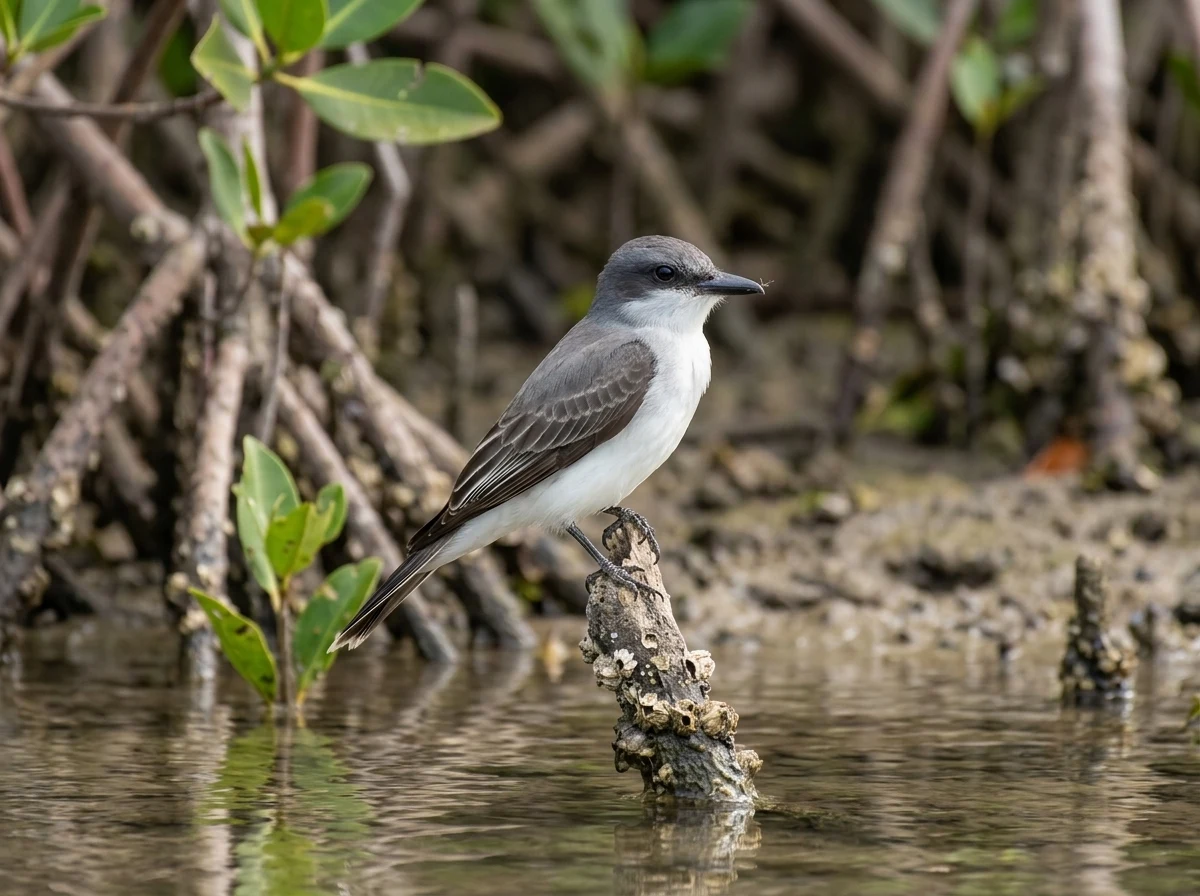
Recommended birds for a school project
Each profile has the basics to begin: names, habitat, occurrence, conservation, and sounds.
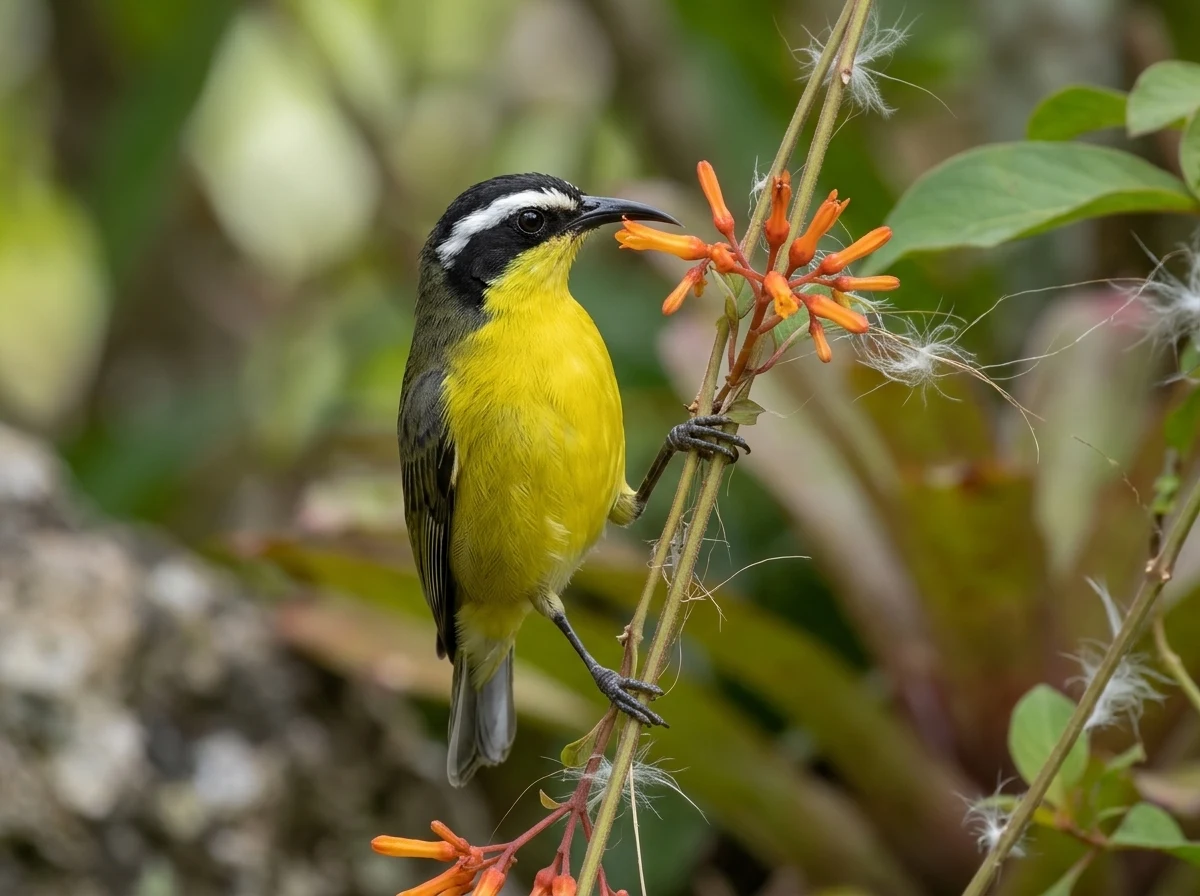
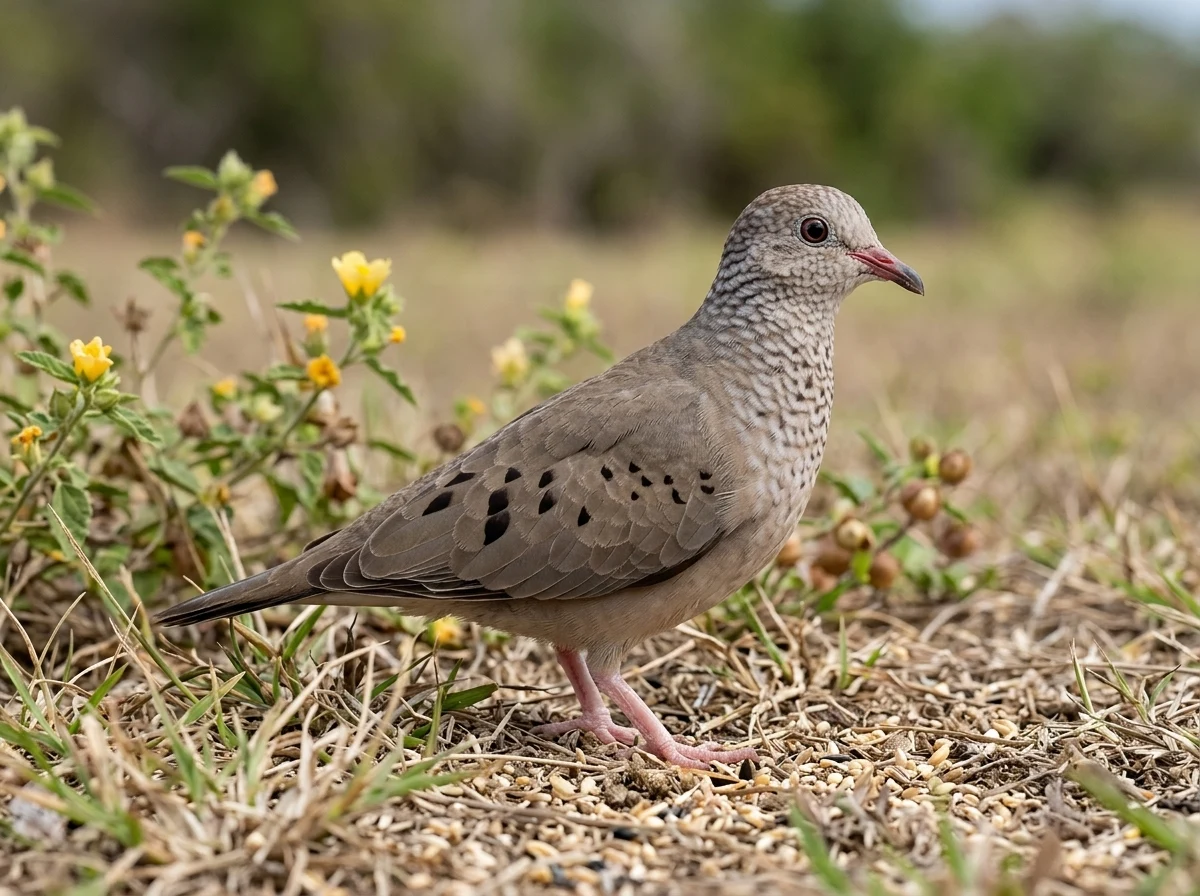
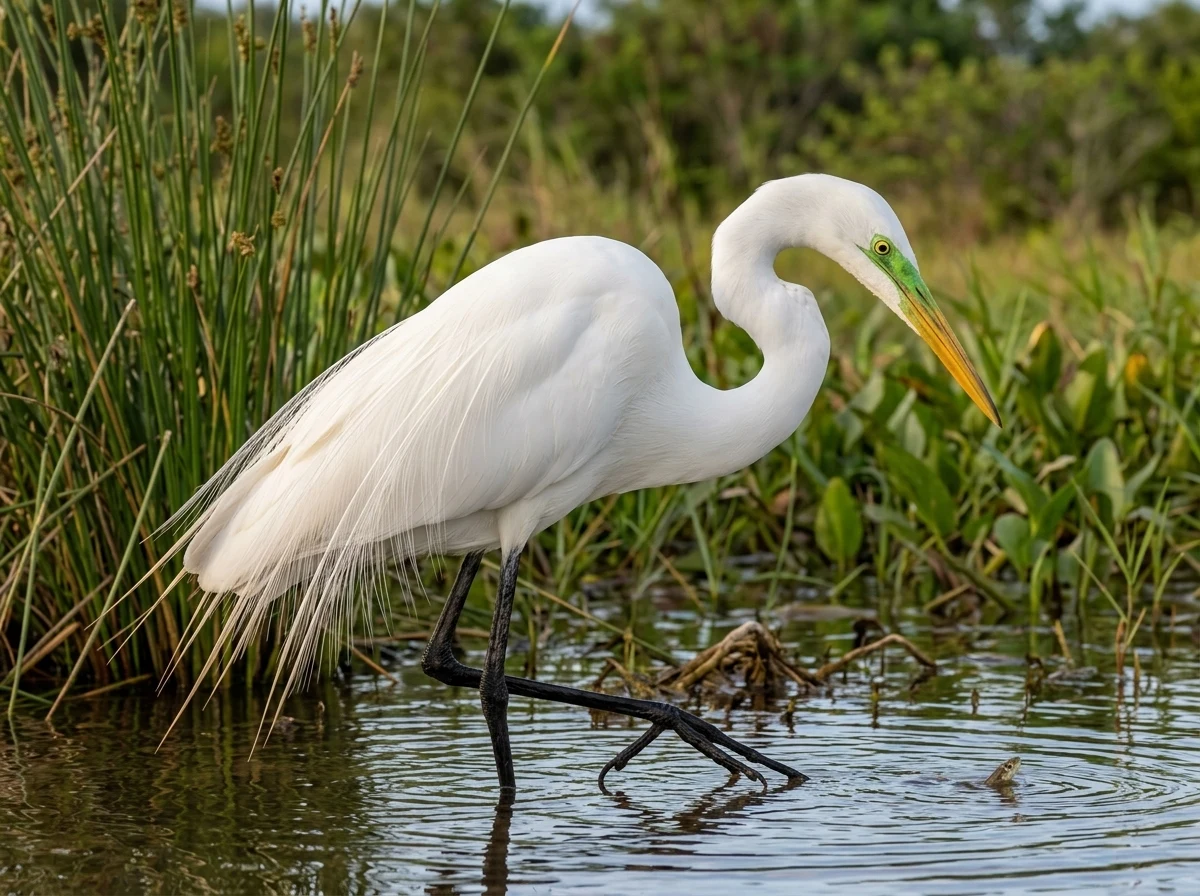
Sound archive
Hear its voice
Explore real songs and calls. The spectrogram turns each sound into a visual trace of time and frequency.
XC796586Recording 1 of 3call

Play: call by Bobby Wilcox
Choose another recording
Sound recorded by Bobby Wilcox · XC796586 · CC BY-NC-SA 4.0. Visualization by Stichting Xeno-canto voor Natuurgeluiden.
Every recording retains the creator, catalogue number, and license published by Xeno-canto. Metadata via GBIF ↗
01
Which Puerto Rico bird is good for a school project?
Endemic birds work very well because they live only in Puerto Rico and have reliable information: the Puerto Rican Tody, Puerto Rican Spindalis, Puerto Rican Woodpecker, and Puerto Rican Parrot are popular choices. If you want to see it in person, pick a common one like the tody or the Gray Kingbird.
02
What information should a bird project include?
Include the common and scientific name, appearance, habitat, food, nest, sound, and conservation status, plus a guiding question and your answer. Every fact should have a source cited at the end of the poster or report.
03
Where can I find reliable information about Puerto Rico birds?
Start with the species profiles on this site and confirm with official or scientific sources: the Puerto Rican Ornithological Society, the U.S. Fish and Wildlife Service, the DNER, and BirdsCaribbean. Note which page each fact came from.
04
Does Puerto Rico have 17 or 19 endemic birds?
Current taxonomy counts 19 living endemic species; some older or summary lists count 17 because they did not yet include recently split species. In your project, you can explain the difference and cite the source you used.
05
How do I make a poster about the Puerto Rican Parrot?
Use a question like 'How is the parrot recovering?', a drawing showing the red forehead and white eye rings, a map with El Yunque, Río Abajo, and Maricao, and the February 2026 USFWS figures: more than 900 parrots counting wild and captive birds.
06
Can I use the coloring pages in my project?
Yes. The Bird Coloring Pages on the Kids hub are free and printable, and they work well as a base for a labeled bird diagram. Remember they are educational illustrations; to describe exact colors, compare with photos on the bird's profile.
Keep exploring
Connected routes
Sources and review
The evidence is one link away.
These sources support the editorial scope of this guide. Bird profiles also retain their own taxonomy, occurrence, and conservation references.
Reviewed:
01↗02↗03↗04↗05↗06↗07↗08↗09↗10↗11↗12↗
Sociedad Ornitológica Puertorriqueña
Official bird list
Local names, occurrence categories, and the public summary of 17 endemics.U.S. Fish and Wildlife Service
Puerto Rican Parrot recovery information
Current recovery context and the populations at Río Abajo and El Yunque.U.S. Fish and Wildlife Service
Yellow-shouldered Blackbird: bird of the month
Visual comparison, current distribution, and threats affecting the endemic Yellow-shouldered Blackbird.Journal of Caribbean Ornithology
The Puerto Rican Tody (Todus mexicanus): what's in a name?
History of the tody's scientific name (Sherry et al., 2024) and the debate over changing it to borinquensis under nomenclature rules.Departamento de Recursos Naturales y Ambientales
Getting to know the wetland ecosystem: educational activities
DNER teaching manual (2016) with before- and during-visit wetland activities, including one on bird adaptations.Next Generation Science Standards
Performance expectation 4-LS1-1
Fourth-grade standard on organism structures that support survival and behavior.Cornell Lab of Ornithology
Puerto Rico urban birds guide
Local names, behavior, and actions for living with urban birds.BirdsCaribbean / American Ornithological Society
2022 Caribbean taxonomy changes
Documents the Antillean Mango split and recognition of the Puerto Rican Mango.BirdsCaribbean
Caribbean Endemic Bird Festival
Annual festival from April 22 to May 22, with educational materials and coloring pages.Xeno-canto Foundation / GBIF
Xeno-canto recordings published through GBIF
Metadata, authorship, licenses, and catalogue records for field recordings used by the atlas.Macaulay Library / Cornell Lab of Ornithology
Puerto Rico sound archive
Complementary audio collection for comparing songs, calls, locations, and dates.National Audubon Society
Great Egret field guide
Measurements, yellow bill, black legs, and hunting technique of the Great Egret.The atlas continues