 AI
AIFor teachers
Lesson plan on Puerto Rico birds
A classroom-ready sequence that connects observation, adaptations, and conservation using free atlas materials.
Reviewed:Five days: observe, compare, explain, conserve, and present.
This Puerto Rico birds lesson plan organizes a unit of five 40- to 50-minute sessions: students observe real birds, connect bills and feet to food, research an endemic species, analyze a conservation threat, and present a claim with evidence. It works for grades 3 to 8 and adapts to K–2.
Everything uses free resources on this site: profiles for 402 species, recordings with spectrograms, the Bird Coloring Pages, the Who Is Singing? sound game, and the short lessons in Teacher Resources. This unit expands those lessons into a one-week sequence with assessment criteria and outdoor extensions.
For teachers
The unit at a glance
5sessions40 to 50 minutes each; they can be spread across weeks.
K–8gradesCore for grades 3–8 with adaptations for K–2.
22 abr–22 mayideal windowMatches BirdsCaribbean's Caribbean Endemic Bird Festival.
01
Objectives and standards connection
By the end, students will be able to: distinguish an observation from an inference; explain how a bird's body structure (bill, feet, wings) supports feeding or survival; define endemic, native, migratory, and introduced species with Puerto Rico examples; and build an evidence-based claim about a threat and a conservation action.
The sequence aligns with Next Generation Science Standards performance expectation 4-LS1-1, which asks students to construct an argument that plants and animals have internal and external structures that support survival, growth, behavior, and reproduction. Check the match with the current Puerto Rico Department of Education science standards for your grade.
02
Day 1: Who is singing? Observe and listen
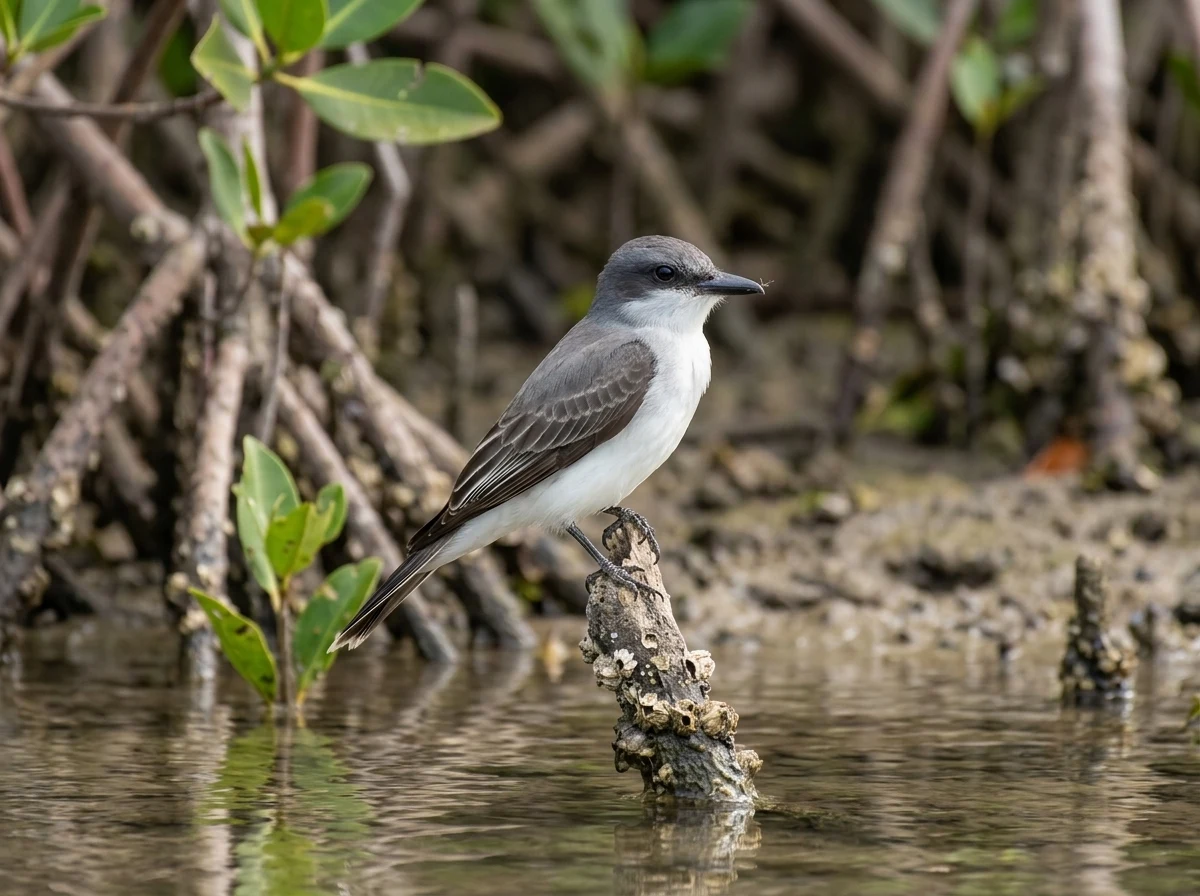
Open with the Who Is Singing? game on the Kids hub: six real recordings to guess the bird and see the shape of each sound. Then play the Gray Kingbird's call aloud and ask why students think its local name is Pitirre. Many Puerto Rican birds have names that imitate their voices, like Pitirre and Juí, which makes the topic memorable.
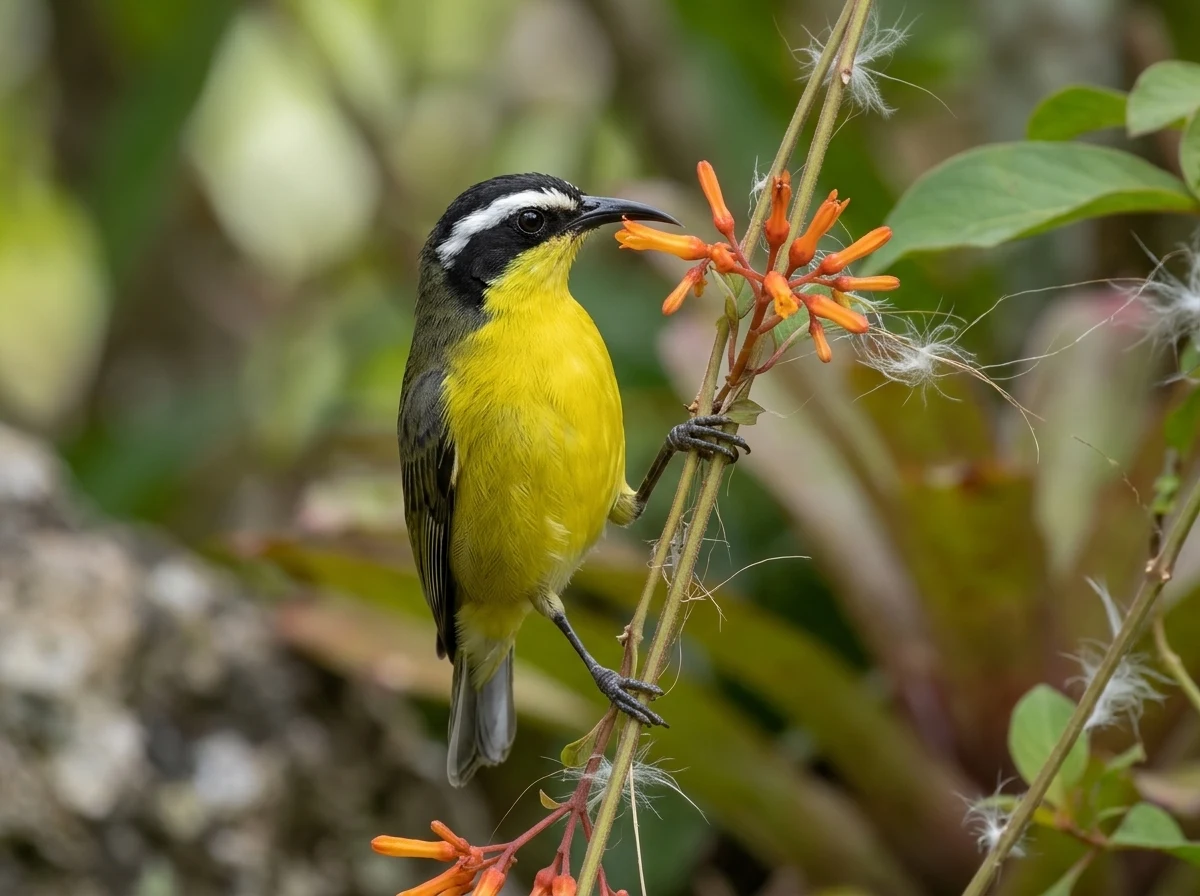
Part two: go outside to the schoolyard for 15 minutes. Each student fills a two-column table with what they see or hear (observation) and what they think it means (inference). Example: 'a yellow-and-black bird visits a flower' versus 'it is drinking nectar.' The Bananaquit, Gray Kingbird, and doves often turn up around schools.
03
Day 2: bills and feet as feeding tools
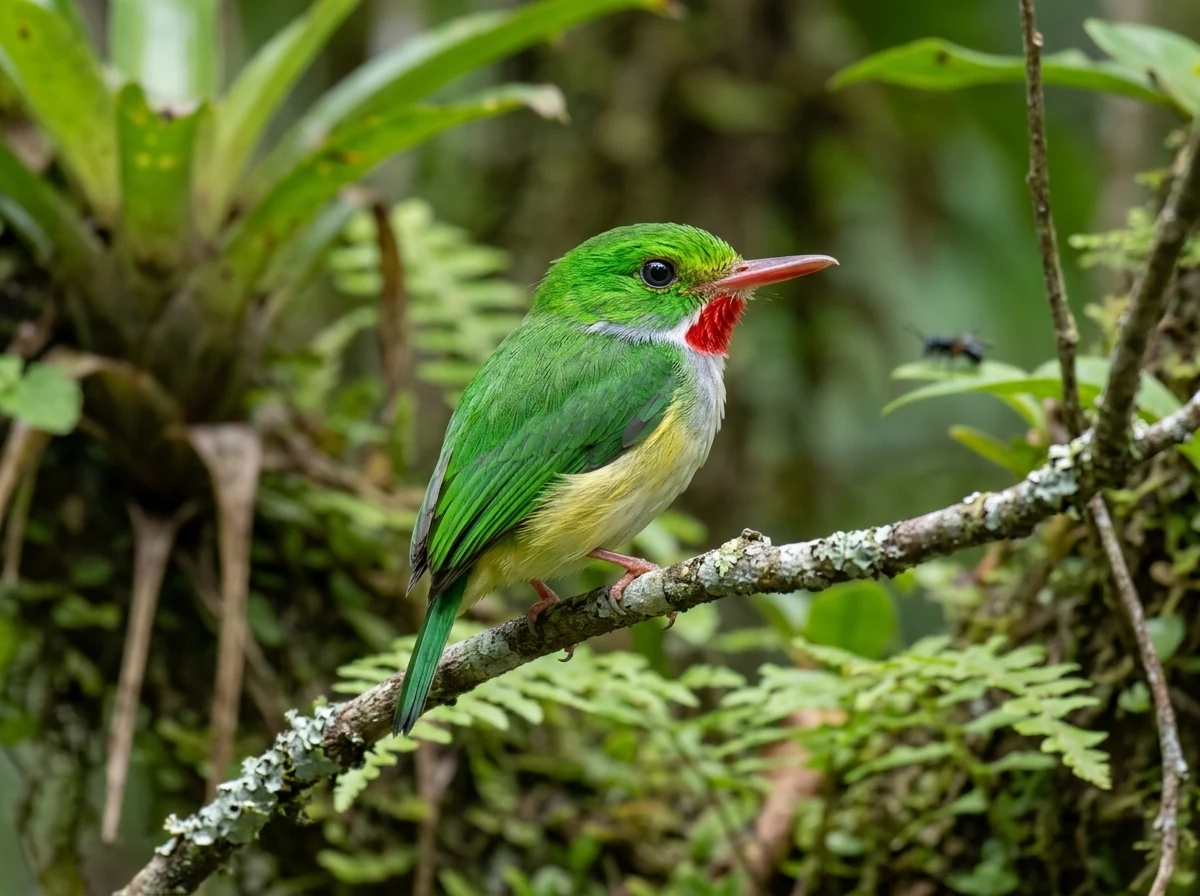
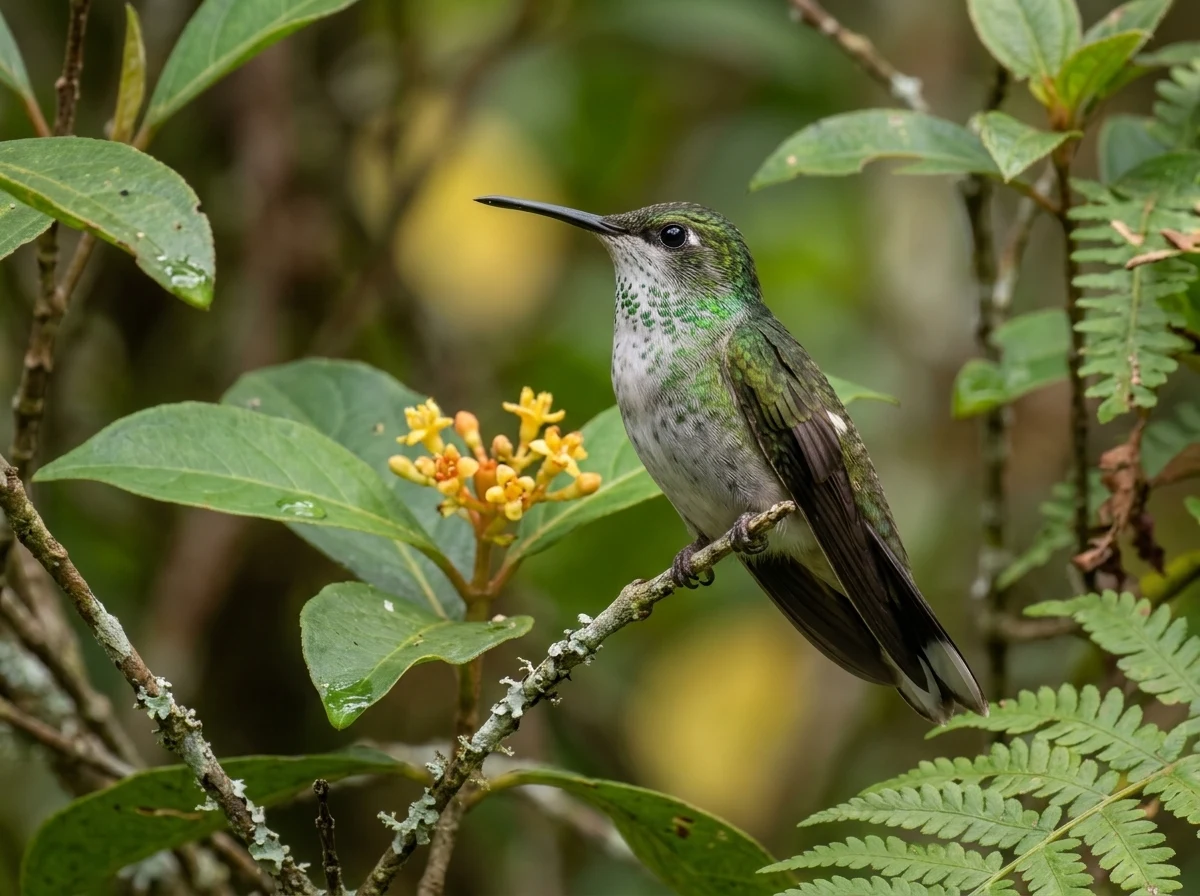
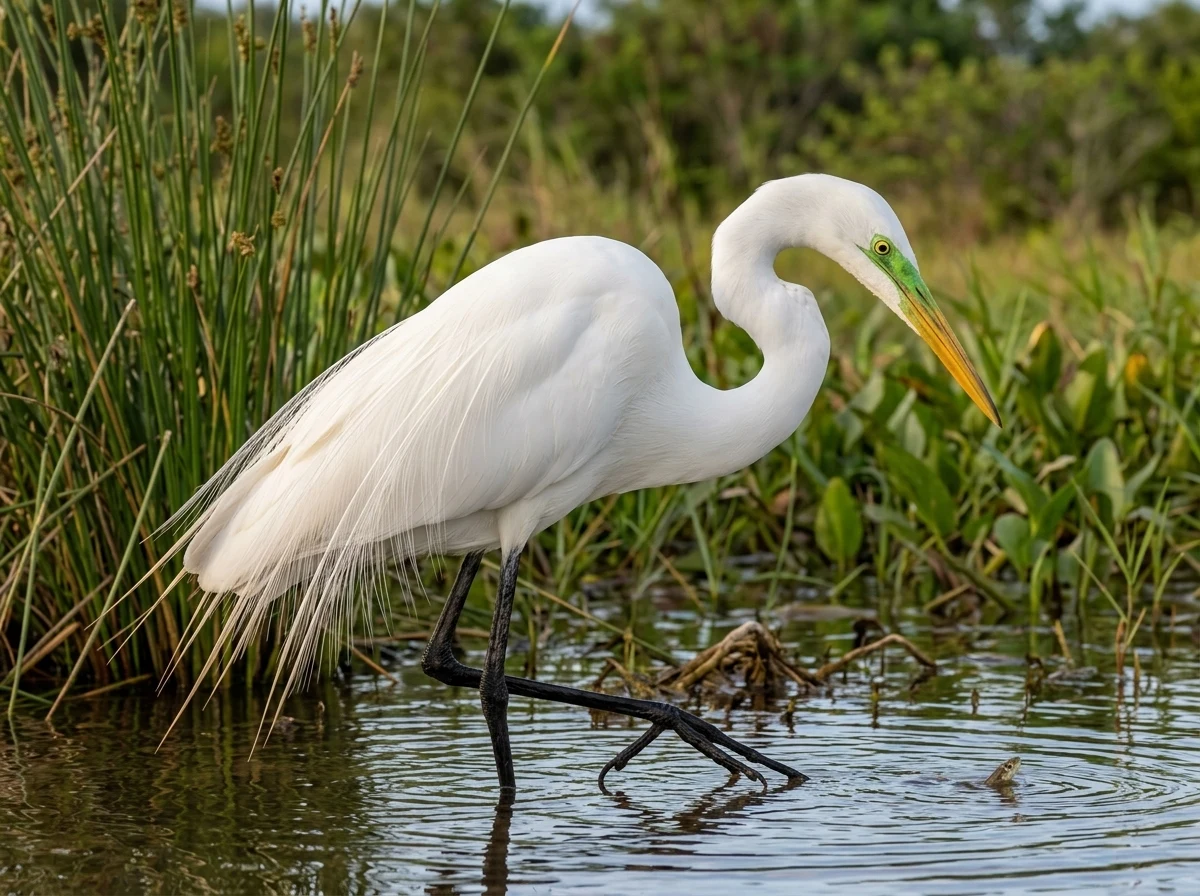
Set up stations with 'tools' (tweezers, dropper, spoon, chopsticks) and 'foods' (seeds, colored water, gummies) to simulate bills. Then compare with real birds: hummingbirds' long, thin bills for nectar, the tody's flat bill for catching insects, the Puerto Rican Bullfinch's thick bill for fruit and seeds, and the Great Egret's spear-like bill for fishing.
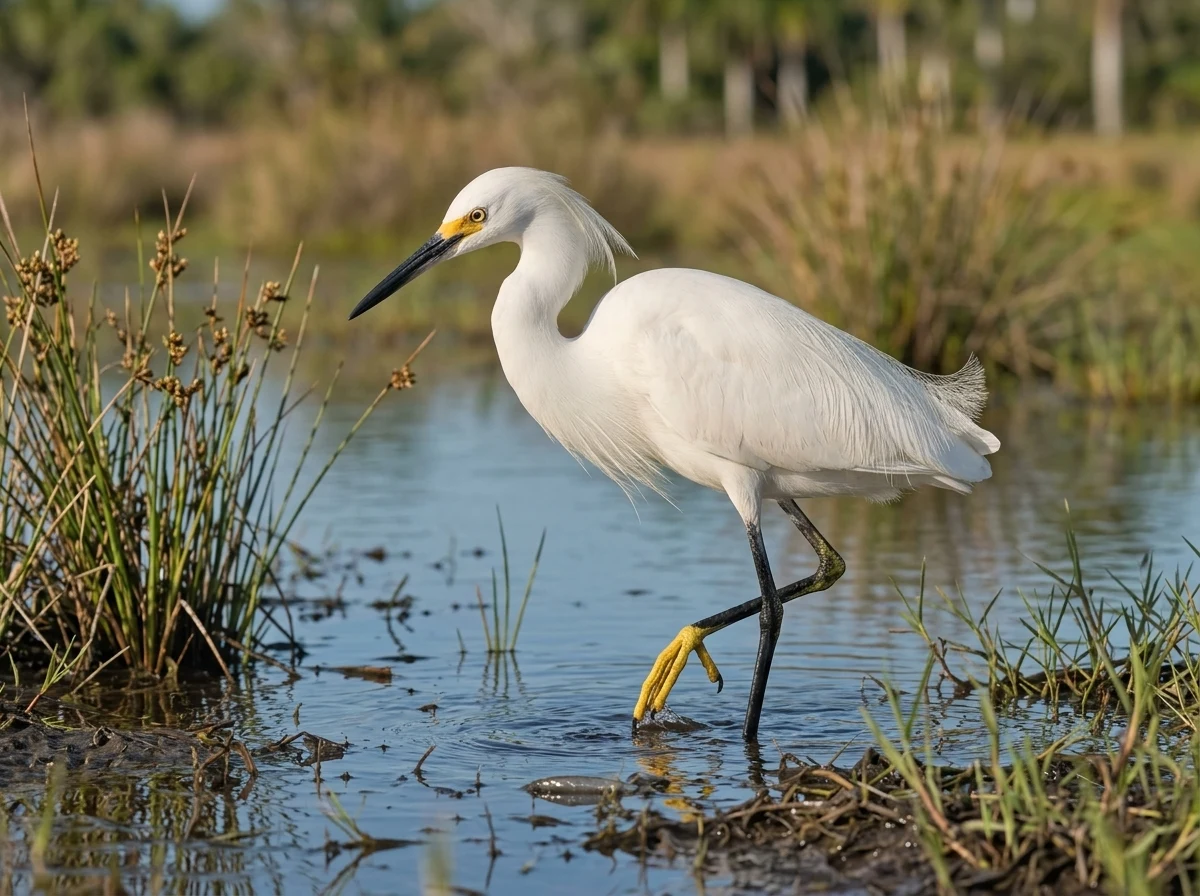
Close with feet and legs: herons have long legs for wading in shallow water, and the Snowy Egret even stirs the bottom with its yellow feet to startle prey. The DNER wetland teaching manual suggests a matching activity: each student designs their own bird with adaptations for a type of wetland and explains each trait.
04
Day 3: endemic, native, migratory, or introduced
Explain the four categories with examples: endemic (Puerto Rican Tody, Puerto Rican Spindalis, Puerto Rican Woodpecker), native but not endemic (Great Egret, Brown Pelican), migratory (warblers arriving in fall and winter), and introduced (species brought by people). Mention that Puerto Rico has 19 endemics under current taxonomy and some lists say 17: a good chance to teach that science gets revised.
In groups, each team gets one endemic species and uses its profile to fill a fact card: Spanish, English, and scientific names, habitat, food, nest, and conservation status. BirdsCaribbean notes that the Caribbean has 187 bird species found only in the region; Puerto Rico contributes 19 that live on no other island.
05
Day 4: a conservation case with evidence
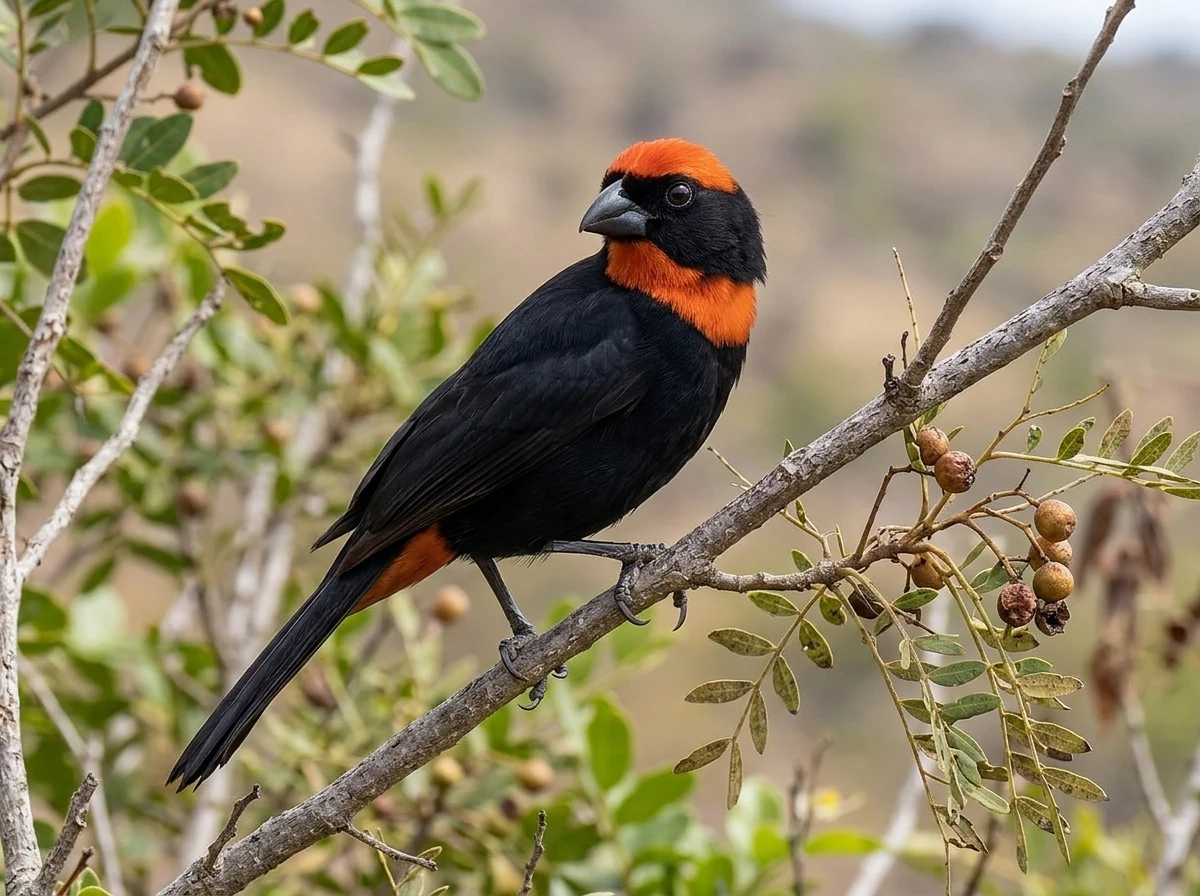
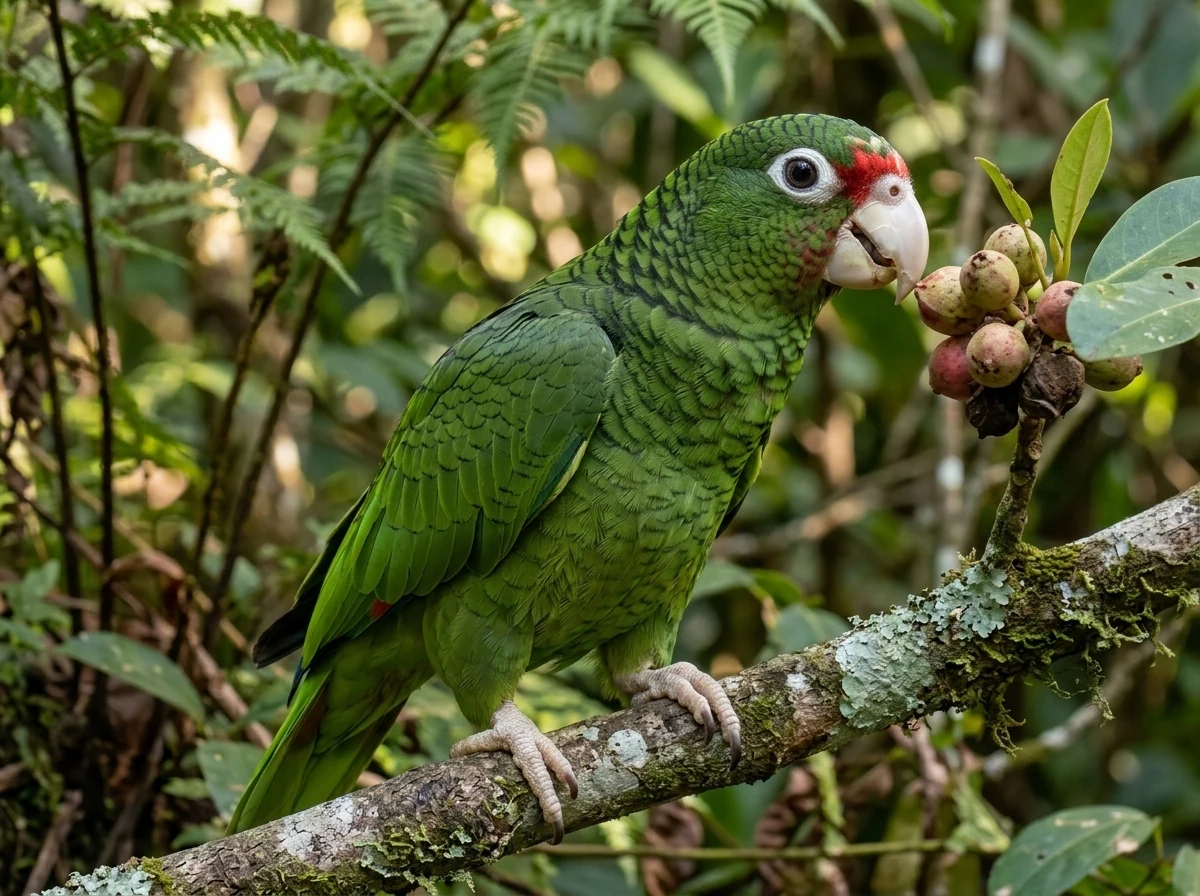
Present two cases with official data. The Yellow-shouldered Blackbird: endangered since 1976, with 600 to 700 birds, harmed by the Shiny Cowbird, which arrived in 1955 and lays eggs in its nests; biologists use artificial nests and weekly checks. The Puerto Rican Parrot: Hurricane Maria wiped out El Yunque's wild population in 2017, and releases since 2020 brought the total to more than 900 birds by 2026.
Students write a claim, two pieces of evidence, and reasoning. Example: 'Aviaries were key to the parrot's recovery' plus evidence from releases and counts plus an explanation. In grades 6 to 8, also ask for an action that matches the threat (not 'recycle' for a nest-parasitism problem).
06
Day 5: presentation, assessment, and extensions
Each group presents its bird in three minutes with a diagram (the Bird Coloring Pages make a good base), its fact card, and its claim. Suggested four-part rubric: accuracy of facts with cited sources, explanation of at least one adaptation, distinction between observation and inference, and quality of conservation reasoning.
Extensions: repeat the schoolyard observation every week and graph the results; join the Caribbean Endemic Bird Festival between April 22 and May 22, which offers coloring pages and activities; or end with a round of the Borinquen Expedition game. If your class visits a wetland, the DNER manual includes before- and during-visit activities.
Linked profiles
Birds used in this unit
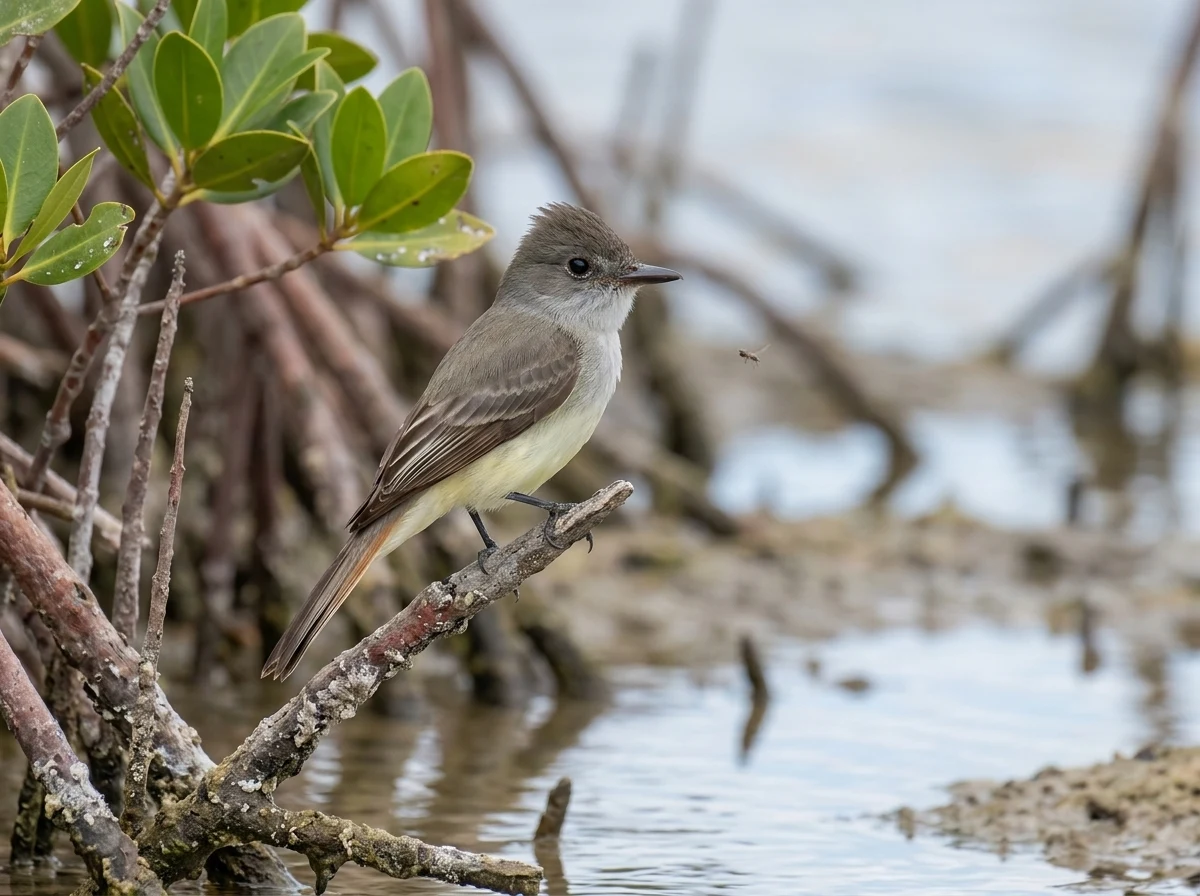
Project the profiles in class to show photos, habitat, conservation status, and recordings.
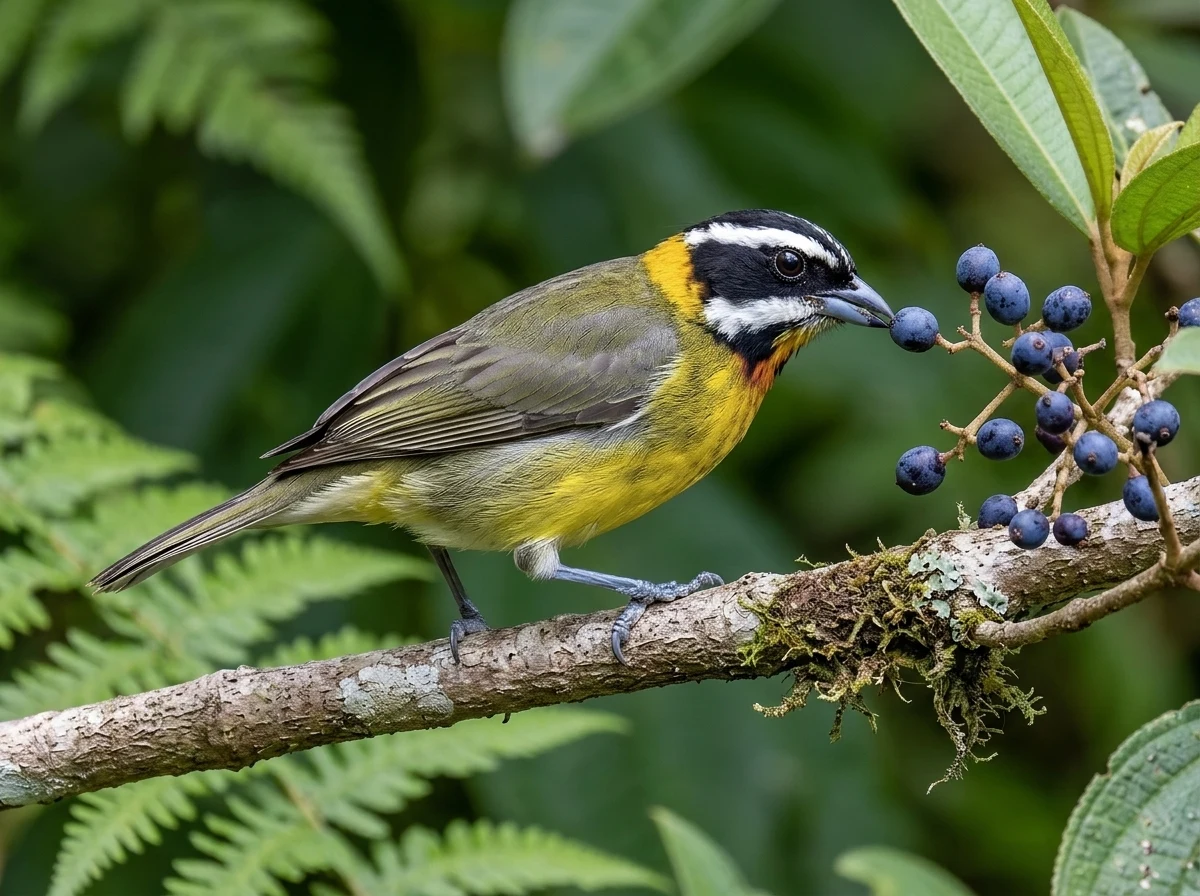
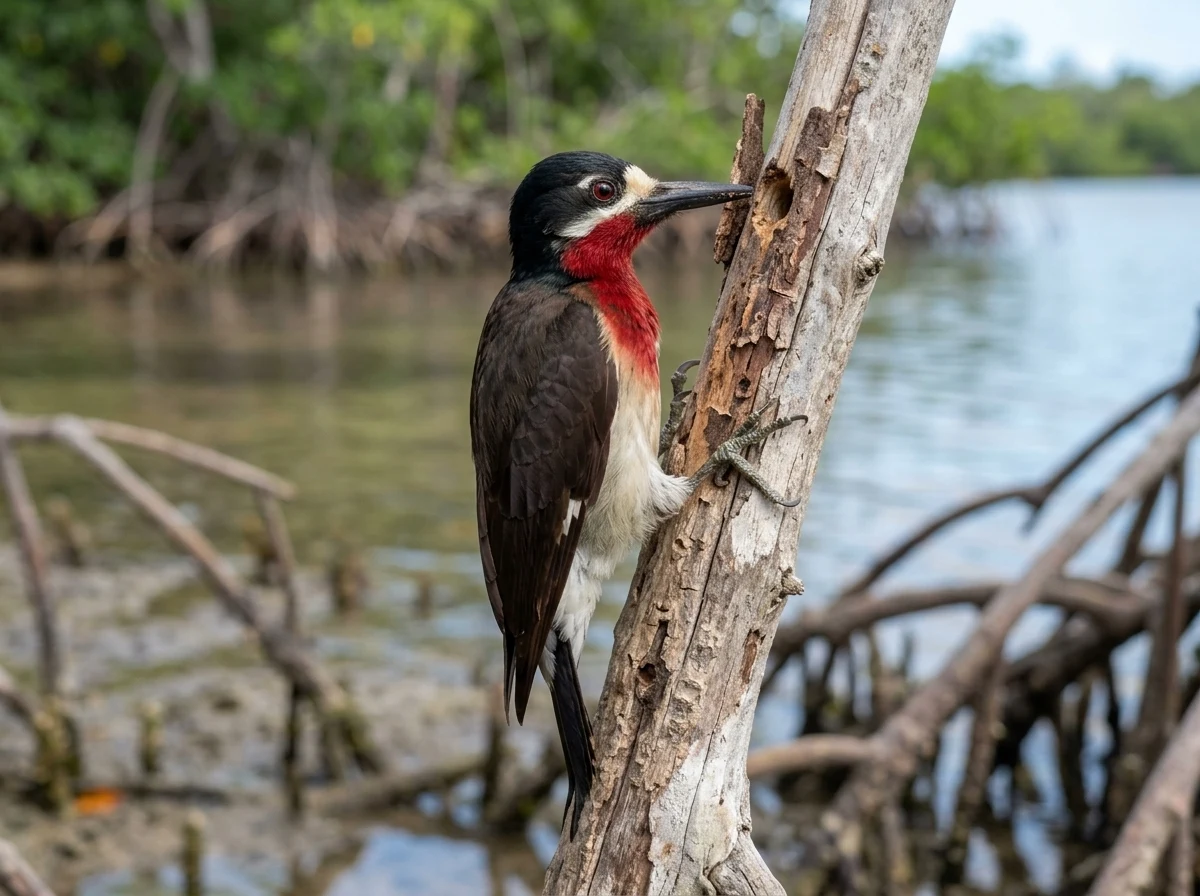
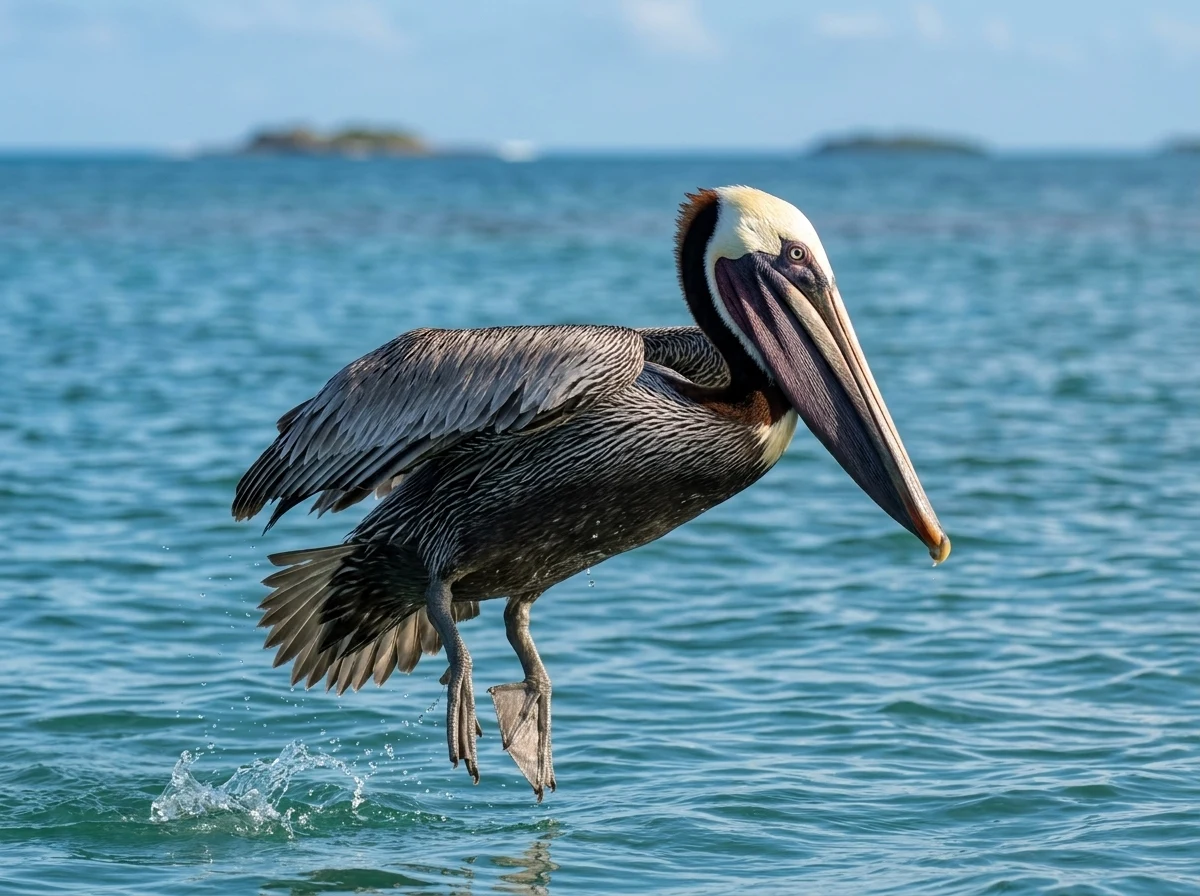
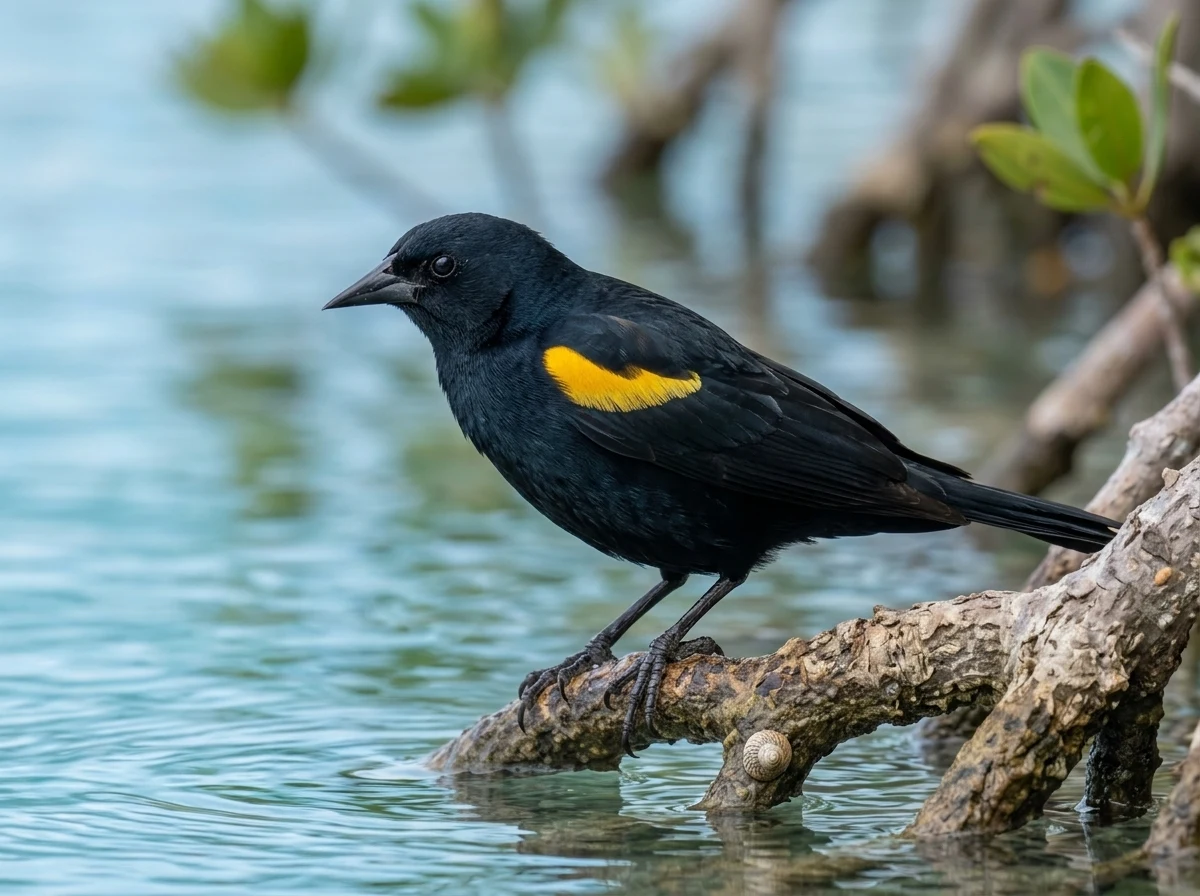
Sound archive
Hear its voice
Explore real songs and calls. The spectrogram turns each sound into a visual trace of time and frequency.
XC998936Recording 1 of 3song

Play: song by GABRIEL LEITE
Choose another recording
Sound recorded by GABRIEL LEITE · XC998936 · CC BY-NC-SA 4.0. Visualization by Stichting Xeno-canto voor Natuurgeluiden.
Every recording retains the creator, catalogue number, and license published by Xeno-canto. Metadata via GBIF ↗
01
How do I teach about Puerto Rico birds in school?
Combine real observation (schoolyard or recordings), a hands-on bill-and-feet activity, research on one endemic species, and a conservation case with official data. A unit of five 40- to 50-minute sessions covers all of that with free materials.
02
Which science standard fits a bird lesson?
NGSS performance expectation 4-LS1-1 asks students to argue that animals have structures supporting survival and behavior, which birds illustrate well through bills and feet. Confirm the match with the current Puerto Rico Department of Education standards.
03
When is the best time of year for a bird unit?
The Caribbean Endemic Bird Festival runs April 22 to May 22 and offers free educational materials. Fall and winter also work well because migratory birds arrive and join the residents.
04
Are there printable Puerto Rico bird worksheets?
Yes. The Teacher Resources page on the Kids hub has K–2, 3–5, and 6–8 lessons with reproducible worksheets and answer guidance, and there are 50 free Bird Coloring Pages and a PDF book.
05
How do I adapt this lesson for kindergarten to 2nd grade?
Shorten each session to 20 or 30 minutes, use the sound game and coloring pages, and ask children to draw a bird, label three parts, and say what it eats. Instead of claim and evidence, ask for one sentence starting 'I saw…' and another starting 'I wonder…'.
06
Is it safe to take students birdwatching?
Yes, with supervision and clear rules: stay together, keep away from nests, never chase or feed birds, and back off if a bird changes its behavior. The schoolyard is enough for a first 15-minute observation.
Keep exploring
Connected routes
Sources and review
The evidence is one link away.
These sources support the editorial scope of this guide. Bird profiles also retain their own taxonomy, occurrence, and conservation references.
Reviewed:
01↗02↗03↗04↗05↗06↗07↗08↗09↗10↗11↗12↗
Next Generation Science Standards
Performance expectation 4-LS1-1
Fourth-grade standard on organism structures that support survival and behavior.Departamento de Recursos Naturales y Ambientales
Getting to know the wetland ecosystem: educational activities
DNER teaching manual (2016) with before- and during-visit wetland activities, including one on bird adaptations.BirdsCaribbean
Caribbean Endemic Bird Festival
Annual festival from April 22 to May 22, with educational materials and coloring pages.U.S. Fish and Wildlife Service
Yellow-shouldered Blackbird: bird of the month
Visual comparison, current distribution, and threats affecting the endemic Yellow-shouldered Blackbird.U.S. Fish and Wildlife Service
Puerto Rican Parrot recovery information
Current recovery context and the populations at Río Abajo and El Yunque.Sociedad Ornitológica Puertorriqueña
Official bird list
Local names, occurrence categories, and the public summary of 17 endemics.Xeno-canto Foundation / GBIF
Xeno-canto recordings published through GBIF
Metadata, authorship, licenses, and catalogue records for field recordings used by the atlas.Cornell Lab of Ornithology
Puerto Rico urban birds guide
Local names, behavior, and actions for living with urban birds.National Audubon Society
Snowy Egret field guide
Measurements, black bill, black legs with yellow feet, and active foraging of the Snowy Egret.National Audubon Society
Great Egret field guide
Measurements, yellow bill, black legs, and hunting technique of the Great Egret.BirdsCaribbean / American Ornithological Society
2022 Caribbean taxonomy changes
Documents the Antillean Mango split and recognition of the Puerto Rican Mango.U.S. Fish and Wildlife Service
Puerto Rican Parrot recovery
Populations, management, and goals of the interagency program.The atlas continues