 AI
AISTEM Learning Guide
Engineering Challenge: Design a Beak
Build, test, and redesign a model beak to collect a specific food. The USFWS plan provides the eight-challenge structure; Puerto Rico birds provide the ecological cases.
Reviewed: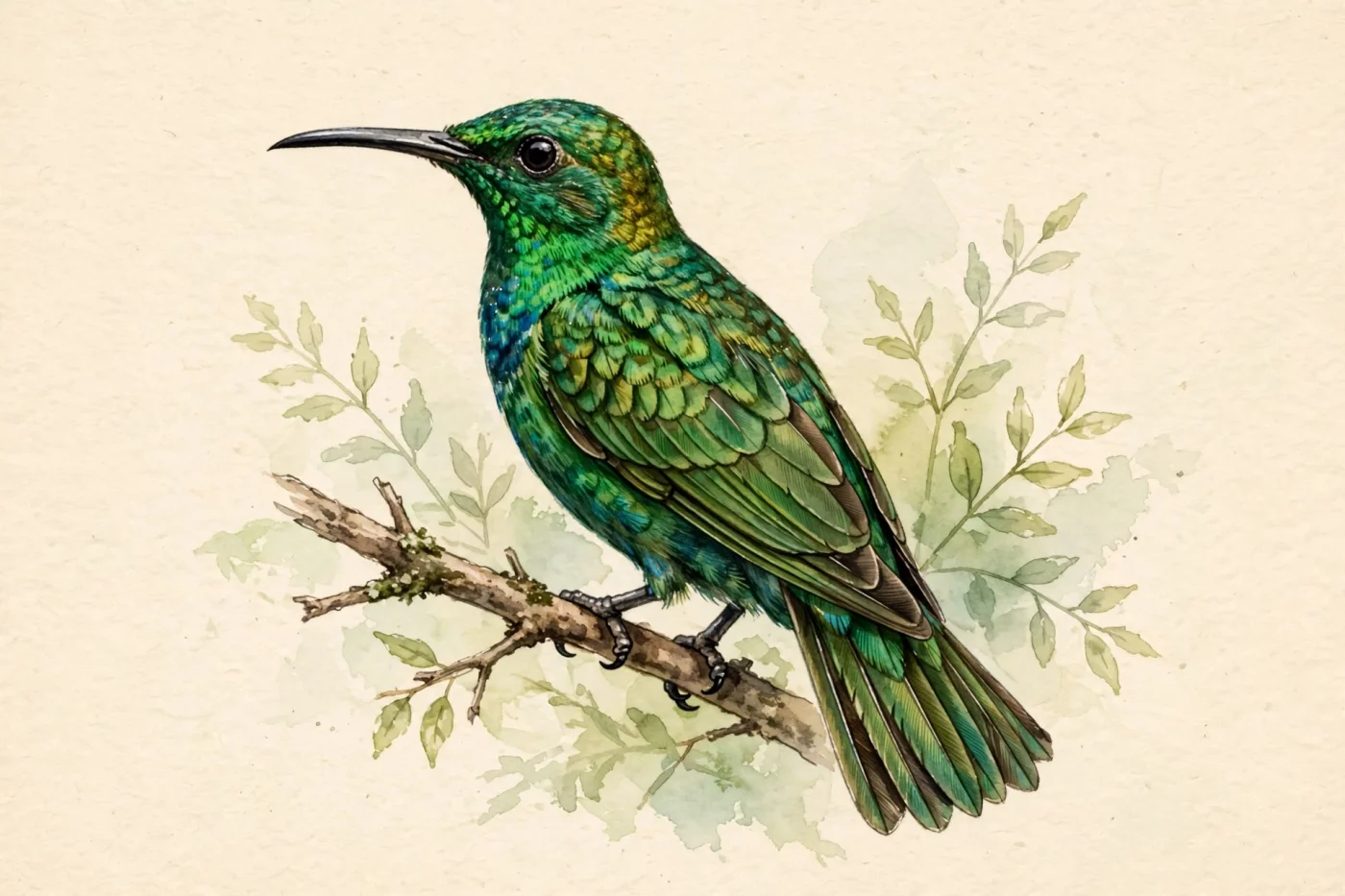
Prepared with AI assistance and linked sources. Illustrations are not field photographs.
A Design Problem with Feathers
A beak is a tool. Depending on its size and shape, it can be used for food-related tasks such as tearing, crushing, breaking, shearing, picking, and probing, and it also helps birds clean and preen their feathers. That idea is the starting point of this challenge: if a beak is a tool, then it can be designed, built, and tested like any other tool.
In this STEM activity, students build model beaks from everyday materials and compete to collect a specific food. The goal is not to guess the correct answer, but to iterate: build a prototype, measure its performance, identify its failures, and redesign it. The U.S. Fish and Wildlife Service (USFWS) Bills and Beaks lesson plan provides the eight-challenge structure; the Puerto Rico birds in the avespuertorico.com catalog serve as case studies connecting design to real ecology.
STEM Learning Guide
The Challenge in Three Ideas
8Feeding challenges in the USFWS planThe USFWS lesson plan organizes eight challenges, each with a food source and a set of candidate tools.
5Puerto Rico birds as ecological casesBrown Pelican, Green Mango, Puerto Rican Tody, Yellow-faced Grassquit, and Osprey, with diets documented in the catalog.
IterarThe core skillStudents test, measure, and redesign instead of looking for a single answer.
01
What a Beak Does and Why Shape Matters
Bird beaks are one of the defining characteristics of birds. Their primary function is eating and gathering food, but they are also used to feed young, build nests or collect supplies, and to hunt and grasp prey. The U.S. Fish and Wildlife Service (USFWS) Bills and Beaks lesson plan summarizes the food-related tasks a beak can perform: tearing, crushing, breaking, shearing, picking, and probing.
Shape matters because each task imposes different mechanical demands. A beak that must catch insects in the air needs a wide opening; one that must extract nectar needs a narrow, precise structure; one that must crack seeds needs concentrated force. In the USFWS plan, each challenge assigns tools that represent those shapes: tweezers, slotted spoons, eyedroppers, straws, pliers, scissors, strainers, and chopsticks.
For the classroom, the practical conclusion is simple: there is no universal beak. There is a beak suited to a particular food and context. That is the design question students must answer with evidence.
02
Five Puerto Rico Birds as Design Cases
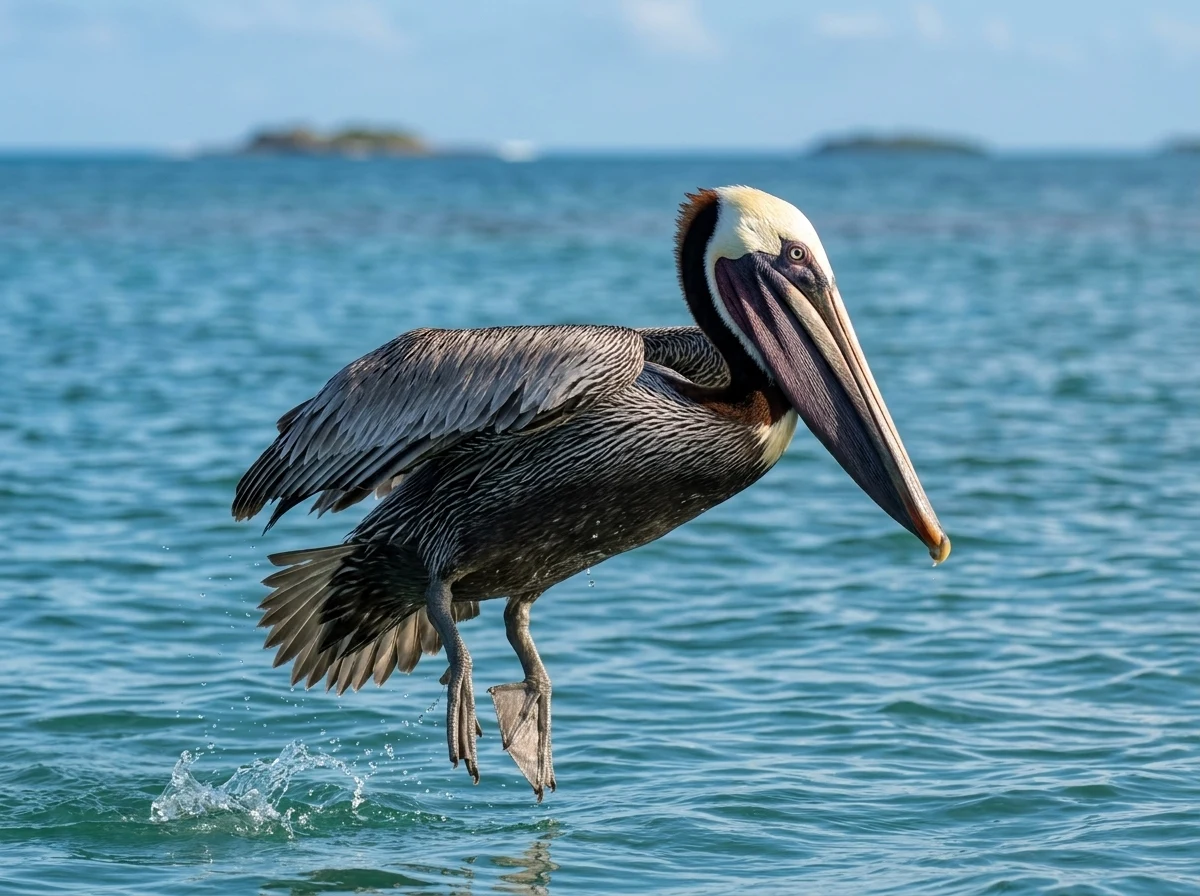
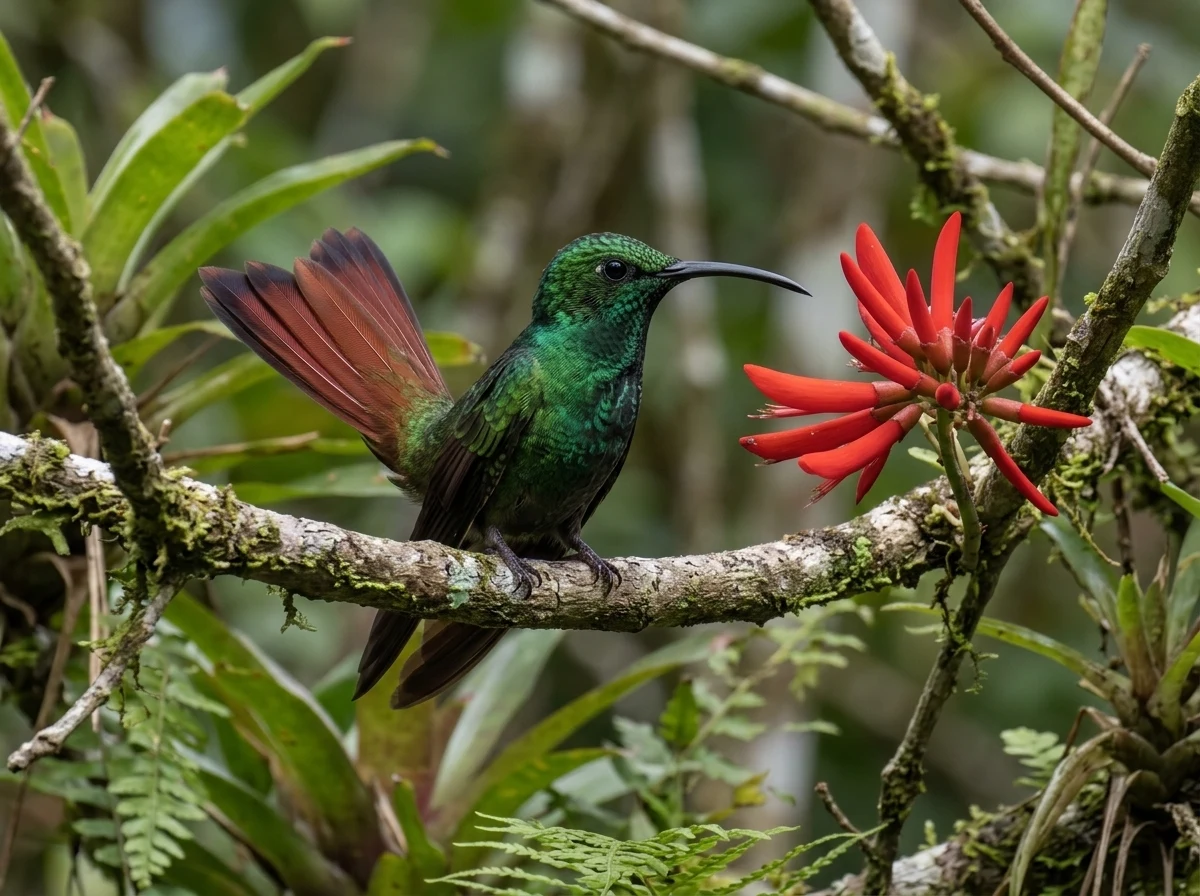
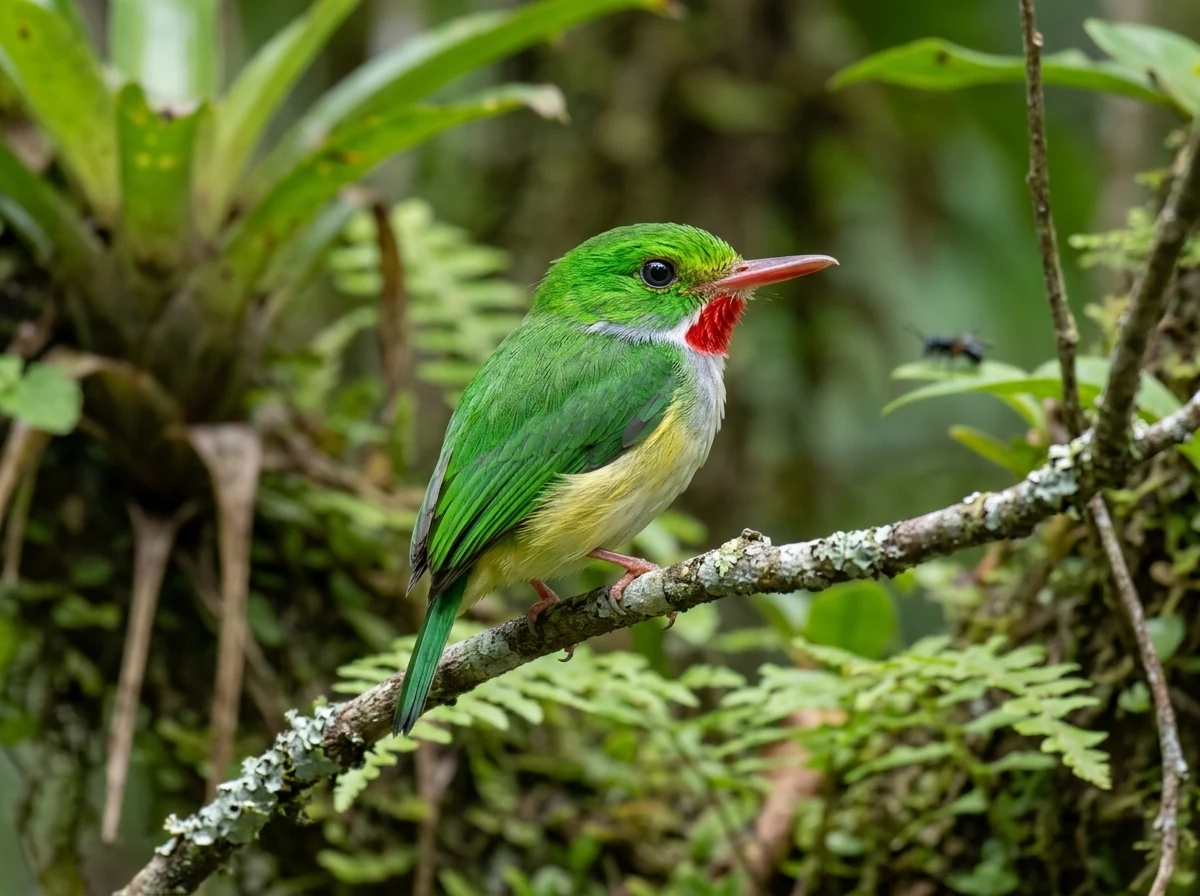
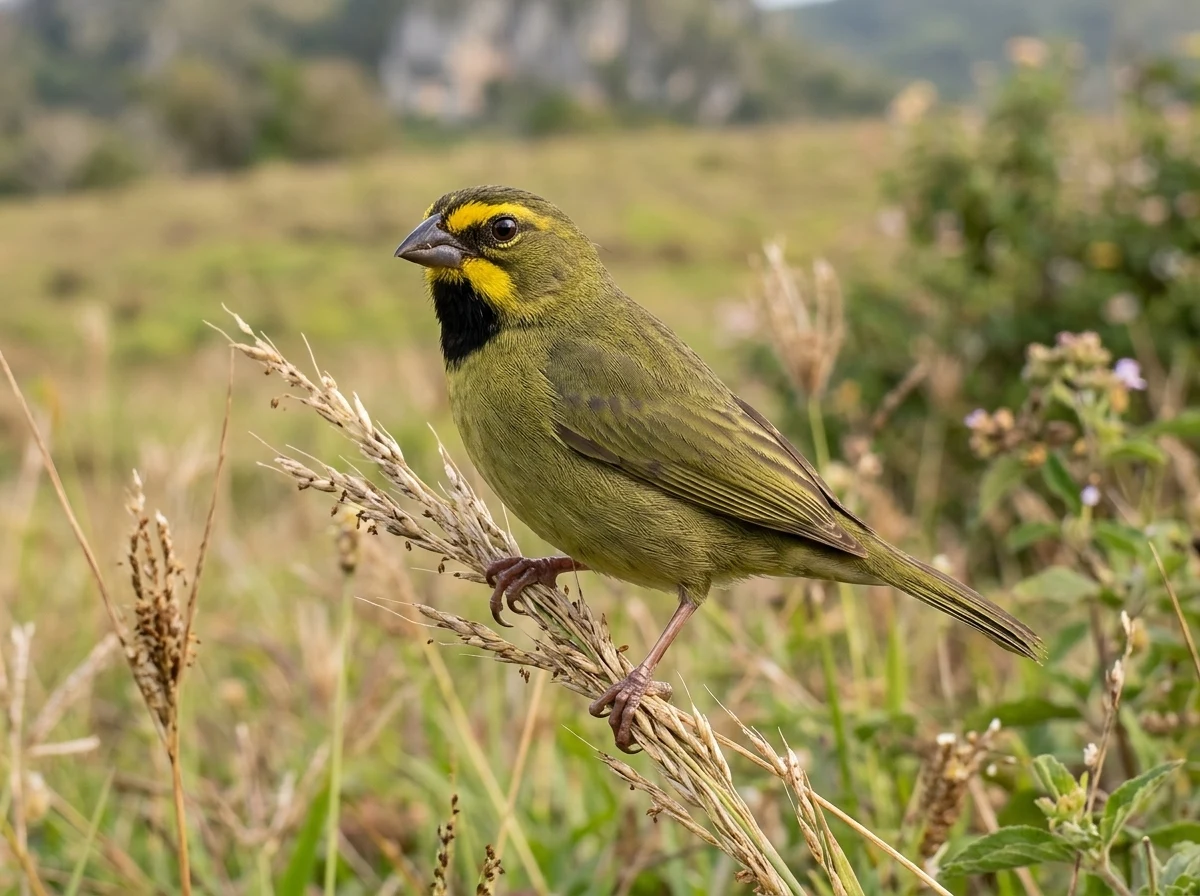
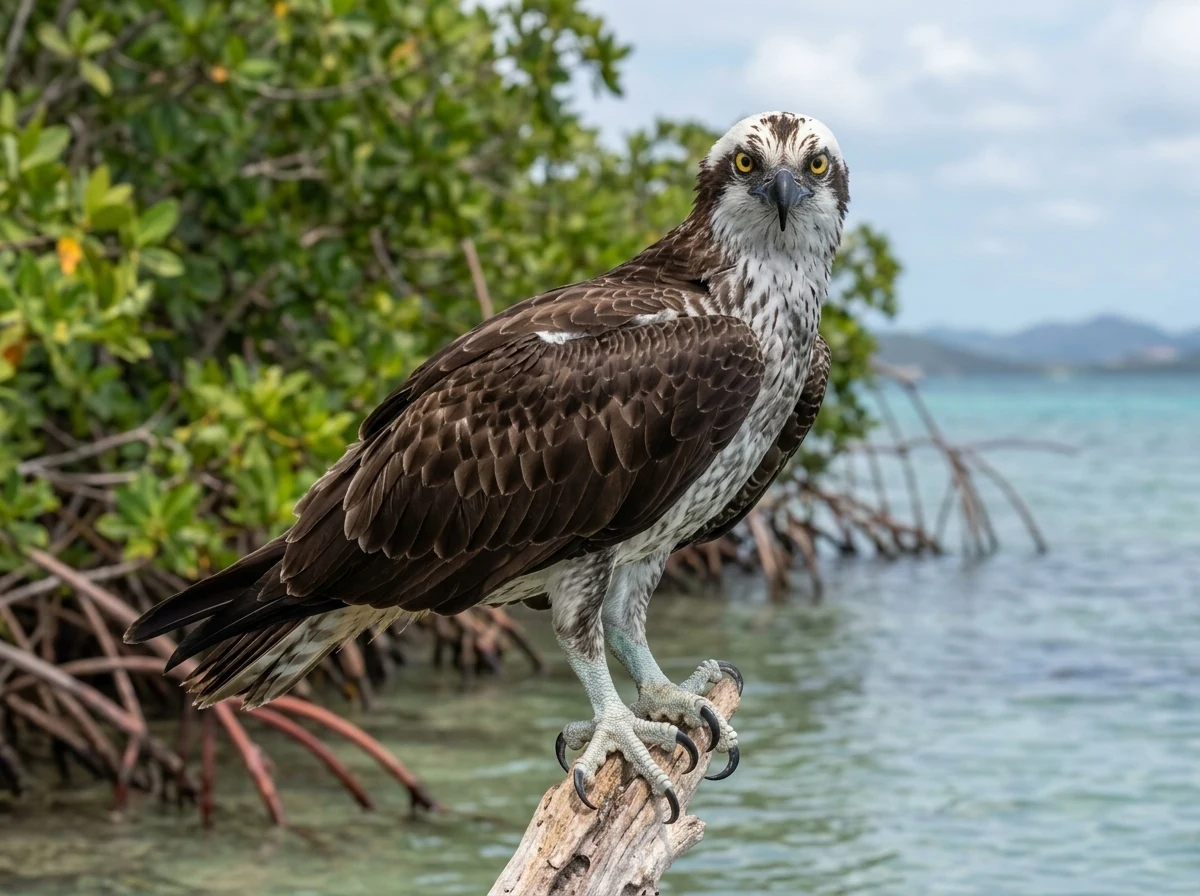
The avespuertorico.com catalog offers five species with documented diets that cover a useful spectrum of engineering problems. The Brown Pelican (Pelecanus occidentalis) feeds mainly on fish and captures prey in the water; the Green Mango (Anthracothorax viridis) is a nectarivore; the Puerto Rican Tody (Todus mexicanus) is an invertivore; the Yellow-faced Grassquit (Tiaris olivaceus) is a granivore; and the Osprey (Pandion haliaetus) is a raptor that feeds almost exclusively on fish.
Each diet suggests a different set of requirements. Collecting fish from water demands a structure that can catch and hold slippery prey. Extracting nectar demands precision and reach. Catching invertebrates demands aim and fine control. Handling seeds demands force and grip. Holding a fish demands a claw or clamp that will not let it escape.
The Puerto Rican Tody adds a valuable ecological detail: according to its Birds of the World account, it primarily eats insects and spiders, which it usually plucks from the undersides of leaves, and it is also known to eat small Anolis lizards. That means its beak must not only capture prey, but do so on a specific substrate: the underside of leaves.
For the challenge, each student or group can choose one of these birds and design a model beak that solves its feeding problem. The comparison between designs is where the learning happens.
03
How to Set Up the Challenge Step by Step
The USFWS plan offers a tested model of eight challenges. Each challenge pairs a food with a set of candidate tools. For example: nectar (colored water) with yarn, an eyedropper, and a straw; fish (green foam pieces) with chopsticks, tweezers, and a slotted spoon; hard-shelled seeds with pliers, chopsticks, and tweezers; and small insects (rice) hidden in bark with an eyedropper, tongs, and tweezers.
It is important to clarify that the USFWS worksheet uses its own generic bird list (Hummingbird, Pelican, Warbler, Shorebird, Swallow, Eagle, Blackbird, Duck), not the five Puerto Rico species. Substituting that list with the Brown Pelican, Green Mango, Puerto Rican Tody, Yellow-faced Grassquit, and Osprey is an adaptation of this guide, not content from the original document.
To adapt it to a Puerto Rico classroom, set up stations with analogous foods and tools. Use colored water for nectar, floating foam pieces for fish, sunflower seeds for seeds, rice tucked into grooves for small insects, and paper or cardboard for prey that must be torn.
The recommended procedure is: (1) present the challenge and the food; (2) ask students to predict which tool will work best; (3) give a few minutes to test each tool; (4) record on a worksheet which tool worked best and which model bird it corresponds to; (5) rotate through all stations; and (6) discuss results as a group. The USFWS worksheet asks students to note the best tool and the corresponding bird for each challenge; that table is the heart of the exercise, because it turns a hands-on activity into a data comparison.
04
Checklist and Results Log
Before starting, check: one food per station; at least three candidate tools per station; one recording sheet per group; a container or tray for each food; and a visible table with the model bird names. During the activity, each group should record the winning tool, the time or amount collected, and an observation about why that tool worked.
After the first round, ask groups to redesign. They can combine two tools, modify an existing one, or build a new one from available materials. The second round should be compared with the first using the same criteria.
The USFWS worksheet (teacher copy) records these correspondences for its challenges: eyedropper for nectar, chopsticks for buried worms, pliers for hard-shelled seeds, slotted spoon for fish in water, strainer for floating plants, envelope for flying insects, tweezers for caterpillars and other insects on a log, and scissors for fish or meat. Those are the original document's answers with its generic bird list.
When using the five Puerto Rico species as model birds, this guide's expectation is that the eyedropper works for the Green Mango's nectar, the slotted spoon for the Brown Pelican's fish, fine tweezers for the Puerto Rican Tody's invertebrates, pliers for the Yellow-faced Grassquit's seeds, and a grasping tool for the Osprey's fish. These correspondences are a teaching proposal from this guide, not a conclusion of the USFWS document. Close with a transfer question: if the food moved to a different station, would the same beak still work? The expected answer is no, and that is the central lesson about adaptation and design.
05
Questions for Thinking Like an Engineer and a Biologist
The USFWS plan includes reflection questions that connect design to biology: why do different bird species have unique beak shapes? Why is beak shape so important? Could it affect the type of habitat a bird lives in? If you could have any beak or be any bird, what type would you choose and why?
These questions can be answered with the Puerto Rico cases. The Brown Pelican and the Osprey share a fish-based diet, but their capture strategies differ. The Green Mango and the Yellow-faced Grassquit represent two extremes of feeding: liquid nectar versus hard seeds. The Puerto Rican Tody occupies an invertebrate niche in the foliage.
A valuable extension is to ask students to research what each bird eats in the catalog and justify their design with that information, not with intuition. This practices evidence-based argumentation.
Finally, discuss the idea of biomimicry: human engineers study natural structures to solve design problems. The beak is an accessible example of how form follows function.
Linked profiles
The Challenge's Model Birds
Five Puerto Rico species with documented diets covering different design problems: catching fish, extracting nectar, capturing invertebrates, handling seeds, and grasping prey.
01
What materials do I need for the challenge?
The USFWS plan uses strainers, chopsticks, slotted spoons, tongs, pliers, eyedroppers, straws, yarn, scissors, rice, sunflower seeds, green foam, packing peanuts, and colored water. These can be replaced with equivalent classroom materials.
02
How long does the activity take?
The USFWS plan lists 30 minutes for the main activity. Adding time for discussion and redesign is a recommendation of this guide, not an indication from the original document.
03
What does the Puerto Rican Tody eat?
According to its Birds of the World account, it primarily eats insects and spiders, which it usually plucks from the undersides of leaves, and it also eats small Anolis lizards.
04
What does the Green Mango eat?
The avespuertorico.com catalog classifies it as a nectarivore, with a diet of nectar.
05
What does the Yellow-faced Grassquit eat?
The catalog classifies it as a granivore, with a diet of seeds.
06
Can I use these birds to teach biomimicry?
Yes. The USFWS plan is a published example of an engineering lesson based on bird beaks, and the five catalog species offer distinct diets that can be compared.
Keep exploring
Connected routes
Sources and review
The evidence is one link away.
These sources support the editorial scope of this guide. Bird profiles also retain their own taxonomy, occurrence, and conservation references.
Reviewed:
The atlas continues