 AI
AITaxonomy, explained
17, 18, or 19?
The birds did not suddenly appear: the boundaries of two species changed. Date and taxonomic authority belong in every honest answer.
Reviewed:Three figures can be correct at three different moments.
SOPI's public summary still presents 17 endemics, while contemporary birding references work with 19. The number 18 appears in lists that incorporated one taxonomic split but not the next. The discrepancy makes more sense as a timeline than as an arithmetic error.
Every bird list should be read with four questions: What territory does it cover? When was it published? Which naming authority does it follow? Does it count species only, or subspecies too? Without those answers, a precise total can communicate an imprecise idea.
Taxonomy, explained
The timeline
17historical baselineThe figure still visible in SOPI's public summary and many earlier guides.
18after 2022The Antillean Mango split recognized Puerto Rican Mango.
19after 2023Puerto Rican Euphonia was recognized as a separate endemic species.
01
2022: one Antillean mango became several species
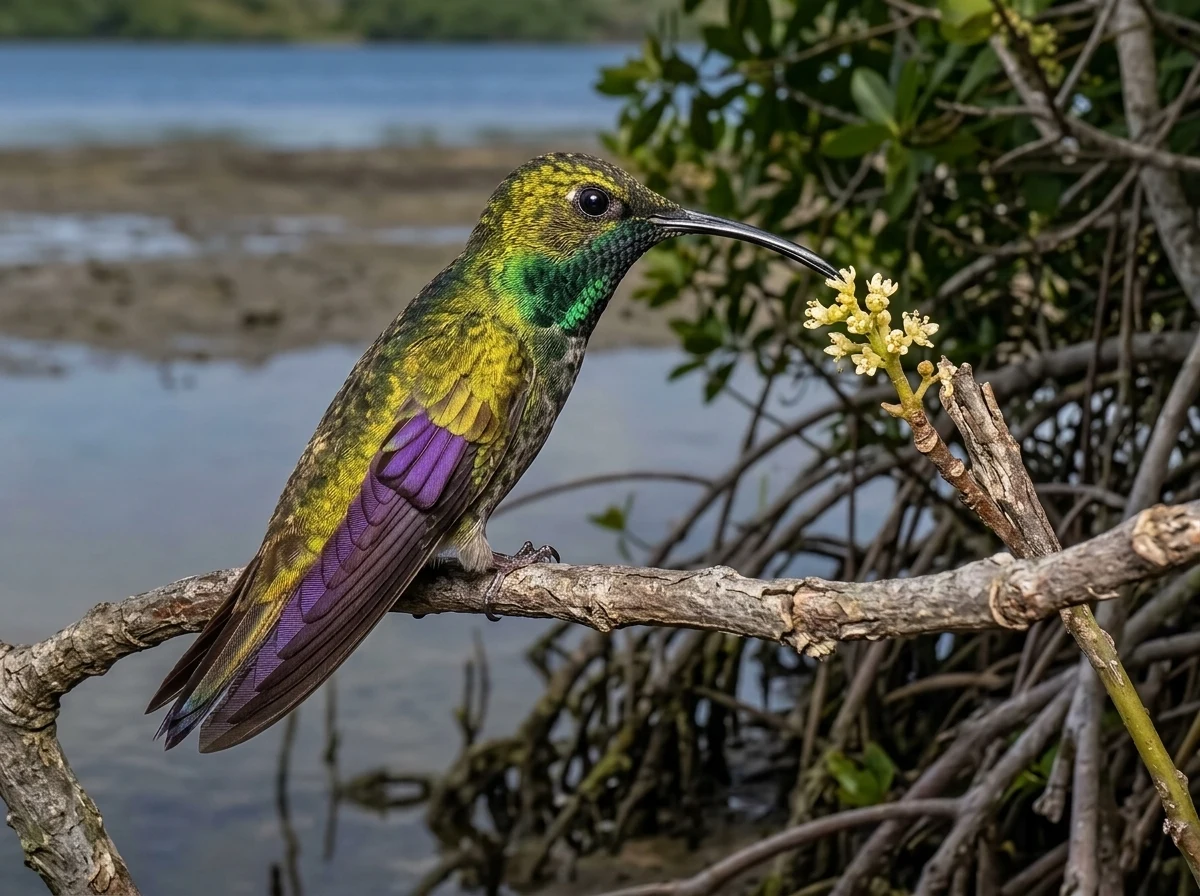
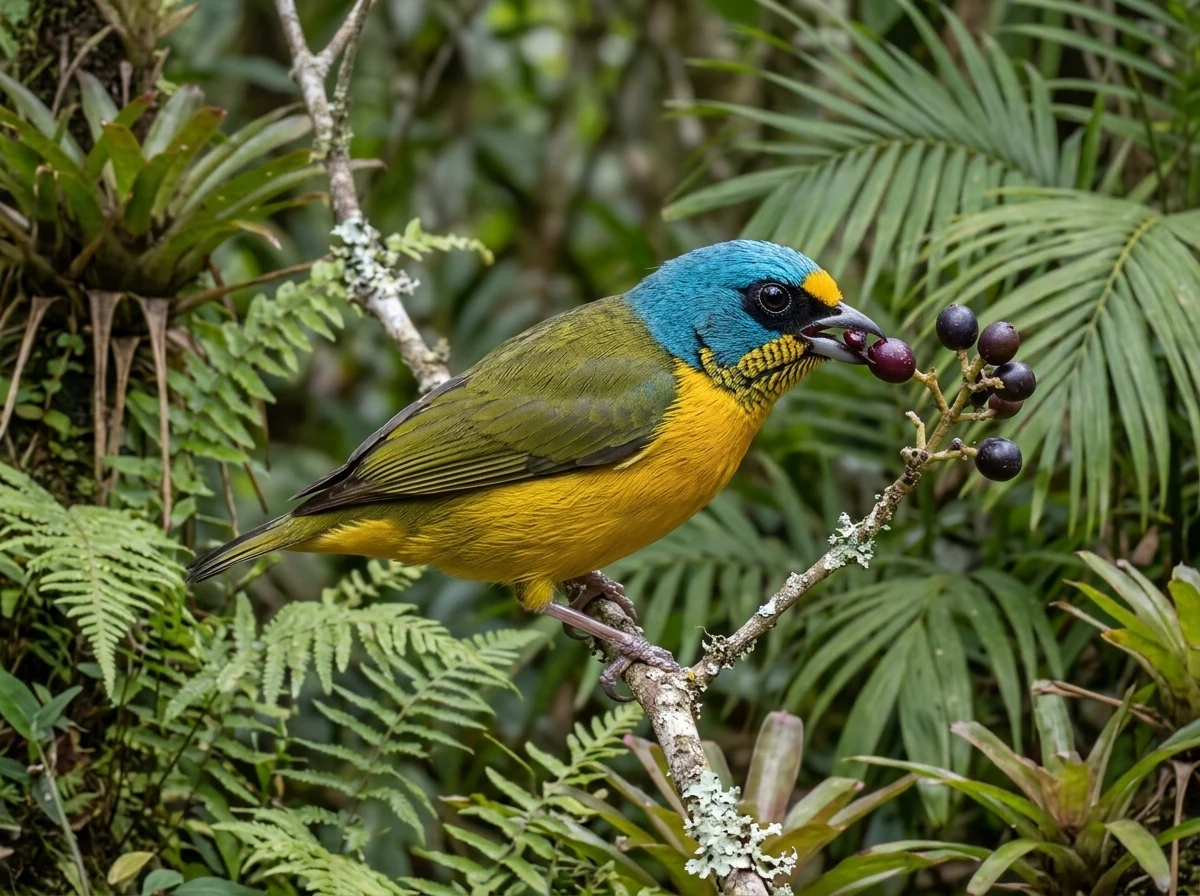
The American Ornithological Society update separated populations once grouped as Antillean Mango. The archipelago's population became Puerto Rican Mango, Anthracothorax aurulentus, a full endemic species.
The decision did not invent a population or change its plumage overnight. It reinterpreted evidence of differentiation and moved a taxonomic boundary. A checklist closed before that decision will legitimately retain the previous total.
02
2023: Puerto Rican Euphonia gained separate recognition
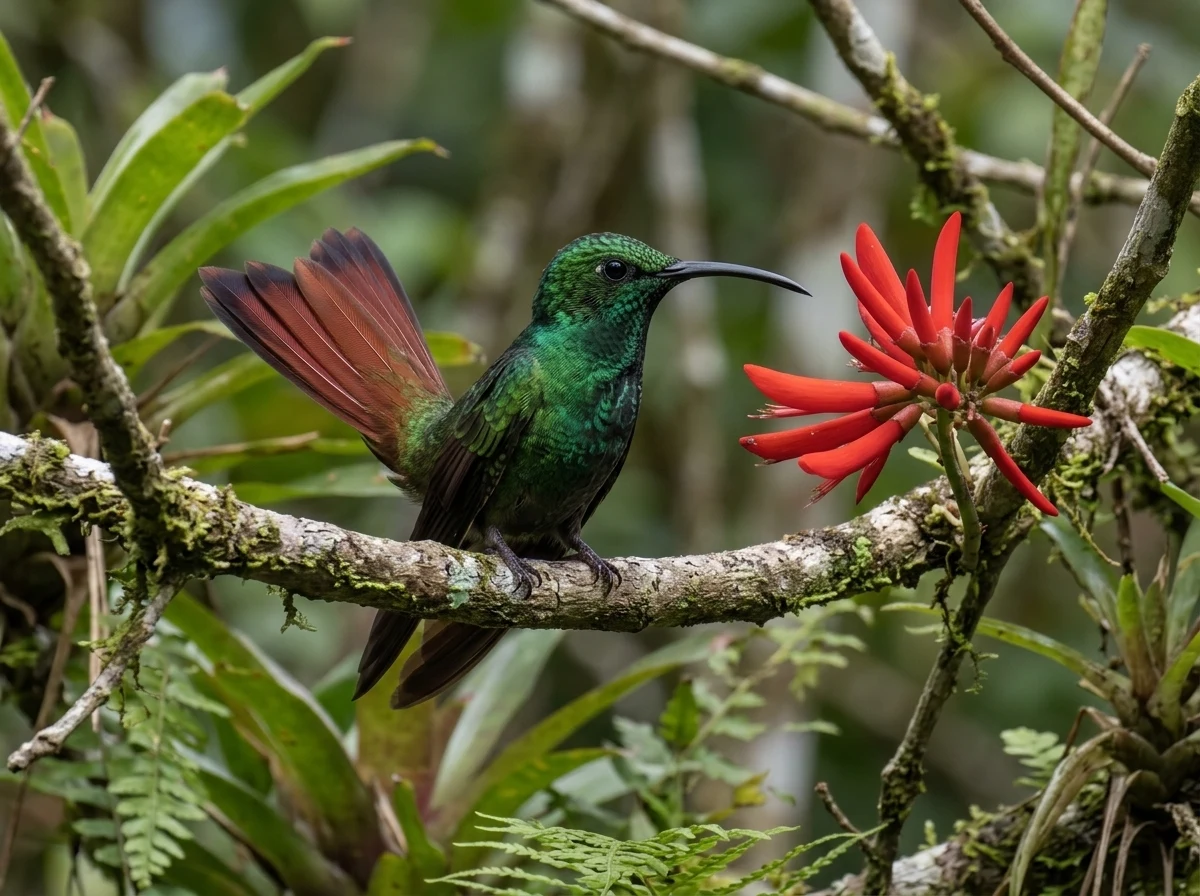
The 2023 supplement recognized several Caribbean splits, including Chlorophonia sclateri. Puerto Rico's population was no longer hidden inside a broader Antillean euphonia and added another species to the endemic set.
Not every global authority adopts a split at the same time. It is better to name the checklist being followed—AOS, eBird/Clements, IOC, or another—than to use “official” as though one worldwide taxonomic calendar existed.
03
Endemic subspecies are a different count
Puerto Rico also has endemic populations classified below the species level. Adding them to an answer about “endemic birds” without explanation mixes two taxonomic units and creates another total that cannot be compared directly.
Greater Antillean Grackle shows why precision matters: the species occurs elsewhere in the Greater Antilles even though Puerto Rico's population may be treated as a distinctive local subspecies. This guide's total of 19 counts full species only.
04
How to cite the number without freezing it
For a webpage, class, or publication, a durable formulation is: “19 living endemic species under the taxonomy adopted by this atlas, reviewed July 20, 2026.” That sentence supplies the figure, scope, and date instead of pretending permanence.
When comparing sources, preserve both numbers and explain the change. The discrepancy is valuable information because it shows how science revises hypotheses about relationships, ranges, and names.
Linked profiles
Species that make the change visible
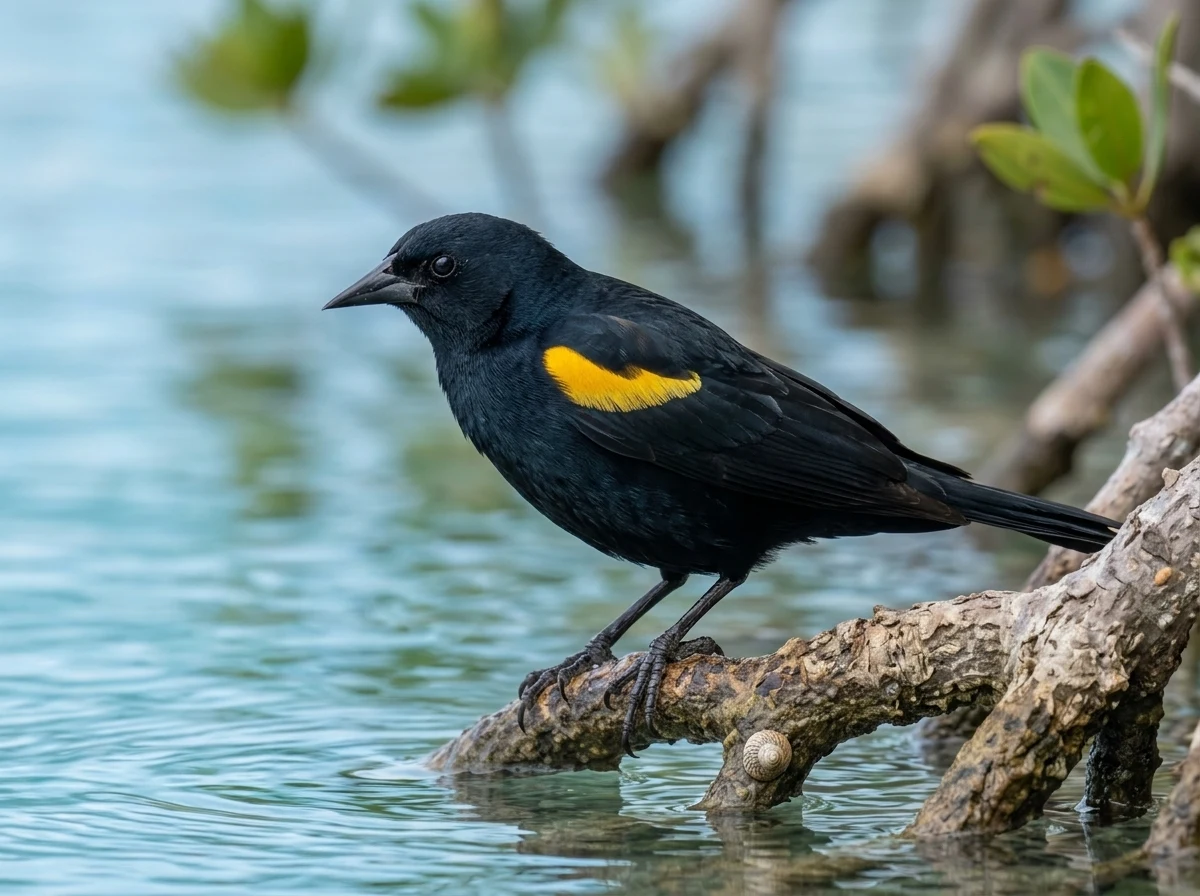
Compare the two recent additions with long-recognized endemics and a local subspecies.
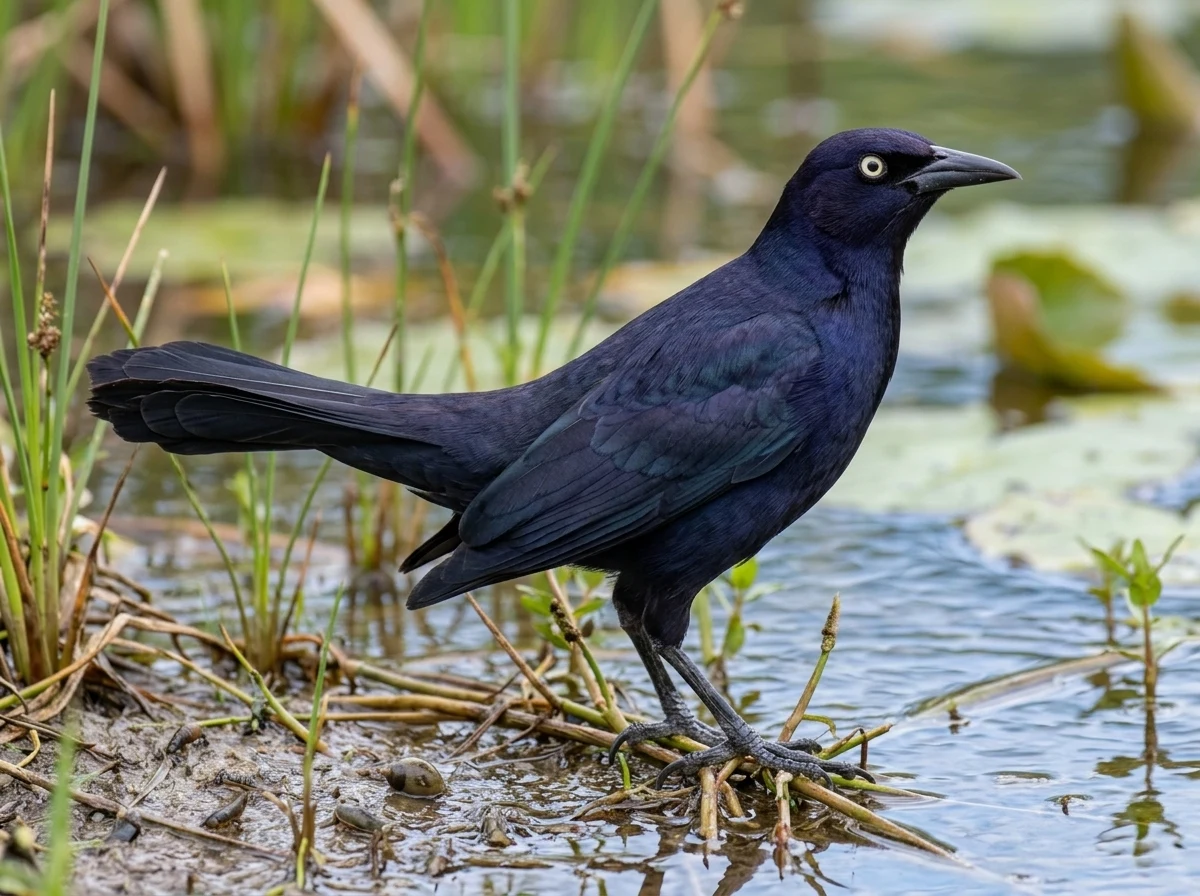
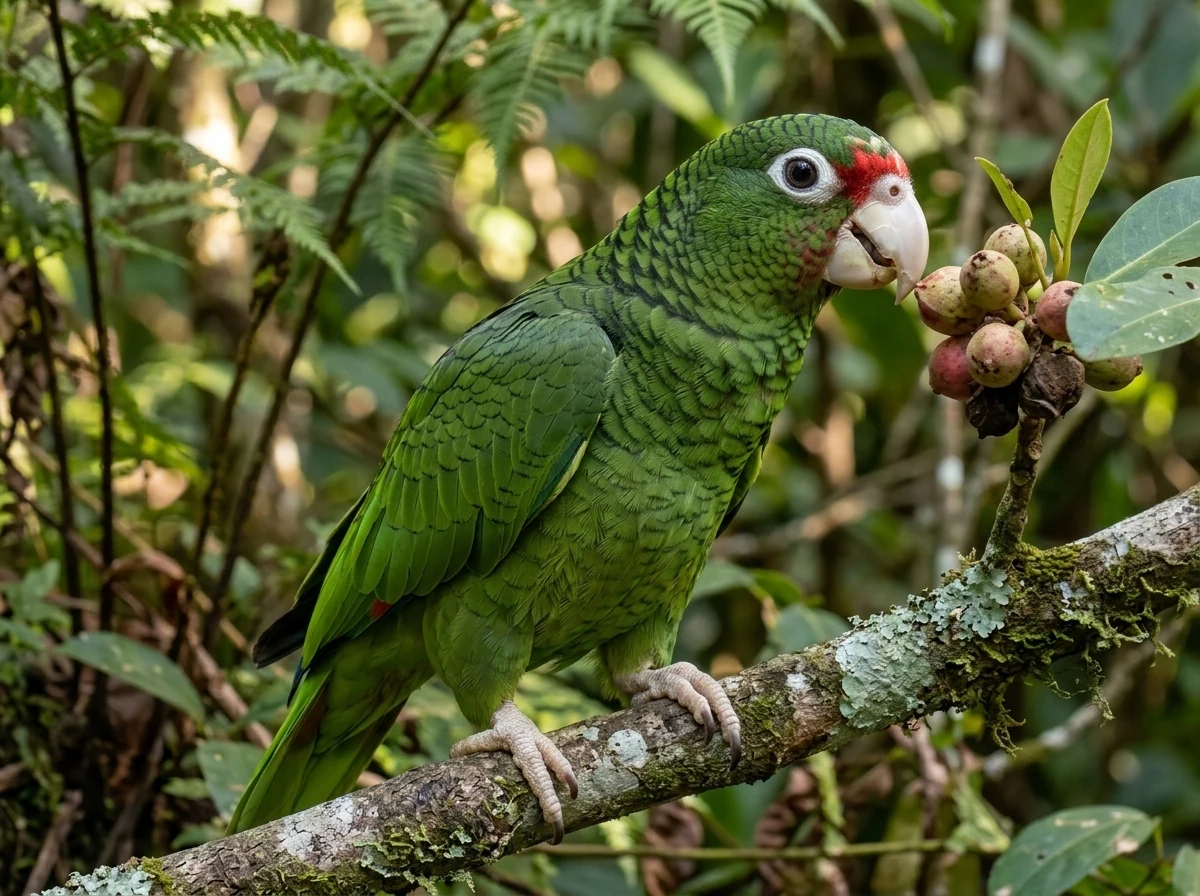
01
Is 17 wrong, then?
Not necessarily. It can describe a checklist that predates the 2022 and 2023 splits. It becomes misleading only when published without a date or authority as though universal and permanent.
02
Which two species explain the recent increase?
Puerto Rican Mango was recognized after the Antillean Mango split, and Puerto Rican Euphonia after the Antillean euphonia complex was split.
03
Can the total change again?
Yes. New genetic, vocal, morphological, or biogeographic evidence can support future splits or lumps, which is why the atlas displays a review date.
Keep exploring
Connected routes
Sources and review
The evidence is one link away.
These sources support the editorial scope of this guide. Bird profiles also retain their own taxonomy, occurrence, and conservation references.
Reviewed:
01↗02↗03↗04↗
Sociedad Ornitológica Puertorriqueña
Official bird list
Local names, occurrence categories, and the public summary of 17 endemics.BirdsCaribbean / American Ornithological Society
2022 Caribbean taxonomy changes
Documents the Antillean Mango split and recognition of the Puerto Rican Mango.American Ornithological Society
64th supplement to the AOS Check-list
Explains the 2023 Caribbean splits, including Puerto Rican Euphonia.American Birding Association
Puerto Rico Endemics
A contemporary birding reference organized around all 19 endemic species.The atlas continues