 AI
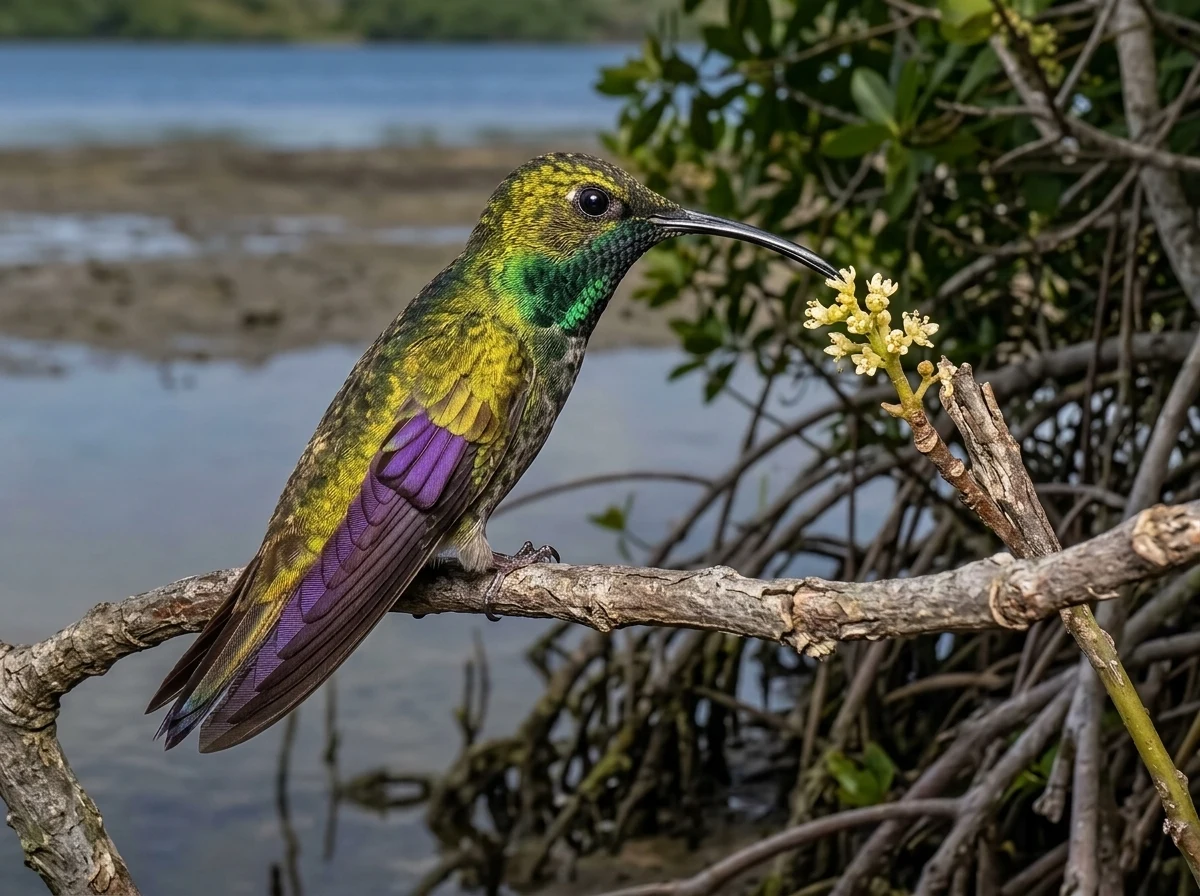
AIAI reconstruction created with Nano Banana 2 · 1K, grounded in the profile’s documented taxonomy, habitat, natural-history sources, and an open-license visual reference when available. It is an interpretive image, not documentary evidence. Image policy →
Puerto Rican Mango
Zumbador Grande de Puerto Rico
Anthracothorax aurulentus
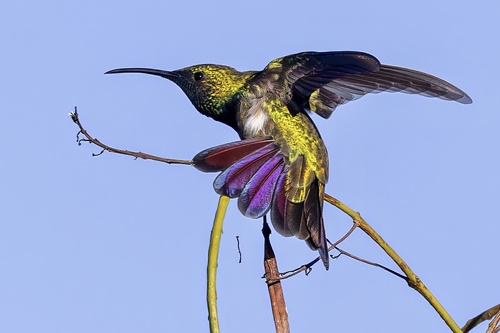
The Puerto Rican mango (Anthracothorax aurulentus) is a species of hummingbird in the subfamily Polytminae. It is found on the Caribbean islands of Puerto Rico, the British Virgin Islands, and the American Virgin Islands.
Island profile
About the Puerto Rican Mango
This atlas includes Puerto Rican Mango (Anthracothorax aurulentus) with atlas status “Puerto Rico endemic” within scope “Avibase inferred core 380.” Puerto Rico context sources associate it with Forest edge; dry and moist woodland; gardens; coastal scrub.
Conservation
Least Concern
IUCN LC
- Global IUCN
- LC
- Puerto Rico DNER
- No current listing in source crosswalk
- Federal ESA
- No current listing in source crosswalk
- Critical habitat
- Not identified in source crosswalk
Natural history
How it lives
- Habitat
- Forest edge; dry and moist woodland; gardens; coastal scrub
- Elevation
- 0–800 m
- Nest
- Cup / bowl · Building; Pole; Tree
- Clutch
- 2–2 eggs
- Social behavior
- Not resolved
For kids and families
Turn this bird into your own artwork
Download a clean, print-ready coloring page, learn one quick fact, and color this Puerto Rico bird.
Keep exploring
This bird belongs to 11 paths through the atlas.
Guides featuring this bird
Follow this record beyond the profile.
Identification, sound, place, and explanatory guides connecting this species to larger questions.
Related in the atlas
Where to fly next
Connected by taxonomy, habitat, occurrence, and conservation.
 AI
AI AI
AI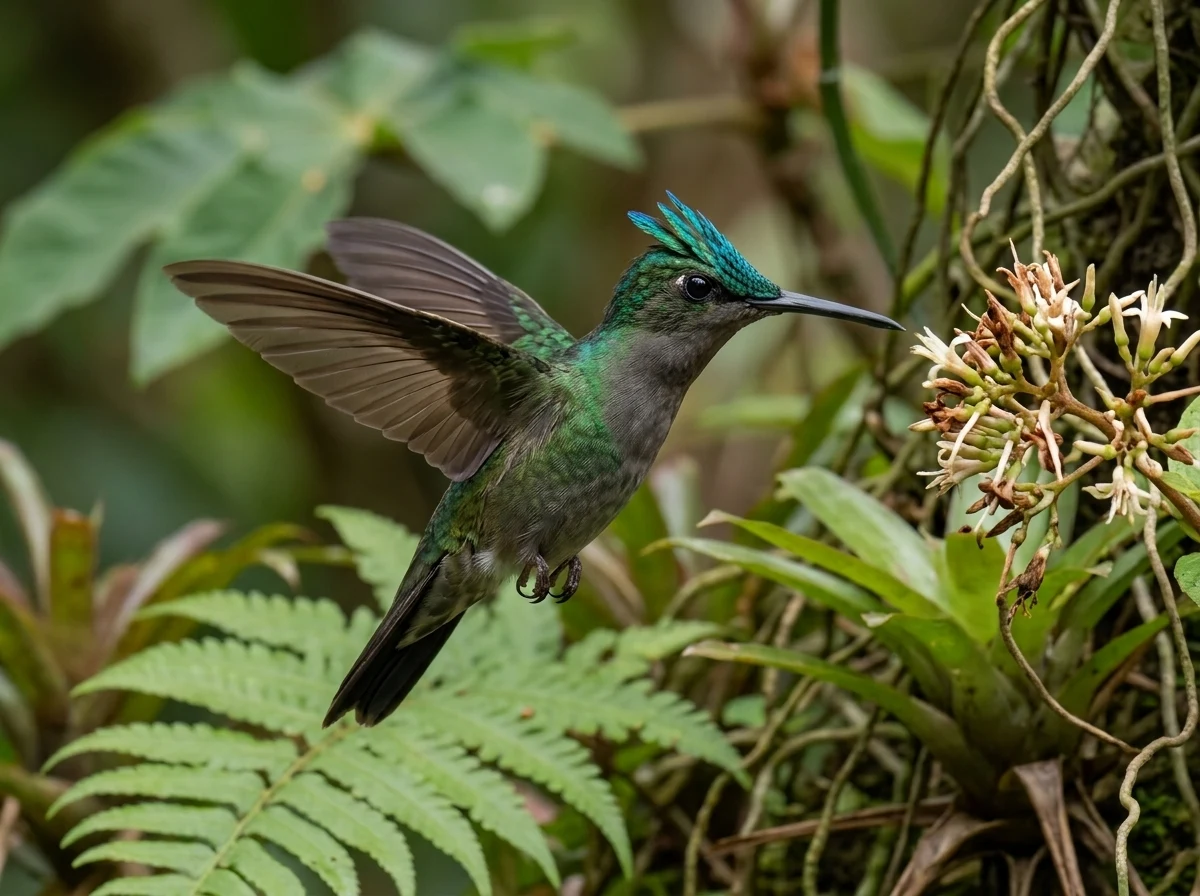 AI
AI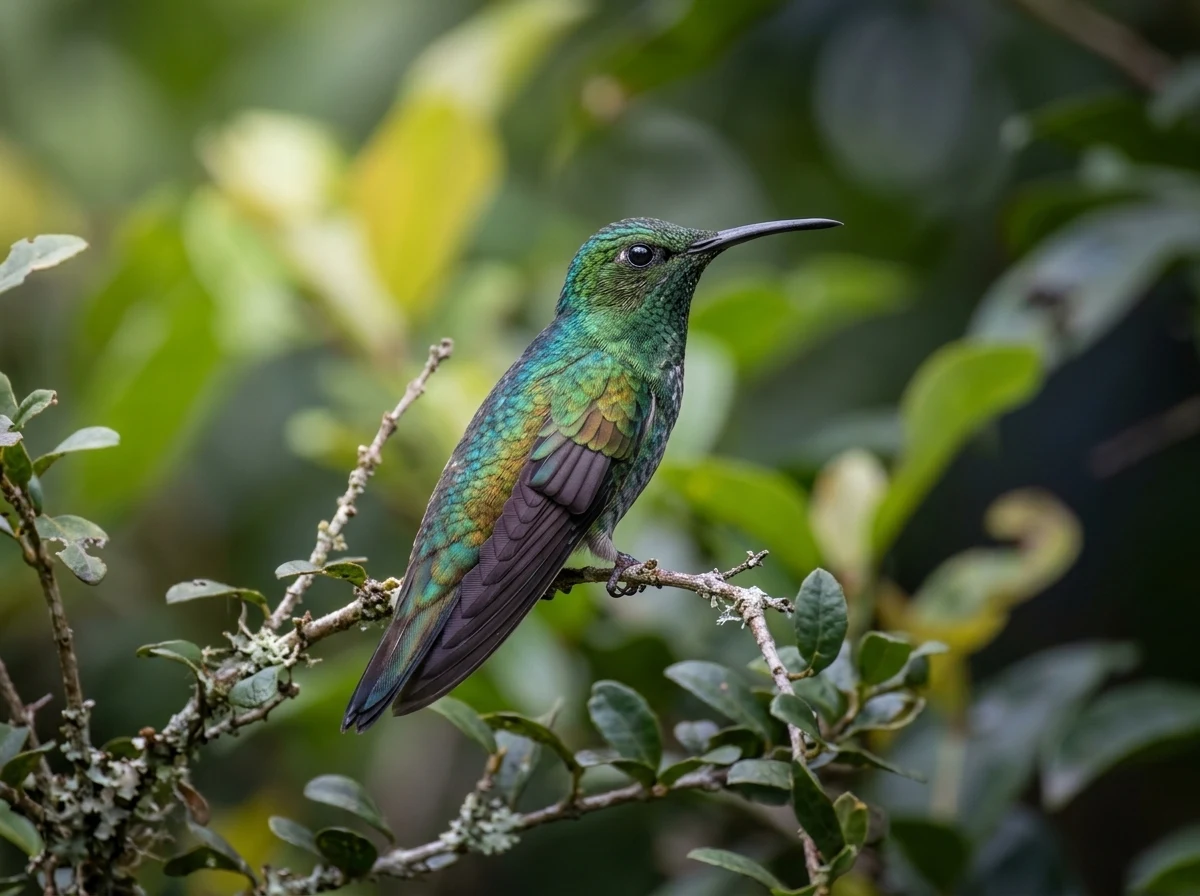 AI
AI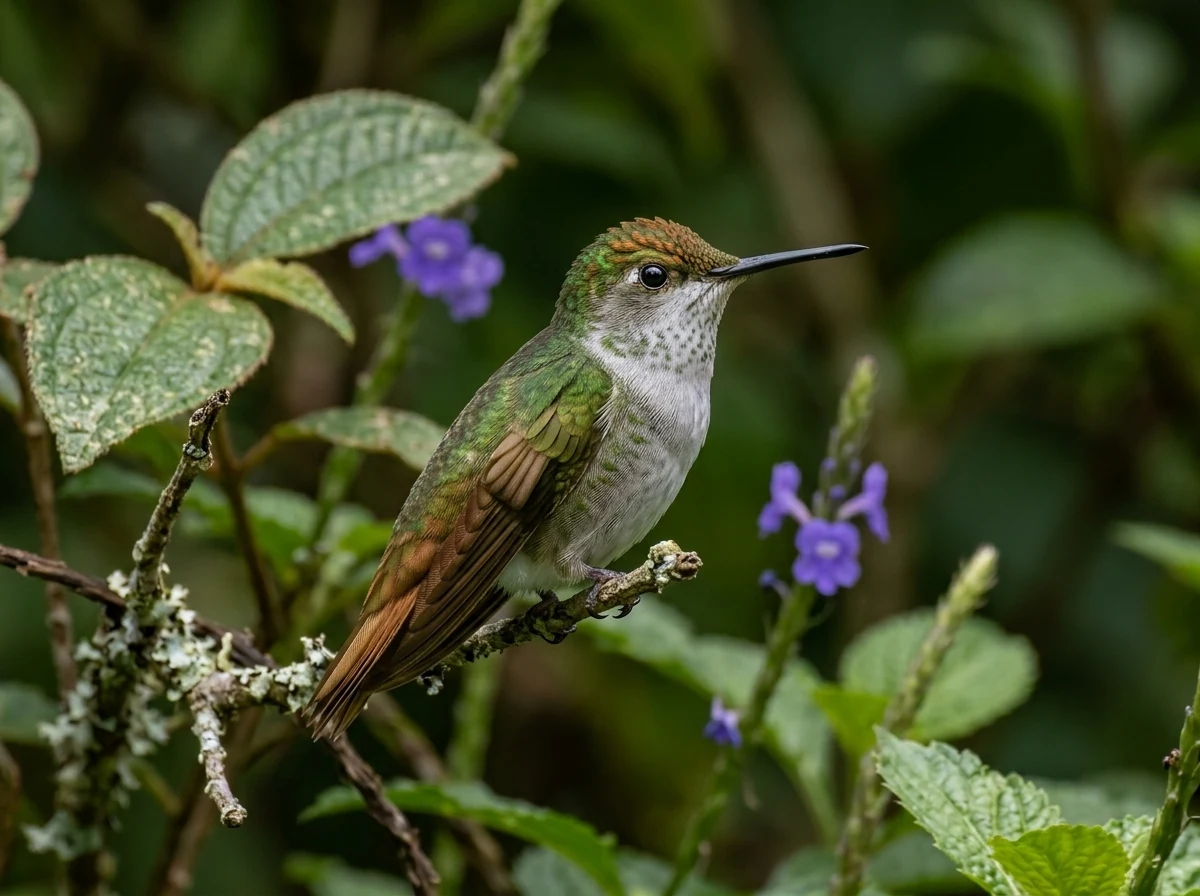 AI
AI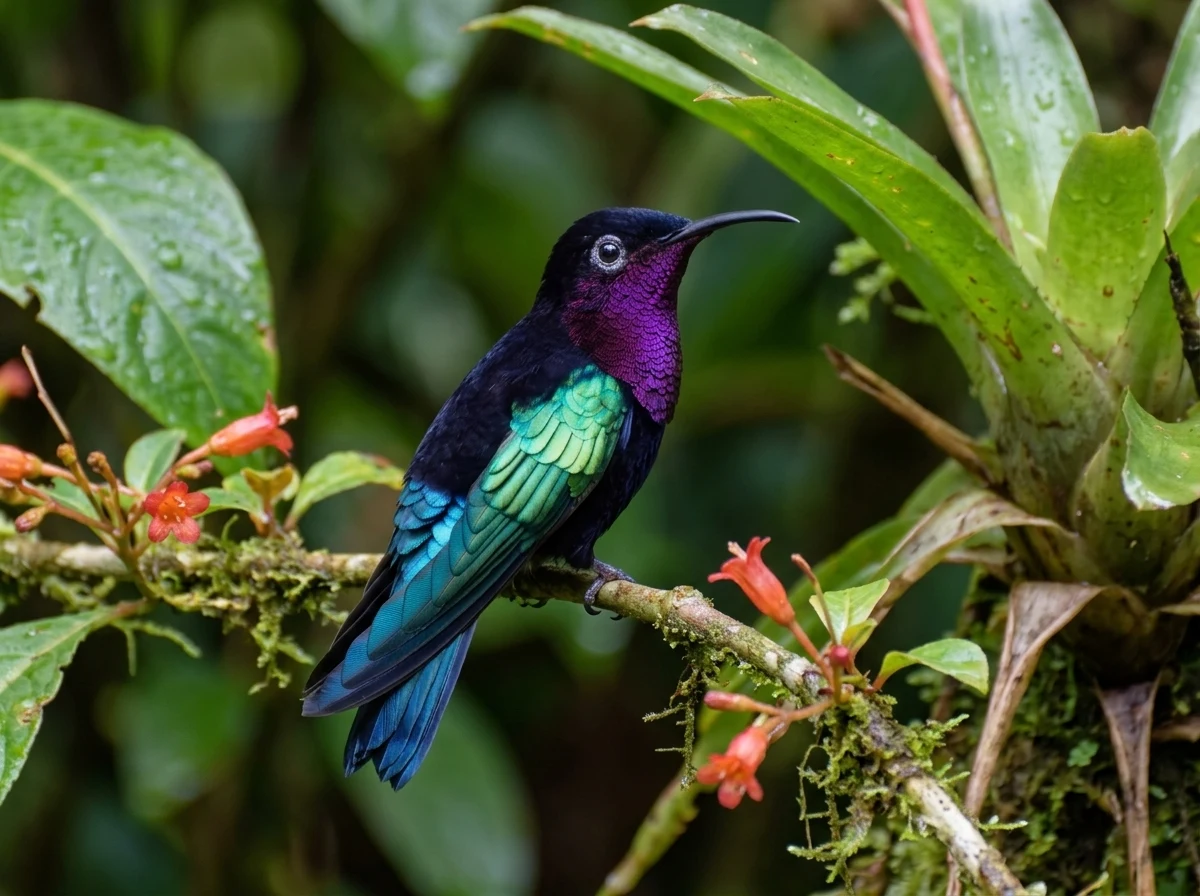 AI
AI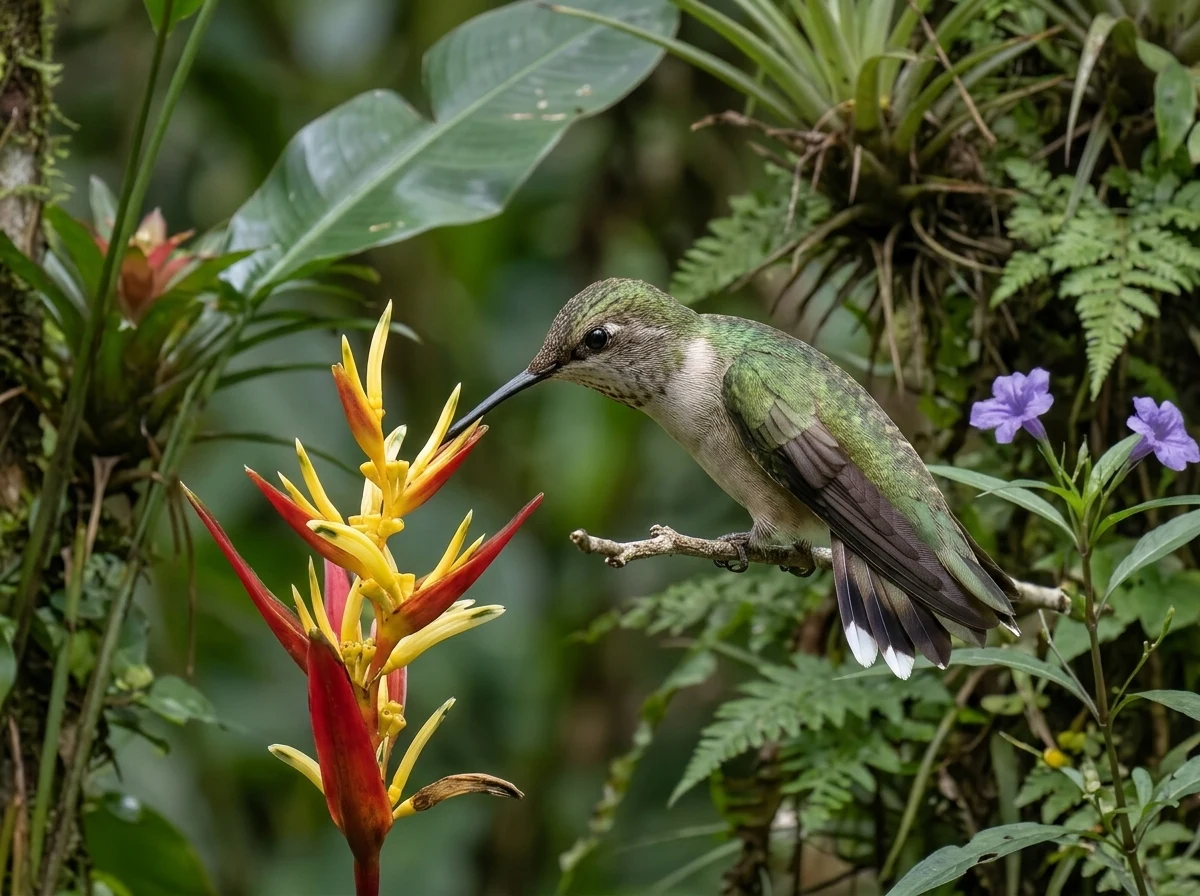
Evidence trail
Sources, media & further reading
Research note: Elevated from Antillean Mango subspecies; a major reason newer endemic counts differ from older SOPI body text