 AI
AIDrawing for kids
How to draw a heron step by step
A heron drawing that looks like a real heron: S-shaped neck, long legs, and the right colors on bill and feet.
Reviewed:A heron starts with an oval, an S, and two long lines.
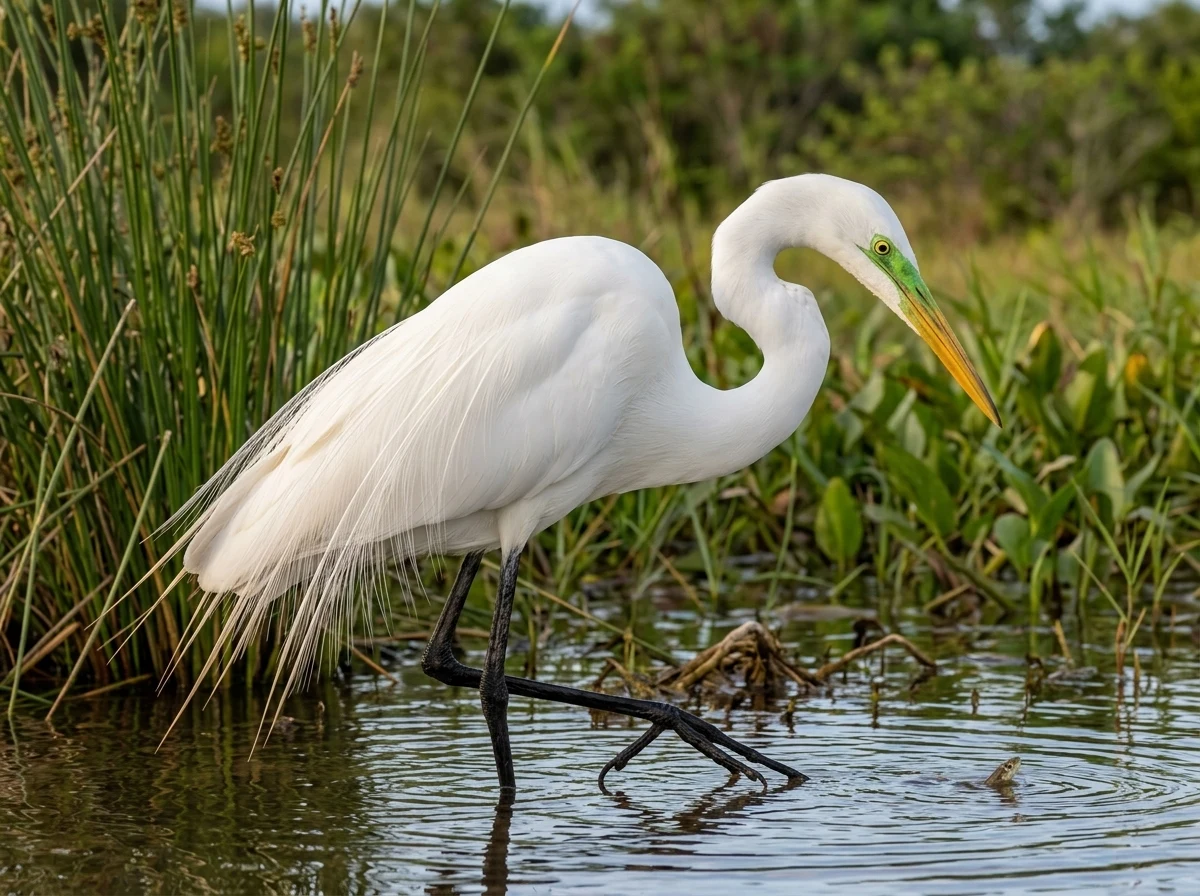
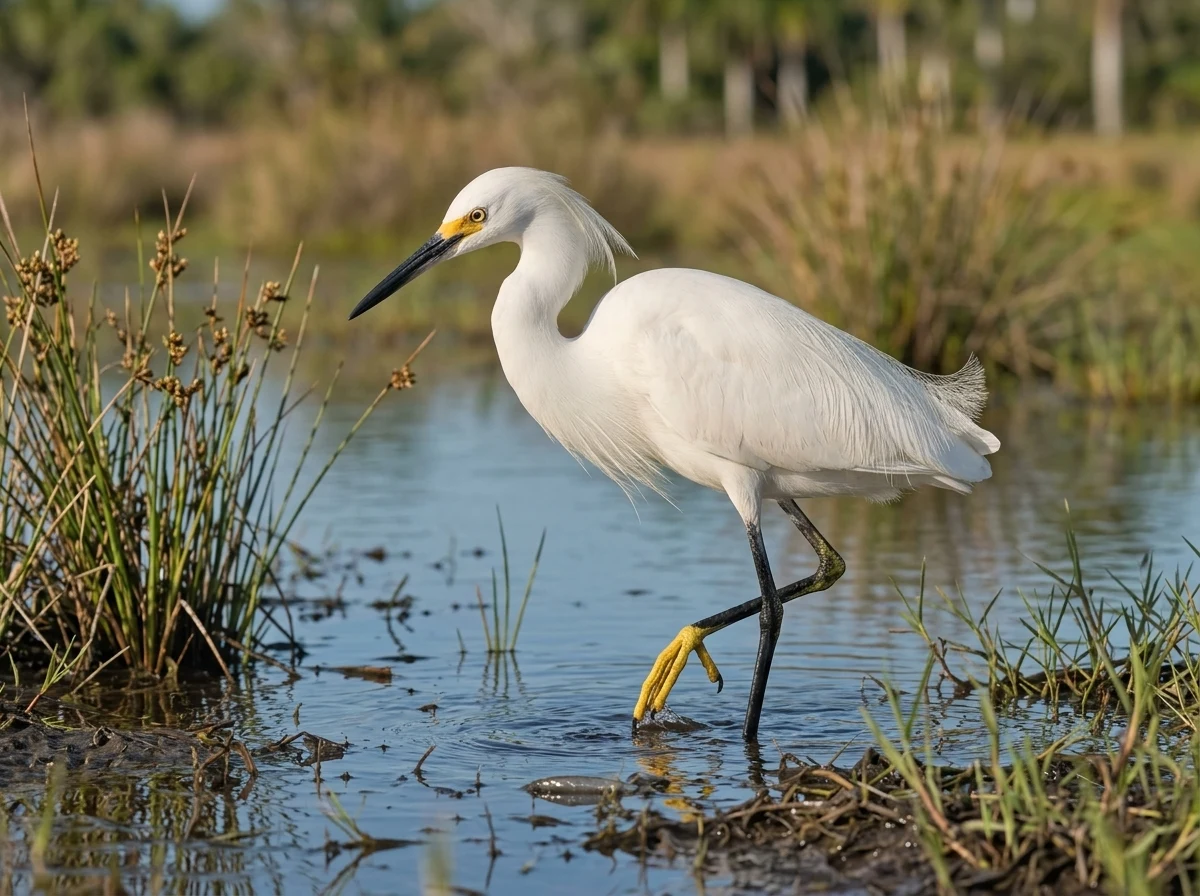
To draw an easy heron, sketch a tilted oval for the body, an S-shaped line for the neck, a small oval head with a long pointed bill, and two long thin legs with spread toes. Then decide which heron it is: a Great Egret (Garza Real) gets a yellow bill and black legs; a Snowy Egret (Garza Blanca) gets a black bill, black legs, and yellow feet.
This guide explains the 8 steps with simple proportions, the mistakes that make a heron look like a flamingo or a duck, and how to color Puerto Rico's herons. If you would rather color than draw from scratch, the Bird Coloring Pages on the Kids hub include the Great Egret, Snowy Egret, Little Blue Heron, and Yellow-crowned Night Heron.
Drawing for kids
Real heron measurements
89–104 cmGreat EgretLength per Audubon; wingspan about 1.4 meters.
56–66 cmSnowy EgretSmaller, with a black bill and yellow feet.
8drawing stepsFrom basic shapes to details and color.
01
Steps 1 to 3: body, neck, and head
Step 1: in the middle of the page, draw a tilted oval, like an egg lying down with its point toward the back and down; that is the body. Step 2: from the top front of the oval, draw an S-shaped line going up. The neck should be longer than the body: that is the key to making it look like a heron. Add a second parallel line to give it thickness, thinner near the head.
Step 3: at the top of the S, draw a small oval for the head, about fingernail-sized compared with the body. From the front of the head, draw a straight, long, pointed bill, roughly one and a half times as long as the head. The eye sits near where the bill begins, not in the middle of the head.
02
Steps 4 to 6: wing, tail, and legs
Step 4: inside the oval, draw the wing as a long leaf shape that starts behind the neck and ends in a point over the tail. Step 5: the tail is short; add a few pointed feathers at the end of the body. To draw a breeding-season heron, you can add long, fine plumes along the back, like lace.
Step 6: the legs come out of the lower middle of the body, not the back end. Make them long and thin, with a small joint halfway down that bends backward (it looks like a backward knee, but it is the ankle). Finish with four long toes: three forward and one back, spread wide so the bird does not sink into mud.
03
Steps 7 and 8: details, habitat, and color
Step 7: erase the crossing guide lines, trace the final outline with a firmer stroke, and add the eye with a tiny highlight. Draw water with a few wavy horizontal lines at leg height, and some reeds or mangrove roots behind. If you like, add a small fish near the bill: the Great Egret mostly hunts fish by standing still or walking slowly in shallow water.
Step 8: color it in. For a Great Egret, leave the body white, color the bill yellow and the legs black. For a Snowy Egret, color the bill black with a little yellow in front of the eye, the legs black, and the feet bright yellow, like golden slippers. Use a very light gray or blue for shadows so the white stands out from the paper.
04
Which heron are you drawing? Puerto Rico's herons
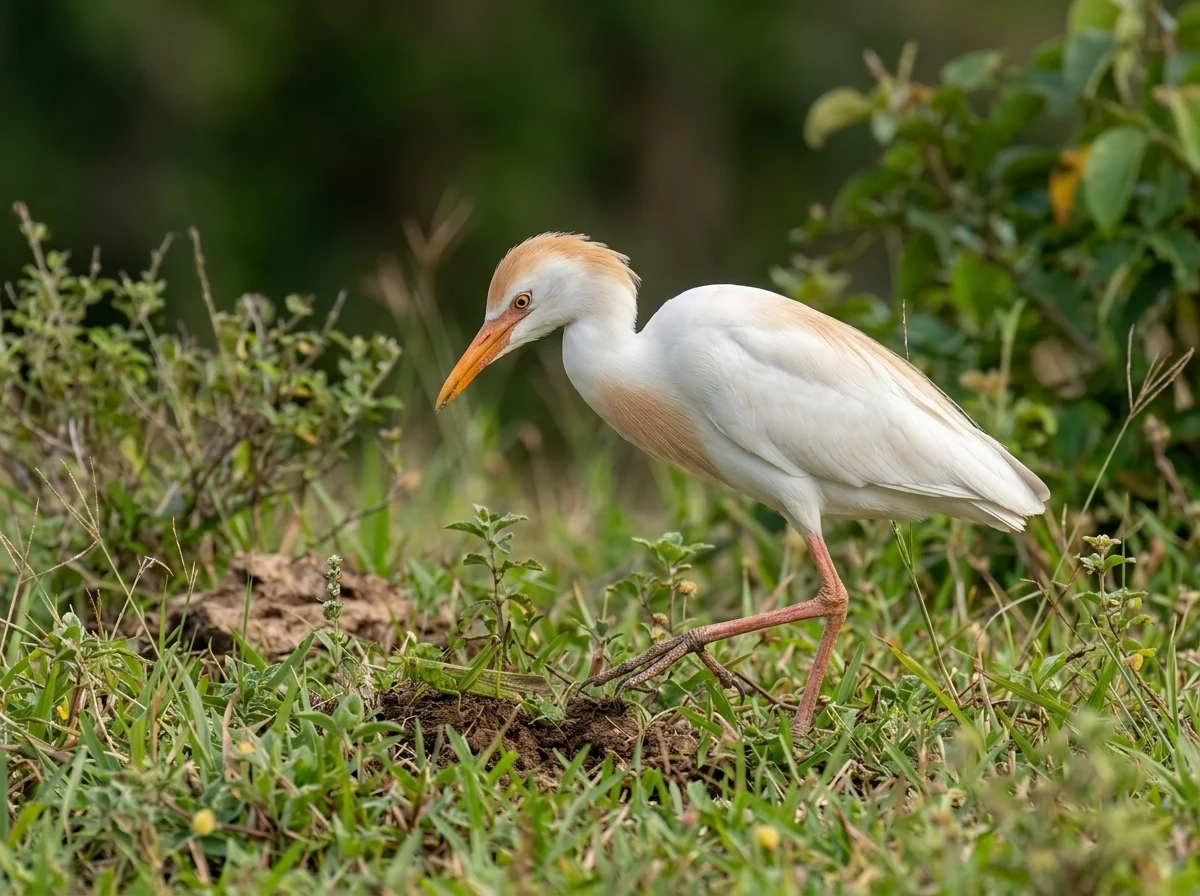
Puerto Rico has several herons, and each one changes the drawing. The Great Egret (Garza Real) is the big white heron, nearly a meter long. The Snowy Egret (Garza Blanca) is smaller and busier: it walks or runs in water and stirs the bottom with its feet to startle prey. The Western Cattle-Egret (Garza Ganadera) is also white but smaller and stockier, with a short neck; it is often seen in pastures, frequently near cattle, hunting insects.
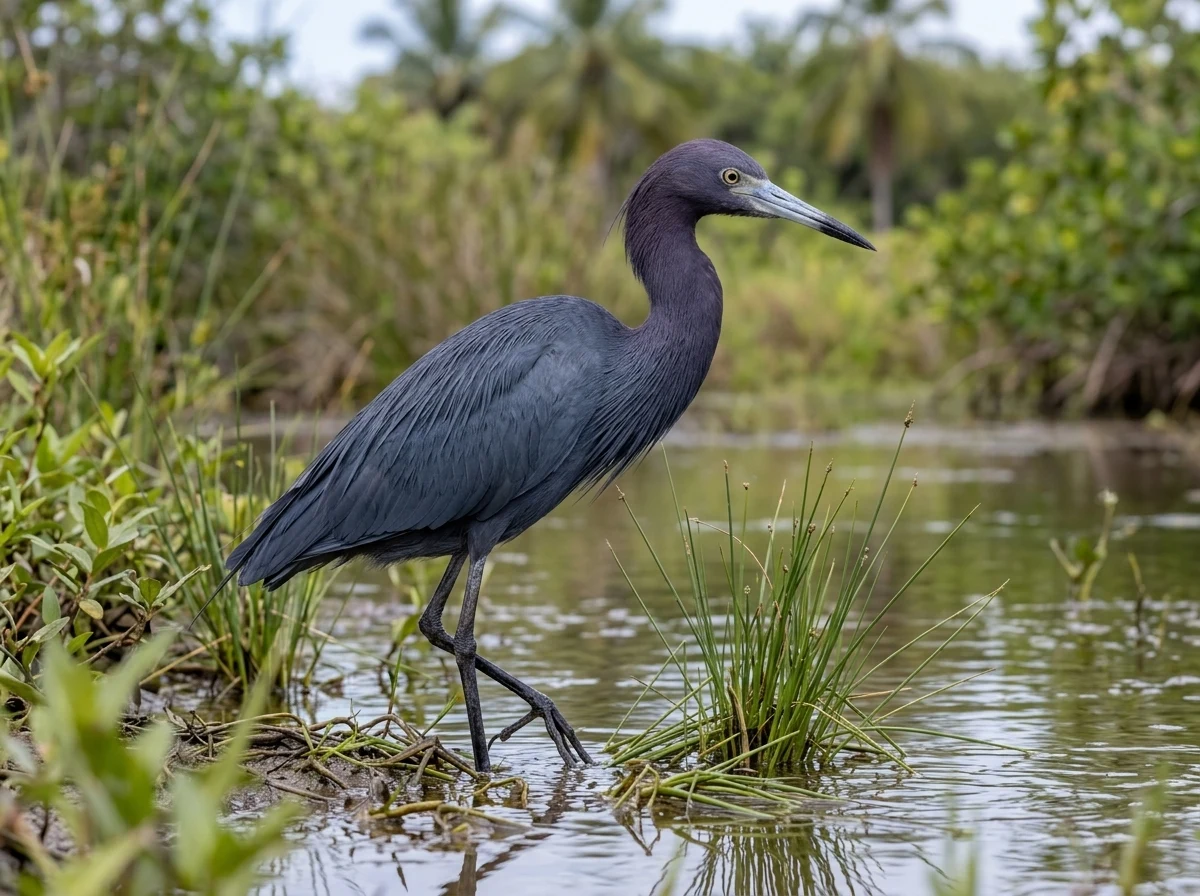
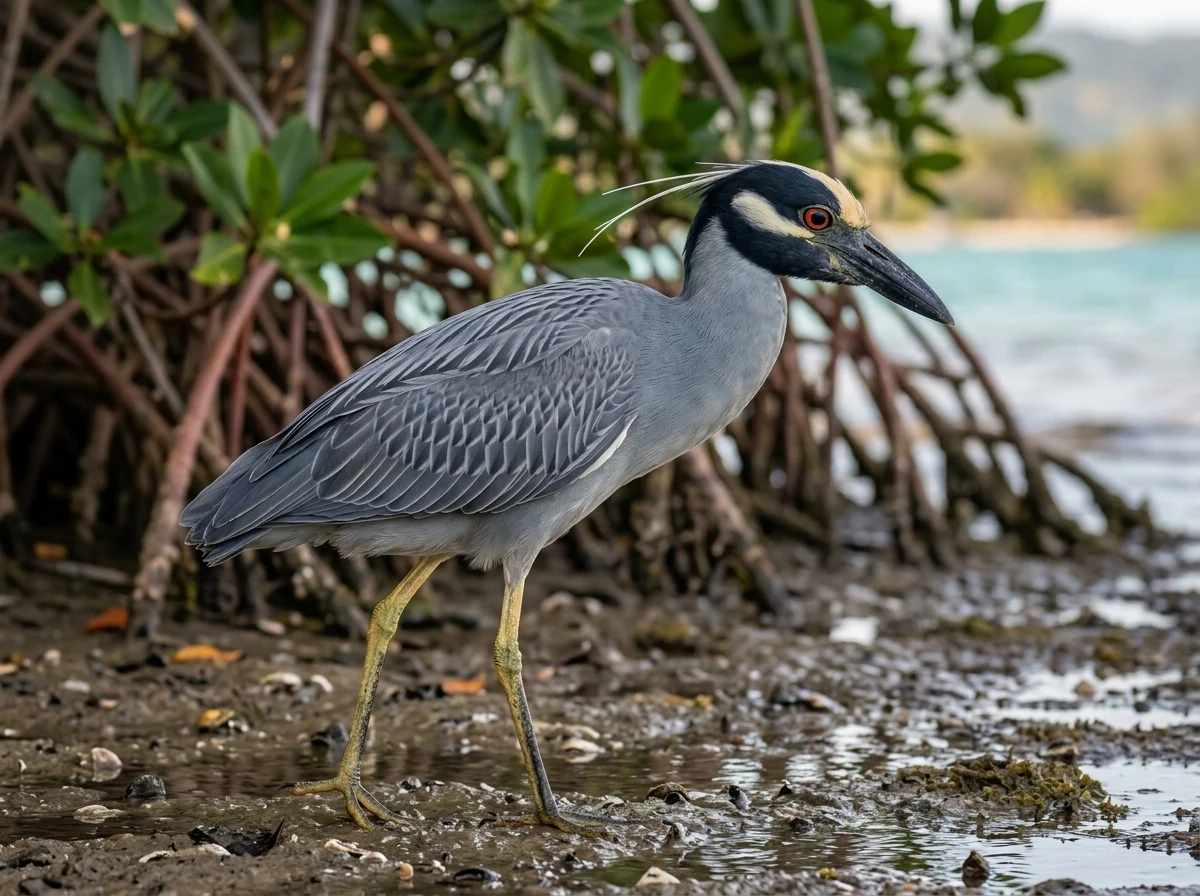
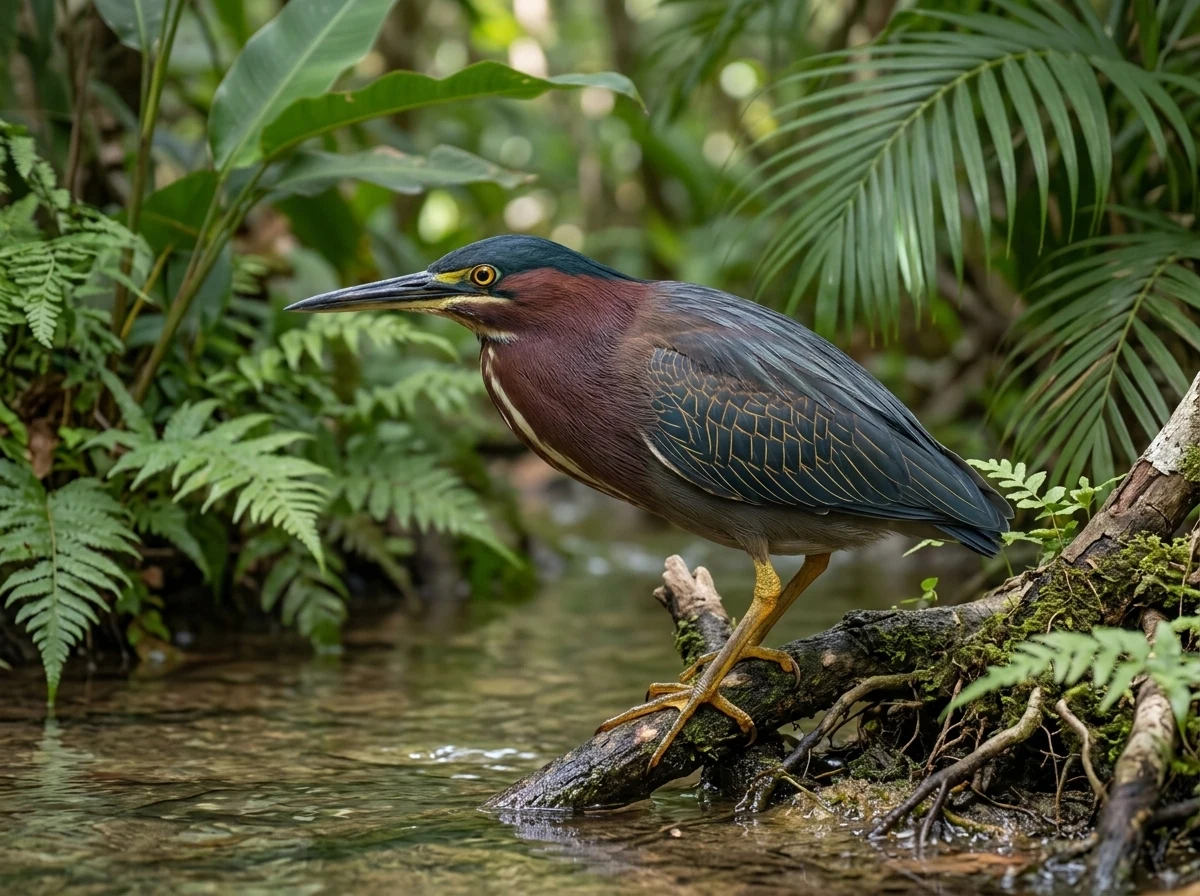
The adult Little Blue Heron (Garza Azul) is dark slate blue with a two-toned bill, but its young are all white and resemble the Snowy Egret. The Yellow-crowned Night Heron (Yaboa Común) is thick-bodied, shorter-necked, and more active at night. The Green Heron (Martinete) is small and dark. If you draw one of these, change the neck thickness and leg length.
05
Common mistakes: don't make it a flamingo or a duck
If the bill bends down and the body is pink, you drew a flamingo: a heron's bill is straight like a spear. If the neck is short and the body round like a ball, it looks like a duck: stretch the neck into an S and make the body slimmer. Another common mistake is placing the legs at the back end of the body; on a heron they come from the middle, so it stays balanced.
When you draw a heron flying, remember that it folds its neck back and tucks it between its shoulders, with its legs stretched out behind the tail. Storks and flamingos fly with their necks stretched out, so that one detail makes your drawing look like a real heron.
06
Where to see herons to draw from life
Herons are among the easiest birds to draw from life because they stand still for a long time. Look for them in lagoons, mangroves, ponds, rivers, and cattle pastures. Many can be seen in Puerto Rico's coastal wetlands, such as those at Cabo Rojo, Humacao, Piñones, or Jobos Bay, and the Western Cattle-Egret even shows up along roadsides.
Bring a pencil and a notebook, sketch the oval and the S in a few seconds, and add details while the bird stays still. Keep your distance: if the heron stops feeding or flies off, you are too close. Afterward, compare your drawing with the photos on the profile and with the coloring page for the same species.
Linked profiles
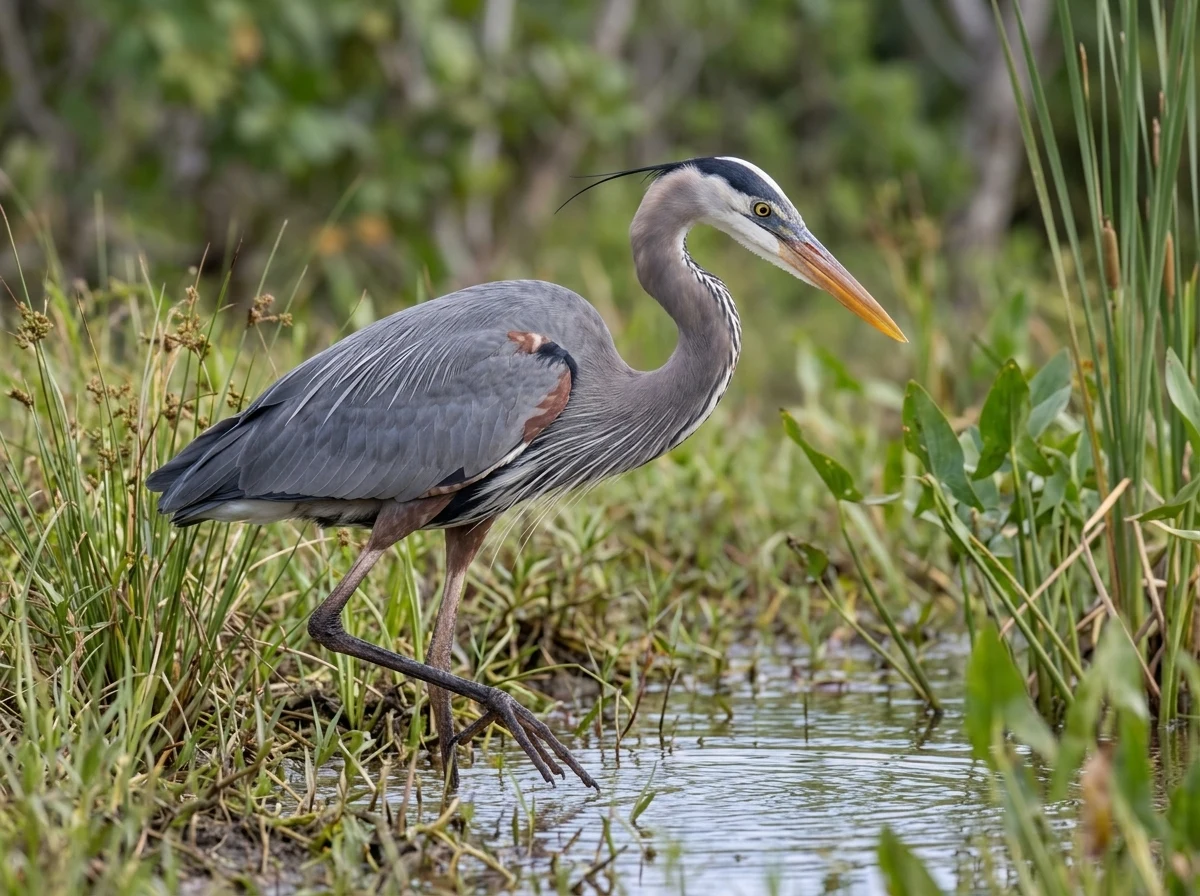
Puerto Rico herons to draw and color
Compare photos, size, and bill and leg colors before coloring your drawing.
Sound archive
Hear its voice
Explore real songs and calls. The spectrogram turns each sound into a visual trace of time and frequency.
XC1027118Recording 1 of 3call

Play: call by Paul Driver
Choose another recording
Sound recorded by Paul Driver · XC1027118 · CC BY-NC-SA 4.0. Visualization by Stichting Xeno-canto voor Natuurgeluiden.
Every recording retains the creator, catalogue number, and license published by Xeno-canto. Metadata via GBIF ↗
01
How do you draw an easy heron for kids?
Draw a tilted oval for the body, a long S for the neck, a small oval head with a straight pointed bill, a leaf-shaped wing, and two long legs coming from the middle of the body. Finish with spread toes and wavy water.
02
What color is a white egret's bill?
It depends on the species. The Great Egret has a yellow bill and black legs. The Snowy Egret has a black bill, a little yellow in front of the eye, black legs, and yellow feet.
03
Where can I find a heron coloring page?
The Kids hub on this site has free Bird Coloring Pages with the Great Egret, Snowy Egret, Little Blue Heron, and Yellow-crowned Night Heron, plus a PDF book with 50 Puerto Rico birds.
04
How does a heron fly?
A heron flies with its neck folded back toward its shoulders and its legs stretched behind the tail. That detail sets it apart from flamingos and storks, which fly with their necks extended.
05
What is the difference between a Great Egret and a Snowy Egret?
The Great Egret is larger (89 to 104 cm) with a yellow bill and black legs. The Snowy Egret measures 56 to 66 cm, has a black bill and yellow feet, and hunts more actively, walking or running through water.
06
Are there blue herons in Puerto Rico?
Yes. The Little Blue Heron (Garza Azul) is the most familiar dark blue heron; its young are white. The much larger, gray-blue Great Blue Heron (Garzón Cenizo) is also recorded in Puerto Rico.
Keep exploring
Connected routes
Sources and review
The evidence is one link away.
These sources support the editorial scope of this guide. Bird profiles also retain their own taxonomy, occurrence, and conservation references.
Reviewed:
01↗02↗03↗04↗05↗06↗
National Audubon Society
Great Egret field guide
Measurements, yellow bill, black legs, and hunting technique of the Great Egret.National Audubon Society
Snowy Egret field guide
Measurements, black bill, black legs with yellow feet, and active foraging of the Snowy Egret.Sociedad Ornitológica Puertorriqueña
Official bird list
Local names, occurrence categories, and the public summary of 17 endemics.Departamento de Recursos Naturales y Ambientales
Getting to know the wetland ecosystem: educational activities
DNER teaching manual (2016) with before- and during-visit wetland activities, including one on bird adaptations.U.S. Fish and Wildlife Service
Cabo Rojo National Wildlife Refuge
Habitats, focal birds, conservation, trails, and official refuge notices.NOAA Office for Coastal Management
Jobos Bay Estuarine Research Reserve
Habitats, extent, and monitoring of the reserve.The atlas continues