 AI
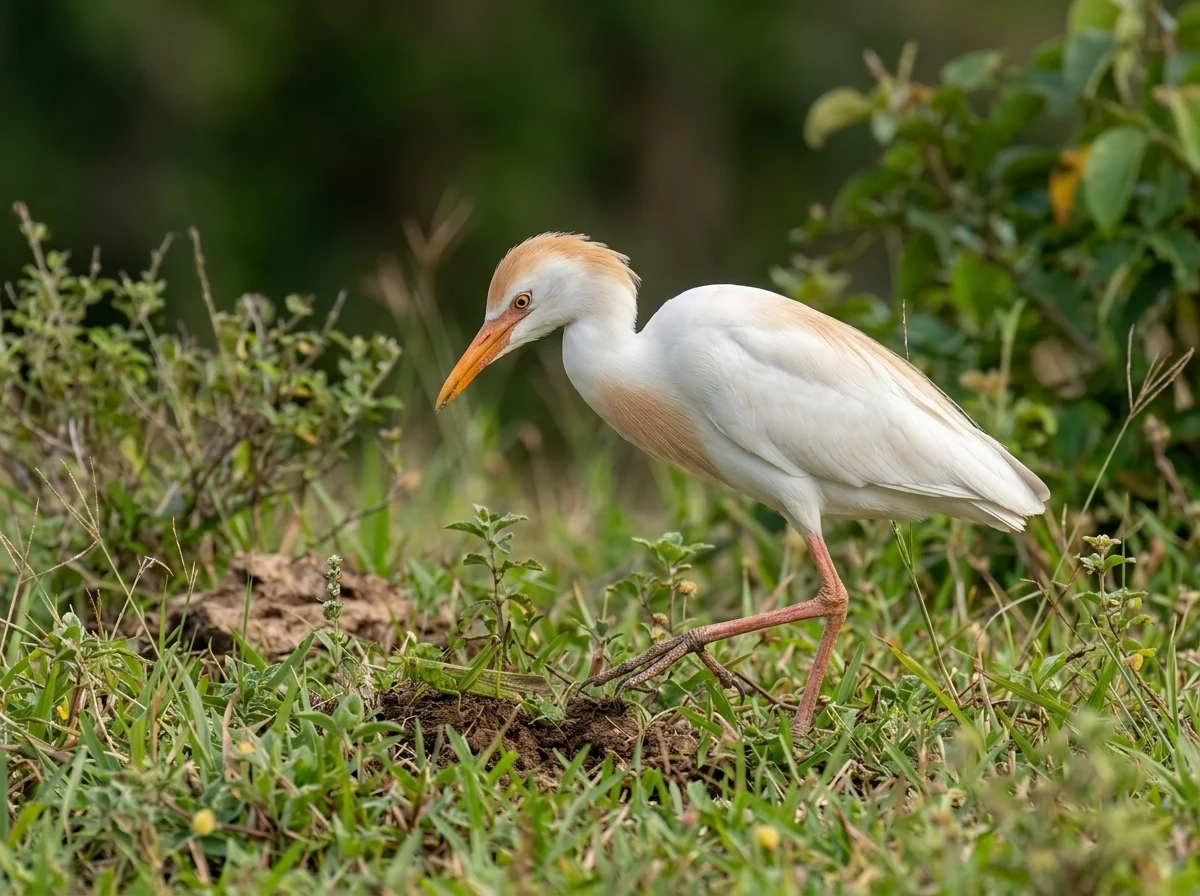
AIAI reconstruction created with Nano Banana 2 · 1K, grounded in the profile’s documented taxonomy, habitat, natural-history sources, and an open-license visual reference when available. It is an interpretive image, not documentary evidence. Image policy →
Western Cattle-Egret
Garza Ganadera Occidental
Ardea ibis
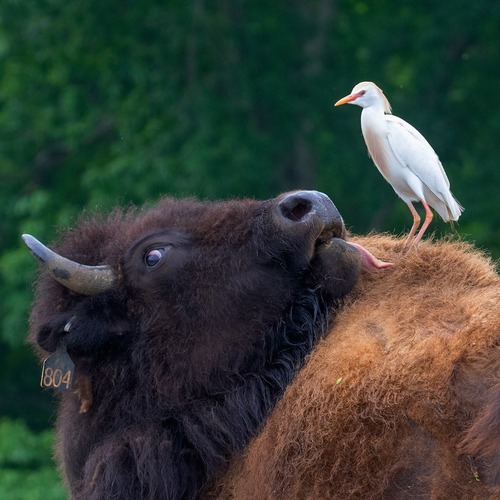
The cattle egrets (formerly genus Bubulcus) are a cosmopolitan clade of herons (family Ardeidae) in the genus Ardea found in the tropics, subtropics, warm temperate, and increasingly in cooler temperate zones. As currently treated, the clade contains two species, the western cattle egret and the eastern cattle egret, although some authorities (particularly in the past) regarded them as a single species. Despite the similarities in plumage to the egrets of the genus Egretta, they have recently been found to be genetically embedded within the genus Ardea, and are now included there. Originally native to parts of Asia, Africa, and southernmost Europe, the two species have undergone rapid expansion in their distribution and have successfully colonised much of the rest of the world in the last century. They are white birds adorned with buff plumes in the breeding season. They nest in colonies, usually near bodies of water and often with other wading birds. The nest is a platform of sticks in trees or shrubs. Cattle egrets exploit drier and open habitats more than other heron species. Their feeding habitats include seasonally inundated grasslands, pastures, farmlands, wetlands, and rice paddies. They often accompany cattle or other large mammals, catching insect and small vertebrate prey disturbed by these animals. Some populations are migratory and others show postbreeding dispersal. Adult cattle egrets have few predators, but birds or mammals may raid their nests, and chicks may be lost to starvation, calcium deficiency, or disturbance from other large birds. Cattle egrets maintain a special relationship with cattle, which extends to other large grazing mammals; increased human livestock farming is believed to be a major cause of their suddenly expanded range. Cattle egrets remove ticks and flies from cattle and consume them. This benefits both organisms, but it has been implicated in the spread of tick-borne animal diseases.
Island profile
About the Western Cattle-Egret
This atlas includes Western Cattle-Egret (Ardea ibis) with atlas status “Native / natural occurrence” within scope “Avibase inferred core 380.” Global trait data associate it primarily with grassland; consult the linked records to resolve its Puerto Rico habitat use.
Conservation
Least Concern
IUCN LC
- Global IUCN
- LC
- Puerto Rico DNER
- No current listing in source crosswalk
- Federal ESA
- No current listing in source crosswalk
- Critical habitat
- Not identified in source crosswalk
Natural history
How it lives
- Habitat
- grasslands
- Elevation
- 0–1500 m
- Nest
- Platform · Shrub / bush / vine; Tree; Grass
- Clutch
- 1–9 eggs
- Social behavior
- Colonial
Keep exploring
This bird belongs to 5 paths through the atlas.
Guides featuring this bird
Follow this record beyond the profile.
Identification, sound, place, and explanatory guides connecting this species to larger questions.
See all related guides (1)
Related in the atlas
Where to fly next
Connected by taxonomy, habitat, occurrence, and conservation.
 AI
AI AI
AI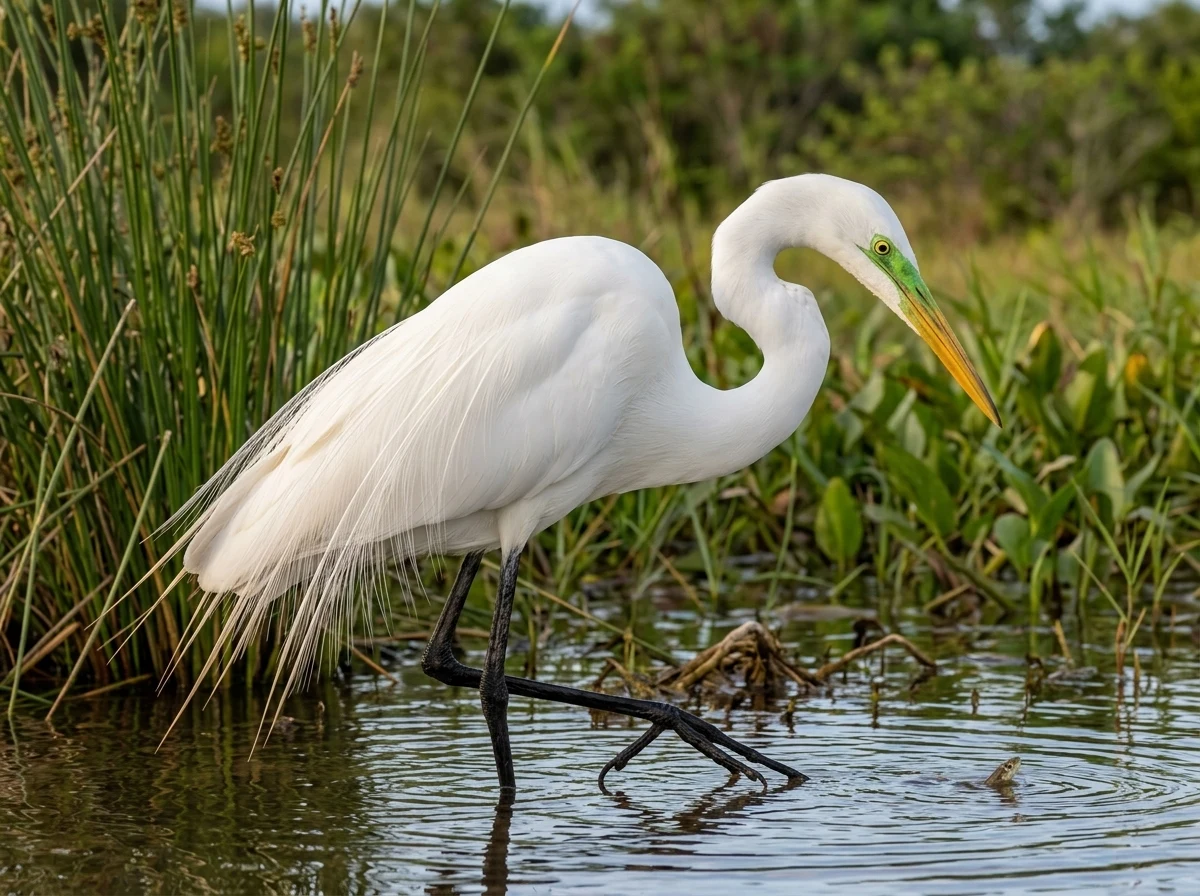 AI
AI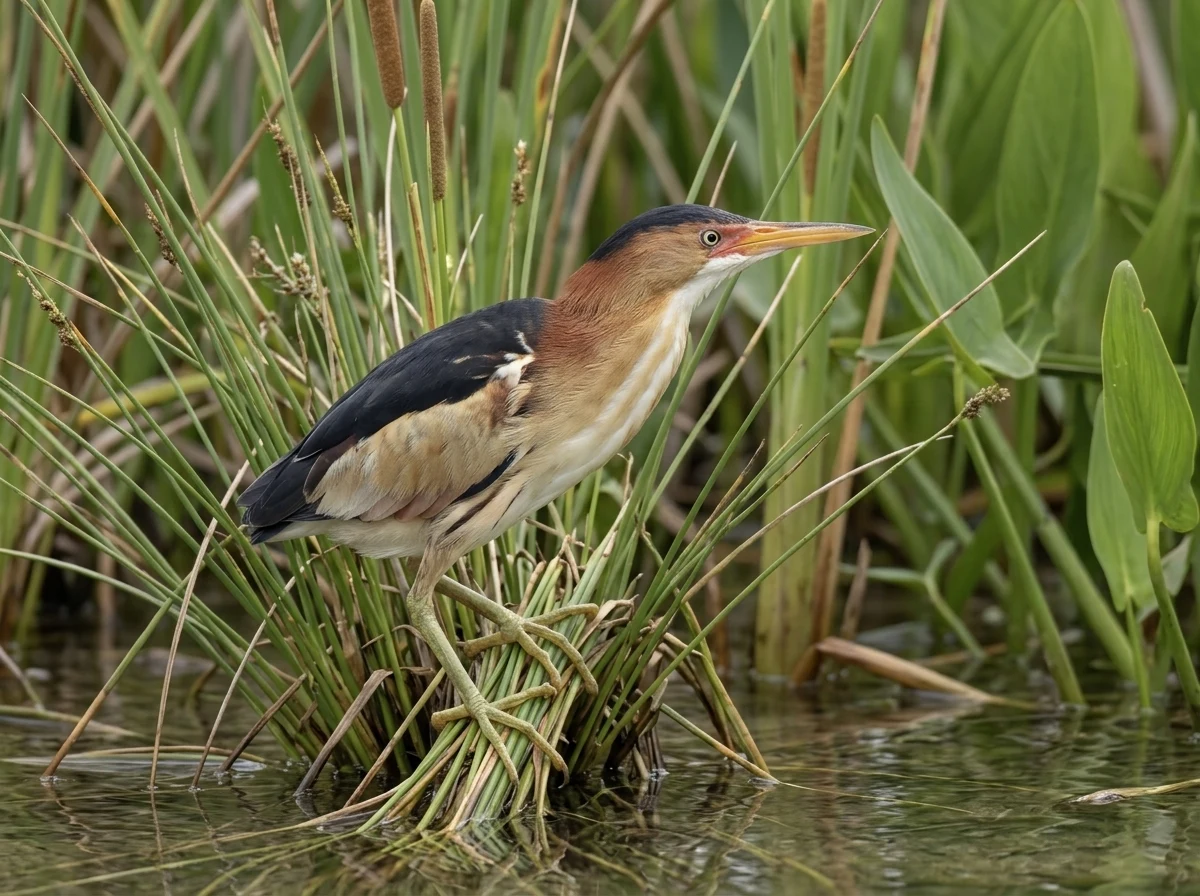 AI
AI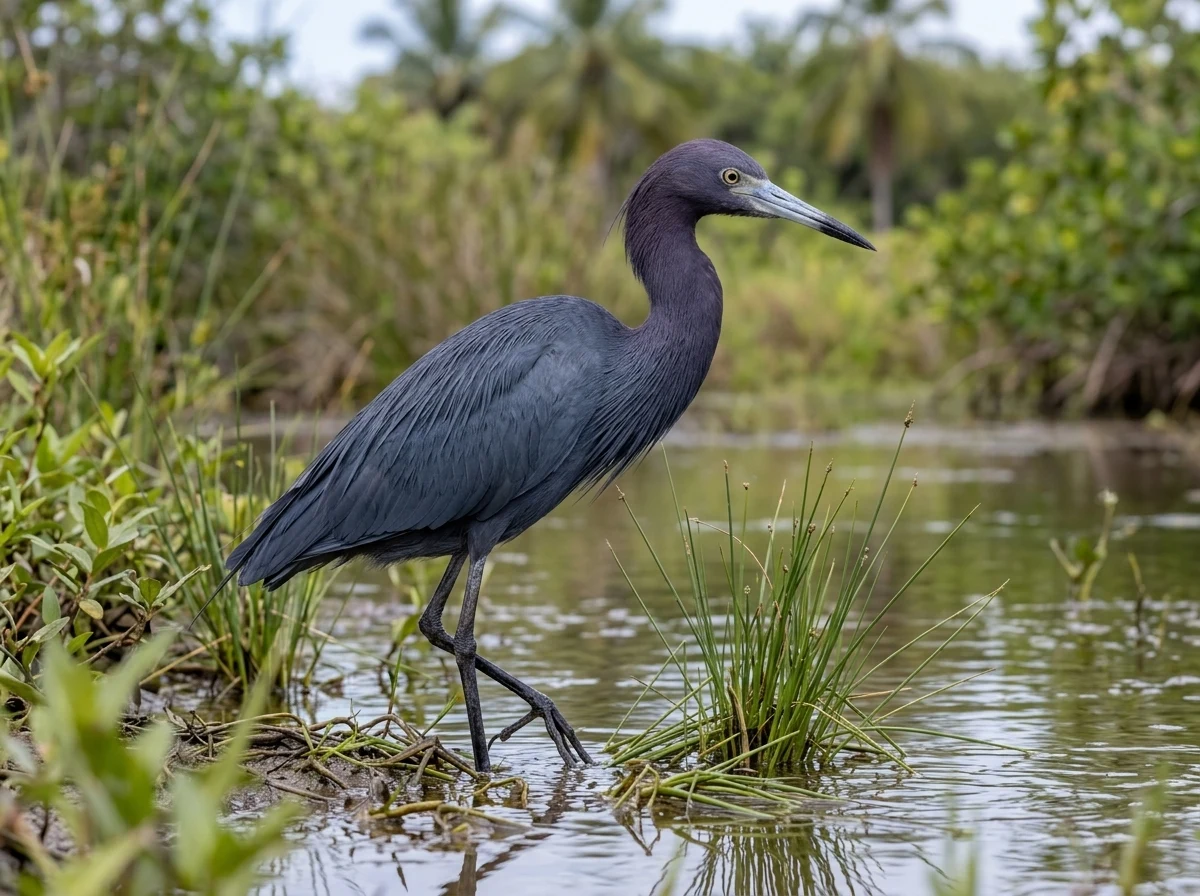 AI
AI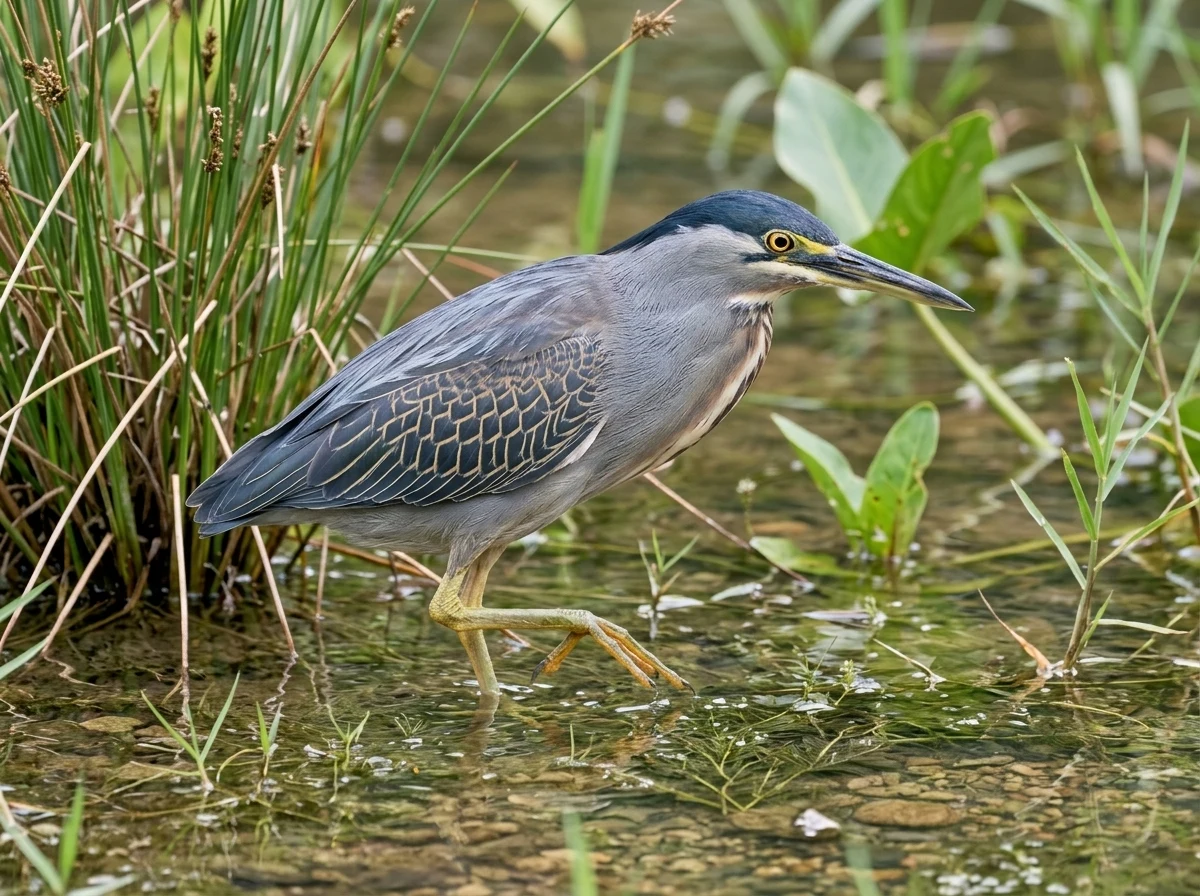 AI
AI
Evidence trail
Sources, media & further reading
Research note: Wikipedia uses Bubulcus ibis; normalized to current taxonomy Ardea ibis.