 AI
AIWetland route
Cabo Rojo and Laguna Cartagena
Hypersaline flats and a freshwater lagoon complement one another. The route works because habitat changes, not because it repeats the same checklist twice.
Reviewed:Two refuges, one lesson in water and season.
Cabo Rojo National Wildlife Refuge combines dry forest, mangrove, and hypersaline lagoons; its salt flats are a crucial stopover for migratory shorebirds. Laguna Cartagena protects one of the southwest's most important freshwater habitats for resident and migratory waterbirds.
Water level, salinity, rain, and migration change the visible community. A recent checklist helps, but learning groups—shorebirds, waders, ducks, raptors, and scrub birds—prepares a visitor better than chasing one rarity.
Wetland route
Two complementary systems
145birds at Cabo RojoSpecies historically identified by the refuge, not a per-visit count.
3salt-flat habitatsHypersaline lagoons, mangrove, and dry forest.
2wetland typesHypersaline water at Cabo Rojo and freshwater at Laguna Cartagena.
01
Salt flats: identify shorebirds by proportion
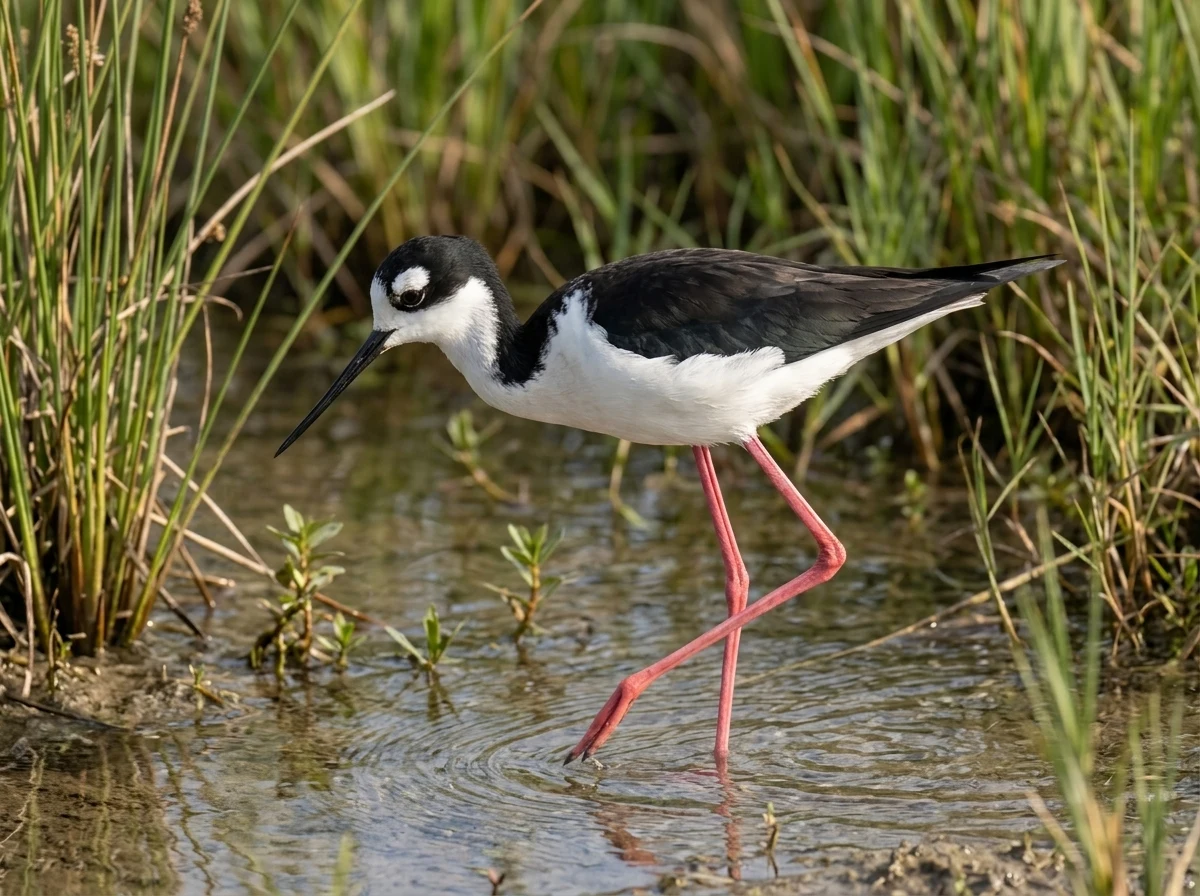
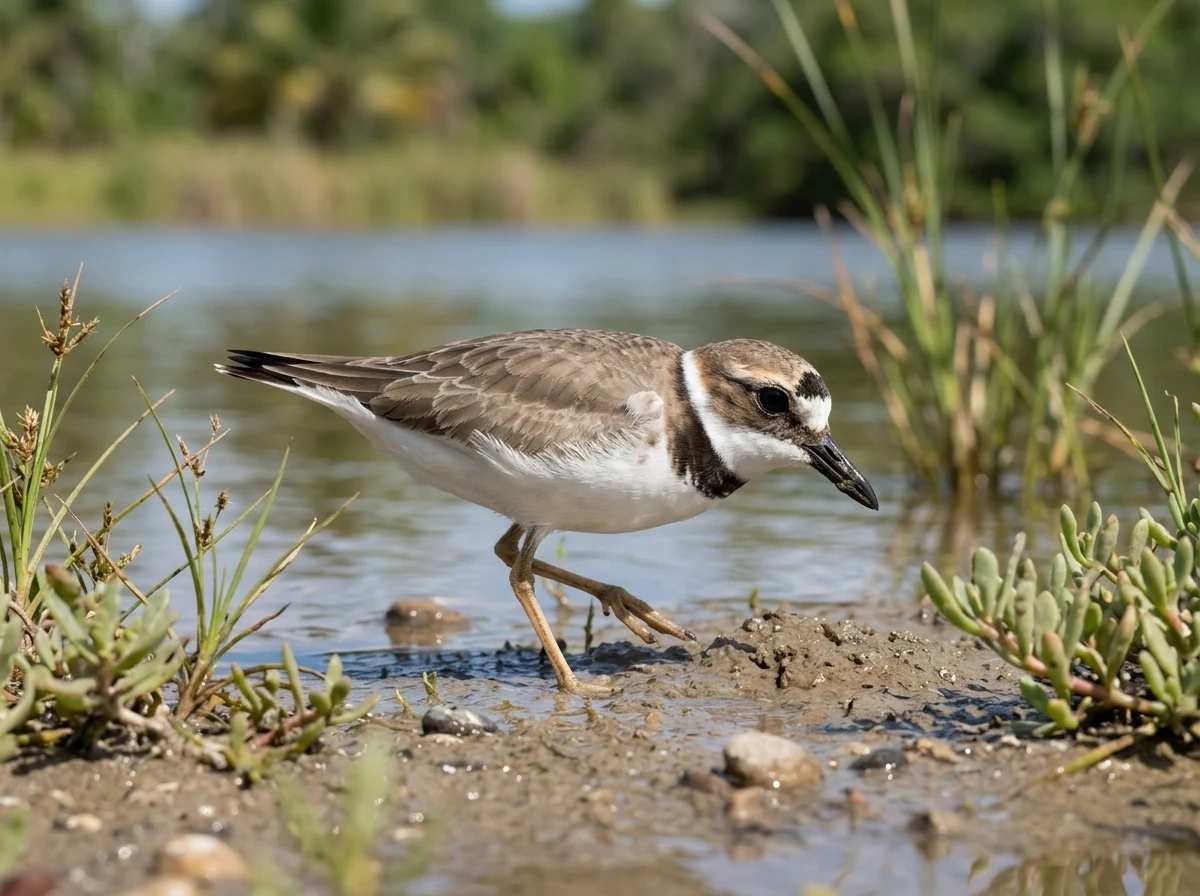
Before color, compare bill length with head, leg length, posture, and feeding method. A probing bird, one that runs and pauses, and one wading deeply exploit different zones. Relative size works best when two species appear together.
Breeding, nonbreeding, and juvenile plumages differ substantially. Do not turn every pale individual into a rarity: record date, distance, and light, photograph the whole group, and crop later without erasing context.
02
Laguna Cartagena: different depth, different birds
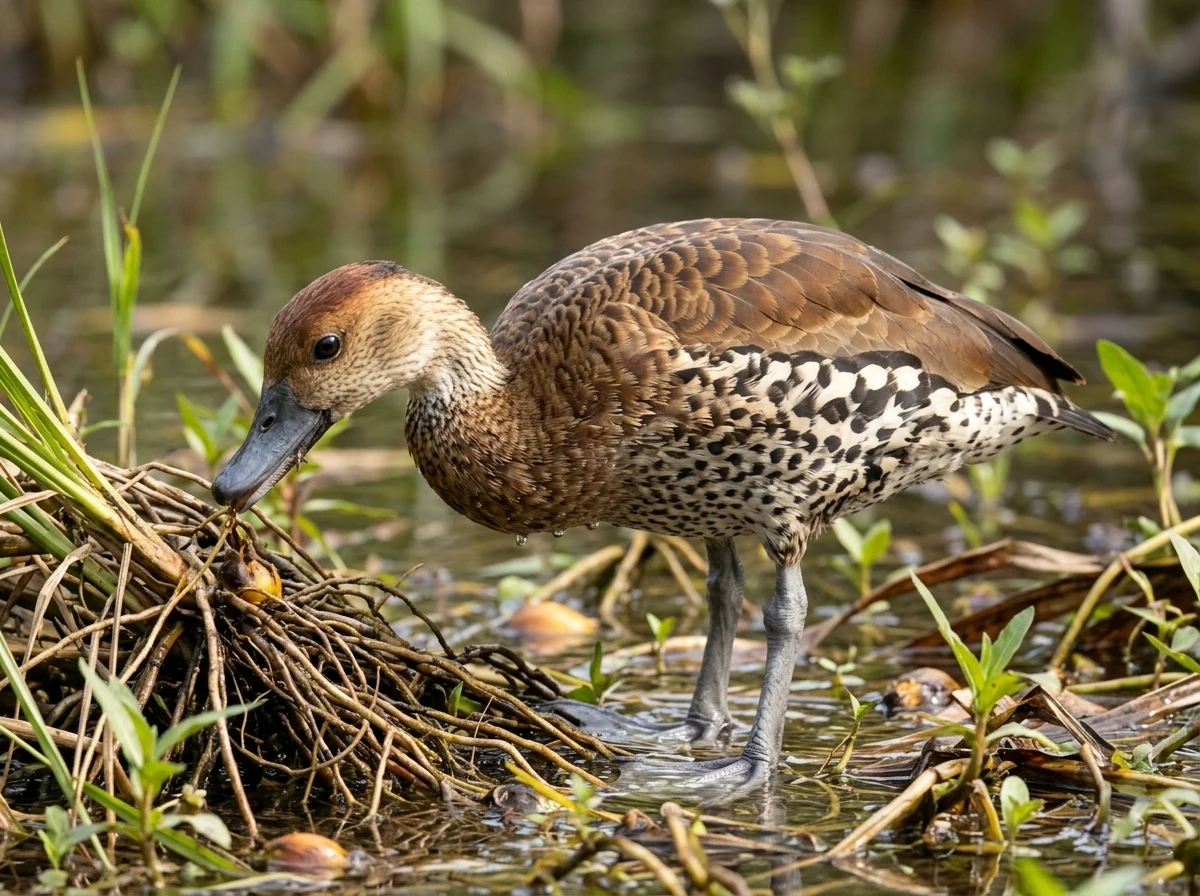
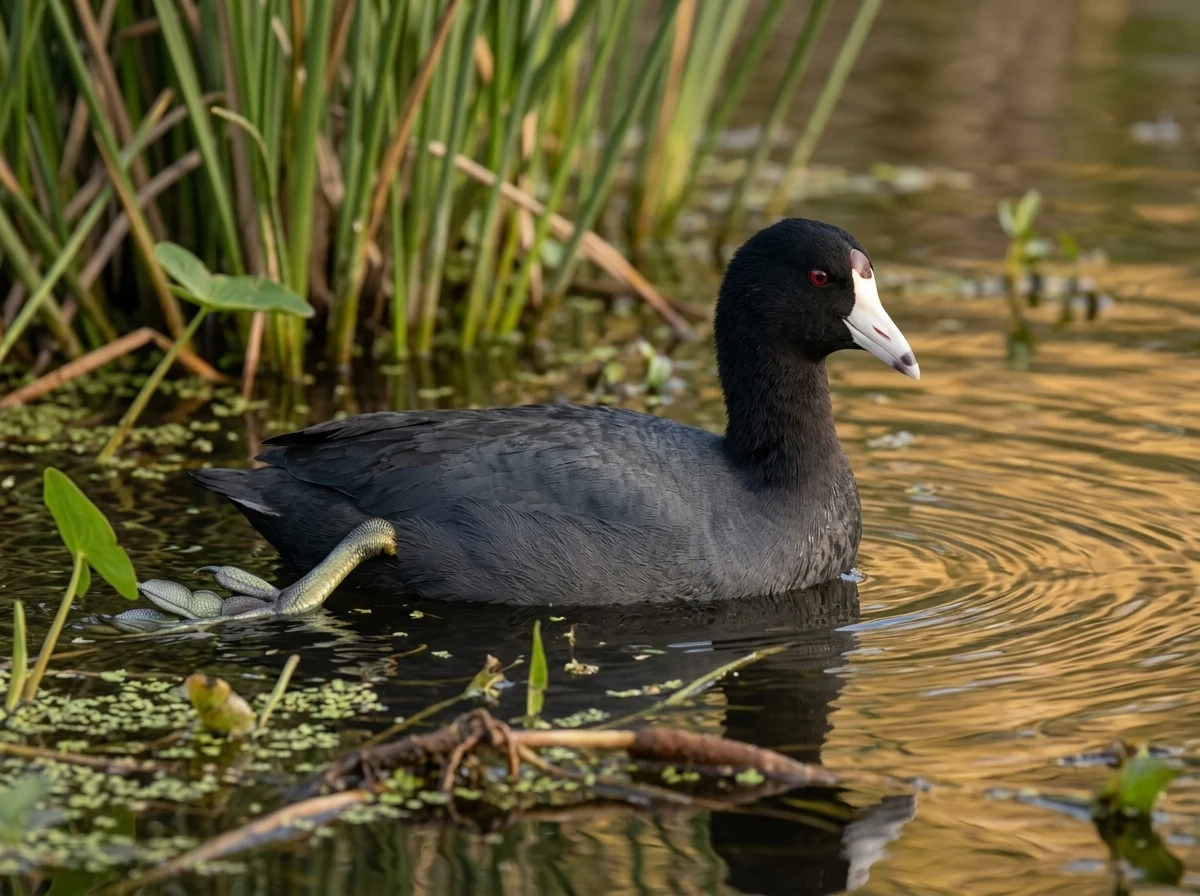
Fresh water and emergent vegetation favor ducks, coots, herons, and other waterbirds that do not use salt flats in the same way. Scan edges, open water, and vegetation separately; one panoramic look leaves many birds hidden.
Water conditions vary with rain and management. The refuge page is authoritative for access and notices. If an area is closed or a road is impassable, change plans instead of creating an informal entrance.
03
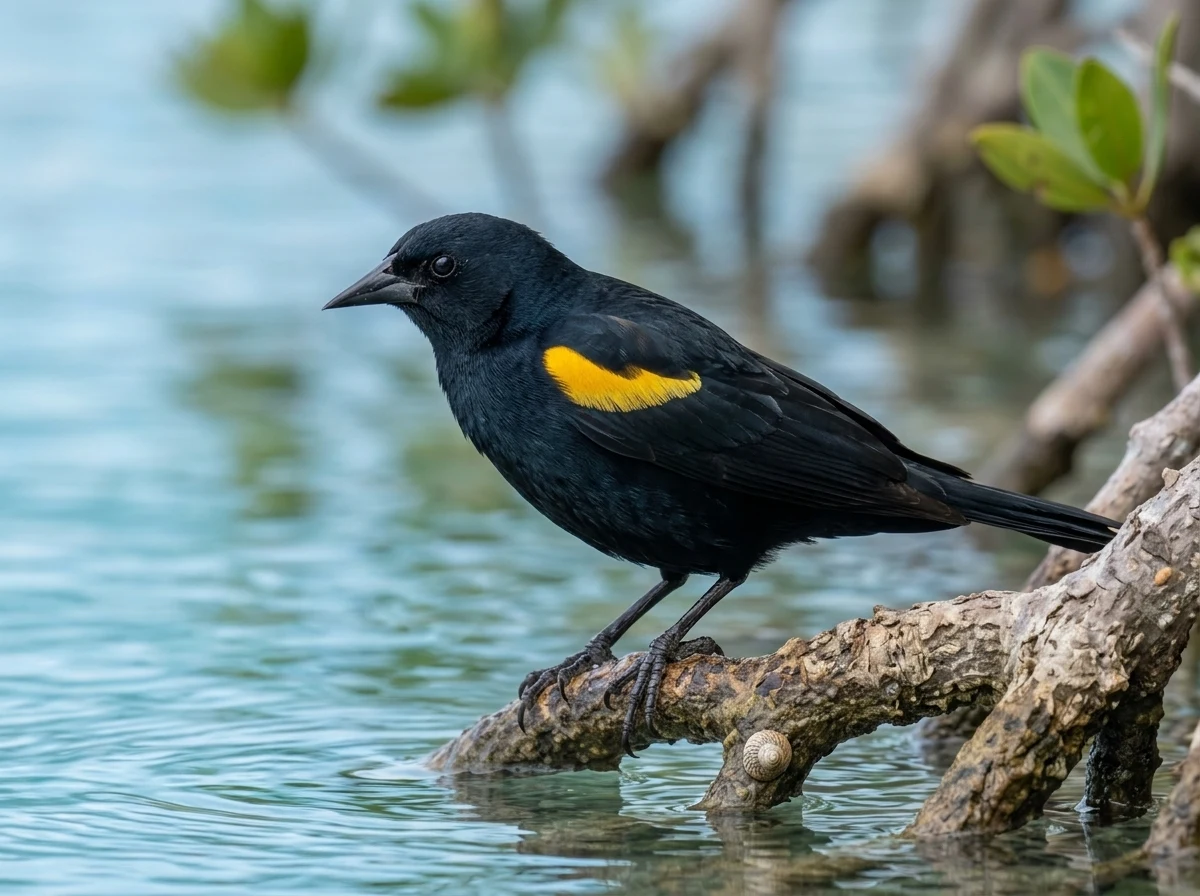
Yellow-shouldered Blackbird: endemic and localized
The southwest is a key region for Yellow-shouldered Blackbird, black with a yellow shoulder patch. Cabo Rojo refuge has explicit recovery objectives and protects critical habitat. Shiny Cowbird, a brood parasite, is part of that conservation history.
Do not use a nest location as a photography shortcut. Keep distance, avoid surrounding a bird, and follow staff direction. Learn Puerto Rican Oriole and Greater Antillean Grackle too, so every dark bird with yellow or gloss does not become a Yellow-shouldered Blackbird.
04
Season and access are part of the observation
Migrants use the region in different windows, and some stop only briefly. Save exact date and observation effort. An off-season absence does not contradict the site's importance; a large arrival does not describe the whole year either.
The Fish and Wildlife Service publishes notices, hours, and infrastructure changes. Check them before every visit, carry sun protection, and respect closed areas. In open landscapes, approaching for convenience can remove the feeding edge birds need.
Linked profiles
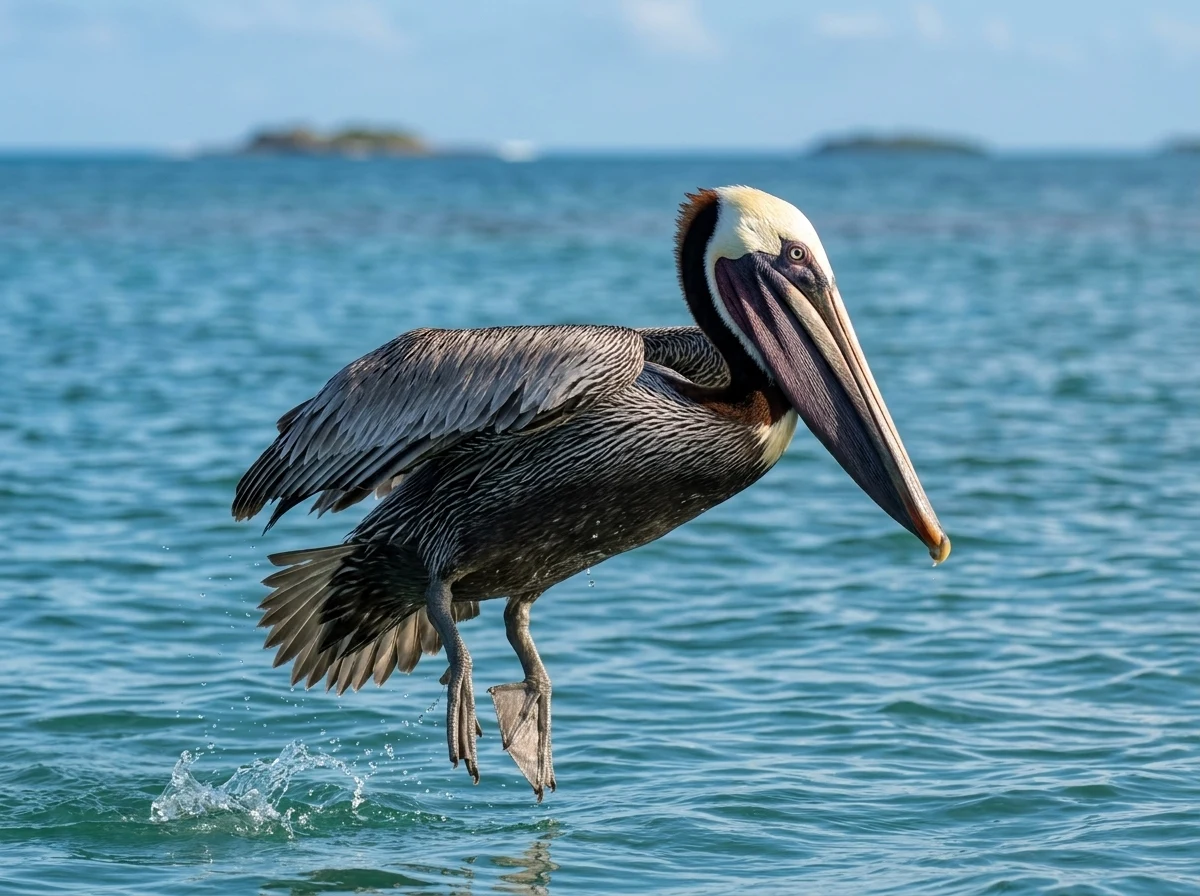
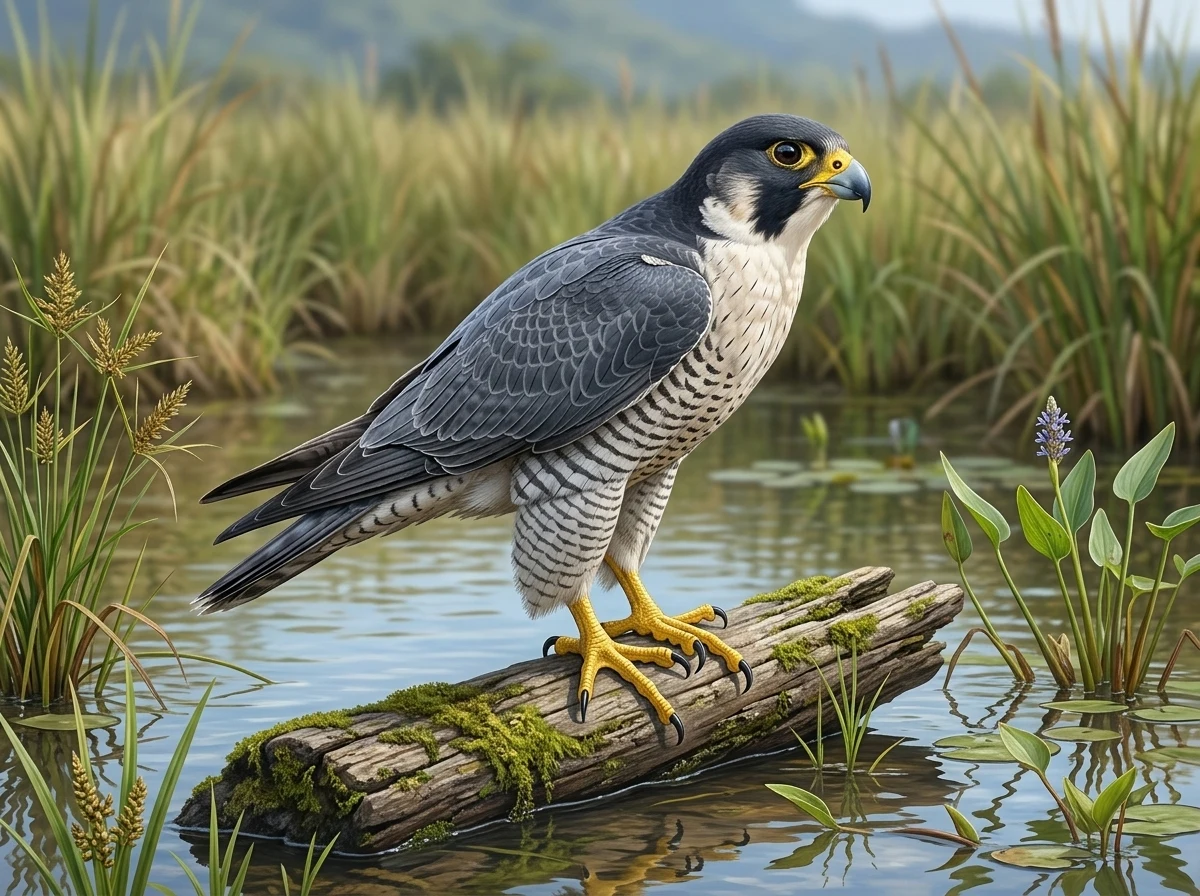
Nine birds for reading the route
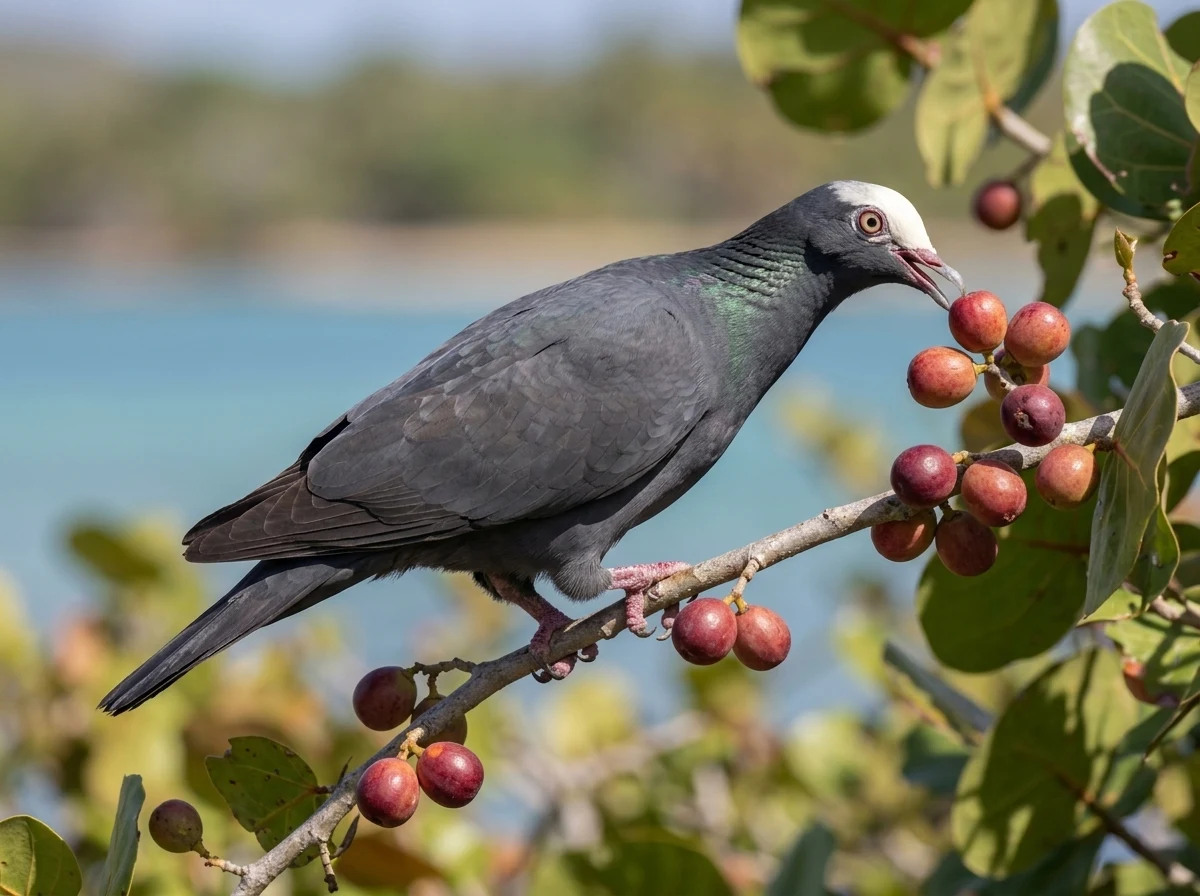
Endemics, residents, and migrants show why salt flats and fresh water complement one another.
Sound archive
Hear its voice
Explore real songs and calls. The spectrogram turns each sound into a visual trace of time and frequency.
XC793991Recording 1 of 3call

Play: call by Barry Edmonston
Choose another recording
Sound recorded by Barry Edmonston · XC793991 · CC BY-NC-SA 4.0. Visualization by Stichting Xeno-canto voor Natuurgeluiden.
Every recording retains the creator, catalogue number, and license published by Xeno-canto. Metadata via GBIF ↗
01
Are Cabo Rojo and Laguna Cartagena the same refuge?
No. They are distinct units in the federal refuge system and protect complementary habitats. Check each official page for access and conditions.
02
When do more migratory birds arrive?
Abundance changes by group: shorebirds can pulse through passage, while ducks and warblers use other windows. Consult recent data and record exact date; no single season fits all migrants.
03
Where can I look for Yellow-shouldered Blackbird?
The southwest, including Cabo Rojo, is part of its current range and recovery work. Watch only from authorized areas and never approach nests.
Keep exploring
Connected routes
Sources and review
The evidence is one link away.
These sources support the editorial scope of this guide. Bird profiles also retain their own taxonomy, occurrence, and conservation references.
Reviewed:
01↗02↗03↗04↗
U.S. Fish and Wildlife Service
Cabo Rojo National Wildlife Refuge
Habitats, focal birds, conservation, trails, and official refuge notices.U.S. Fish and Wildlife Service
Laguna Cartagena National Wildlife Refuge
Importance of the freshwater wetland for resident and migratory waterbirds.U.S. Fish and Wildlife Service
Yellow-shouldered Blackbird: bird of the month
Visual comparison, current distribution, and threats affecting the endemic Yellow-shouldered Blackbird.Corriente Verde
Migratory birds of the archipelago
Local introduction to the origins, routes, and seasons of migratory visitors.The atlas continues