 AI
AILearning guide
Migration Timing Puzzle: When Do They Arrive?
Five migratory birds, twelve months, and one question: which puzzle piece are you missing?
Reviewed:Prepared with AI assistance and linked sources. Illustrations are not field photographs.
The migration puzzle
Migratory birds do not all arrive in the same month or leave together. In Puerto Rico, as in the rest of the Caribbean, migration is a puzzle of moving pieces: some species winter here, some only stop over, and some cross the sea without stopping. BirdsCaribbean documents more than 180 migratory species that use the region as a wintering home or as a stopover on their journeys between North America and South America.
This guide does not give you a closed list of dates. It gives you a procedure to build your own calendar with five species: Blackpoll Warbler, American Redstart, Northern Waterthrush, Barn Swallow, and Peregrine Falcon. With repeated observation and eBird data, you can turn months into pieces that fit.
Learning guide
Three context pieces
más de 180migratory species use the CaribbeanBirdsCaribbean describes more than 180 migratory species that winter in or pass through the region.
cincospecies for your puzzleThis guide's bird list includes five migratory species with documented status in the catalog.
docemonths to sortThe exercise asks you to place each species on a twelve-month timeline.
01
Why there is no single arrival date
Migration is not a switch. It is a process with waves of birds moving at different speeds depending on species, weather, and year. BirdsCaribbean explains that the Caribbean is both a wintering home and a stopover for more than 180 migratory species, and that many travel thousands of miles each year. That means in Puerto Rico you can see migratory birds on the move for several months, not just one week.
This guide's bird catalog confirms that all five species are mostly long-distance migrants, but they do not all use the island the same way. Blackpoll Warbler and American Redstart are migratory warblers; Northern Waterthrush is a ground-feeding bird tied to wetlands and shrublands; Barn Swallow is aerial and colonial; Peregrine Falcon is a raptor with partially migratory populations. That variety is the first puzzle piece.
02
Catalog pieces: what we know about each species
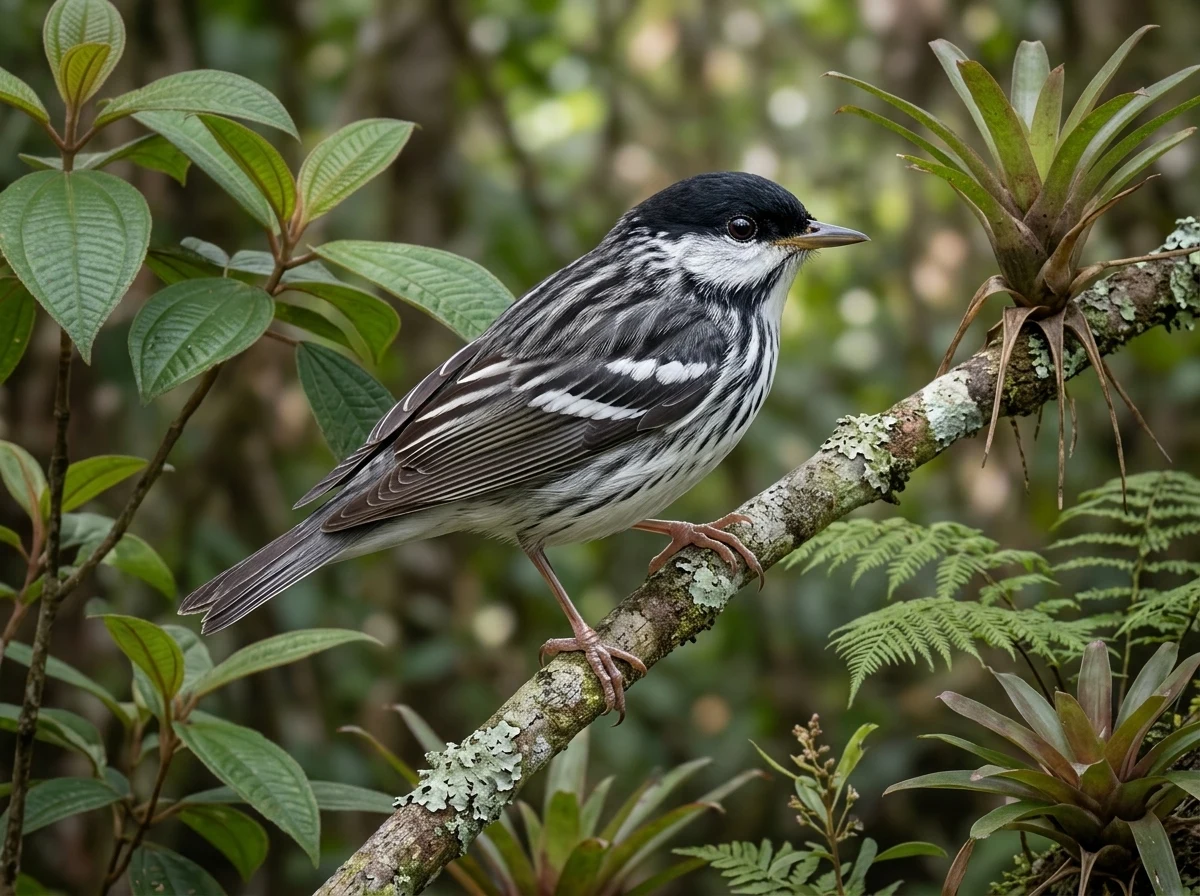
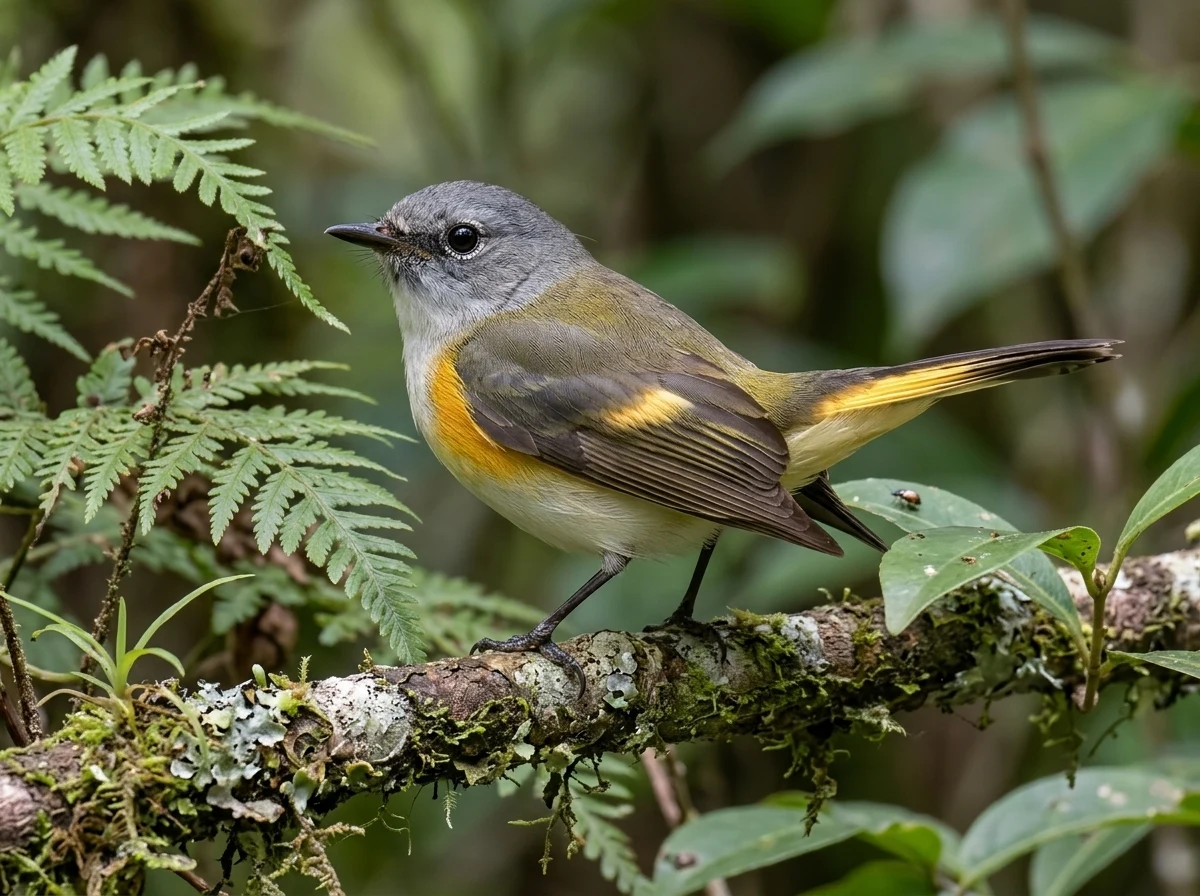
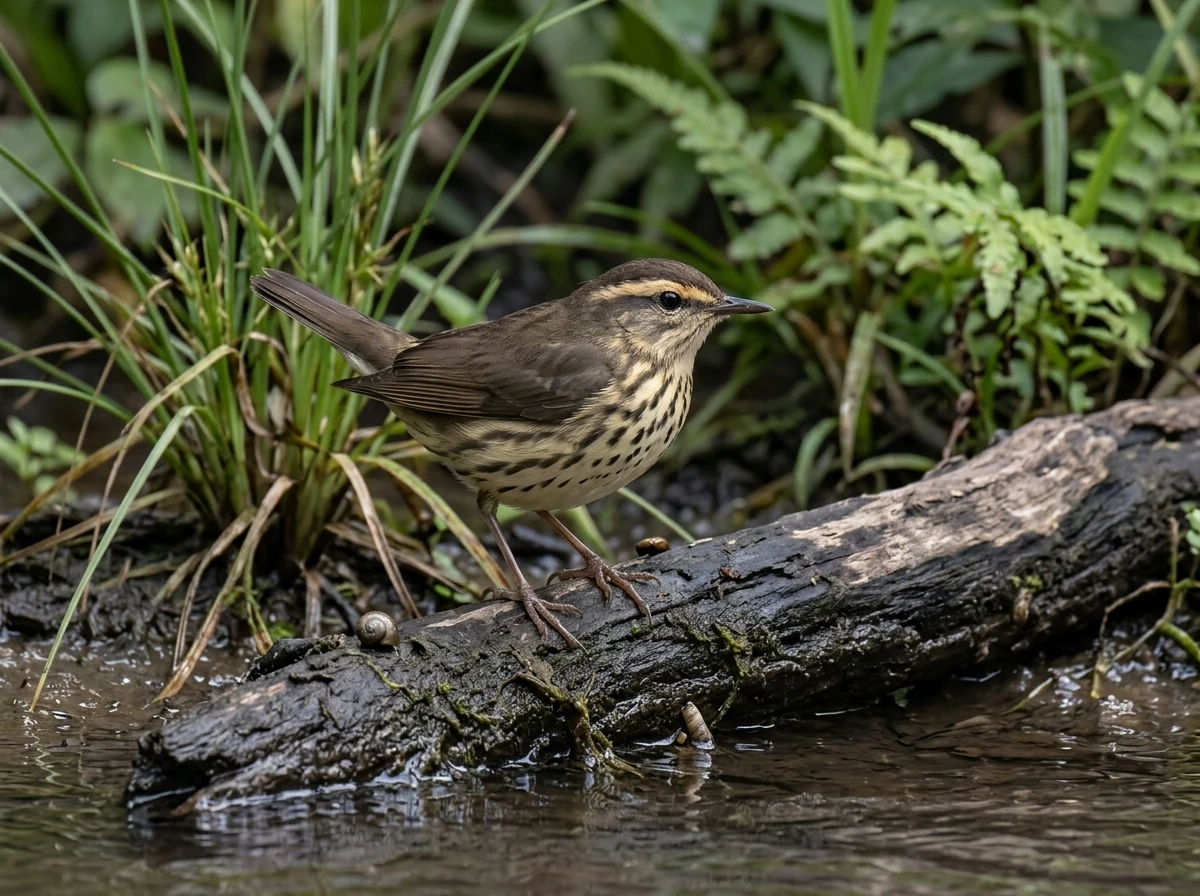
The catalog describes Blackpoll Warbler as a common migrant through much of North America that in fall flies south to the Greater Antilles and the northeastern coasts of South America, with a non-stop overwater migration averaging 2,500 km. American Redstart breeds in northern and eastern North America and winters in the southern United States, Central America, the Antilles, and northern and northwestern South America. Northern Waterthrush breeds in northern North America and winters in Florida, Central America, the West Indies, Venezuela, Colombia, and Ecuador.
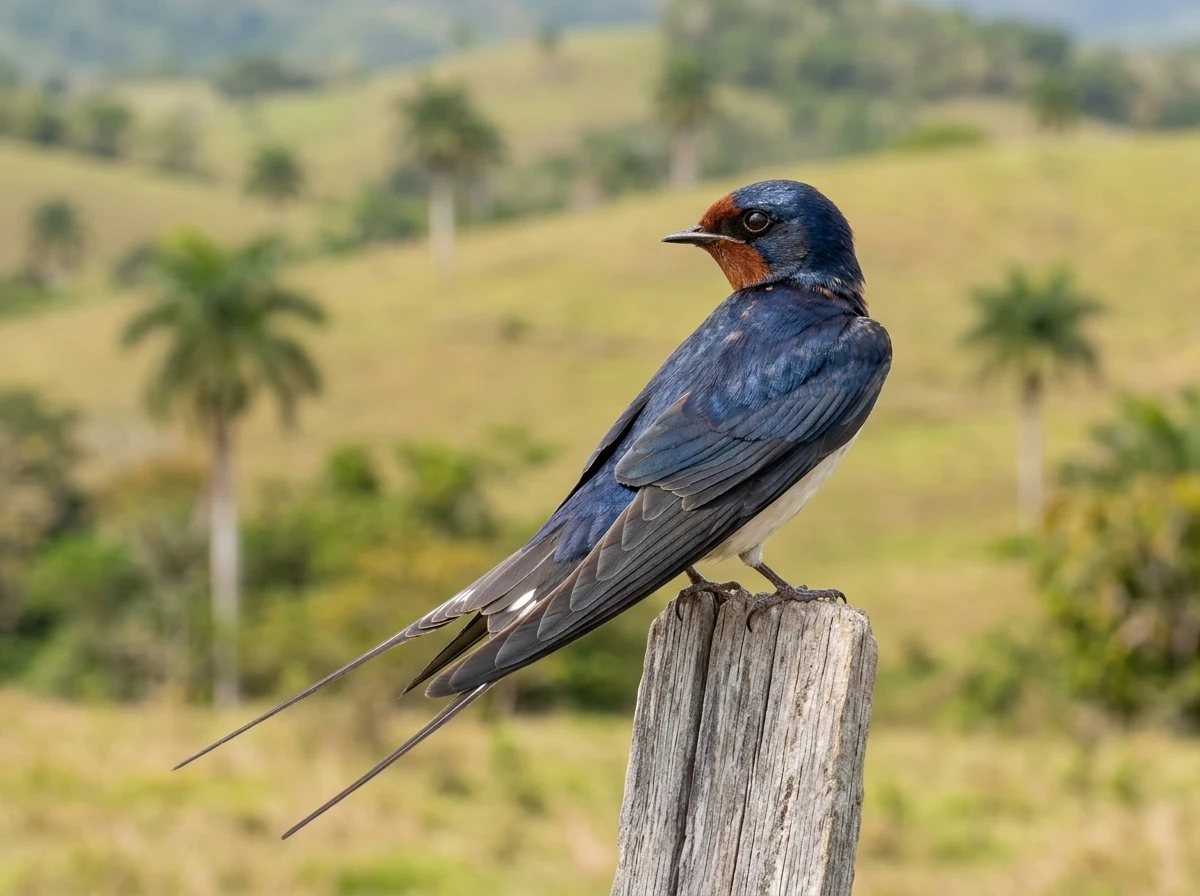
Barn Swallow is the world's most widespread swallow and has subspecies with winter ranges across much of the Southern Hemisphere. Peregrine Falcon has migratory, partially migratory, and resident populations; its name means wandering falcon. These descriptions do not give exact months for Puerto Rico, but they do indicate direction and general season: most of these birds move between the north in summer and the south in winter.
03
How to build your timeline with eBird
BirdsCaribbean recommends recording observations in eBird Caribbean and notes that those records are used to keep the Caribbean bird checklist up to date. That is your main tool. You do not need an expedition: you can use repeated checklists at the same place to see when species appear and disappear.
Suggested procedure: choose a fixed point, such as a park, wetland, or your yard. Visit it at least once a week for a year if you can. Record date, time, weather, and species. For each of the five birds, mark the first month you detect it and the last month you detect it. Then compare your marks with eBird frequency graphs for Puerto Rico. If your first month does not match the general pattern, check whether it was an early or late observation. That difference is part of the puzzle, not a mistake.
04
Exercise: sort the pieces
Draw a timeline with the twelve months. Make five cards, one per species: Blackpoll Warbler, American Redstart, Northern Waterthrush, Barn Swallow, and Peregrine Falcon. For each card, write what the catalog says about its migration: for example, Blackpoll Warbler migrates south in fall to the Greater Antilles; American Redstart winters in the Antilles; Northern Waterthrush winters in the West Indies; Barn Swallow has subspecies that winter in the Southern Hemisphere; Peregrine Falcon has migratory and partially migratory populations.
Now place each card in the months you think are likely. Do not look for a single answer. The goal is to form a hypothesis and then test it with observation or eBird data. Questions to guide the exercise: which species would you expect to see first? Which would stay longest? Which would be hardest to detect and why? If you cannot observe, use eBird frequency graphs for Puerto Rico and note the months when the species appears most frequently. That is your evidence-based timeline.
05
What can change the puzzle
Yearly variation is real. Weather, winds, and breeding conditions in North America can advance or delay bird arrival. That is why a single observation does not define a pattern. BirdsCaribbean notes that the Caribbean bird checklist is updated with eBird records, precisely because distribution and abundance change.
There are also differences between species. Blackpoll Warbler makes a fall migration non-stop over the ocean, which can concentrate its passage into a shorter window. Barn Swallow is a bird of open country that has spread with humans and can be seen in different habitats. Peregrine Falcon is not an obligate migrant in all its populations; some are resident. That mix means your timeline should have margins, not rigid dates.
Linked profiles
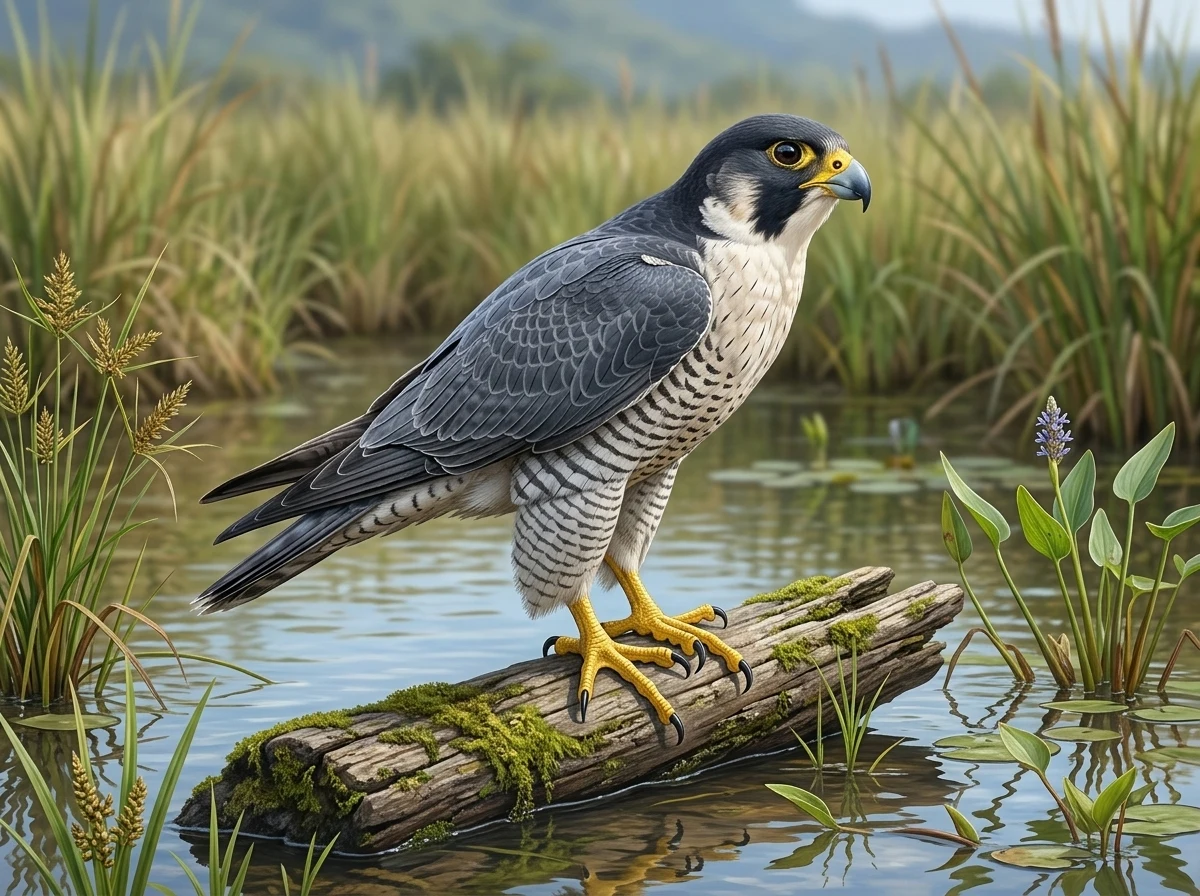
The five birds in the puzzle
Each one brings a different piece: habitat, route, and season.
01
When do migratory birds arrive in Puerto Rico?
There is no single month. BirdsCaribbean documents more than 180 migratory species in the Caribbean, and each species has its own calendar. Some arrive in fall and stay for winter; others only pass through. To know when a specific species arrives, check eBird frequency graphs for Puerto Rico and compare with your repeated observations.
02
Does the Blackpoll Warbler stay all winter in Puerto Rico?
The catalog describes Blackpoll Warbler as a common migrant that in fall flies south to the Greater Antilles and the northeastern coasts of South America. It does not state that it winters exclusively in Puerto Rico. Its passage may be more concentrated than that of other species. Use eBird to see in which months it is recorded on the island.
03
Is the Peregrine Falcon migratory in Puerto Rico?
The catalog indicates that Peregrine Falcon has migratory, partially migratory, and resident populations. Its status in the catalog is marked as migratory or vagrant, with a note about a 2004 entry for the tundrius subspecies. That means not all populations behave the same. For Puerto Rico, check eBird records and do not assume a single pattern.
04
How can I help document migration?
Record your observations in eBird Caribbean. BirdsCaribbean recommends that platform and explains that records are used to keep the Caribbean bird checklist up to date. You do not need to be an expert: a checklist with date, place, and species is useful. Consistency matters more than a single outing.
05
Why does my first sighting not match eBird graphs?
There can be yearly variation. Weather and breeding conditions in North America can advance or delay migration. It could also be an early or late observation of one individual. eBird graphs show general patterns, not exact dates. Record your observation and keep sampling: the pattern becomes clearer with more data.
Keep exploring
Connected routes
Sources and review
The evidence is one link away.
These sources support the editorial scope of this guide. Bird profiles also retain their own taxonomy, occurrence, and conservation references.
Reviewed:
01↗02↗
BirdsCaribbean
Caribbean Birds / The Complete Checklist of the Birds of the West Indies
Evidence for cited sections; consult the original document.Journal of Caribbean Ornithology / BirdsCaribbean
The Puerto Rico Breeding Bird Atlas (review of USDA Forest Service GTR IITF-53)
Evidence for cited sections; consult the original document.The atlas continues