 AI
AILearning guide
Nesting Calendar: A Timeline Activity
Build an annual timeline, mark documented nesting months, and ask questions about breeding peaks and their relationship to rainfall.
Reviewed: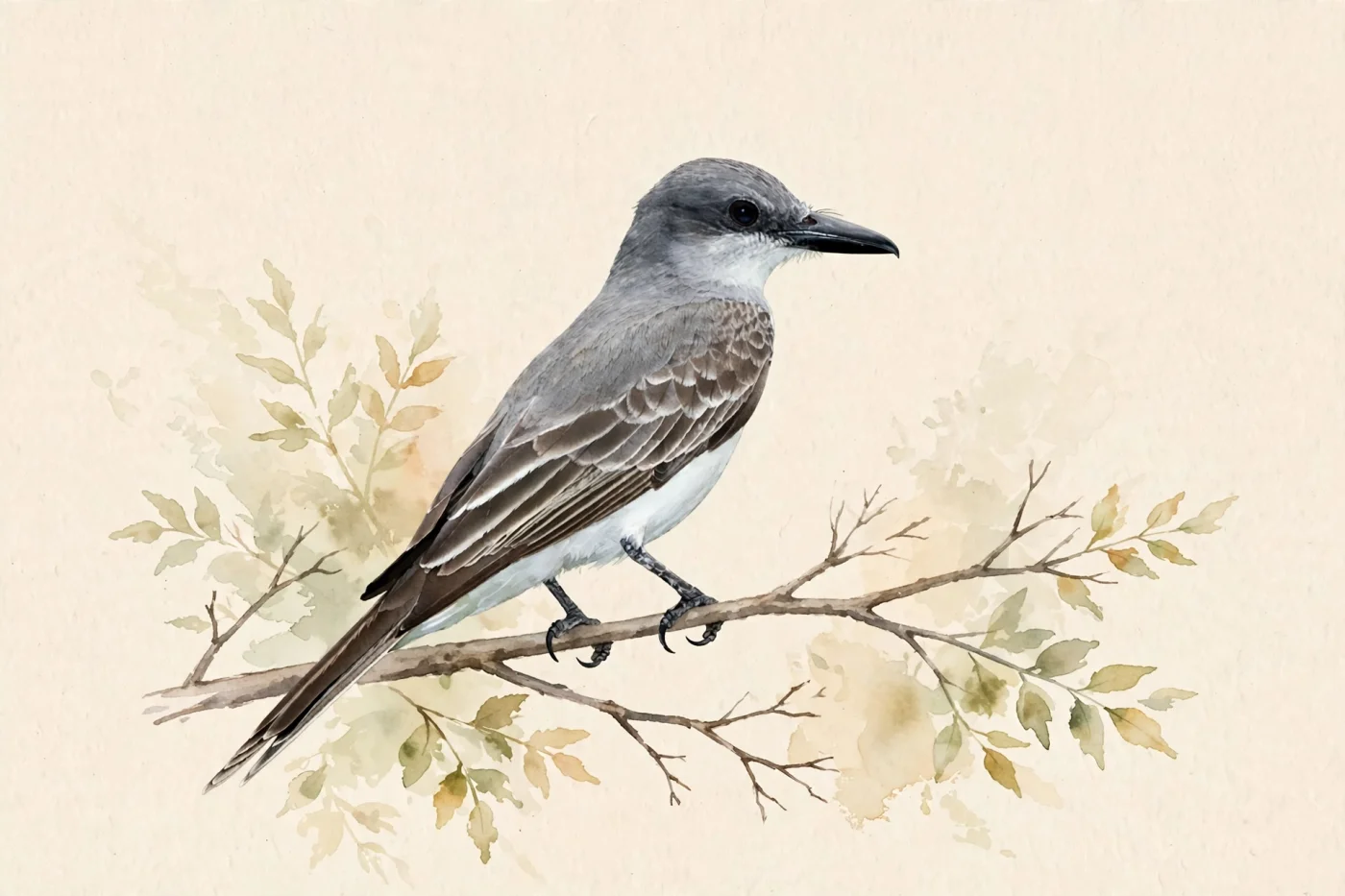
Prepared with AI assistance and linked sources. Illustrations are not field photographs.
In which months do Puerto Rico birds nest?
The short answer is that there is no single calendar: each species has its own window. The Puerto Rico Breeding Bird Atlas gathered more than 45,500 observations of 130 species between 2004 and 2009 and summarizes the timing of breeding and distribution for each one. That is the broadest reference available for the island and the basis for this activity.
In this guide you will turn that information into a twelve-month timeline. You will mark documented periods for five birds, compare breeding peaks with rainfall, and practice reading a nesting calendar without confusing presence with reproduction.
Learning guide
Three takeaways
130species with breeding informationThe atlas summarizes the timing of breeding for 130 breeding species of Puerto Rico and its satellite islands.
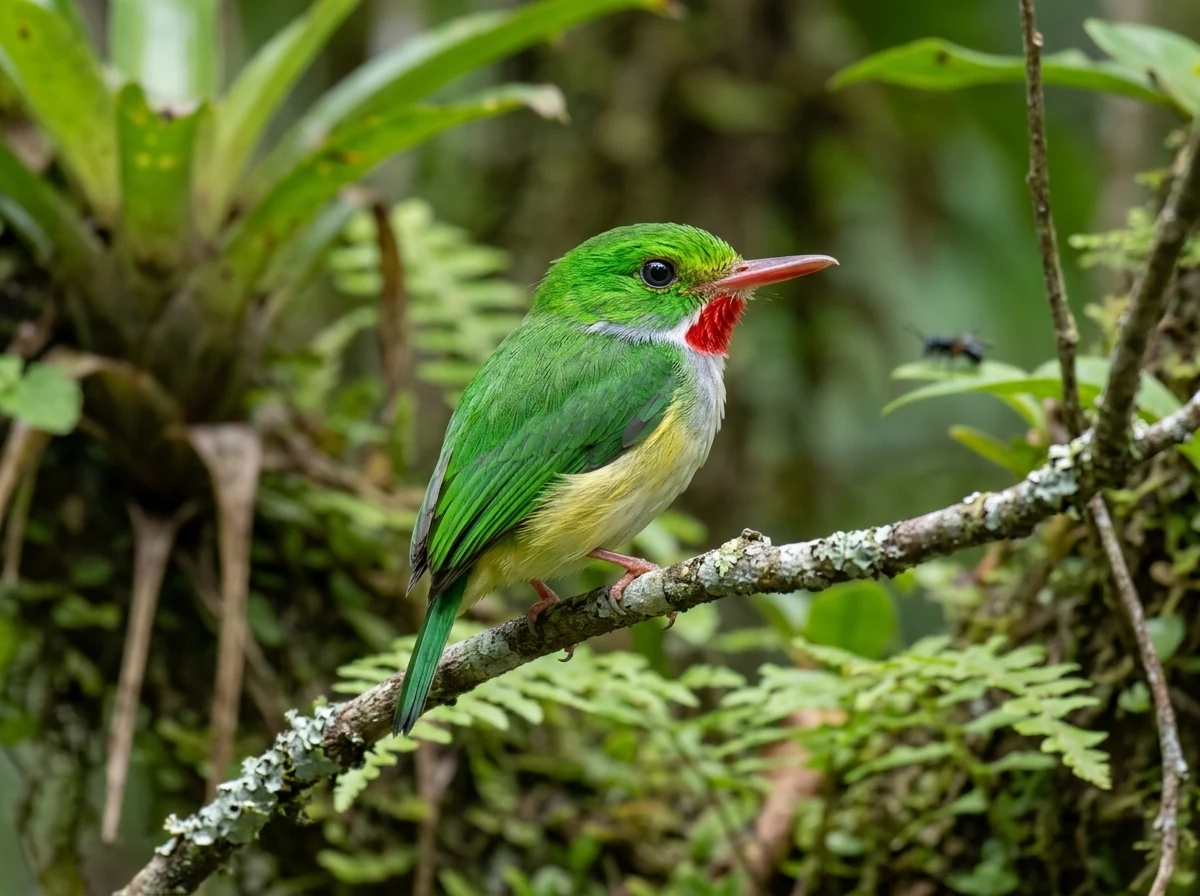
febrero a julioPuerto Rican Tody windowThe Puerto Rican Tody typically breeds from February to July and excavates its own nest burrow.
abril a juliodry forest breeding peakIn the Guánica dry forest, most Greater Antillean birds breed during the April to July period.
01
What the atlas says and what it does not
The Puerto Rico Breeding Bird Atlas (PRBBA) is a project coordinated by the Puerto Rican Ornithological Society (SOPI) with 344 volunteer observers. Observations were classified in a hierarchy from simply observed birds to possible, probable, or confirmed breeding evidence. For each species, the atlas relates breeding distribution and timing to ecological life zones and protected areas.
That means a month marked on your timeline should indicate breeding evidence, not just presence. A parrot seen in March does not prove it is nesting; an active nest, an egg, or a chick does count as confirmed evidence. The activity asks you to distinguish those levels.
02
Five birds, different windows
The Puerto Rican Tody (Todus mexicanus) is endemic to Puerto Rico and typically breeds from February to July. It excavates its own burrow in dirt banks, lays one to four eggs, and incubation lasts about 21 to 22 days. It has one of the longest windows among the birds in this activity.
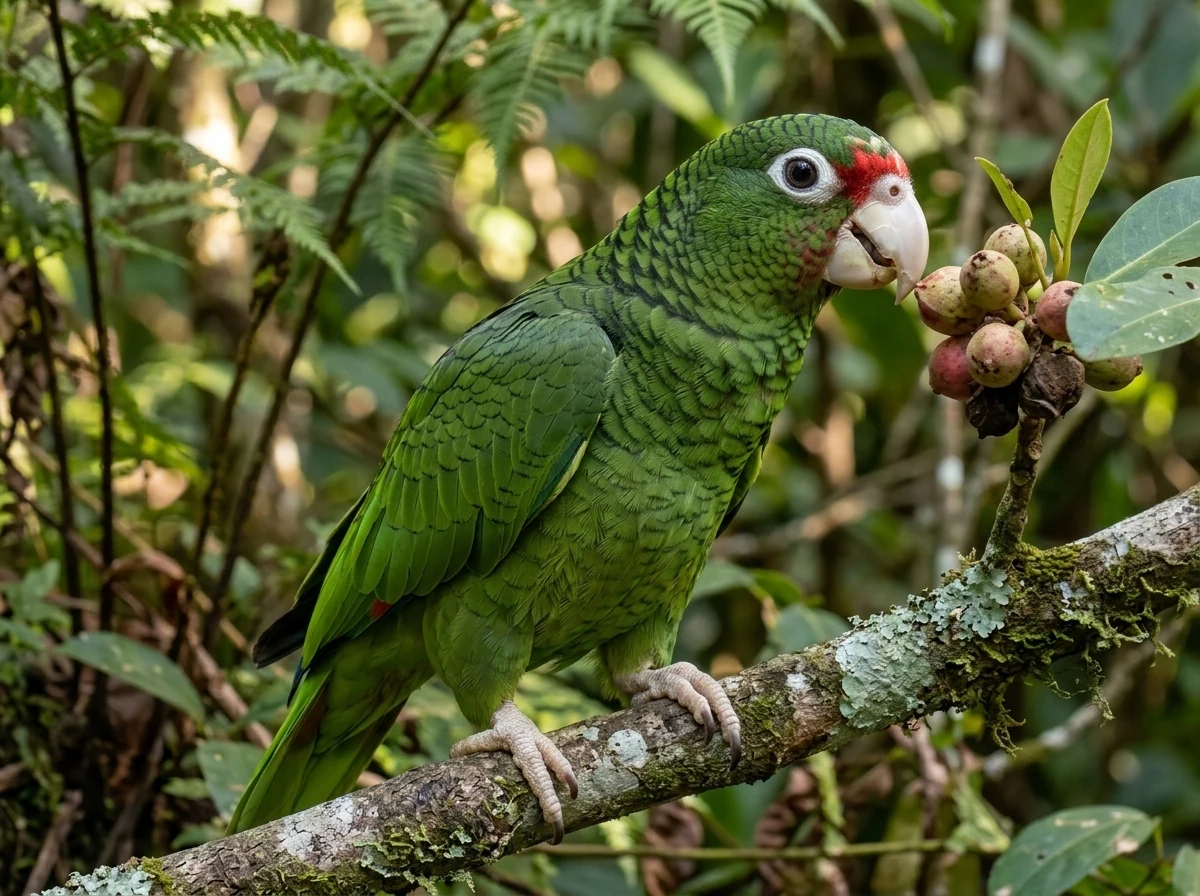
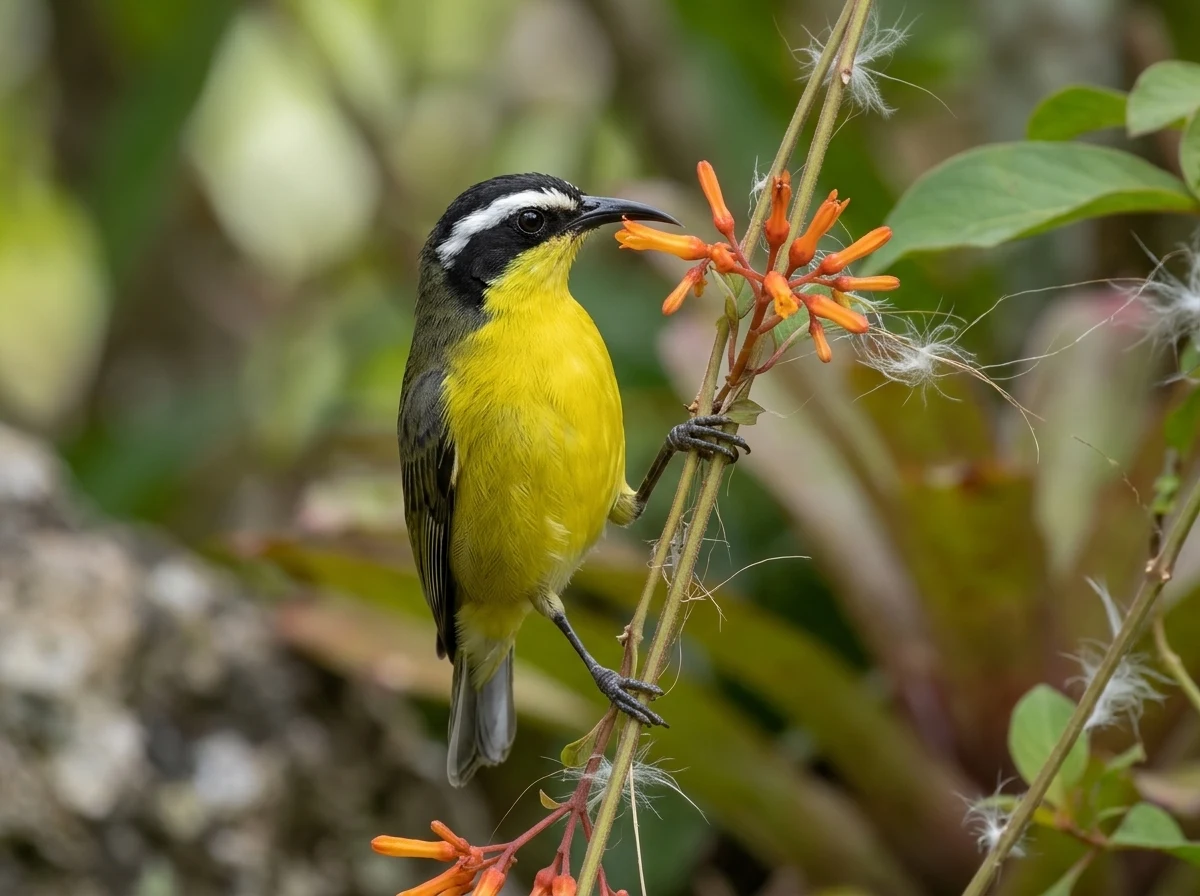
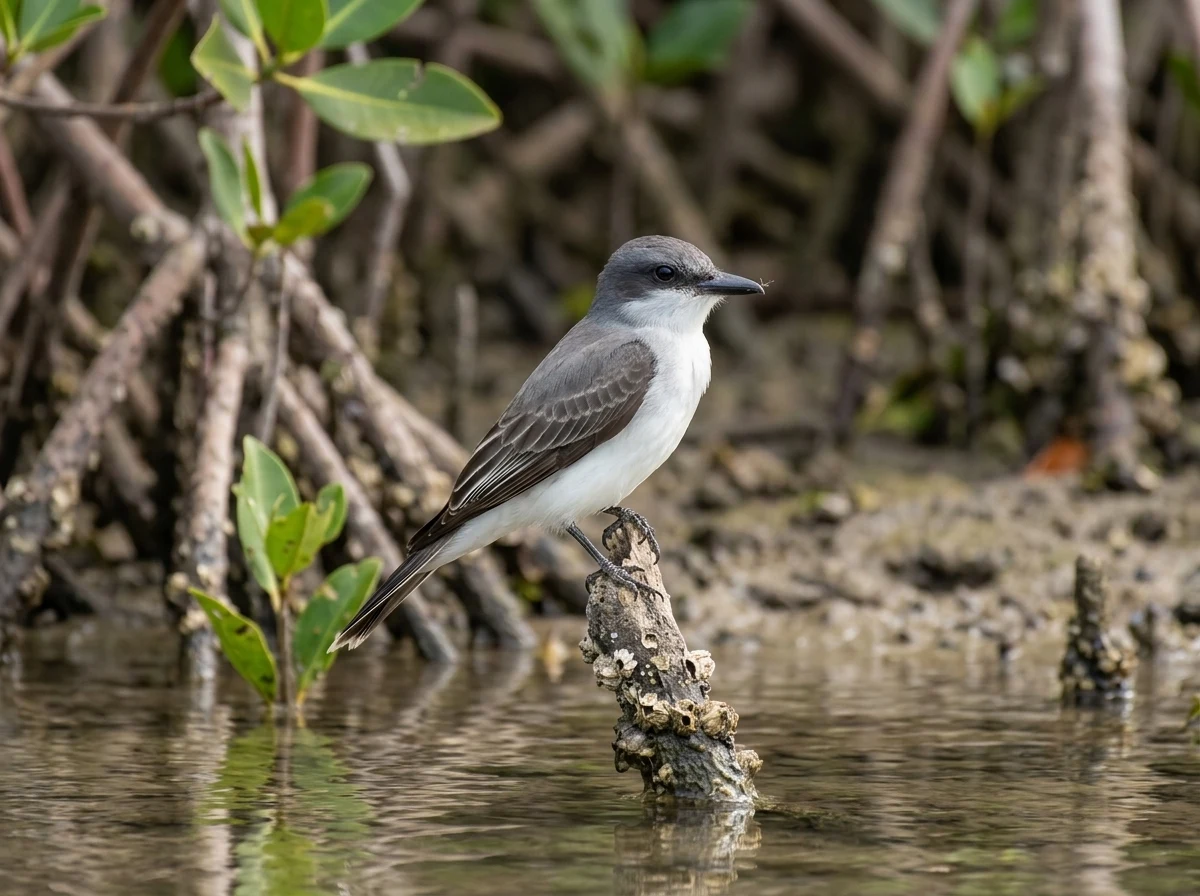
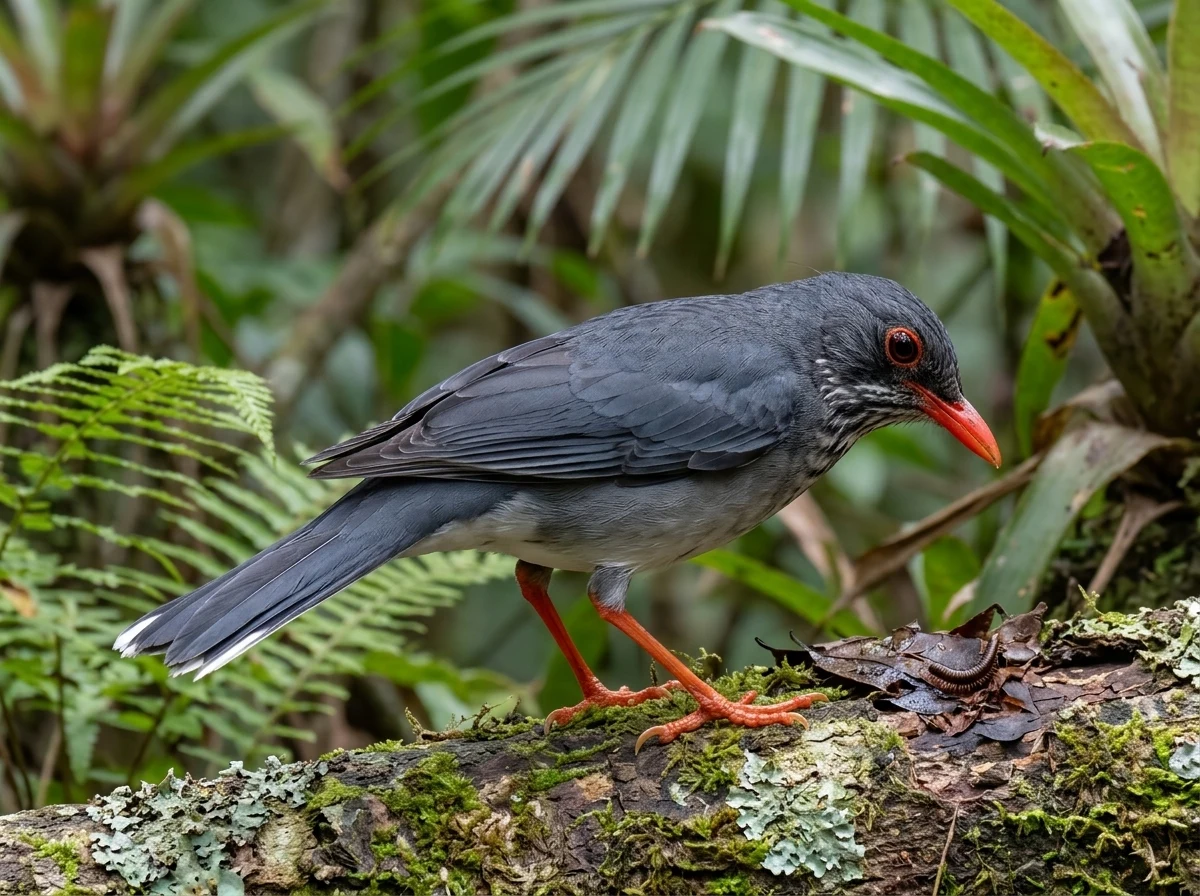
The Puerto Rican Amazon (Amazona vittata) reaches sexual maturity at three to four years, reproduces once a year, and nests in cavities. The female remains in the nest incubating, and chicks fledge 60 to 65 days after hatching. The Bananaquit (Coereba flaveola) builds a globular nest and has a much shorter incubation of 12 to 13 days. The Gray Kingbird (Tyrannus dominicensis) builds a cup nest and lays two to five eggs. The Eastern Red-legged Thrush (Turdus ardosiaceus) also builds a cup and its incubation lasts 11 to 13 days.
03
Rainfall and breeding peaks
In the Guánica dry forest, a nine-year study found that most Greater Antillean birds of the dry forest breed during the April to July period. Normal rainfall is strongly seasonal: much of the annual precipitation accumulates in September and October, while April and May mark the end of the dry season.
The study found that resident bird populations were sensitive to the rainfall that ends the dry season at the start of their normal breeding period. For insectivores, reproductive success seemed to depend mostly on the length of the dry season and on an adequate April-May rainy season. The Bananaquit, by contrast, has been recorded breeding in all months of the year in other parts of Puerto Rico, although it was never seen breeding in winter in Guánica.
04
How to build your timeline
Materials: a large sheet or poster board, a ruler, colored pencils, and a copy of the data for each species. Draw a horizontal line and divide it into twelve equal segments, January through December. Assign a color to each bird and mark documented breeding months with a bar. Use a light shade for possible or probable evidence and a strong shade for confirmed evidence.
Procedure: first, note the source for each marked month. Second, write below the line a note about nest type: cavity, burrow, globe, or cup. Third, overlay a gray band for the months of highest normal rainfall in your region of interest. Fourth, ask two questions: which species overlap in the April to July peak? Which species has the longest window? Do not invent months: if a datum is not documented, leave the space blank and note it as an open question.
05
Checklist and comparison
Checklist: (1) does the line have twelve months? (2) does each species have a different color? (3) does each marked month have a source? (4) is confirmed evidence distinguished from possible or probable? (5) is nest type shown? (6) is there a rainfall band? (7) did you write at least two open questions?
Comparison: place the five species in a table and count how many months each window covers. Compare the Puerto Rican Tody window (February to July) with the general dry forest peak (April to July). Ask why one species can have a longer window than the general peak. Write down your hypotheses, but remember they are questions to investigate, not conclusions.
Linked profiles
The birds in this activity
Five species to mark on the timeline, with their documented nesting data.
01
Is there a single month when all Puerto Rico birds nest?
No. The atlas documents different breeding times for 130 species. In the Guánica dry forest, many Greater Antillean birds breed from April to July, but the Puerto Rican Tody typically breeds from February to July and the Bananaquit has been recorded breeding in all months of the year in other parts of the island.
02
Does rainfall determine when birds nest?
In the Guánica dry forest, the nine-year study found that resident populations were sensitive to the rainfall that ends the dry season at the start of the normal breeding period. For insectivores, reproductive success seemed to depend on the length of the dry season and on adequate April-May rainfall. It is a documented correlation, not a universal rule.
03
How do I distinguish presence from nesting?
The atlas classifies observations in a hierarchy: observed, possible, probable, or confirmed. Seeing a bird is not breeding evidence. An active nest, an egg, or a chick is confirmed evidence. On your timeline, use different shades for each level.
04
Can I use these months to plan a visit?
You can use them as general guidance, but remember they are documented breeding periods, not guarantees of observation. The activity is educational. It does not imply access to nests or restricted areas, and you should not approach active nests.
05
Why does the Puerto Rican Amazon appear in this activity?
Because it is a critically endangered endemic species with documented reproductive data: it reaches sexual maturity at three to four years, reproduces once a year, nests in cavities, and chicks fledge 60 to 65 days after hatching. It is a good example of a slow reproductive cycle.
Keep exploring
Connected routes
Sources and review
The evidence is one link away.
These sources support the editorial scope of this guide. Bird profiles also retain their own taxonomy, occurrence, and conservation references.
Reviewed:
01↗02↗03↗04↗
U.S. Forest Service Research and Development
Puerto Rico Breeding Bird Atlas
Evidence for cited sections; consult the original document.U.S. Forest Service / Journal of Field Ornithology
Rainfall Correlates of Bird Population Fluctuations in a Puerto Rican Dry Forest (Faaborg 1984)
Evidence for cited sections; consult the original document.Cornell Lab of Ornithology, Birds of the World
Puerto Rican Tody (Todus mexicanus) — Breeding
Evidence for cited sections; consult the original document.Cornell Lab of Ornithology, Birds of the World
Puerto Rican Amazon (Amazona vittata)
Evidence for cited sections; consult the original document.The atlas continues