 AI
AINests without disturbance
Nesting calendar
A calendar guides caution; it never turns a nest into an attraction.
Reviewed:Season depends on species and landscape.
The breeding atlas documents 130 species breeding in Puerto Rico and its satellite islands. Rain, food, elevation, and habitat shift dates.
Territorial behavior, nest material, incubation, and fledglings are different evidence. Record without touching, pruning, lighting, or revealing a sensitive location.
Nests without disturbance
The guide at a glance
8linked profilesA focused selection connects the guide with verifiable species.
3reading lensesContext, identification, and practical decisions organized by topic.
4primary sourcesAgencies, research, and ornithological organizations support the content.
01
Read breeding evidence
Song suggests territory but does not prove a nest. Food carrying, building, incubation, and dependent young strengthen evidence and require more distance.
Record date, behavior, habitat, and duration without searching for the nest. Repeatable observation is more useful than an invasive photograph.
02
Coast, forest, and city
Colonial terns, cavity-nesting parrots, herons, pigeons, and urban birds have different calendars and risks. Do not extrapolate one date to the entire atlas.
If adults alarm, change route, or stop feeding, retreat. Keep dogs, drones, and groups away.
Linked profiles
Birds to compare
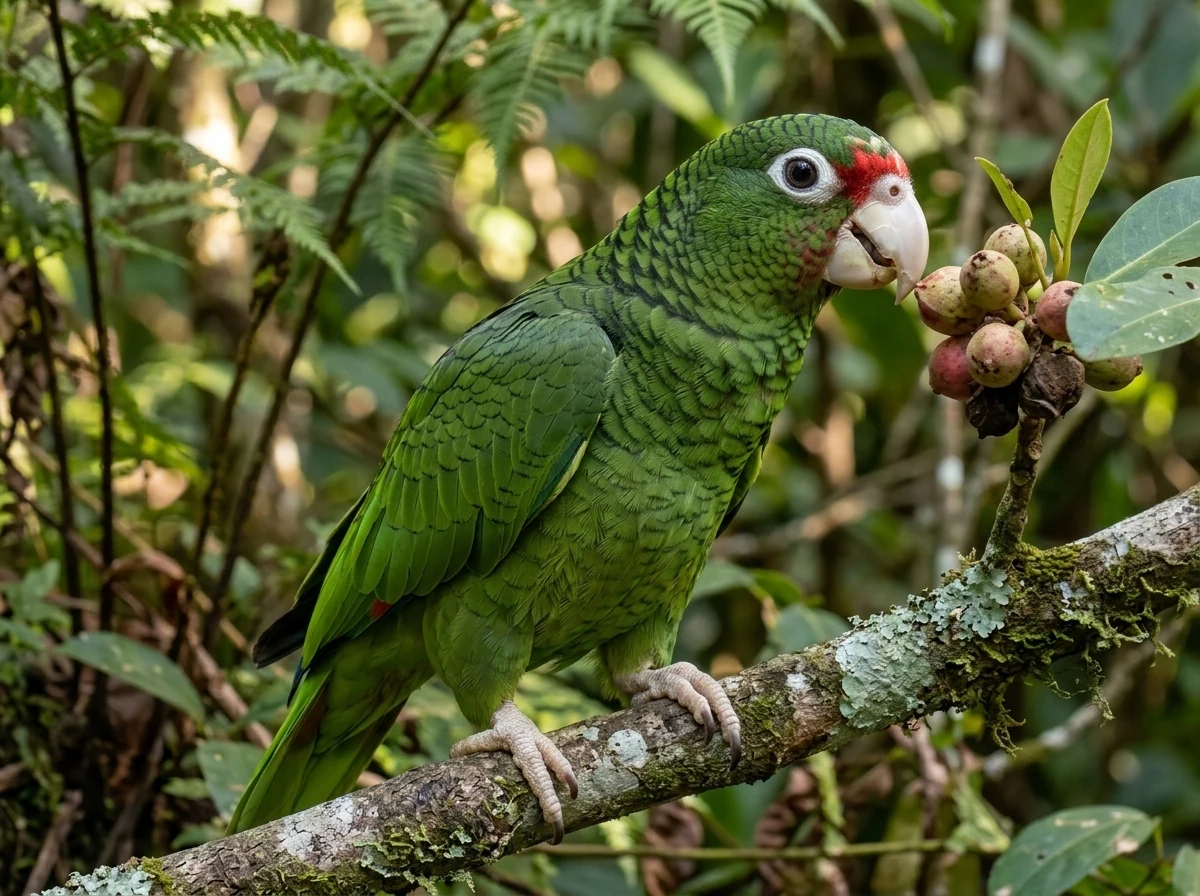
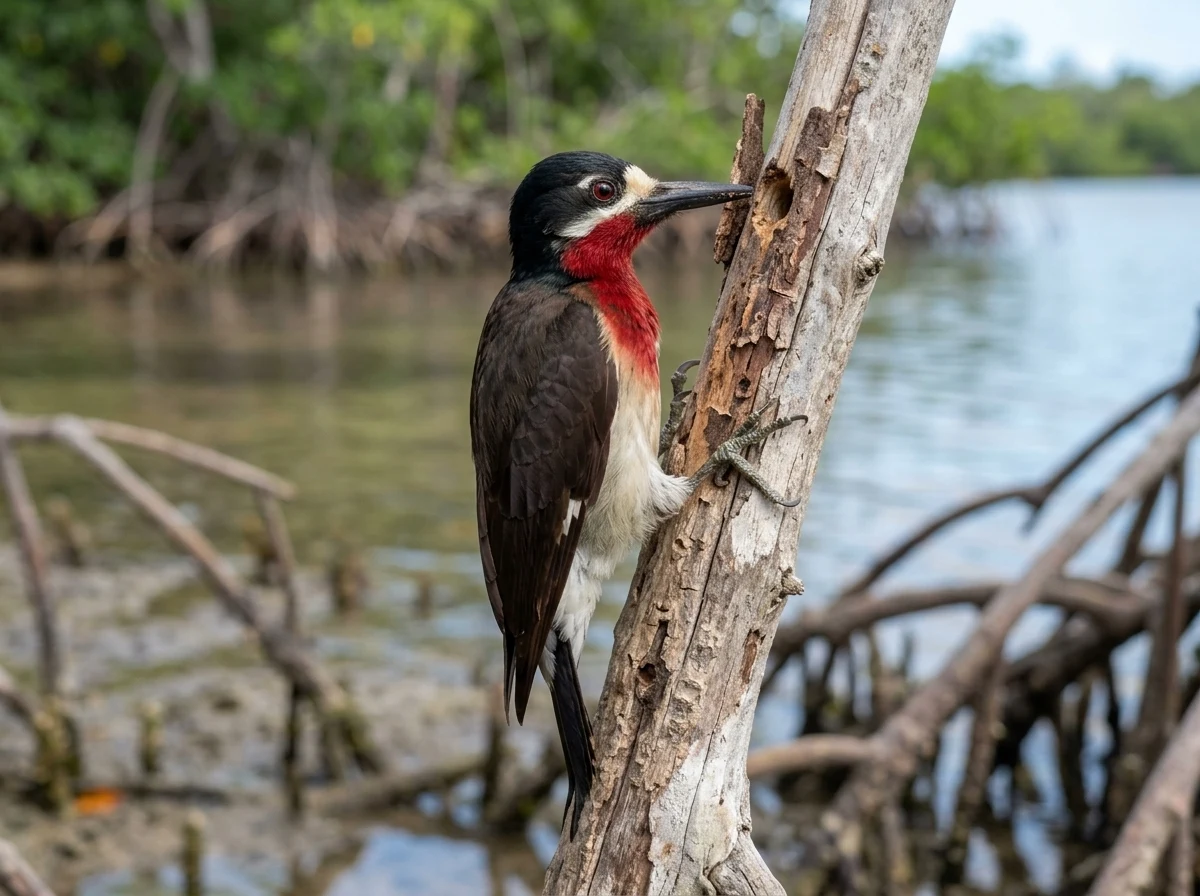
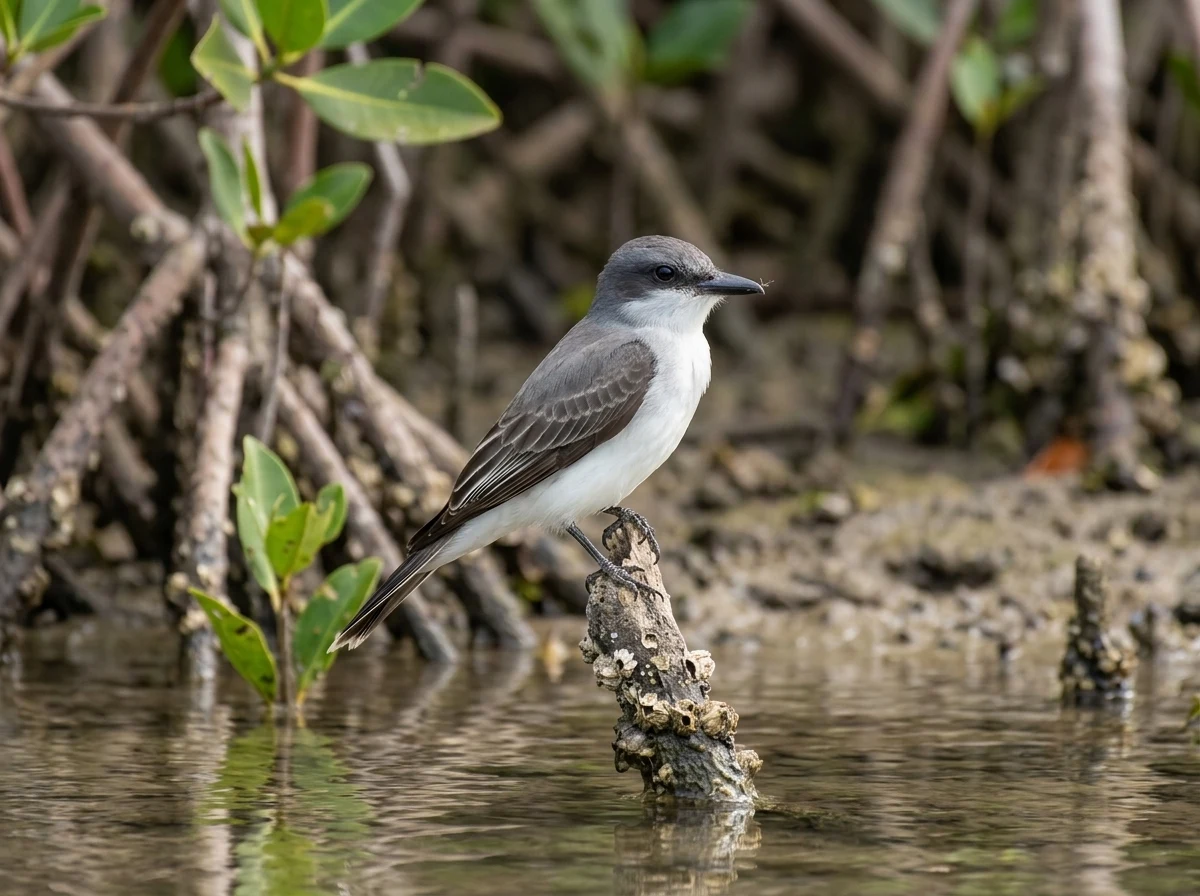
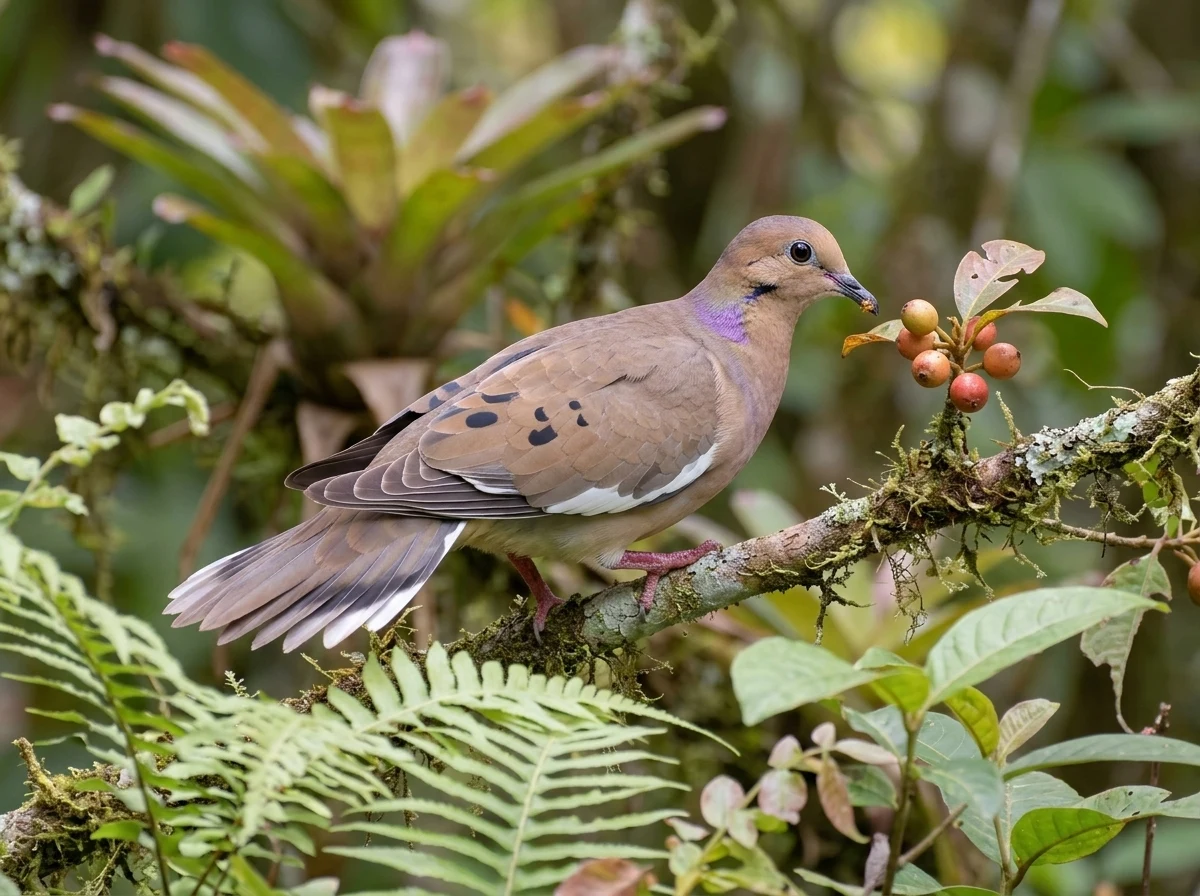
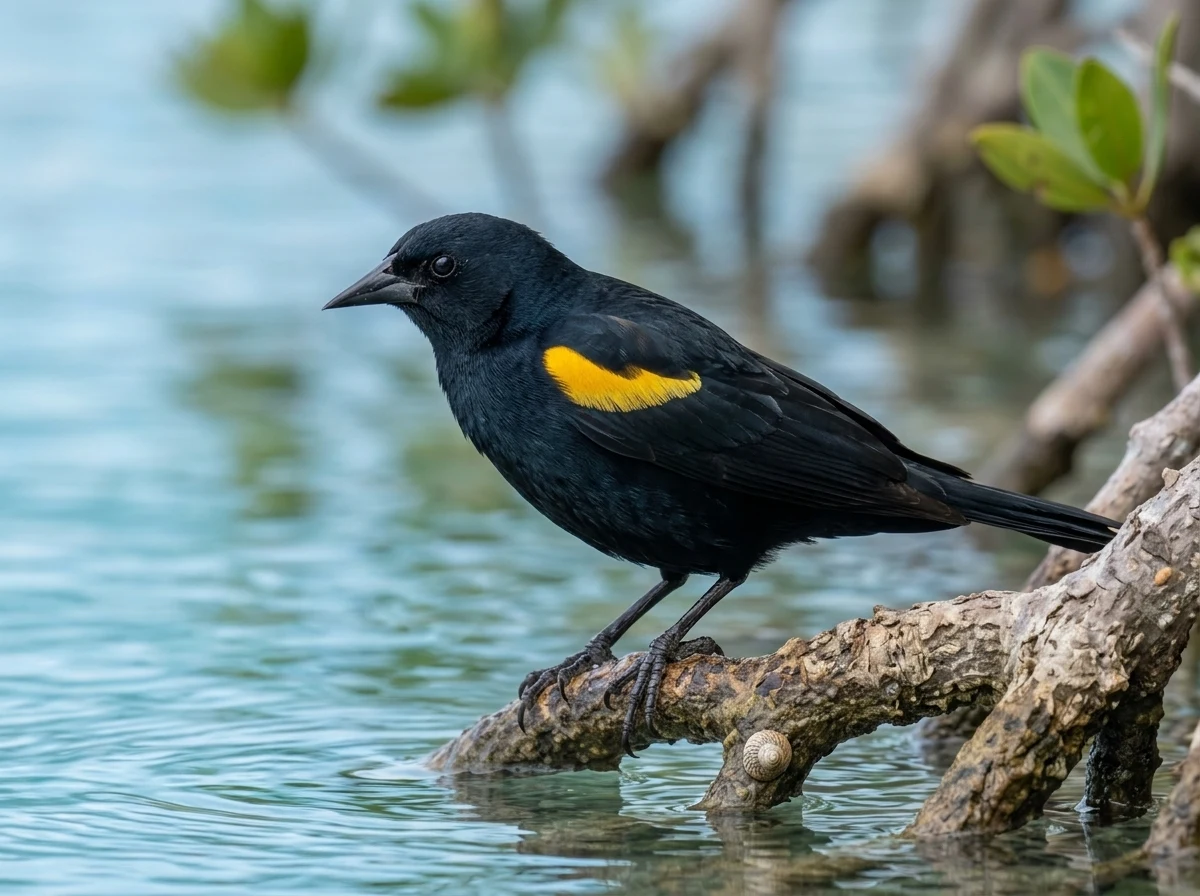
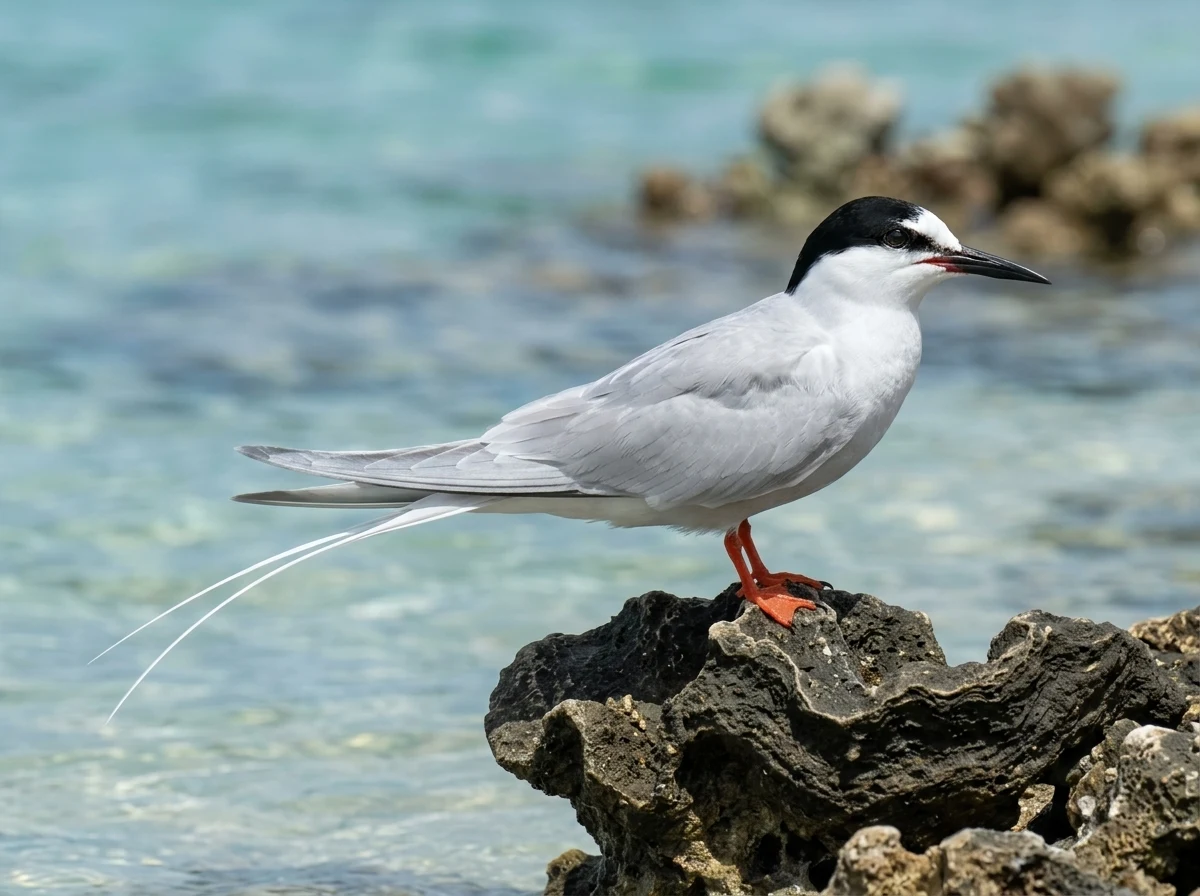
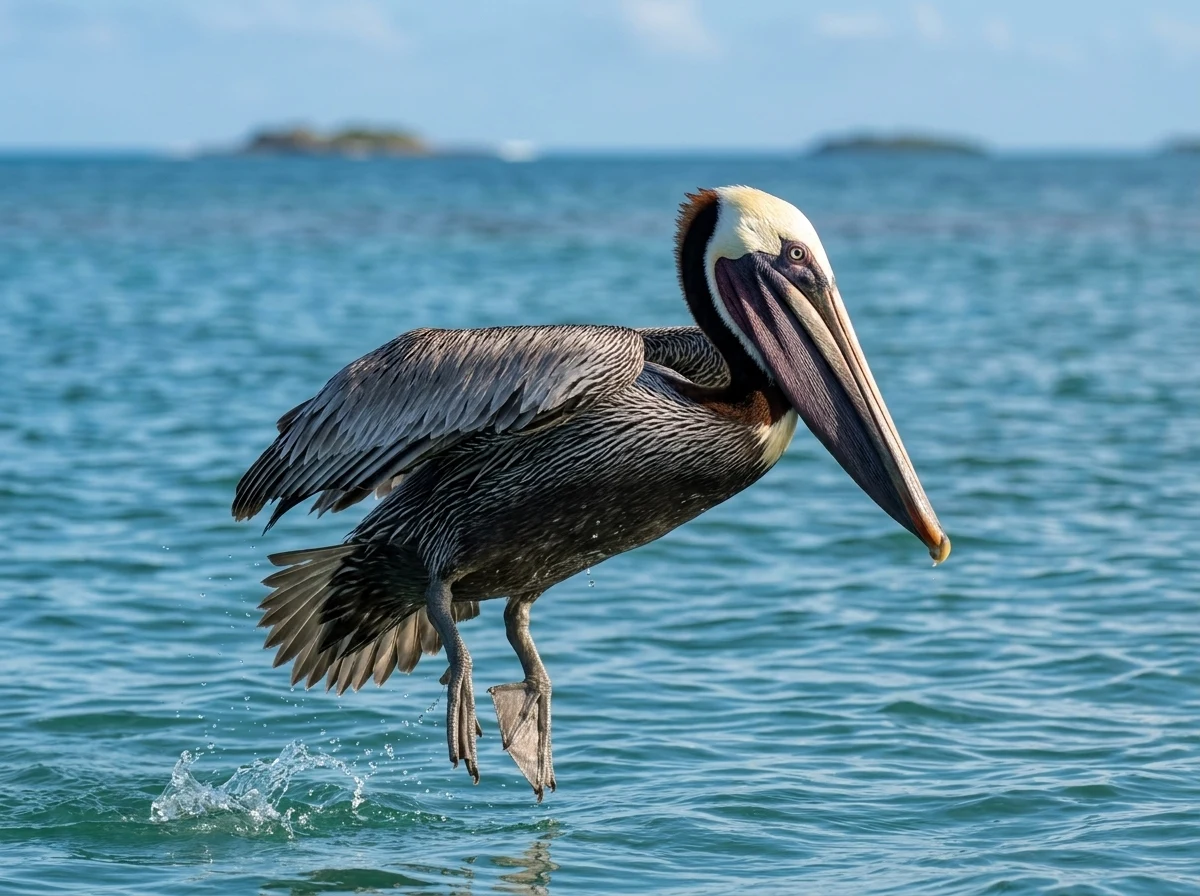
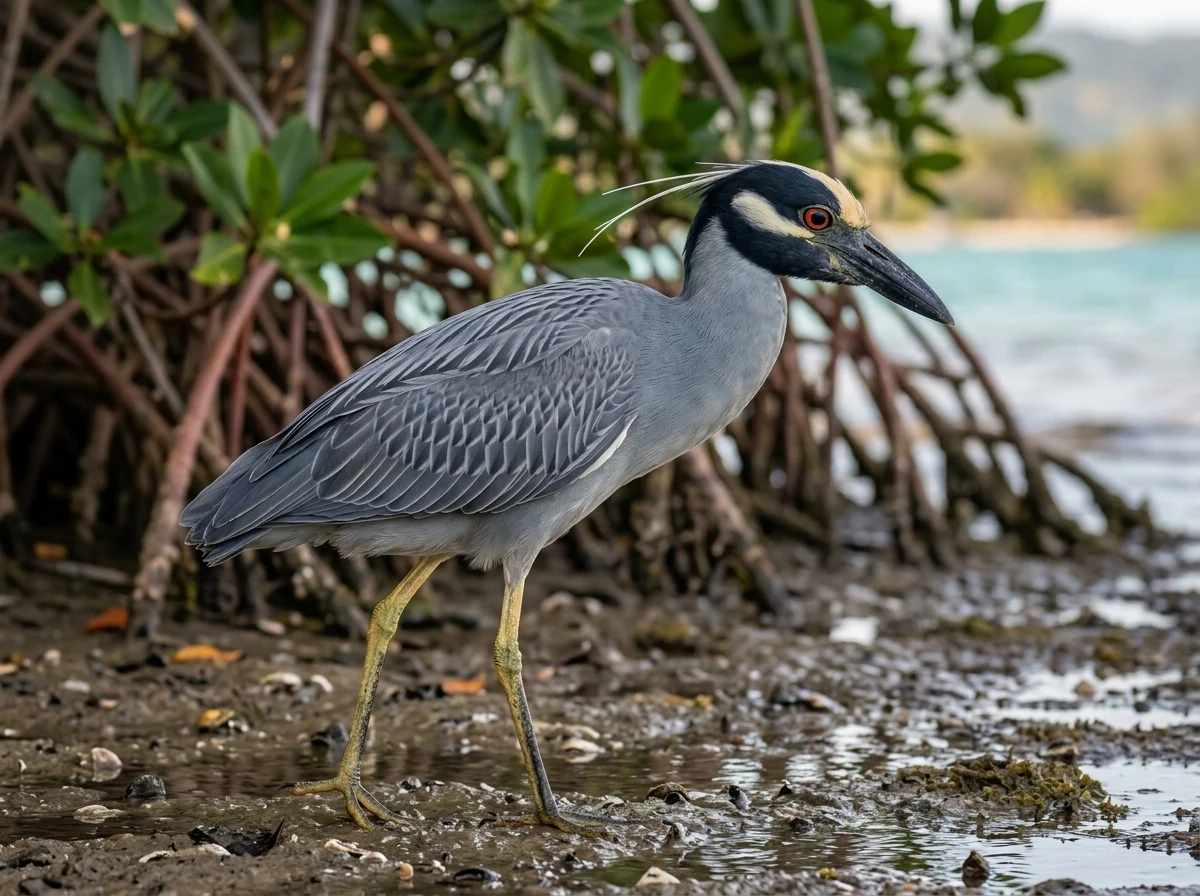
Open each profile to review names, marks, audio, habitat, status, and sources.
Sound archive
Hear its voice
Explore real songs and calls. The spectrogram turns each sound into a visual trace of time and frequency.
XC737109Recording 1 of 3call

Play: call by David Vander Pluym
Choose another recording
Sound recorded by David Vander Pluym · XC737109 · CC BY-NC-SA 4.0. Visualization by Stichting Xeno-canto voor Natuurgeluiden.
Every recording retains the creator, catalogue number, and license published by Xeno-canto. Metadata via GBIF ↗
01
Does singing mean there is a nest?
No. It indicates possible territory or courtship; building, incubation, or food for young are stronger evidence.
02
What should I do if I find a nest?
Move away, avoid changing vegetation, and do not publish exact location, especially for sensitive species.
03
How do I verify an identification or claim?
Compare more than one mark, check date and place, open the linked profile, and consult the sources published at the end of the guide.
Keep exploring
Connected routes
Sources and review
The evidence is one link away.
These sources support the editorial scope of this guide. Bird profiles also retain their own taxonomy, occurrence, and conservation references.
Reviewed:
01↗02↗03↗04↗
U.S. Forest Service Research and Development
Puerto Rico Breeding Bird Atlas
Distribution and breeding timing for 130 species breeding in Puerto Rico and its satellite islands.Sociedad Ornitológica Puertorriqueña
Official bird list
Local names, occurrence categories, and the public summary of 17 endemics.U.S. Fish and Wildlife Service
Culebra National Wildlife Refuge
Dry forest, mangroves, lagoons, cays, and seabird colonies.U.S. Fish and Wildlife Service
Puerto Rican Parrot recovery
Populations, management, and goals of the interagency program.The atlas continues