 AI
AILearning guide
Nesting Materials Scavenger Hunt
Explore the natural and artificial materials birds gather to build their nests and learn to observe them without disturbing them.
Reviewed: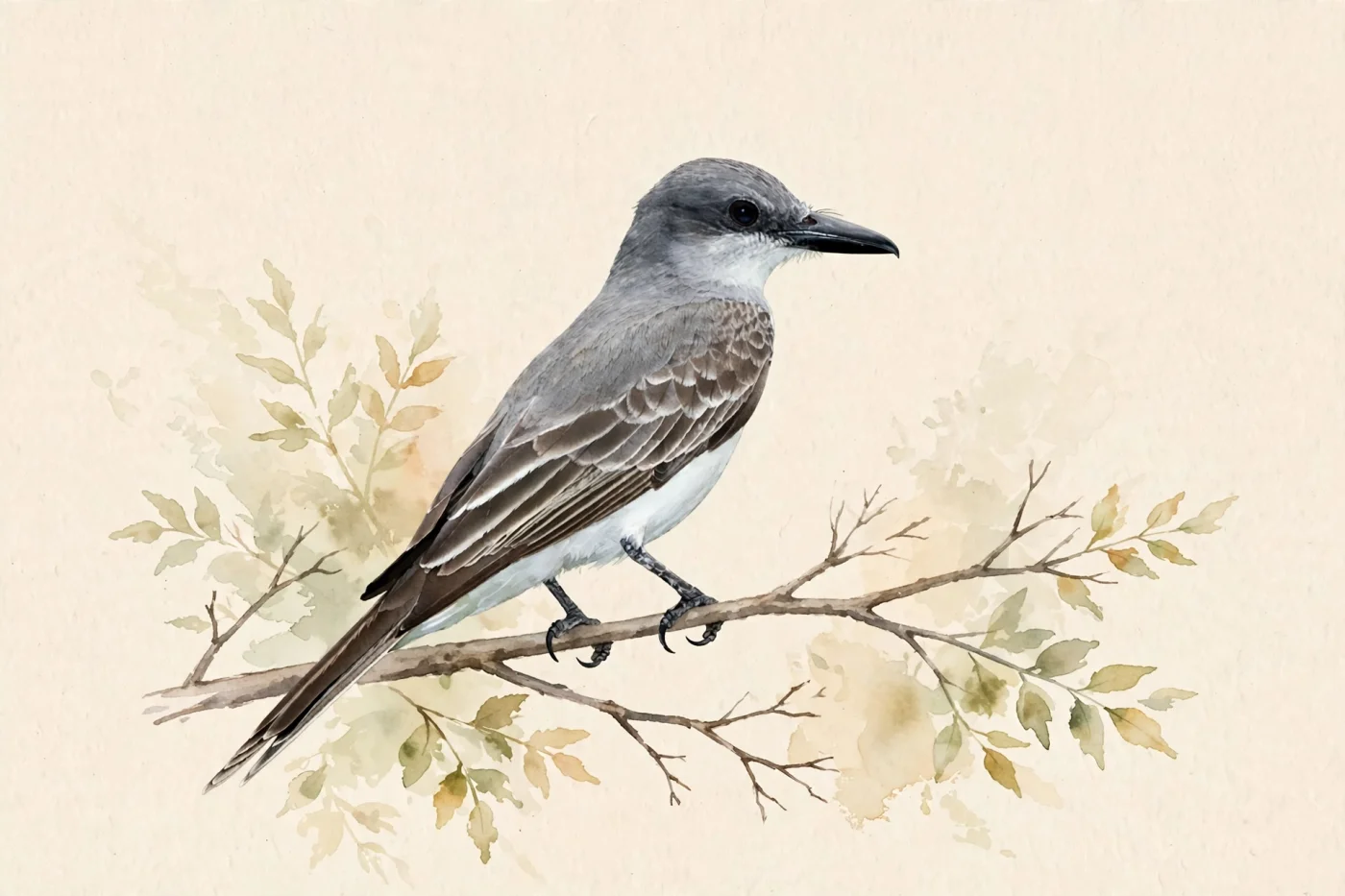
Prepared with AI assistance and linked sources. Illustrations are not field photographs.
Introduction
Nests are among the most diverse structures in the bird world. In Puerto Rico, species that nest on the island use materials found in their surroundings: twigs, grasses, feathers, moss, lichens, spiderwebs, mud, and even artificial materials. The selection is not random; each species has preferences that reflect its size, habitat, and the function the nest serves.
This guide invites you to become an observer of nesting materials. You will learn what five common or notable Puerto Rico birds use, how their structures vary, and how to conduct a safe and respectful scavenger hunt. The goal is not to collect nests, but to observe from a distance and record what you see.
Learning guide
Key facts
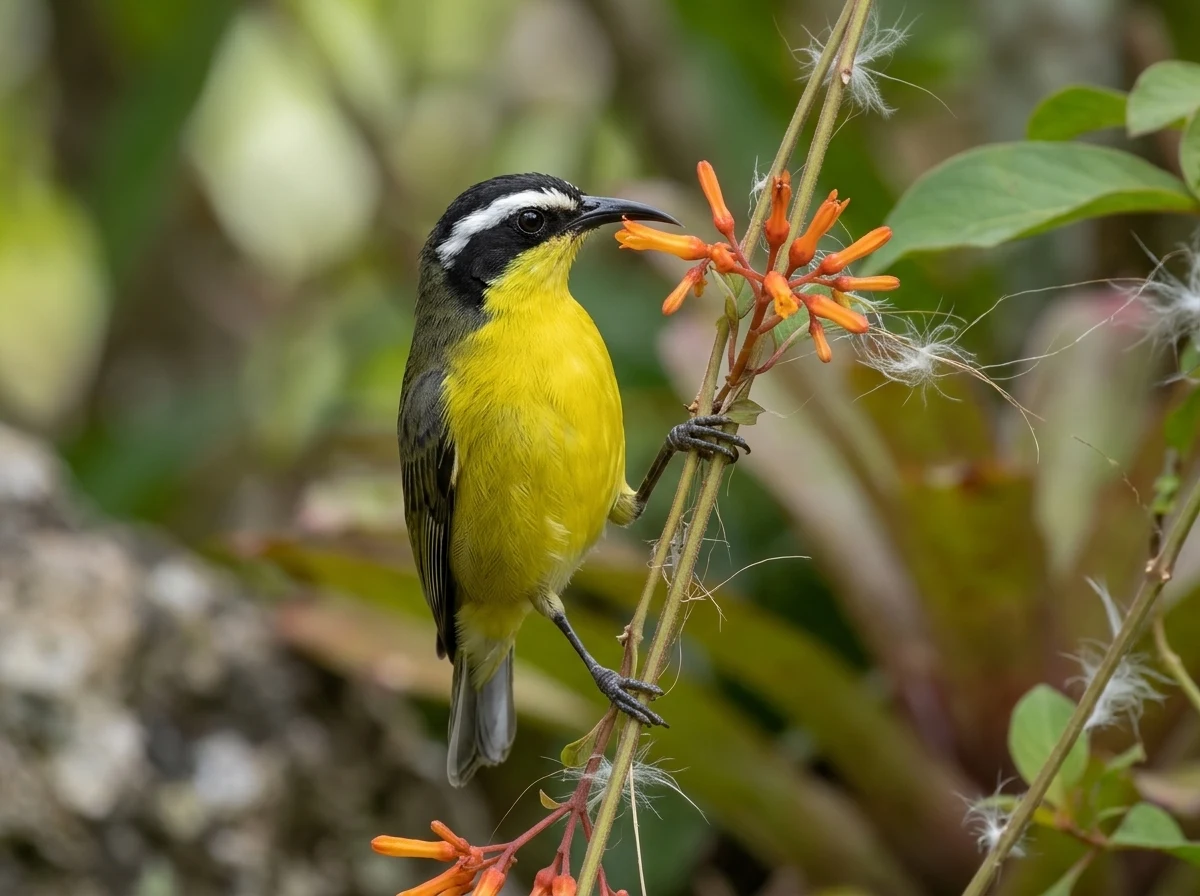
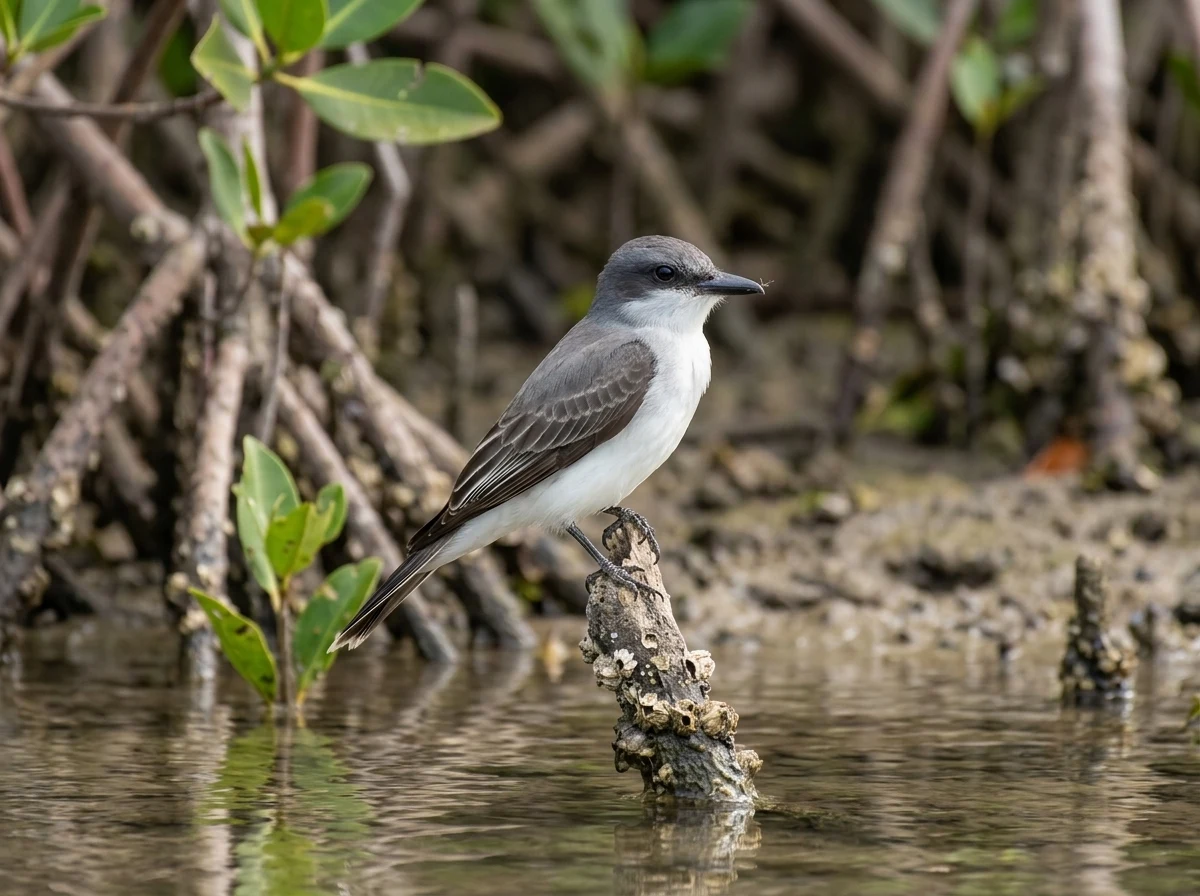
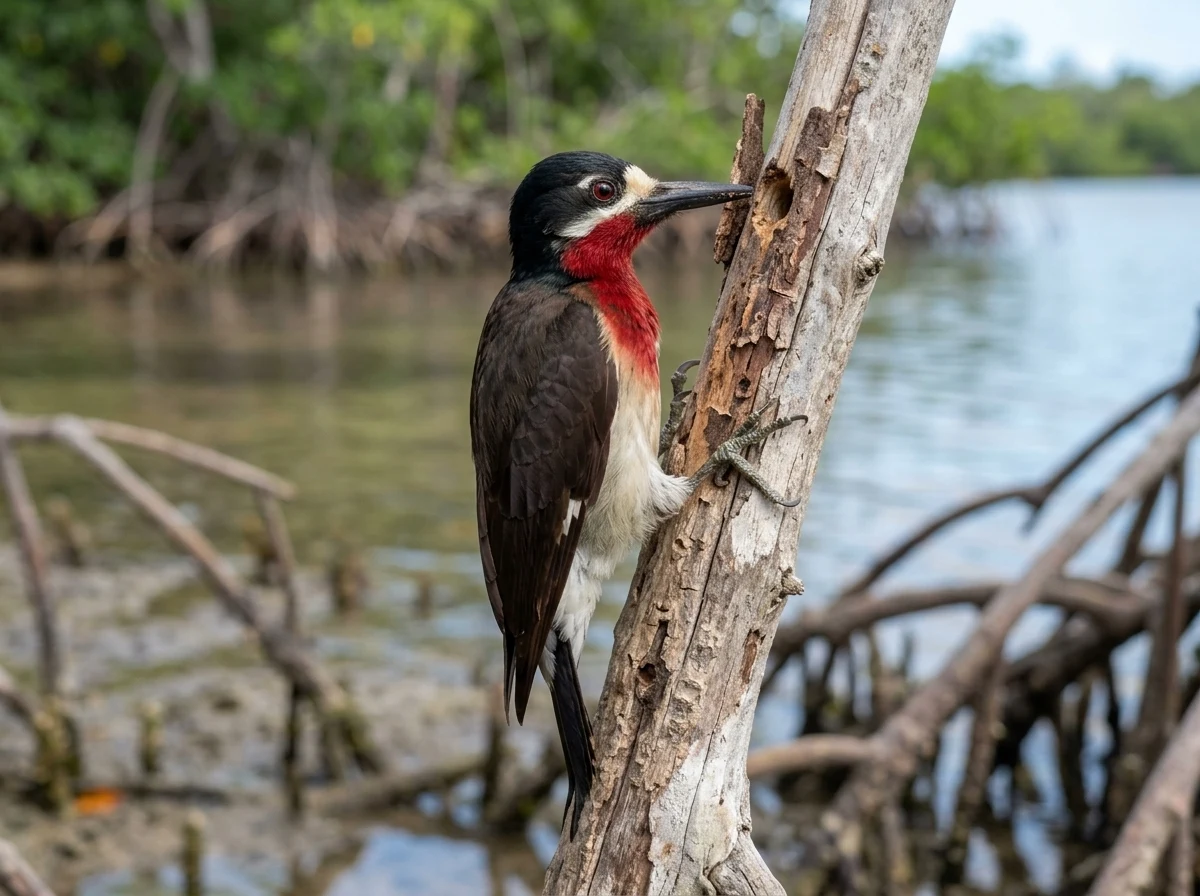
5featured birdsBananaquit, Gray Kingbird, Puerto Rican Woodpecker, Red-legged Thrush, and Common Ground Dove.
3nest typesCup, cavity, and sphere/globular, based on documented traits.
1golden ruleKeep your distance and never touch or move an active nest.
01
Documented materials for five birds
The Bananaquit (Coereba flaveola) builds a globular or spherical nest, usually in trees. The Gray Kingbird (Tyrannus dominicensis) builds a cup or bowl, typically in trees. The Puerto Rican Woodpecker (Melanerpes portoricensis) excavates cavities in trunks, stumps, or poles, so it does not collect materials for a constructed nest but relies on wood. The Red-legged Thrush (Turdus ardosiaceus) also builds a cup, in trees, bamboo, or stumps. The Common Ground Dove (Columbina passerina) makes a half-cup or shallow nest, on the ground, in shrubs, or in trees. These patterns come from the traits documented in the bird catalog: nest type, substrate, and clutch size. They are not specific local observations but generalizations based on available information.
The variety of structures—from excavated cavities to open cups and closed spheres—shows that materials and architecture go hand in hand. However, the specific materials each species collects are not detailed in the consulted sources for most birds. Only for the woodpecker is it documented that it excavates in live or dead wood, including coconut palms, almond trees, and Honduran pines. For the others, the nest structure suggests certain types of materials, but this is an inference, not a documented fact.
02
How structures vary
Puerto Rico birds build nests that adapt to their environment and behavior. The Puerto Rican Woodpecker excavates cavities in live or dead wood, including coconut palms, almond trees, and Honduran pines. These cavities can be 3.5 to 6 meters high, though sometimes as low as 1 meter. This strategy offers protection from predators and weather. In contrast, the Gray Kingbird and Red-legged Thrush build open cups on branches, requiring materials that interlock and support. The Bananaquit makes a closed sphere, demanding fine, flexible fibers. The Common Ground Dove, nesting near the ground, uses a minimal structure that often goes unnoticed.
These differences reflect not only available material but also predation risk, climate, and bird size. Observing the structure helps you infer what materials were used, even without seeing the nest up close. However, remember that specific material needs are inferences based on nest shape, not documented facts for these species in the consulted sources.
03
Activity: nesting materials scavenger hunt
This activity is designed for a yard, park, or garden, without approaching active nests. The goal is to search for loose materials on the ground that birds might use. You will need a notebook, pencil, and a magnifying glass. Do not collect materials from nests; only observe those you find on the ground. Look for thin twigs, dry grasses, feathers, moss, lichens, spiderwebs, and dried mud. Note each material and draw its shape. Then ask yourself: which bird from the list might use this material?
To complement, observe from a distance (at least 10 meters) if any bird collects material. Do not follow it to the nest. Record the time, weather, and behavior. This activity can be repeated in different habitats for comparison. Remember that ethical observation is a priority: if a bird shows stress, back away.
04
Questions about material selection
After the hunt, reflect with these questions: Why do some birds use mud and others do not? What advantages does a cup nest have over a cavity? How does bird size influence the material it can carry? What artificial materials could be dangerous? Although we do not have documented answers for all, these questions encourage critical thinking and careful observation.
You can compare your findings with documented traits: the Bananaquit makes a sphere, the Gray Kingbird a cup, the woodpecker a cavity, the thrush a cup, and the ground dove a half-cup. This diversity is a window into adaptation.
05
Nest observation ethics
Nest observation requires utmost responsibility. Nesting birds are vulnerable. Audubon's ethical guide recommends keeping a respectful distance, using a telephoto lens if photographing, and never approaching a nest with macro or wide-angle lenses. Do not move branches or leaves around the nest, as they provide camouflage and protection. Do not use drones near nests. Limit your time in the area and avoid leaving trails or scents that attract predators.
If you find an active nest, observe it from afar with binoculars. Do not touch it, do not move it, and do not stay long. If adult birds move away or show alarm, back off. The best observation is one that does not alter natural behavior.
Linked profiles
Featured birds
Five species whose nests and materials you can study in Puerto Rico.
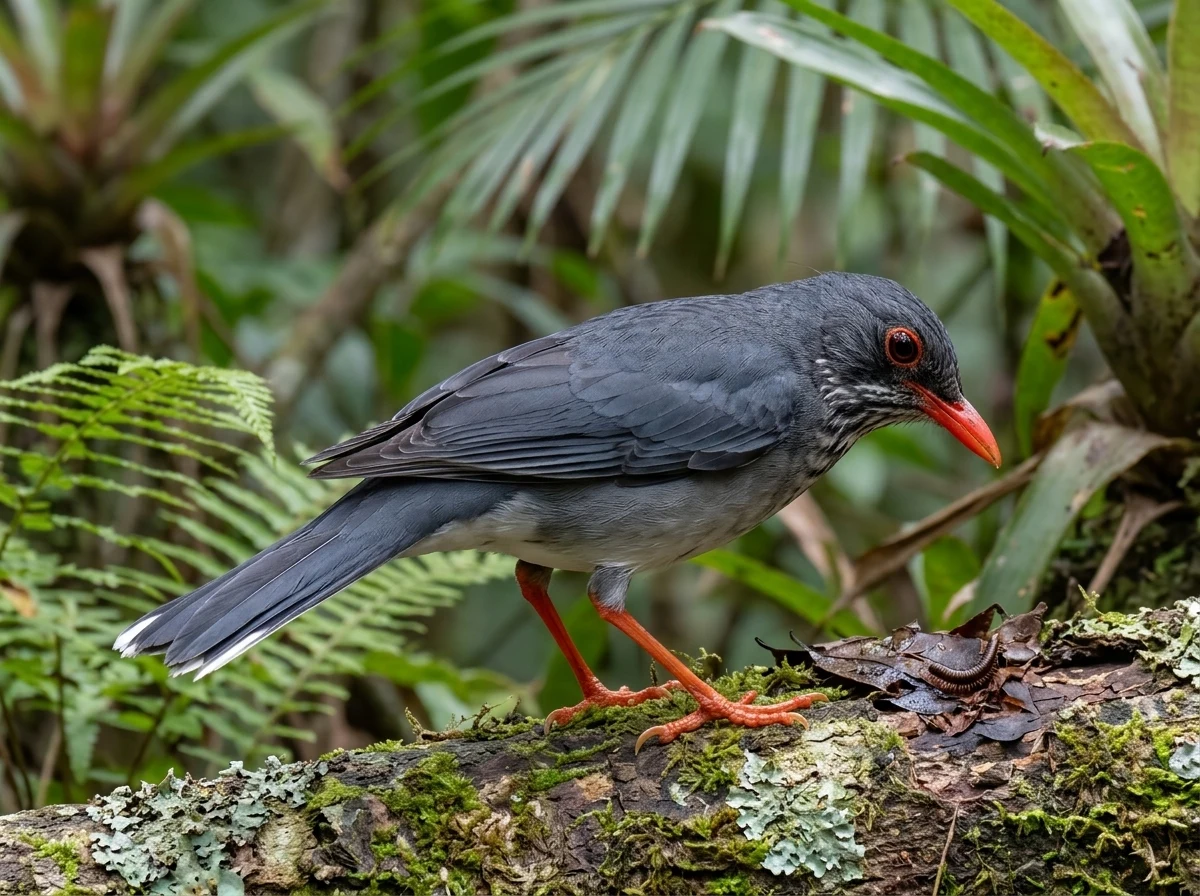
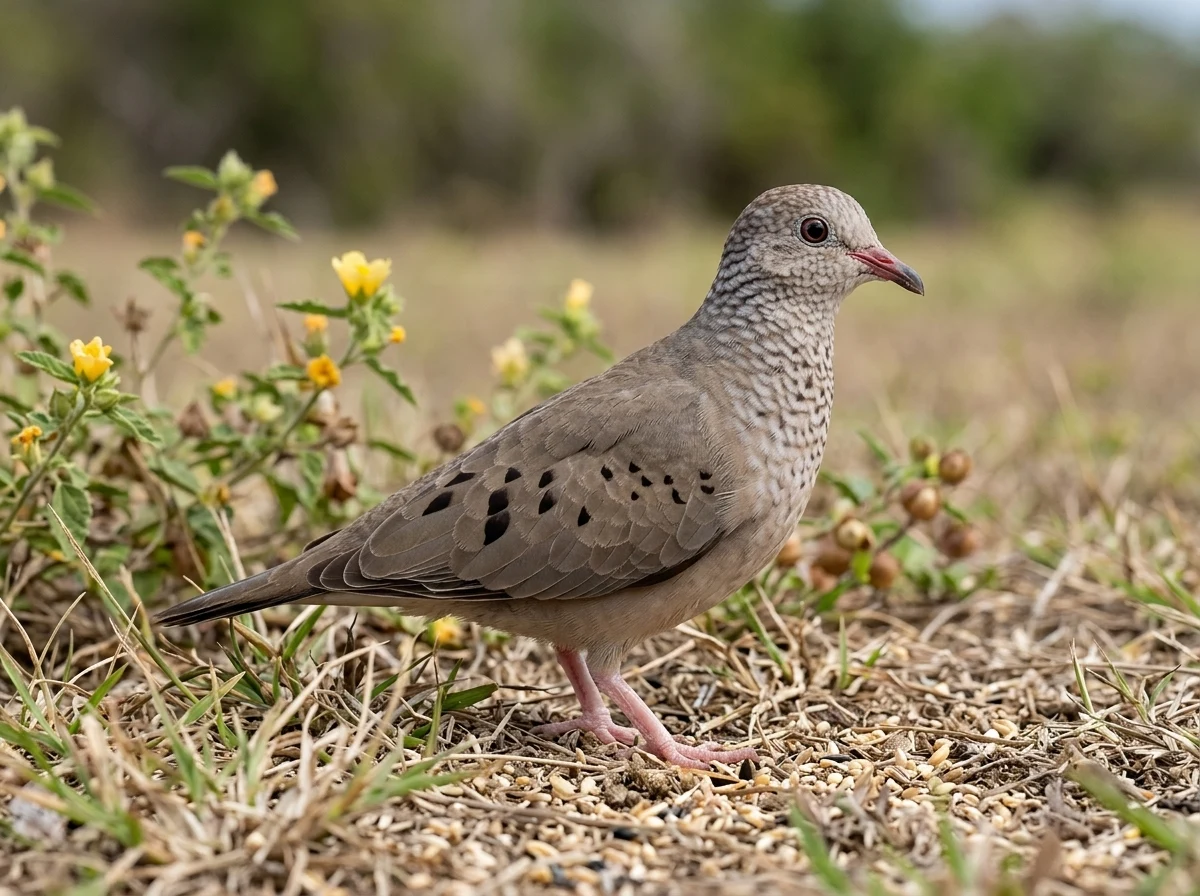
01
Can I touch a nest to see the materials?
No. Touching a nest can cause parents to abandon it or eggs to chill. Observe from a distance and never move the nest.
02
What materials are dangerous for birds?
Artificial materials such as plastics, synthetic threads, or nets can entangle birds. Do not leave these materials outdoors.
03
How can I know what material each bird uses?
Observe the nest type: sphere (Bananaquit), cup (Gray Kingbird, Red-legged Thrush), cavity (Puerto Rican Woodpecker), or half-cup (Common Ground Dove). The structure suggests the materials.
04
Is it ethical to use an app to record sounds near a nest?
It is not recommended. Playback can distract adults and leave the nest vulnerable. Avoid using recorded sounds near active nests.
Keep exploring
Connected routes
Sources and review
The evidence is one link away.
These sources support the editorial scope of this guide. Bird profiles also retain their own taxonomy, occurrence, and conservation references.
Reviewed:
The atlas continues