 AI
AIYard and garden
How to Attract Birds to Your Yard in Puerto Rico
A yard that works for birds has four things: food that grows on its own, clean water, layered cover, and few hazards. A feeder is optional.
Reviewed:The short answer: plants, water, and safety.
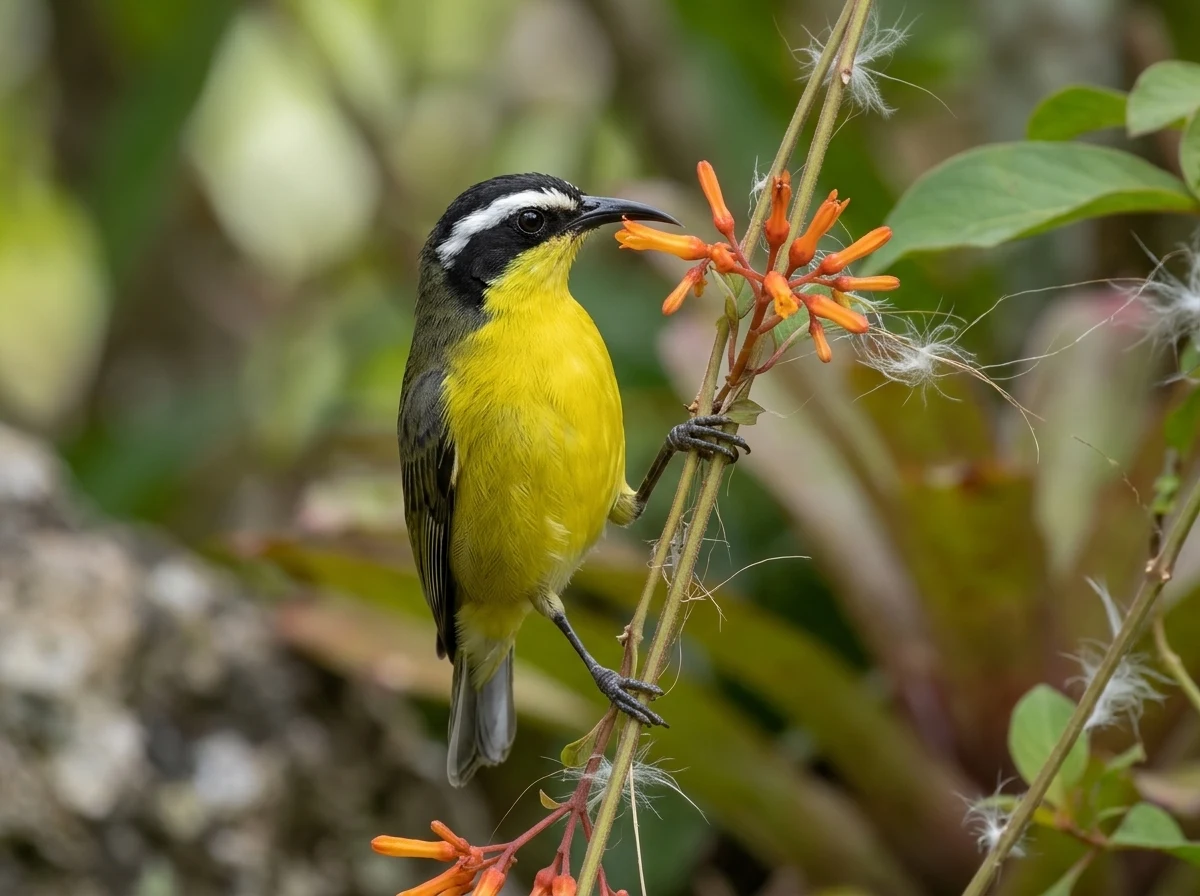
The most effective way to attract birds to a yard in Puerto Rico is to plant native species that provide fruit, flowers, and insects year-round, add clean, shallow water, and remove the main hazards: free-roaming cats, reflective windows, and pesticides. With that in place, species such as Bananaquit, Puerto Rican Spindalis, Gray Kingbird, Zenaida Dove, and hummingbirds arrive on their own.
This guide organizes a yard by resources, not tricks. Puerto Rico has an advantage: many resident birds, including several endemics, already use gardens, small farms, and forest edges. Your yard does not need to be large. A balcony with potted plants, a hedge that is not clipped flat, and one native fruiting tree already change what you see from the kitchen. If you do not yet know who visits, start with our identification guide to backyard and urban birds.
Yard and garden
The yard in numbers
4basic resourcesFood, water, cover, and safety; a feeder is an extra, not the foundation.
2,400 Mbirds killed by cats each year in the U.S.American Bird Conservancy estimate; the top direct human-caused source of bird deaths there.
44 %of building collisions happen at residencesPer the Loss et al. (2014) U.S. analysis: homes matter.
1 semanamaximum between water changesThe CDC asks that birdbaths be emptied and scrubbed weekly to break the mosquito cycle.
01
Step 1: plant food in layers, not just one tree
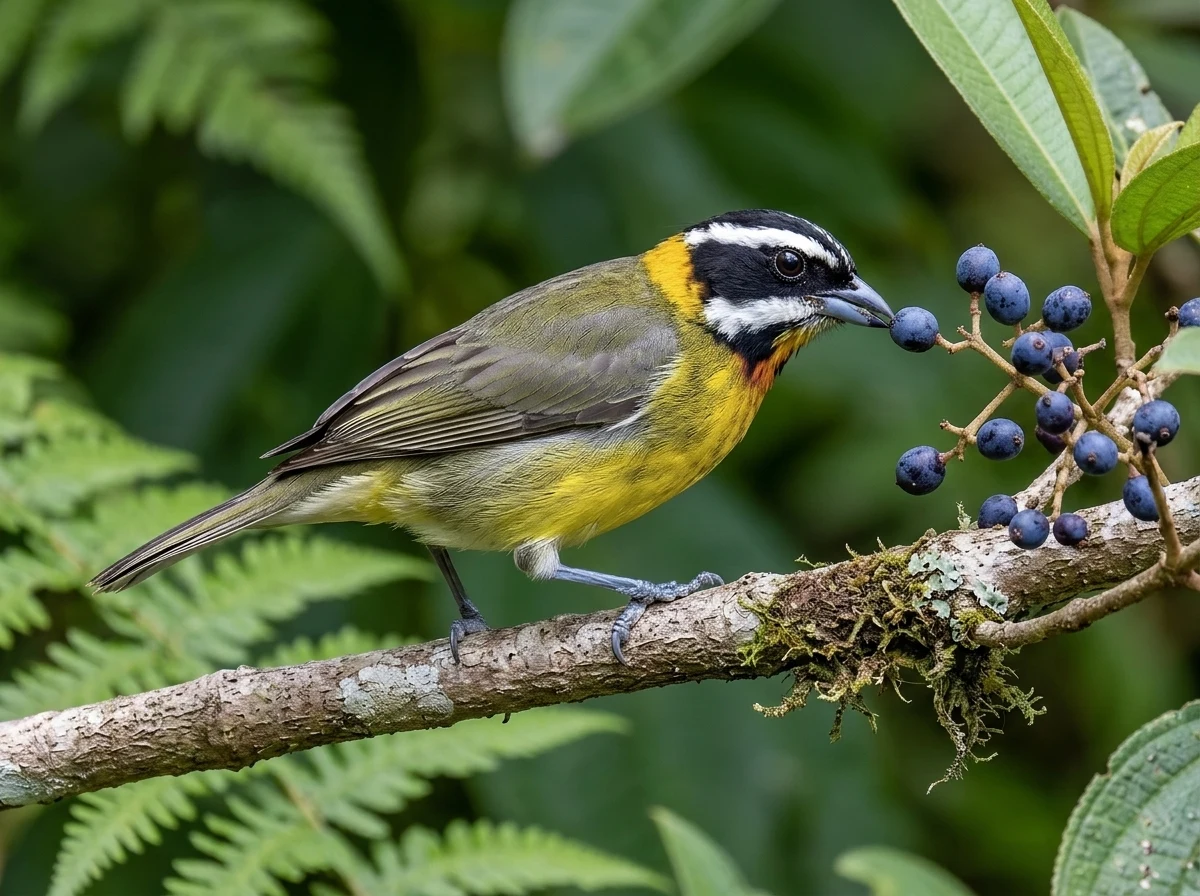
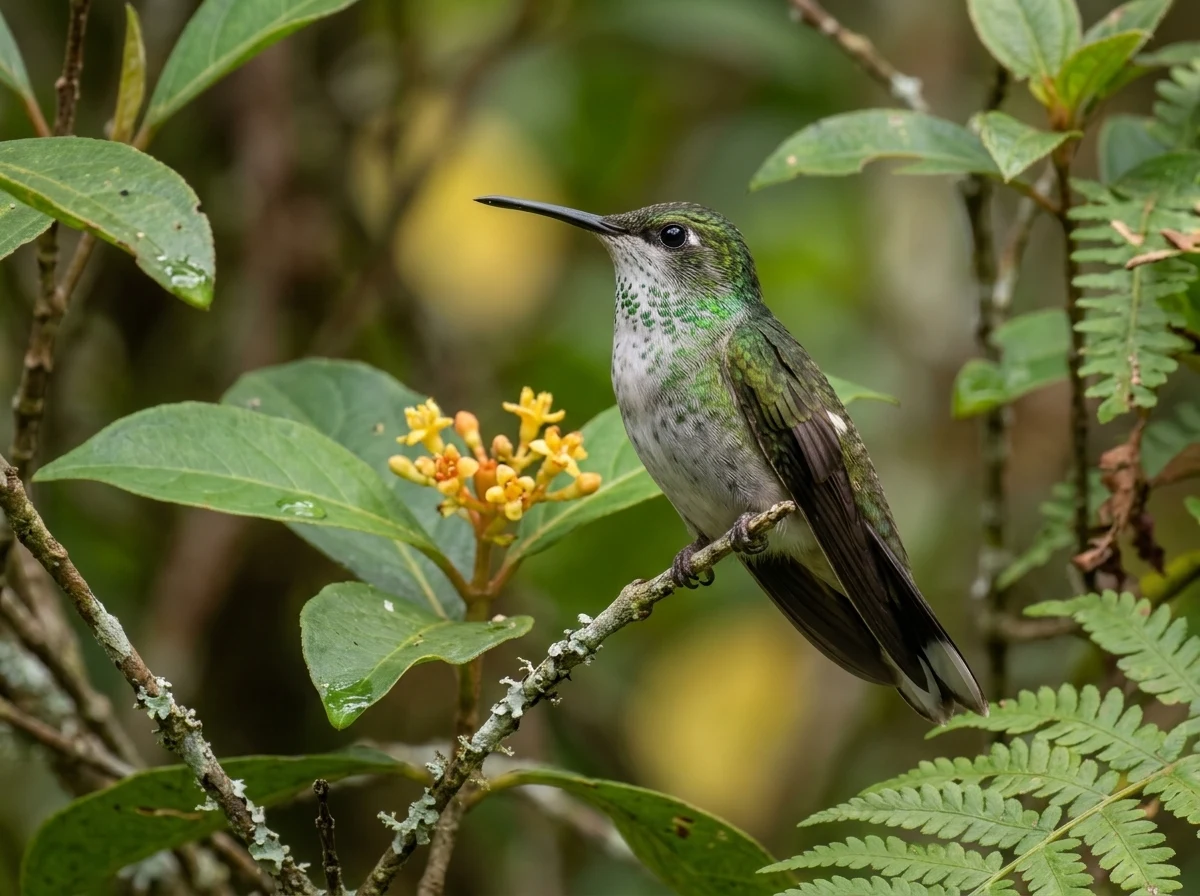
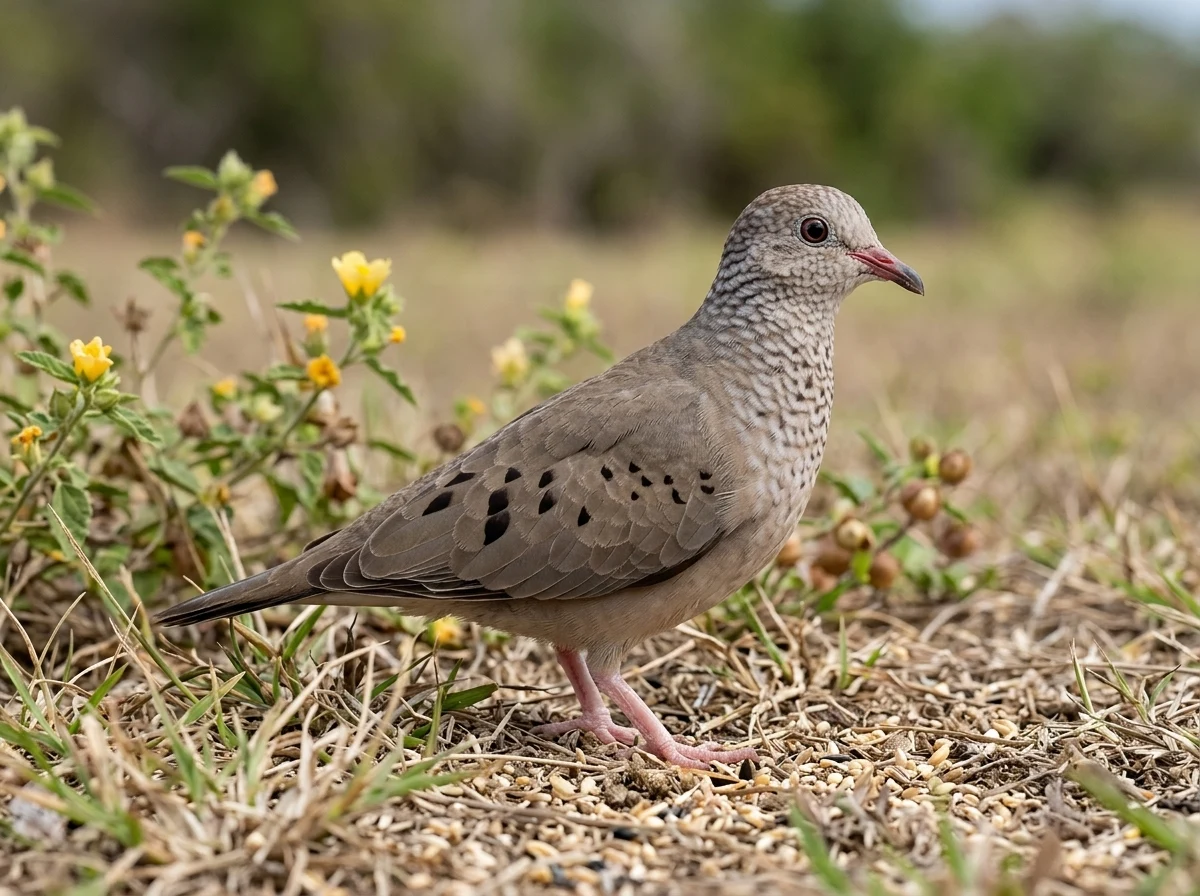
Birds use a yard by height. Zenaida Dove and Common Ground Dove forage on the ground; Bananaquit and Puerto Rican Emerald work flowers at mid-height; Puerto Rican Spindalis and Puerto Rican Bullfinch follow fruit; Gray Kingbird hunts insects from a high perch. A yard of lawn and a single ornamental palm offers little to that community. A yard with leaf litter, flowering shrubs, a fruiting tree, and a taller canopy offers something to each group.
Prioritize native plants. The Natural Resources Conservation Service (NRCS) Caribbean Area notes that they are adapted to local soil, rainfall, and temperature, need little irrigation or fertilizer, and are unlikely to become weedy. Sea grape, camasey, mameyuelo, cupey, and the Puerto Rico royal palm produce fruit that local birds eat, and firebush (Hamelia patens, locally bálsamo) has tubular flowers that hummingbirds visit. The native plants guide in this series covers each one.
02
Step 2: clean, shallow water, changed often
Water attracts birds that would never visit a feeder, such as kingbirds, migrant warblers, and doves. Humane World for Animals recommends containers that are easy to get in and out of, without deep basins or slick surfaces. A wide, shallow dish, or a stone placed in the basin so small birds can stand, works better than a deep decorative fountain.
In Puerto Rico, standing water is also mosquito habitat. The CDC lists birdbaths among the items to empty and scrub at least once a week; for the birds' sake, change it more often, especially in heat. Place water in partial shade, near but not right against shrubs where a cat could hide.
03
Step 3: cover and places to nest
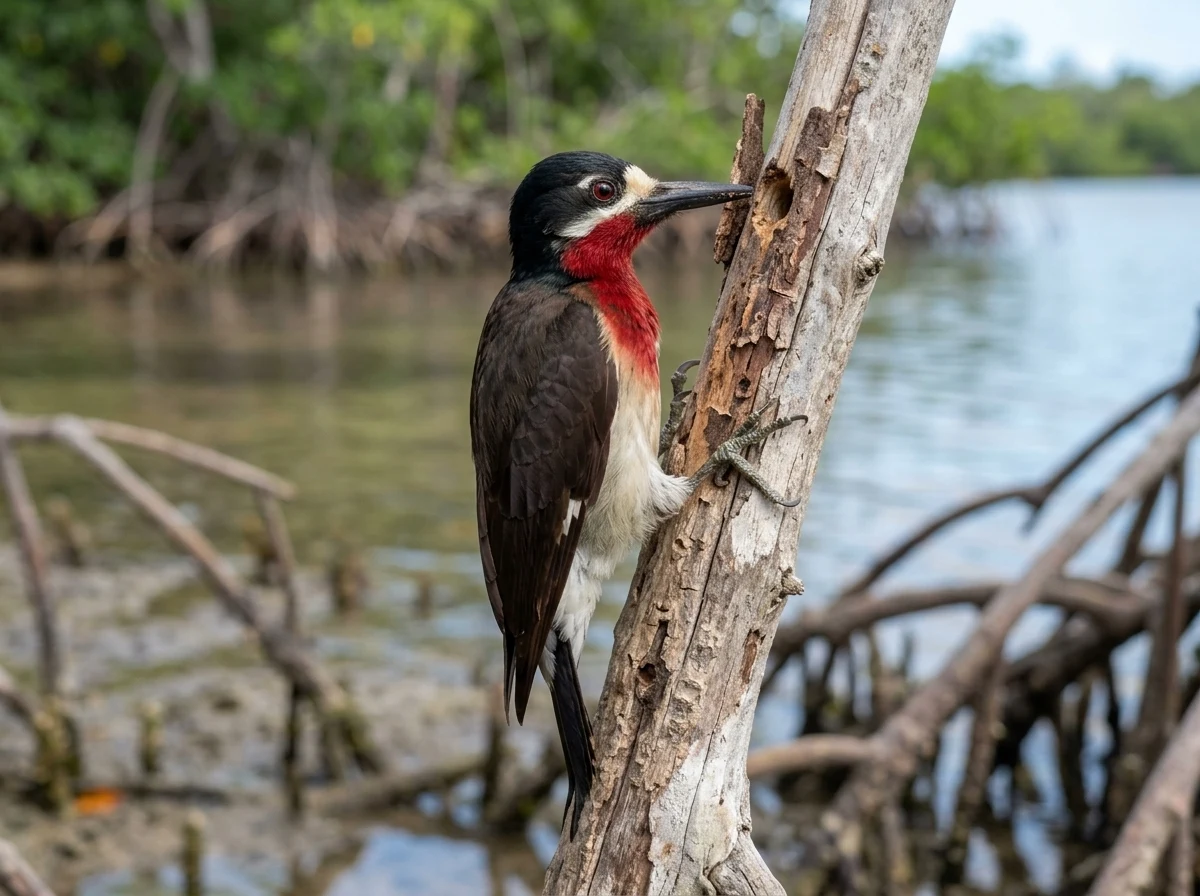
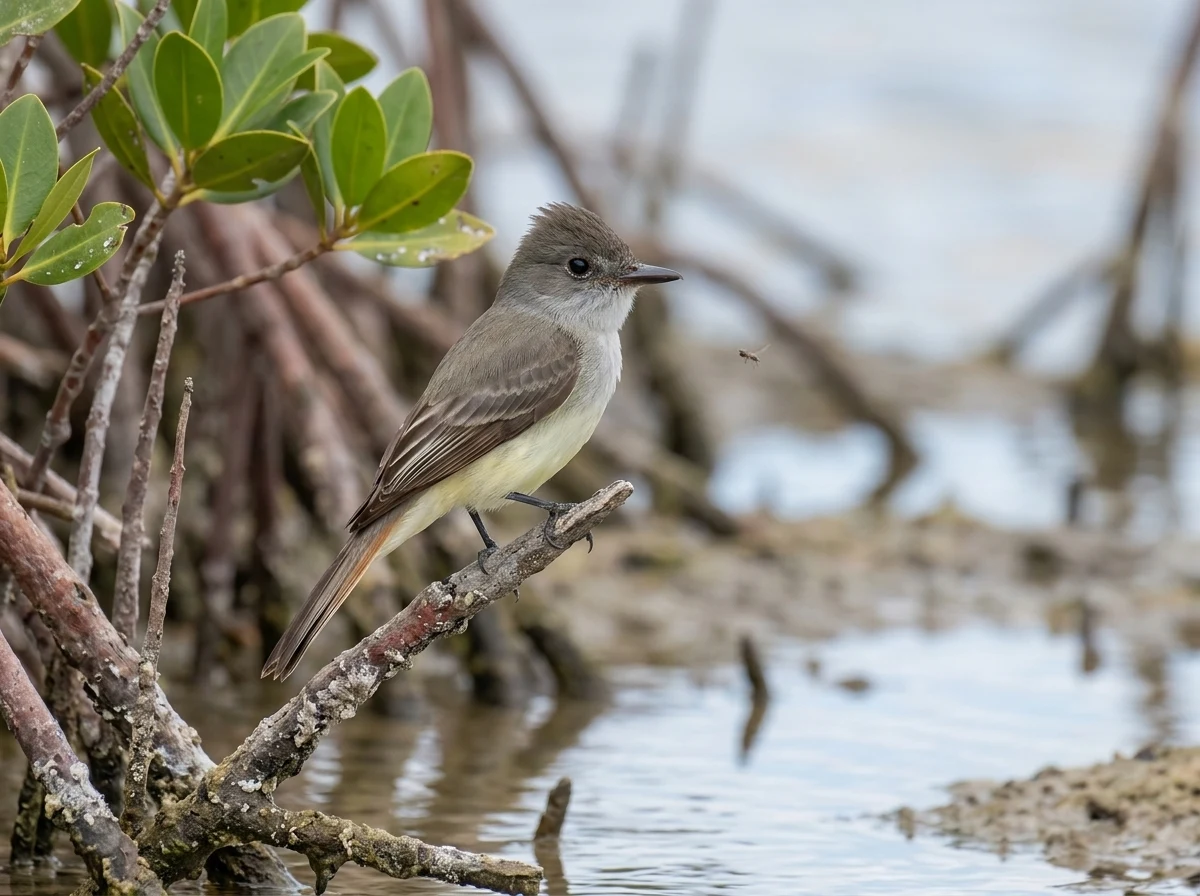
A dense hedge, a shrub left partly unpruned, or a native vine gives cover from hawks and cats and sites for cup nests like those of Gray Kingbird and Northern Mockingbird. Bananaquit builds a spherical nest with a side entrance, and Puerto Rican Woodpecker and Puerto Rican Flycatcher nest in cavities; a dead trunk that poses no risk to people or structures can become their home.
Avoid heavy pruning when you see birds carrying material or repeatedly entering a shrub. If you are unsure about timing, our nesting calendar summarizes when the island's species breed. Leaving more leaf litter under shrubs also means more insects for birds feeding young.
04
Step 4: remove the three big hazards
Attracting birds to a hazardous yard creates a trap. American Bird Conservancy estimates that cats kill about 2.4 billion birds a year in the United States and recommends keeping them indoors or using a catio. Windows are the second risk: the Loss et al. (2014) analysis attributes 44% of building-collision deaths to residences. Mark the outside of windows that face your plants, water, or feeders.
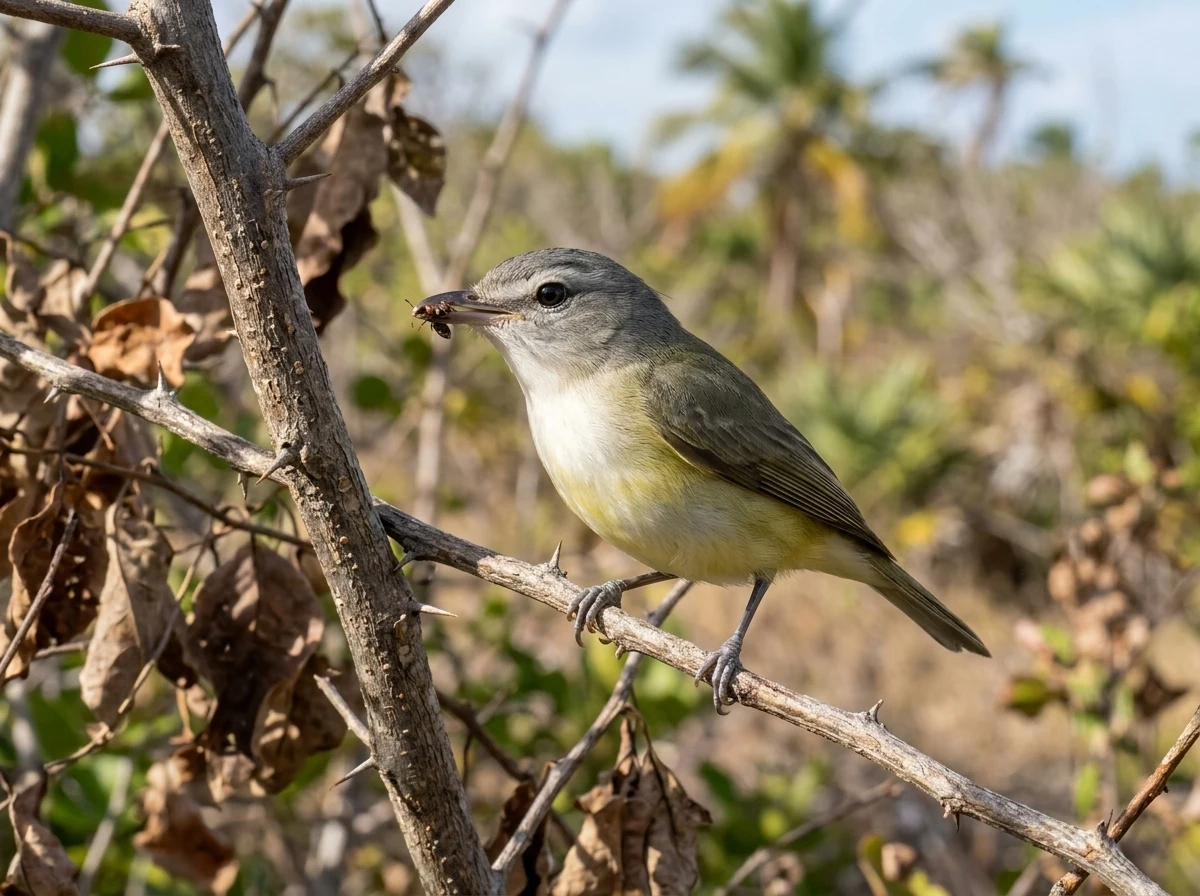
The third is chemicals. NRCS advises avoiding agricultural chemicals in or near bird habitat. Many yard birds, such as Gray Kingbird, Puerto Rican Flycatcher, and Puerto Rican Vireo, depend on insects, and the young of nearly all small birds are raised on them. A yard with a few chewed leaves is a yard that feeds.
05
Step 5: a feeder, only if you will clean it
Humane World for Animals warns that feeders concentrate birds and make disease easier to spread, and that native food sources are best. If you use one, wash it with nine parts water to one part bleach every two weeks, dry it fully, and place it closer than 3 feet or farther than 30 feet from a window. Do not offer bread: it has no nutritional value and, once moldy, can harm birds.
Hummingbird sugar-water feeders demand more: in hot weather, Audubon recommends emptying and cleaning them every day or every other day. Puerto Rico is hot all year, so that is the normal routine here, not a summer exception. Our feeders, hummingbird feeders, and baths guide covers the 1:4 recipe, where to hang them, and which species to expect.
06
Which birds to expect first and how to tell it is working
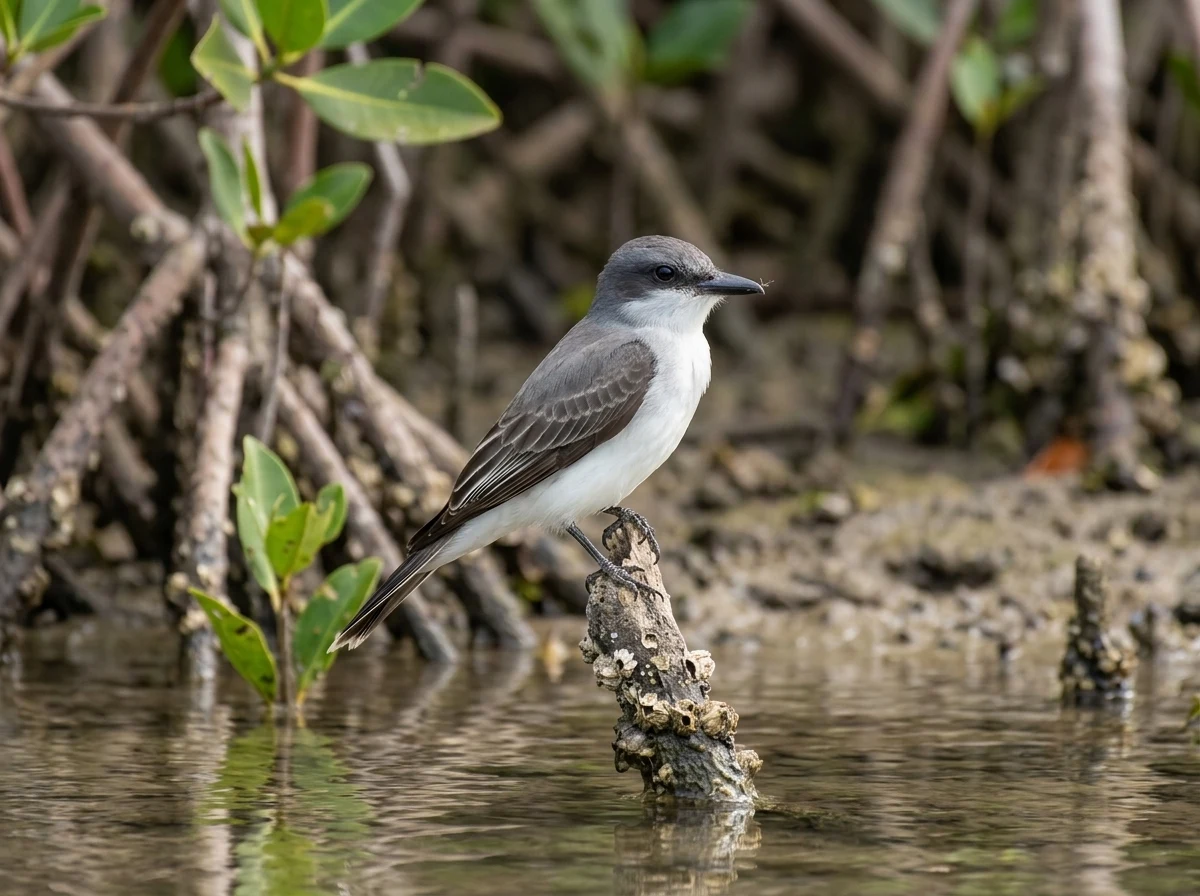
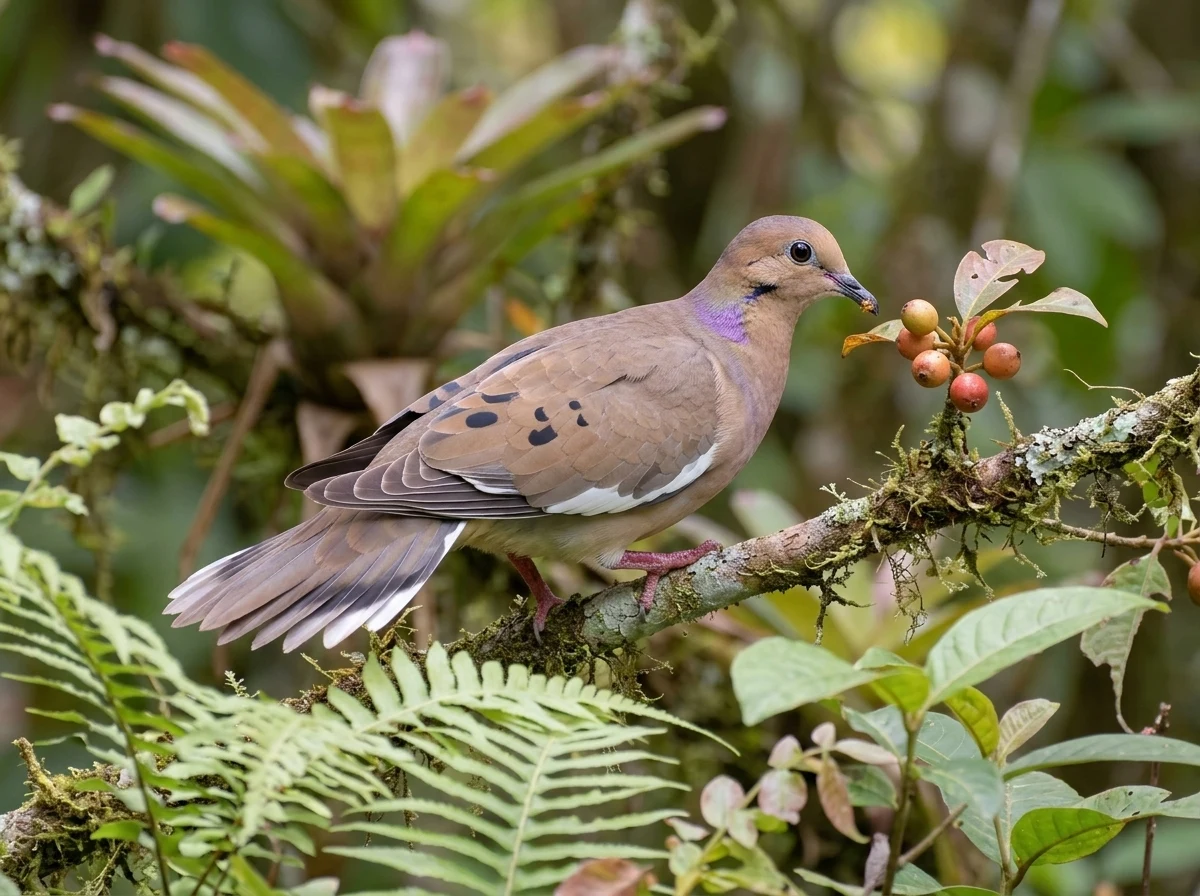
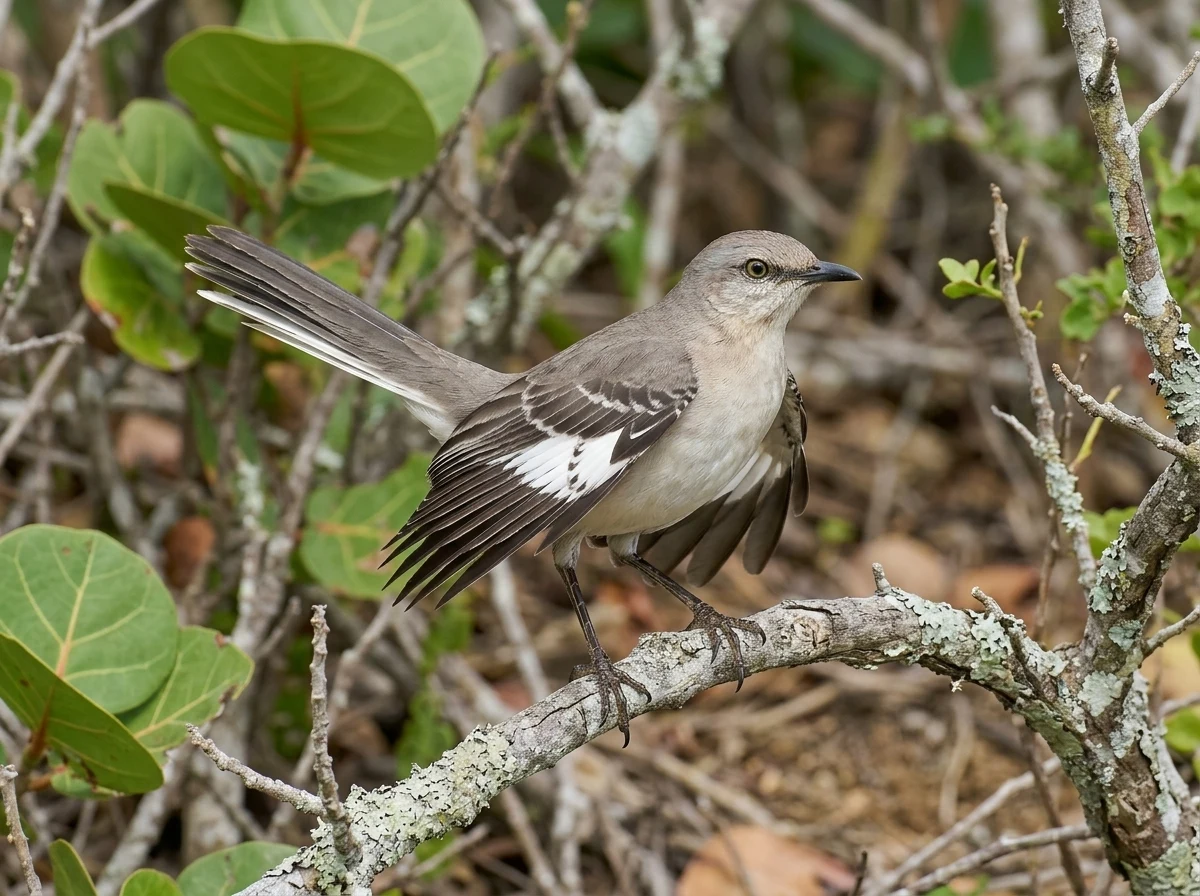
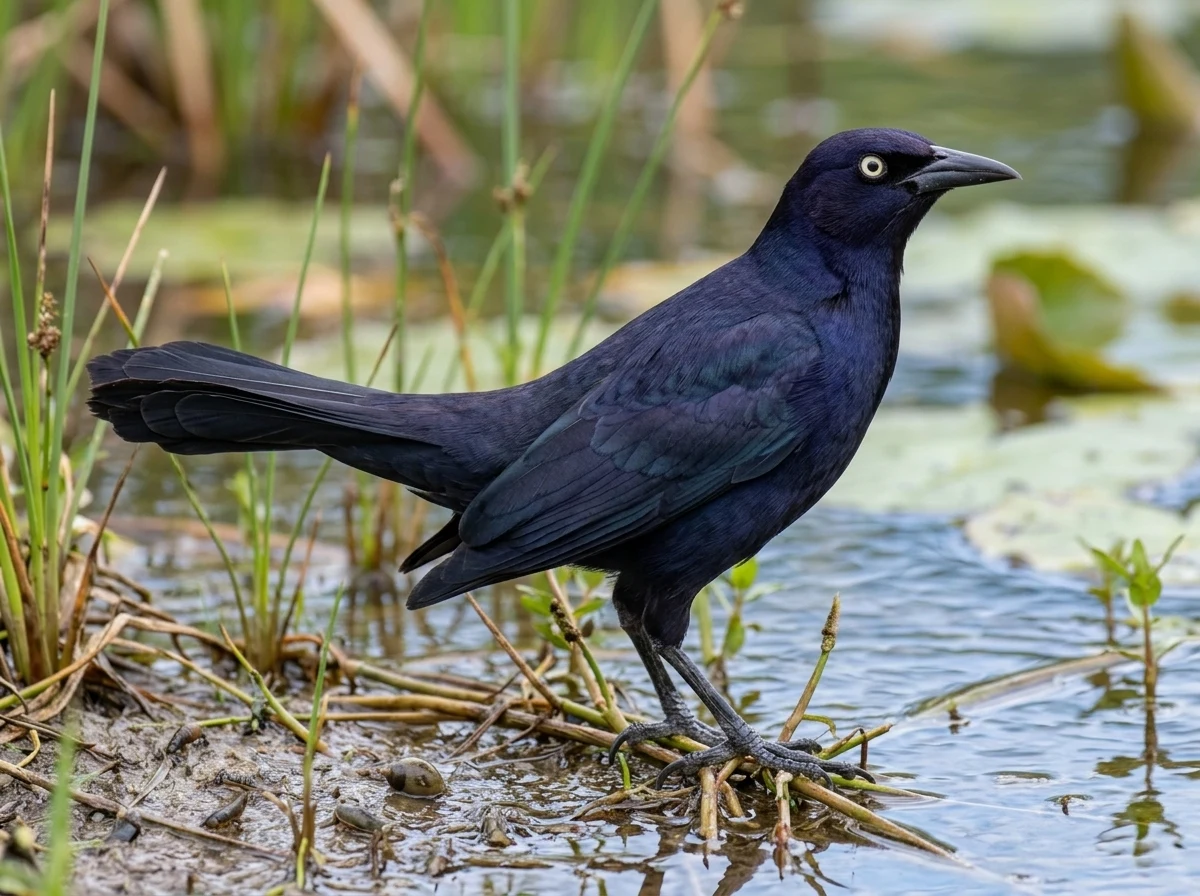
The first visitors are usually the most garden-adapted birds: Bananaquit, Gray Kingbird, Greater Antillean Grackle, Zenaida Dove, Common Ground Dove, and Northern Mockingbird. As plants mature and fruit, Puerto Rican Spindalis and Puerto Rican Bullfinch, endemics that track fruiting trees, appear, and near forest, Puerto Rican Woodpecker. During the fall and winter migration season, migrant warblers may join at water and insect-rich shrubs.
Measure change with a simple routine: 10 minutes at the same hour, two or three times a week, noting species and numbers. Record songs with your phone when you do not recognize a bird. More species, longer stays, and birds that nest are better signs than the total number of pigeons on the roof.
Linked profiles
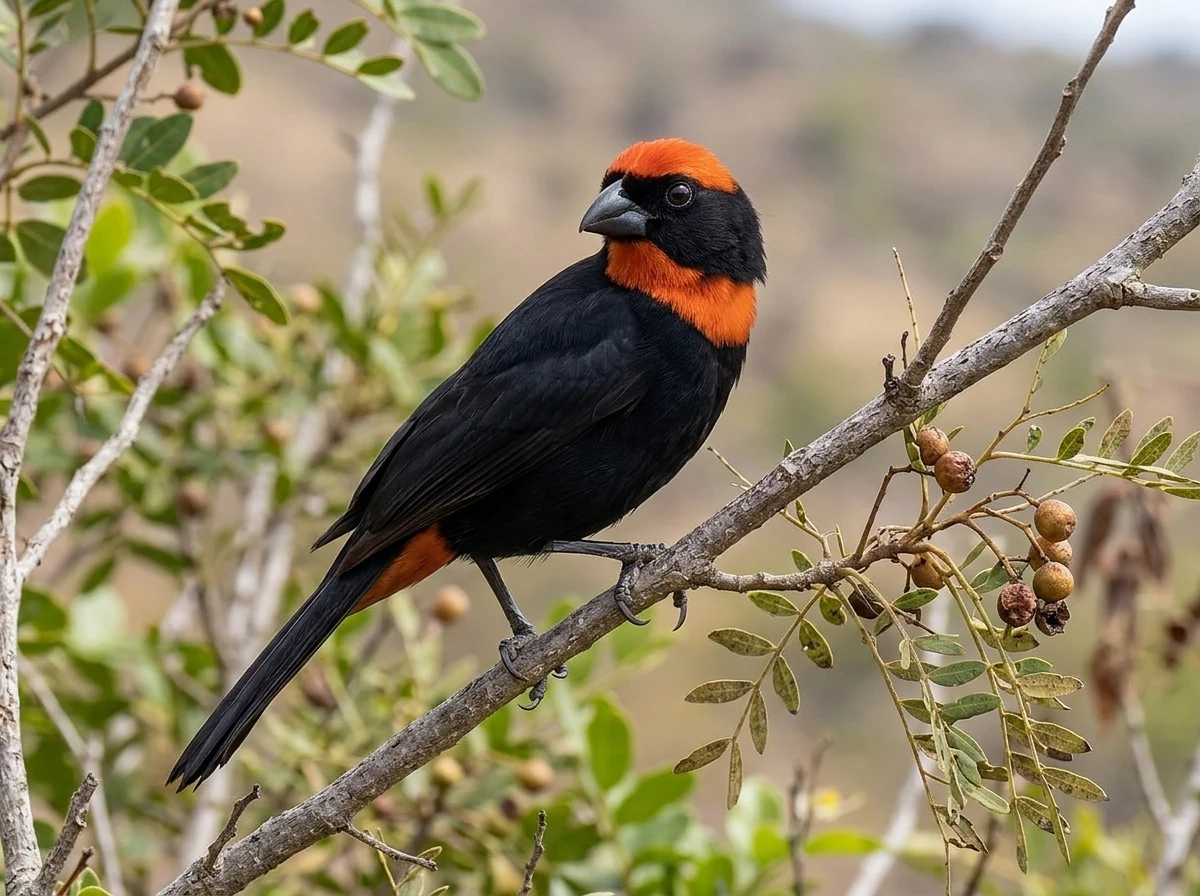
Twelve birds a well-planned yard can host
From the most urban species to fruit-tracking endemics; open each profile for habitat, diet, nest, and sounds.
Sound archive
Hear its voice
Explore real songs and calls. The spectrogram turns each sound into a visual trace of time and frequency.
XC1074428Recording 1 of 3call

Play: call by Paul Driver
Choose another recording
Sound recorded by Paul Driver · XC1074428 · CC BY-NC-SA 4.0. Visualization by Stichting Xeno-canto voor Natuurgeluiden.
Every recording retains the creator, catalogue number, and license published by Xeno-canto. Metadata via GBIF ↗
01
How do I attract birds to my house in Puerto Rico?
Plant native fruiting and flowering species at several heights, offer clean, shallow water changed several times a week, and remove hazards: free-roaming cats, unmarked windows, and pesticides. Bananaquit, Gray Kingbird, and doves usually arrive first; Puerto Rican Spindalis and Puerto Rican Bullfinch appear once there is fruit.
02
What can I feed the birds in my yard?
The best food is food that grows: fruit, flowers, and insects from native plants. If you use a feeder, offer clean seed or hummingbird sugar water (1 part white sugar to 4 parts water) and clean it often. Do not give bread; it has no nutritional value and moldy bread can harm birds.
03
Is it bad to feed birds?
Not necessarily, but feeders concentrate birds and can spread disease if not cleaned. Humane World for Animals recommends washing them with 1 part bleach to 9 parts water every two weeks, and sugar-water feeders every few days. Native plants provide a longer-lasting benefit with less risk.
04
How long does it take birds to find a new yard?
Water and a feeder can draw visitors within days, while fruiting plants take months or years to mature. The most urban species come first, and fruit-eating endemics such as Puerto Rican Spindalis appear once fruit ripens. A weekly log helps you notice the change.
05
How can I attract birds to an apartment balcony?
Use pots with flowering plants such as firebush or small native shrubs, a shallow water dish changed often, and, if you like, a hummingbird feeder cleaned every one or two days. Mark the outside of the balcony door or window glass to prevent collisions.
06
Which endemic birds can visit a yard in Puerto Rico?
With fruiting trees, flowers, and some nearby forest, Puerto Rican Spindalis, Puerto Rican Bullfinch, Puerto Rican Emerald, Puerto Rican Woodpecker, Puerto Rican Flycatcher, and Puerto Rican Vireo can visit. It depends on the neighborhood: they are more likely where there are trees than in fully paved areas.
Keep exploring
Connected routes
Sources and review
The evidence is one link away.
These sources support the editorial scope of this guide. Bird profiles also retain their own taxonomy, occurrence, and conservation references.
Reviewed:
01↗02↗03↗04↗05↗06↗07↗08↗09↗10↗11↗
USDA Natural Resources Conservation Service – Caribbean Area
Wildlife Habitat Planting, Caribbean Area (CPS 420)
Plant list with native or endemic status, pollinating birds of Puerto Rico, and planting and pesticide recommendations.Humane World for Animals
When and what to feed birds
Feeder distance from windows (under 3 or over 30 feet), 1:9 bleach cleaning, distance from shrubs, and foods to avoid such as bread.Humane World for Animals
Are your backyard feeders helping or harming wildlife?
Disease risk at feeders, cleaning sugar-water feeders every few days, and a preference for native food sources.American Bird Conservancy
Keep cats indoors
Estimate of 2.4 billion birds killed by cats each year in the U.S., and alternatives such as catios.The Condor: Ornithological Applications
Bird–building collisions in the United States (Loss et al. 2014)
Estimate of 365 to 988 million birds killed per year, 44% at residences, and disproportionately vulnerable species.Centers for Disease Control and Prevention
Preventing mosquitoes at home
Recommends emptying and scrubbing water-holding items once a week, including birdbaths.Ecología Urbana / Penn State University (Laboratorio de Frugivoría y Dispersión de Semillas)
Plant guide for urban birds
Ten ornamental plants that flower and fruit year-round for Puerto Rico birds, prepared by Tomás Carlo's lab.University of Florida IFAS Gardening Solutions
Firebush (Hamelia patens)
Flowers that attract hummingbirds, berries eaten by songbirds, and a warning about non-native dwarf forms sold under the same name.American Bird Conservancy
Solutions for homes: glass collisions
The 2-by-2-inch rule, minimum dot and stripe size, exterior application, and priority windows facing feeders and fruiting plants.National Audubon Society
Hummingbird feeding FAQs
A 1:4 ratio of white sugar to water, no red dye or honey, and daily or every-other-day cleaning in hot weather.Sociedad Ornitológica Puertorriqueña
Official bird list
Local names, occurrence categories, and the public summary of 17 endemics.The atlas continues