 AI
AIFieldcraft guides
Ethical nest observation in Puerto Rico
A practical guide to watching birds breed without putting eggs, chicks, or adults at risk.
Reviewed: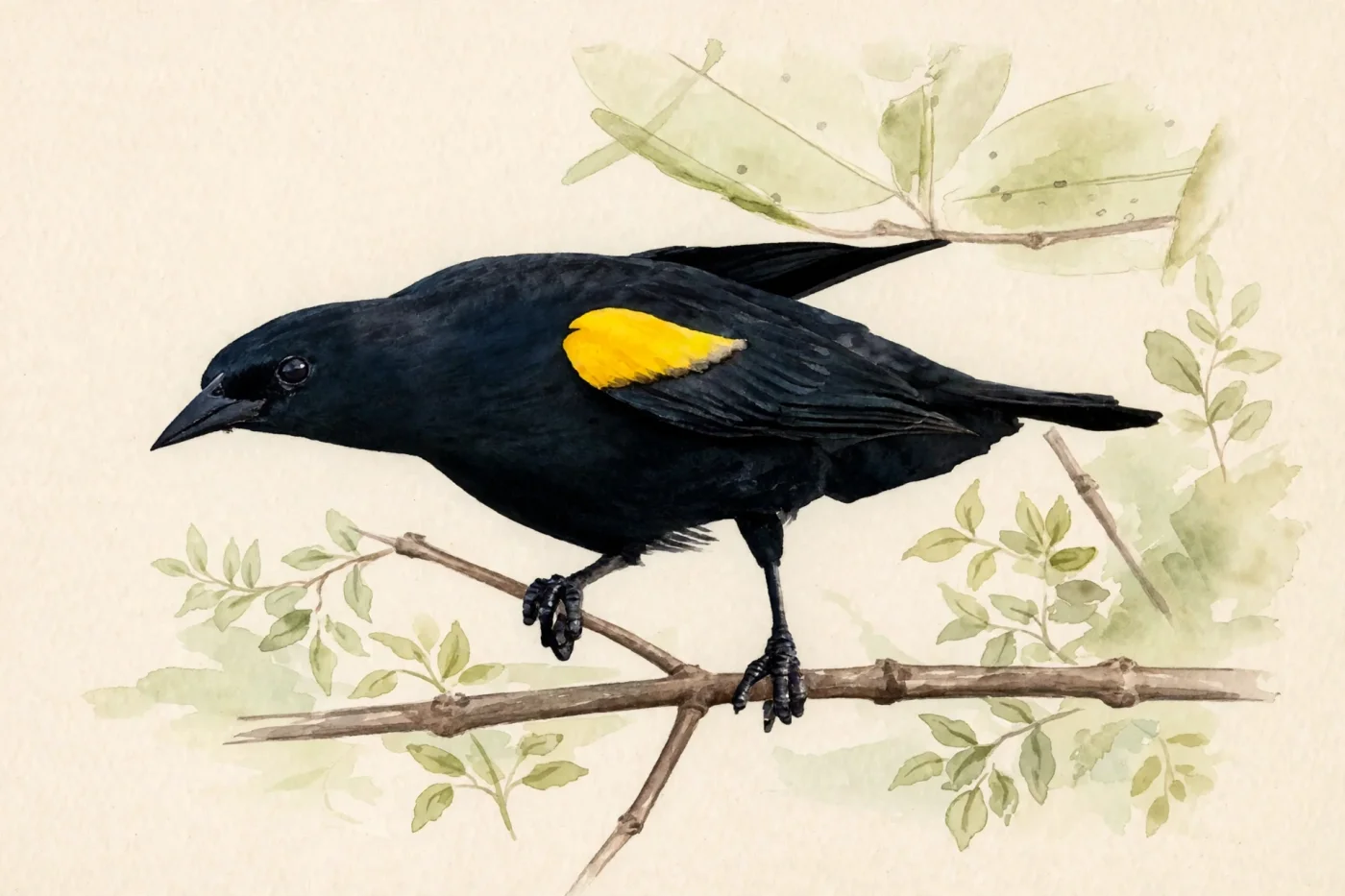
Prepared with AI assistance and linked sources. Illustrations are not field photographs.
Watch without interfering
Finding a nest is one of the most exciting moments in birding, but also one of the most delicate. A nest is a place of vulnerability: eggs and chicks depend entirely on the adults, and any interruption can have consequences. Ethical observation does not mean giving up watching; it means watching with clear rules about distance, time, and behavior.
The American Birding Association Code of Birding Ethics asks birders to avoid stressing birds and to be especially cautious around active nests, nesting colonies, and roosts. In Puerto Rico, several birds that nest on the island are protected by federal laws, so ethics and legality go hand in hand. This guide summarizes how to observe nests responsibly and when the right thing to do is simply to walk away.
Fieldcraft guides
Three rules that summarize everything
DistanciaKeep your distanceUse binoculars or a telephoto lens instead of moving closer.
BrevedadBe briefA short, quiet visit reduces stress.
RetiradaLeave if you see alarm signsIf the bird stares, calls, or moves away from the nest, it is time to go.
01
What birding ethics say
The American Birding Association Code of Birding Ethics states that birders should avoid stressing birds or exposing them to danger, and be particularly cautious around active nests, nesting colonies, roosts, and display sites. It also asks birders to limit the use of recordings and other audio methods of attracting birds, especially in heavily birded areas, for rare species, and for threatened or endangered species.
The same code reminds birders to minimize habitat disturbance, stay on trails, and respect private property. Ethical observation is not just a courtesy: it is a way to ensure that birds can complete their reproductive cycle and that other observers can enjoy them in the future.
02
How to observe a nest step by step
First, observe from a distance with binoculars. If the nest is visible, do not move closer to see better: use optical magnification. Keep a distance that does not cause changes in the bird's behavior. If the adult stops incubating, looks at you, gives alarm calls, or moves away from the nest, you are too close. Back away slowly and without sudden movements.
Second, be brief. A visit of a few minutes is enough to confirm the presence of a nest. Do not stay long, do not use flash, do not make noise, and do not remove vegetation to clear your view. If you need to document the nest, a photo taken from a distance with a telephoto lens is preferable to moving closer. Third, blend in with the environment: neutral-colored clothing, slow movements, and a quiet voice. Do not use recordings to attract birds near the nest.
Fourth, learn to walk away. If the bird does not return to the nest for several minutes, if chicks are exposed to the sun or predators because of your presence, or if you notice other animals approaching, leave immediately. The rule is simple: if your presence changes the bird's behavior, you have already gone too far. These practical recommendations are based on the general principles of the ethics code, not on specific thresholds it contains.
03
Endangered species and legal protection
The Migratory Bird Treaty Act of 1918 (MBTA) prohibits the taking (including killing, capturing, selling, trading, and transport) of protected migratory bird species without prior authorization by the U.S. Fish and Wildlife Service. The list of protected species is based on bird families and species included in the international treaties. In Puerto Rico, several birds that nest on the island are on that list, so disturbing or capturing them can have legal consequences.
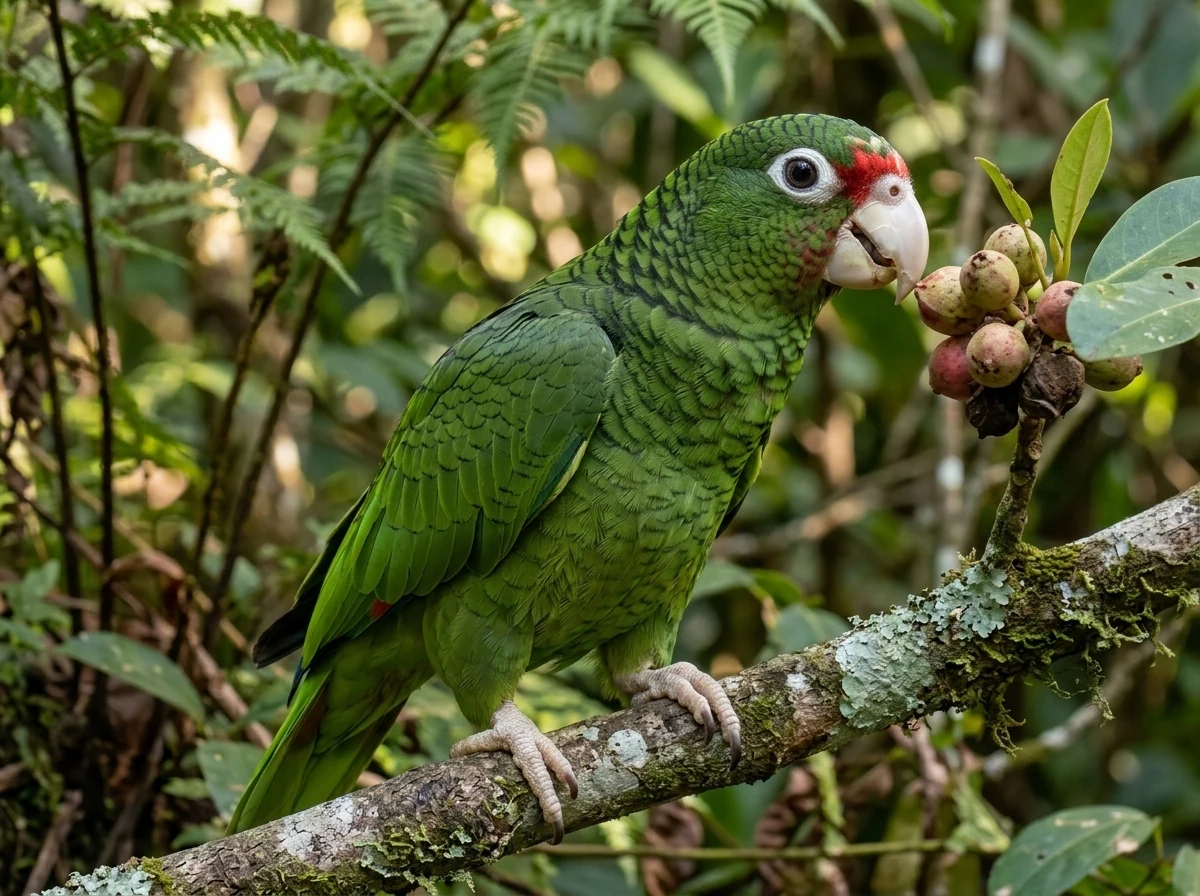
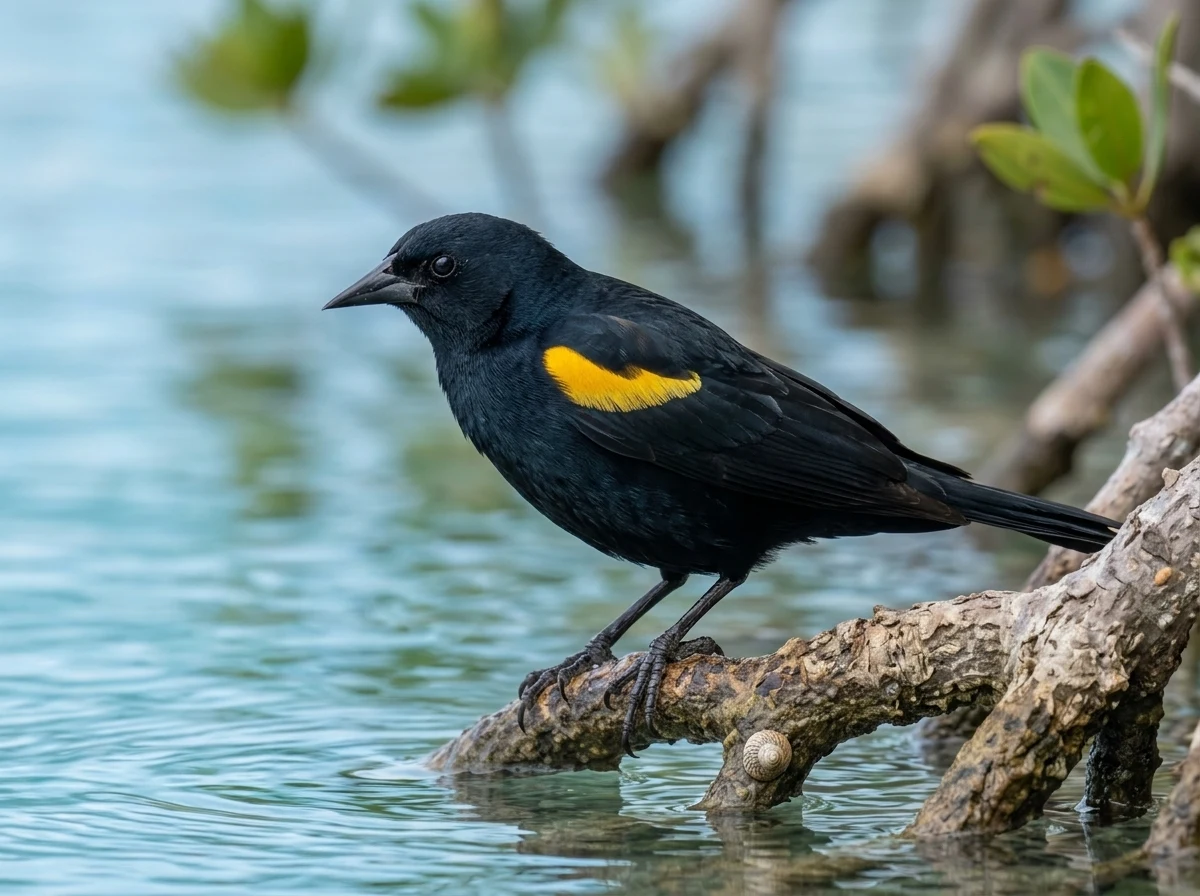
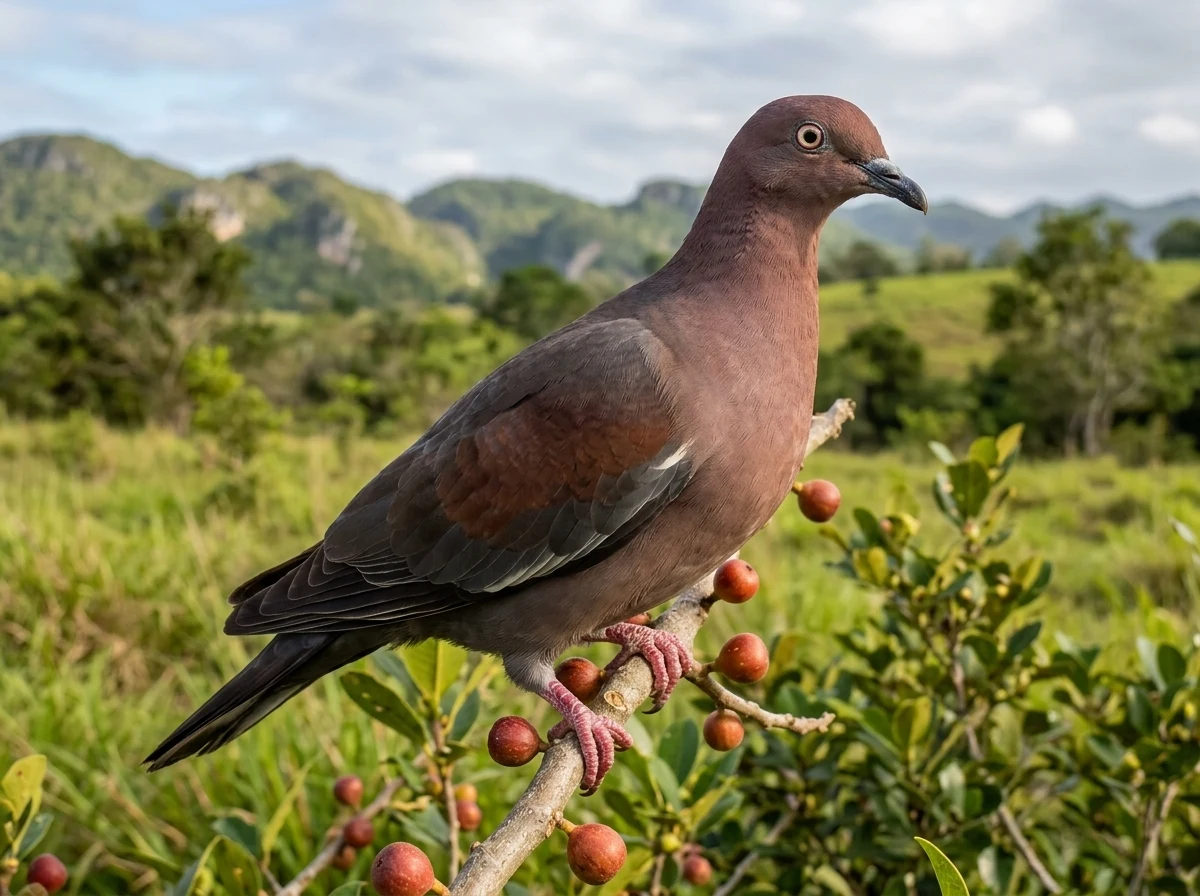
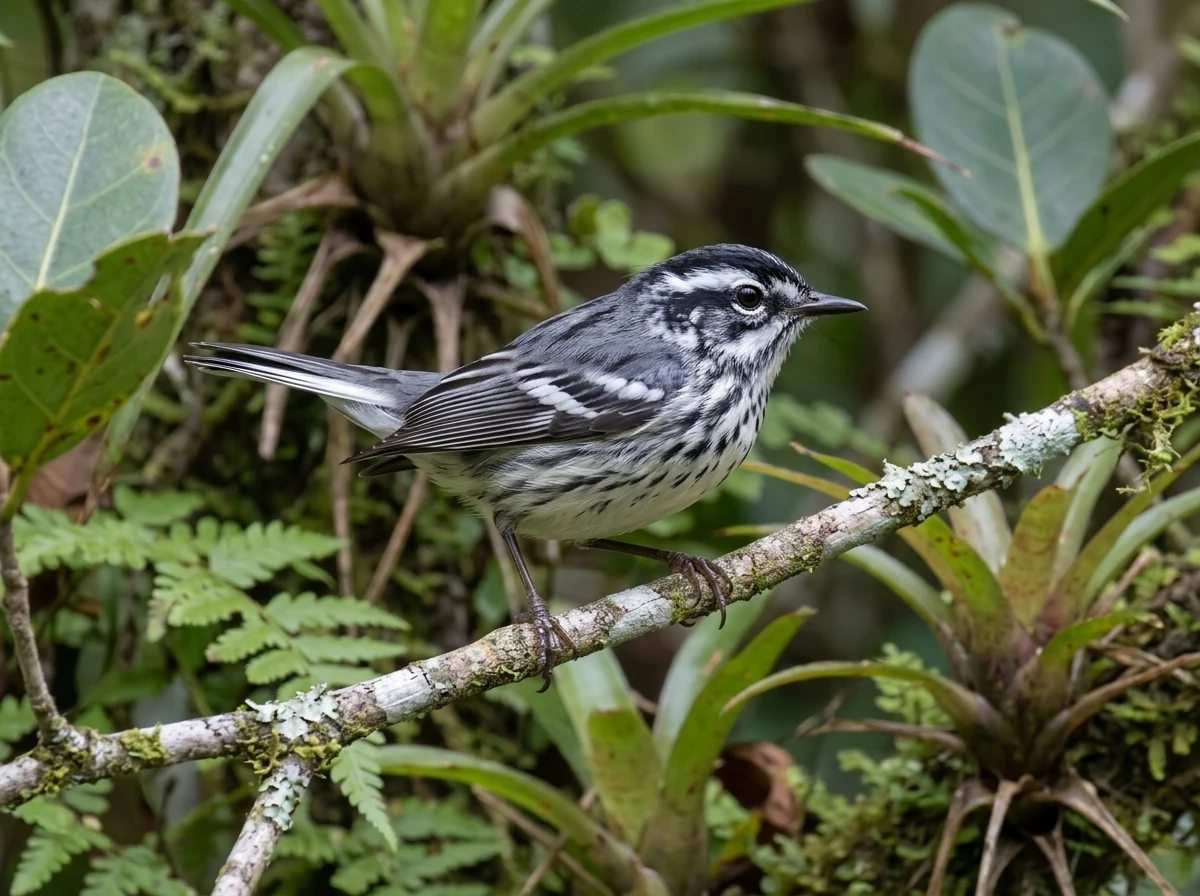
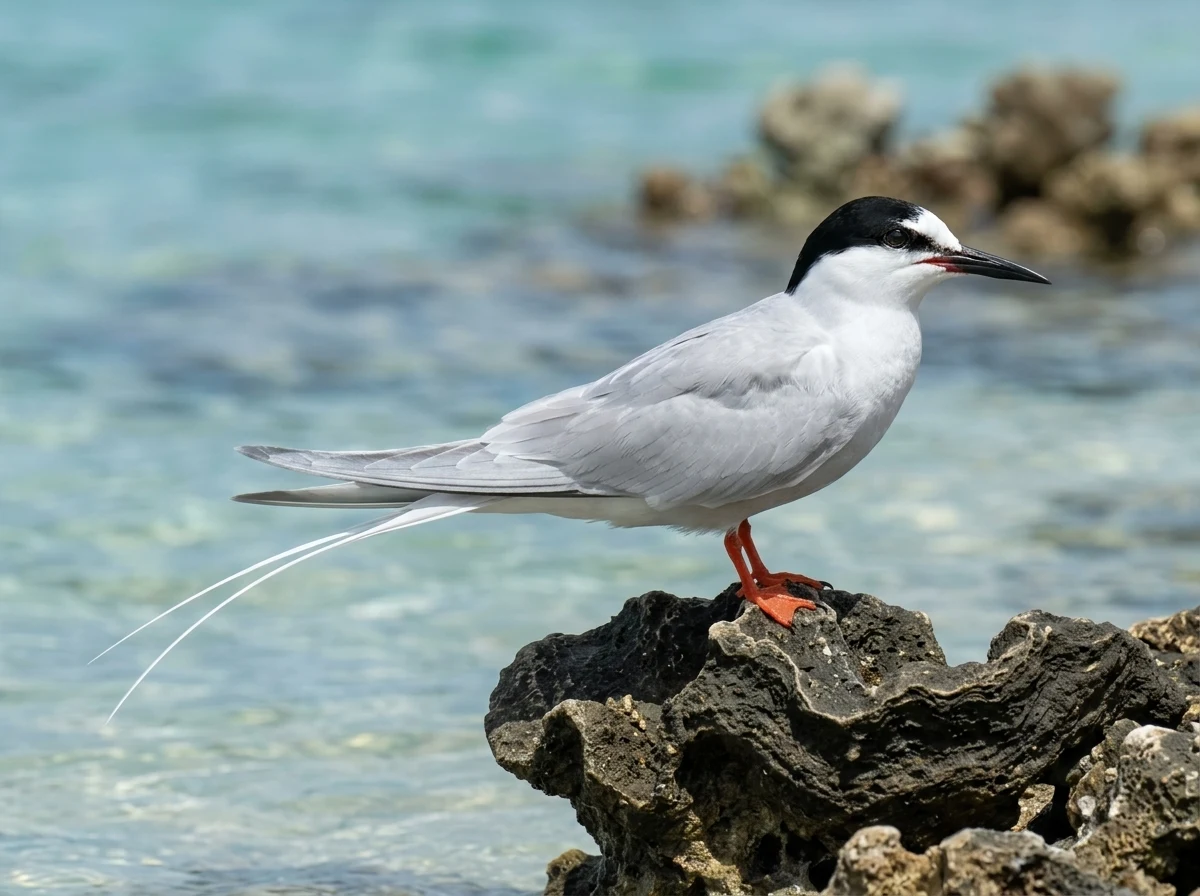
The Puerto Rican Amazon (Amazona vittata) has been listed as critically endangered by the World Conservation Union (IUCN) since 1994, according to the species record in this catalog. The Yellow-shouldered Blackbird (Agelaius xanthomus) was listed as endangered under the U.S. Endangered Species Act in 1976. The Roseate Tern (Sterna dougallii dougallii) has a Caribbean population listed as threatened under the U.S. Endangered Species Act, while the northeastern North American population is listed as endangered under the same law. The Plain Pigeon (Patagioenas inornata) is threatened by habitat loss and illegal hunting, according to the species record in this catalog. The Elfin-woods Warbler (Setophaga angelae) is endemic and local, with small populations and restricted habitats, according to the species record in this catalog.
For these species, observation must be especially careful. Do not approach nests, do not use recordings, and do not disclose exact locations of active nests. A birder's best contribution is to document presence without interfering and to share information responsibly.
04
Checklist for an ethical visit
Before you go: bring binoculars or a telephoto lens, neutral clothing, water, and patience. Do not bring recorders or plan to use playback near nests. Check whether the area you will visit has special regulations, such as protected areas or private property. If you go to a natural area, walk only on established trails.
During observation: keep your distance, use optical magnification, speak quietly, avoid sudden movements, and do not remove vegetation. If the bird shows alarm signs, back away. Limit your visit to a few minutes. Do not touch the nest, eggs, or chicks. Do not feed birds to attract them near the nest.
After the visit: do not share the exact location of active nests on social media or public forums. If you document a rare or threatened species, report the sighting to platforms like eBird, but obscure the location if it is sensitive. Remember that the best observation is one that leaves no trace.
Linked profiles
Birds mentioned in this guide
Puerto Rico species whose observation during nesting requires special care.
01
How far should I observe a nest from?
There is no universal fixed distance. The practical rule is to keep a distance that does not cause changes in the bird's behavior. If the adult stops incubating, looks at you, gives alarm calls, or moves away from the nest, you are too close. Use binoculars or a telephoto lens to see details without approaching.
02
Can I use recordings to attract birds near a nest?
No. The American Birding Association Code of Birding Ethics asks birders to limit the use of recordings and other audio methods of attracting birds, especially in heavily birded areas, for rare species, and for threatened or endangered species. Near an active nest, playback can distract adults and increase stress.
03
What should I do if I find a nest of a threatened species?
Keep your distance, do not approach, do not use recordings, and do not disclose the exact location. If you want to document the sighting, do so from a distance and report it to platforms like eBird, obscuring the location if it is sensitive. Remember that several species in Puerto Rico are protected by federal laws.
04
Is it legal to touch a nest or eggs?
The Migratory Bird Treaty Act of 1918 prohibits the taking (including killing, capturing, selling, trading, and transport) of protected migratory bird species without authorization. This includes many birds that nest in Puerto Rico. Touching a nest or eggs can constitute a violation of the law. In addition, human contact can cause adults to abandon the nest.
Keep exploring
Connected routes
Sources and review
The evidence is one link away.
These sources support the editorial scope of this guide. Bird profiles also retain their own taxonomy, occurrence, and conservation references.
Reviewed:
01↗02↗03↗04↗05↗06↗
www.aba.org
aba code of birding ethics
Evidence for cited sections; consult the original document.www.fws.gov
migratory bird treaty act 1918
Evidence for cited sections; consult the original document.www.fws.gov
puerto rican amazon amazona vittata
Evidence for cited sections; consult the original document.www.fws.gov
yellow shouldered blackbird agelaius xanthomus
Evidence for cited sections; consult the original document.birdsoftheworld.org
introduction
Evidence for cited sections; consult the original document.www.fws.gov
roseate tern sterna dougallii dougallii
Evidence for cited sections; consult the original document.The atlas continues