 AI
AIFieldcraft guide
How to observe molt and plumage for bird identification
A practical introduction to molt terminology, feather generations, and how to use them to estimate age and sex in common Puerto Rico birds.
Reviewed: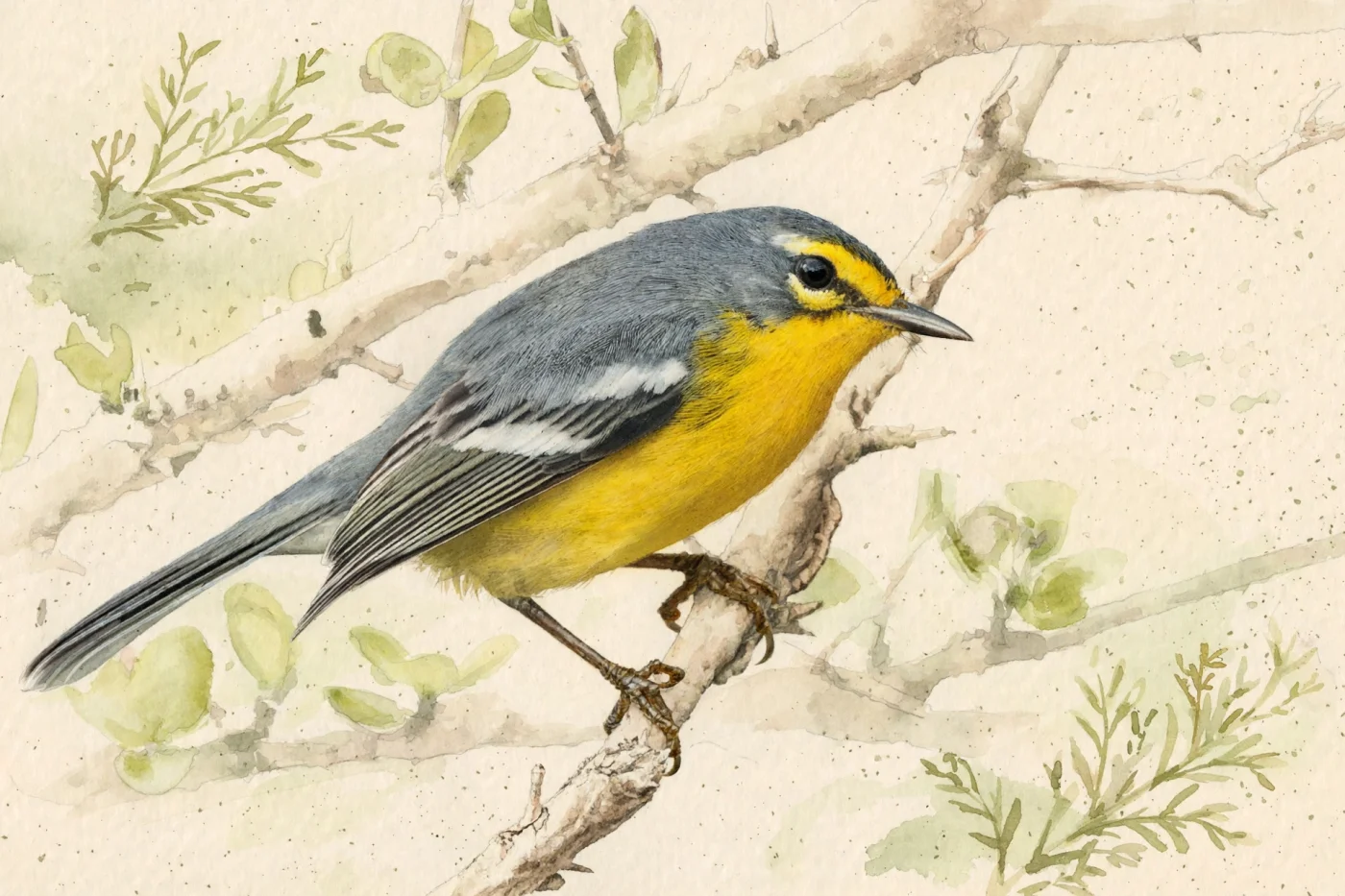
Prepared with AI assistance and linked sources. Illustrations are not field photographs.
Why molt matters in the field
Molt is the replacement of feathers. Replacement patterns, or molt patterns, can help us determine a bird's age and better understand its ecological role: whether it has already gone through a reproductive stage, whether it will breed soon, or whether it has recently left the nest. This information is not only for banders; any observer can use it to identify birds with more confidence.
In resident Caribbean landbirds, such as those in Cuba, studies show that most undergo their prebasic molt between August and November, with some species starting as early as May or finishing as late as December. That temporal reference is useful for knowing when to look for mixed or worn plumages in Puerto Rico.
Fieldcraft guide
Three key ideas
Generaciones de plumasJuvenile vs. adultJuvenile feathers are often narrower, more pointed, and more worn than adult feathers.
Límites de mudaAge contrastA molt limit is the line where feathers of different generations meet.
Agosto a noviembreTypical windowIn resident Cuban landbirds, prebasic molt occurs mainly in those months.
01
Basic molt vocabulary
The prebasic molt is the one that produces basic plumage, generally after breeding. The first prebasic molt occurs in young birds and can be partial or incomplete. 'Partial' means that no flight feathers (primaries, secondaries, primary coverts, or rectrices) are replaced, except sometimes the tertials or central rectrices. 'Incomplete' means that some but not all flight feathers are replaced.
Feathers are numbered to describe molt. Primaries (pp) are numbered from the innermost (p1) to the outermost (p9 or p10). Secondaries (ss) are numbered from the outermost (s1) to the innermost (tertials). Rectrices (rects) are numbered from the central pair (r1) to the outermost pair (r5 or r6). Primary coverts (p covs) are also numbered from inside out. This nomenclature allows comparisons across species and regions.
02
How to read feather wear and shape
Feather wear and shape are age clues. In many landbirds, juvenile feathers are narrower, more pointed, and more worn than adult feathers. For example, in the Cuban Emerald (Chlorostilbon ricardii), juvenile rectrices and primary coverts are narrow, pointed, and faded brown, while adult ones are broad, truncate, and relatively fresh.
Primary coverts are especially useful. In several species, juvenile primary coverts are thinner, browner, and have narrow edges, while adult ones are broader, duskier, and have irregular edges. A molt limit between juvenile primary coverts and adult greater coverts indicates that the bird has not completed its first prebasic molt.
03
Juvenile, immature, and adult: what they mean
Juvenile refers to the plumage a bird has when it leaves the nest, before its first prebasic molt. Immature is a broad term for birds that have not reached definitive adult plumage; it can include birds in their first or second year. Adult refers to definitive plumage, generally reached after one or more prebasic molts.
In the field, we cannot always assign an exact age. But we can look for clues: retained juvenile feathers, molt limits, or differences in wear. In species like the Cuban Emerald, juvenile birds have grayish legs and lack red in the throat, while adults have orange legs and a red throat. These differences help separate age categories.
04
Field observation procedure
When you observe a bird, start with the head and body: does the plumage look uniform, or are there patches of feathers of different texture or color? Then check the wings. Look for primary and greater coverts: is there a contrast between narrow, pointed feathers and broad, rounded feathers? That contrast is a molt limit. Finally, look at the tail: are the rectrices narrow and pointed or broad and truncate?
Light is key. Direct sunlight or a soft flashlight can reveal differences in sheen and wear that are lost to the naked eye. If the bird is in the hand (for example, during banding), you can gently blow the feathers apart to see the limits. Never handle a bird without proper training and permits. For distance observation, use binoculars and patience.
A useful exercise is to compare birds of the same species in different months. For example, observe a Cuban Emerald in August and another in February. Note the condition of the feathers: do they look fresh or worn? Are there juvenile rectrices? Over time, you will begin to recognize patterns.
05
Checklist for your field notes
Use this list to document your molt and plumage observations: 1) Date and time. 2) Species (or best estimate). 3) Does the plumage look uniform or mixed? 4) Is there contrast between primary and greater coverts? 5) Are the rectrices narrow/pointed or broad/truncate? 6) Are there retained juvenile feathers on the body? 7) Was the bird actively molting (growing feathers, sheaths)? 8) Light conditions. 9) Was it photographed? If so, note the angle.
This checklist helps you compare observations over time and contribute useful data. Remember that molt is a gradual process and a single sighting may not be conclusive. Patience and repetition are your best allies.
Linked profiles
Species to practice with
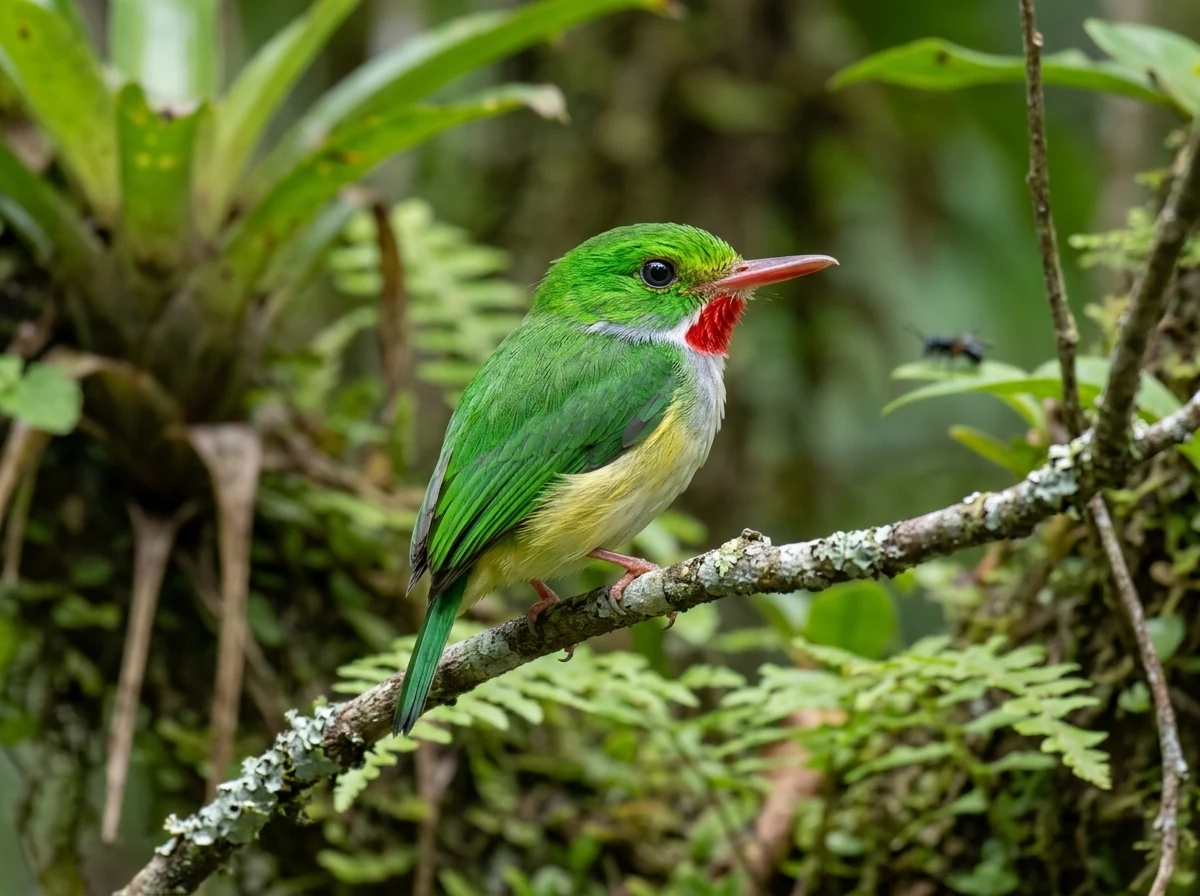
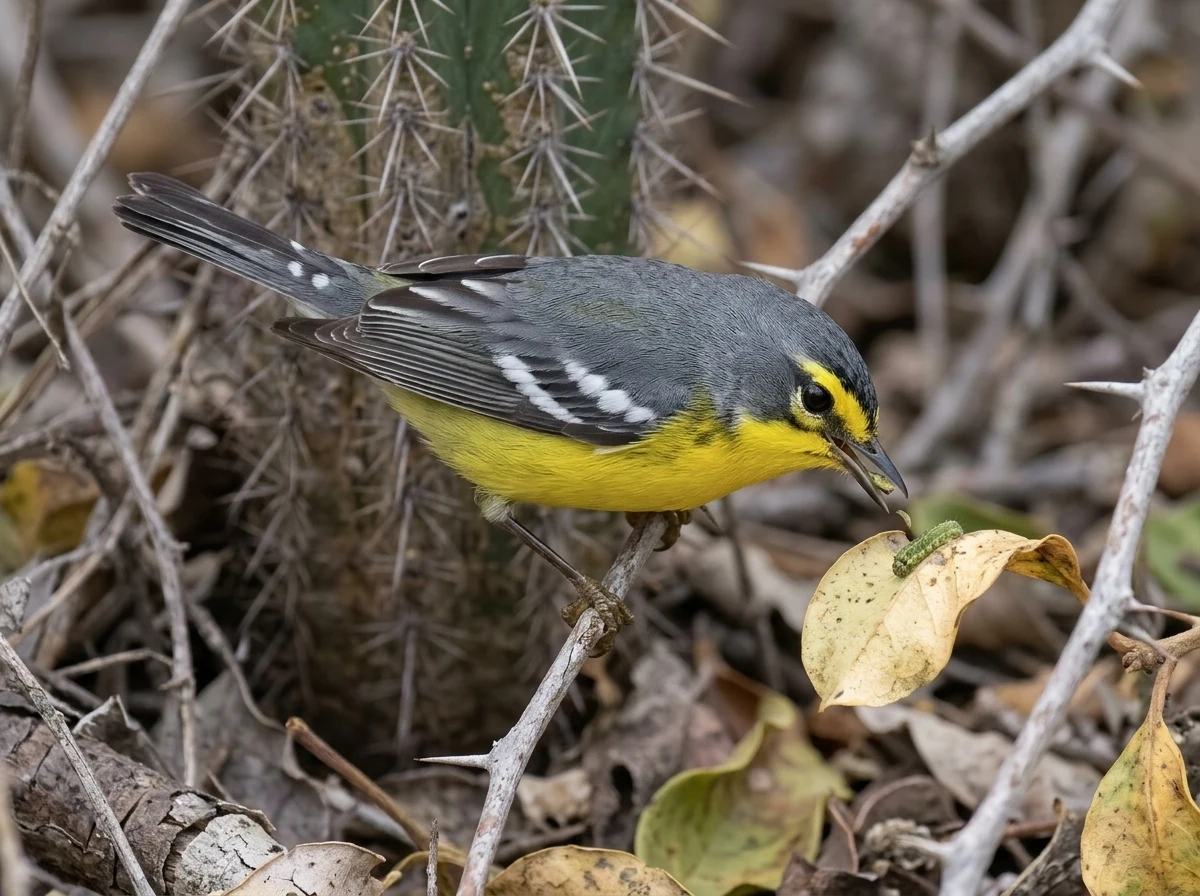
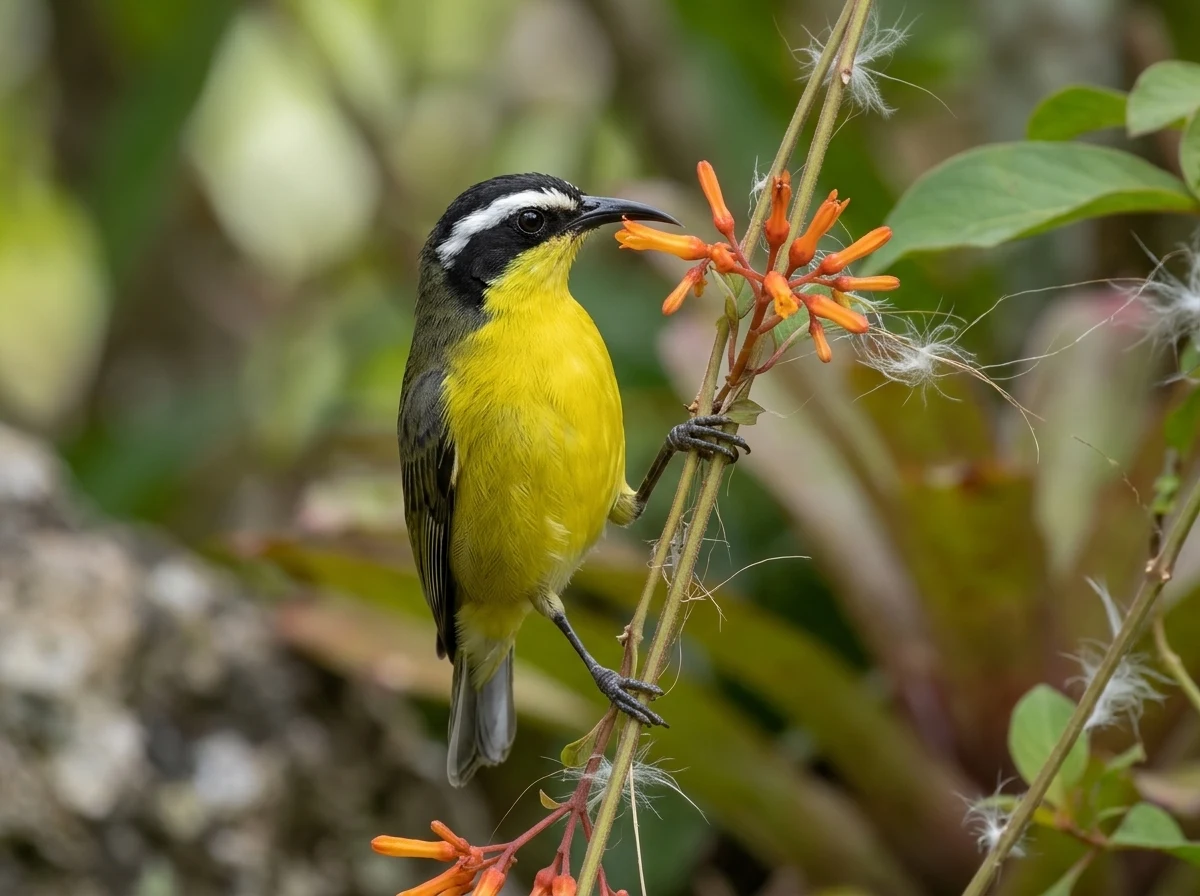
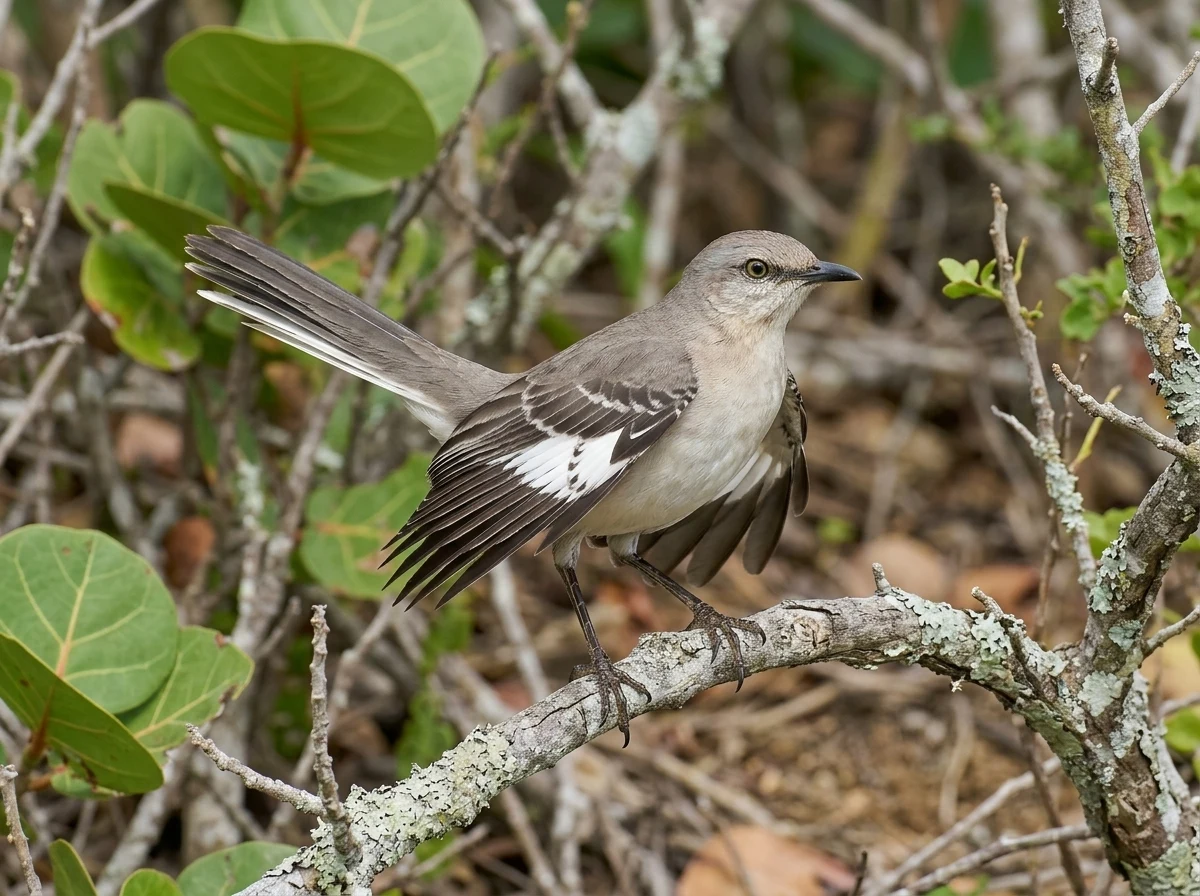
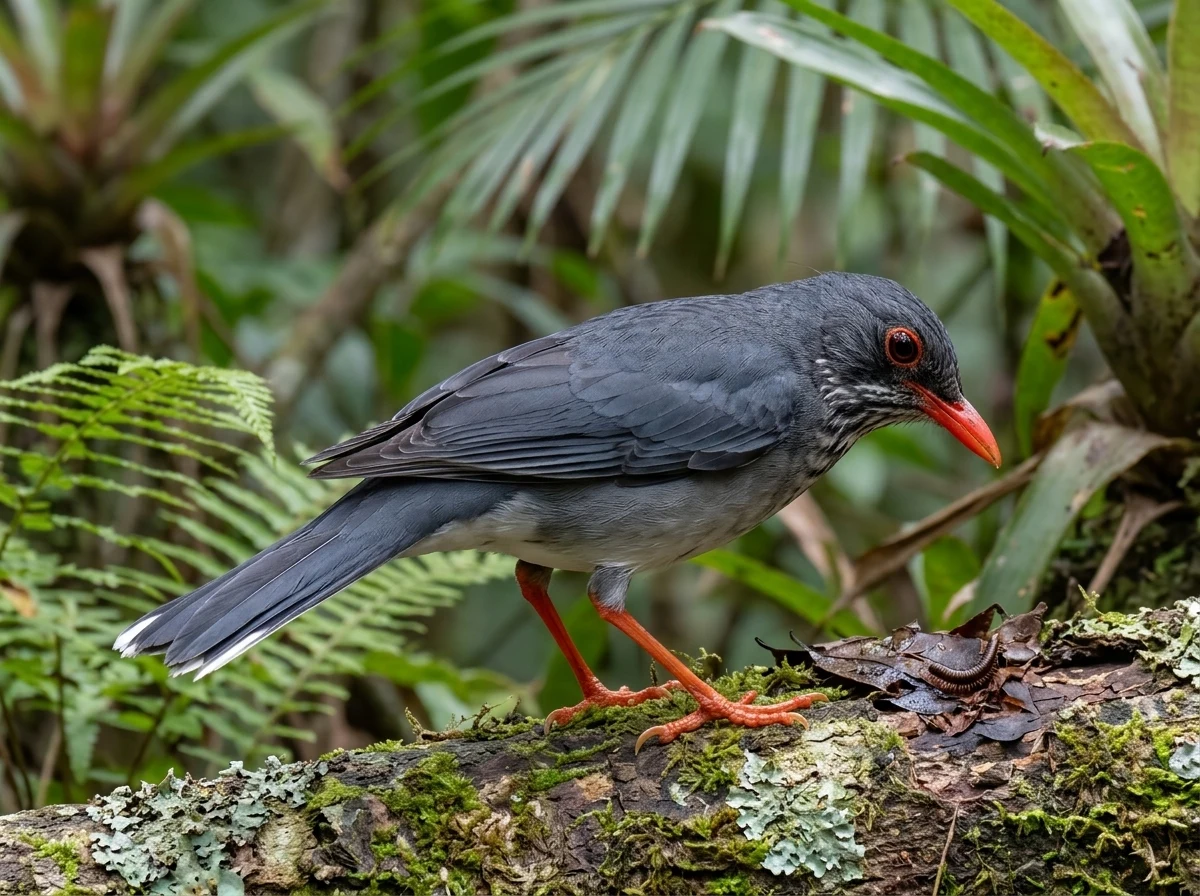
These common Puerto Rico birds offer opportunities to observe molt and plumage. Pay attention to age and sex differences when you see them.
01
Can I use molt to identify birds without capturing them?
Yes, although it is more difficult. With binoculars and good light, you can look for molt limits in the wings and differences in tail wear. Repeated observation of the same species in different months helps you recognize patterns.
02
What is a molt limit?
It is the line where feathers of different generations meet. For example, retained juvenile primary coverts next to freshly molted adult greater coverts. This contrast indicates that the bird has not completed its first prebasic molt.
03
When does molt occur in Caribbean landbirds?
In resident Cuban landbirds, prebasic molt occurs mainly from August to November, with some species starting in May or finishing in December. Patterns are likely similar in Puerto Rico, but more local study is needed.
04
How do I distinguish a juvenile from an adult bird?
Look for retained juvenile feathers: they are often narrower, more pointed, and more worn. Also check traits like leg or bill color. In the Cuban Emerald, juveniles have grayish legs and a throat without red, while adults have orange legs and a red throat.
Keep exploring
Connected routes
Sources and review
The evidence is one link away.
These sources support the editorial scope of this guide. Bird profiles also retain their own taxonomy, occurrence, and conservation references.
Reviewed:
01↗02↗
BirdsCaribbean
Making Connections and Measuring Molt: Experiences at a Second Bird Banding Workshop in the Dominican Republic
Evidence for cited sections; consult the original document.Journal of Field Ornithology / Institute for Bird Populations
Molt Patterns and Age and Sex Determination of Selected Southeastern Cuban Birds
Evidence for cited sections; consult the original document.The atlas continues