 AI
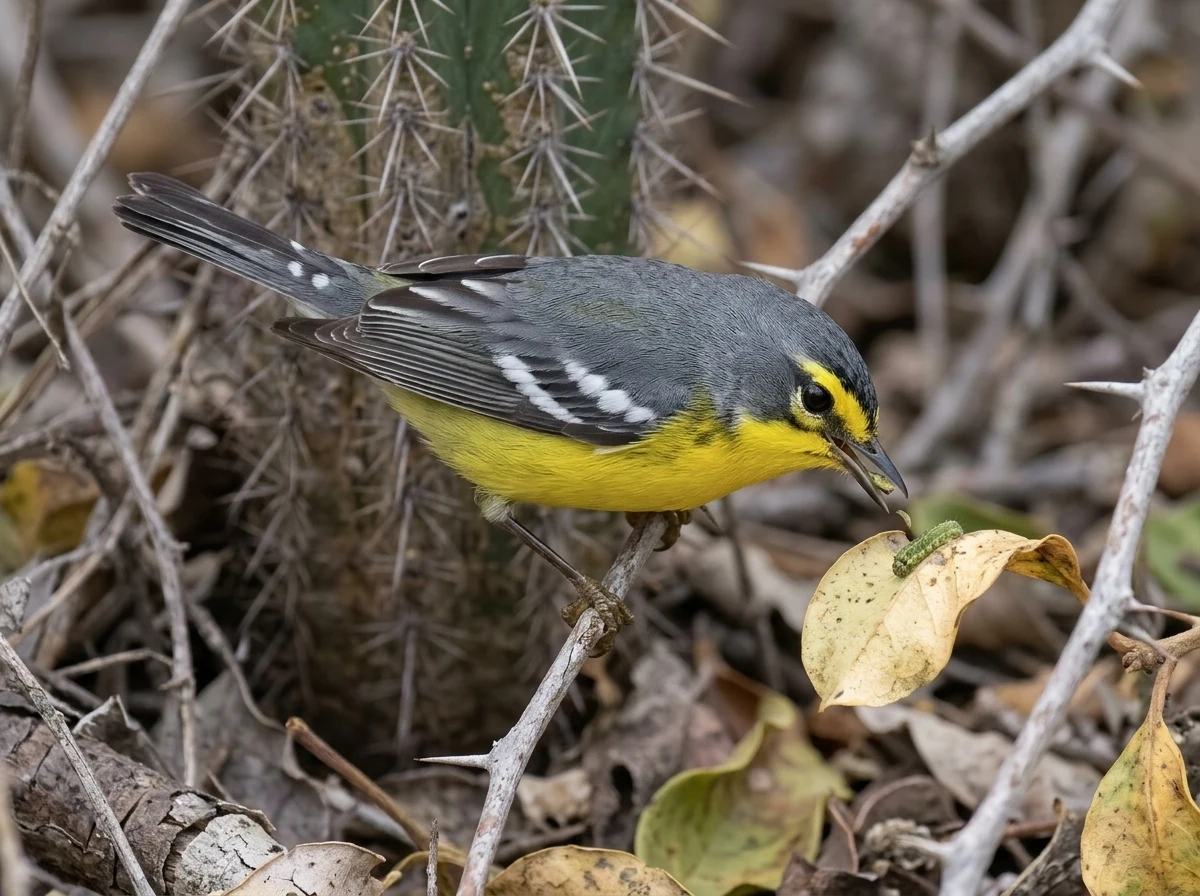
AIAI reconstruction created with Nano Banana 2 · 1K, grounded in the profile’s documented taxonomy, habitat, natural-history sources, and an open-license visual reference when available. It is an interpretive image, not documentary evidence. Image policy →
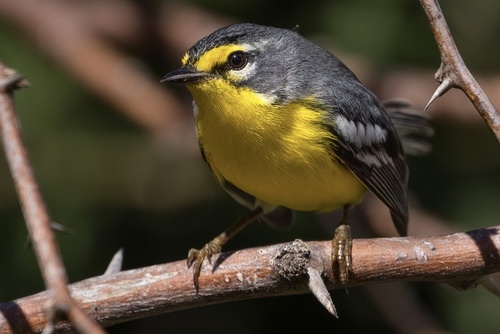
Adelaide's Warbler
Reinita Mariposera
Setophaga adelaidae
Adelaide's warbler (Setophaga adelaidae), or reinita mariposera (in Puerto Rican Spanish) is a bird endemic to the archipelago of Puerto Rico belonging to the genus Setophaga of the family Parulidae (New World warblers). == Taxonomy == The S. adelaidae complex was originally considered a single species, with three populations occurring in Barbuda, Puerto Rico and St. Lucia. Each of these populations were regarded as a subspecies, S.a. subita, S.a. adelaidae and S.a. delicata respectively. These subspecies were later elevated to species rank as the Barbuda warbler (Setophaga subita), the St. Lucia warbler (Setophaga delicata) and Adelaide's warbler. In 2011, the American Ornithologists' Union reclassified the Parulidae, which resulted in D. adelaidae being transferred to the genus Setophaga. The species is named after Maria Antoinette Adelaide Florentia del Carmen Swift Washburne (1829–1884), daughter of Robert Swift, the person who obtained the first specimen.
Sound archive
Hear its voice
Explore real songs and calls. The spectrogram turns each sound into a visual trace of time and frequency.

Play: call by Barry Edmonston
Choose another recording
Sound recorded by Barry Edmonston · XC793968 · CC BY-NC-SA 4.0. Visualization by Stichting Xeno-canto voor Natuurgeluiden.
Every recording retains the creator, catalogue number, and license published by Xeno-canto. Metadata via GBIF ↗
Island profile
About the Adelaide's Warbler
This atlas includes Adelaide's Warbler (Setophaga adelaidae) with atlas status “Puerto Rico endemic” within scope “Avibase inferred core 380.” Puerto Rico context sources associate it with Dry forest and scrub; karst; woodland and forest edge.
Conservation
Least Concern
IUCN LC
- Global IUCN
- LC
- Puerto Rico DNER
- No current listing in source crosswalk
- Federal ESA
- No current listing in source crosswalk
- Critical habitat
- Not identified in source crosswalk
Natural history
How it lives
- Habitat
- Dry forest and scrub; karst; woodland and forest edge
- Elevation
- 0–470 m
- Nest
- Cup / bowl · Shrub / bush / vine; Tree
- Clutch
- 2–4 eggs
- Social behavior
- Social / flocking; Singly and pairs
For kids and families
Turn this bird into your own artwork
Download a clean, print-ready coloring page, learn one quick fact, and color this Puerto Rico bird.
Keep exploring
This bird belongs to 9 paths through the atlas.
Guides featuring this bird
Follow this record beyond the profile.
Identification, sound, place, and explanatory guides connecting this species to larger questions.
See all related guides (16)
- How to assign breeding codes in eBird for Puerto Rico
- How to observe molt and plumage for bird identification
- Habitat Diorama: Dry Forest vs. Rainforest
- Bananaquit vs. Adelaide's Warbler
- Conserving Elfin-woods Warbler
- Birds of Guánica
- Birds of Guajataca State Forest
- Birds of Maricao
- Puerto Rico in seven days
- How to Record Bird Songs With Your Phone (and Share Them to eBird and Xeno-canto)
- Warblers
- Birds of Cambalache State Forest
- Yellow birds
- Birds of Susúa State Forest
- Small birds
- Endemic birds
Related in the atlas
Where to fly next
Connected by taxonomy, habitat, occurrence, and conservation.
 AI
AI AI
AI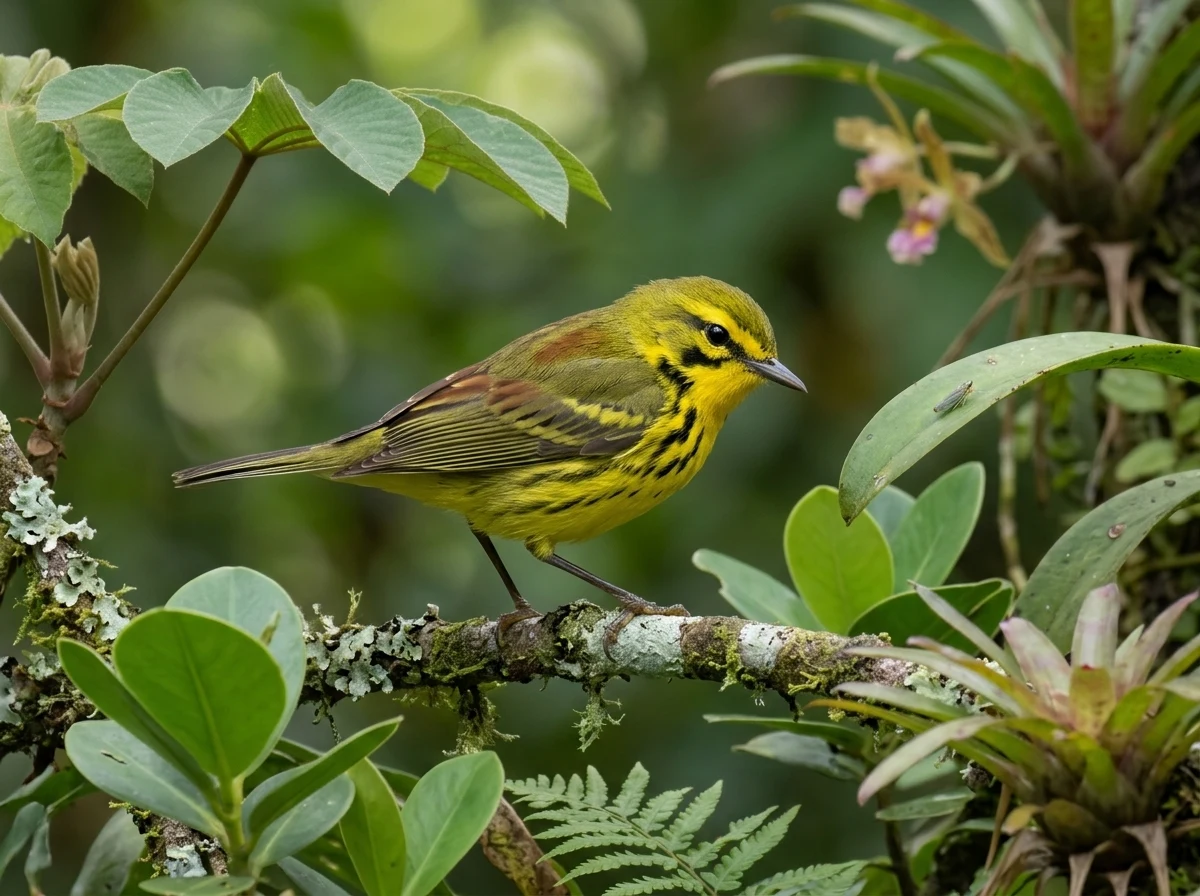 AI
AI AI
AI AI
AI AI
AI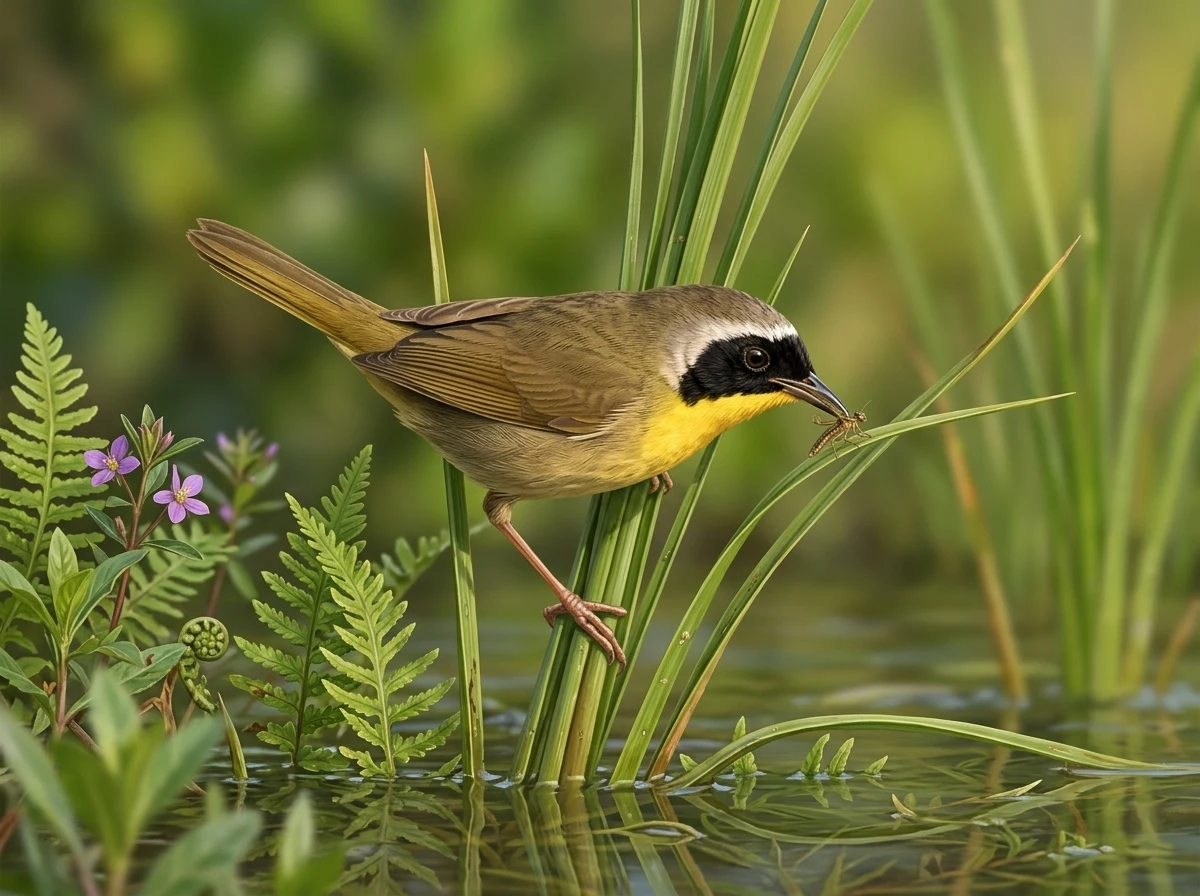
Evidence trail
Sources, media & further reading
Research note: Traditional endemic following Antillean warbler splits