 AI
AIPlace guide
Birds of El Yunque
In rainforest, the list changes with elevation, rain, light, and forest layer. A productive visit begins by listening to the canopy before chasing every movement.
Reviewed:One national forest, many birding conditions.
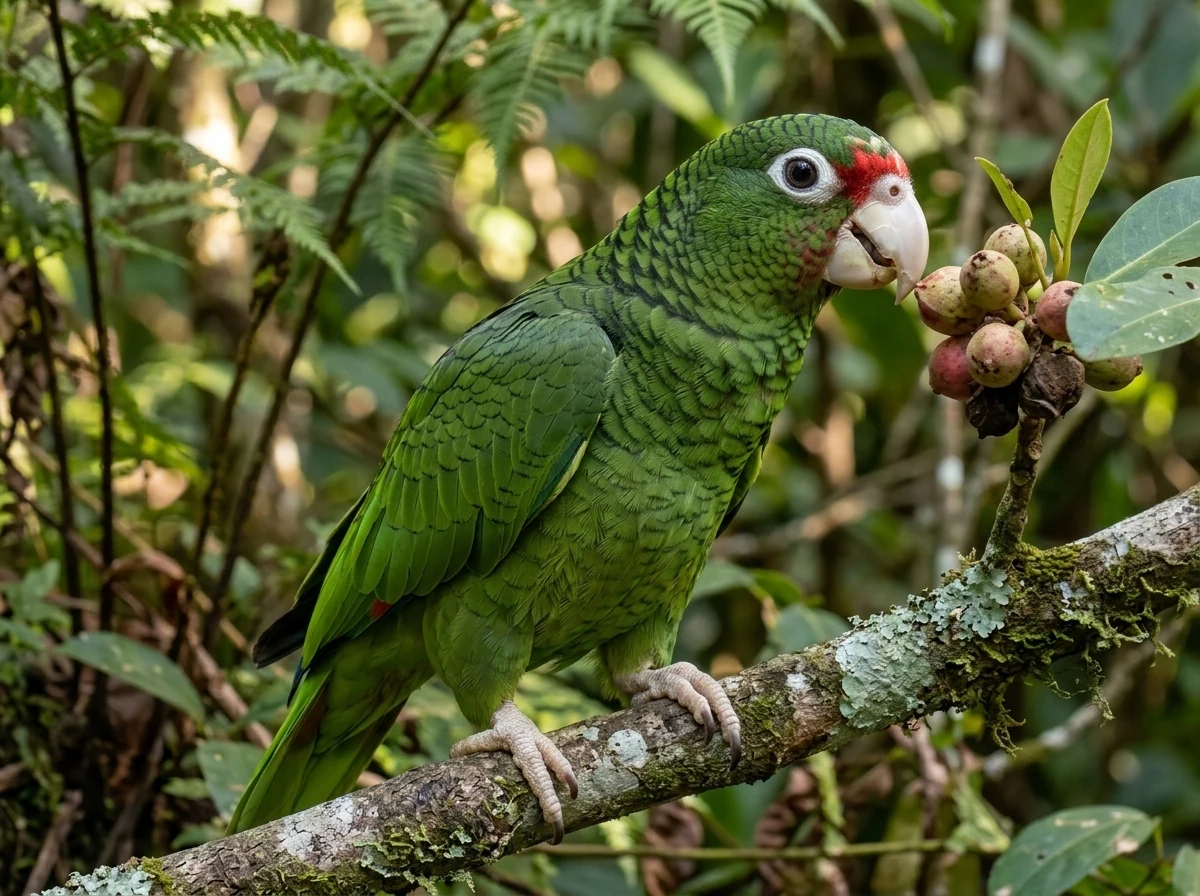
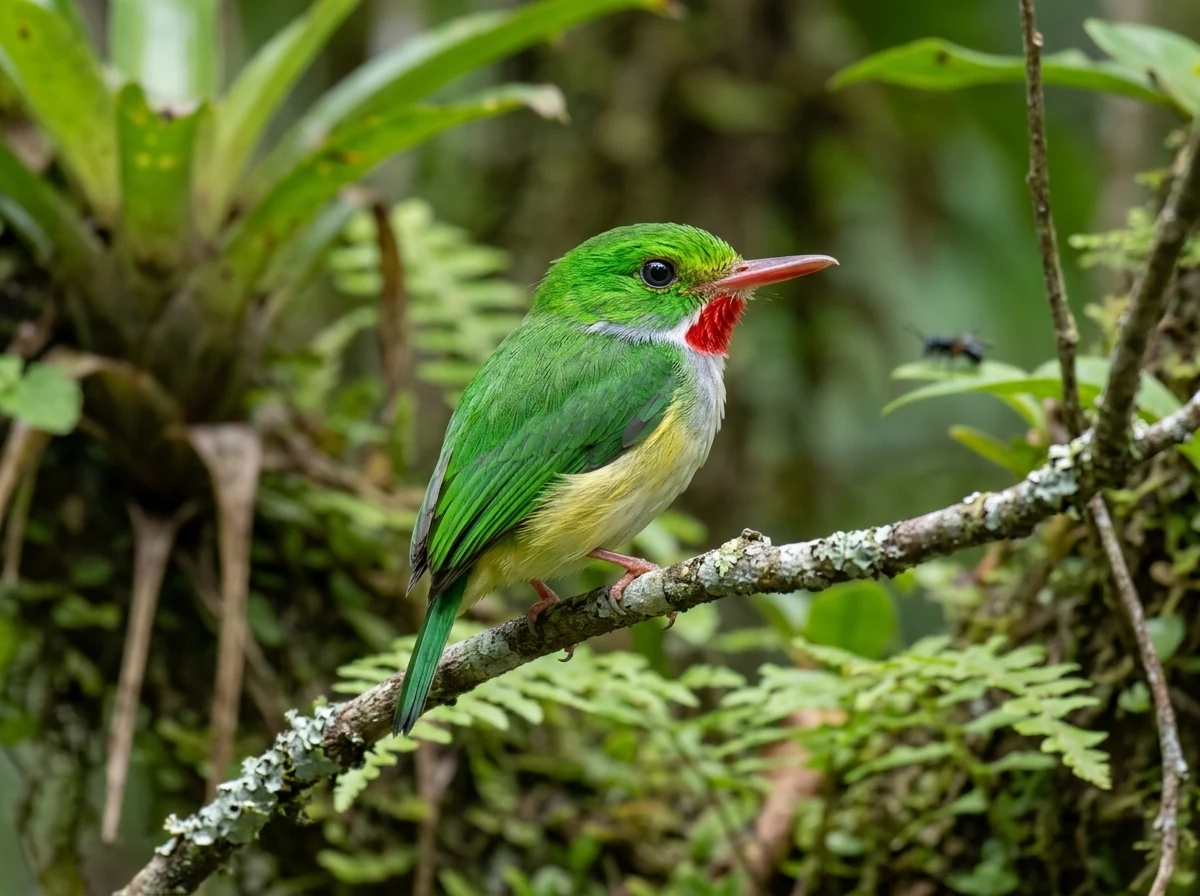
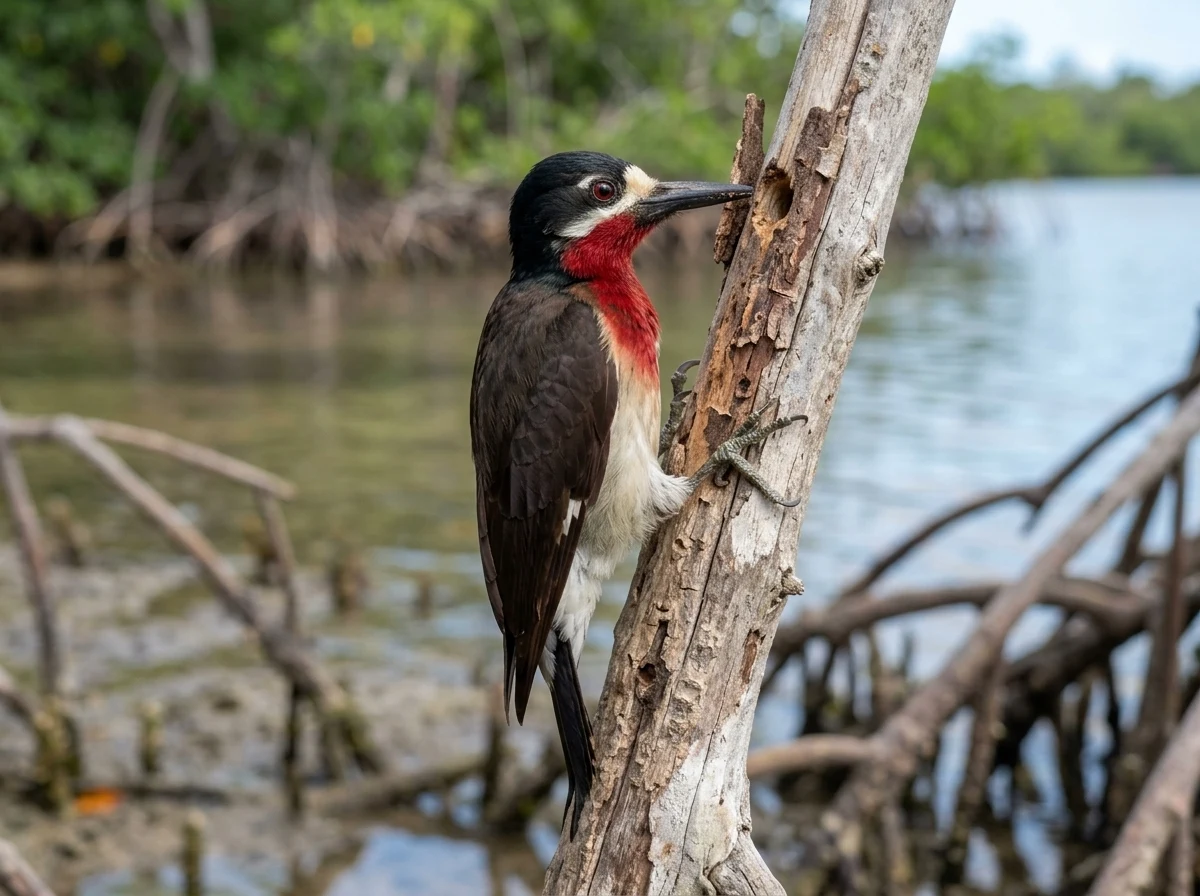
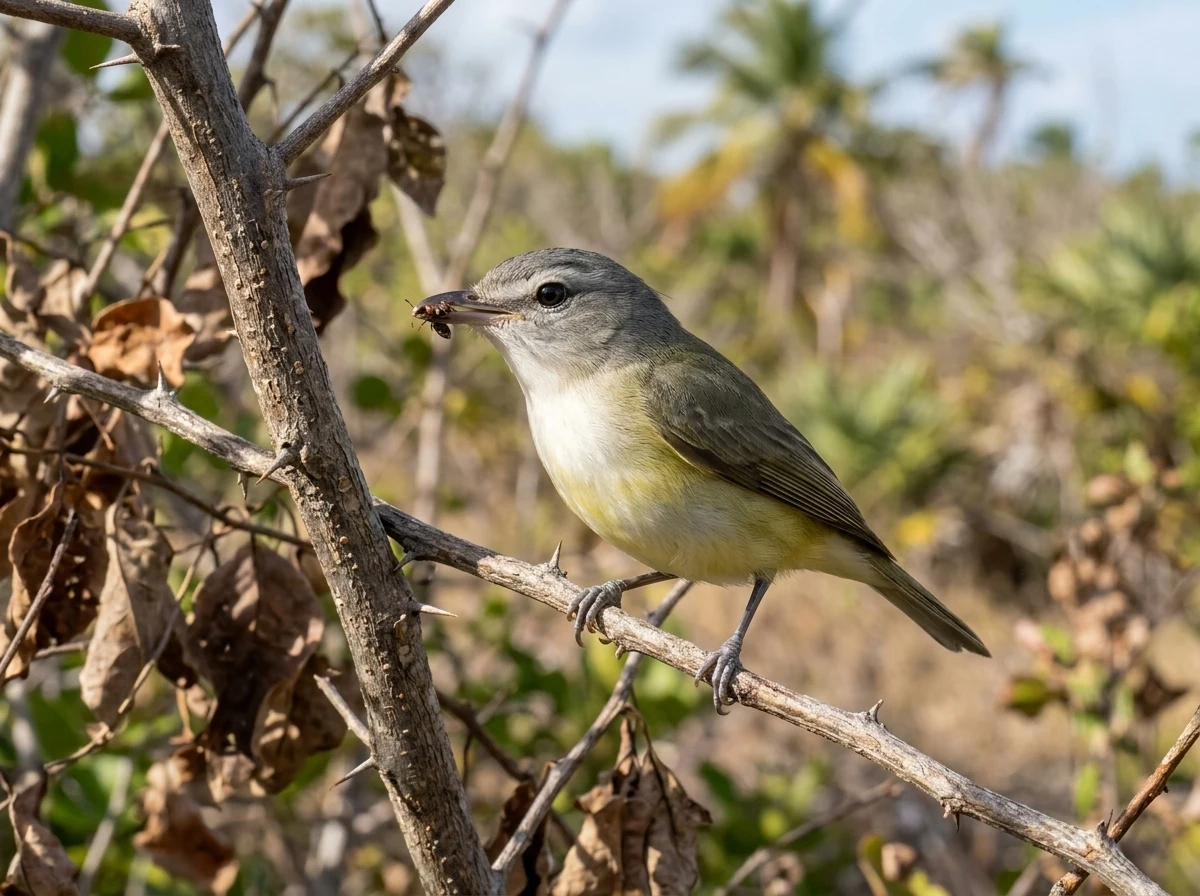
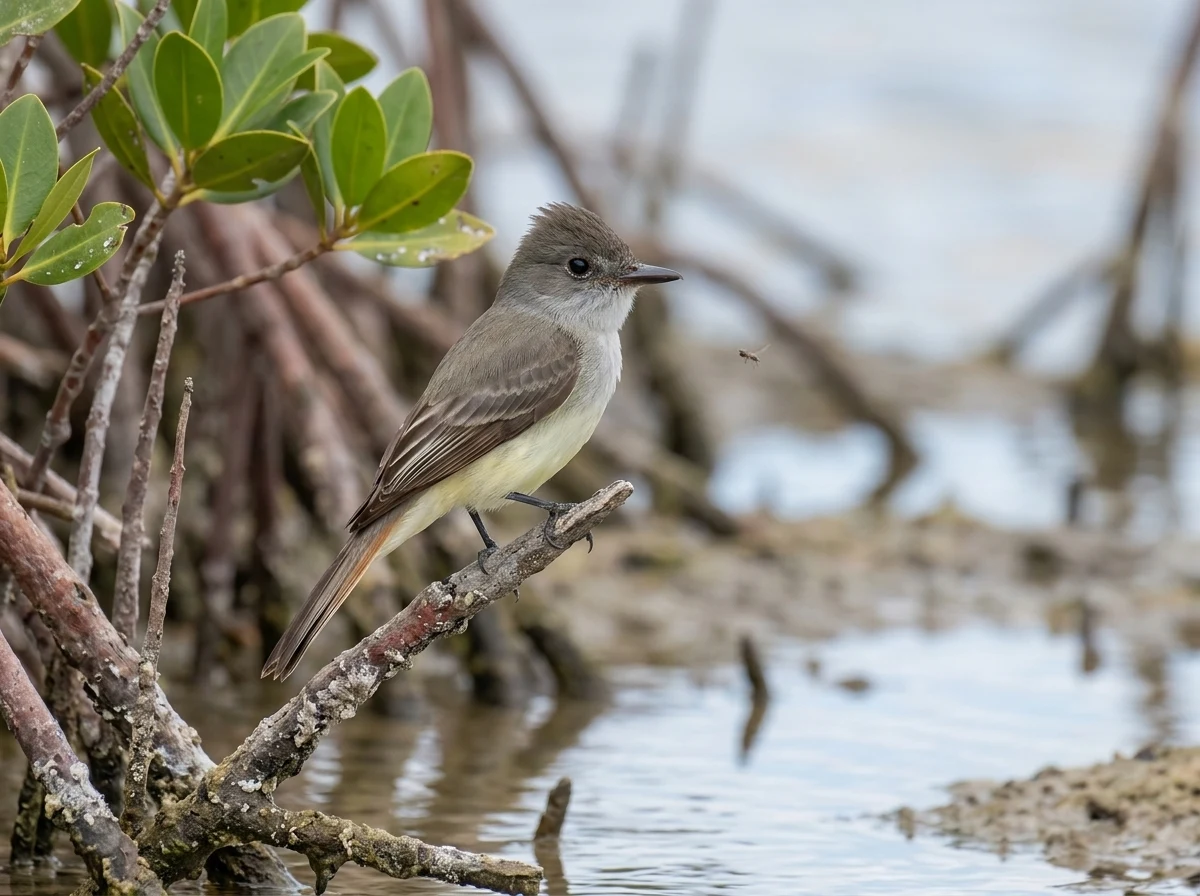
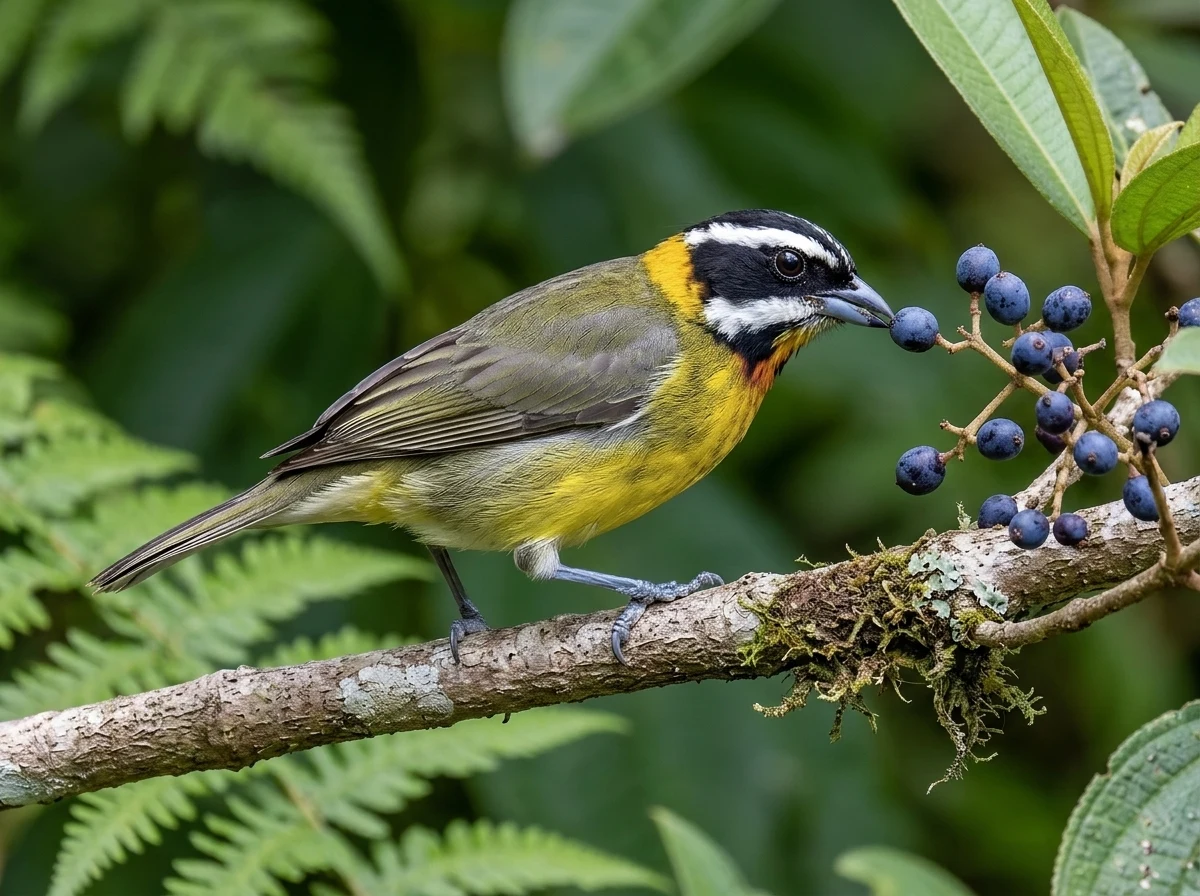
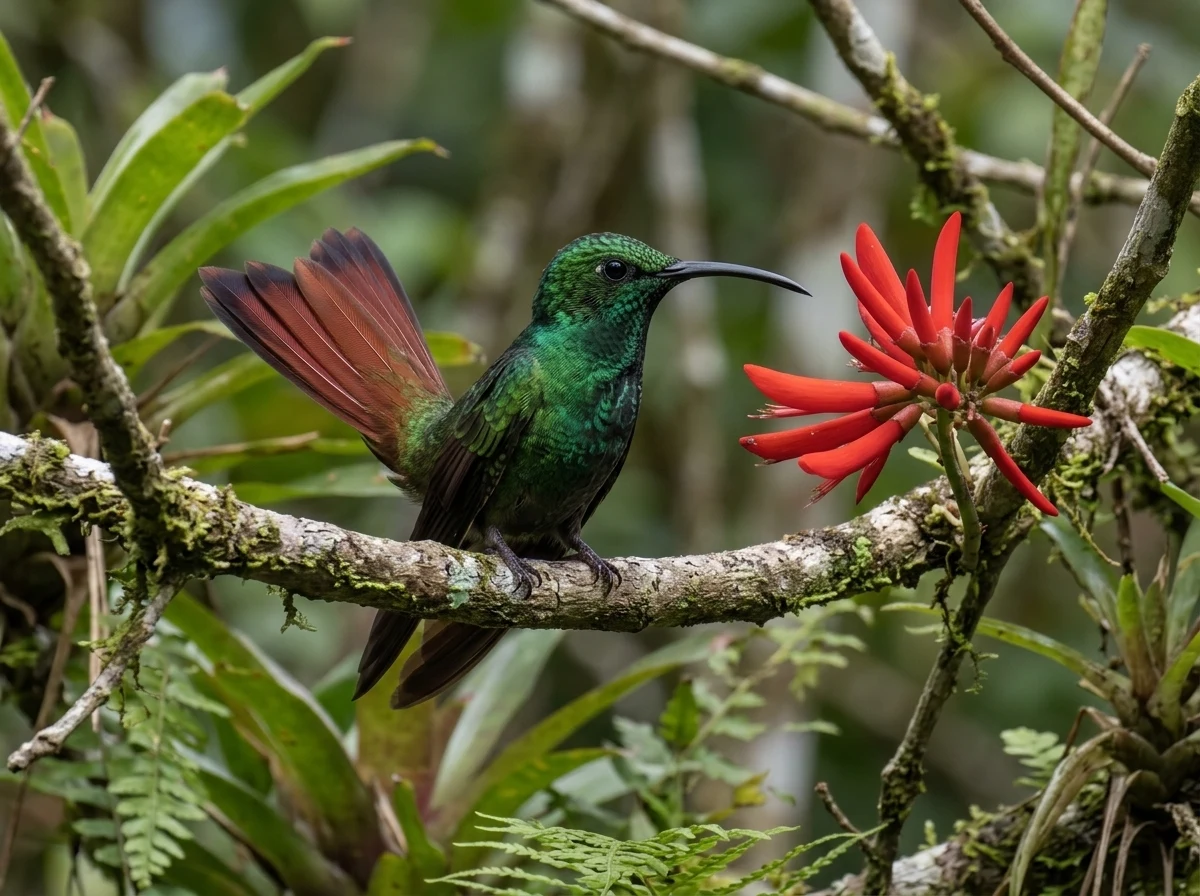
El Yunque protects tropical forest across gradients of elevation and exposure. Puerto Rican Parrot draws attention, but an everyday visit also includes Puerto Rican Tody, Woodpecker, Vireo, Flycatcher, Spindalis, Green Mango, and other forest birds.
El Portal is the official point for information, exhibits, and interpretive programs, including parrot recovery context. Access, closures, weather, and services can change; this guide avoids freezing operating hours and links to the Forest Service page for day-of-visit checks.
Place guide
How to read the forest
4layers to watchGround, understory, trunks, and canopy produce different encounters.
8focal endemicsA linked selection to learn before a visit.
1operations sourceConfirm alerts and access with the Forest Service.
01
Canopy, trunks, and understory
Read the forest vertically. Hummingbirds and fruit-eaters may cross canopy flowers and fruit; Puerto Rican Woodpecker works trunks and large limbs; Puerto Rican Tody uses low and middle perches for short sallies. A mixed flock can appear and vanish within minutes.
Pause at openings, bridges, and bends with a canopy window. Scan before moving, then follow a voice to an area—not one exact branch—and wait. The bird's own movement often reveals its position again.
02
The parrot: recovery does not mean a guaranteed sighting
El Yunque is central to Puerto Rican Parrot recovery history. El Portal offers an educational opportunity to learn about the program, but a managed, mobile population is not a wild exhibit with a fixed schedule.
Learn silhouette, paired or group flight, and voice before searching. Remain in authorized areas, do not follow staff or management vehicles, and do not publish sensitive points. Río Abajo represents another recovery chapter and has its own linked guide.
03
Rain and wind change detectability
Light drizzle may leave bursts of activity between showers, while hard rain and wind cover calls and set the whole canopy moving. Instead of deciding “there are no birds,” wait for a transition, inspect sheltered understory, and compare soundscape volume with the previous moment.
Protect equipment and notes from moisture, but do not leave trails to shelter under fragile vegetation. Mountain conditions change quickly; water, suitable footwear, and a route matching your ability matter as much as binoculars.
04
A visit with less checklist pressure and more evidence
Choose five voices before arriving and document what you actually observe. A useful note includes time, general route section, approximate bird height, behavior, and confidence. If heard only, record it as heard and save a few seconds of ambient audio when safe.
Do not feed birds, do not use continuous playback, and yield space on narrow routes. El Yunque receives many people; quiet, predictable practice reduces conflict with wildlife and other visitors.
Linked profiles
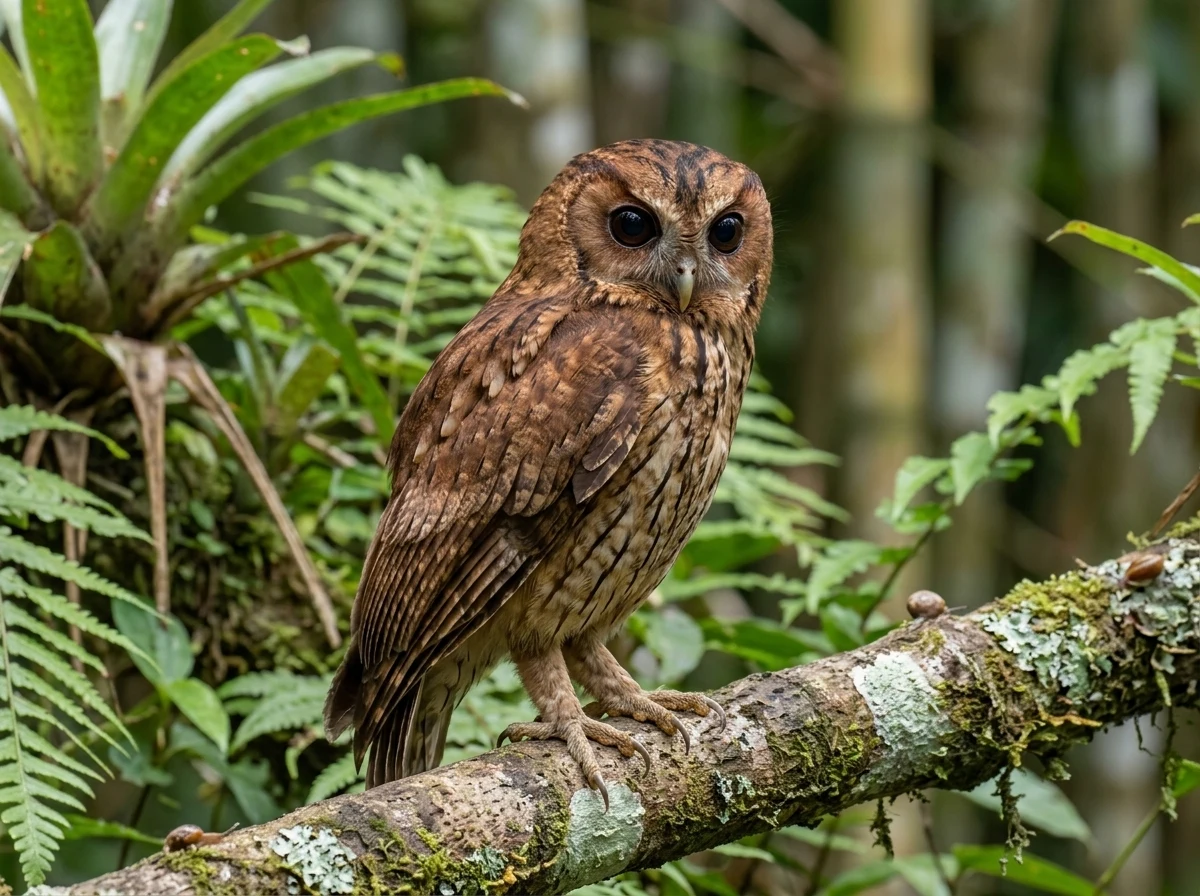
Eight profiles to prepare your ear
They are not a sighting promise; they are rainforest vocabulary for comparing shape, voice, and layer.
Sound archive
Hear its voice
Explore real songs and calls. The spectrogram turns each sound into a visual trace of time and frequency.
XC796586Recording 1 of 3call

Play: call by Bobby Wilcox
Choose another recording
Sound recorded by Bobby Wilcox · XC796586 · CC BY-NC-SA 4.0. Visualization by Stichting Xeno-canto voor Natuurgeluiden.
Every recording retains the creator, catalogue number, and license published by Xeno-canto. Metadata via GBIF ↗
01
Which endemic birds can be seen in El Yunque?
Candidates include Puerto Rican Parrot, Tody, Woodpecker, Vireo, Flycatcher, Spindalis, Owl, and Green Mango. Presence and detectability change with location, season, and conditions.
02
Do El Portal and the forest have the same access?
Do not assume so. Facilities, roads, trails, fees, and closures can have different conditions. Confirm official Forest Service information before leaving.
03
Am I guaranteed to see a Puerto Rican Parrot?
No. It is a mobile species under recovery management. El Portal offers a way to learn about the program, but a wild encounter should never be promised.
Keep exploring
Connected routes
Sources and review
The evidence is one link away.
These sources support the editorial scope of this guide. Bird profiles also retain their own taxonomy, occurrence, and conservation references.
Reviewed:
01↗02↗03↗04↗05↗
U.S. Forest Service
El Portal de El Yunque
Official visitor information and context for the Puerto Rican Parrot recovery program.U.S. Forest Service
El Yunque forest management plan
Official framework for habitat, conservation, recreation, and national-forest management.U.S. Fish and Wildlife Service
Puerto Rican Parrot recovery information
Current recovery context and the populations at Río Abajo and El Yunque.Discover Puerto Rico
Birding in Puerto Rico
Overview of habitats and birding places across the archipelago.Xeno-canto Foundation / GBIF
Xeno-canto recordings published through GBIF
Metadata, authorship, licenses, and catalogue records for field recordings used by the atlas.The atlas continues