 AI
AIConservation in action
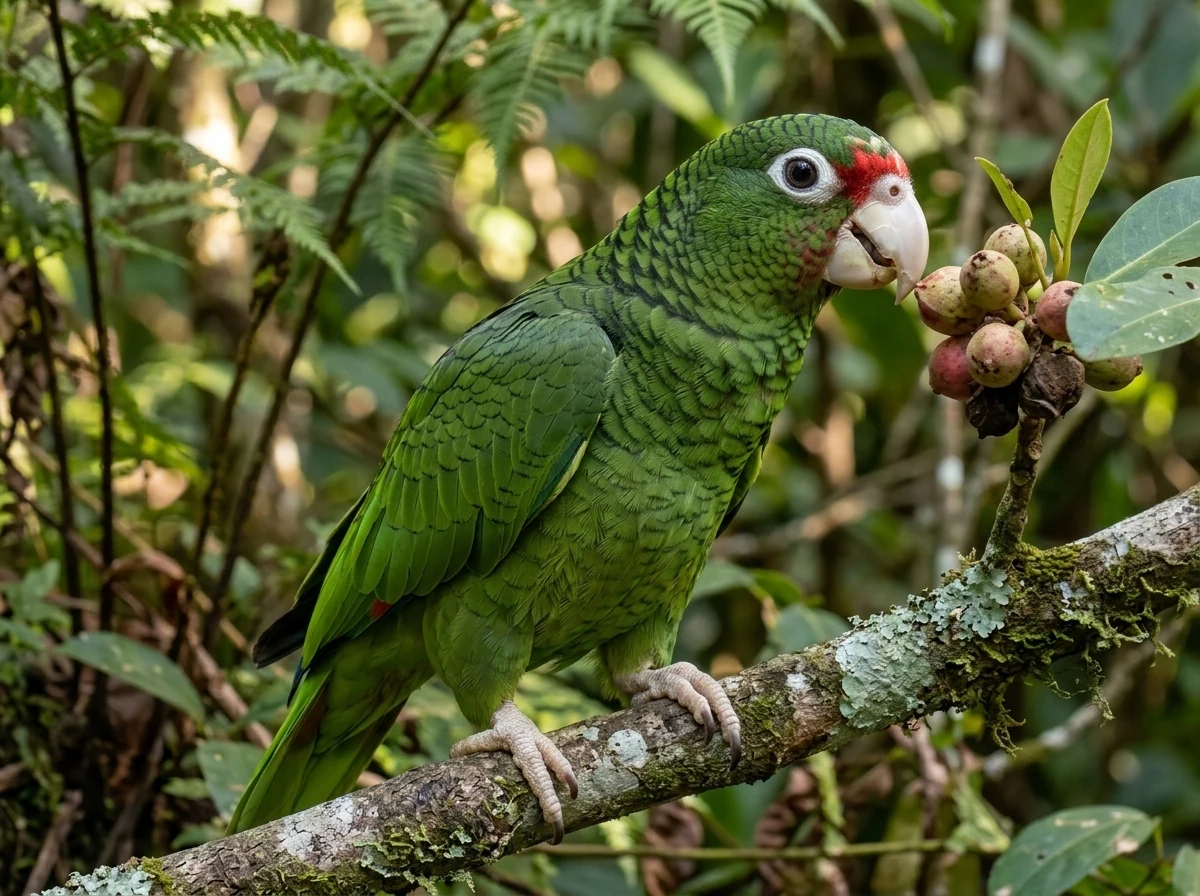
Recovery of Iguaca
Recovery is not one number: it combines survival, breeding, habitat, and separate populations.
Reviewed:From one critical population to a managed network.
The interagency program conserves wild and captive birds, releases individuals, and manages populations at El Yunque, Río Abajo, and Maricao.
Figures change with births, deaths, releases, and counting methods. This guide prioritizes date and source over context-free headlines.
Conservation in action
The guide at a glance
5linked profilesA focused selection connects the guide with verifiable species.
3reading lensesContext, identification, and practical decisions organized by topic.
5primary sourcesAgencies, research, and ornithological organizations support the content.
01
Why several populations matter
Separating populations reduces the risk that one hurricane, disease, or local loss affects the entire species. Each forest presents different habitat and management.
Aviaries, natural and artificial cavities, veterinary care, telemetry, and releases form a system; no one action explains progress.
02
How an observation helps
Describe general place, number, direction, and marks and use official channels. Do not capture, feed, or follow birds.
Respect closures and staff. Public success means seeing natural behavior without adding risk to nests or monitoring.
Linked profiles
Birds to compare
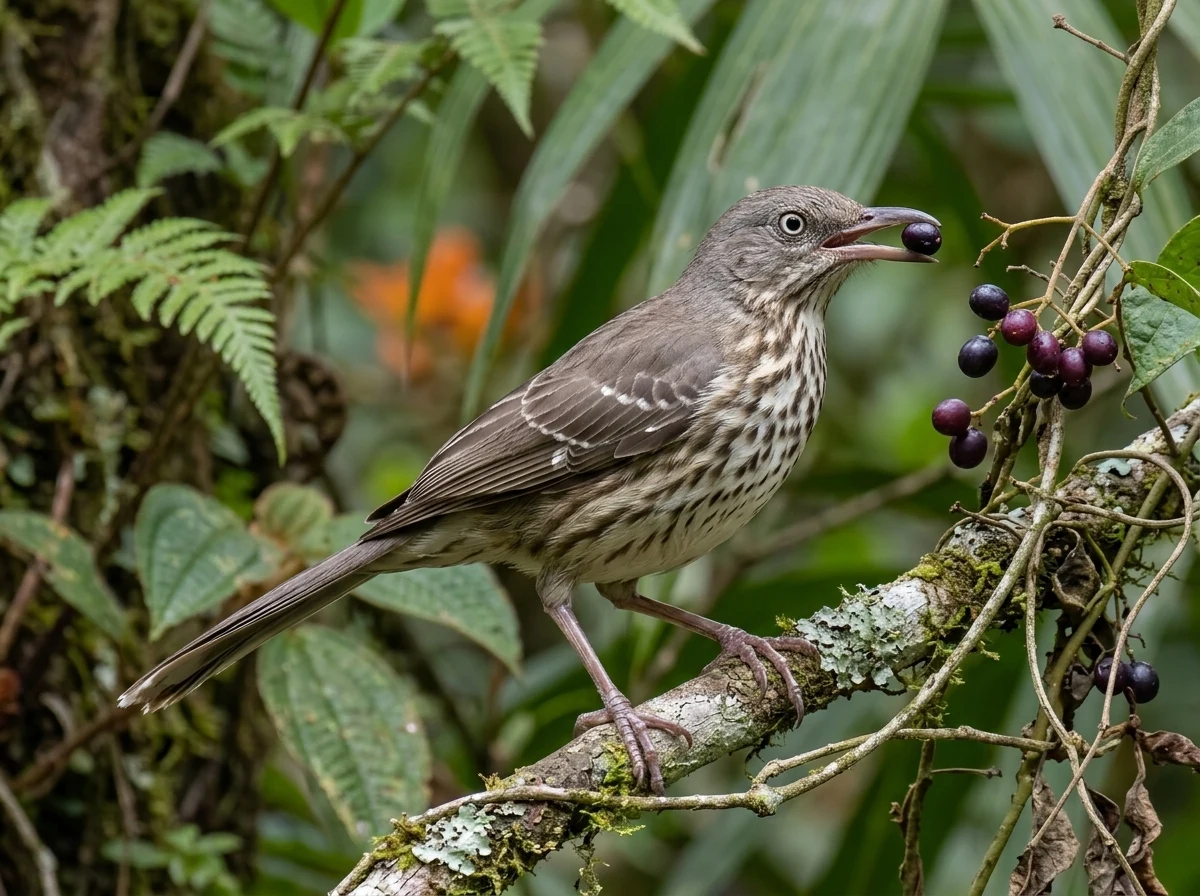
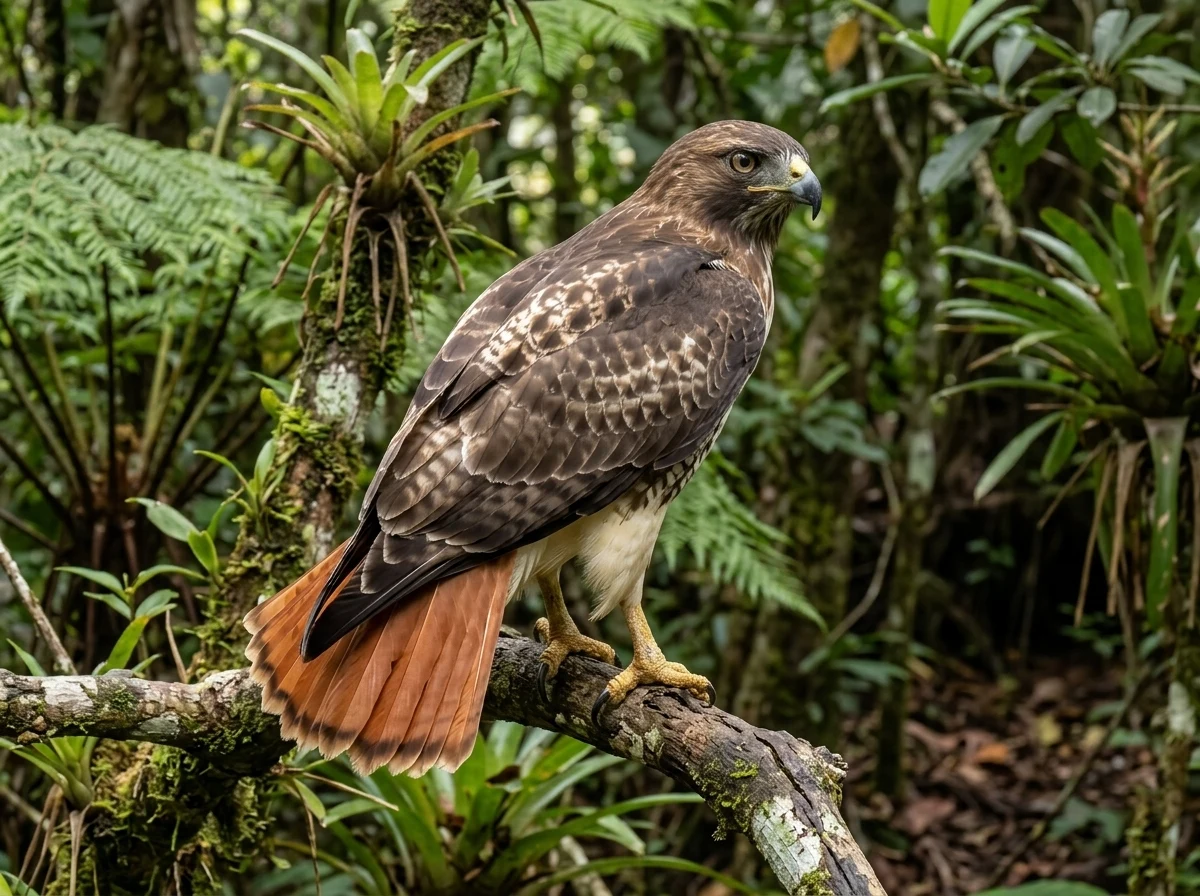
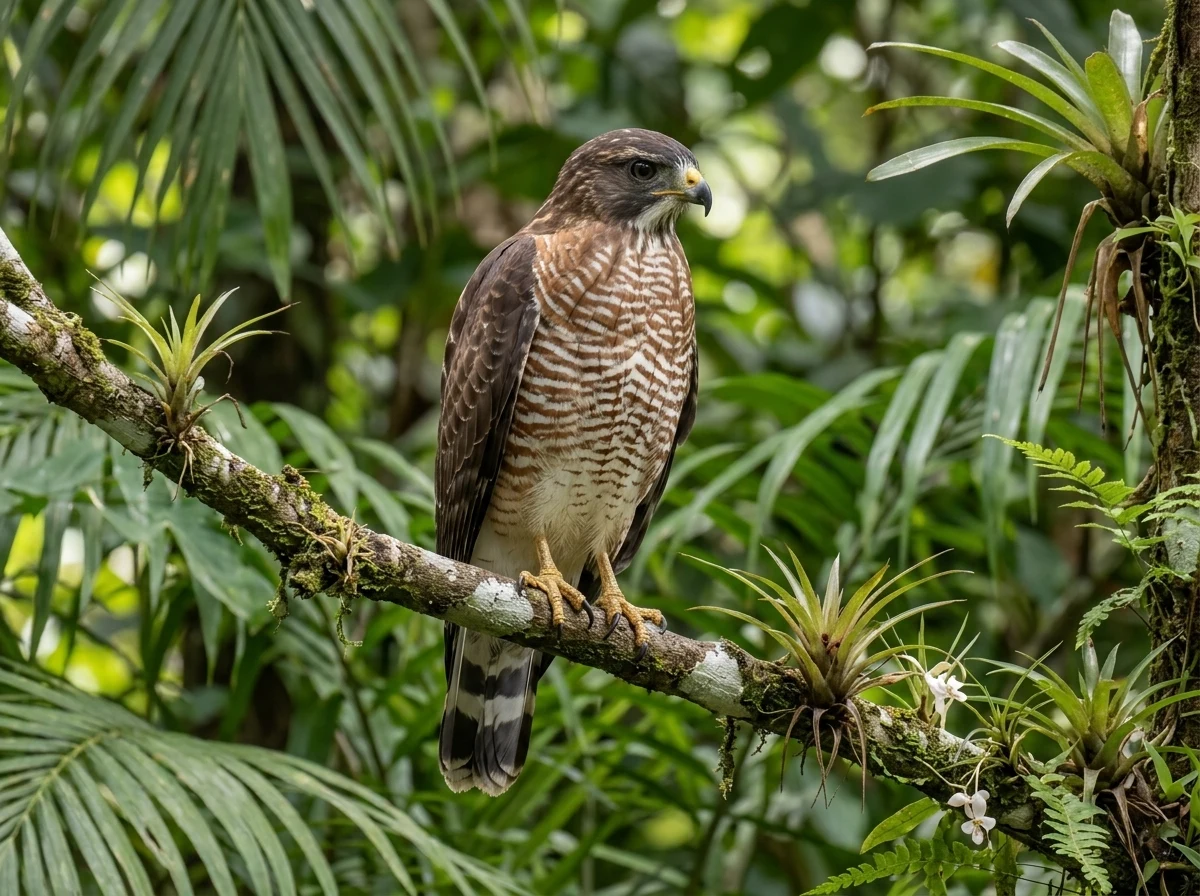
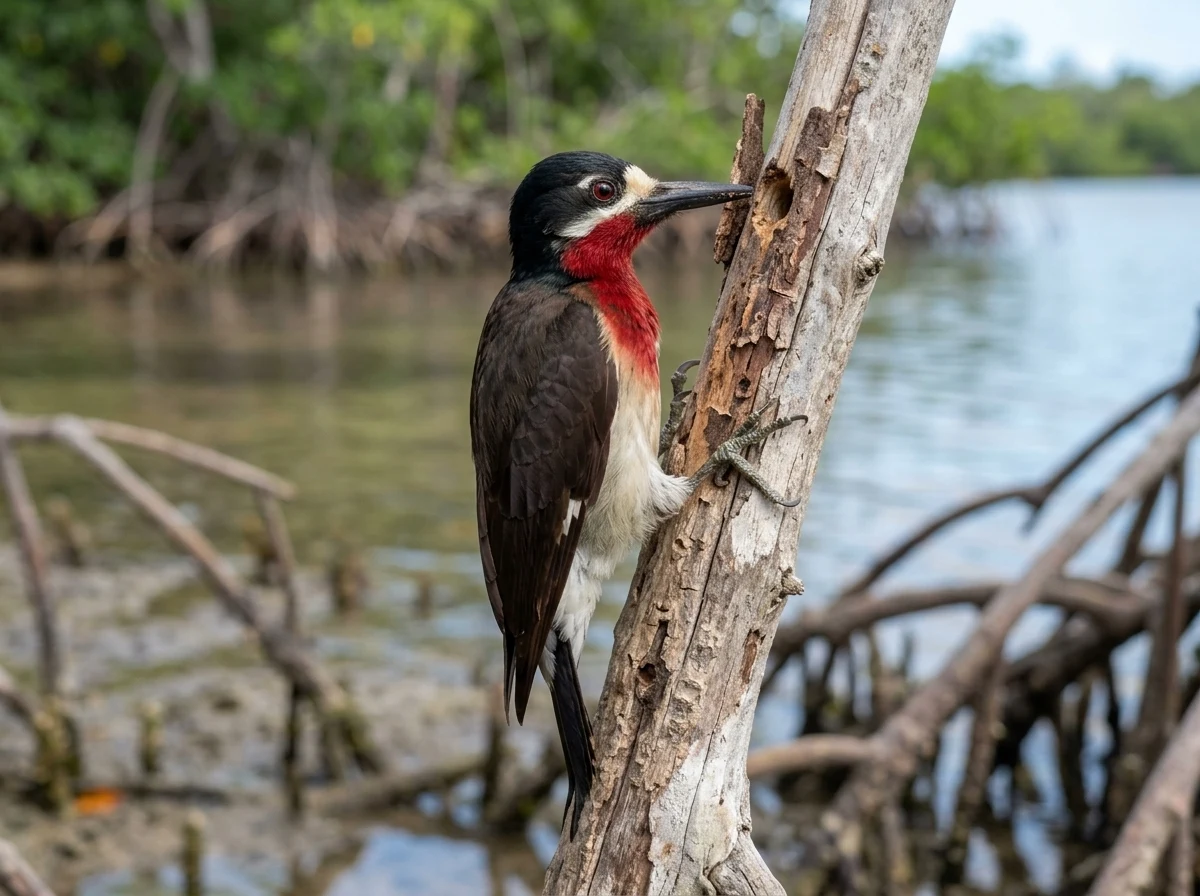
Open each profile to review names, marks, audio, habitat, status, and sources.
01
Where are wild populations?
The program identifies El Yunque, Río Abajo, and Maricao; access and viewing depend on current management.
02
Is the species recovered?
It has progressed but remains managed and conservation-listed; recovery requires sustainable populations over time.
03
How do I verify an identification or claim?
Compare more than one mark, check date and place, open the linked profile, and consult the sources published at the end of the guide.
Keep exploring
Connected routes
Sources and review
The evidence is one link away.
These sources support the editorial scope of this guide. Bird profiles also retain their own taxonomy, occurrence, and conservation references.
Reviewed:
01↗02↗03↗04↗05↗
U.S. Fish and Wildlife Service
Puerto Rican Parrot recovery
Populations, management, and goals of the interagency program.U.S. Fish and Wildlife Service
Puerto Rican Parrot recovery information
Current recovery context and the populations at Río Abajo and El Yunque.U.S. Forest Service
El Portal de El Yunque
Official visitor information and context for the Puerto Rican Parrot recovery program.Departamento de Recursos Naturales y Ambientales
Río Abajo State Forest management plan
Official basis for the limestone forest, its resources, management zones, and conservation.Departamento de Recursos Naturales y Ambientales
Maricao State Forest
Geology, climate, and endemic birds of the western mountain forest.The atlas continues