 AI
AILearn by playing
Habitat Match: Mangrove, Karst, and Coffee
Five birds, three habitats, and one key question: where would you expect each one? Learn to read vegetation and match cards using published evidence.
Reviewed: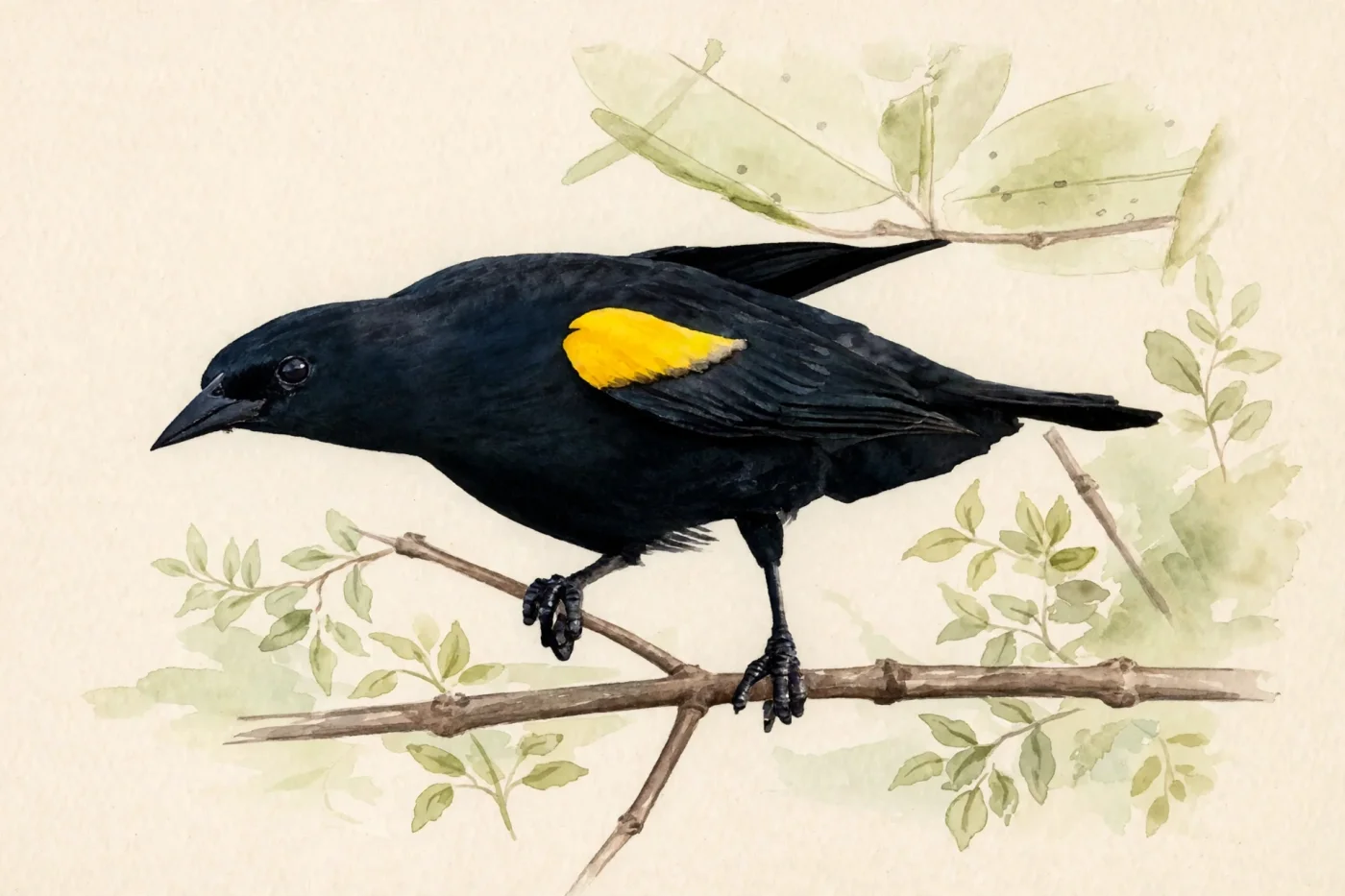
Prepared with AI assistance and linked sources. Illustrations are not field photographs.
How the game works
This game turns three Puerto Rico landscapes into a matching board: coastal mangrove, northern karst, and shade coffee. Each bird has a card, and each habitat has vegetation and structure clues. The goal is not guessing but reasoning: what plants are present, what is the soil like, where do birds nest, and what do they eat?
The sources in this guide describe habitat associations for Mangrove Cuckoo, Yellow-shouldered Blackbird, Puerto Rican Tody, Puerto Rican Tanager, and Green Mango. Some are generalists found in more than one habitat; others are more tied to wet forests or mangrove. Matching well means recognizing that flexibility, not forcing a single answer.
Learn by playing
Three ideas to remember
Tres hábitatsMangrove, karst, and coffeeEach has distinct vegetation and structure that attract different birds.
Generalistas y especialistasNot every bird fits one boxMangrove Cuckoo and Yellow-shouldered Blackbird use several habitats; Puerto Rican Tanager and Green Mango are more associated with wet forests and shade coffee.
Pistas de vegetaciónMangrove, mogote, and coffee shadePlants and canopy height help predict which bird you might find.
01
Mangrove: roots, salt, and coastal refuge
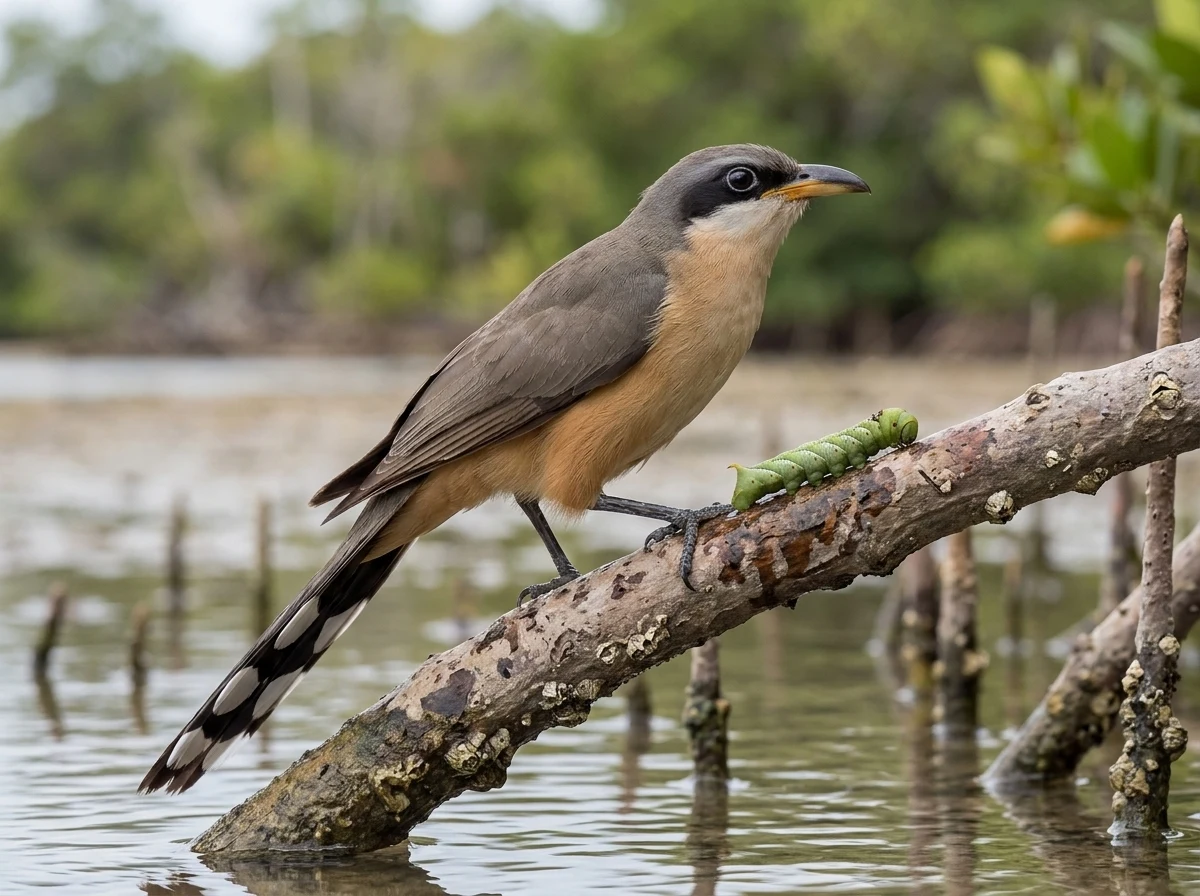
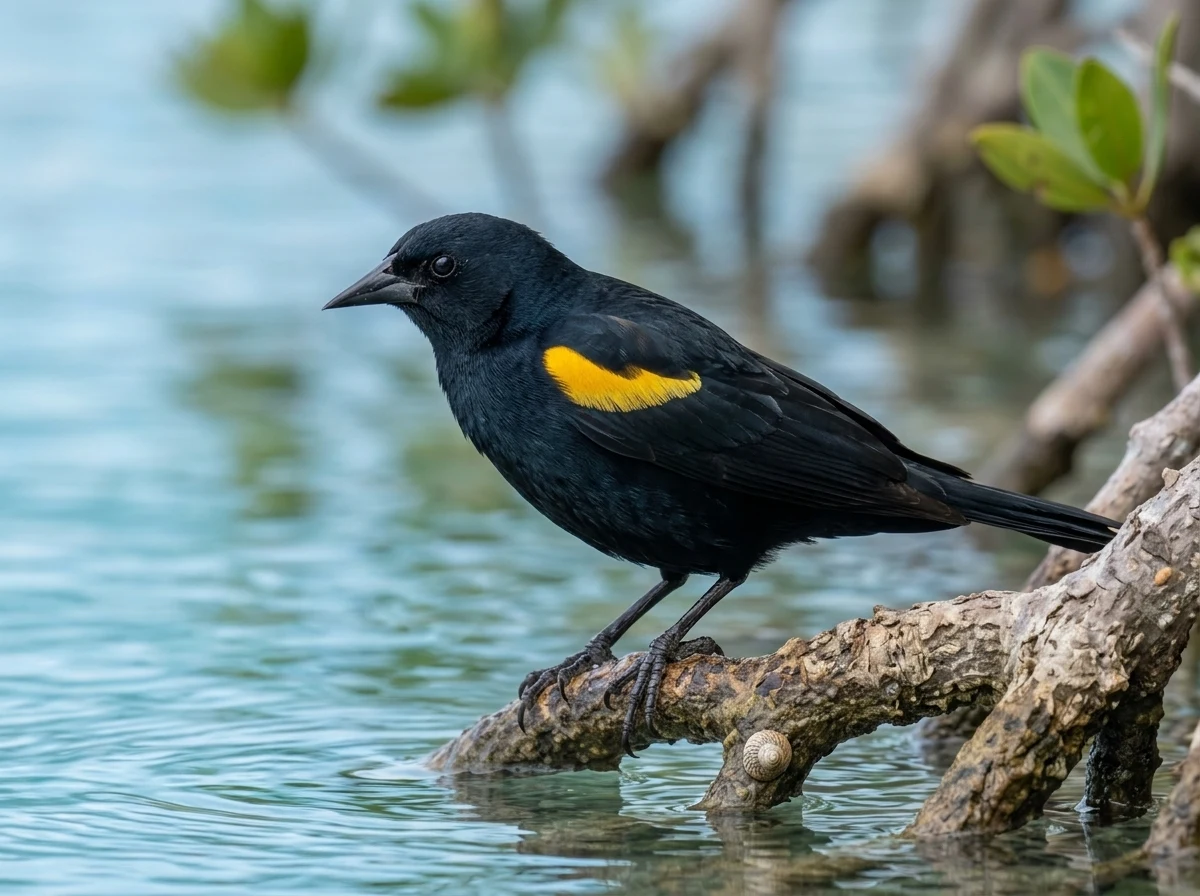
Mangrove is a coastal forest dominated by red mangrove (Rhizophora mangle) and black mangrove (Avicennia germinans). Its roots create refuge for invertebrates and fish, and its closed canopy offers nesting and resting sites. In Puerto Rico, Mangrove Cuckoo (Coccyzus minor) occupies mangroves, and Yellow-shouldered Blackbird (Agelaius xanthomus) nests mostly in mangroves on the main island, though it also uses coastal scrub and urban areas.
For the game, the mangrove card should include clues like aerial roots, brackish water, and dense canopy. Yellow-shouldered Blackbird is a good example of a species that depends on mangrove for nesting but is not limited to it. Mangrove Cuckoo also appears in mangroves, though sources indicate it can use other forests and scrub.
02
Karst: mogotes, caves, and dense forest
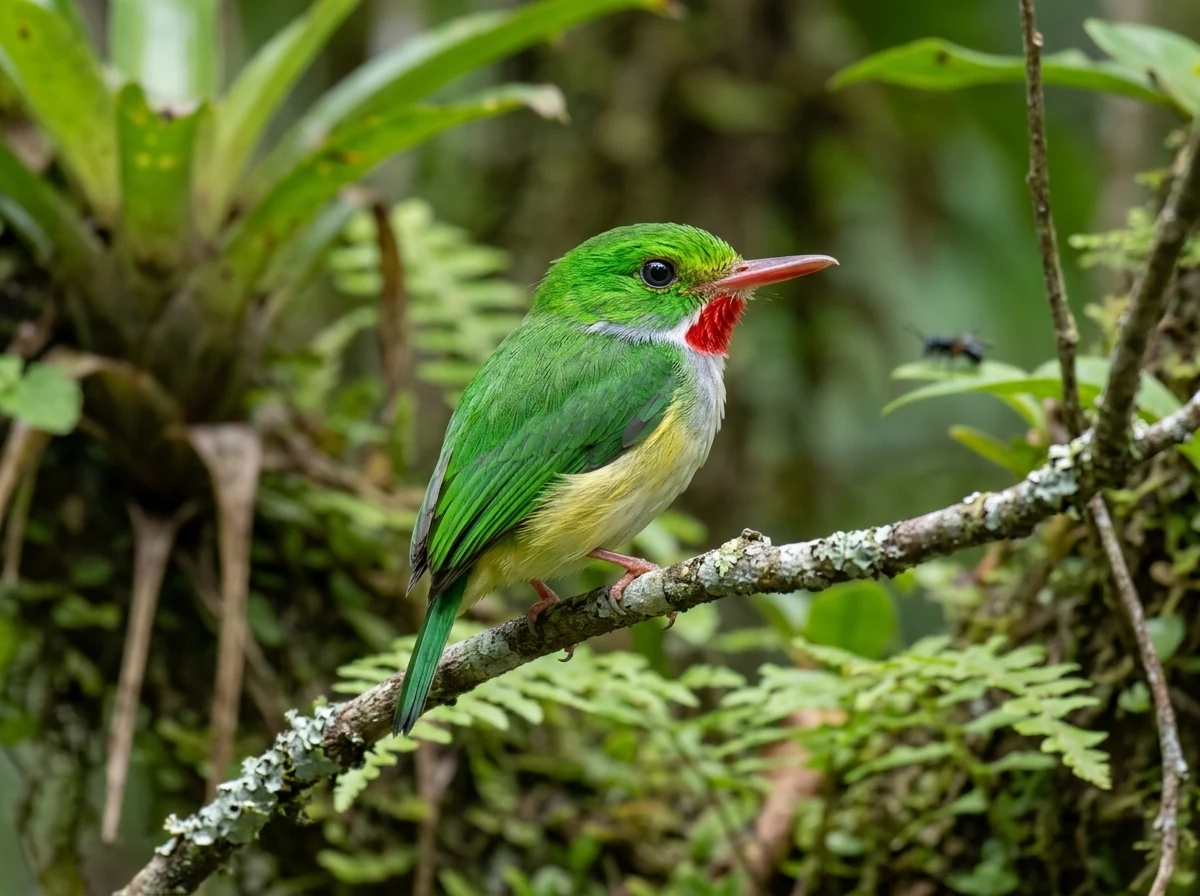
The karst of northern Puerto Rico is a landscape of limestone hills, mogotes, sinkholes, and caves. Vegetation ranges from dry forest to wet forest, and the terrain creates refuges and corridors. Sources describe Mangrove Cuckoo as occurring in karst forest, and Puerto Rican Tody (Todus mexicanus) as using forests, woodlands, karst, and coffee and shade plantations.
The karst card can include clues like exposed limestone, steep slopes, and variable canopy. Puerto Rican Tody is an endemic bird that nests in ground burrows, so suitable soil and cover matter. Mangrove Cuckoo, despite its name, has also been recorded in karst forest, making it a wild card.
03
Shade coffee: canopy, flowers, and forest birds
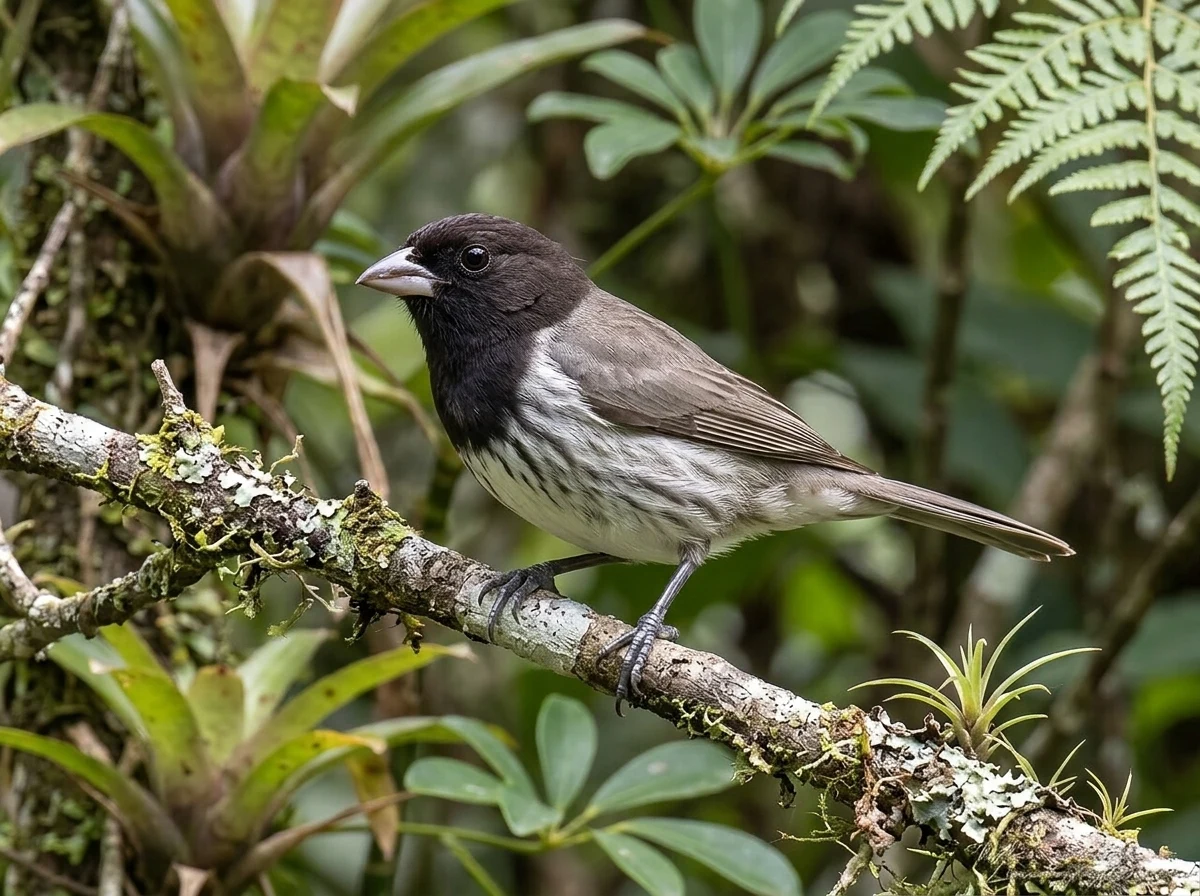
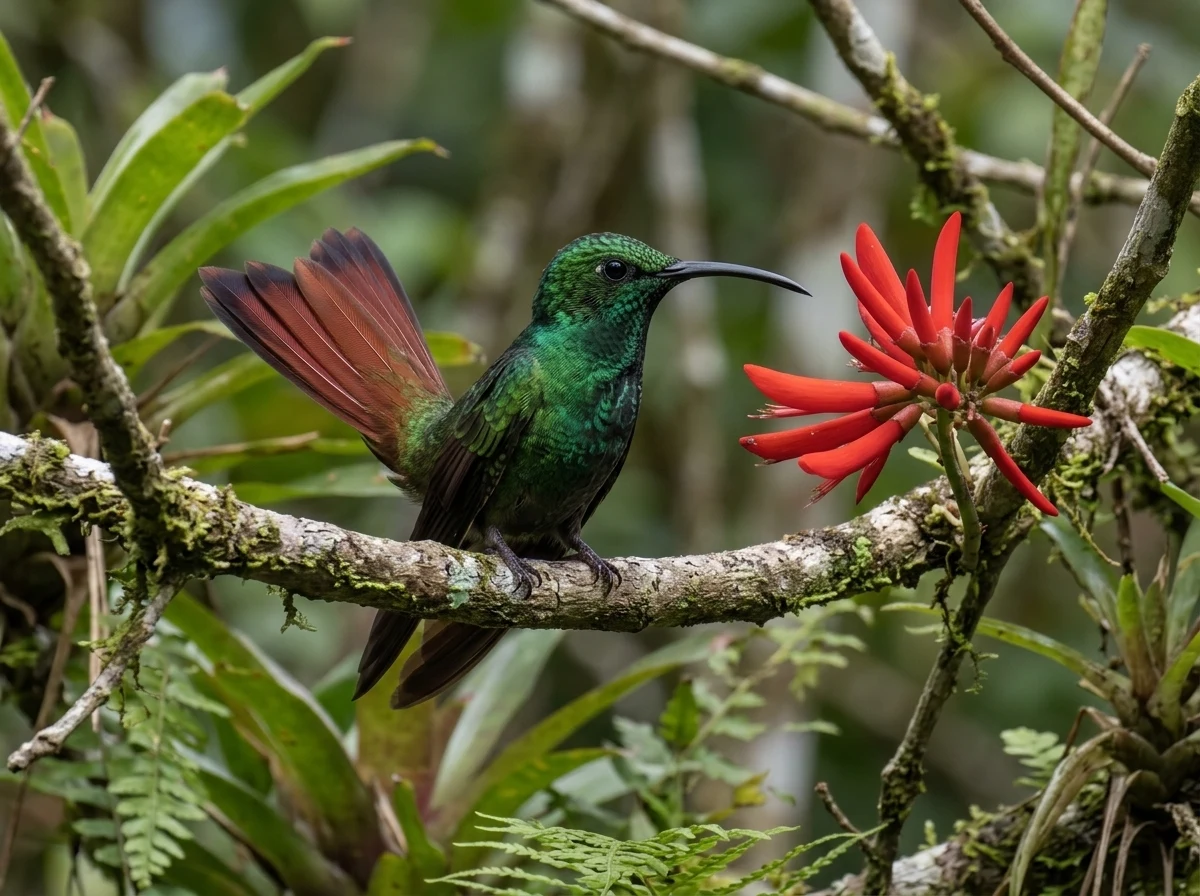
Shade coffee is an agricultural system with trees forming a canopy over coffee plants. That shade creates a cooler, moister environment than sun coffee and can resemble a forest. Sources indicate Mangrove Cuckoo occupies coffee plantations in Puerto Rico, and Puerto Rican Tanager (Nesospingus speculiferus) and Green Mango (Anthracothorax viridis) are associated with shade coffee and montane wet forests.
The shade coffee card should include clues like shade trees, flowers, nectar, and continuous canopy. Puerto Rican Tanager is a wet forest and coffee bird, while Green Mango is a hummingbird that feeds on nectar and may visit flowers in these systems. Mangrove Cuckoo appears again, reinforcing that some birds are generalists.
04
Checklist and observation procedure
Before heading out, prepare a list with three columns: mangrove, karst, and coffee. Note for each bird the vegetation clues you would expect to see. Bring binoculars, a notebook, and a field guide. If you visit a mangrove, look for aerial roots and brackish water; in karst, observe limestone and slopes; in coffee, identify shade trees and flowers.
While observing, walk slowly and quietly. Note the time, habitat, and bird behavior. You do not need to identify every species to learn: the exercise is matching what you see with the clues. If you do not see a bird, still record the habitat and plants; that is also useful evidence.
Linked profiles
The birds in the game
Each card summarizes a habitat association documented in the sources.
01
Does Mangrove Cuckoo live only in mangroves?
No. Sources indicate it occupies mangroves but also coffee plantations, forests, thickets, parks, and karst forest in Puerto Rico. Its name reflects a strong association, not an exclusive one.
02
Where does Yellow-shouldered Blackbird nest?
More than 90% of nests on the main island are in mangroves, according to the source. It can also nest in palms, broadleaved trees, and human-made structures.
03
Which bird is endemic and nests in burrows?
Puerto Rican Tody (Todus mexicanus) is endemic to Puerto Rico and nests in ground burrows. It is associated with forests, karst, and shade coffee.
04
Are Puerto Rican Tanager and Green Mango found in mangrove?
Sources associate them with montane wet forests and shade coffee, not coastal mangroves. They are better cards for coffee and wet forest.
05
Can I use this game in a class?
Yes. It is a suggested educational activity. Print cards with the birds and habitats, and ask students to justify each match with vegetation and structure clues.
Keep exploring
Connected routes
Sources and review
The evidence is one link away.
These sources support the editorial scope of this guide. Bird profiles also retain their own taxonomy, occurrence, and conservation references.
Reviewed:
01↗02↗03↗04↗
Cornell Lab of Ornithology (Birds of the World)
Habitat - Mangrove Cuckoo - Coccyzus minor
Evidence for cited sections; consult the original document.USDA Forest Service, International Institute of Tropical Forestry
Puerto Rican Karst—A Vital Resource
Evidence for cited sections; consult the original document.Cornell Lab of Ornithology (Birds of the World)
Yellow-shouldered Blackbird - Agelaius xanthomus - Birds of the World
Evidence for cited sections; consult the original document.Cornell Lab of Ornithology (eBird)
Puerto Rican Tody Todus mexicanus
Evidence for cited sections; consult the original document.The atlas continues