 AI
AIMogotes and caves
Birds of the karst
Limestone creates relief, drainage, and refuges: karst is a habitat network.
Reviewed:Geology organizes communities.
Mogotes, sinkholes, valleys, caves, and cliffs create variable moisture and structure. Río Abajo represents humid karst; the southwest links limestone and dry forest.
Vegetation, rain, continuity, and disturbance change the list. Use habitat to form expectations and confirm with voice, shape, and behavior.
Mogotes and caves
The guide at a glance
8linked profilesA focused selection connects the guide with verifiable species.
3reading lensesContext, identification, and practical decisions organized by topic.
5primary sourcesAgencies, research, and ornithological organizations support the content.
01
Humid northern karst
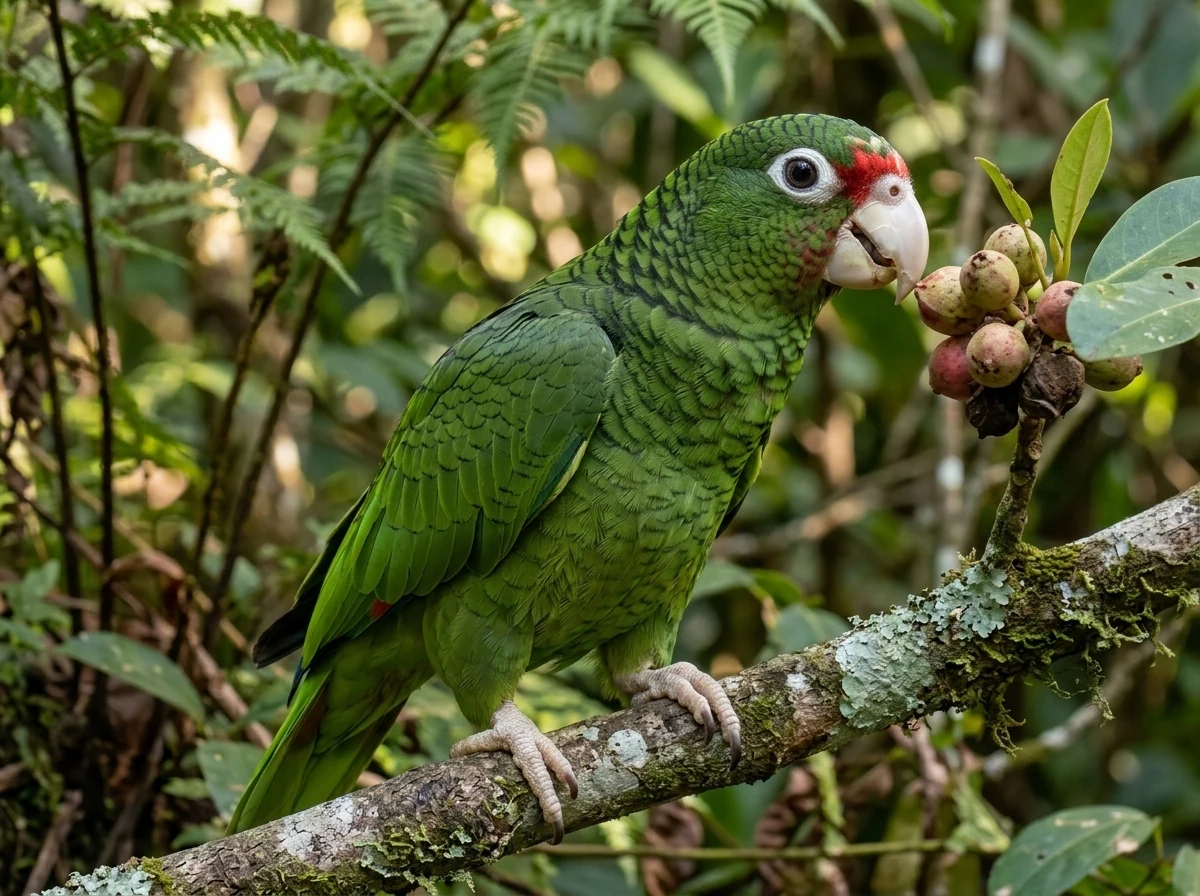
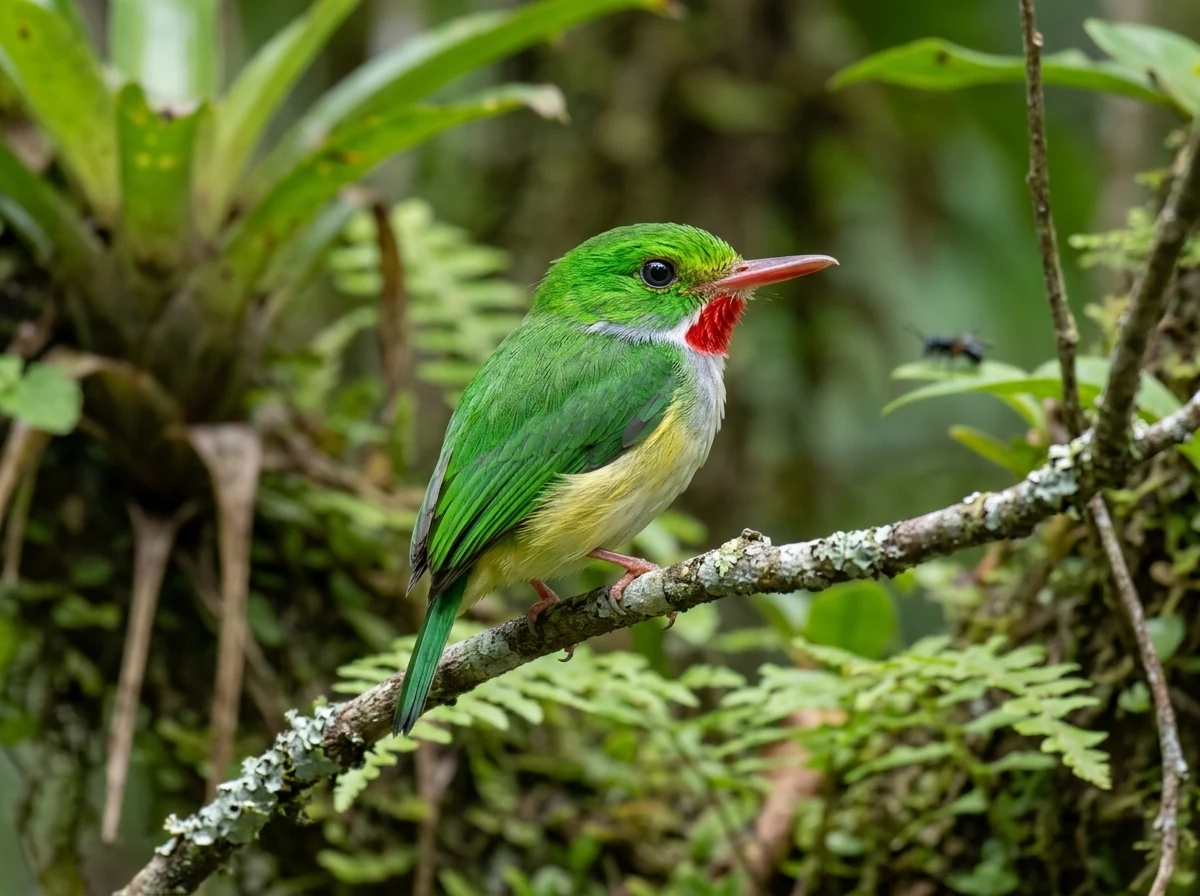
Río Abajo offers canopy, cavities, and corridors for parrots and forest birds such as Woodpecker, Tody, Vireo, and Bullfinch.
Public roads show only part of the mosaic. Do not enter caves, aviaries, or closed land or follow flocks into management areas.
02
Dry karst and night
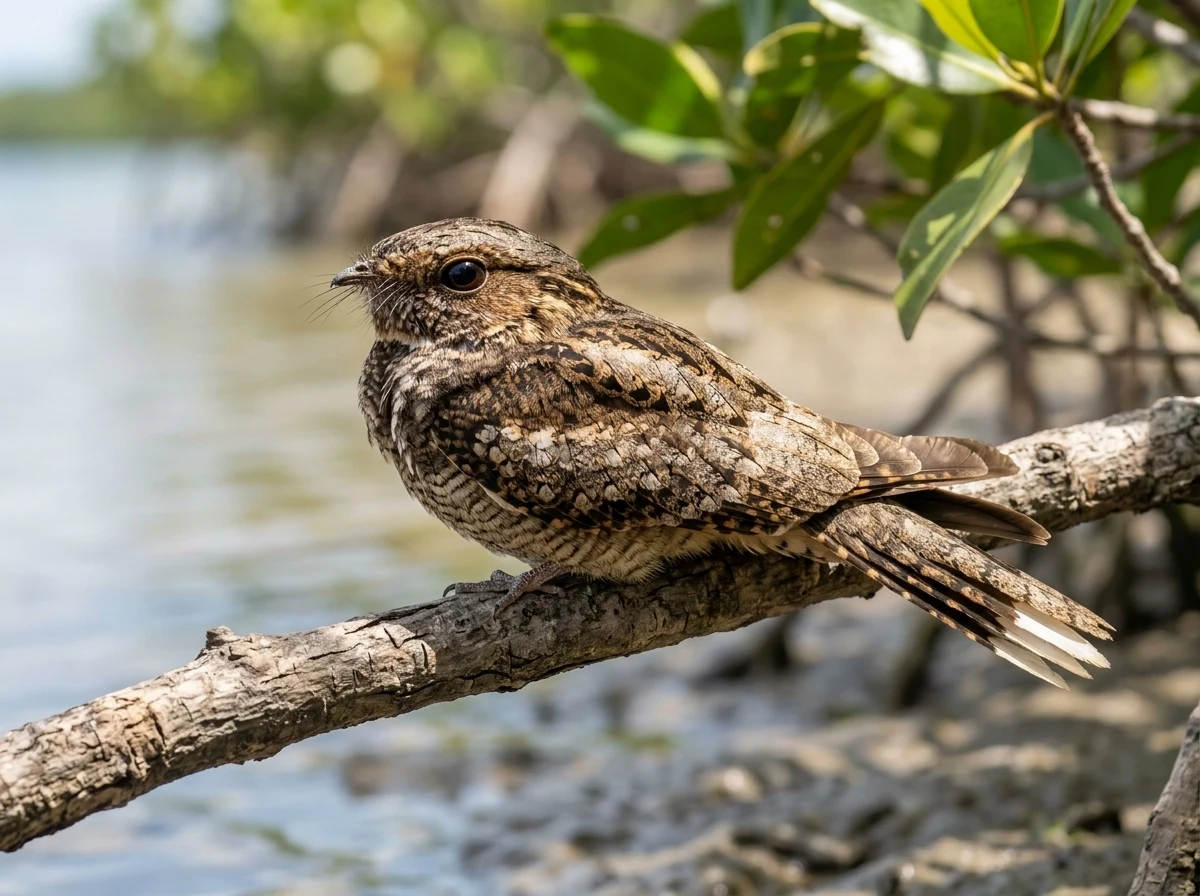
Puerto Rican Nightjar depends on dry and limestone forest and is detected by voice. Hearing it does not justify approaching or repeated playback.
Listen from permitted routes with discreet walking light. Preserve darkness and avoid altering feeding, courtship, or nesting.
Linked profiles
Birds to compare
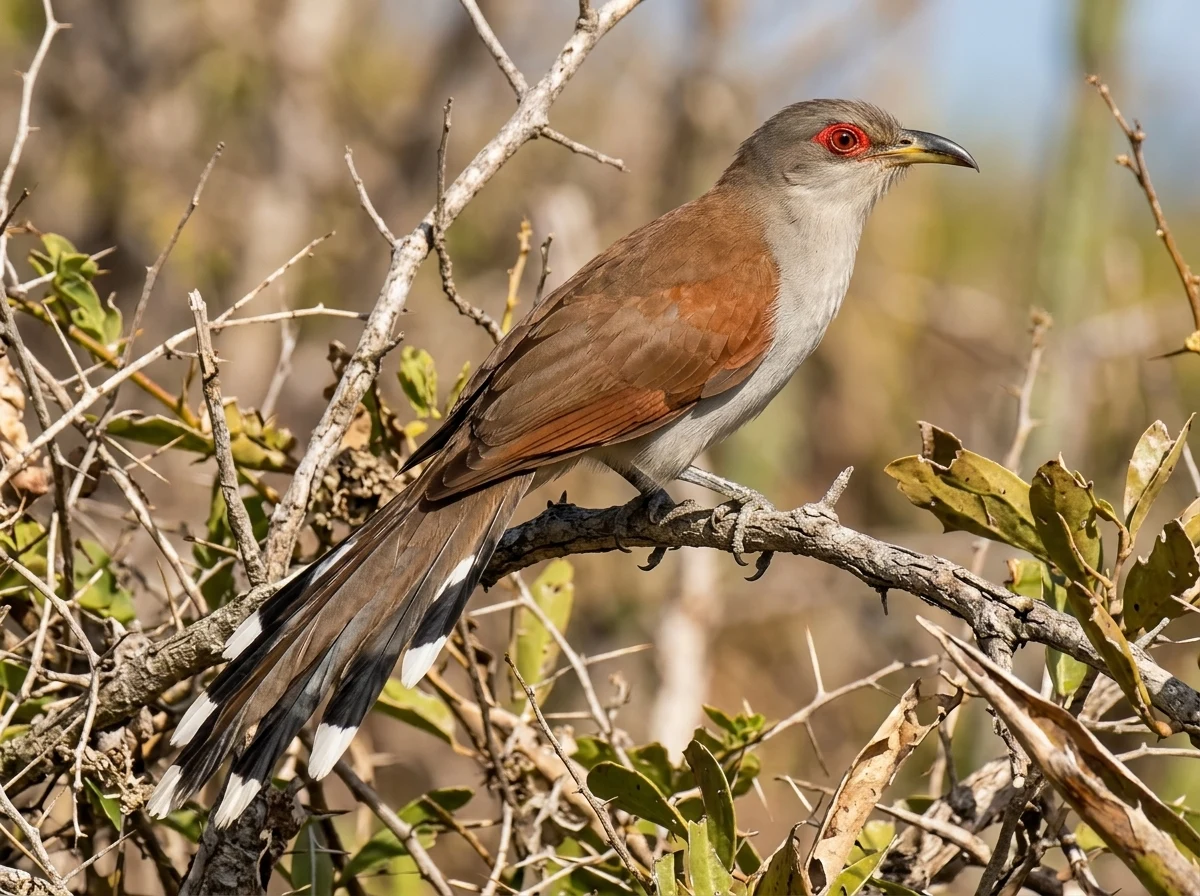
Open each profile to review names, marks, audio, habitat, status, and sources.
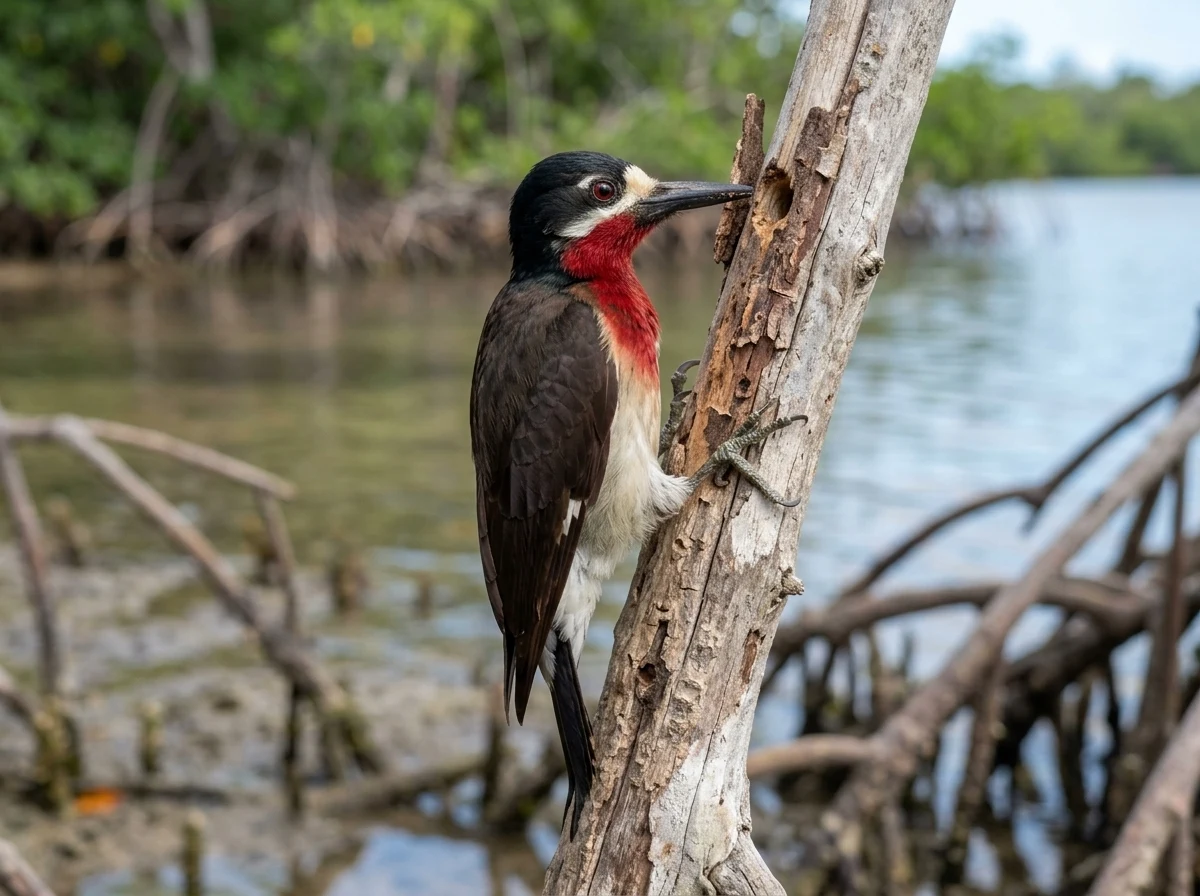
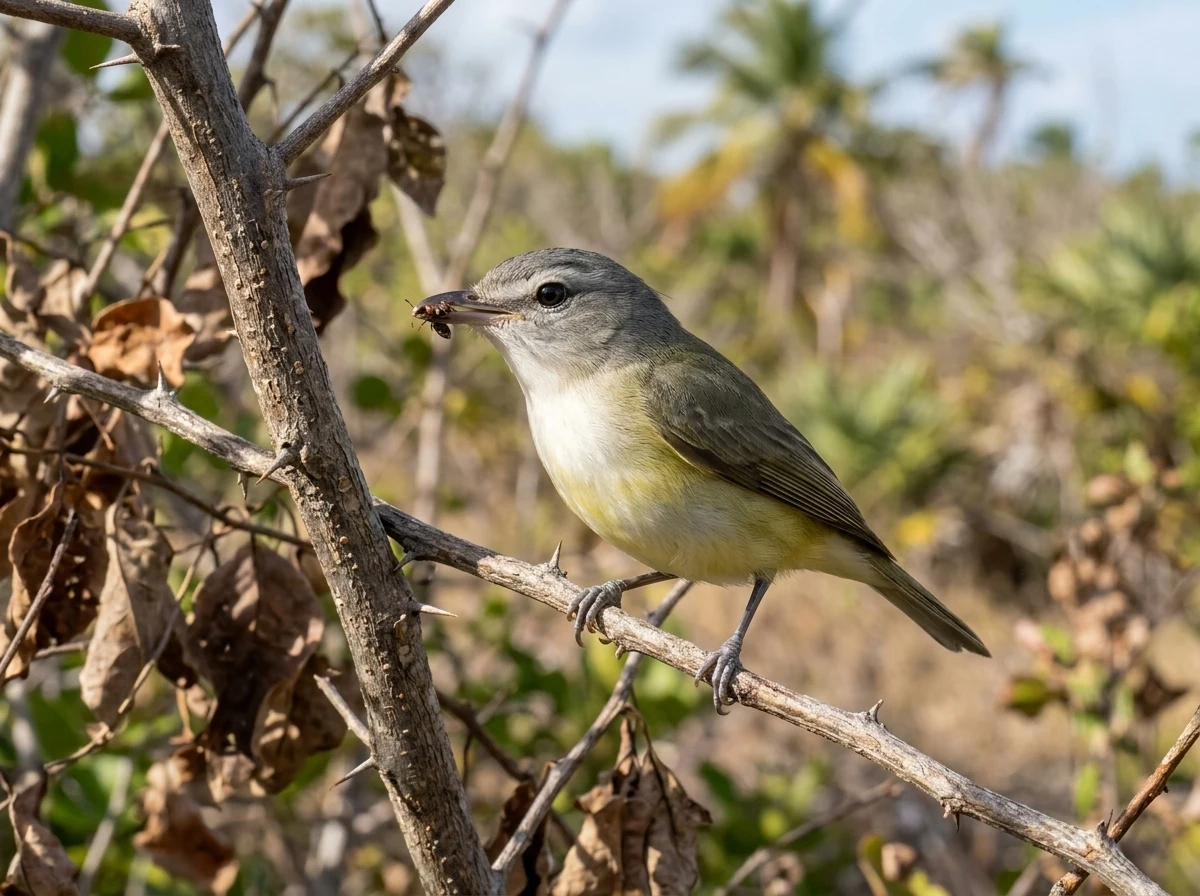
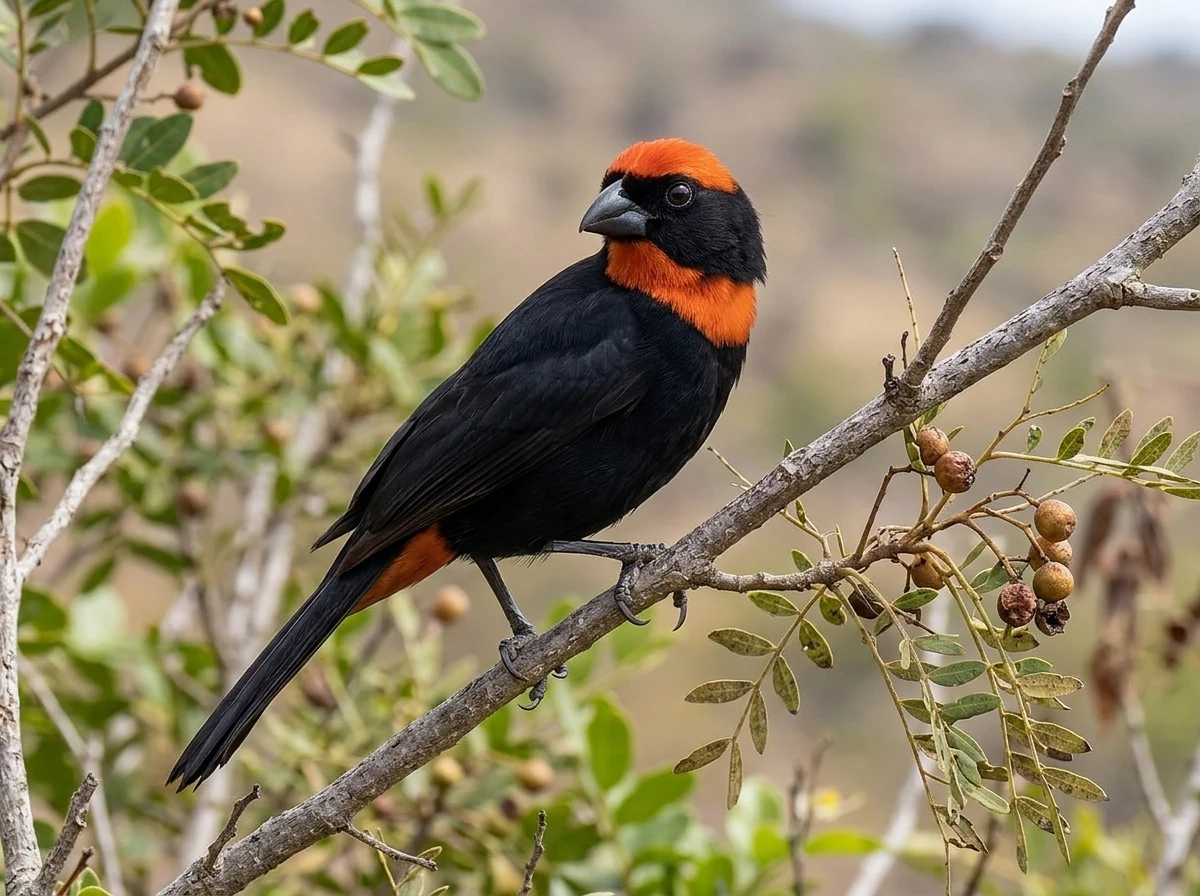
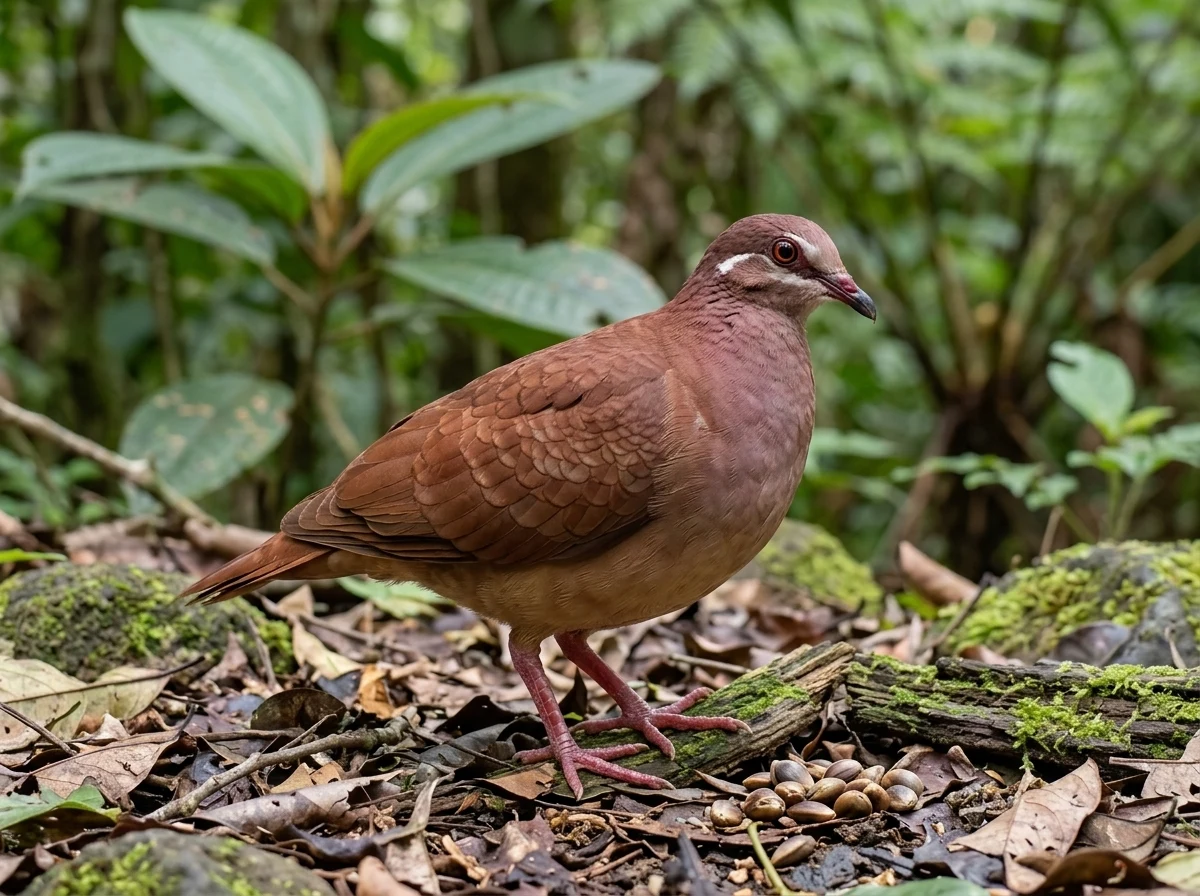
Sound archive
Hear its voice
Explore real songs and calls. The spectrogram turns each sound into a visual trace of time and frequency.
XC308516Recording 1 of 3song

Play: song by Ross Gallardy
Choose another recording
Sound recorded by Ross Gallardy · XC308516 · CC BY-NC-SA 4.0. Visualization by Stichting Xeno-canto voor Natuurgeluiden.
Every recording retains the creator, catalogue number, and license published by Xeno-canto. Metadata via GBIF ↗
01
What is karst?
A soluble-rock landscape with hills, sinkholes, caves, and distinctive drainage that shapes forest.
02
Are Río Abajo and Guánica alike?
No. They share limestone, but rainfall, vegetation, and communities differ sharply.
03
How do I verify an identification or claim?
Compare more than one mark, check date and place, open the linked profile, and consult the sources published at the end of the guide.
Keep exploring
Connected routes
Sources and review
The evidence is one link away.
These sources support the editorial scope of this guide. Bird profiles also retain their own taxonomy, occurrence, and conservation references.
Reviewed:
01↗02↗03↗04↗05↗06↗
Departamento de Recursos Naturales y Ambientales
Río Abajo State Forest management plan
Official basis for the limestone forest, its resources, management zones, and conservation.Departamento de Recursos Naturales y Ambientales
Guánica State Forest
Official reference on access and endemic species observed in the forest.U.S. Forest Service Research and Development
Checklist of birds of Guánica Forest
Scientific reference checklist for the dry-forest bird community.U.S. Fish and Wildlife Service
Puerto Rican Nightjar
Federal identity and status reference for the endemic nightjar.U.S. Fish and Wildlife Service
Puerto Rican Parrot recovery
Populations, management, and goals of the interagency program.Sociedad Ornitológica Puertorriqueña
Official bird list
Local names, occurrence categories, and the public summary of 17 endemics.The atlas continues