 AI
AIFieldcraft
Ethics for watching shorebirds on Puerto Rico beaches
How to approach, when to go, and the signals that tell you you are already too close.
Reviewed: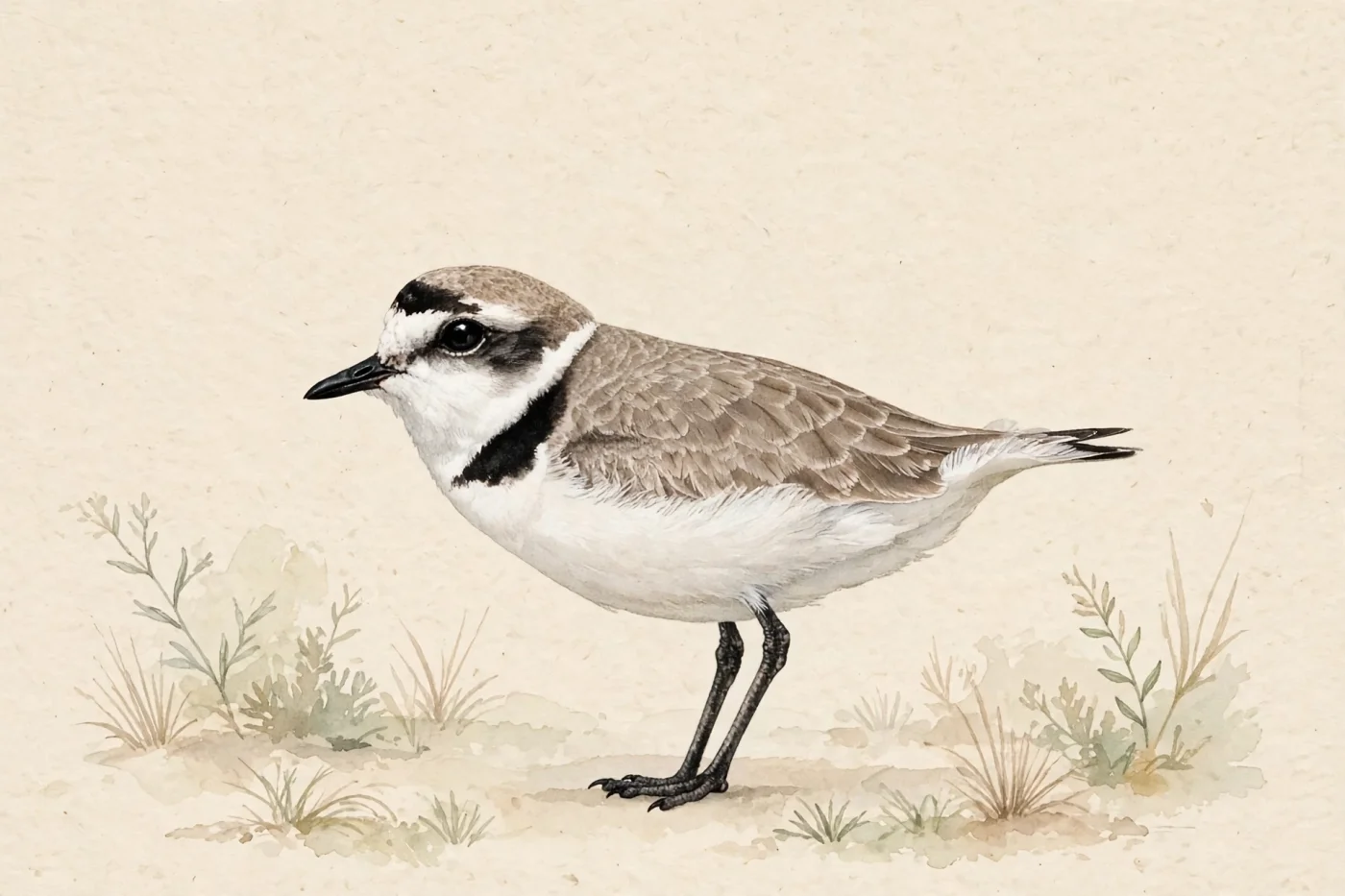
Prepared with AI assistance and linked sources. Illustrations are not field photographs.
The rule that sums it up
The reader's question has a short answer: if the bird notices you, you are already too close. That is the rule the U.S. Fish and Wildlife Service offers the public, and it is the most useful one because it does not depend on measuring meters in the sand. A shorebird that interrupts feeding to watch you loses foraging time; one that flees spends energy it needed for migration or breeding.
This guide translates that rule into concrete procedures for Puerto Rico beaches: reference distances, how to use tide and time of day, how to avoid disturbing roosts and colonies, and species notes for plovers, oystercatchers, and terns. It does not replace posted signs or local regulations: if an area is closed, that closure overrides any general advice.
Fieldcraft
Three ideas to remember
25 ydMinimum reference distanceAudubon recommends at least 25 yards from beach-nesting birds, especially chicks.
100 ftDistance if you find a nestBirdsCaribbean asks for at least 100 feet from a nest so parents are not alarmed.
Si te nota, ya es tardeUniversal signalIf the bird changes its behavior because of you, back away.
01
Distances that work in practice
There is no single distance for every situation. Audubon recommends a minimum of 25 yards (about 23 meters) from beach-nesting birds, including adults incubating or feeding chicks and chicks that cannot yet fly. BirdsCaribbean, in turn, asks for at least 100 feet (about 30 meters) if you find a nest. The difference is not a contradiction: they are minimum floors for different contexts. In practice, use the greatest distance that still lets you observe well, and increase separation if the bird changes posture, stops feeding, or looks toward you.
Distance also depends on the observer. A large group of people is potentially more disturbing than a single person and may require more separation. A dog, even on a leash, is perceived as a predator by nesting birds and can cause adults to flee at greater distances than from a pedestrian alone. If you carry binoculars or a telephoto lens, you do not need to get closer: that optical advantage is precisely what makes ethical observation possible.
02
How to know you are disturbing them
Human disturbance is defined as an activity that causes an individual or group of shorebirds to alter their normal behavior. The signs are not always dramatic. Some birds freeze in place instead of flying, or adopt a hunched, defensive, or pre-flight stance. If you see those changes, back away. Other signs include the broken-wing display, typical of plovers, which simulates an injury to distract a potential predator; dive-bombing; and alarm calls or noisy circling over your head, which indicate you are near a colony.
The cost of disturbance is concrete. When an adult leaves the nest out of fear, eggs and chicks are exposed to predators such as gulls and other birds, to being trampled, and to overheating in the sun. A single disturbance can be enough for adults to abandon the nest or chicks. That is why ethics here is not just courtesy: it is the difference between a brood that survives and one that does not.
03
Tide, time, and the roost problem
Shorebirds use the intertidal zone to feed, and the tide decides where that zone is. When the tide rises, birds concentrate in less space and often gather to rest at roosts. That is the moment of greatest vulnerability: a single person who gets too close can displace the whole group. The practical recommendation is to watch from a distance when birds are gathered and still, and not to walk among them or toward the water through the group. Do not position yourself in the direct line between the nest or chicks and the water, because that can prevent the family from going down to feed.
As for time of day, the consulted sources do not set a single schedule for watching shorebirds. What is clear is that repeated disturbance reduces feeding time and that birds need to eat enough to gain weight before migrating. A practical criterion is to avoid the hours of heaviest human beach use if you can choose, and above all not to chase birds to make them fly. Never advance on a bird or a flock with the intention of making them fly: that disrupts resting, foraging, or hunting and makes them expend energy unnecessarily.
04
Species notes: plovers, oystercatchers, and terns
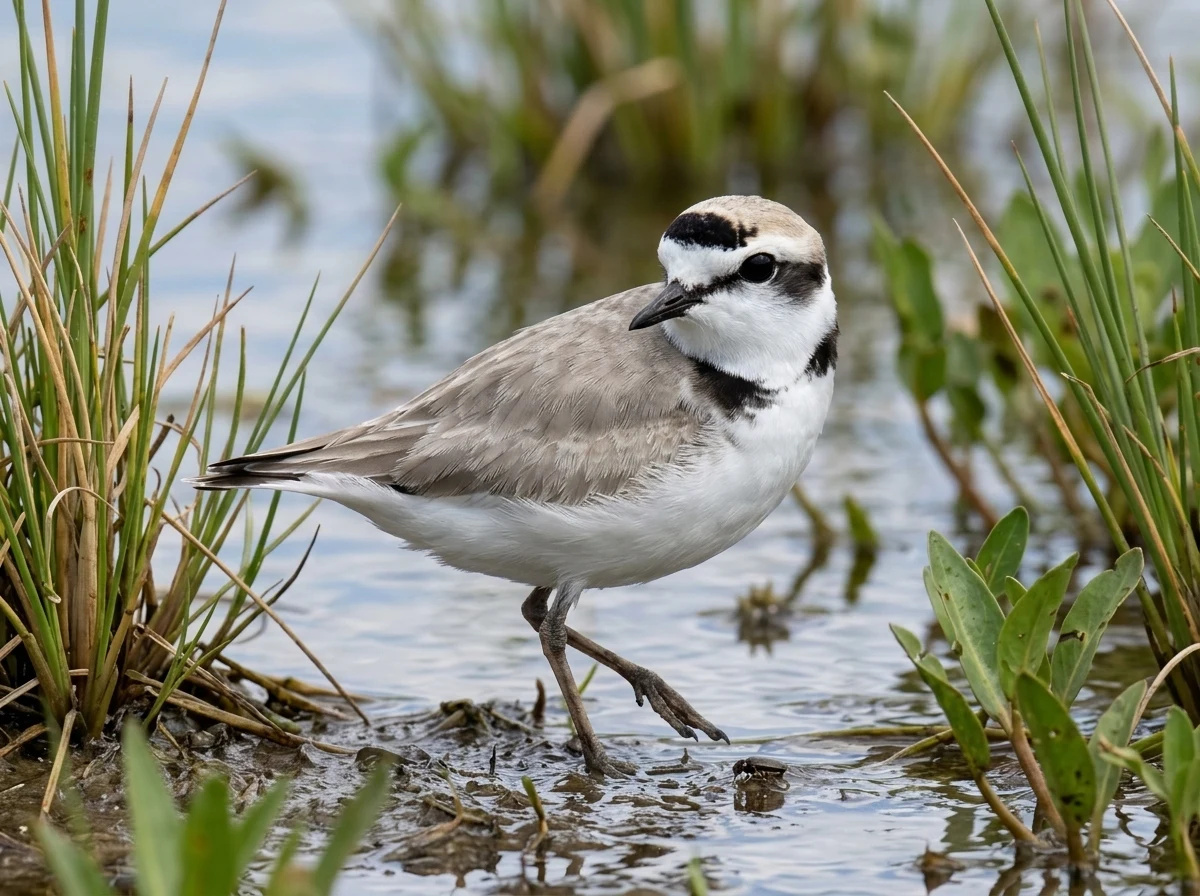
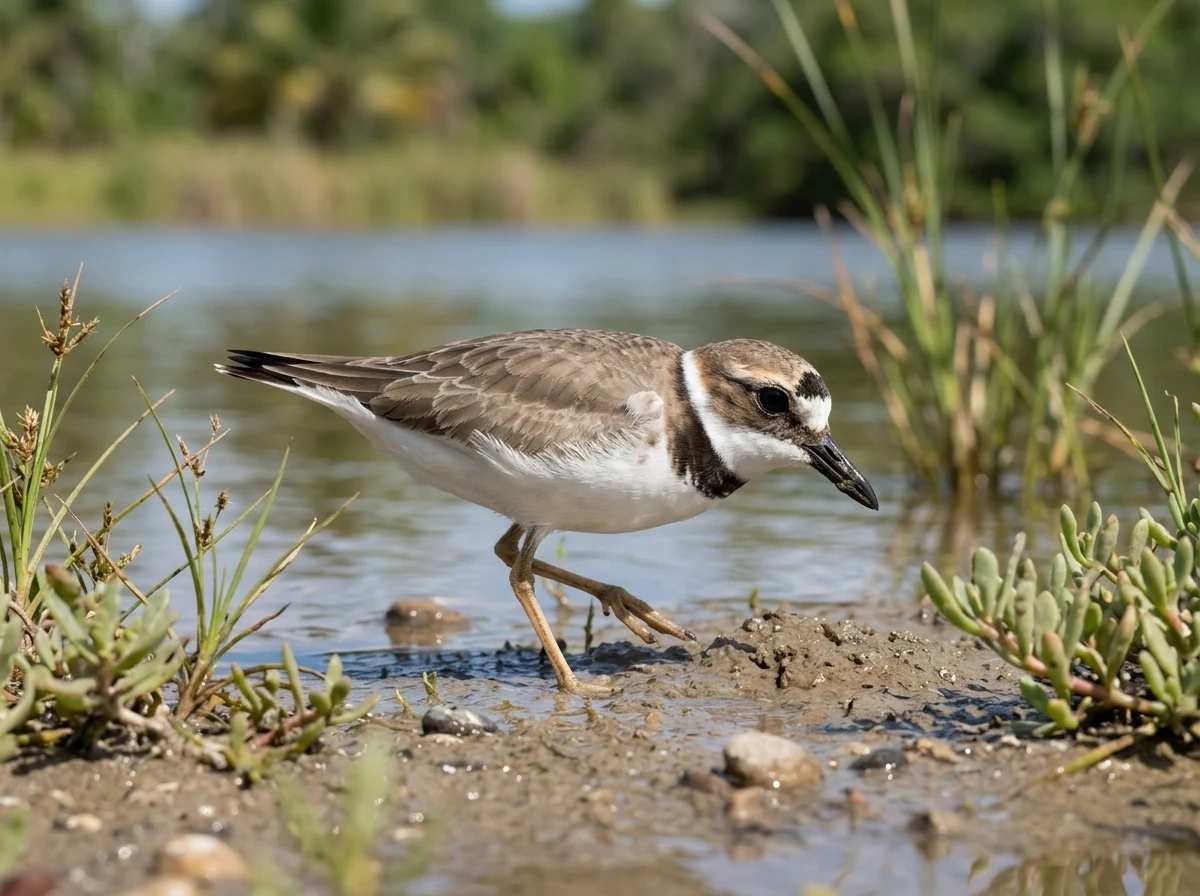
The Snowy Plover and Wilson's Plover are small shorebirds that nest on the ground in a shallow depression called a scrape, on open sand, salt flats, and coastal lagoons. Their eggs and chicks blend into the sand, so the risk of stepping on them is real. Plovers are the ones most likely to perform the broken-wing display. If you see it, walk away: the bird is fine and is only trying to lead you away from the nest. The Snowy Plover is listed as near threatened globally, and its main threats include habitat destruction and frequent disturbance from recreational beach use.
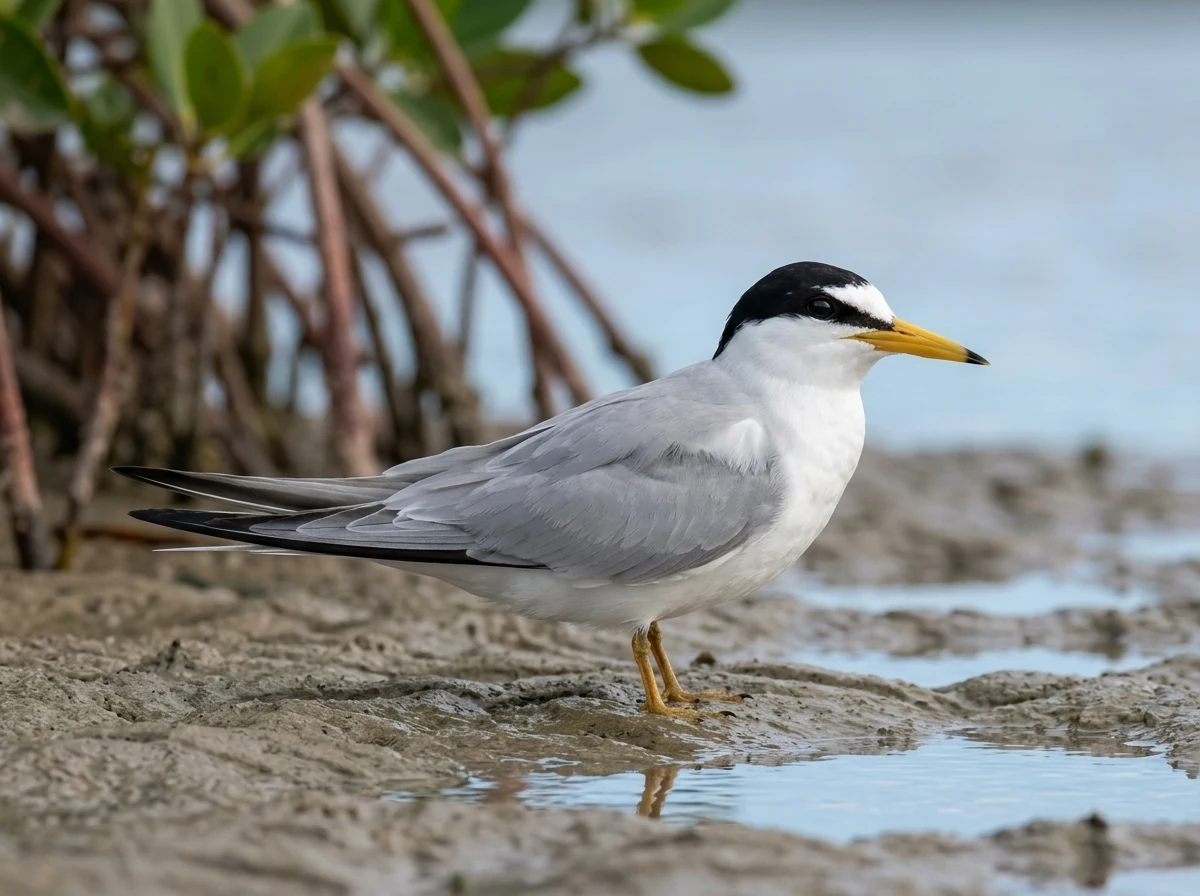
The American Oystercatcher is a large black-and-white bird with a thick orange bill that nests on the ground or on rock and feeds on rocky and sandy coasts, mudflats, and cays. Because of its size and exposed nest, it is also vulnerable to trampling and disturbance. The Least Tern is a small tern that nests in colonies on beaches, salt flats, and coastal cays; its colonies may respond with dive-bombing and alarm calls, so give them a wide margin and do not approach noisy groups. The Ruddy Turnstone is a long-distance migrant that appears in Puerto Rico as a non-breeder; it feeds along the coast and often gathers in flocks, so the same rule applies: do not walk among them.
05
Observation procedure and checklist
Before you go, check whether the beach has closed or posted areas and respect them. Bring binoculars or a camera with a telephoto lens so you do not need to get close. On arrival, walk along the upper beach or on existing trails, not on dunes or sensitive vegetation. Scan from a distance with binoculars before advancing. If you see birds gathered and still, stop: they are probably resting at a roost. If you see an adult doing a broken-wing display or birds circling and calling, back away and go around the area. Do not use drones, kites, or playback to attract birds; drones and kites often scare them, and playback of bird calls should not be used. Keep dogs leashed and away from birds, and take your trash with you, because garbage attracts predators such as some gulls that eat eggs and chicks.
Checklist: (1) Do I know the rules and closed areas of this beach? (2) Do I have optics to observe without getting close? (3) Am I outside the direct line between nest and water? (4) Is the bird looking at me or has it changed posture? If so, I back away. (5) Are there birds gathered and resting? I leave them alone. (6) Is my dog leashed and away? (7) Am I taking all my trash? (8) Did I avoid making birds fly on purpose? If you can answer yes to all, you are watching responsibly.
Linked profiles
Birds mentioned in this guide
Five shorebird and seabird species you may see on Puerto Rico beaches and coasts, with ethics notes for each.
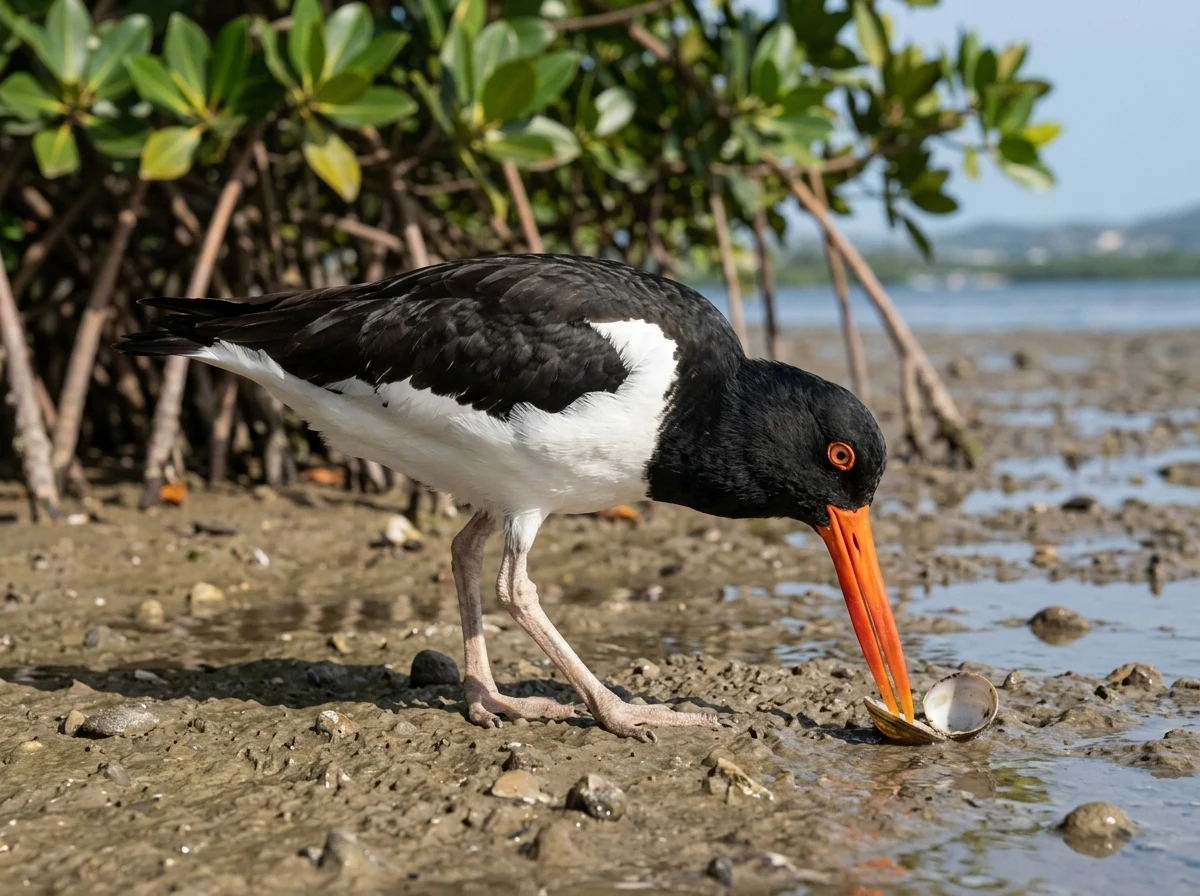
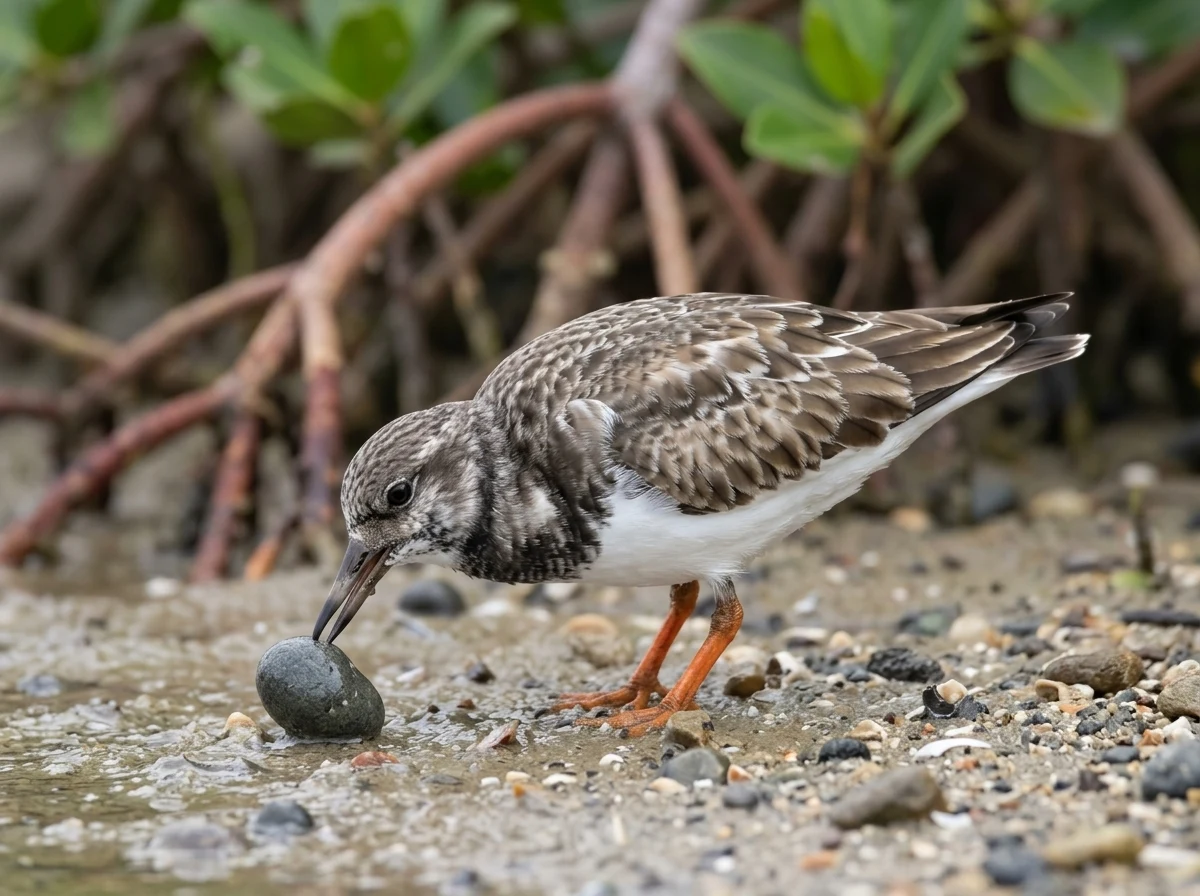
01
What is the minimum distance for watching shorebirds?
Audubon recommends at least 25 yards (about 23 meters) from beach-nesting birds, including chicks. BirdsCaribbean asks for at least 100 feet (about 30 meters) if you find a nest. The safest practical rule is: if the bird notices you or changes behavior, back away.
02
What should I do if a plover performs the broken-wing display?
Walk away. The bird is not injured: it is simulating an injury to distract you and lead you away from its nest or chicks. It is a clear sign that you are too close.
03
Can I use playback to attract shorebirds?
No. Playback of bird calls should not be used. When a bird leaves its nest to chase or defend its territory from a perceived rival, eggs and chicks are left exposed to predators and weather.
04
What if my dog is on a leash?
Even on a leash, dogs are perceived as predators by nesting birds and can cause adults to flee at greater distances than from a pedestrian alone. Keep your dog leashed and away from birds, and respect beaches where dogs are not allowed.
05
Why should I not leave trash on the beach?
Garbage attracts predators such as some gulls that eat shorebird eggs and chicks. In addition, seabirds and shorebirds have some of the highest ingestion rates of plastic. Take your trash with you or use available bins.
06
Can I use a drone to watch birds on the beach?
No. Drones are often very disruptive to birds, especially during nesting and migration. In addition, because they are considered aircraft, the Airborne Hunting Act includes protections for birds from harassment by drones.
Keep exploring
Connected routes
Sources and review
The evidence is one link away.
These sources support the editorial scope of this guide. Bird profiles also retain their own taxonomy, occurrence, and conservation references.
Reviewed:
01↗02↗03↗04↗
National Audubon Society
Audubon's Guide to Ethical Bird Photography and Videography
Evidence for cited sections; consult the original document.BirdsCaribbean
Tips for Sharing the Shore with Shorebirds
Evidence for cited sections; consult the original document.U.S. Fish and Wildlife Service
Shorebirds
Evidence for cited sections; consult the original document.Audubon New York
How to Know If a Shorebird Is Being Disturbed
Evidence for cited sections; consult the original document.The atlas continues