 AI
AIWetland field ethics
How to watch birds in wetlands without disturbing them
Boardwalks, distance, and quiet: how to enjoy gallinules, crakes, and bitterns without altering their behavior.
Reviewed:Prepared with AI assistance and linked sources. Illustrations are not field photographs.
Introduction
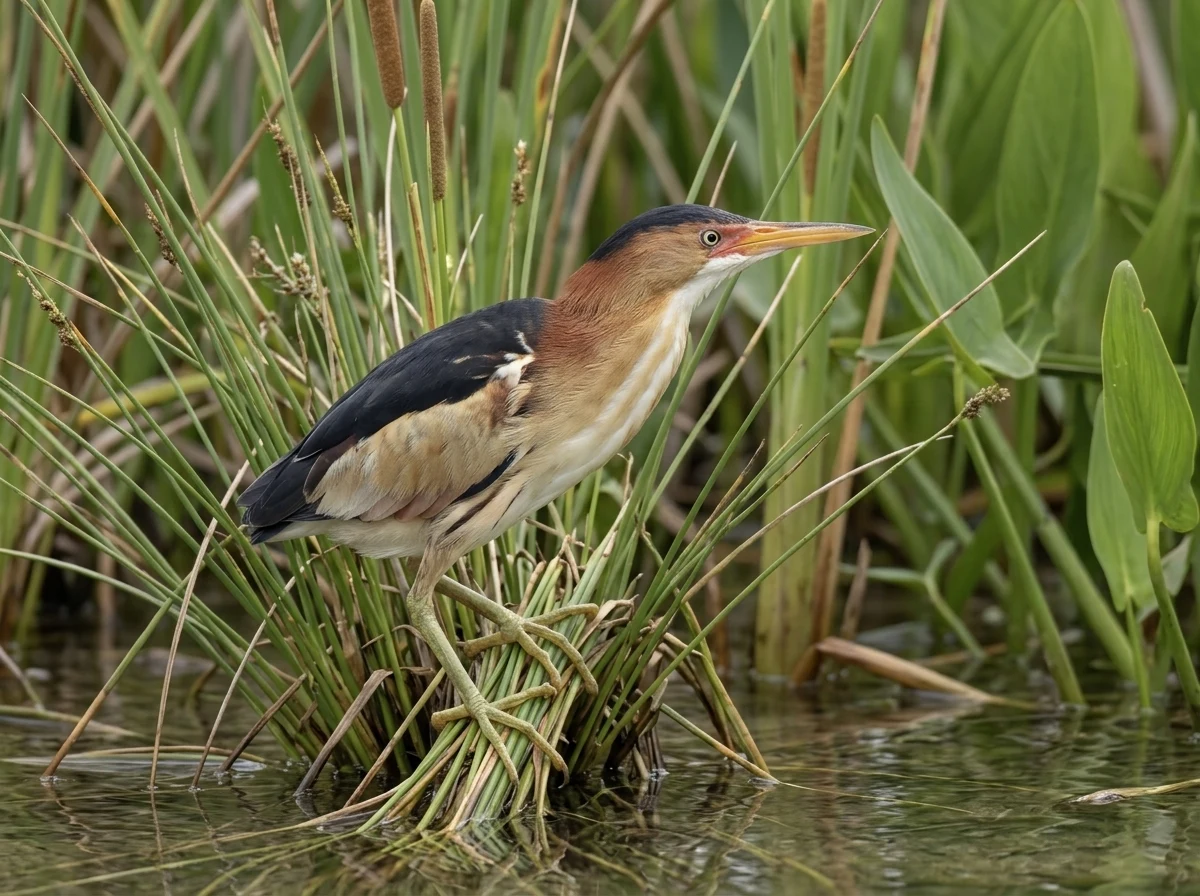
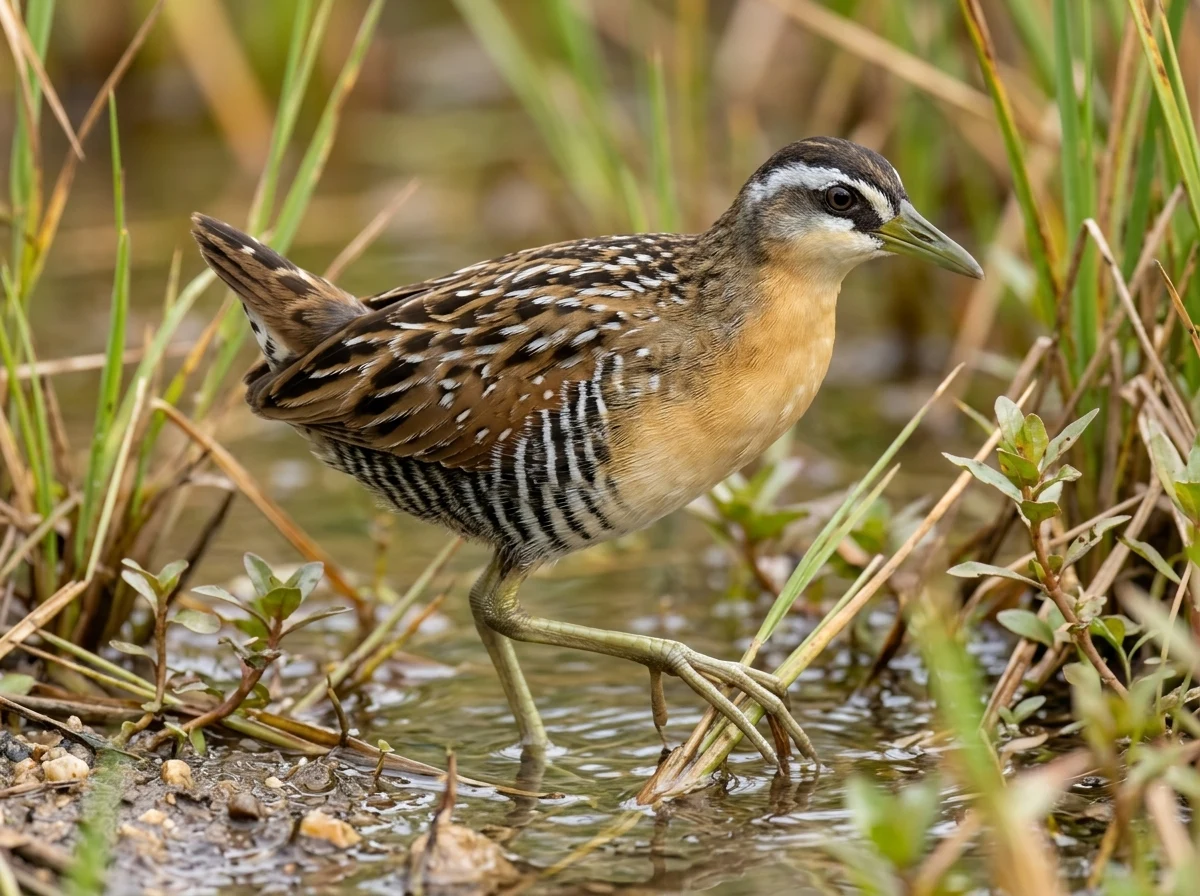
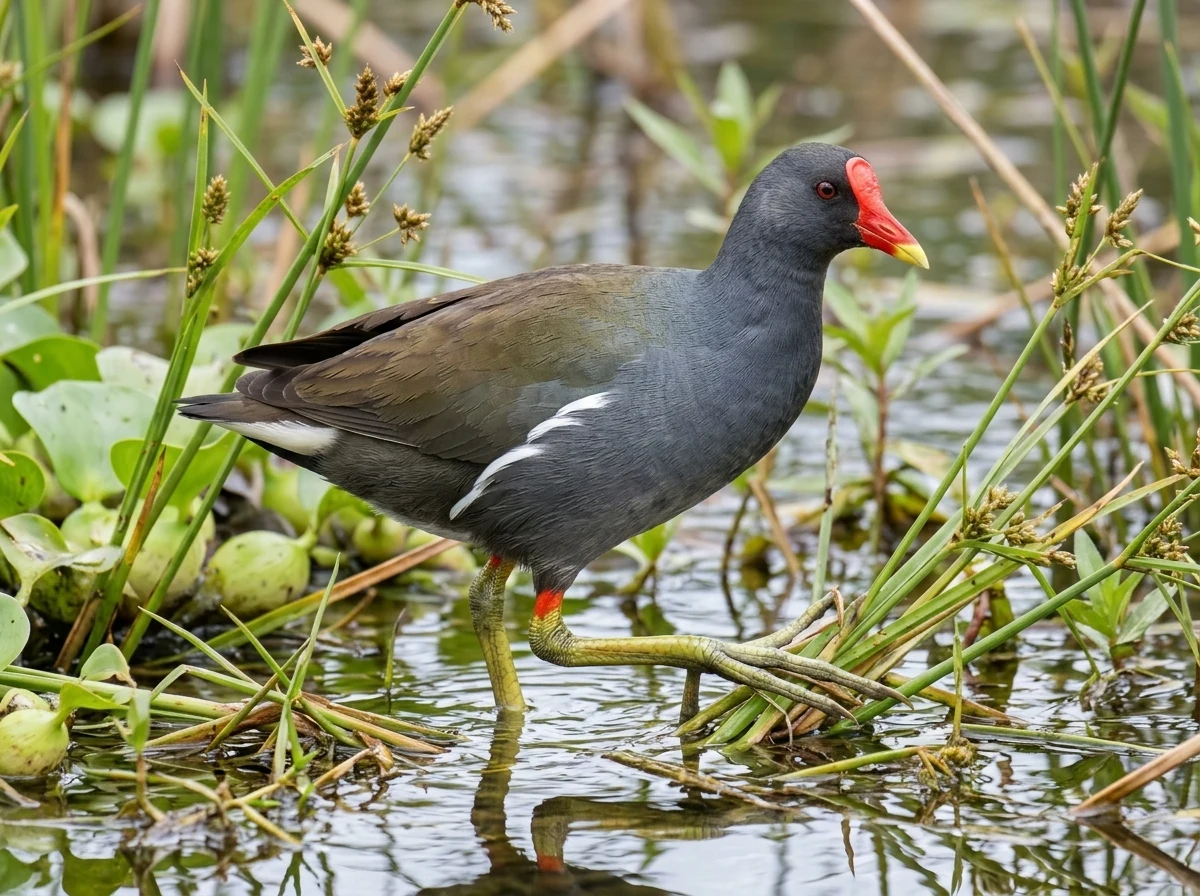
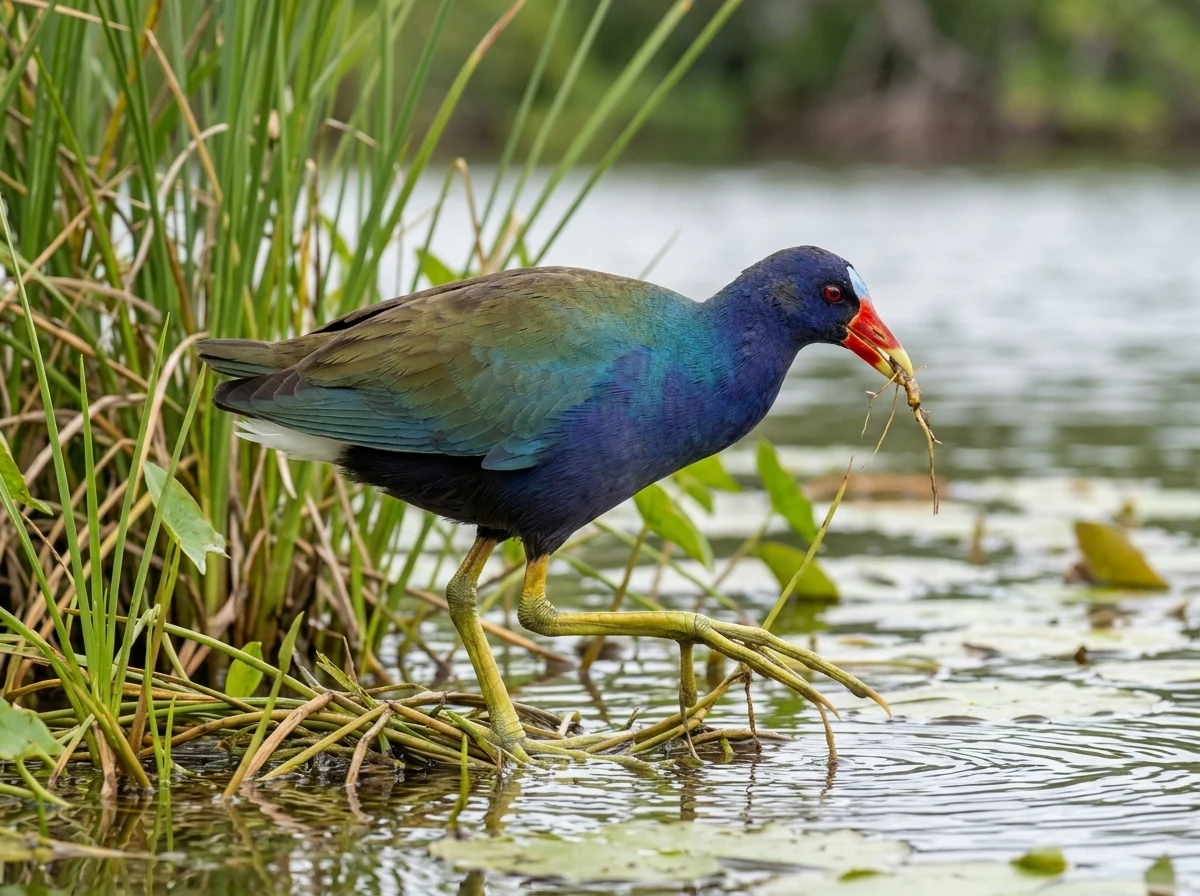
Puerto Rico's wetlands—mangroves, salt flats, lagoons, marshes, and riverbanks—hold a remarkable diversity of birds. Species such as the Common Gallinule, Purple Gallinule, Caribbean Coot, Yellow-breasted Crake, and Least Bittern live or pass through these habitats. Many depend on dense vegetation for nesting, feeding, and shelter, so how we approach them matters.
Watching without disturbing is not just courtesy; it is a conservation tool. Repeated disturbance can alter behavior, reduce feeding time, and expose birds to predators. This guide offers a simple protocol for boardwalks, trails, and fixed points, with emphasis on secretive species such as crakes and bitterns.
Wetland field ethics
Key facts
185+waterbird species in the CaribbeanIncludes shorebirds, herons, seabirds, and marsh birds.
6–12 minrecommended duration for a point countCan be extended up to 20 minutes if needed.
400 mspacing between stations in large wetlandsHelps avoid double-counting.
01
Why disturbance matters
Wetland birds face growing threats: habitat loss, pollution, invasive species, and climate change. Human disturbance adds to these pressures. When people get too close, many birds spend energy fleeing or hiding instead of feeding or resting. In small species like the Yellow-breasted Crake, which depends on dense vegetation, an intrusion can make it temporarily abandon its foraging area.
The impact is not always visible. A bird that does not fly may still be alert, with neck stretched or tail cocked, indicating stress. During nesting season, abandoning the nest out of fear can chill eggs or expose chicks. Field ethics is therefore not a luxury: it is part of responsible observation.
02
Ethical distances and alert signals
No single distance works for all species. As a general rule, use the bird's behavior as your indicator. If the bird stops feeding, stares at you, crouches, or moves away by walking or swimming, you are too close. Back away slowly without sudden movements. For secretive birds like the Least Bittern or Yellow-breasted Crake, keep a greater distance and use binoculars or a spotting scope instead of approaching.
In open wetlands, a distance of at least 30 meters is often a reasonable starting point for large, visible birds, but it may be insufficient for sensitive species. In dense vegetation, it is better to watch from the edge and not enter the marsh. If the bird disappears into the vegetation, do not chase it: wait quietly; it often reappears.
03
Boardwalks and trails: how to use them well
Boardwalks and trails exist to concentrate human traffic and protect fragile vegetation. Stepping off them can crush nests, eggs, or chicks hidden in the grass. Birds that nest on the ground or on low platforms are especially vulnerable; a footstep off the boardwalk can destroy a nest without your noticing.
When walking on a boardwalk, go slowly and quietly. Avoid banging the railing or shuffling your feet. If you stop, do so at a widening or overlook so you do not block the path. Use the boardwalk as an observation point: from there you can scan with binoculars without invading the marsh.
04
Camouflage, silence, and gear
Neutral-colored clothing helps you go unnoticed. Avoid bright white, red, or intense yellow. Do not use strong fragrances or repellents with penetrating odors. Silence is key: wetland birds rely on hearing to detect danger. Speak softly or not at all. Turn off your phone's sound.
The right gear improves observation without approaching: 8x42 or 10x42 binoculars, a spotting scope with tripod for distant birds, and a field guide. If you photograph, use a telephoto lens and avoid flash. Do not use bird call playback to attract birds, especially during nesting season, as it can distract them from essential tasks.
05
Cautions for crakes and bitterns
The Yellow-breasted Crake and the Least Bittern are two of the hardest birds to see in wetlands. They live among dense vegetation and are experts at hiding. Forcing them out is counterproductive: if they feel harassed, they may abandon the area. Watch from a fixed point, patiently, and listen for their calls. They are often detected first by ear.
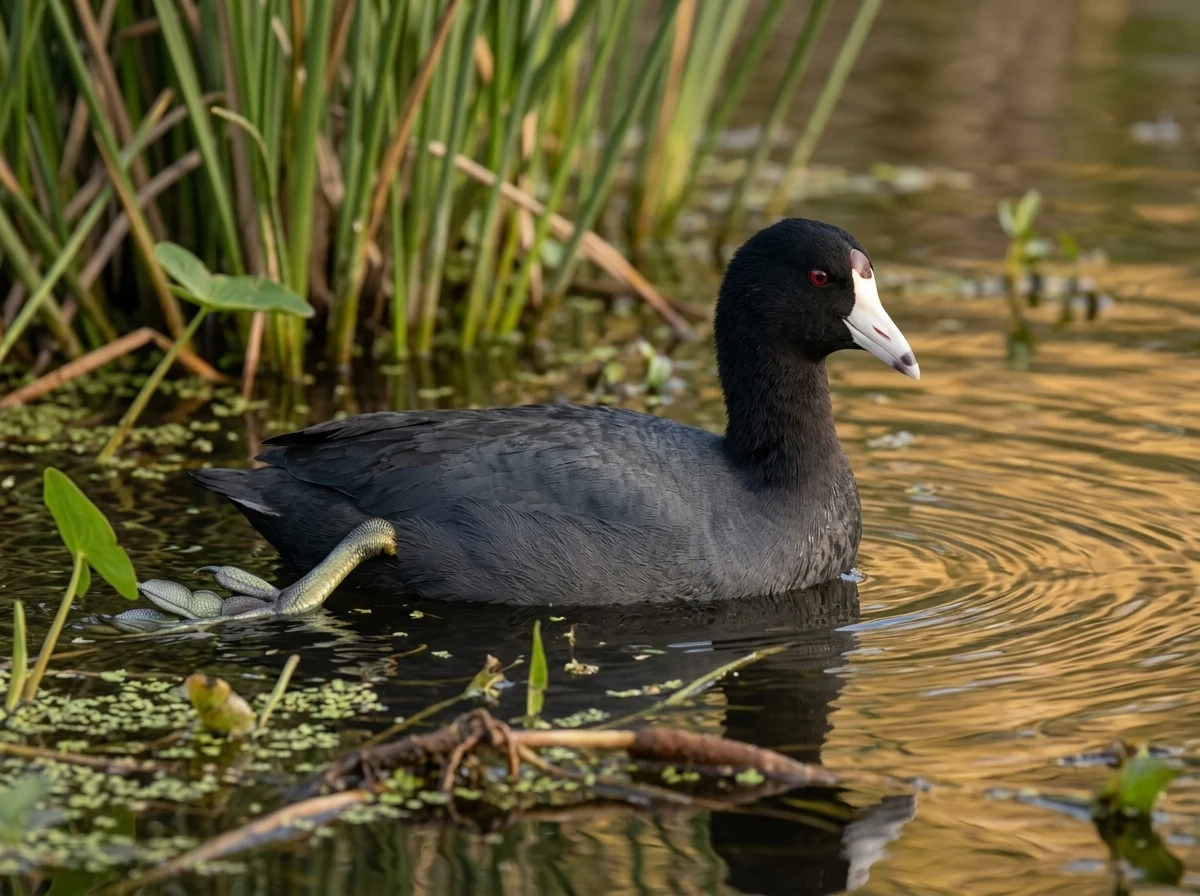
Gallinules and coots are more visible but also deserve distance during nesting. Keep your distance from floating nests and do not approach shorelines where chicks are present. If you see an adult carrying material to a nest or feeding a chick, move away and watch from afar. The best observation is one that does not change the bird's behavior.
Linked profiles
Wetland birds mentioned
Species that benefit from careful observation.
01
What is the best time to watch birds in wetlands?
Early morning, from sunrise to mid-morning, is often the most active time. Late afternoon can also be productive. Avoid the middle of the day, when birds are less active and visible.
02
Can I use playback to attract birds?
It is not recommended, especially during nesting season. Playback can distract birds from feeding or caring for nests, and in secretive species like the Yellow-breasted Crake it can cause unnecessary stress. It is better to wait quietly.
03
What should I do if a bird moves away as I approach?
Back away slowly and stop. That behavior indicates you are too close. Wait for the bird to calm down and resume its activity. If it does not, move farther away and watch from another position.
04
Can I step off the boardwalk for a better view?
No. Stepping off the boardwalk can crush nests, eggs, or chicks hidden in the vegetation. Use the boardwalk as an observation point and use binoculars or a spotting scope to see better without invading the wetland.
05
How can I contribute to science while watching?
You can participate in the Caribbean Waterbird Census (CWC) by recording your observations in eBird. The CWC accepts counts year-round, with an annual region-wide count held from January 14 to February 3, a three-week period. Your data help monitor populations and habitats.
Keep exploring
Connected routes
Sources and review
The evidence is one link away.
These sources support the editorial scope of this guide. Bird profiles also retain their own taxonomy, occurrence, and conservation references.
Reviewed:
The atlas continues