 AI
AILearn by playing
Calls in Spanish and English: Onomatopoeia
Compare how Spanish and English write the sounds of five Puerto Rico birds, learn to listen for acoustic properties, and create your own onomatopoeia.
Reviewed: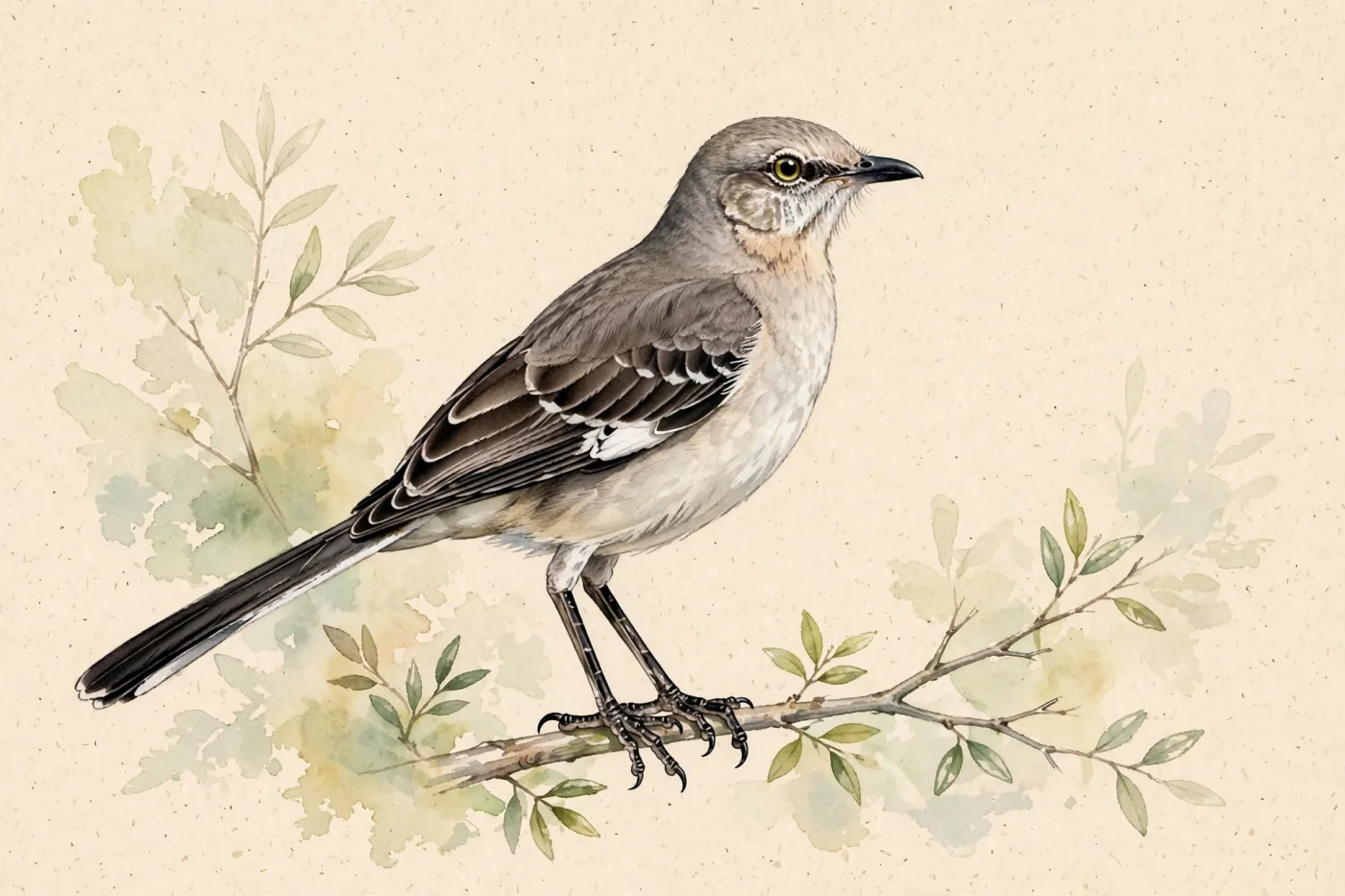
Prepared with AI assistance and linked sources. Illustrations are not field photographs.
Why onomatopoeia is not exact translation
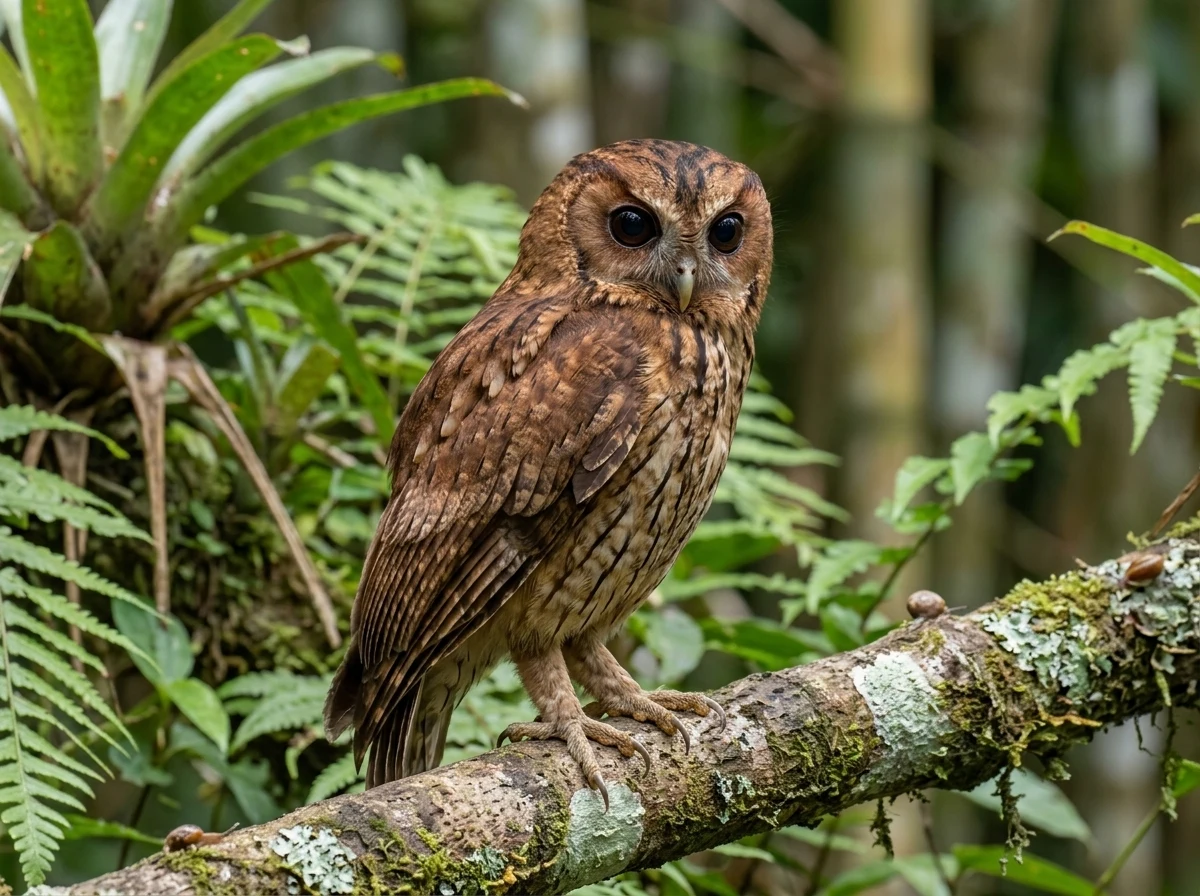
Onomatopoeia is a word that imitates a sound. In Puerto Rico, the Puerto Rican Owl (Gymnasio nudipes) is a species endemic to the Puerto Rico archipelago, though it formerly also inhabited the Virgin Islands. Its songs and calls have been described in recordings as a 'maniacal-sounding' duet or as a 'cackling' sound when two birds perch very close together. Those English descriptions are not literal translations: they are attempts to capture with letters a real sound that varies by region, season, and individual.
This guide does not give you a closed list of 'the' correct onomatopoeia. It gives you a method: listen to acoustic properties, compare Spanish and English representations, and create your own version. The representations you will see are examples documented in audio sources and field descriptions, not fixed rules. The best onomatopoeia is the one that helps you remember the sound and communicate it to someone else.
Learn by playing
Three key takeaways
Cinco avesBirds with compared representationsPuerto Rican Owl, Northern Mockingbird, Gray Kingbird, Bananaquit, and Common Ground Dove.
Dos idiomasSpanish and EnglishThe letters change, but the real sound is the same.
Una actividadListen and createCompare recordings and write your own onomatopoeia.
01
What sources say about the real sounds
For the Puerto Rican Owl, Xeno-canto recordings document songs and calls at locations such as Maricao, Guánica, El Yunque, Arecibo, and Ceiba. One recordist described a 'maniacal-sounding' duet near a lodge in Ceiba, and another described a 'cackling' sound when two birds perched only a few inches apart at Arecibo Observatory. These are field descriptions: the real sound is variable and complex, not a single word.
The other birds in this guide have general descriptions in the catalog, but not all have a traditional onomatopoeia documented in the available sources. Therefore, the comparison table below combines widely used representations with the caveat that they are approximations. We do not invent an 'official' onomatopoeia for each species. When there is no documented representation, we say so clearly.
02
Comparison table: Spanish and English
Puerto Rican Owl: in English it has been described as a 'maniacal' duet or a 'cackling' sound. In Spanish, the closest representation would be a cacareo or broken laugh, but no single documented onomatopoeia exists. The audio source is the best reference.
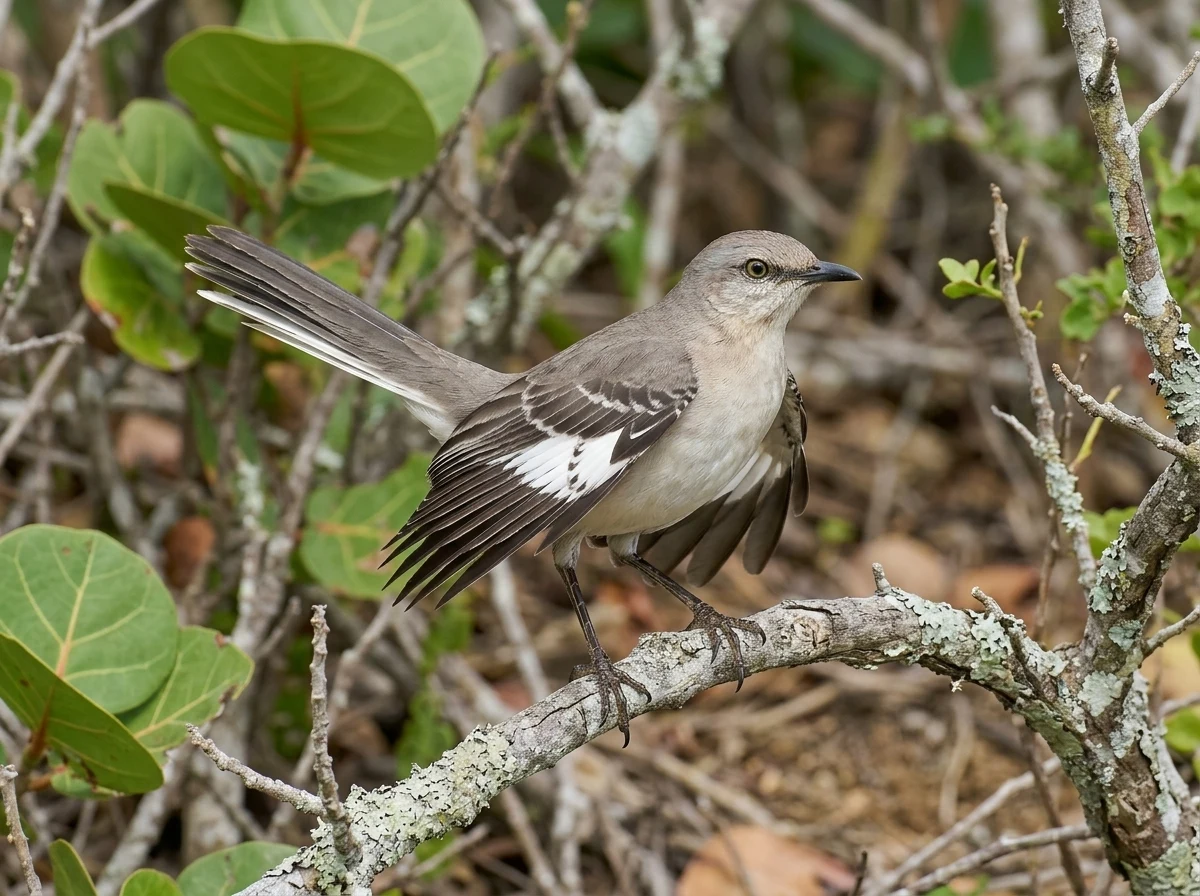
Northern Mockingbird: it is a mimic. It does not have a fixed onomatopoeia because it imitates other birds and noises. In English it is called 'mockingbird' for that ability. In Spanish, 'ruiseñor' is used in Puerto Rico, but it does not describe a specific sound.
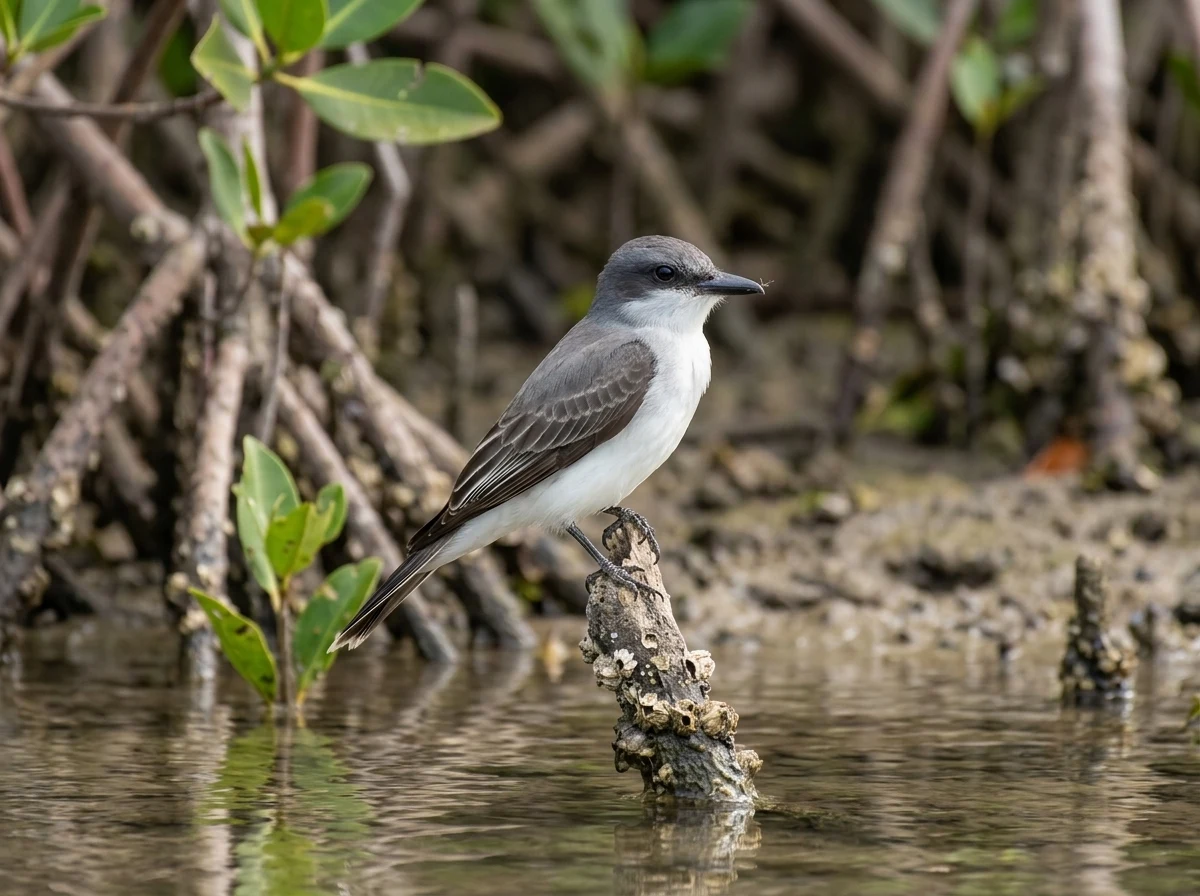
Gray Kingbird: its Spanish name, 'pitirre', is itself an onomatopoeia of its call. In English it is called 'Gray Kingbird' or 'petchary', an alternative name also considered imitative of the call. The Spanish representation is the clearest.
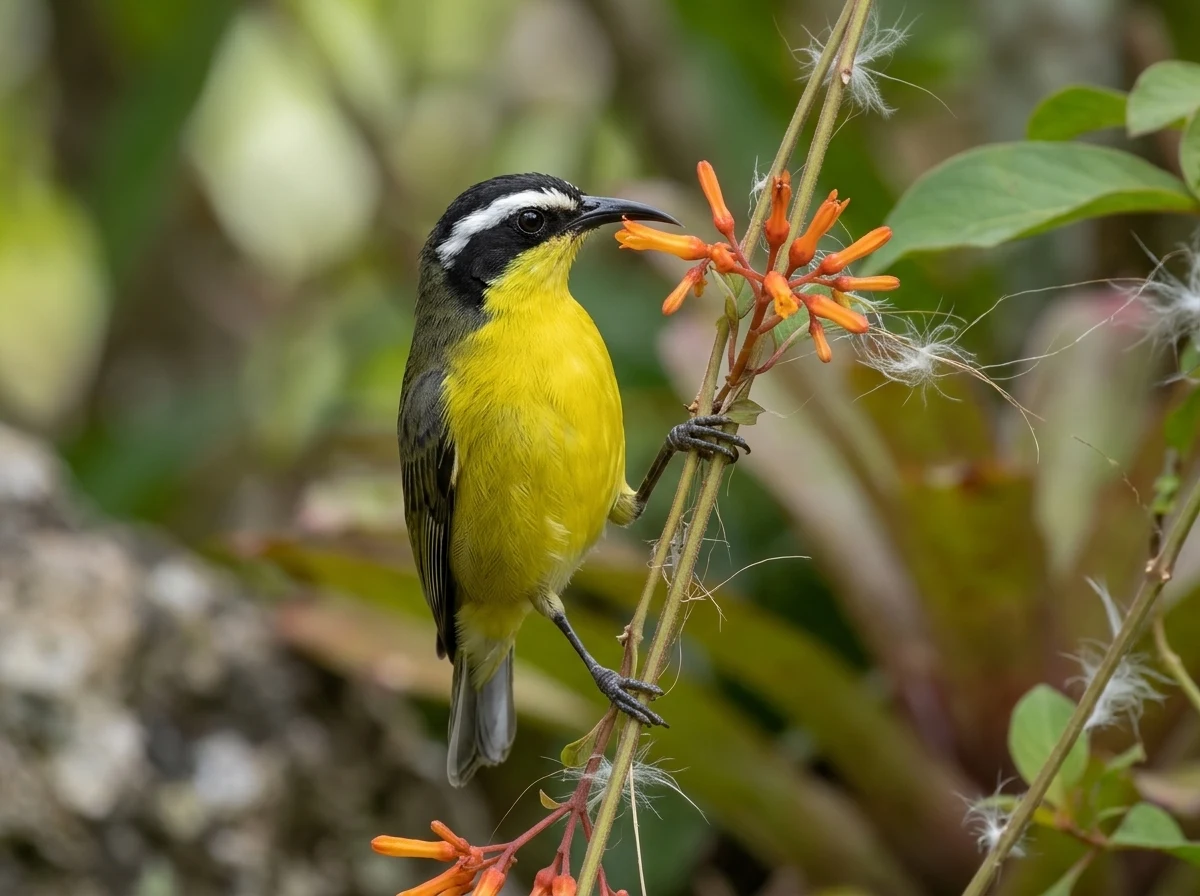
Bananaquit: no traditional onomatopoeia is documented in the available sources. Any representation you use should be marked as a personal listening suggestion, not a documented representation.
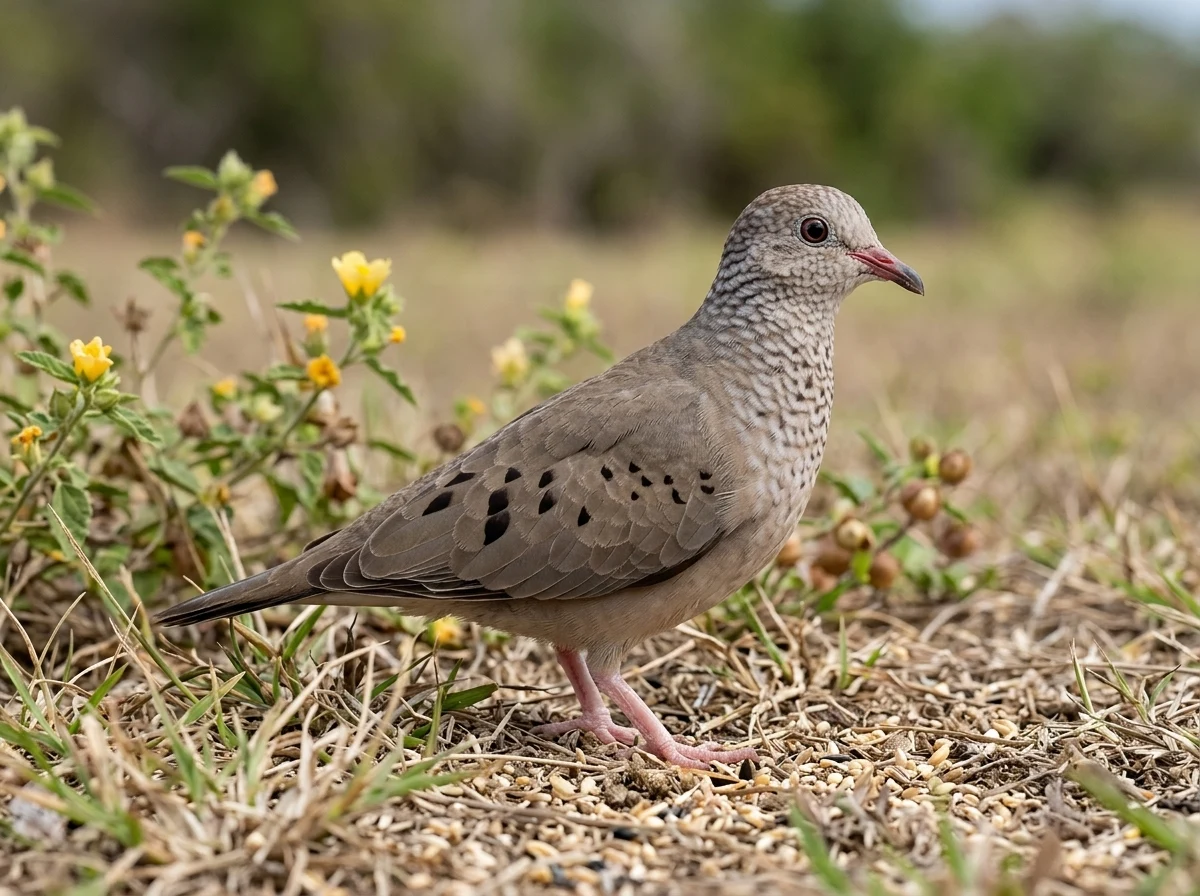
Common Ground Dove: no traditional onomatopoeia is documented in the available sources. The general word 'arrullo' is used for doves, but it is not an onomatopoeia exclusive to this species. Any representation should be marked as a personal approximation.
03
How to listen to acoustic properties
Before writing an onomatopoeia, listen to the real sound. Use recordings from Xeno-canto or eBird. For the Puerto Rican Owl, there are 24 foreground recordings and 3 background recordings on Xeno-canto, with a total duration of 31:20 (as of the page consulted). Listen to a complete recording and note: is it high or low? Is it fast or slow? Does it repeat? Is it solo or a duet?
Then compare with another recording of the same species at a different location. For example, you can compare a recording from Maricao (750 m) with one from Guánica (110 m) to see if your perception of the sound changes. That comparison is a hypothesis to test, not a claim that the sound is different. Note the differences you perceive and decide which part of the sound you want to represent.
04
Activity: create your own onomatopoeia
Materials: access to Xeno-canto or eBird recordings, paper, and pencil. Procedure: 1) Choose one of the five birds. 2) Listen to a complete recording without writing anything. 3) Listen again and write three words or syllables that imitate the sound in Spanish. 4) Listen a third time and write three in English. 5) Compare your lists with a partner. 6) Choose the representation that best helps you remember the sound.
There are no wrong answers. The goal is for your onomatopoeia to be useful to you and to others. If you can, record your own mouth version of the sound and share it. For the owl, pay attention to the duet: two birds can sing at once, and that changes the representation. For the Gray Kingbird, its name is already an onomatopoeia; try saying 'pitirre' out loud and compare it with the recording.
05
Checklist for your field notebook
Before you go: choose a species, download a reference recording, prepare paper and pencil. In the field: note the time, place, and habitat. Listen without looking. Describe the sound with three adjectives (high, repeated, fast). Write one onomatopoeia in Spanish and one in English. If you can, record the sound with your phone. Afterward: compare your onomatopoeia with the reference recording and adjust if needed.
Remember that onomatopoeia are tools, not absolute truths. You can compare recordings from different locations to see if your perception changes, but do not claim the sound is different without evidence. As a general best practice, do not use playback to attract birds, especially the owl, because it can alter their behavior. Quiet observation is better. This recommendation is a best-practice suggestion, not a claim supported by the cited sources.
Linked profiles
Birds in this guide
Five Puerto Rico birds with sound representations in Spanish and English.
01
Is there an official onomatopoeia for each bird?
No. Onomatopoeia are cultural and approximate representations. For the Puerto Rican Owl, audio sources describe the sound as 'maniacal' or 'cackling', but there is no single official word. For the Gray Kingbird, its Spanish name is already a widely used onomatopoeia.
02
Why doesn't the Northern Mockingbird have a fixed onomatopoeia?
Because it is a mimic. The Northern Mockingbird imitates other birds' songs and artificial sounds. Its repertoire changes depending on what it hears, so there is no single sound to represent.
03
How can I listen to recordings of these birds?
You can use Xeno-canto or eBird. For the Puerto Rican Owl, Xeno-canto has 24 foreground recordings and 3 background recordings, with a total duration of 31:20 (as of the page consulted). Search by the scientific name Gymnasio nudipes.
04
Do onomatopoeia change by region?
Yes. Representations vary because each person writes what they hear differently. You can compare recordings from different locations, such as Maricao (750 m) and Guánica (110 m), to see if your perception of the sound changes, but do not claim the sound is different without evidence.
05
Can I use playback to attract the owl?
As a general best practice, it is not recommended. Playback can alter bird behavior, especially in territorial species or during nesting season. It is better to listen without intervening. If you want to document the sound, use a recorder or your phone. This recommendation is a best-practice suggestion, not a claim supported by the cited sources.
Keep exploring
Connected routes
Sources and review
The evidence is one link away.
These sources support the editorial scope of this guide. Bird profiles also retain their own taxonomy, occurrence, and conservation references.
Reviewed:
The atlas continues