 AI
AISounds
Listening for nocturnal flight calls in Puerto Rico
A practical guide to hearing, recording, and interpreting the calls that migratory birds make while flying at night over the island.
Reviewed: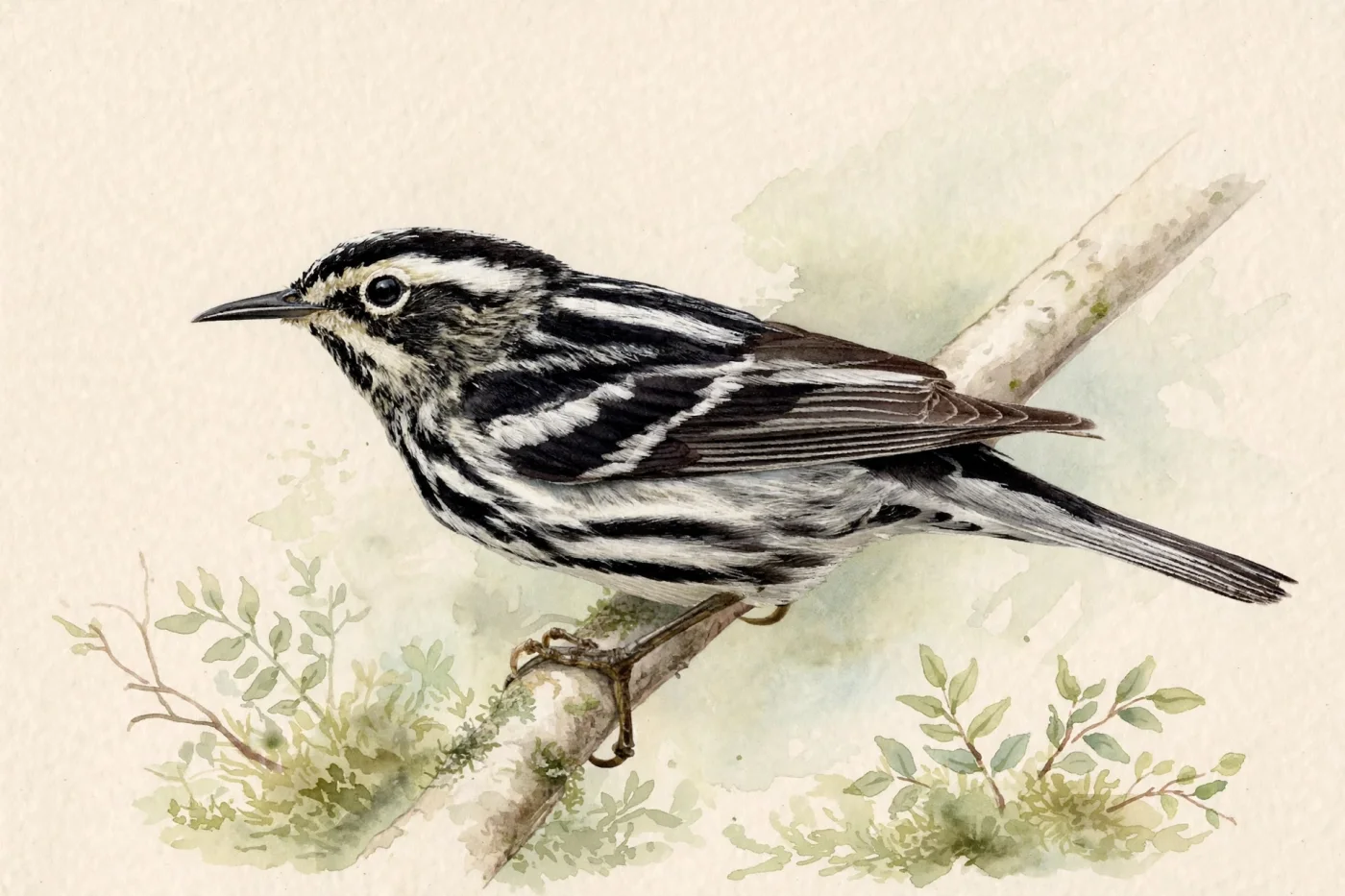
Prepared with AI assistance and linked sources. Illustrations are not field photographs.
The sky has a sound too
Most species of migratory landbirds in North America fly at night, and many give short vocalizations while doing so. These are nocturnal flight calls, or NFCs. In Puerto Rico, located on the Caribbean route, you can hear them without specialized equipment: a smartphone, a container, and a suitable night are enough.
This guide shows you when to listen, how to set up an improvised microphone, how to read a spectrogram, and how to begin distinguishing the calls of several migratory species. You do not need to be an expert or own expensive gear. With patience and a few nights of practice, you will start recognizing sound patterns that once went unnoticed.
Sounds
Key facts
35 + 31species with known callsThe nocturnal flight calls of 35 migratory landbird species in eastern North America can be distinguished by ear or spectrogram; the call type of another 31 species is known but not yet distinguishable from similar species.
5–9 kHztypical frequencyWarbler and sparrow calls are very high-pitched, between 5 and 9 kHz, and usually last less than a quarter of a second.
Smartphonesufficient toolA smartphone with a recording app and a container to protect it from wind and dew are enough to get started.
01
What are nocturnal flight calls?
Nocturnal flight calls are short vocalizations that many migratory birds give while flying at night. They are not full songs but brief notes, often described as 'tseep' or 'zeep', typically lasting between 0.05 and 0.25 seconds. Their high frequency, between 5 and 9 kHz, makes them hard for the human ear to distinguish, but also separates them from urban noise and many natural sounds.
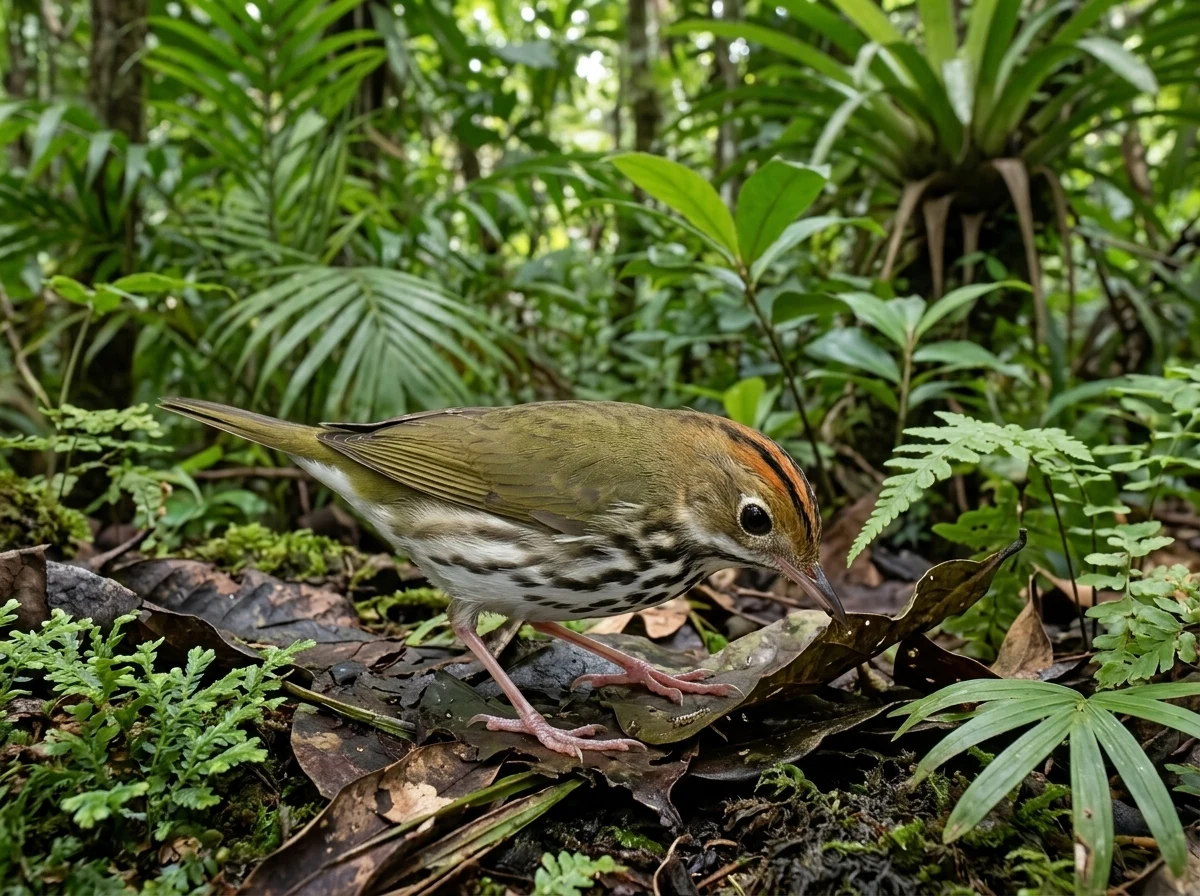
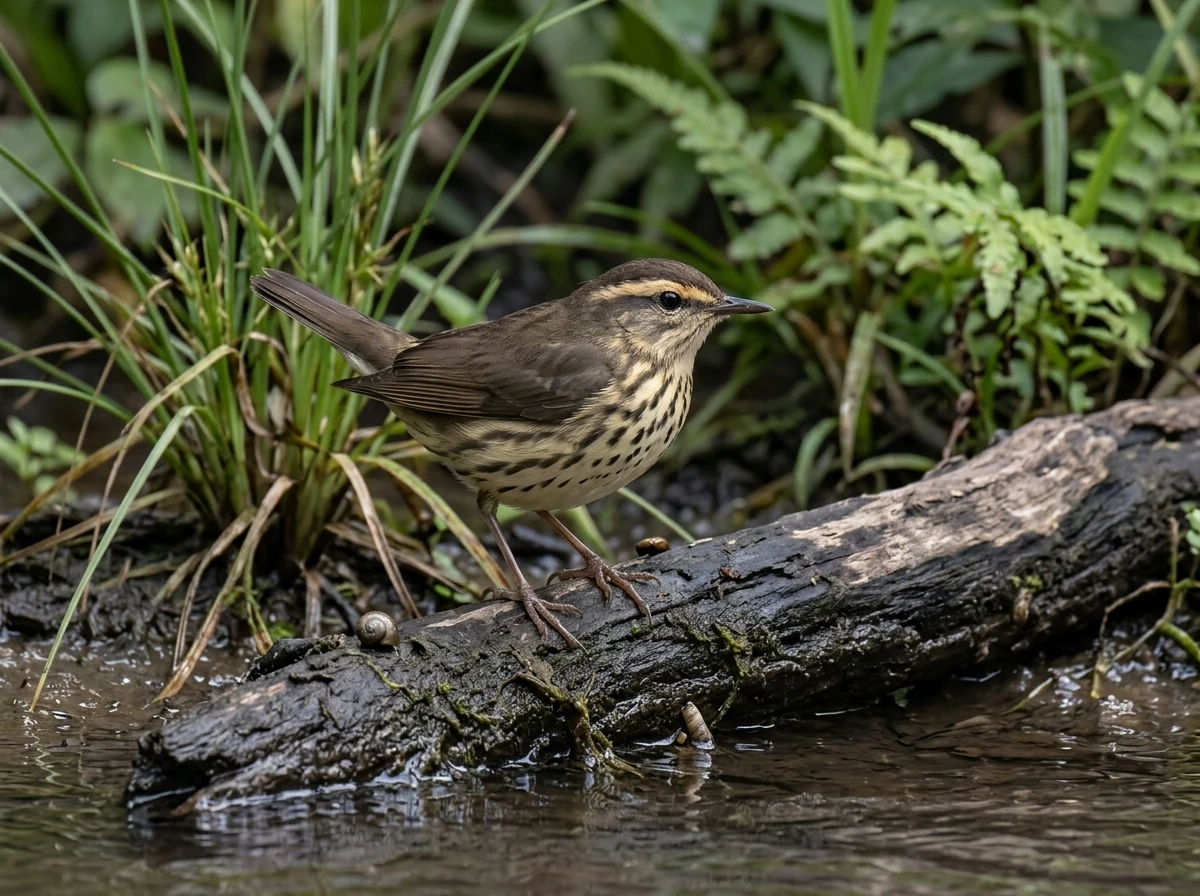
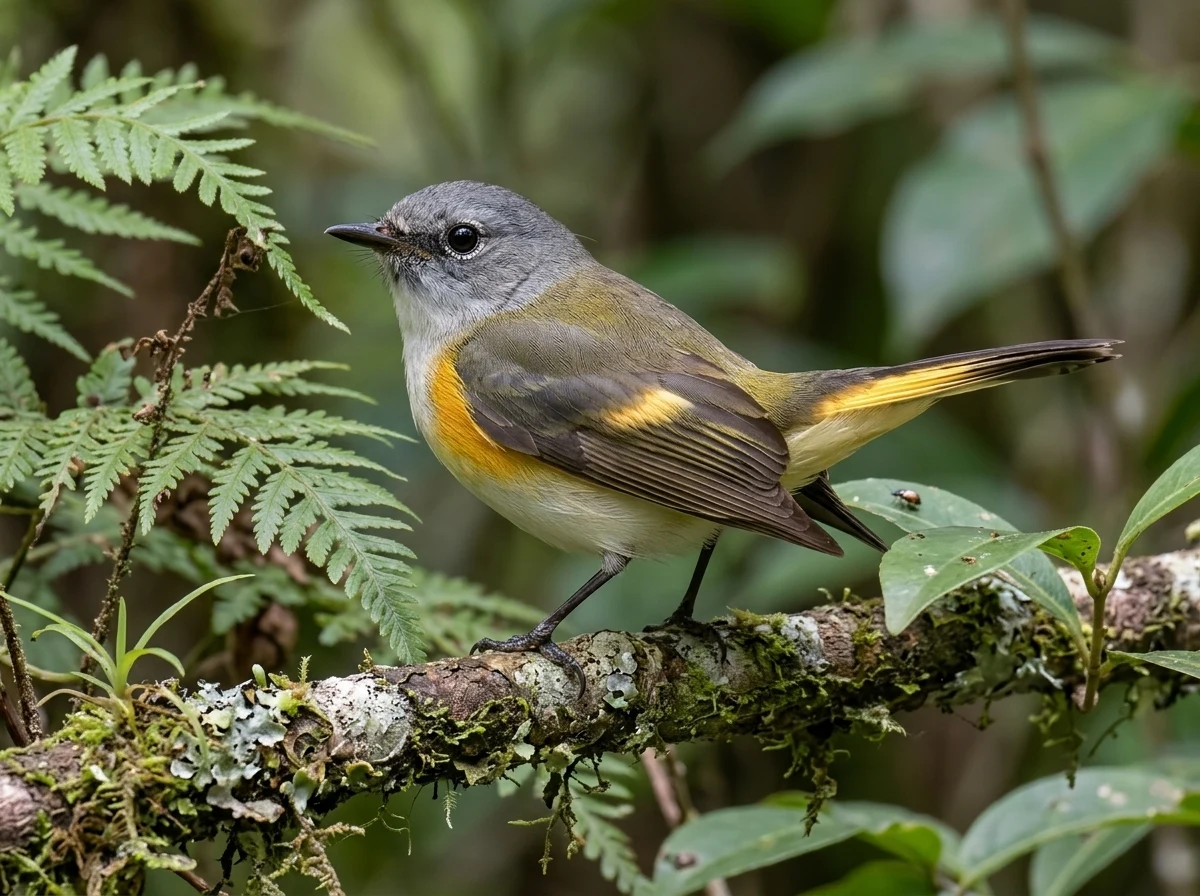
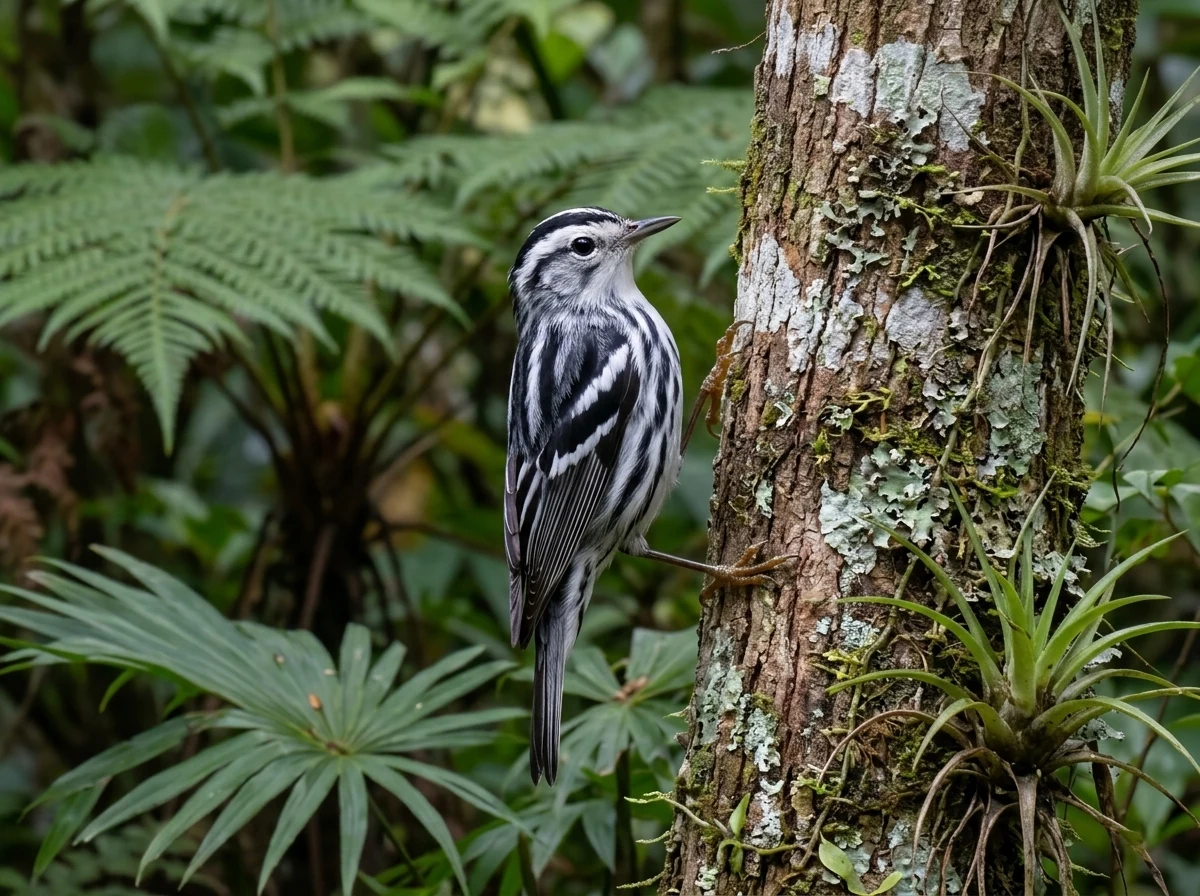
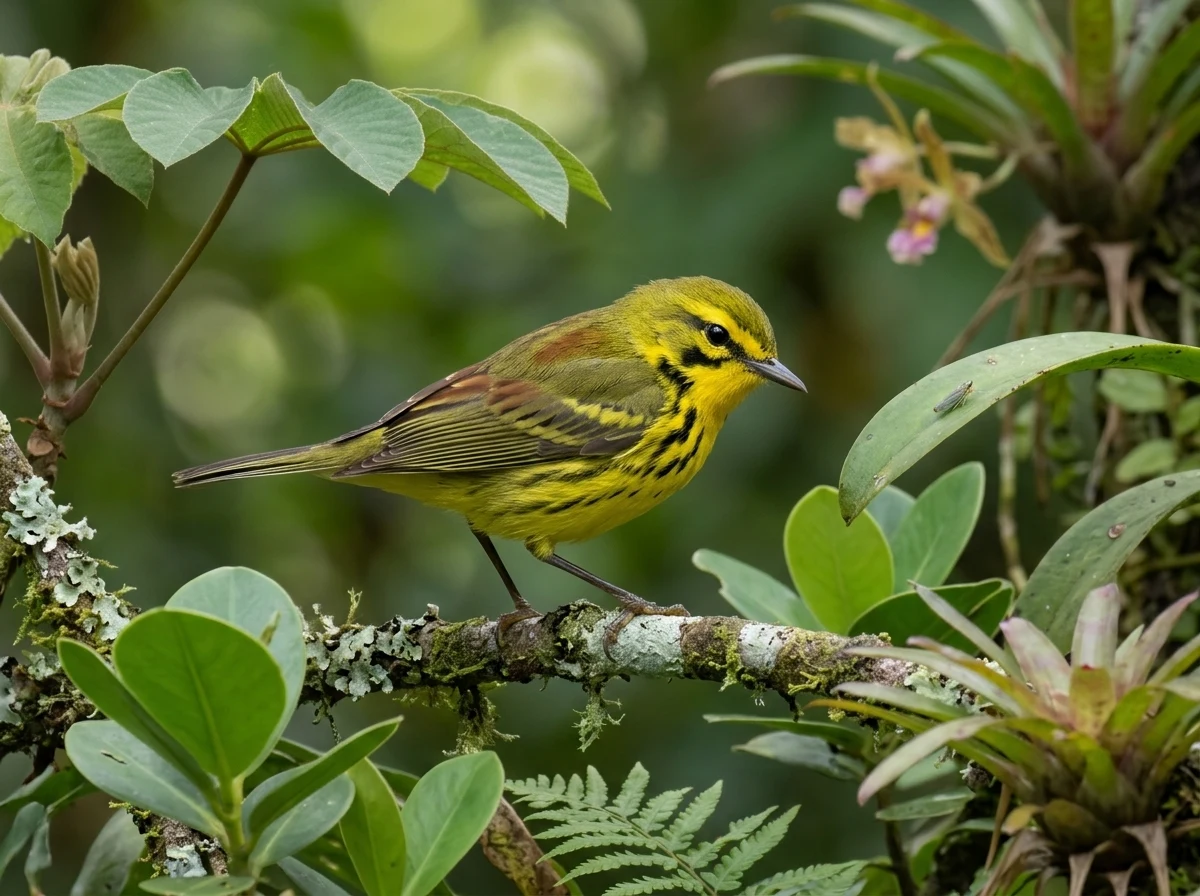
Species that produce these calls include warblers (Parulidae), sparrows (Emberizinae), Catharus thrushes, cuckoos, rails, and herons. In eastern North America, the calls of 35 migratory species can already be identified by ear or spectrogram, and the call type of another 31 species is known, though not yet distinguishable from similar species. Species such as the Black-and-white Warbler, American Redstart, Ovenbird, and Northern Waterthrush are among those that give identifiable calls. The Prairie Warbler has a known call, a descending 'tsew', grouped with similar-sounding species in complex IV.
02
When and how to listen in Puerto Rico
Nocturnal migration in the Caribbean occurs mainly during spring and fall. In eastern North America, most migratory landbirds fly at night, and calls are recorded most often on clear nights with favorable winds. The cited studies were conducted in Florida, Texas, New York, and British Columbia; their findings describe nocturnal migration patterns in those regions, not in Puerto Rico. Even so, they offer a general framework for how nocturnal migration works that can guide your practice on the island.
To start, choose a night without rain and with little wind. Place your phone or recorder in an open spot, with the microphone pointing toward the sky. A container such as a bucket or flower pot can protect the device from dew and reduce wind noise. Avoid locations near air conditioners, heat pumps, or constantly calling insects such as crickets and katydids. If using a phone, make sure it has enough battery or connect an external power bank. Record for several hours, preferably from dusk until dawn.
03
How to identify what you hear
Identifying nocturnal flight calls relies on comparison with daytime vocalizations of known identity. Researchers record calls from birds in visible flight during the day and compare them with night calls using spectrograms. They also correlate the season and geographic range of each call type with known migration patterns. For the beginner, the process is similar: record, visualize the spectrogram, and compare.
A spectrogram is a visual representation of sound showing time on the horizontal axis, frequency on the vertical axis, and amplitude with color or intensity. You can create spectrograms with free software such as Audacity. Warbler and sparrow calls appear as short, high-pitched marks near the top of the spectrogram. Catharus thrush calls are whistled notes and can be detected at greater distances than warbler and sparrow calls. With practice, you will learn to distinguish calls of species such as the Ovenbird, American Redstart, and Black-and-white Warbler.
04
Your first night of listening: a checklist
Before heading out, check the following: a smartphone or recorder with enough battery; an external power bank if recording all night; a container to protect the device from wind and dew; an open location away from constant noise; and a night without rain and with little wind. If using a phone, enable airplane mode to avoid interruptions and make sure you have enough storage space.
During recording, note the date, start and end times, sky conditions, and wind direction. The next day, download the file and view it in spectrogram software. Look for short, high-pitched marks that repeat. Compare what you see with online guides to nocturnal flight calls. Don't be discouraged if you don't identify anything at first: practice is key. Over time, you will begin to recognize patterns and associate them with species.
Linked profiles
Species you may hear
These migratory birds pass through Puerto Rico and give nocturnal flight calls. The Ovenbird, American Redstart, Black-and-white Warbler, and Northern Waterthrush are among those that give identifiable calls. The Prairie Warbler has a known call, a descending 'tsew', grouped with similar-sounding species.
01
Do I need special equipment to listen for nocturnal flight calls?
No. A smartphone with a recording app and a container to protect it from wind and dew are enough to get started. If you want to record all night, an external power bank is helpful. You can also use a portable recorder like the Zoom H1n, but it is not essential.
02
What is the best time of year to listen for nocturnal flight calls in Puerto Rico?
Nocturnal migration in the Caribbean occurs mainly during spring and fall. Clear nights with favorable winds tend to have more activity. The cited studies were conducted in North America and describe nocturnal migration patterns in those regions; they do not specifically address Puerto Rico.
03
Can I identify species by ear alone?
Some species have distinctive calls that can be learned by ear, but many warblers and sparrows give very similar calls. For most species, especially those giving high 'tseep' notes, a spectrogram is needed for reliable identification. Practice with recordings and spectrograms improves your ability to recognize them by ear over time.
04
What should I do if I record a call I cannot identify?
You can share your recording in online birding communities, such as the Nocturnal Flight Calls Facebook group, where more experienced people can help. You can also compare your spectrogram with online guides to nocturnal flight calls. Remember that some calls have not yet been matched to any known species.
Keep exploring
Connected routes
Sources and review
The evidence is one link away.
These sources support the editorial scope of this guide. Bird profiles also retain their own taxonomy, occurrence, and conservation references.
Reviewed:
01↗02↗
USDA Forest Service, Rocky Mountain Research Station
Acoustic Monitoring of Night-Migrating Birds (RMRS-P-16)
Evidence for cited sections; consult the original document.Audubon
Welcome to the Dark Side: Your Guide to Nocturnal Migration Birding
Evidence for cited sections; consult the original document.The atlas continues