 AI
AIMimics
The Ruiseñor (Northern Mockingbird) and Puerto Rico's Mimic Birds
What sounds like a kingbird, a car, and a coquí on the same pole may be a single bird. Learn the signature of the island's most famous mimic.
Reviewed:Puerto Rico's ruiseñor is not the European nightingale.
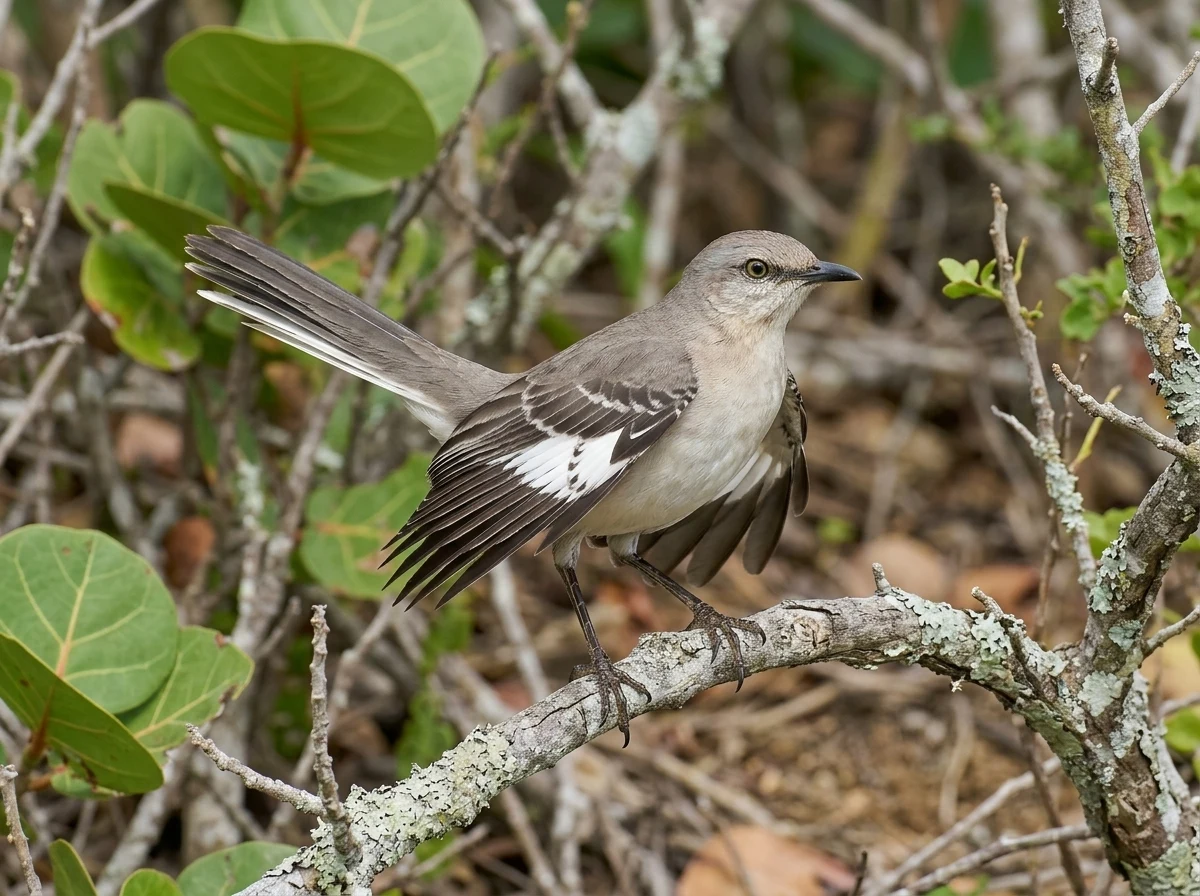
In Puerto Rico, 'ruiseñor' is the local name of the Northern Mockingbird (Mimus polyglottos), the same bird called sinsonte or cenzontle in other Spanish-speaking countries. It is gray with white patches in the wings and tail, and it is famous for imitating: it sings phrases repeated three or more times in a row, many copied from other birds and from surrounding sounds.
The European nightingale is a different species, in a different family, that does not live in Puerto Rico. Here the name passed to the gray mimic that sings from poles, roofs, and shrubs in open and urban areas, and that sometimes keeps singing at night. This guide explains how to recognize its song, what it imitates, and which other birds it gets confused with.
Mimics
The mimic's signature
3+repeats per phraseAudubon: each phrase is repeated three or more times before switching.
200+songs learnedA mockingbird may learn more than 200 over its lifetime.
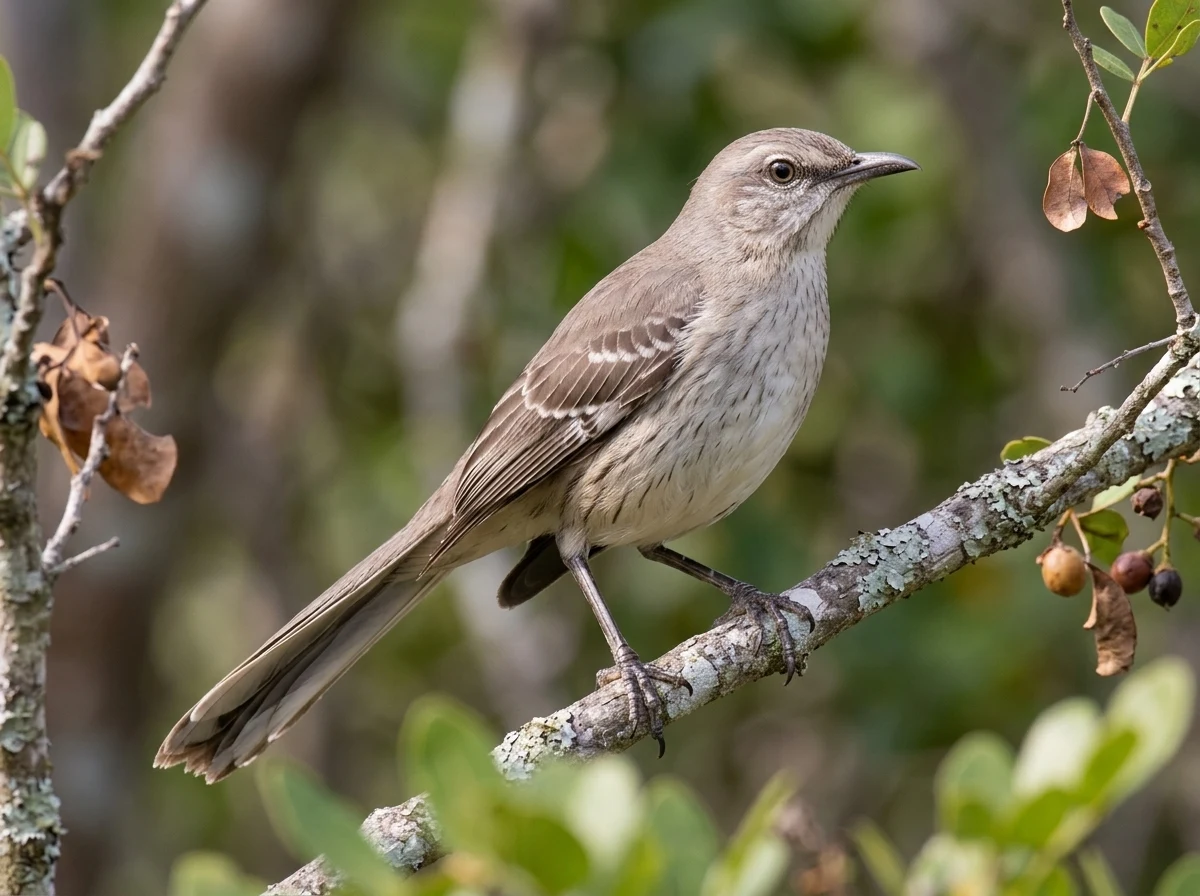
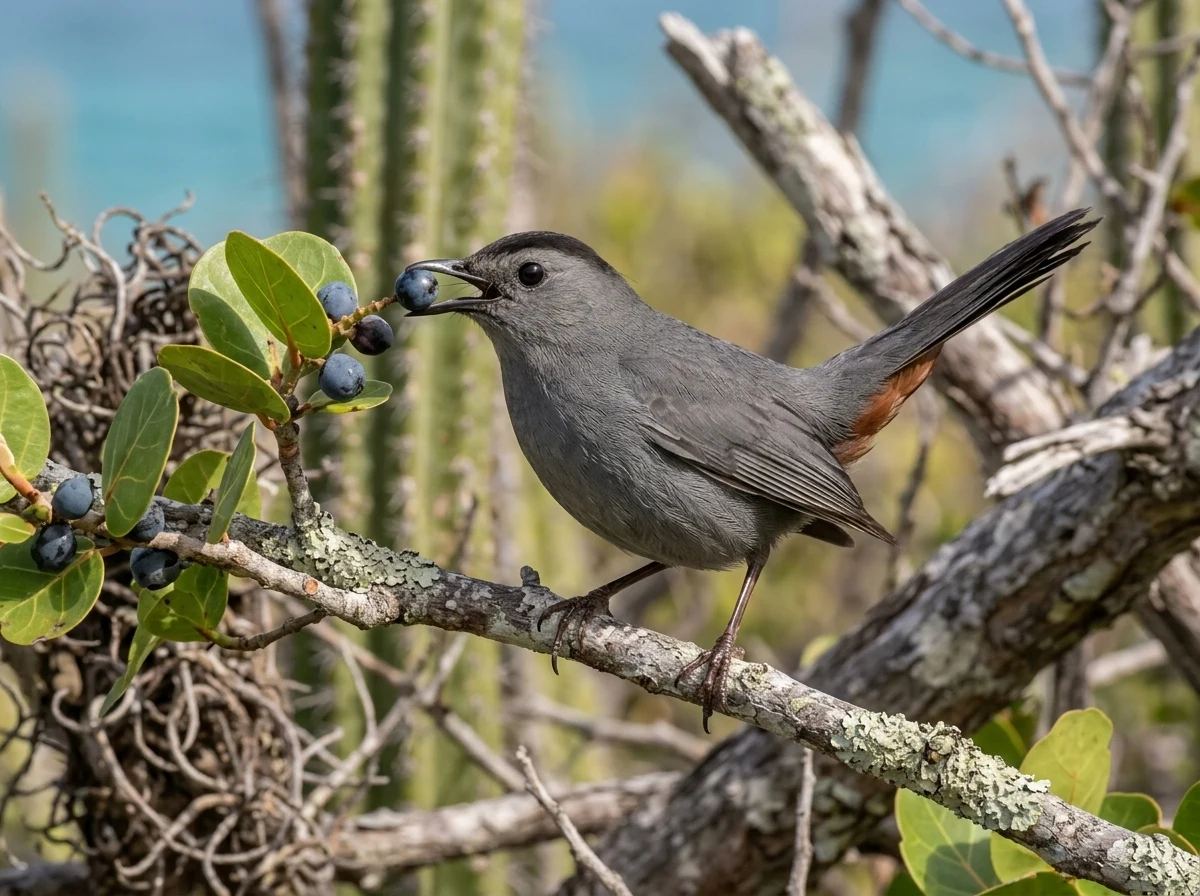
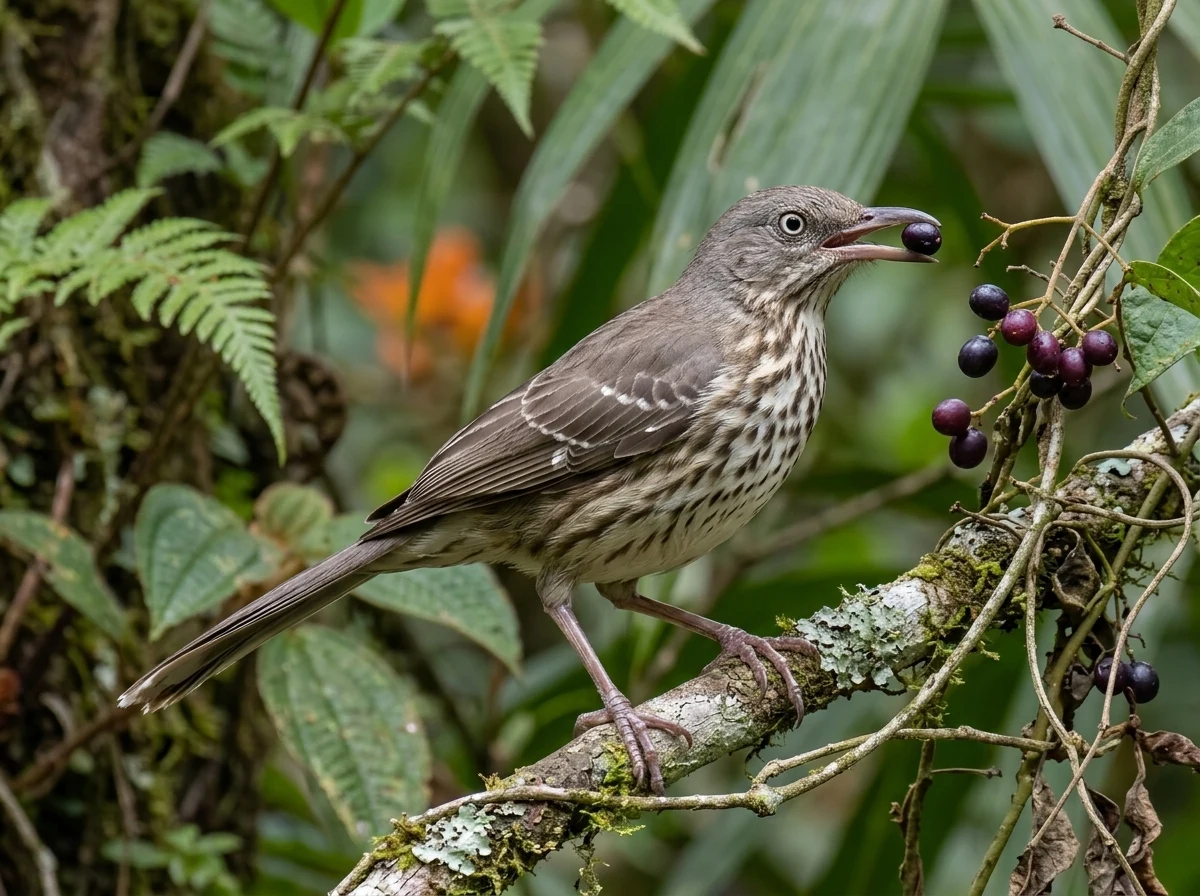
4mimids in the catalogNorthern and Bahama Mockingbirds, Gray Catbird, and Pearly-eyed Thrasher.
01
What the mockingbird sounds like: phrases in sets
Audubon describes its song as a long series of musical and grating phrases, each repeated three or more times. Other sources cite sets of three to seven repeats; what matters is the pattern: a phrase, a copy, another copy, and suddenly something completely different, with no long pause between themes.
The male uses song to defend territory and court mates, and sometimes leaps a few feet into the air, flapping while singing and flashing the white in its wings. If you see a gray bird on a pole or antenna switching themes every few seconds, it is almost certainly a mockingbird.
02
What it imitates: from birds to car alarms
Mockingbird mimicry ranges from other birds' songs to insects, frogs, and human sounds such as car horns, sirens, rusty hinges, and musical instruments. A mockingbird may learn more than 200 songs over its lifetime.
Researcher Donald Kroodsma estimates a typical repertoire of about 100 songs, versus 200 to 400 in Gray Catbird and thousands in some North American thrashers. Numbers vary with the study and the individual, but the idea holds: the mockingbird does not have one song but a catalog that changes with its sound neighborhood.
03
Is it the mockingbird or the real bird?
The first clue is repetition: the imitated bird sings its typical phrase and keeps its normal rhythm, while the mockingbird repeats it in a set and jumps to something else. The second is tone: imitations can sound raspier or less convincing than the original. The third is context: a marsh bird calling from a backyard shrub in the middle of the city is suspicious.
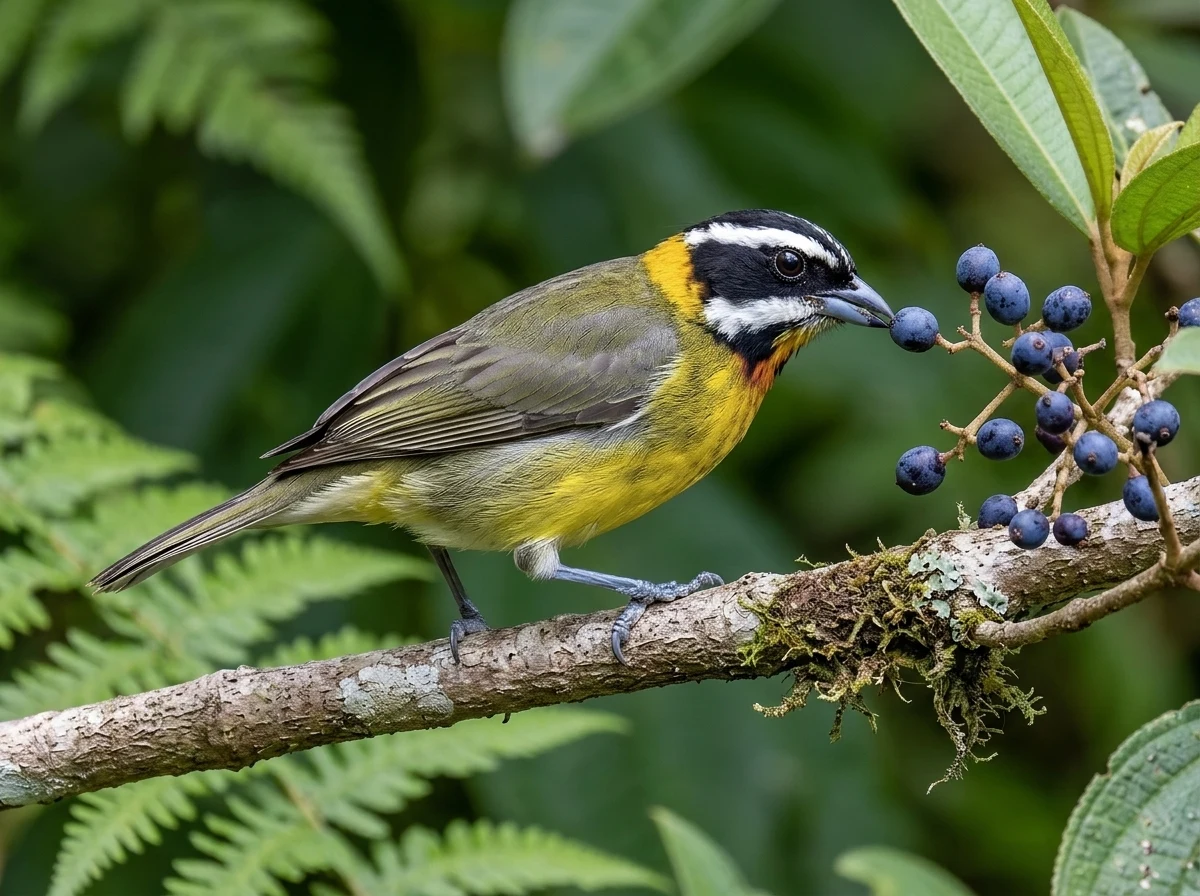
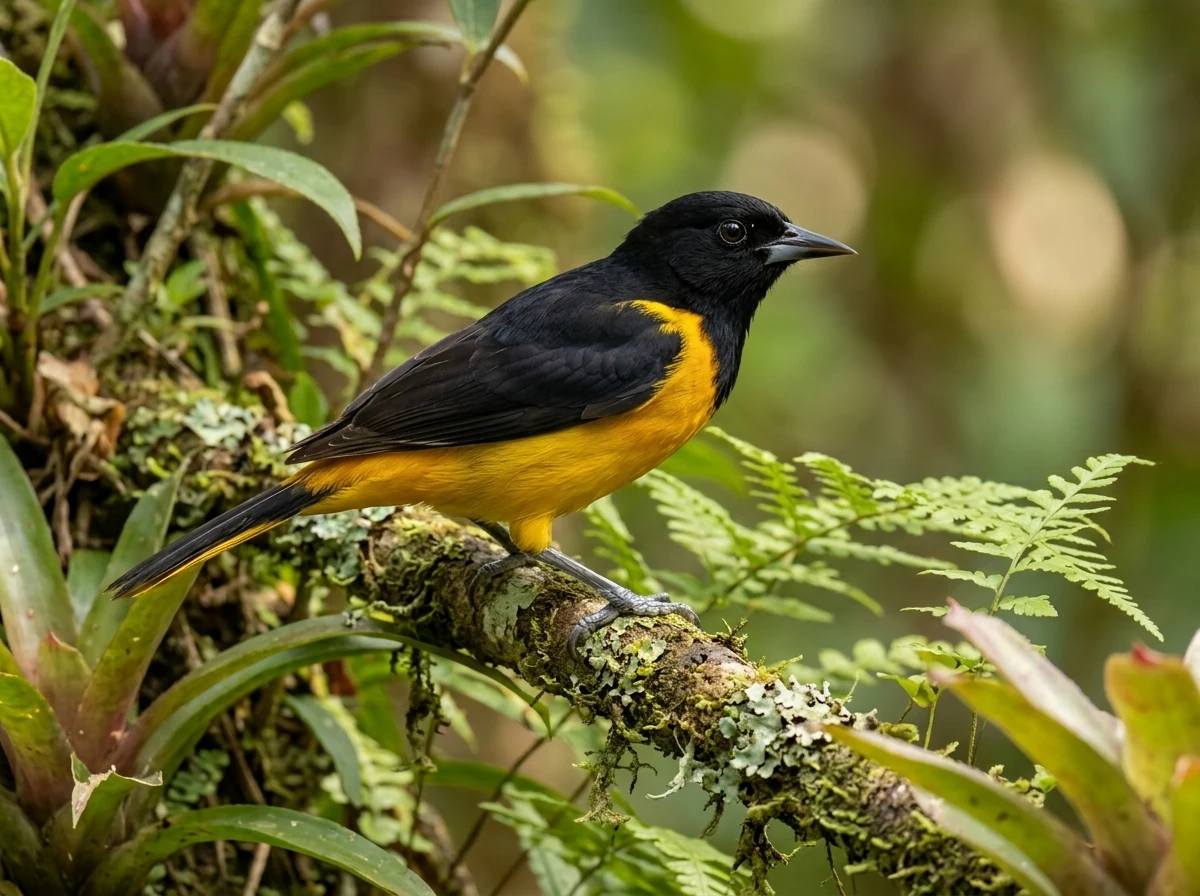
In Puerto Rico, keep this in mind when you hear a Gray Kingbird, Puerto Rican Spindalis, or Puerto Rican Oriole where you do not expect them. Wait a minute: if the same voice moves to another song without stopping, you are hearing the mockingbird. Recording it and looking at the spectrogram helps, because repeated sets look like identical blocks in a row.
04
Why it sings at night
Audubon notes that the mockingbird regularly sings at night, as well as throughout the day in the breeding season. Unmated males do so especially on full-moon nights or near streetlights, and they sing almost constantly during courtship, easing off once they find a mate.
That is why many people in Puerto Rico neighborhoods hear 'a bird' at midnight and assume it is an owl or something unusual. If the song is varied, with repeated phrases and constant changes, it is the mockingbird; if it is a uniform ko-KEE in chorus, it is a coquí; if it is a single forest voice, compare it with the Puerto Rican Owl.
05
Its relatives in Puerto Rico: catbird, thrasher, and Bahama Mockingbird
The mockingbird belongs to the family Mimidae. In our catalog it is joined by the Pearly-eyed Thrasher, a common resident of forest and wooded areas, and two uncommon visitors: the Gray Catbird, a migrant that appears in Puerto Rico as an occasional record, and the Bahama Mockingbird, listed as accidental.
The Gray Catbird sings a long, irregular succession of musical and mechanical notes, sometimes mimicking other birds but without the mockingbird's repeated sets, and breaks it with the cat-like mew that gives it its name. The Pearly-eyed Thrasher has many song recordings from the island, including a whisper song at Guánica, but it is not known as a major mimic.
06
Other mimics and how to document them
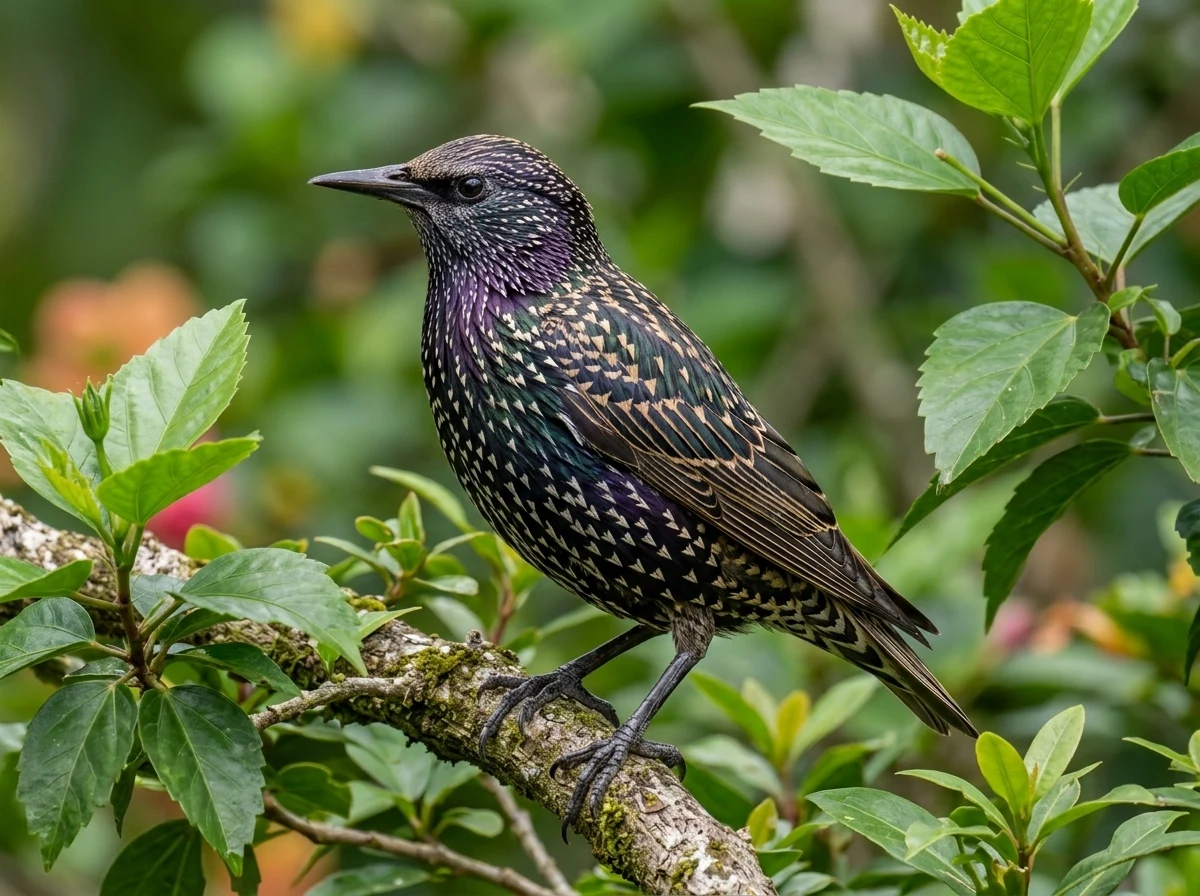
The European Starling, a famous mimic in Europe and North America, is listed in the catalog as introduced and accidental in Puerto Rico, not as an established bird. If you hear something like a starling mimicking in your yard, the likeliest answer is still a mockingbird.
If you think you are hearing an imitation, record it: 30 seconds that include a theme change are enough for others to review. Upload it to eBird as Northern Mockingbird, not as the imitated species, and note which sound it was copying. Those details help show what mockingbirds learn in each neighborhood.
Linked profiles
The mimic and its lookalikes
Compare the mockingbird's song with its mimid relatives and with the birds it most often imitates in yards and towns.

Sound archive
Hear its voice
Explore real songs and calls. The spectrogram turns each sound into a visual trace of time and frequency.
XC1140500Recording 1 of 3call

Play: call by Scott Olmstead
Choose another recording
Sound recorded by Scott Olmstead · XC1140500 · CC BY-NC-SA 4.0. Visualization by Stichting Xeno-canto voor Natuurgeluiden.
Every recording retains the creator, catalogue number, and license published by Xeno-canto. Metadata via GBIF ↗
01
What is the ruiseñor in Puerto Rico?
It is the Northern Mockingbird (Mimus polyglottos), a gray bird with white wing and tail patches, common in open areas, yards, and towns. Elsewhere in Latin America it is called sinsonte or cenzontle; it is not the European nightingale.
02
Sinsonte or ruiseñor: is it the same bird?
Yes. Sinsonte, cenzontle, and ruiseñor (in Puerto Rico) are common names for the same Mimus polyglottos. Use the scientific name or the English Northern Mockingbird to avoid confusion on eBird or with the European nightingale, which is a different species.
03
How many sounds can a mockingbird imitate?
A mockingbird may learn more than 200 songs over its lifetime; researcher Donald Kroodsma estimates a typical repertoire of about 100 songs. It imitates birds, insects, frogs, and human sounds such as horns or sirens.
04
Why does the mockingbird sing at night?
It regularly sings at night, especially unmated males, and more on full-moon nights or near streetlights. Song helps it defend territory and attract a mate, and it usually eases off once the male pairs.
05
How do I know if it is a mockingbird imitating or the real bird?
Wait and count: a mockingbird repeats the phrase three or more times, then switches to a completely different sound. The original bird keeps its own rhythm and does not jump between themes. Imitations also tend to sound a little raspier.
06
Is the Northern Mockingbird native to Puerto Rico?
Yes. Our catalog lists it as a native, naturally occurring species in Puerto Rico, and its breeding range reaches the Greater Antilles. Its relative, the Bahama Mockingbird, has only been recorded as accidental.
Keep exploring
Connected routes
Sources and review
The evidence is one link away.
These sources support the editorial scope of this guide. Bird profiles also retain their own taxonomy, occurrence, and conservation references.
Reviewed:
01↗02↗03↗04↗05↗06↗07↗08↗09↗
National Audubon Society
Northern Mockingbird field guide
Phrases repeated three or more times, mimicry, and regular night singing.National Audubon Society
Are you listening to a bird mimic or the real deal?
How to separate mimics (mockingbird, catbird, thrashers) from the original by repetition and tone.Northern Woodlands
The Northern Mockingbird: master of mimicry
Imitation of birds, insects, frogs, and human sounds; repertoire and repetition per Donald Kroodsma.National Audubon Society
Gray Catbird field guide
Irregular run of musical and mechanical notes and a cat-like mew.Sociedad Ornitológica Puertorriqueña
Official bird list
Local names, occurrence categories, and the public summary of 17 endemics.Xeno-canto Foundation / GBIF
Xeno-canto recordings published through GBIF
Metadata, authorship, licenses, and catalogue records for field recordings used by the atlas.Global Biodiversity Information Facility / Xeno-canto
Xeno-canto recordings from Puerto Rico (GBIF)
Time, date, place, equipment, and vocalization type for the 554 Puerto Rico recordings shared with GBIF (queried September 2026).eBird / Cornell Lab of Ornithology
Smartphone recording tips
WAV format, 48 kHz, automatic gain control and noise reduction off, 30 seconds or longer.eBird / Cornell Lab of Ornithology
Upload sound recordings directly in eBird Mobile
Feature launched September 1, 2026; steps from Merlin; best 1–2 recordings per species.The atlas continues