 AI
AILearning guide
Adaptation: Feet and Perching
A comparison activity for reading function in form: every foot tells a story about how the bird lives.
Reviewed: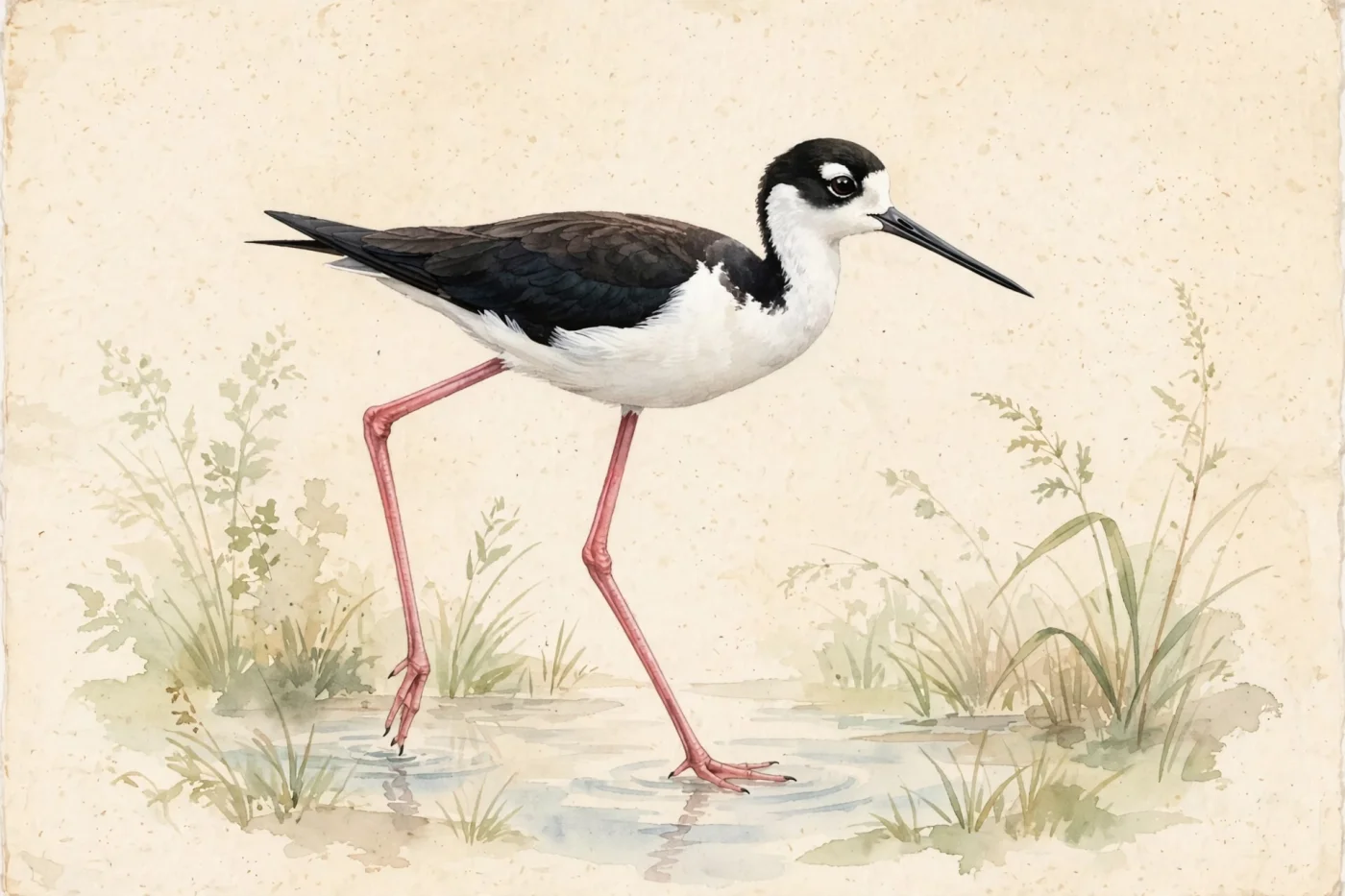
Prepared with AI assistance and linked sources. Illustrations are not field photographs.
The foot as a tool
Bird feet are not a minor detail: they are where skeleton, skin, and behavior meet. In Puerto Rico, an endemic woodpecker that climbs trunks, a pelican that plunges into the sea, an osprey that snatches fish, and a stilt that walks in shallow water use their feet in very different ways. Observing those differences turns a bird walk into a lesson in anatomy and ecology.
This guide proposes a comparison activity: look at toe arrangement, the presence of webbing or lobes, and claw type, then ask what function each trait serves. You do not need special equipment, just patience and a notebook. General anatomical descriptions come from ornithological sources; species examples are based on the Puerto Rico bird catalog.
Learning guide
Three key ideas
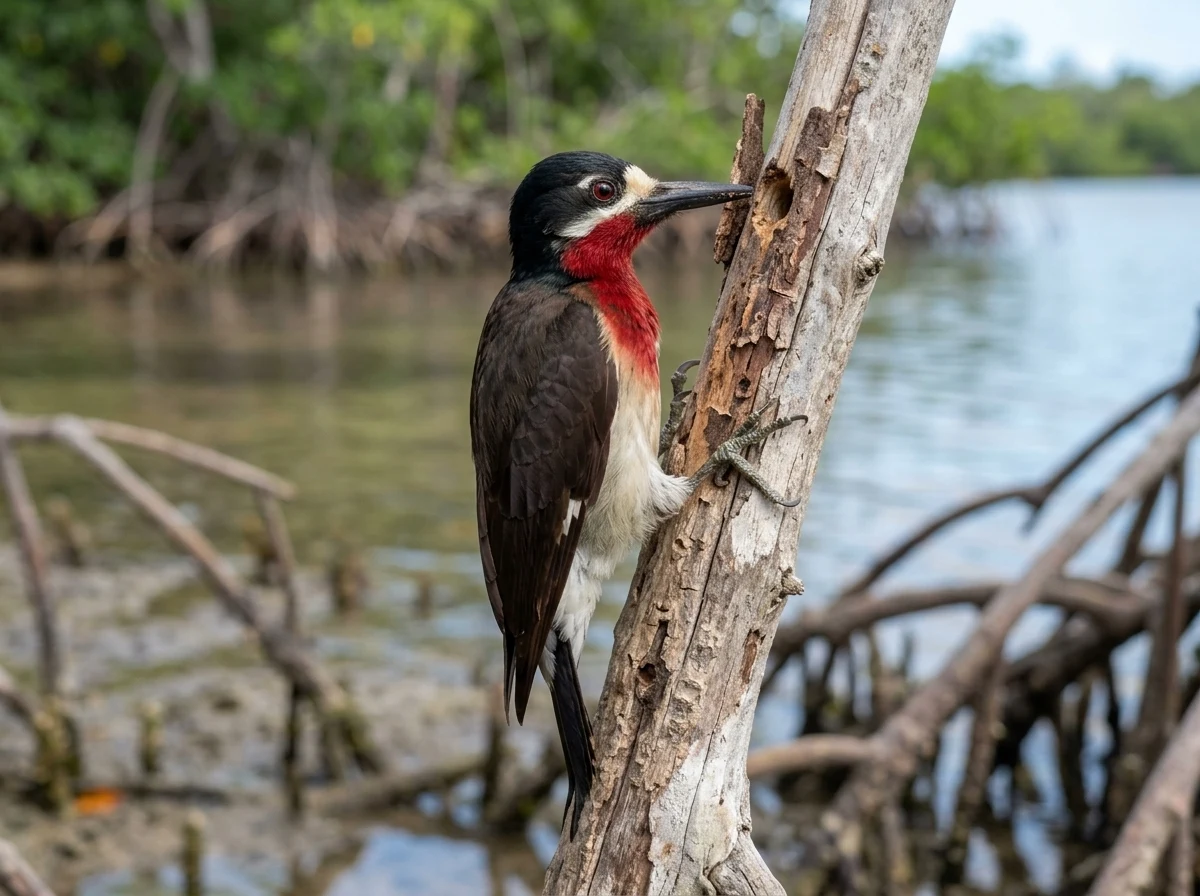
ZigodáctiloTwo toes forward, two backThe Puerto Rican Woodpecker uses this arrangement to climb and cling to trunks.
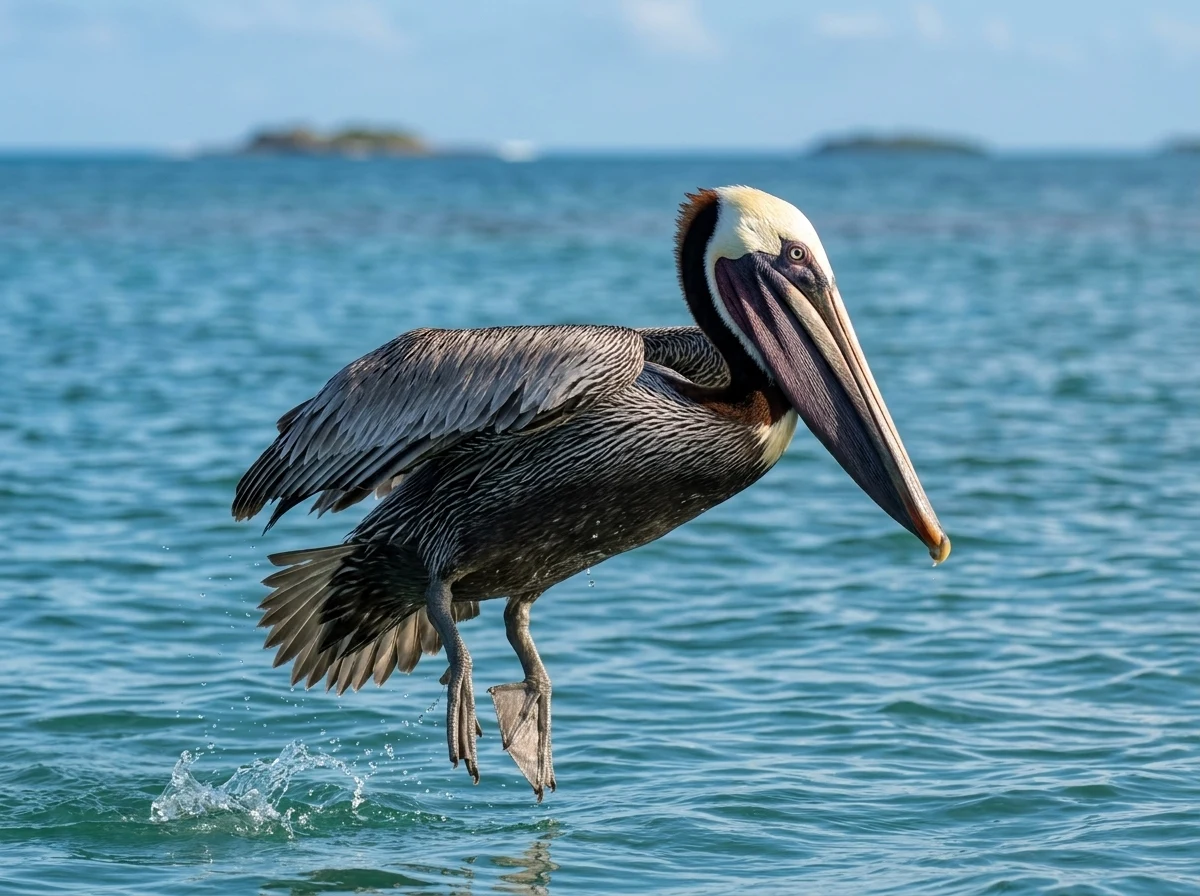
TotipalmadoAll four toes joined by webbingThe Brown Pelican has all four toes webbed, an adaptation for swimming.
AnisodáctiloThree toes forward, one backIt is the most common arrangement, found in birds that perch and walk.
01
Toe arrangements: the key to reading a foot
Most birds have four toes, but their orientation varies. The anisodactyl arrangement, with three toes forward and one back, is the most common and appears in nearly all songbirds and other perching birds. The zygodactyl arrangement, with two toes forward and two back, is found in woodpeckers, owls, ospreys, and parrots, among others. This configuration offers a firmer grip on vertical surfaces or slippery prey. Other arrangements include heterodactyl (only in trogons), syndactyl (fused toes), and pamprodactyl (toes that can rotate).
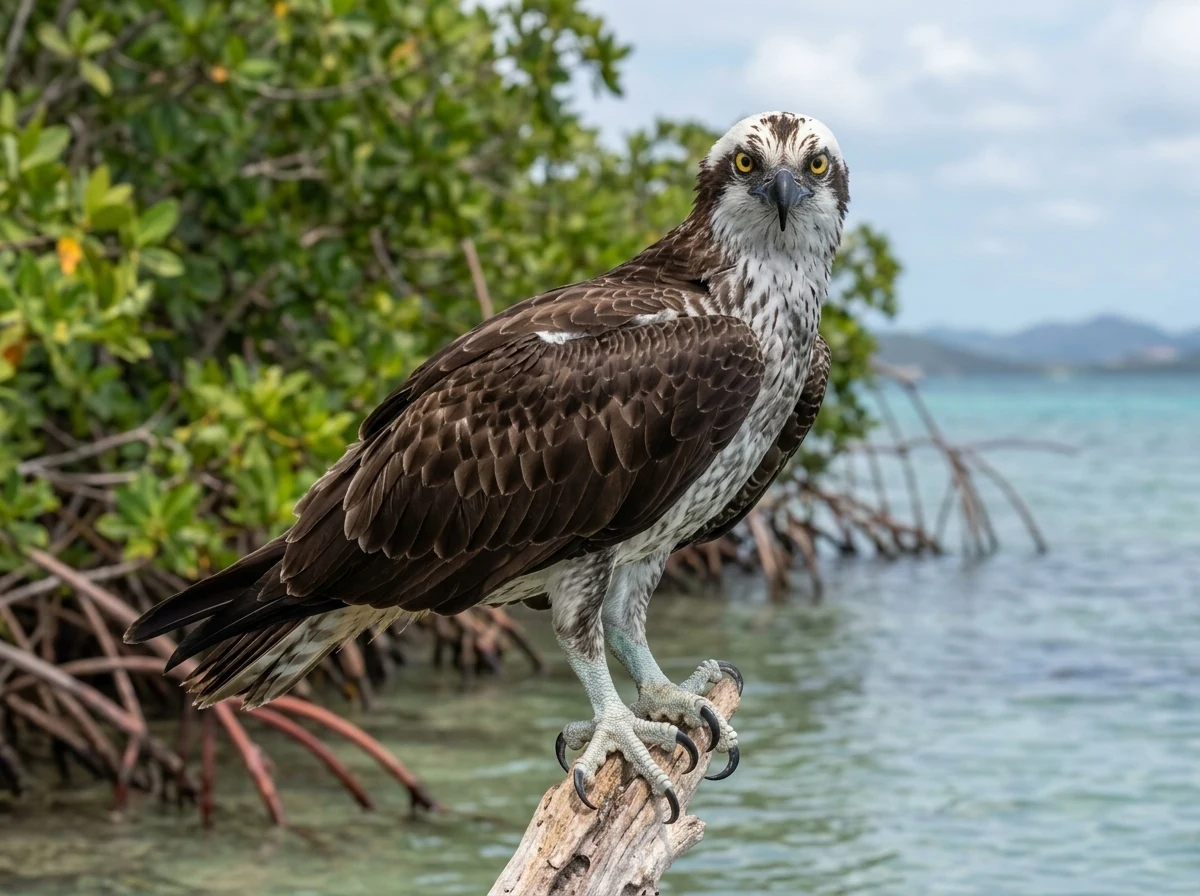
In Puerto Rico, the Puerto Rican Woodpecker (Melanerpes portoricensis) is a clear example of a zygodactyl foot. Its two rear toes allow it to cling to bark while climbing and pecking. The Osprey (Pandion haliaetus) is also zygodactyl, with two toes forward and two back, and can rotate the outer toe (the fourth digit) forward or backward. These differences are not arbitrary: they reflect the type of prey or substrate each species exploits.
02
Webbing and lobes: feet for swimming
Birds that spend a lot of time in water often have webbing between their toes. The palmate arrangement joins the three front toes with webbing, as in ducks, geese, swans, gulls, and terns. The totipalmate arrangement joins all four toes, as in pelicans, boobies, cormorants, and frigatebirds. This webbing turns the foot into an effective paddle. The Brown Pelican (Pelecanus occidentalis), common along Puerto Rico's coasts, has totipalmate feet that help it swim and paddle; the bird dives to capture fish.
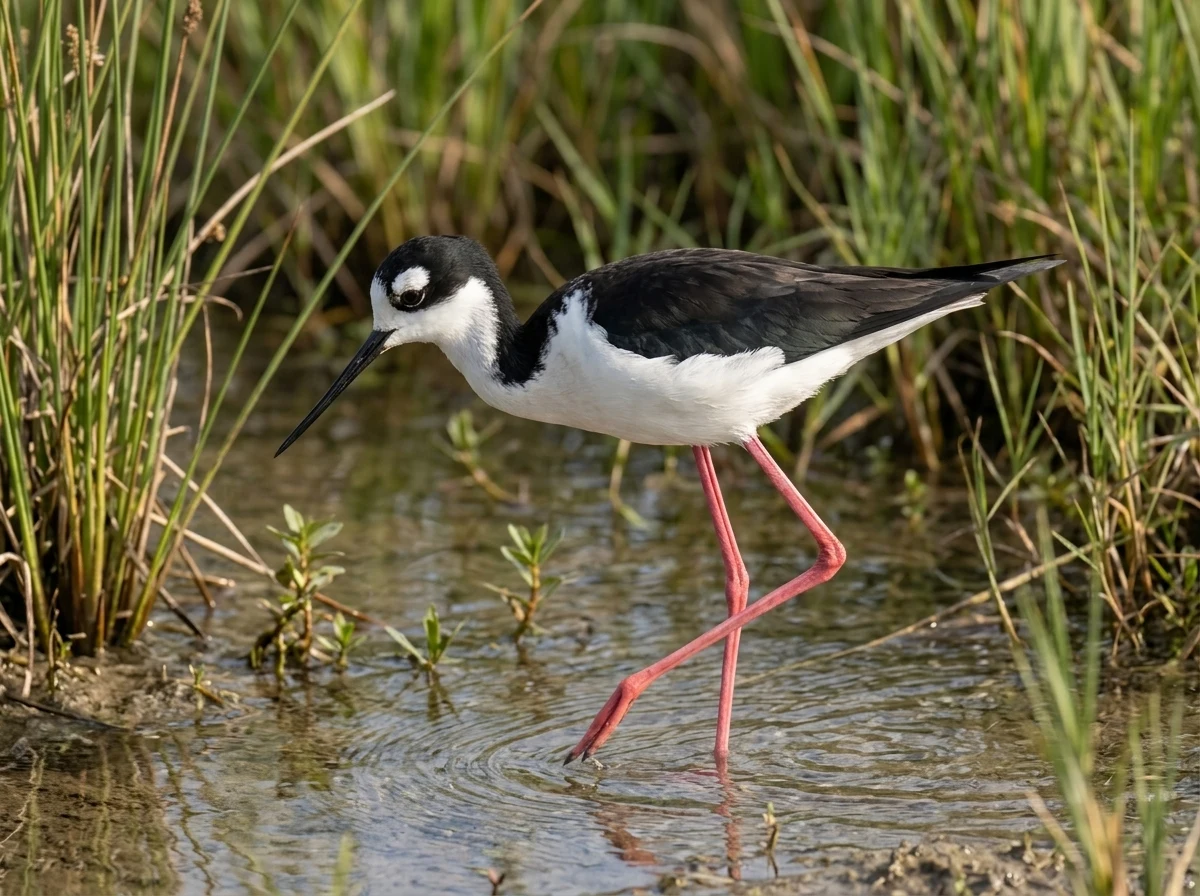
Other aquatic birds, such as grebes and coots, have lobes instead of full webbing. Lobes are skin projections that expand when swimming and contract when walking, offering the best of both worlds: propulsion in water and mobility in mud. The Black-necked Stilt (Himantopus mexicanus) has long legs that allow it to wade in shallow water, a trait shared with other shorebirds. Each anatomical solution corresponds to a different lifestyle.
03
Claws and grip: raptors and climbing birds
Birds of prey have powerful feet, strong, sharp, highly curved claws, and roughened pads on the undersides of their toes to help them grasp prey. The Osprey (Pandion haliaetus) adds an extra adaptation: spines on the pads of its toes that allow it to hold slippery fish. Its diet is almost exclusively fish, and its anatomy reflects that specialization.
The Puerto Rican Woodpecker, by contrast, does not use its claws to kill, but to climb. Its zygodactyl feet and curved claws allow it to cling to bark while hammering. Woodpeckers, as a family, can rotate the outer toe to the side to adapt to irregular surfaces; this rotation has been described for woodpeckers when climbing. In contrast, birds that walk a lot, such as the stilt, have long, slender legs that allow them to wade in shallow water. Claw shape and leg robustness tell whether a bird is a hunter, a climber, or a walker.
04
Comparison activity: observe, draw, and ask
Choose a place where you can watch birds without disturbing them: a park, a lagoon, or the coast. Bring a notebook and pencil. For 20 minutes, look for birds that are perched, walking, swimming, wading, or stalking. For each one, note: how many toes point forward and how many backward? Is there webbing between the toes? Are the legs long or short? Is the bird perched, walking, swimming, wading, stalking, or grasping something? You do not need to identify the species to do the activity; the goal is to relate form and function.
Then, try drawing the foot from memory. Compare your drawings with the descriptions in this guide. Ask yourself: if this bird lived in another environment, would these feet work? For example, could a pelican climb a trunk with its totipalmate feet? Could a woodpecker swim with its zygodactyl feet? These function questions help explain why evolution favors certain structures in certain habitats. As an extension, look for images or videos of the mentioned species and observe their feet in action. Do not handle birds or attempt to capture them: the entire activity is observation from a distance.
Linked profiles
Birds in this guide
Four species with feet that illustrate different adaptations: climbing, swimming, grasping, and wading.
01
What does it mean for a bird to be zygodactyl?
It means the bird has two toes pointing forward and two pointing backward. This arrangement is common in woodpeckers, owls, ospreys, and parrots, and helps them cling to vertical surfaces or grasp prey.
02
How do the pelican's totipalmate feet function in swimming?
The Brown Pelican has totipalmate feet: all four toes are joined by webbing. That webbing acts as a paddle that pushes water backward, propelling the bird as it swims.
03
Why can the Osprey hold slippery fish?
In addition to strong, curved claws, the Osprey has spines on the pads of its toes. These spines increase friction and allow it to hold fish that would otherwise slip away. It can also rotate its outer toe forward or backward.
04
Does the Black-necked Stilt have webbed feet?
No. The Black-necked Stilt has long legs that allow it to wade in shallow water, a trait it shares with other shorebirds.
05
Can I do this activity without identifying the birds?
Yes. The goal is to observe foot shape and relate it to what the bird is doing. You can note 'small perched bird' or 'large swimming bird' and still learn about adaptations.
Keep exploring
Connected routes
Sources and review
The evidence is one link away.
These sources support the editorial scope of this guide. Bird profiles also retain their own taxonomy, occurrence, and conservation references.
Reviewed:
The atlas continues