 AI
AIFieldcraft guide
How to observe Puerto Rican Woodpecker foraging
A field protocol that turns a forest visit into useful data on Puerto Rico's only resident woodpecker.
Reviewed: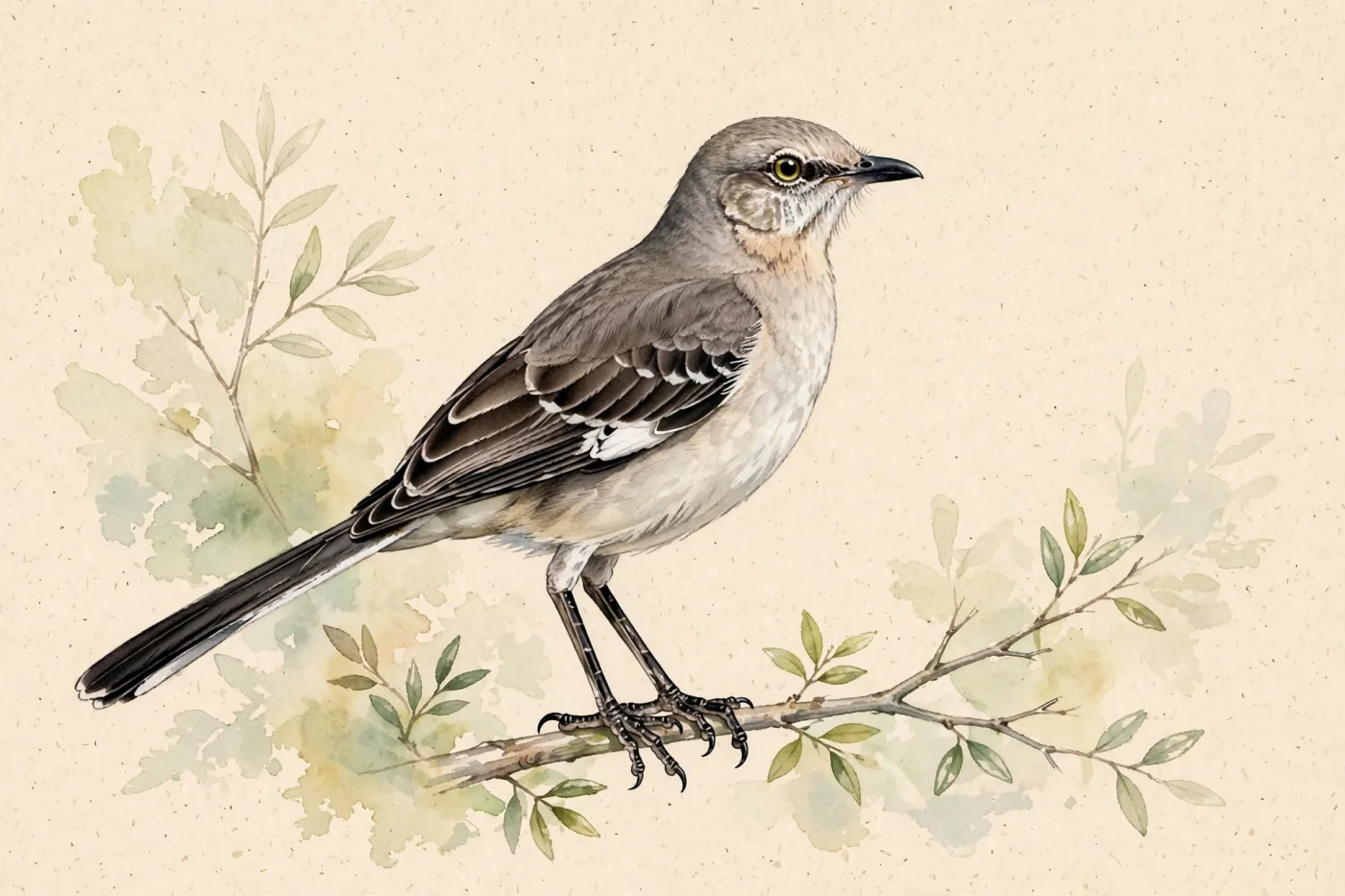
Prepared with AI assistance and linked sources. Illustrations are not field photographs.
Why foraging observation is worth your time
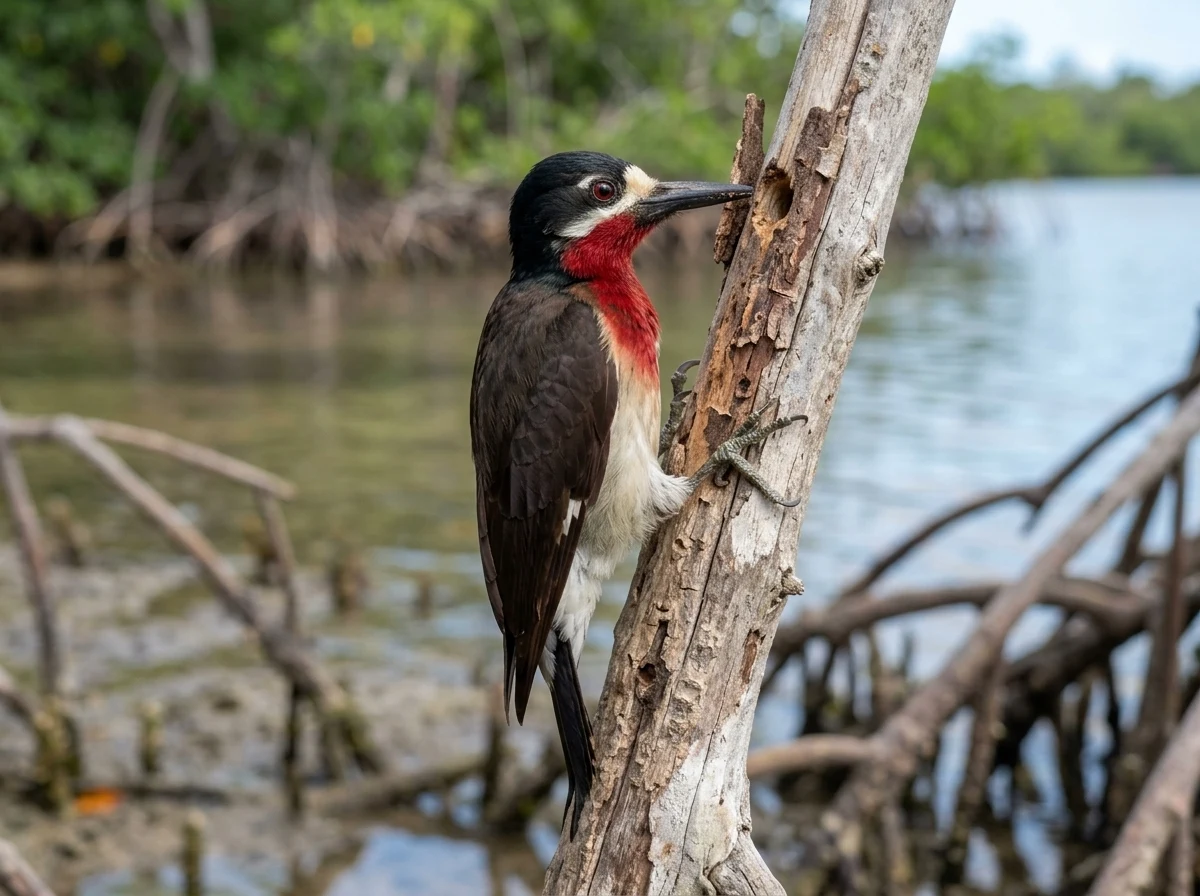
The Puerto Rican Woodpecker (Melanerpes portoricensis) is the only resident member of the family Picidae in Puerto Rico and is endemic to the archipelago. It occurs in all treed habitats on Puerto Rico and Vieques, from dry and moist forest to mangrove, plantations, parks, and gardens. Unlike many woodpeckers, it is omnivorous, eating a wide variety of arthropods and fruits. That combination —a single resident species, broad distribution, and varied diet— makes it an excellent subject for methodical foraging observation.
This guide is not a species profile. It is an observation protocol: what to note, how to record height and substrate, how to estimate pecking rate, and how to describe prey. The goal is that anyone with binoculars, a notebook, and patience can produce observations comparable across sites and dates. The main source on diet and foraging is the Birds of the World species account, which summarizes current knowledge and notes that many aspects of the woodpecker's life history and behavior are not well understood.
Fieldcraft guide
Three keys for your notebook
Especie únicaA single resident woodpeckerThe Puerto Rican Woodpecker is the only resident picid in the archipelago, which simplifies identification during foraging.
OmnívoroArthropods and fruit dietIt eats a wide variety of arthropods and fruits, so record both pecking and fruit consumption.
Todos los hábitats con árbolesWhere to lookIt occurs in all treed habitats on Puerto Rico and Vieques, including parks and gardens.
01
What is known about woodpecker foraging
The Birds of the World species account describes the Puerto Rican Woodpecker as omnivorous, with a diet that includes a wide variety of arthropods and fruits. That description is the starting point: during an observation you should not assume that every peck is aimed at an insect or that every consumed item is fruit. Note what you see and, when you cannot confirm the prey, mark it as "unidentified."
The same source notes that many aspects of the species' life history and behavior are not well understood. That means your systematic observations —even modest ones— can contribute useful information. The known distribution covers all treed habitats on Puerto Rico and Vieques, so the protocol can be applied in dry forest, moist forest, mangrove, plantation, park, or garden. You do not need to travel far to begin.
02
Preparation: gear and field etiquette
Bring binoculars, a waterproof notebook or printed data sheet, a pencil, a watch or phone for timestamps, and a tree guide if you want to identify tree species. A hand counter helps estimate pecking rate but is not essential. If you plan to photograph, use silent settings and avoid flash. Foraging observation requires distance: the woodpecker may tolerate a quiet presence, but do not chase it or knock on the trunk to provoke a response.
Before starting, choose an observation point with a clear view of the trunk and main branches. Keep a distance that does not alter the bird's behavior. If the woodpecker moves away or stops foraging when you approach, back off. The goal is to record natural behavior, not to force an observation. Work quietly, move slowly, and avoid blocking flight paths or perches used by other birds.
03
Step-by-step observation protocol
1) Record context: date, start and end time, locality, general habitat (dry forest, moist forest, mangrove, plantation, park, garden), and weather conditions. 2) When you find a woodpecker foraging, note the exact time and start a timer. 3) Describe the substrate: main trunk, thick branch, thin branch, twig, loose bark, epiphyte, fruit, or human-made structure. 4) Estimate height in zones: ground (0 m), low (0–3 m), mid (3–8 m), high (8–15 m), and canopy (above 15 m). If you can, use a rangefinder or measuring app, but zones are enough for comparison.
5) Record behavior: simple pecking, deep excavation, bark scaling, probing, fruit picking, fruit consumption, aerial capture, or movement between substrates. 6) If pecking occurs, count strikes in 15- or 30-second intervals and note the number. 7) Describe prey if seen: insect, larva, spider, fruit, seed, nectar, or unidentified. 8) Note interactions: nearby birds, chases, calls, pair or group. 9) End the sample when the bird leaves or when you complete 10 continuous minutes. 10) Review your notes before packing up.
04
Data sheet and comparison exercise
A useful data sheet fits on half a page. Include: date, time, locality, habitat, tree species (if known), height zone, substrate, behavior, pecking rate per interval, prey, observation duration, and notes. If you cannot identify the tree, describe the bark, foliage, or fruit. That description allows comparison even without a scientific name.
Exercise: choose two nearby trees of different species and observe each for 10 minutes, alternating if possible. Compare the height zone used, preferred substrate, and pecking rate. You do not need a large sample to learn: two well-done observations teach more than an hour of tracking without notes. If you repeat the exercise in different weeks, you will have a simple time series. Share your data with citizen-science platforms if the format allows, but always keep your original notes.
05
How to avoid common mistakes
The most common mistake is confusing pecking with nest excavation. During foraging, the woodpecker may peck superficially, scale bark, or excavate for arthropods; nest excavation tends to be more persistent and at a fixed point. If you are unsure, note "excavation" and describe duration and substrate. Do not assume every hole is a nest or every peck captures prey.
Another mistake is ignoring fruit. The species is omnivorous and eats fruit, so record visits to fruiting trees, palms, or shrubs with fleshy fruits. Also avoid attributing to the woodpecker sounds or marks made by other birds. If you see a different bird in the same tree, note it as context, not as part of the woodpecker's foraging. Accuracy is worth more than data volume.
Linked profiles
Birds that may appear in the same session
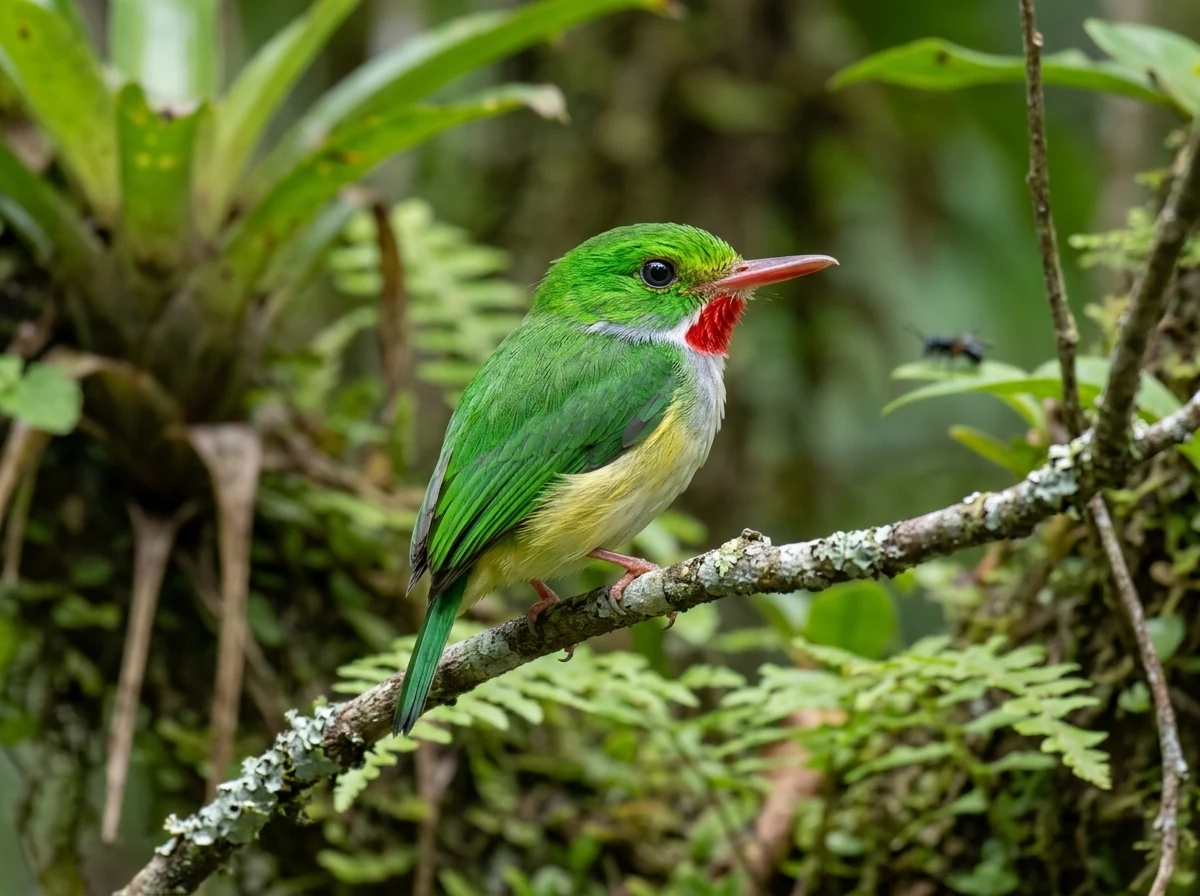
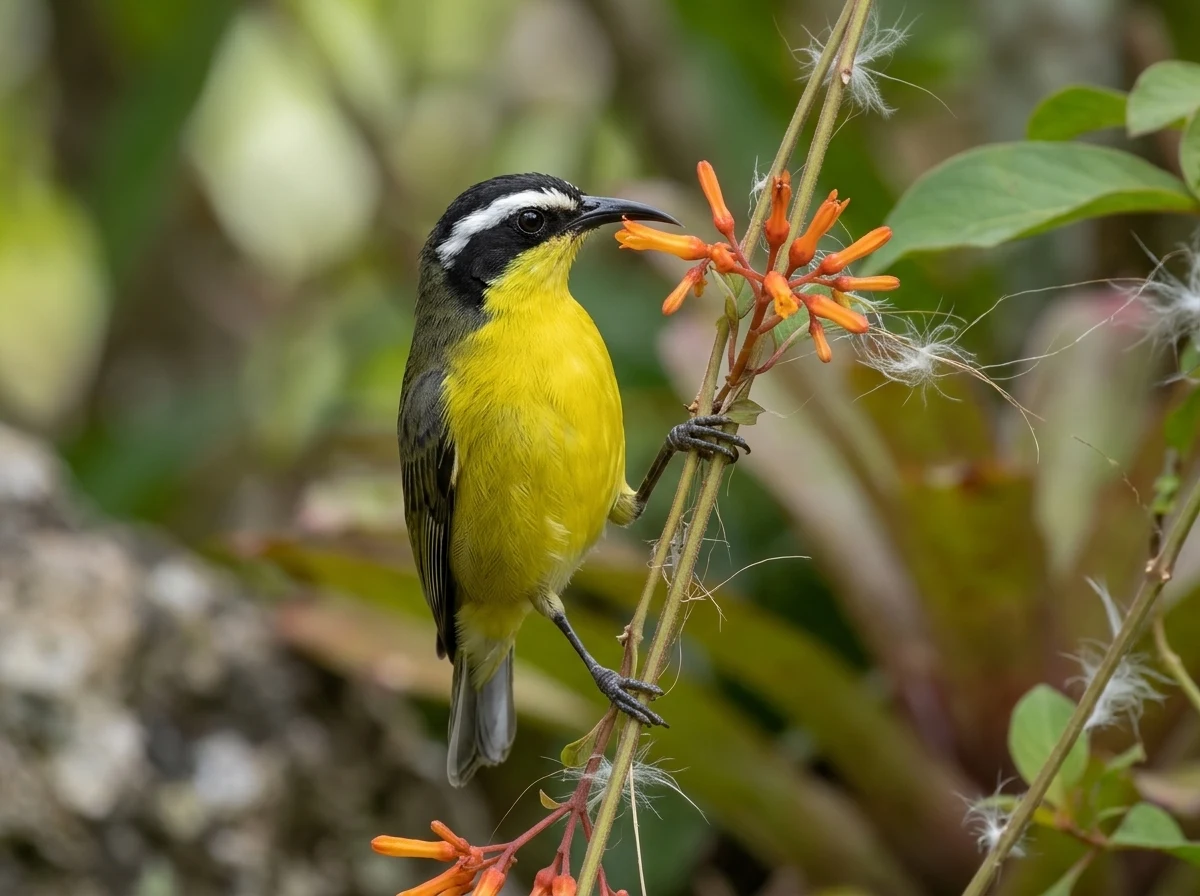
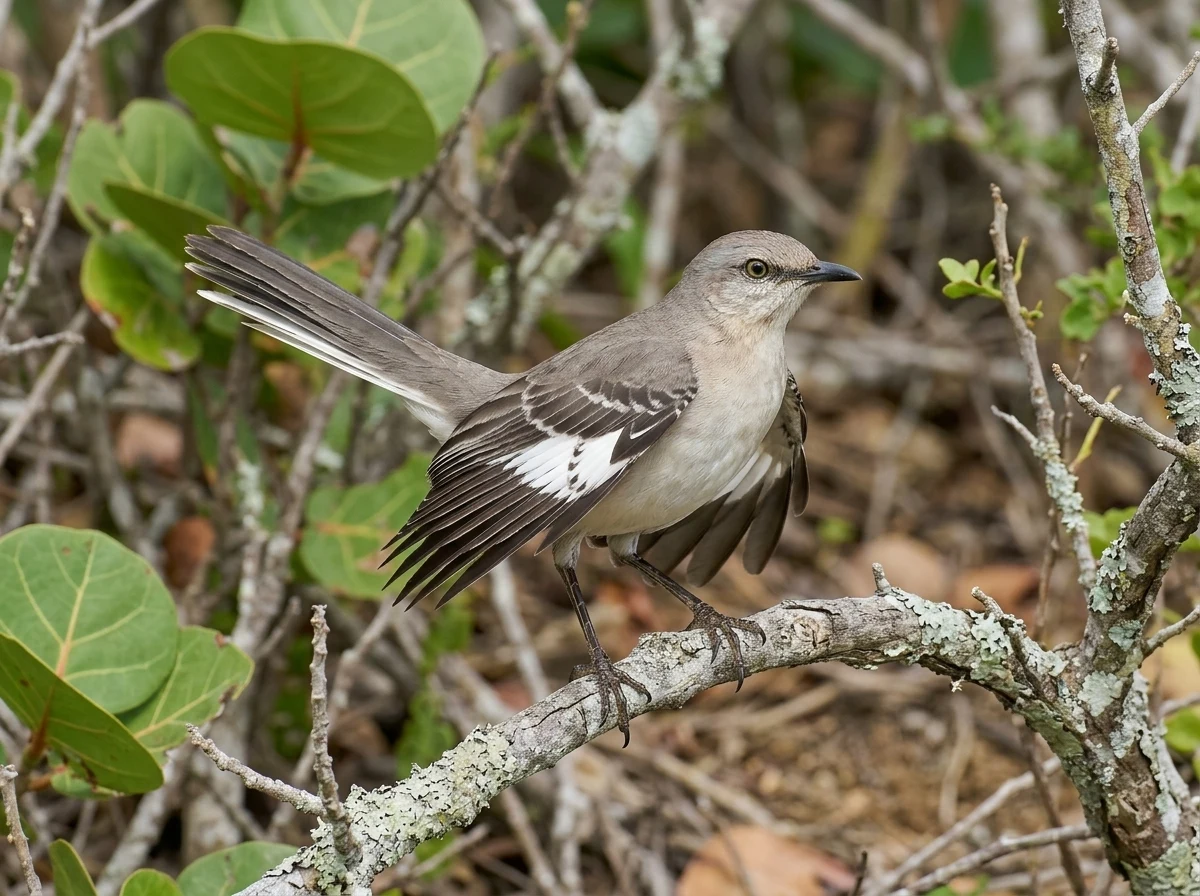
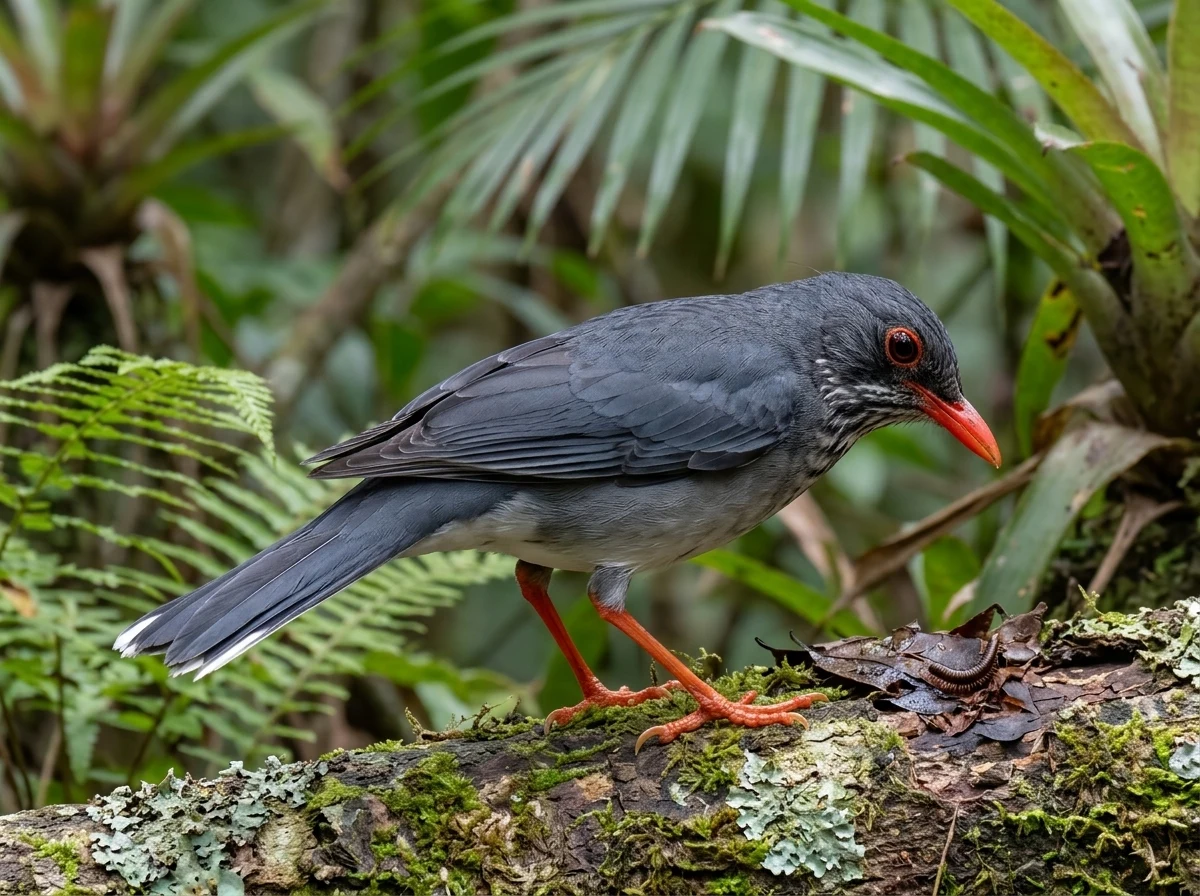
The woodpecker does not forage in isolation. These species share treed habitats and can help you interpret the forest context.
01
Do I need a spotting scope to observe foraging?
No. 8x42 or 10x42 binoculars are enough to see substrate, height zone, and behavior. A scope helps if the bird forages in the canopy, but it is not essential. Stability and patience matter more than magnification.
02
How long should I observe for the data to be useful?
Ten continuous minutes per individual or per tree is a good standard. If the bird leaves earlier, note the actual duration. Short but repeated observations at the same site are often more useful than a single long, unstructured session.
03
Can I use my phone to record pecking?
Yes, if you keep your distance and do not interrupt foraging. Audio can help estimate pecking rate, but it does not replace visual counting. Always note the time and the interval you are counting.
04
What should I do if I cannot identify the tree?
Describe the bark, foliage, presence of fruit or flowers, and tree height. That description allows comparison even without a scientific name. If you can, take a photo of the bark and the whole tree.
05
Does the Puerto Rican Woodpecker forage alone or in groups?
The species account indicates it is fairly sociable: although territorial during breeding, pairs may join other individuals in larger groups during the nonbreeding season. During foraging, note whether you see one individual, a pair, or a group, and whether there are calls.
Keep exploring
Connected routes
Sources and review
The evidence is one link away.
These sources support the editorial scope of this guide. Bird profiles also retain their own taxonomy, occurrence, and conservation references.
Reviewed:
The atlas continues